
Foxes Digging Along Your North Carolina Wood Line In Fall Are Reading A Signal In The Soil
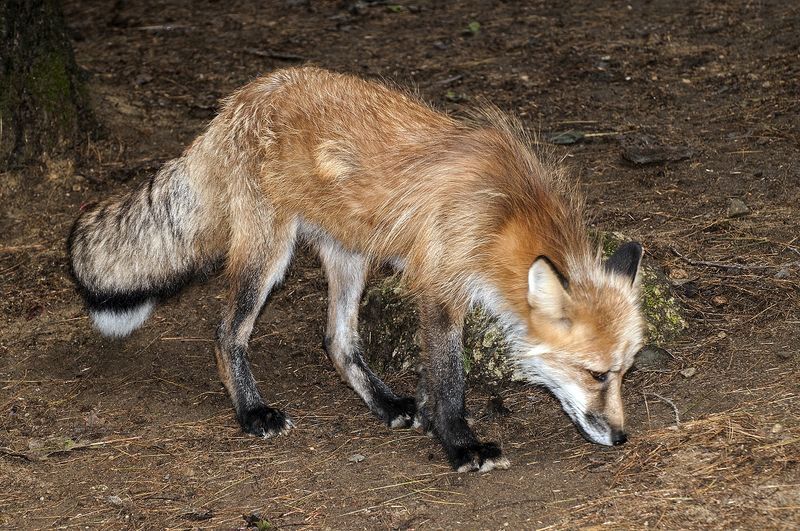
Spotting a fox nosing along your wood line and scratching at the ground can stop you in your tracks, especially when it happens repeatedly in the same stretch of yard. Your first instinct might be to wonder whether something is seriously wrong beneath the turf.
The good news is that a digging fox is more often a curious wild neighbor following its nose than a sign of a yard in trouble. Understanding what actually draws foxes to residential edges, and how to check whether a real pest problem exists, puts you back in the driver’s seat without reaching for a spray can or chasing the animal off.
A digging fox offers a clue, not a soil diagnosis
Picture a red fox pausing at the edge of your lawn, sniffing the ground and pawing at the soil near the tree line. The easy assumption is that the animal has sniffed out a grub infestation or a rodent colony your yard is hiding.
The behavior is genuinely worth paying attention to, but the fox cannot tell you what specific problem, if any, lies beneath the surface.
North Carolina is home to two fox species. Red foxes are common statewide, and the NC Wildlife Resources Commission notes that their diet spans mice, meadow voles, rabbits, insects, birds, eggs, fruit, berries, carrion, garbage, and pet food.
That is a wide menu, and a fox working your wood line could be tracking any item on it. Gray foxes share similar habits and habitat preferences, using forest edges, brushy transition zones, and suburban yards much the way red foxes do.
A wood line is prime fox territory regardless of what your turf looks like underneath. The edge between open lawn and trees concentrates small mammals, provides cover for movement, and offers a mix of plant and animal foods across short distances.
A fox may pass through your yard simply because it is a convenient corridor, not because your soil is sending a distress signal.
That said, dismissing the sighting entirely misses an opportunity. If a fox is digging with focus in the same area on multiple visits, the yard is worth a closer look.
The goal of that look is to gather actual evidence, not to confirm a suspicion. A fox’s behavior can prompt the question; only a hands-on inspection of the turf can begin to supply an answer.
Why fall makes a turf inspection worthwhile

Fall is a genuinely useful time to check your turf, and that timing is worth understanding on its own terms rather than tying it too tightly to any fox you may have seen. Several white grub species common to North Carolina spend part of their life cycle feeding near the soil surface from late summer through October, which happens to overlap with the season when foxes are most active along residential edges.
NC State Extension’s guide to white grubs in turf identifies Japanese beetle, May and June beetle, green June beetle, and masked chafer larvae as the primary culprits in North Carolina lawns. These larvae feed on grass roots, and a heavy population can cause turf to yellow, thin, and eventually lift away from the soil like a loose rug.
Because the grubs are actively feeding and relatively close to the surface in late summer through fall, this window gives you a realistic chance of finding them if they are present.
The seasonal coincidence, however, is just that: a coincidence. Foxes are more active in fall as young animals from spring litters begin moving and establishing their own ranges, and food sources shift as summer fruits disappear.
A fox digging in October does not mean it found grubs any more than a fox digging in April means it found earthworms. The animal follows whatever food opportunity presents itself.
What fall does give you is a practical reason to walk your lawn with purpose. If grubs are present and feeding near the surface, you are more likely to find them now than in the heat of summer or the cold of winter.
Use the season as an inspection prompt, not as confirmation that a pest problem already exists.
Let the lawn provide the evidence
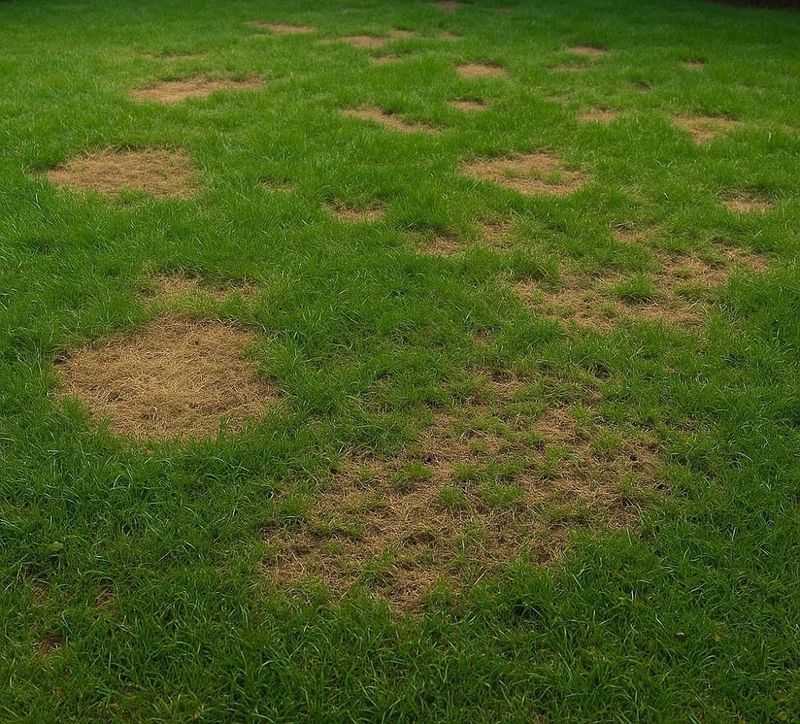
Before you reach any conclusions about what a fox was after, let the lawn speak for itself. Start by walking several different areas of your yard, not just the spot where the fox was digging.
Look for patches of turf that appear yellow or brown without an obvious reason, areas that feel spongy underfoot, or grass that seems thinner than it should be for the season.
A simple tug test can give you an early clue. Grab a handful of grass and pull firmly.
NC State’s turf pest guide explains that turf lifting away from the soil with little resistance is a sign that root-feeding insects may have severed the grass from the ground beneath it. That result should prompt a closer look, but it is not a diagnosis on its own.
Loose turf can also result from drought stress, thatch buildup, or other causes unrelated to grubs.
To actually check for grubs, NC State’s integrated pest management guidance recommends cutting and folding back a roughly 1-square-foot section of turf to a depth of about 3 inches, then examining the roots and surrounding soil carefully. Count any grubs you find in that area, then replace the turf and check at least two or three other spots across the yard before drawing any conclusions.
Grub populations are often patchy, which means one sample, including the fox’s digging hole, tells you very little about what is happening across the full lawn. NC State’s white grub resource reinforces that sampling multiple separate areas gives you a far more reliable picture than any single observation point.
A fox hole is not a soil core sample; it is a starting point for your own investigation.
Separate grubs from rodents and attractants
One of the most common mistakes after a fox sighting is treating every possible cause as the same problem. Grub damage, rodent activity, and human-created food sources are three distinct situations, and a fox cannot tell you which one applies to your yard.
Sorting them out requires observation, not assumption.
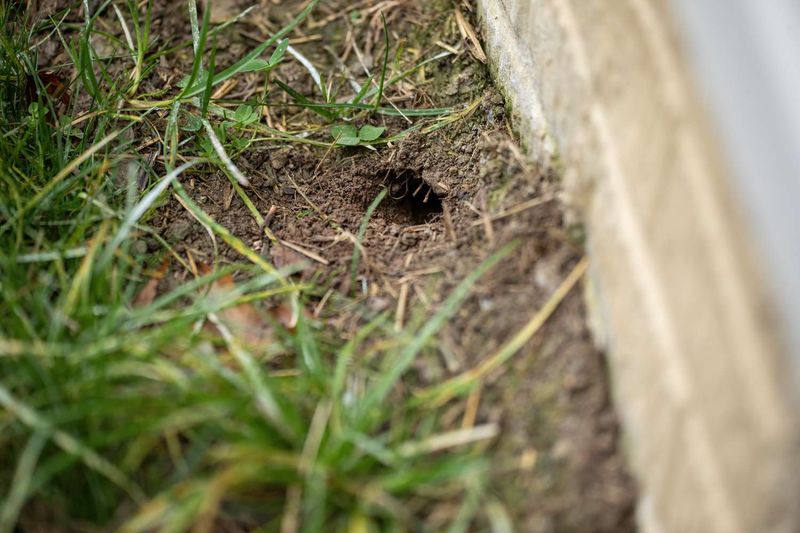
Root-feeding grub damage tends to show up as irregular yellow or brown patches that spread slowly and feel soft underfoot, with turf that lifts when you pull it. Rodent activity looks different: you may notice surface runways through the grass, small entry holes near the base of plants or structures, or gnawed stems.
A fox hunting rodents above or below ground may dig with speed and intensity, following a scent trail that has nothing to do with your turf health.
Human-created attractants deserve their own honest look. The NC Wildlife Resources Commission’s red fox profile lists garbage, pet food, and other human food sources among the items foxes readily consume.
An outdoor pet food bowl left out overnight, an unsecured trash can, or spilled birdseed beneath a feeder can draw a fox to the same corner of your yard night after night, with no grubs or rodents involved at all. Fallen fruit from a backyard tree is another draw that is easy to overlook.
The wood line itself may simply be a travel route. Foxes follow predictable paths between foraging areas, and your yard’s edge may sit along a corridor the animal uses regularly regardless of what is happening in the soil.
Watching the pattern of digging over several days, noting whether it concentrates near a food source or spreads across the turf, and pairing that with a hands-on lawn inspection will help you identify which situation, if any, actually calls for a response.
Treat only a confirmed and consequential pest problem
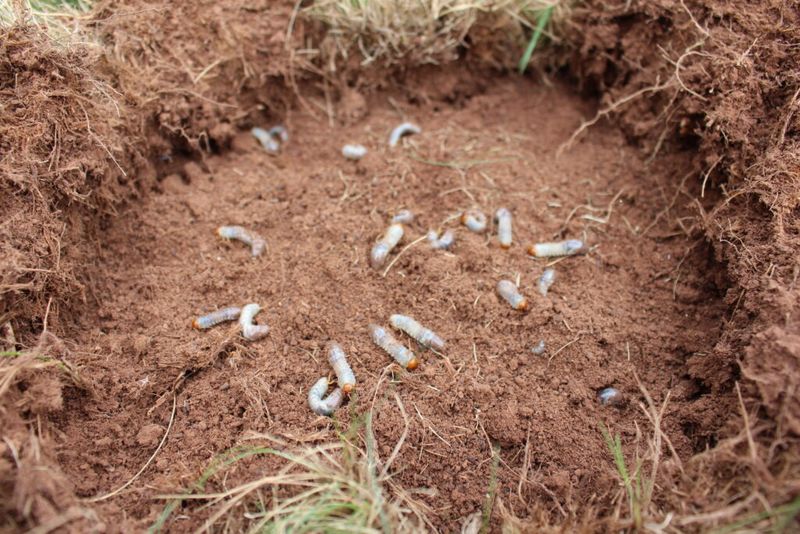
A fox appearing in your yard is not a reason to apply a grub control product. That point is worth stating plainly, because the temptation to act on a sighting rather than on evidence can lead to unnecessary pesticide use that costs money, stresses the lawn, and does nothing to address the actual situation if grubs were never the issue.
If your turf inspections across multiple areas reveal grubs and the damage is meaningful enough to concern you, treatment becomes a reasonable conversation. NC State Extension’s white grub guidance places important curative treatment windows in late summer through fall, when larvae are still relatively small and near the surface, and notes that some situations may allow for early spring treatment depending on grub species and the location within the state.
Timing matters because products work best against young, actively feeding larvae rather than larger grubs that have moved deeper into the soil for winter.
Treatment thresholds vary. A figure of five to ten grubs per square foot is sometimes cited as a general guideline, but that number originates from Pennsylvania Extension research and does not translate directly to every North Carolina lawn.
Species, turf condition, how the lawn is used, and your own tolerance for cosmetic damage all factor into whether treatment is justified. Applying product at low grub counts in healthy, well-irrigated turf often does more harm than good.
When you decide treatment is warranted, follow the current product label exactly, and cross-reference with the current North Carolina Agricultural Chemicals Manual for state-specific guidance. If you are uncertain about what you found or what to do next, NC State Extension agents are available by county and can help you interpret your results before you commit to any treatment.
A normal sighting calls for distance, not a chase

Seeing a fox move through your yard, even in broad daylight, is a normal part of living near wooded land in North Carolina. Young foxes dispersing in fall are often active during daylight hours as they navigate unfamiliar territory, and established adults may adjust their schedules based on food availability and human activity patterns.
A fox crossing your lawn or sniffing along the tree line is behaving like wildlife, not signaling a problem.
The NCWRC’s coexistence guidance for foxes is clear: simply observing a fox, including during the day, is not cause for alarm. The recommended response is to watch from a comfortable distance, give the animal space, and avoid approaching, feeding, or interacting with it in any way.
Foxes that associate people with food lose their natural wariness, which creates problems for the animal and for the neighborhood over time.
On the practical side, removing or securing attractants is the single most effective step most homeowners can take. Bring pet food indoors at night, use a trash can with a secure lid, and clean up spilled birdseed regularly.
Keep pets supervised when they are outside, and make sure their rabies vaccinations are current.
Ordinary lawn digging is different from a fox repeatedly using the space under your deck, porch, or crawl space as a den site. If you are dealing with repeated denning under a structure, the NC Wildlife Resources Commission recommends nonlethal deterrence such as a motion-activated sprinkler, a spotlight or strobe light, talk radio played near the den entrance, or increased human activity near the site.
These tools address a specific, ongoing conflict. For a fox that digs in the lawn once or twice and moves on, the appropriate response is observation and patience, not intervention.
Know when observation becomes a safety issue

Most fox encounters in a North Carolina yard require nothing more than careful observation and a respectful distance. Knowing the difference between normal wildlife behavior and a situation that needs prompt attention keeps both people and animals safer.
Daytime activity alone is not a red flag. NCWRC guidance on fox coexistence notes that daytime sightings are not unusual and are not by themselves a sign of disease.
The behaviors that do warrant concern are unexplained aggression toward people or pets without provocation, stumbling or loss of coordination, self-mutilation, or other signs of apparent illness. If you observe any of those, keep everyone away from the animal and contact your local wildlife agency or animal control for guidance.
Direct contact is the issue that requires an immediate response. If a fox bites or scratches a person, CDC guidance on rabies prevention recommends washing the wound thoroughly with soap and water for at least 15 minutes, then contacting a healthcare provider or your local health department promptly to discuss post-exposure evaluation.
Do not wait to see whether symptoms develop. Early medical guidance is the right call after any direct exposure, regardless of how the animal appeared at the time.
People should not approach, handle, or attempt to investigate a fox den. Keeping a safe distance protects you, keeps the animal from feeling cornered, and avoids unnecessary escalation.
Pets benefit from the same caution: supervise them outdoors, keep them away from wildlife, and make sure their rabies vaccinations are up to date. A calm, clear-headed response covers the realistic range of scenarios most North Carolina homeowners will ever face.
Use the sighting to investigate, not to panic
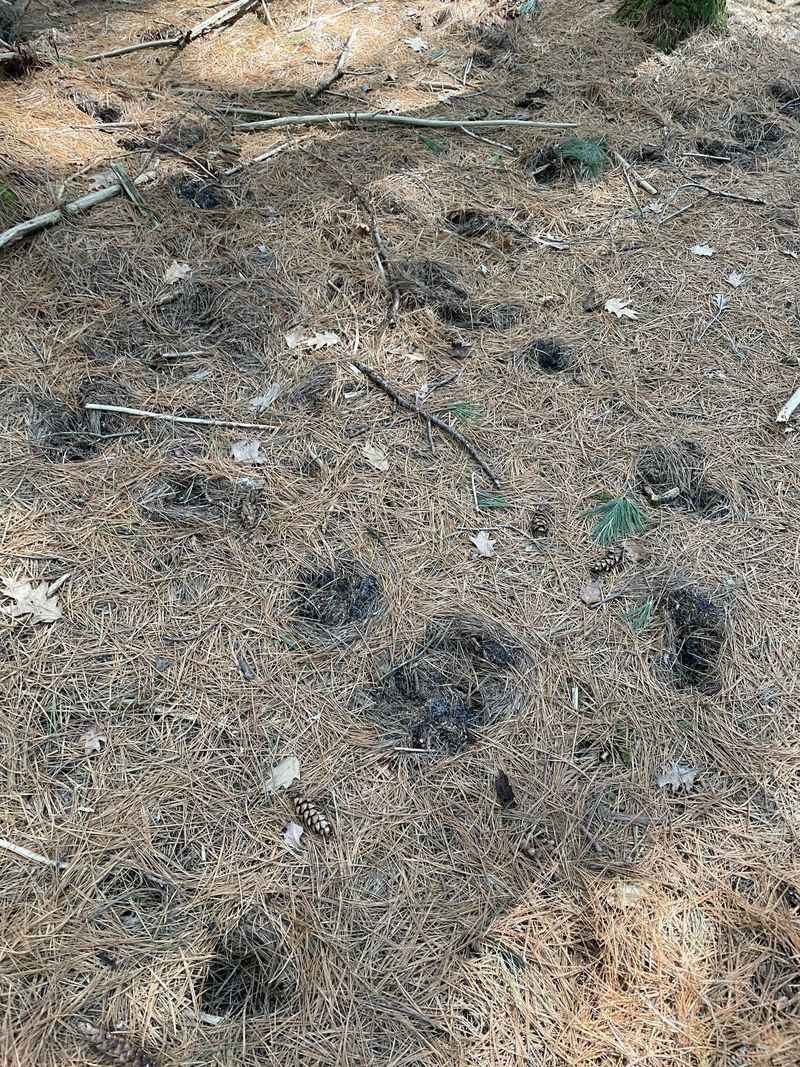
A fox working the edge of your yard is a prompt to pay attention, not a reason for alarm. The most productive response follows a short, practical sequence: walk several areas of the turf and use the tug test as a first screen, open a few 1-square-foot soil samples to check for grubs, and scan the yard honestly for human-created attractants like pet food, unsecured garbage, or spilled birdseed.
Secure anything that could draw the animal back for the wrong reasons.
If the inspection turns up meaningful grub damage confirmed across multiple sample sites, follow NC State Extension’s white grub guidance and the current product label before treating. If the lawn looks healthy and no attractants are present, the fox was likely passing through on its own terms, doing exactly what the NC Wildlife Resources Commission describes as normal foraging behavior along a residential edge.
One digging fox is neither a soil diagnosis nor an eviction notice. A yard that supports passing wildlife while staying healthy under your feet is exactly the kind of place worth taking care of.