
The Most Underrated Herb North Carolina Gardeners Plant This Fall For Color That Feeds Pollinators Too
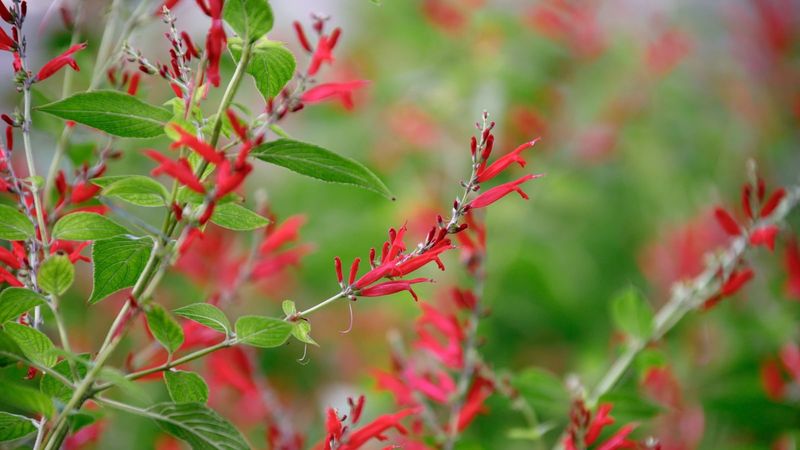
Most gardeners walk right past pineapple sage at the nursery without giving it a second look. That is a missed opportunity, because this fragrant herb brings bright red flowers to North Carolina yards right when late-season color is hardest to find.
Its blooms draw hummingbirds and other visitors at a time when many other nectar sources have faded. Whether you garden on the Coastal Plain, in the Piedmont, or up in the mountains, pineapple sage is worth understanding before you decide where it fits in your fall yard.
Pineapple sage is the fall herb hiding in plain sight
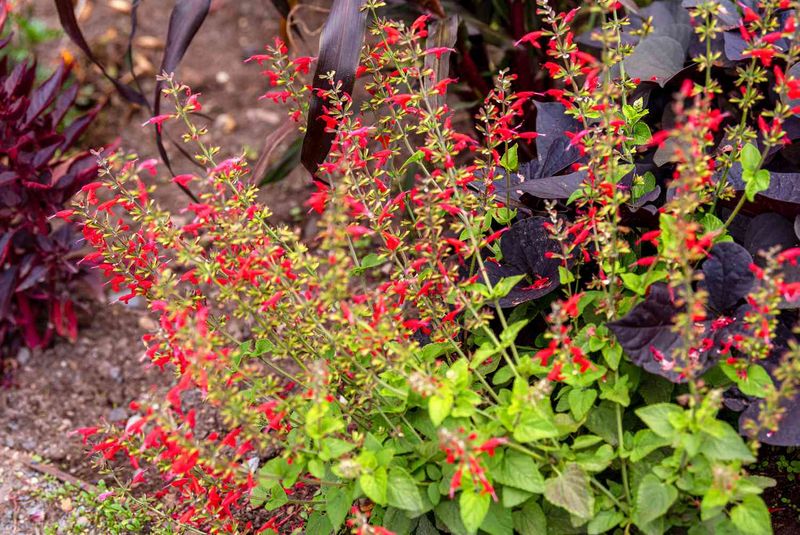
Rub a leaf of pineapple sage between your fingers and you get an unmistakable whiff of fresh pineapple. That scent alone makes it memorable, but the plant has more going for it than fragrance.
NC State Extension’s plant profile for Salvia elegans describes it as an herb with bright red to burgundy, two-lipped flowers arranged in upright spikes, with a bloom period that stretches from summer into fall.
Pineapple sage belongs to the mint family and can grow to roughly 3 to 5 feet tall and 3 to 4 feet wide at maturity. That is larger than most people expect from an herb, and the size is worth keeping in mind before you tuck it into a crowded bed.
The upright form and vivid flower color make it look more like an ornamental than a kitchen herb, which may be part of why it gets overlooked.
A few things need to be clear from the start. Pineapple sage is native to Mexico and Guatemala, not to North Carolina.
Calling it the most underrated herb is editorial framing, not a ranking backed by a study. What is accurate is that it is an overlooked option that delivers late-season color and documented pollinator visits in a way that many familiar herbs do not.
It is also a tender perennial, meaning frost can kill it back to the ground. Whether it returns the following spring depends heavily on how mild your local winter turns out to be.
Gardeners in the warmest parts of North Carolina have a better chance of seeing it come back, while those in the mountains should plan for it to behave more like an annual. That reality does not make it a poor choice; it just means your expectations should match your location.
Why the late-season flowers matter to hummingbirds
By September and into October, a lot of the reliable summer bloomers in a North Carolina yard have wound down. Coneflowers are going to seed, black-eyed Susans are fading, and the buffet that kept pollinators busy all summer is thinning out.
Pineapple sage tends to hit its stride right in that window, producing clusters of slender red tubes at a moment when competition for nectar is lower and visiting animals are still active.
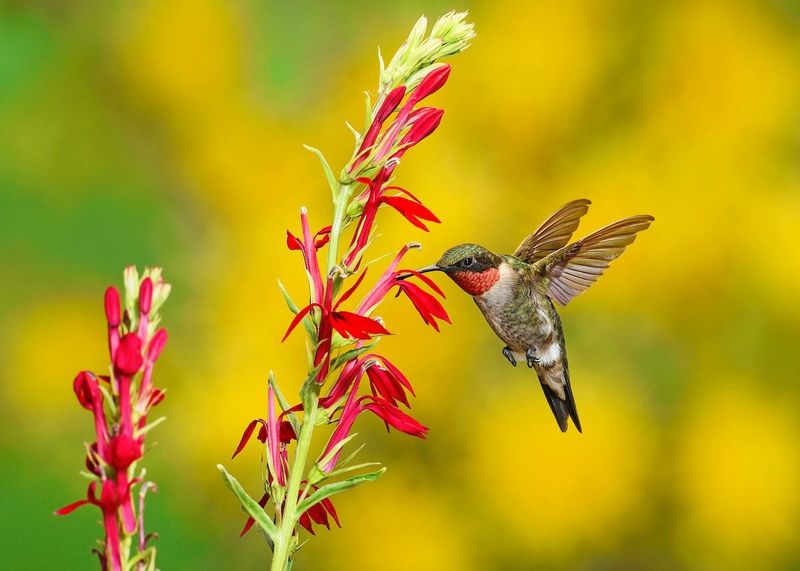
The flower shape is a key part of why hummingbirds respond so strongly. Long, tubular red blooms are well matched to a hummingbird’s bill and hovering feeding style, and NC State’s profile for pineapple sage specifically calls it a hummingbird favorite.
If you have ever watched a ruby-throated hummingbird work a salvia in late September, you already know how purposefully they find these flowers.
NC State also lists butterflies among the plant’s documented visitors and includes photographs showing honeybees on the blooms. So while hummingbirds represent the strongest and most specific evidence, the plant does attract other nectar-seeking visitors as well.
What this does not mean is that one pineapple sage plant will supply every pollinator group in your yard or meaningfully change local pollinator populations on its own.
Framing this as a plant that “feeds pollinators” is reasonable shorthand for what actually happens: animals visit the flowers to seek nectar, and those visits happen at a time of year when options are genuinely scarce. For a North Carolina gardener who wants to keep something interesting going in the yard through October, that timing is a real practical advantage worth planning around.
Give this large herb more room than an edging plant
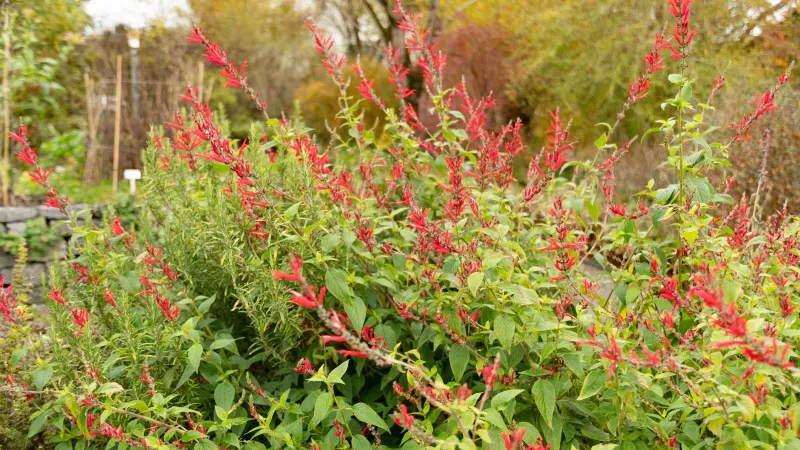
One of the most common mistakes with pineapple sage is underestimating how much space it needs. Tucked into a narrow herb bed between basil and rosemary, it will quickly crowd its neighbors and never reach its potential.
A mature plant can spread 3 to 4 feet wide and stand 3 to 5 feet tall, so it fits better in a generous sunny border or at the back of a mixed planting where it has room to fill out without overwhelming smaller plants.
Full sun is the preferred exposure, though the plant tolerates partial shade. NC State’s guidance for Salvia elegans calls for moist but well-drained soil and consistent moisture during establishment.
The leaf drop detail is worth remembering: if the plant is not getting enough water, the leaves will start to fall, which is an early signal to adjust your watering before the plant goes into real stress. Once established, it handles summer heat reasonably well, but it should not be left to dry out repeatedly.
When it comes to getting a plant in the ground, buying a healthy nursery transplant is the most reliable starting point. You can also propagate from stem cuttings if you already have access to an established plant, which is a practical option if a neighbor or fellow gardener grows it.
Direct seeding is not the preferred route unless you start seeds indoors and grow them into sturdy transplants before moving them outside.
A large container is another workable placement for this herb, especially if you want the flexibility to move it. Choose a pot that gives the root system room to develop, use a quality potting mix that drains well, and water consistently through the growing season.
A protected, south-facing spot near a wall or fence will give it the warmth and shelter it appreciates, whether it is in the ground or in a container.
Fall planting depends on your North Carolina frost date
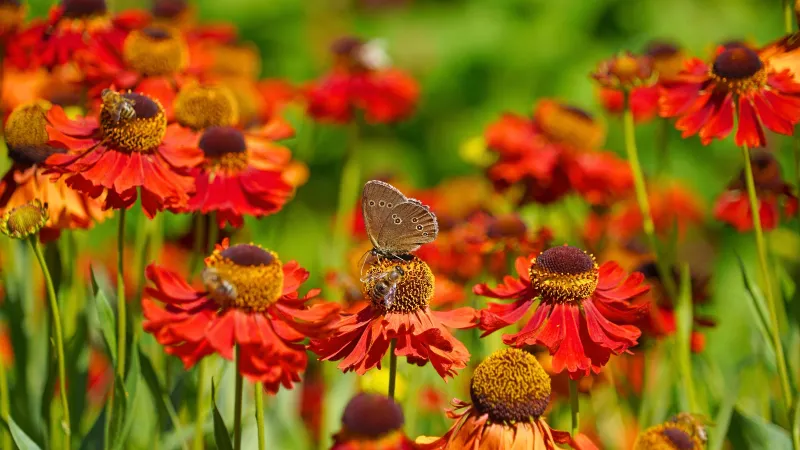
Planting pineapple sage in fall makes the most sense when you have enough time before your first frost for the roots to settle in. An early-fall installation, say in September or early October depending on your region, gives the plant a few weeks to establish before cold nights arrive.
A late-fall planting right on the edge of a freeze, however, may not give roots enough time to develop, and the plant could struggle before it ever gets a chance to flower well.
North Carolina’s frost timing varies considerably across its three main regions. The Coastal Plain typically sees its first frost later in the fall, which gives gardeners there a longer planting window and a better chance that pineapple sage will root in before temperatures turn hard.
Piedmont gardeners work with a moderate window, and the mountains can see early frosts that shorten the useful planting season significantly. Rather than relying on a single statewide date, check the National Weather Service frost and freeze maps for your county to get a realistic picture of your local risk.
The distinction between frost tolerance and winter hardiness matters here. Pineapple sage is a tender perennial, and NC State is clear that frost can kill it back to the ground.
In mild coastal areas, there is a reasonable chance the plant will regenerate from its roots the following spring. In colder Piedmont winters and especially in the mountains, gardeners should plan for annual performance and not count on regrowth.
The City of Charlotte’s pollinator gardening guidance reinforces that fall is a valuable planting season for pollinator habitat broadly, but that does not change the need to match your timing to local conditions. Plant early in fall, watch your local forecast, and set expectations based on your specific location rather than a statewide average.
A container can make winter decisions easier
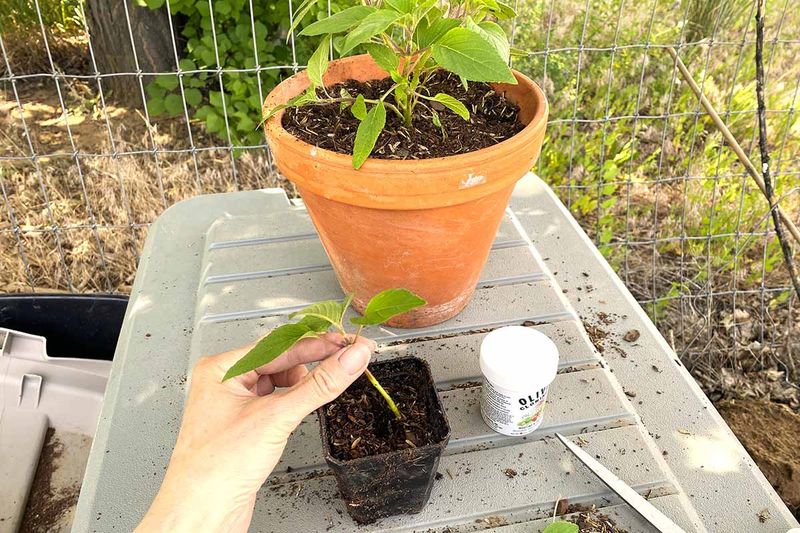
For gardeners in the Piedmont or the mountains who want to try pineapple sage without writing it off to the first hard freeze, a container changes the math considerably. A large pot on a sunny patio gives you the option to move the plant under cover when cold nights threaten.
A garage, a covered porch, or an unheated sunroom can all buy the plant extra time, even if none of those spaces keeps it actively growing through winter.
The NC State Salvia genus overview supports container and patio use for salvias generally. There is no pineapple-sage-specific overwintering protocol in the reviewed sources, so it would be misleading to promise that moving it inside guarantees spring survival.
What container culture does offer is flexibility and a lower-stakes way to experiment with the plant before committing to a permanent border planting.
If you choose container growing, use a pot large enough to allow root development, a well-draining potting mix, and consistent watering through the growing season. When the plant is actively blooming, keep it in the sunniest spot available.
Moving it before a hard freeze rather than after gives it the best chance of holding on through a mild winter.
Fall cleanup is another consideration worth addressing here. Leaving some stems and plant material standing through winter is a sound general practice for any pollinator-friendly yard.
EPA pollinator habitat guidance recommends this approach as part of broader stewardship, since hollow stems and leaf litter can provide overwintering habitat for native bees and other beneficial insects. This applies to your pollinator garden as a whole, not specifically to pineapple sage, but it is a good habit to build regardless of which plants you are growing.
Edible flowers require a safe-use check
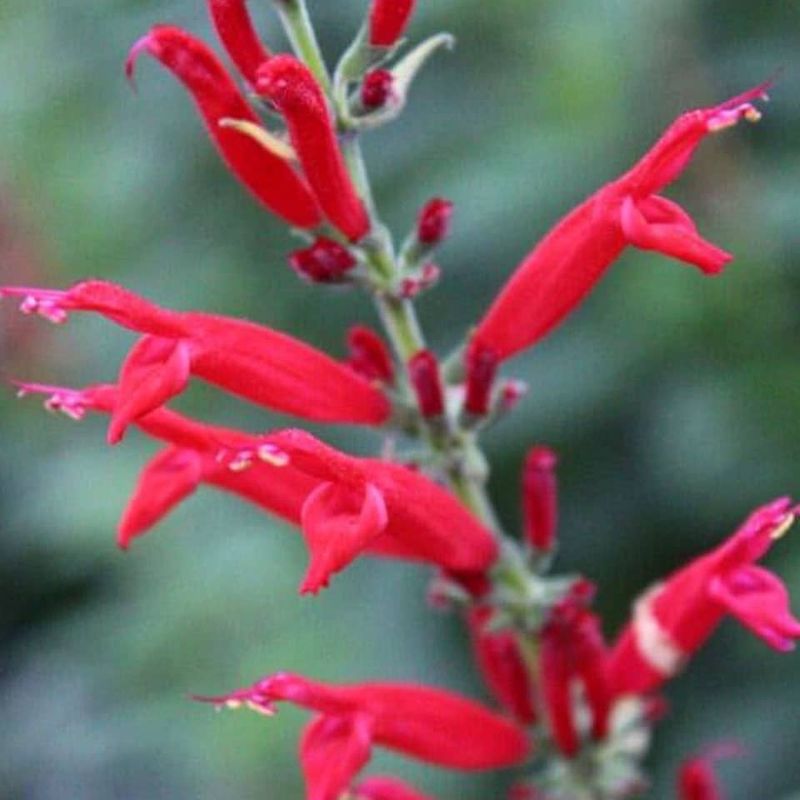
Pineapple sage earns its place in the herb category partly because of what you can do with its flowers in the kitchen. NC State’s profile for Salvia elegans identifies the flowers as edible and lists teas, cream cheese, jams, and jellies as documented culinary uses.
The mild, fruity flavor pairs well with dairy and sweet spreads, and the bright red color makes the flowers visually appealing as a garnish or infusion ingredient.
Potpourri is a separate, non-edible use for the fragrant foliage, and it is worth keeping that distinction clear. The scented leaves work well in dried arrangements and sachets, but that application does not carry over to eating.
Use the flowers for culinary purposes and the leaves for fragrance if you want to explore both sides of the plant.
The safety question is where gardeners need to slow down. A plant purchased from an ornamental nursery is not automatically safe to eat, even if the species is technically edible.
Penn State Extension’s guide to purchasing and producing edible flowers explains that ornamental plants are often treated with pesticides or other products that are not approved for use on edible crops, and those treatments may leave residues that are unsafe to consume.
Before eating any part of a pineapple sage plant, confirm that it was grown and handled specifically for edible use. Check the pesticide label for any products that were applied to it, and follow the harvest restrictions listed there.
When in doubt, grow your own from an untreated source or buy from a grower who explicitly markets the plant for culinary use. The flowers are a genuine culinary asset, but only when you know the growing history of the plant you are harvesting from.
Use pineapple sage as one piece of a safer pollinator yard
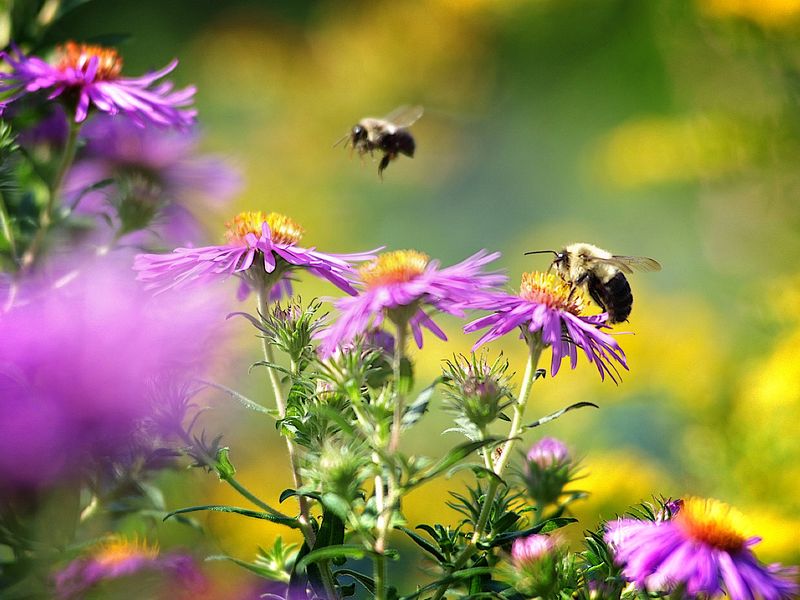
Pineapple sage can be a genuinely useful addition to a North Carolina fall yard, but it works best as part of a larger picture rather than the centerpiece of a pollinator strategy. One nonnative herb, however appealing its flowers are to hummingbirds, cannot substitute for the diversity of host plants and nectar sources that native pollinators depend on across the full growing season.
Pesticide use is where stewardship decisions have the most direct impact on the visitors you are trying to attract. EPA pollinator protection guidance and its companion pesticide-use infographic both advise against applying insecticides to blooming plants or when pollinators are actively foraging.
If a pest problem genuinely requires treatment, read the product label carefully and follow any pollinator-protection directions it includes. Spraying a plant that is in full flower while hummingbirds and bees are working it defeats the purpose of growing it for wildlife value.
Building lasting habitat means going beyond any single plant. North Carolina’s top 25 native pollinator plants list highlights species like asters, goldenrods, and bee balm that are regionally appropriate and provide host plant value that a nonnative herb cannot.
The Pollinator Partnership’s ecoregional planting guides can help you identify which natives are the best fit for your specific part of North Carolina.
The practical decision rule is straightforward: plant pineapple sage for fall color and the real chance of hummingbird activity, time your planting to your local frost date, and use container culture if your winters run cold. Then build the rest of your yard around native species that will carry pollinators through the whole season.
A yard that mixes thoughtful nonnative additions with a strong foundation of NC natives gives both you and your local wildlife more to work with year after year.