
A Ring Of These Native Plants Around Your North Carolina Firepit Keeps Late-Season Fireflies Glowing Nearby
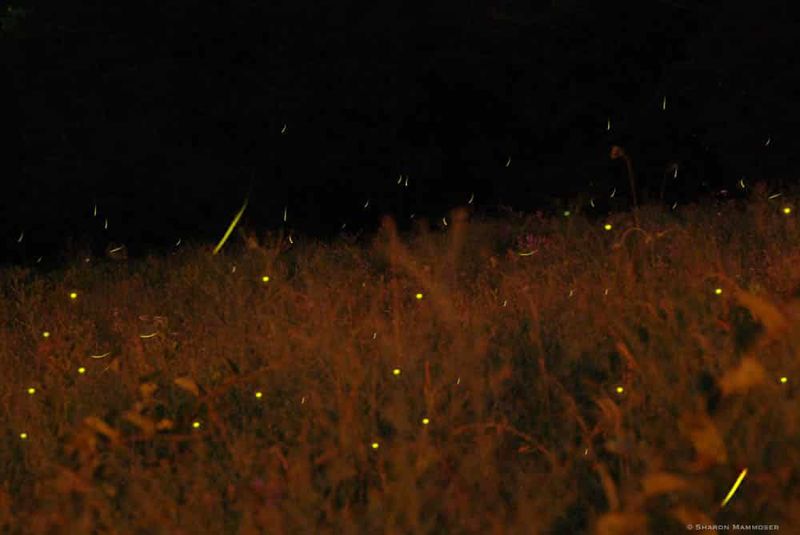
Nothing beats a warm firepit on a summer night in North Carolina, especially when tiny green lights blink through the dark all around you. Those fireflies are actually beetles that spend most of their lives as larvae in damp soil and leaf litter, so the plants you grow nearby really matter.
By ringing your firepit with the right native trees, shrubs, and grasses, you give fireflies moisture, cover, and safe places to signal well into late season. Here are eight NC natives that pull double duty as backyard beauty and firefly habitat.
1. Black Tupelo (Nyssa sylvatica)
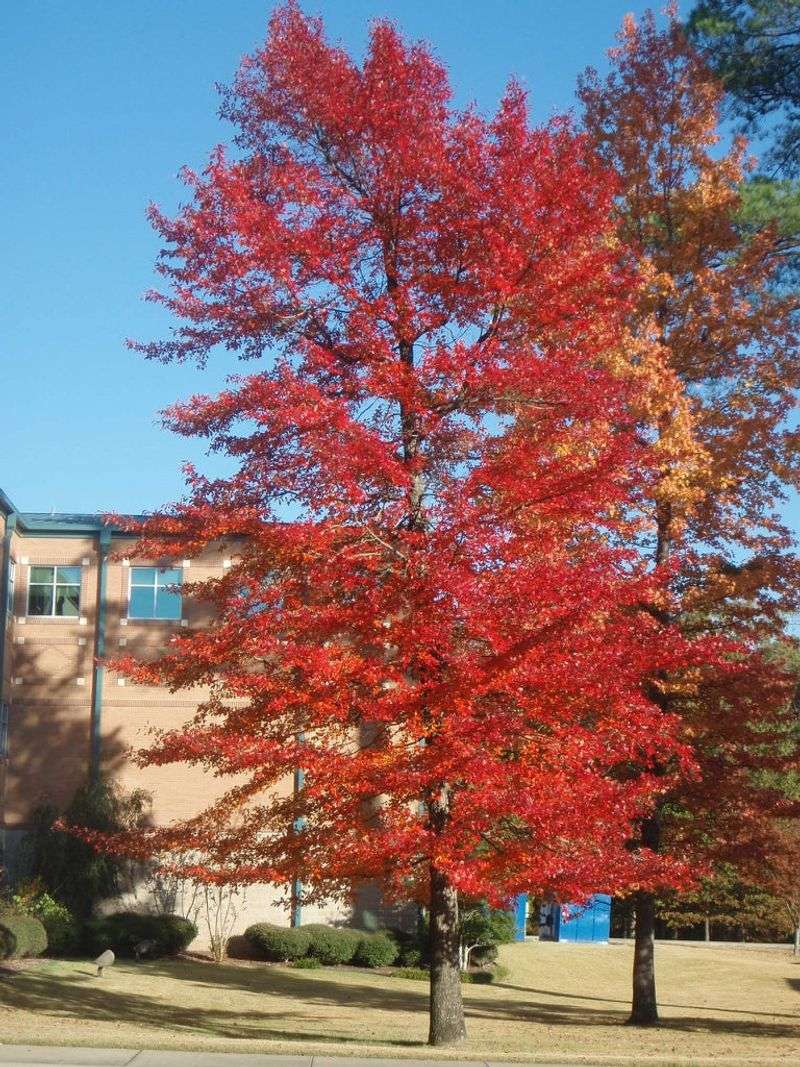
Ask a firefly expert to name the single best habitat tree in the Southeast and Black Tupelo tops the list. It flourishes in the moist lowlands found all across North Carolina and rains down rich, spongy leaf litter that firefly larvae burrow into.
That leaf litter is the whole point. Larvae live in it for up to two years, hunting slugs and snails before they ever glow as adults.
Plant one a comfortable distance from your firepit and you get a fiery fall show for yourself too, since Tupelo turns some of the most brilliant scarlet of any NC native. It quietly builds a firefly nursery while doubling as a shade tree.
2. Inkberry (Ilex glabra)
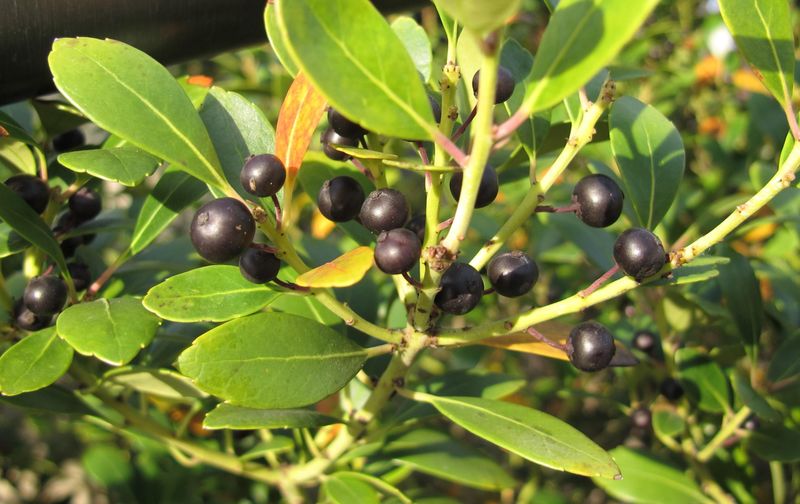
Picture a low, cool blanket of green that traps humidity right down at ground level. That is Inkberry doing its job, an evergreen holly native to NC’s wet pine flatwoods that forms dense colonies where firefly larvae stay damp and hidden.
Unlike showier shrubs, Inkberry earns its spot through steady, humble coverage. It tolerates wet soil and part shade, exactly the soggy corners other plants sulk in.
Tuck a few around the outer edge of your firepit clearing and you create a moist, shady buffer that larvae can retreat into during dry spells. As a bonus, its small dark berries feed birds through winter, keeping your yard busy in every season.
3. River Oats (Chasmanthium latifolium)
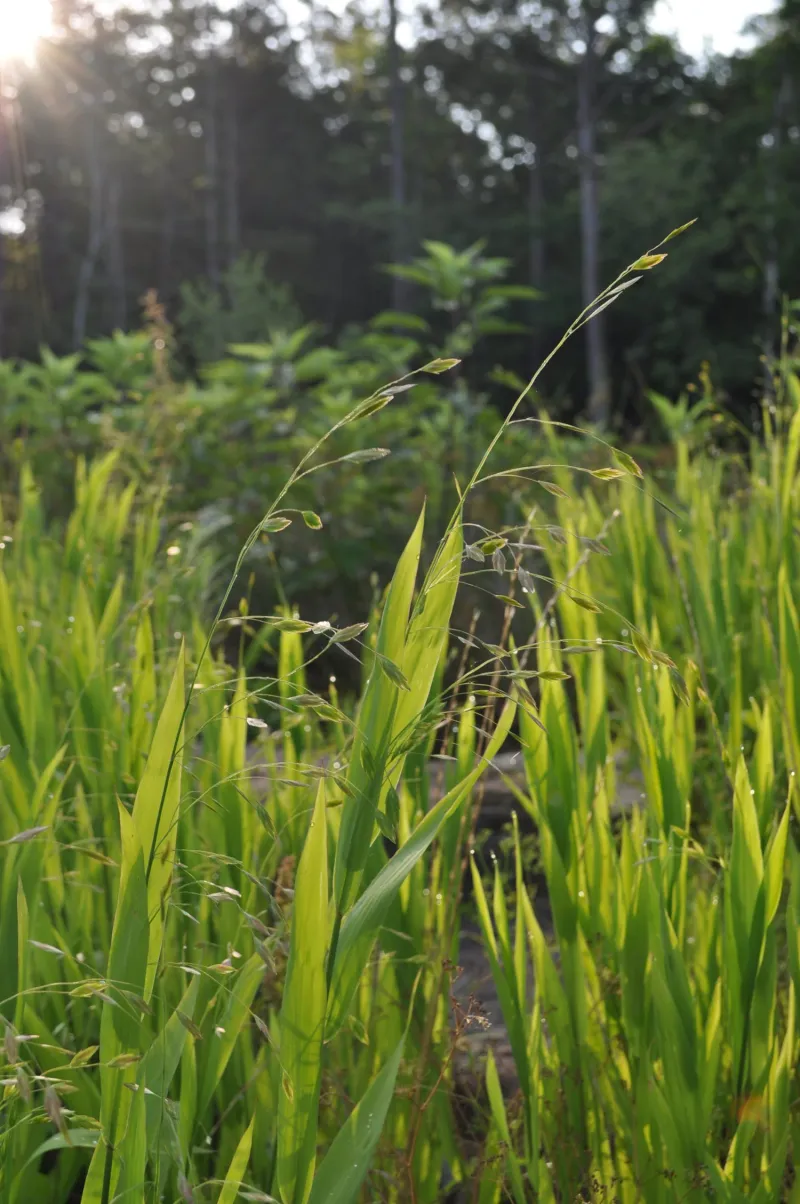
There is a grass that looks like it is dangling little flat coins, and fireflies love it. River Oats, sometimes called inland sea oats, sends down deep, spreading roots that lock soil moisture in place so larvae stay comfortable underground.
Above ground, the story is just as good. Those arching stems and nodding seed heads give adult fireflies perfect perches to climb and flash their signals from at dusk.
It thrives in part shade, so it fills those tricky spots near your firepit where sun is spotty. Just give it room, because it self-sows happily and will spread into a soft, shimmering border if you let it.
4. Summersweet (Clethra alnifolia)
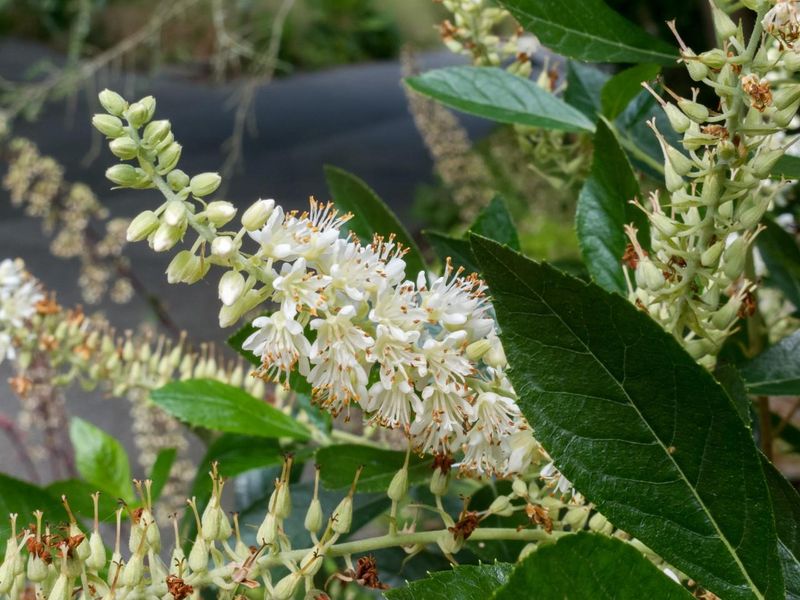
Some plants announce themselves with their smell before you even see them, and Summersweet is one of them. This shrub bursts into fragrant white spikes in the heart of summer, right when fireflies are lighting up your evenings.
Those blooms pull in pollinators by day, building the kind of insect-rich, healthy patch that a firefly ecosystem needs. Native to swamps and moist woodland edges across the NC Coastal Plain, it happily handles the damp, undisturbed conditions fireflies want.
Set it just beyond your firepit’s safe zone and it perfumes your gatherings while quietly supporting the food web underfoot. It is a rare plant that pleases your nose and the beetles at the same time.
5. Buttonbush (Cephalanthus occidentalis)
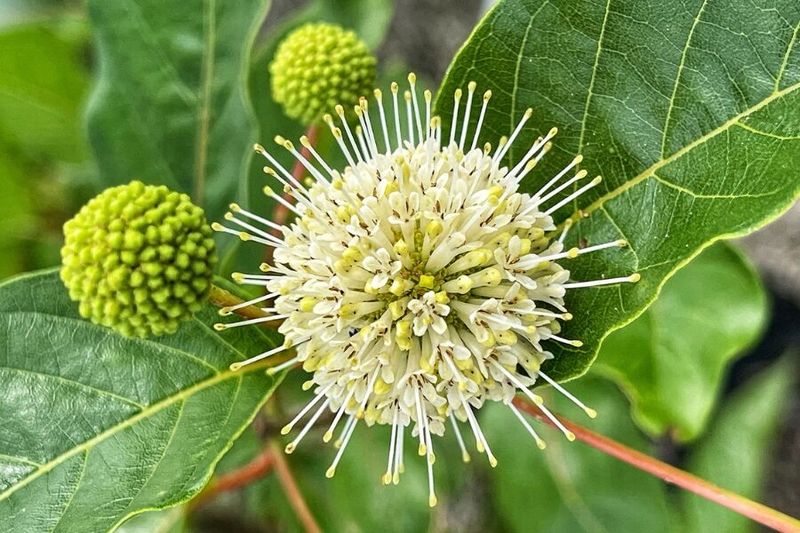
Those quirky, spiky white globes that look like pincushions belong to Buttonbush, and they signal a plant that adores water. If you have a soggy low spot or a small pond near your firepit, this shrub turns it into prime firefly real estate.
Wet ground is where fireflies breed best, and Buttonbush thrives exactly there while providing thick cover for both larvae and signaling adults. It is the go-to choice for the dampest corner of your yard.
Fun fact: those round flower heads are pollinator magnets, buzzing with bees and butterflies through summer. Pair it with a birdbath or rain garden and you have built a glowing, humid haven the beetles will return to year after year.
6. Switchgrass (Panicum virgatum)
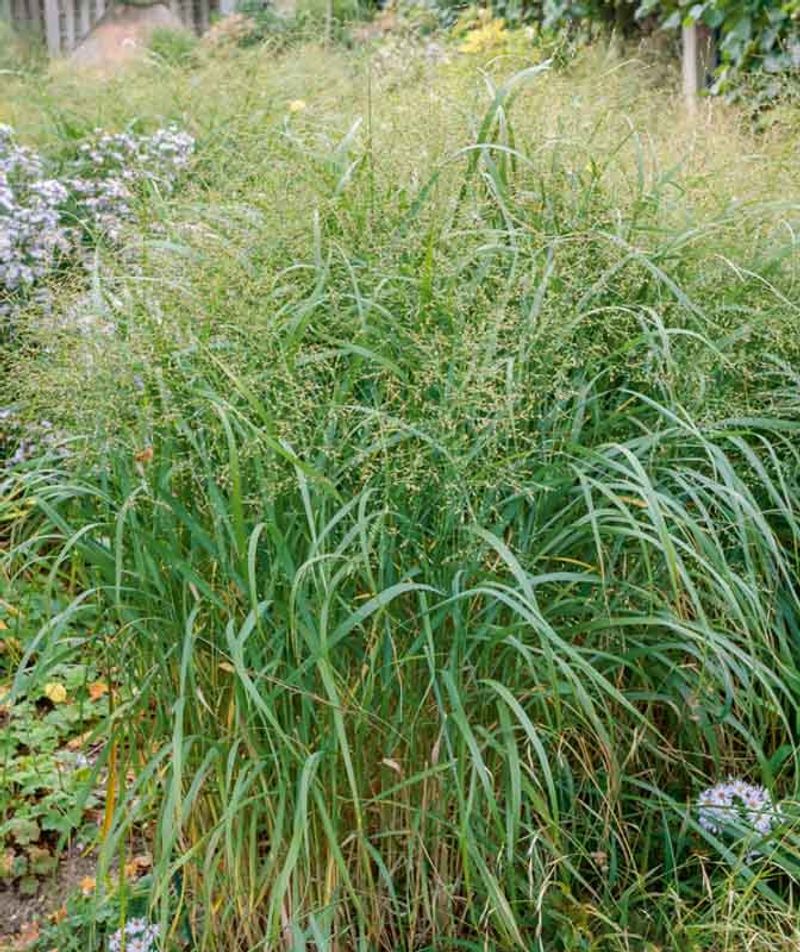
Let a strip of Switchgrass grow tall and wild, and you have handed fireflies a daytime hideout they will use all summer. This upright native shoots up in a dense, feathery stand that shades the soil and keeps larvae moist below.
Adult fireflies tuck into the cool interior during the hot daylight hours, then emerge to flash once the sun drops. The trick is simple: skip mowing that border and let it do its thing.
Beyond fireflies, Switchgrass shelters ground birds and holds soil against erosion, so it works hard for the whole yard. Position it as an outer ring past your non-combustible firepit zone and it frames your fire space with living, glowing walls.
7. Joe-Pye Weed (Eutrochium purpureum)
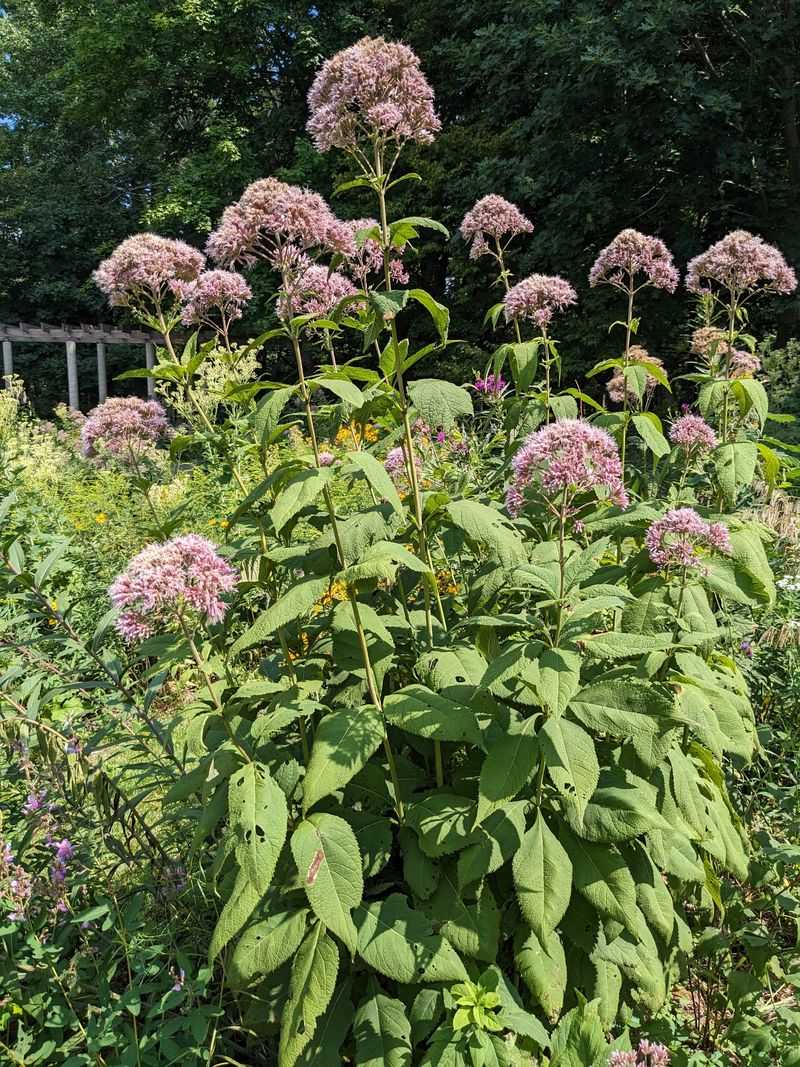
Standing head and shoulders above most perennials, Joe-Pye Weed brings dramatic height and dusty-mauve flower clusters that seem to hum with life. It loves moist ground, so it settles in nicely along the damp edges fireflies favor.
The real magic is what it draws in. Butterflies, bees, and countless small insects flock to those blooms, enriching the whole neighborhood of bugs that a firefly habitat depends on.
Down at its base, the leafy growth traps humidity close to the soil, giving larvae the damp shelter they need. Plant a cluster near your firepit clearing for a tall backdrop that looks stunning at dusk and works overtime for wildlife.
8. Native Ferns (Wood Fern and Netted Chain Fern)
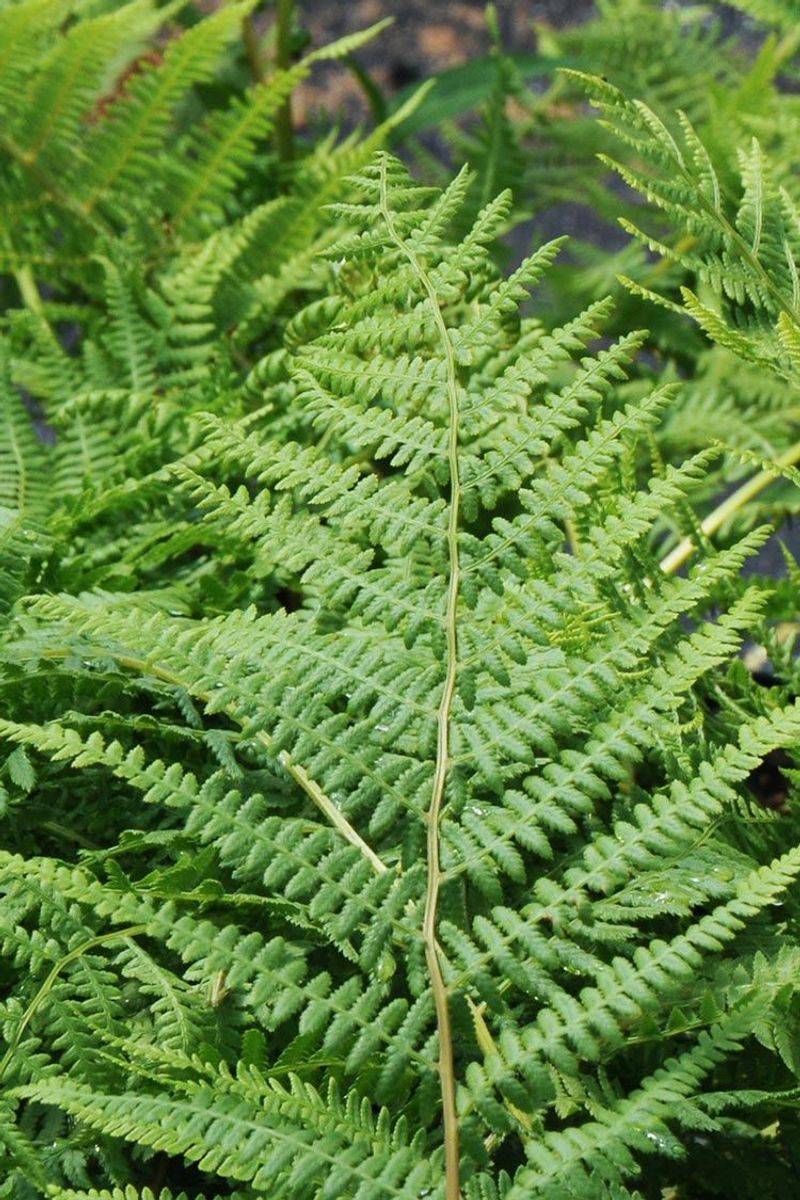
For the shadiest, dampest nook near your firepit, nothing beats a carpet of native ferns. Wood ferns and Netted Chain Fern spread into soft green groundcover that holds moisture in the soil like a sponge.
Fireflies spend their larval years craving exactly this: cool, humid, undisturbed ground with leaf litter tucked underneath. Ferns recreate that forest-floor feel right in your backyard.
Layer them beneath your taller trees and shrubs to mimic a real woodland, and resist the urge to rake every leaf away. Leave the litter, skip the pesticides, and these unassuming plants quietly finish the habitat that keeps late-season fireflies glowing long after their peak has passed elsewhere.