
The Native North Carolina Tree That Keeps Bees Fed From Spring Bloom Until The First Hard Frost
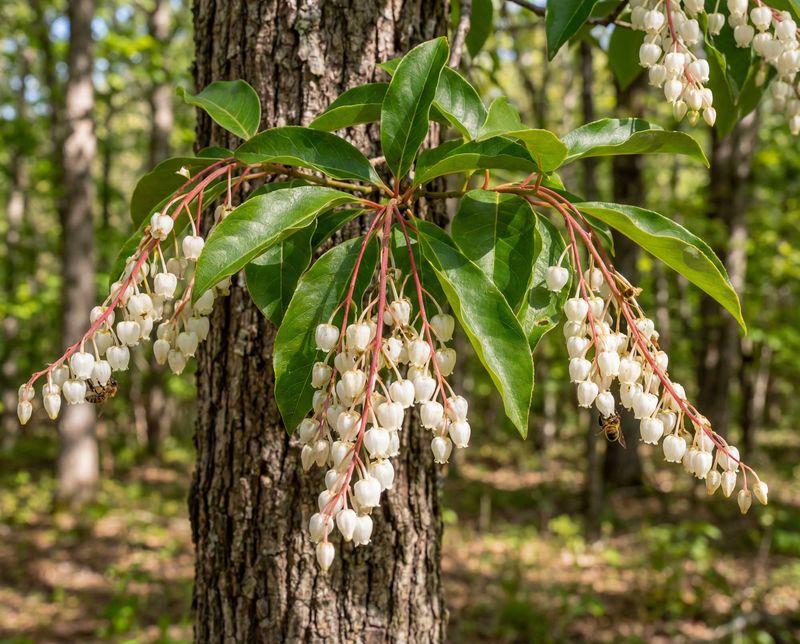
Sourwood is one of North Carolina’s best-kept secrets for anyone who wants to support bees in their own yard. This native tree produces clusters of white, bell-shaped flowers in early to midsummer that honey bees, bumble bees, and other pollinators actively seek out.
Sourwood alone cannot carry bees through every season, but paired with the right native plants, it anchors a summer forage window that most yards completely miss. Understanding what sourwood can and cannot do is the first step toward building a yard that genuinely feeds pollinators from the last frost of spring to the first hard freeze of fall.
Sourwood is a North Carolina summer tree worth planting for bees
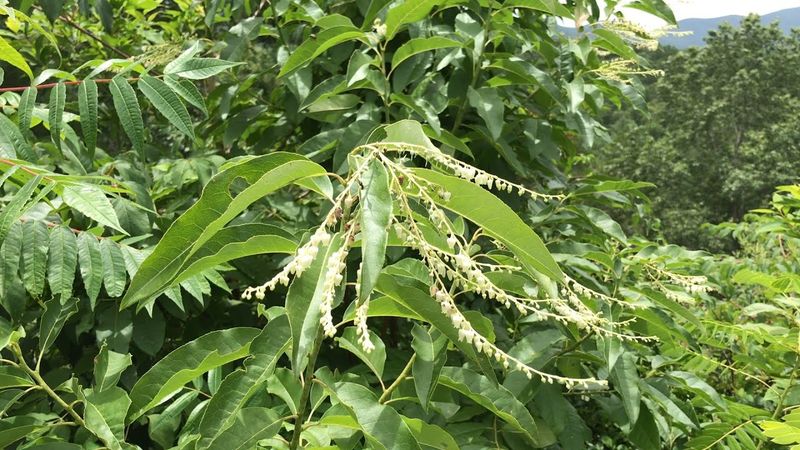
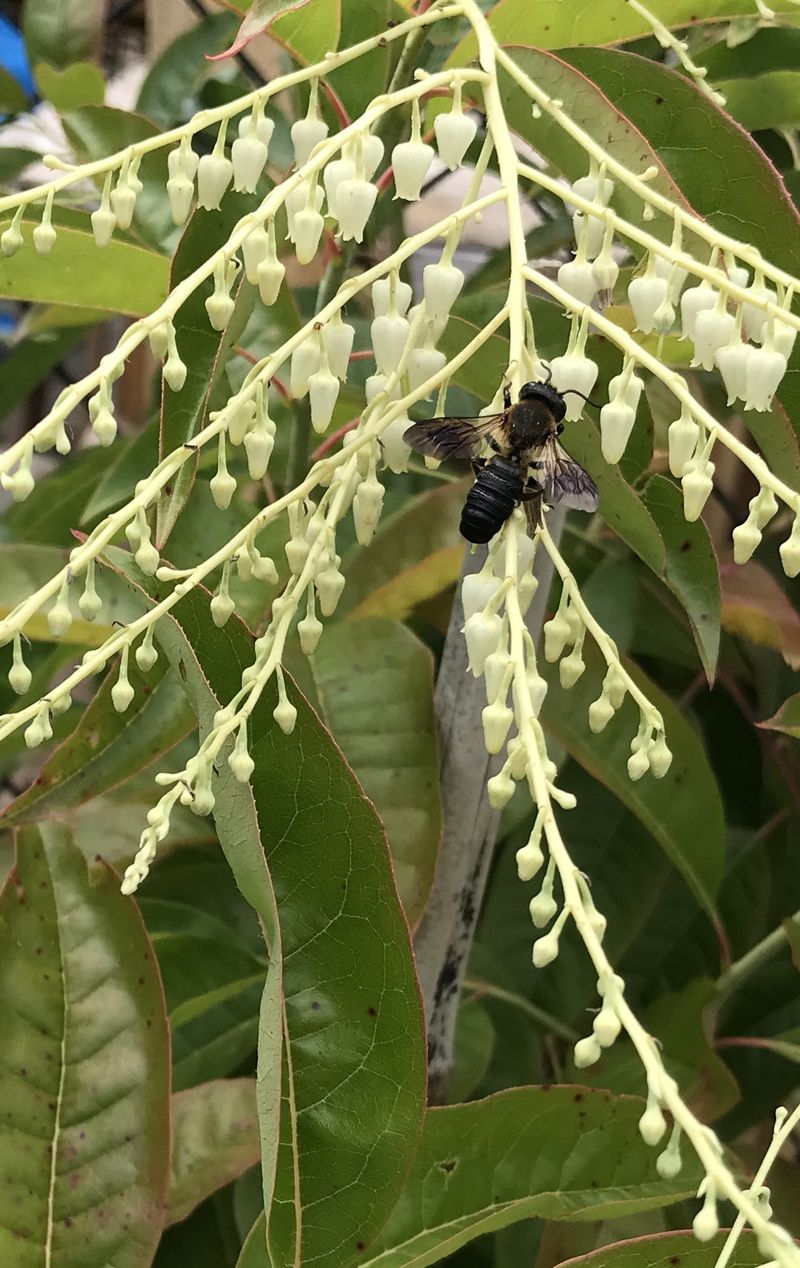
Few native trees deliver a summer nectar window quite like sourwood (Oxydendrum arboreum). Known across North Carolina for the prized honey that bears its name, sourwood produces long, drooping clusters of small, white, bell-shaped flowers at the tips of its branches.
Those flower panicles open in early summer and draw bees with reliable consistency, making this tree one of the more recognizable names in the state’s beekeeping community.
What sourwood offers is a strong, seasonal benefit, not a guaranteed or year-round food supply. Honey bees work the flowers actively, and the resulting sourwood honey is considered one of the finer varietal honeys produced in the eastern United States.
According to NC State’s plant profile for sourwood, bees and other insects are attracted to the blooms, and the species is strongly associated with that highly valued honey. That connection alone gives the tree a reputation that most summer-blooming natives never earn.
Sourwood is native throughout North Carolina, though it tends to be less common in the low, alluvial areas of the Coastal Plain. Across the Piedmont and mountains, it grows naturally as an understory tree in mixed woodlands.
Mature trees typically reach about 20 to 30 feet tall and 10 to 15 feet wide, which puts them within reach of most residential yards that have a suitable spot. The tree’s value to pollinators is real, but it works best when a homeowner understands its seasonal role and plans the surrounding landscape accordingly.
Sourwood’s bloom arrives in early to midsummer, not all season
The original promise in this article’s title, that one native tree feeds bees from spring through the first hard frost, does not hold up for sourwood. The tree’s flowering window is real and valuable, but it is firmly a summer event.
NC State’s sourwood profile places bloom time in June and July, which makes it an early-to-midsummer tree rather than an all-season resource.
Regional timing shifts across North Carolina’s varied landscape. The North Carolina State Beekeepers Association bloom calendar gives approximate sourwood flowering dates of June 1 to 21 on the Coastal Plain, June 10 to 30 in the Piedmont, and June 25 through July 20 in the mountains.
Those differences reflect how elevation, temperature, and microclimate push the same species through its flowering cycle at different rates. A sourwood tree growing in a warm, low-elevation yard near the coast may finish blooming weeks before one at 3,000 feet in the western mountains even opens its first flowers.
Elevation and local weather are not the only variables. Soil conditions, surrounding shade, and the specific weather patterns of a given year can all shift when flowers appear and how long they last.
The beekeepers’ dates are useful planning guides, not guarantees for any individual tree in any particular yard. Once sourwood finishes flowering, its nectar contribution for that year is done.
Fall forage for bees in North Carolina comes primarily from other plants, especially goldenrod and asters, which bloom from late summer well into autumn. Counting on sourwood to carry pollinators through September and October would leave a significant gap in any yard’s forage plan.
Match sourwood to the right North Carolina planting site
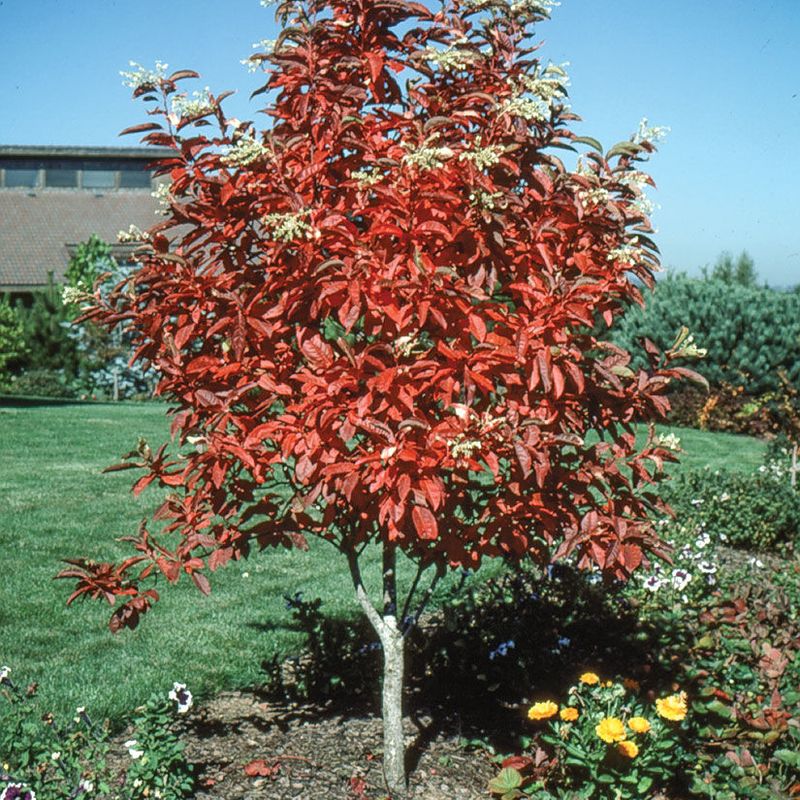
Before purchasing a sourwood, spend a few minutes walking the planting area and asking some honest questions. Sourwood grows to roughly 20 to 30 feet tall and 10 to 15 feet wide at maturity, so the first check is simply whether the spot has room for a tree that size without crowding structures, power lines, or neighboring plants.
Many residential yards have that space, but it pays to confirm before the tree is in the ground.
Soil conditions matter more for sourwood than for many other native trees. NC State’s plant database entry for sourwood describes the tree as preferring acidic, well-drained soil with adequate moisture.
North Carolina’s Piedmont and mountain soils are often naturally acidic, which gives sourwood a reasonable chance in those regions. Sites that are compacted, poorly drained, strongly alkaline, or heavily polluted are likely to produce a struggling tree rather than a thriving one.
If a soil test shows a pH well above the acidic range, or if the yard regularly holds standing water after rain, sourwood is probably not the right fit for that location.
Sunlight is more flexible. Sourwood can handle full sun to partial shade and performs well as an understory tree in woodland or native pollinator gardens.
A spot at the edge of an existing tree canopy, where it receives morning sun and some afternoon shade, often suits it well. Being native to North Carolina does not automatically mean sourwood will thrive on every North Carolina property.
A site that is acidic, reasonably well-drained, and has consistent moisture during dry stretches gives this tree the best chance to establish and eventually deliver the summer bloom that makes it worth planting in the first place.
Choose and establish sourwood carefully
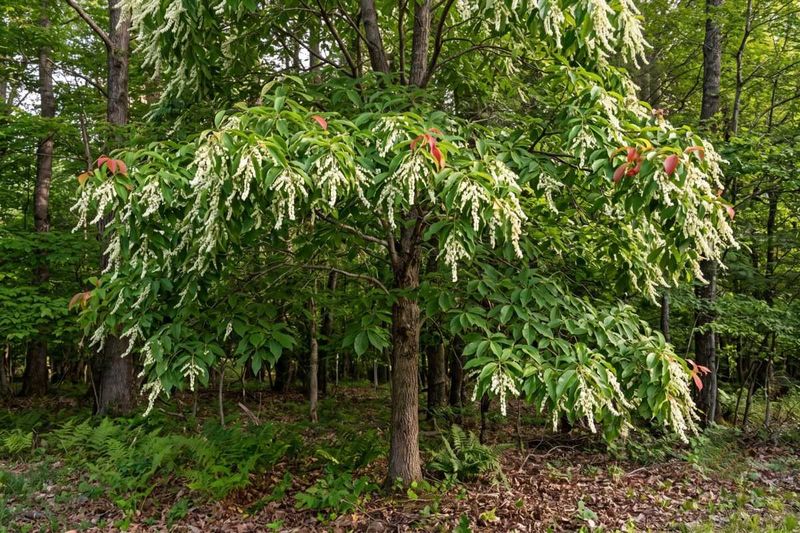
Sourwood grows slowly, and once it settles into a location, moving it becomes genuinely difficult. That combination means the planting decision deserves more thought than it might for a faster-growing or more transplant-tolerant species.
Select a young plant from a reputable native nursery, carry it carefully to the prepared site, and treat that first placement as the permanent one. Sourwood is not a tree to move around while you figure out where it looks best.
Timing the planting for fall gives woody plants like sourwood a useful head start. Cooler air temperatures reduce stress on the new plant while roots can still grow in soil that holds warmth longer than the air above it.
NC State Extension’s woody ornamentals guidance supports fall planting for establishing trees and shrubs, and related Extension resources on establishment practices emphasize watering new plantings promptly after they go in the ground. Water the tree thoroughly at planting, then continue watering during dry spells through its first growing season.
Do not rely on rainfall alone to carry a newly planted tree.
Mulch the area around the base to help retain soil moisture and moderate temperature, but keep the mulch a few inches away from the trunk itself. Piling mulch against the bark creates conditions that can lead to rot and pest problems.
As for flowering, plants grown from seed may take four to five years before they bloom, though nursery-grown trees sometimes flower sooner. That estimate is a reasonable planning guide rather than a firm timeline for every tree.
Patience with a young sourwood pays off once it matures enough to produce those long panicles of summer flowers that make the wait worthwhile.
Build a longer bee-forage season around sourwood
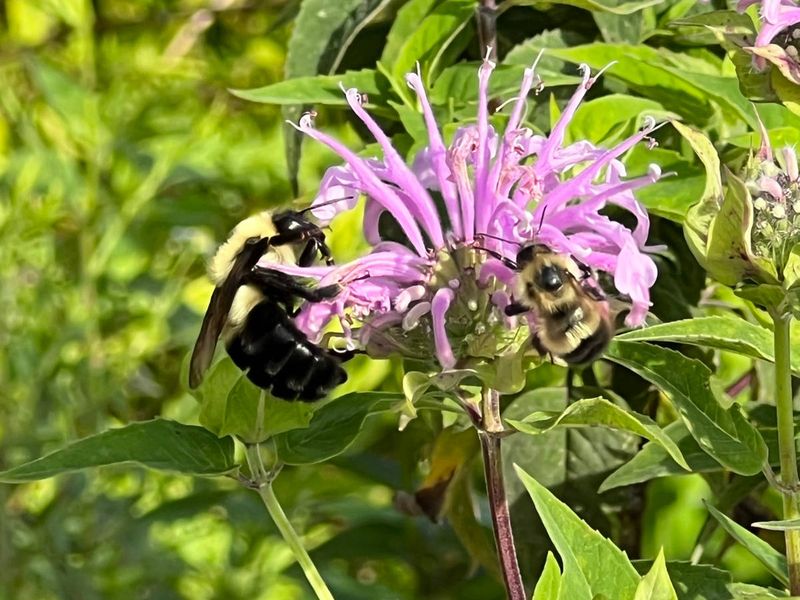
Sourwood earns its place in a summer planting plan, but no single tree can supply the range of bloom times that bees need across an entire growing season. NC State Extension’s native plants handbook recommends using multiple native species blooming across spring, summer, and fall, along with multiple plant layers, as a reliable approach to pollinator landscaping.
That layered, succession-based design is more practical than searching for one plant that does everything.
The logic of seasonal succession is straightforward. Before sourwood opens in June, bees need forage from earlier bloomers.
Red maple flowers in late winter and early spring, often before most gardeners are thinking about pollinators at all. Serviceberry, redbud, flowering dogwood, and native blueberries follow through spring, each one adding a window of nectar and pollen availability.
Later in spring, tulip poplar and black gum can bridge the gap between those earlier bloomers and sourwood’s midsummer arrival. The NC State Beekeepers Association bloom calendar lists many of these species with approximate regional dates, which makes it a practical reference for planning a yard’s flowering sequence.
After sourwood finishes, the season still has months left. Goldenrod and asters are the workhorses of late-summer and fall bee forage across North Carolina, and both are available as native species suited to a range of regional conditions.
Incorporating them into a yard design means bees have access to food from the earliest warm days of late winter through the last weeks before hard frost. Bloom timing shifts across the Coastal Plain, Piedmont, and mountains, so choosing plants appropriate to your specific region and elevation produces a more useful succession than following a generic plant list.
Sourwood anchors the summer window well; the plants around it carry the rest of the calendar.
Protect the different bees that use a sourwood yard
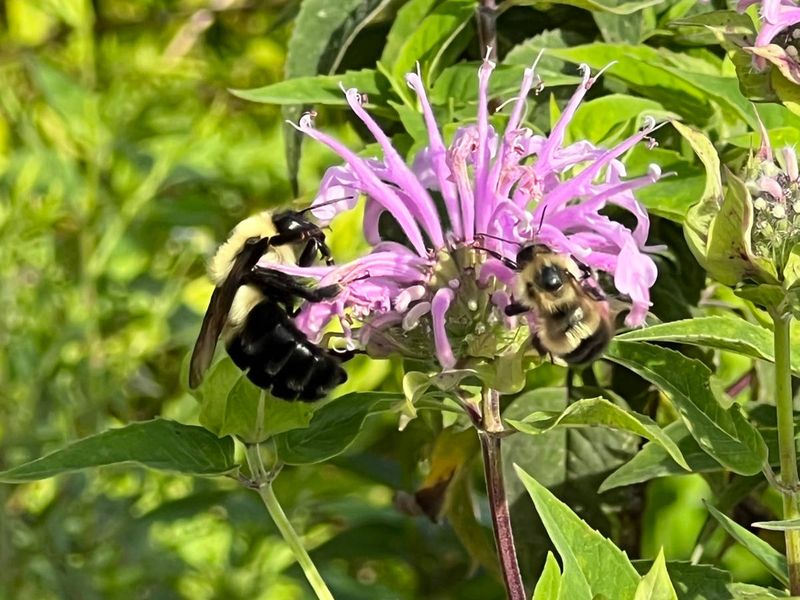
Honey bees get most of the credit when sourwood honey comes up in conversation, but a sourwood tree in bloom attracts a wider range of visitors. Bumble bees and various solitary native bees also work the flowers, though each group has its own foraging range, seasonal activity pattern, and nutritional requirements.
Research on bee nutritional ecology and USGS work on native bee diversity both point to the same conclusion: treating all bees as one group leads to landscaping decisions that serve some species well and leave others underserved. A tree that is excellent for honey-bee nectar collection may not provide the specialized pollen or nesting habitat that a particular solitary bee species needs.
Sourwood can contribute meaningfully to a bee-friendly yard without being expected to meet every species’ requirements. The practical response to that limitation is to combine sourwood with a variety of native plants that offer different flower shapes, bloom times, and pollen types.
Some native bees are specialist foragers that depend on specific plant genera; others are generalists that will visit a wide range of flowers. A layered planting with trees, shrubs, and herbaceous perennials gives the yard a better chance of supporting multiple bee types than any single tree can manage alone.
Pesticide use around blooming plants deserves direct attention. Routine applications near flowers that bees are actively visiting can cause serious harm, and the risk extends to neighboring plants if spray drifts.
If a pest problem genuinely requires treatment, NC State Extension’s integrated pest management guidance and USDA NIFA recommendations on minimizing pollinator pesticide exposure both advise following the product label carefully, minimizing drift, choosing the least pollinator-harmful option available, and applying treatments when bees are least active, generally late afternoon or evening. Skipping that timing consideration can undermine everything a yard’s planting plan is trying to accomplish.
Let sourwood anchor summer without carrying the whole calendar
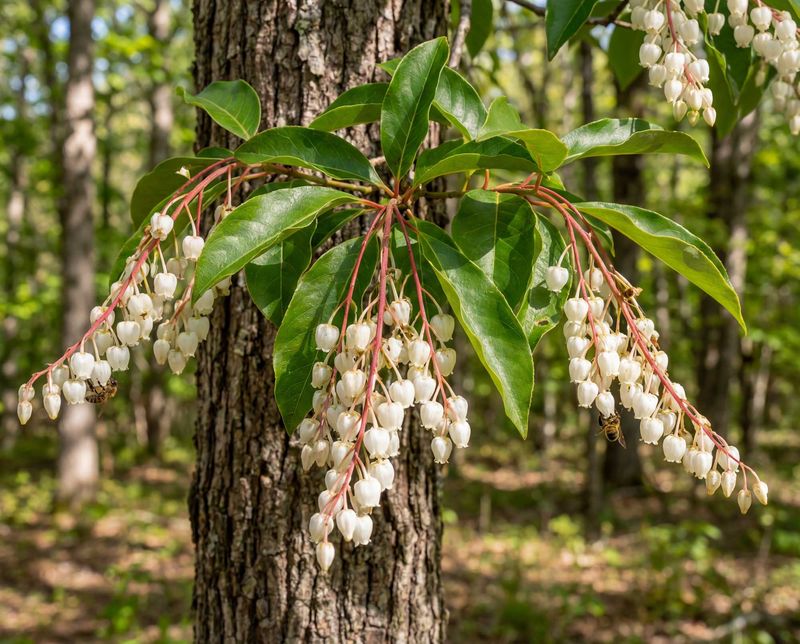
Sourwood earns a place in a North Carolina yard when the site suits it. Acidic, well-drained soil, adequate moisture, and enough room for a tree that reaches 20 to 30 feet tall are the core requirements.
Where those conditions exist, sourwood’s June-to-July bloom adds a genuine summer forage window that few other native trees can match in quality or in the honey it helps produce.
The season-long goal, feeding bees from the last spring frost through the first hard freeze, belongs to the yard as a whole rather than to any single tree. Hard-freeze timing varies considerably across North Carolina’s regions and elevations, so there is no universal date to plan around.
What stays consistent is the need for a succession of native bloomers before and after sourwood. Pair it with regionally appropriate native species that cover spring and fall, and the yard becomes a more complete resource for bees across the growing season.
The NC beekeepers’ bloom calendar is a practical starting point for identifying which plants fill the gaps before and after sourwood flowers.
Three actions move this from idea to reality: evaluate the planting site honestly before buying a tree, establish sourwood carefully with fall planting, consistent watering, and properly placed mulch, and then design the surrounding yard for seasonal succession rather than expecting one tree to do the work of many. Sourwood’s best role is as a summer anchor, not a solo act.