
The Moonflower On Your Trellis Opens For Night Visitors And May Keep Time Without Sunlight
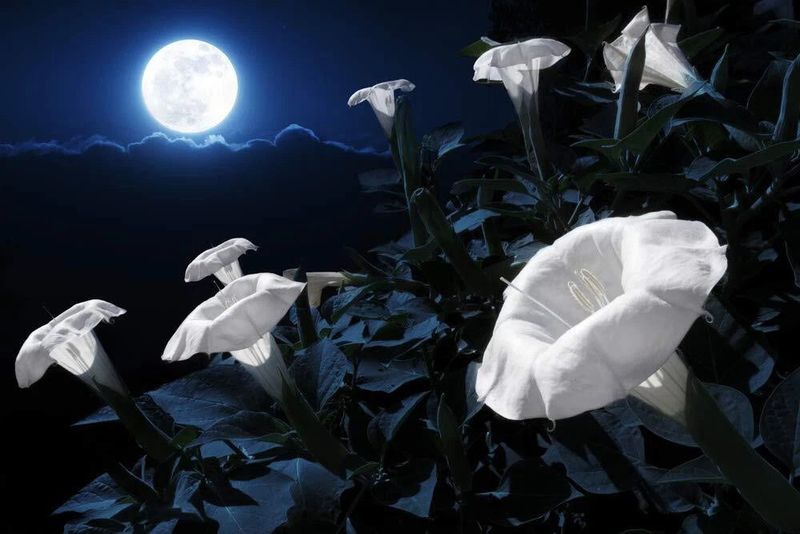
Few vines put on a show quite like moonflower, whose enormous white blossoms unfurl after dark and fill the evening air with a sweet, heady scent. The plant most gardeners grow on a backyard trellis is Ipomoea alba, a fast-climbing vine that times its blooms to attract moths rather than bees.
Understanding how that timing works, and who actually visits those flowers, can change the way you grow and appreciate this plant all season long.
Which moonflower is climbing your trellis?
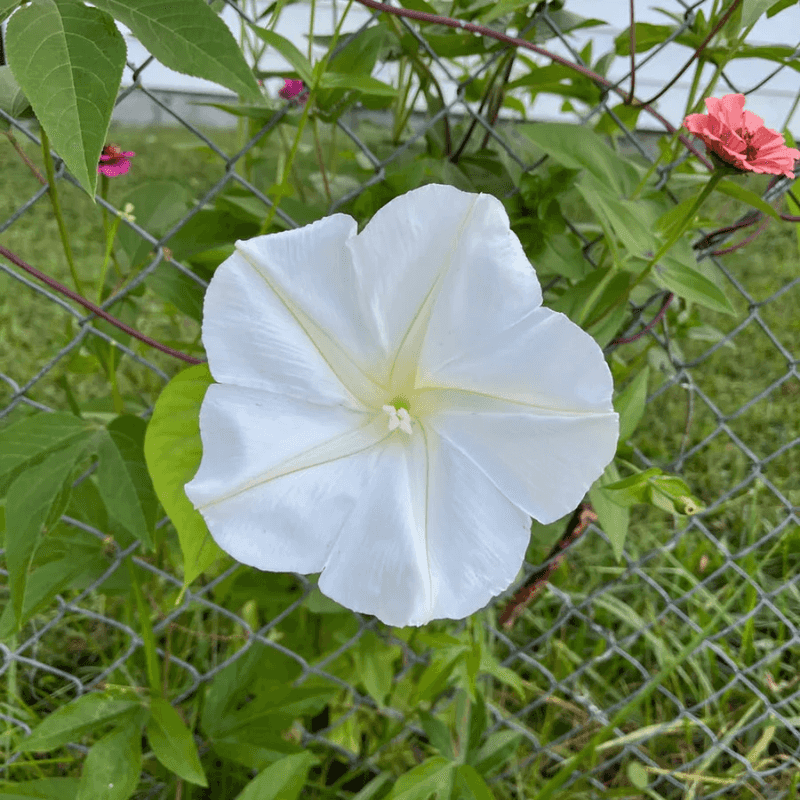
Backyard gardeners sometimes discover that “moonflower” points to more than one plant. The vine most commonly sold for trellis growing in the United States is Ipomoea alba, profiled by North Carolina State Extension as tropical white morning glory.
It belongs to the morning glory family, produces large white fragrant flowers that open at night, and climbs readily when given a structure to grip.
Knowing the botanical name matters because another group of plants shares the moonflower label. Datura species, which grow as shrubs or sprawling annuals rather than twining vines, are also called moonflower in some regions.
The two plants look different and carry different care and safety considerations, so confirming which one you have before acting on any guidance is worth the extra minute.
A quick way to tell them apart: Ipomoea alba is a vigorous climber that wraps around a trellis or fence, while Datura tends to spread outward from a central base without twining. An Ask Extension response on moonflower identification walks through exactly this distinction and helps gardeners confirm which plant they are working with.
The rest of this article focuses entirely on Ipomoea alba, the trellis vine, so if your plant matches the Datura description, the care and safety notes here do not apply to it.
Ipomoea alba is a true tropical vine, typically grown as an annual in most of the continental United States. Its heart-shaped leaves and rope-like stems can cover a trellis quickly in warm weather, making it a popular choice for evening gardens, patio screens, or any spot where you want fragrance and visual interest after the sun goes down.
The night bloom welcomes moths, not just one visitor
Moonflower blossoms do not wait for full darkness to begin their evening. Ipomoea alba flowers can start opening in late afternoon and reach their full, wide-open form as evening deepens.
By dawn they close again, making each individual bloom a one-night event, though the vine keeps producing new flowers throughout the growing season.
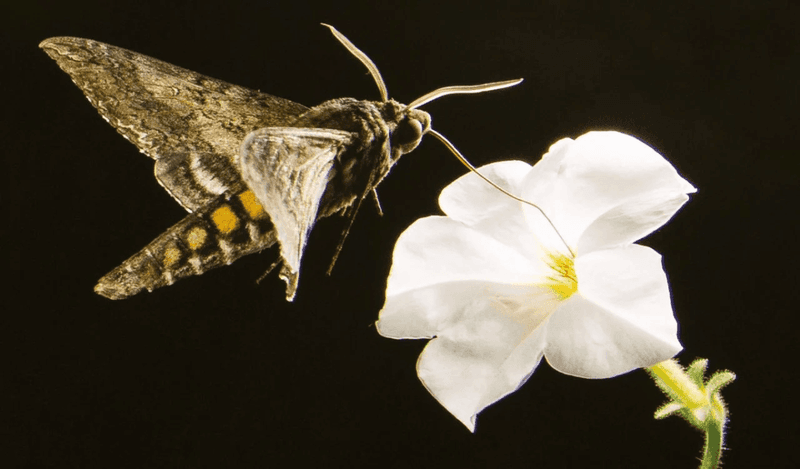
Moths are the visitors most associated with these blooms. North Carolina State Extension notes that the flowers open rapidly and attract moths, listing sphinx moths among the visitors.
Sphinx moths, with their long tongues and hovering flight, are well suited to reaching the nectar in tubular white flowers. But the extension description uses the plural throughout, and there is no basis for saying that each flower has one designated visitor or that a single moth species holds an exclusive relationship with the plant.
Multiple moths may visit a single bloom in one night, and different moth species may visit on different nights or in different parts of the country. Framing the relationship as a partnership with one moth misrepresents how pollination actually works for this vine.
Reproduction is another area worth clarifying. A comparative study of Ipomoea species classifies I. alba as self-compatible, meaning it can set fruit without cross-pollination from another plant.
Moth visits may still contribute to seed production, but no moth visit is required for every flower to produce a seed pod. Growing moonflower in a location where moths rarely appear will not necessarily leave you without seeds at the end of the season.
The practical takeaway is simple: plant moonflower where you can enjoy the fragrance and watch for moths on warm evenings, knowing that the vine is doing its own reproductive work whether or not a sphinx moth happens by.
What it means for a plant to keep time in darkness
Plants have internal timing systems, loosely comparable to the body clocks animals use to regulate sleep and waking. These systems, called circadian rhythms, run on roughly 24-hour cycles and help coordinate when a plant flowers, when it moves its leaves, and when its stomata open or close.
What makes them genuinely interesting is that they can keep running even when external cues disappear.
Researchers have found that flower-opening rhythms in some plant species can continue for a period in constant darkness, without an ongoing light signal telling the plant what time it is. A broad review of flower opening and closure published in the Journal of Experimental Botany covers this phenomenon across multiple species, describing how internal clocks can sustain petal movement rhythms even when the normal light-dark cycle is removed.
That does not mean sunlight is irrelevant to plants. Light-dark cycles help set or “entrain” the clock, keeping it synchronized with the actual time of day.
A plant grown in constant darkness would eventually drift out of sync, and sunlight drives photosynthesis, which powers the whole plant. The clock research simply shows that timing can be partly internal rather than purely reactive to each passing sunrise.
For moonflower gardeners, this broader context is worth knowing because it explains why the vine does not simply open its flowers the moment you turn off a porch light. The bloom timing is not a direct on-off switch controlled by ambient darkness.
Instead, it reflects a more complex internal schedule that light helps calibrate over time. Whether I. alba itself has been shown to maintain that schedule in constant darkness is a separate question, addressed in the next section.
The dark-period experiment studied another morning glory
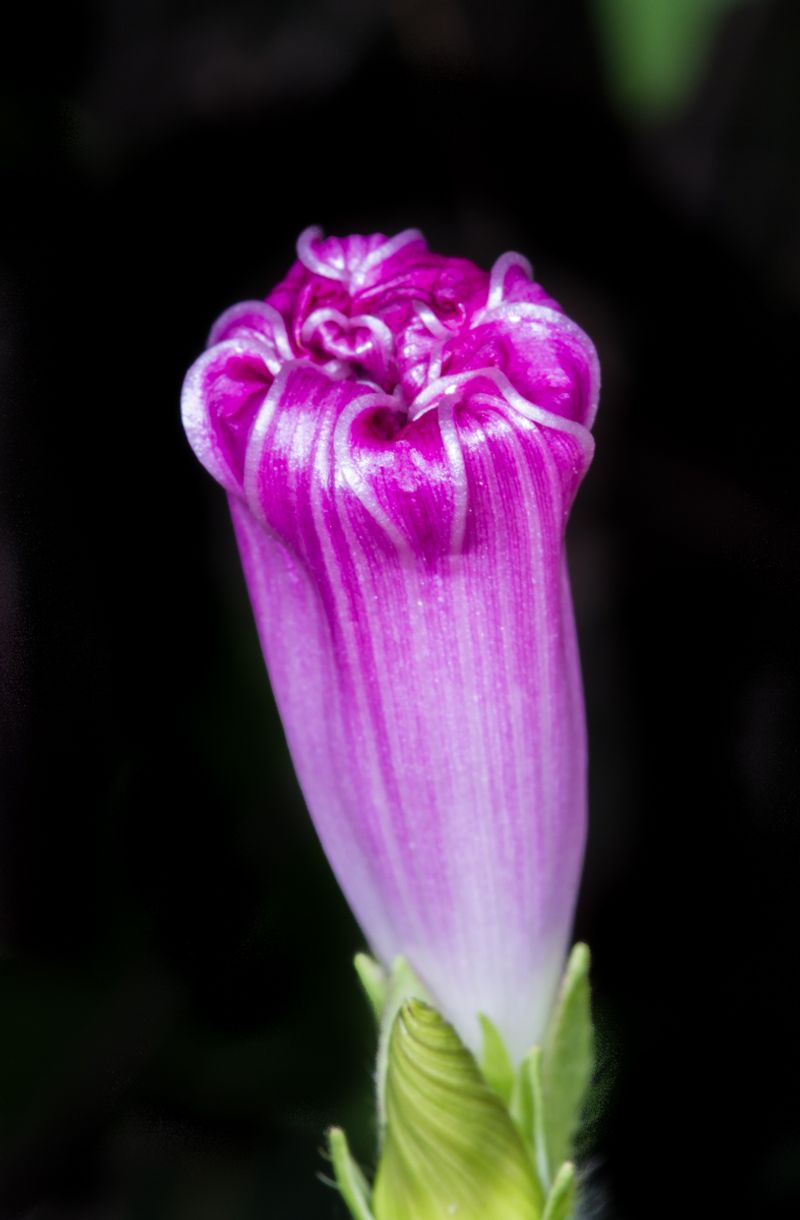
A specific experiment on dark periods and flower opening is sometimes connected to moonflower, but the plant at the center of that research is not Ipomoea alba. Shinozaki and colleagues studied Ipomoea nil, the Japanese morning glory, a close relative in the same genus.
Their findings are real and informative, but they apply to I. nil specifically.
The researchers found that the length of the dark period preceding bloom had a measurable effect on how flowers opened. Plants given an 8-hour or 12-hour dark period showed normal flower opening.
Those given only a 4-hour dark period, or kept in continuous light, opened their flowers more slowly. The results suggest that I. nil uses information about the length of the preceding dark period to time its blooms.
Translating those thresholds directly to moonflower would be a mistake. Ipomoea nil and Ipomoea alba are related but distinct species, and the mechanisms controlling flower opening can differ between species even within the same genus.
No published study located for this article tested the same dark-period conditions in I. alba and found the same results.
This distinction matters practically. Some gardening advice implies that you can manipulate how long your moonflower is kept in darkness to control when it blooms.
That idea is based on research conducted on a different plant. For I. alba on your trellis, the honest answer is that the vine’s internal timing is real but the specific dark-period thresholds from the I. nil study do not carry over without further research.
Give the plant the right growing conditions and let its own schedule work rather than trying to engineer its darkness exposure based on results from a different species.
Give the vine support and sound growing conditions
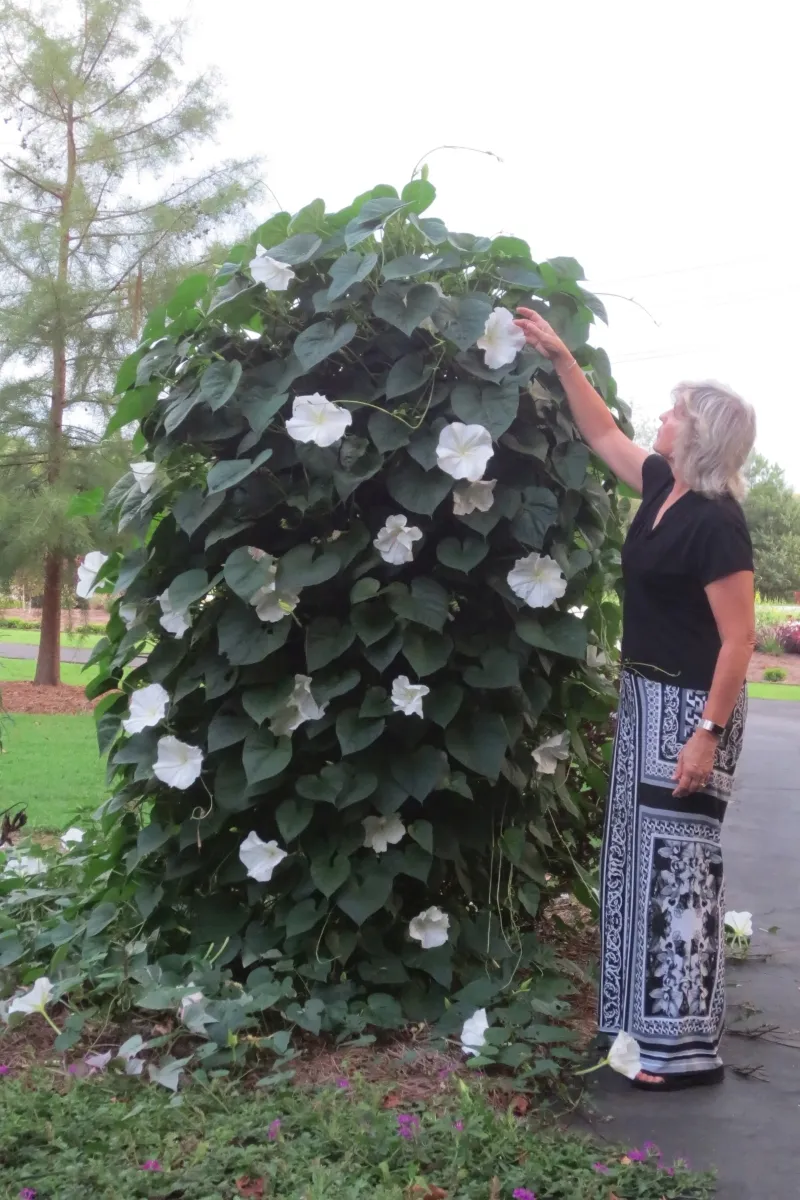
Moonflower is a vigorous climber and it needs something solid to grab from the start. A trellis, fence, arbor, or sturdy string system all work well.
Without support, the vine will sprawl along the ground and produce far fewer flowers than it would if allowed to climb toward the light. Setting up your support structure before the plant gets large makes training much easier.
North Carolina State Extension recommends full sun and well-drained soil for Ipomoea alba, and advises starting seeds 4 to 6 weeks before the last expected spring frost in your area. That timing is regional guidance, not a fixed calendar date, so look up your local last frost date and count back from there.
The extension also recommends soaking seeds overnight or nicking the seed coat before planting to help break dormancy and speed germination. Moonflower seeds have a tough coat, and skipping this step can mean waiting much longer for sprouts.
Once established, the vine grows quickly in warm weather and generally needs little fussing beyond adequate water and occasional checking that it is climbing rather than knotting on itself. Avoid trying to manipulate darkness or shade to change bloom timing.
The flowering schedule is driven by internal rhythms and environmental cues that the plant manages on its own.
One safety note that applies specifically to Ipomoea alba: the seeds are the part of the plant identified as poisonous. North Carolina State Extension notes that ingesting large amounts may cause hallucinations.
Keep seeds stored safely out of reach of children and pets, and do not eat any part of the plant. This caution is for I. alba and should not be confused with the more severe toxicity warnings that apply to Datura, which is a different plant entirely.
Good drainage, full sun, solid support, and careful seed handling cover the main bases for a healthy moonflower vine that blooms reliably through the warm months.
Read the night bloom as a rhythm, not a guarantee
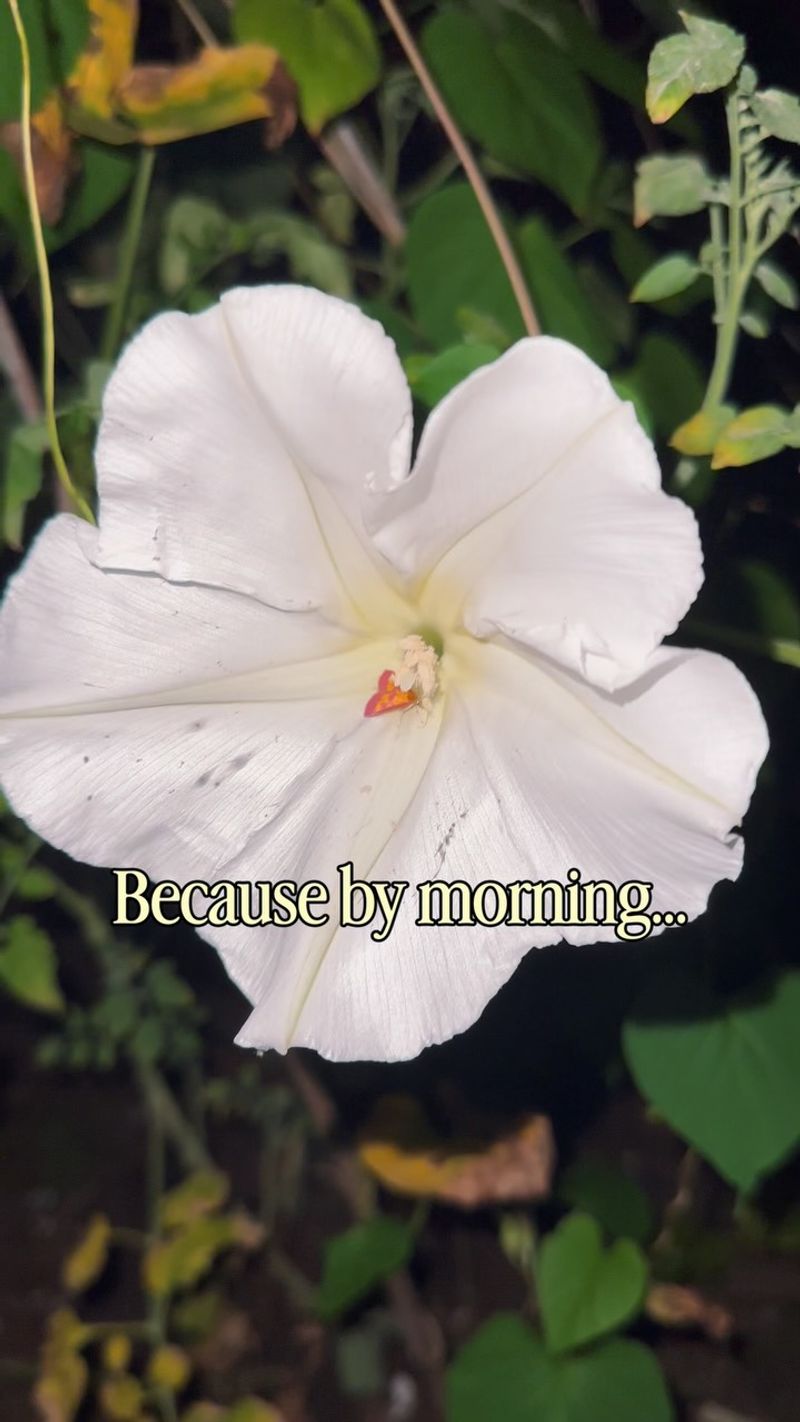
Moonflower on a trellis offers something genuinely unusual: a flower that opens at night, releases fragrance into the evening air, and may draw moths to your garden while you sit outside. That rhythm is real and worth growing the plant for, even without overstating what science has confirmed about its inner workings.
Ipomoea alba’s night-opening habit is well documented, and the broader research on plant circadian timing gives good reason to think internal clocks play a role in flower-opening schedules across species. The dark-period experiment showing how timing affects bloom in Ipomoea nil is an intriguing piece of related evidence, but it describes a cousin plant rather than moonflower itself.
Each bloom may welcome several moth visitors across a single night, and the vine can reproduce without any of them. A night garden built around moonflower rewards patient observation more than it rewards precise control.