
13 Feeding Mistakes That Keep Your Potted Petunias From Blooming Like They Should (Plus 3 Easy Fixes)
Your potted petunias looked amazing at the garden center, but now they seem stuck with lots of leaves and hardly any flowers. The good news is that the problem is often hiding in how they are being fed.
Petunias in pots are hungry plants, and small feeding slip-ups can quietly shut down their blooms. Below are 13 common mistakes to check for, plus 3 simple fixes that can get your containers full of color again.
1. Using a Fertilizer Too High in Nitrogen
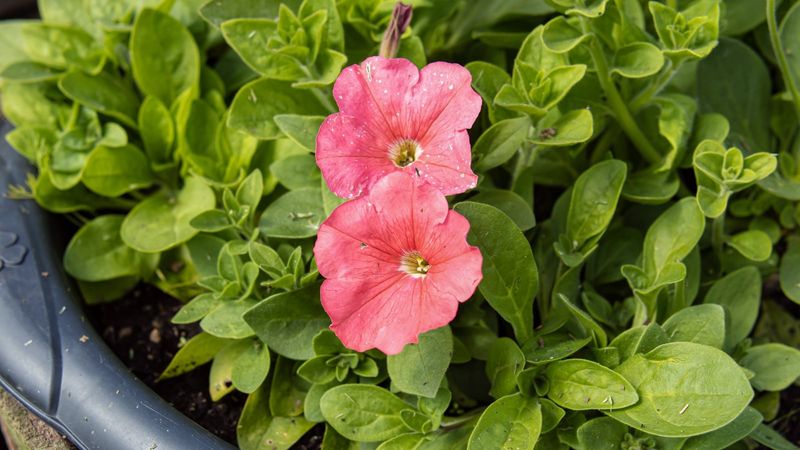
Big, bushy, and bright green, yet barely a flower in sight. If that sounds like your pot, nitrogen may be the troublemaker.
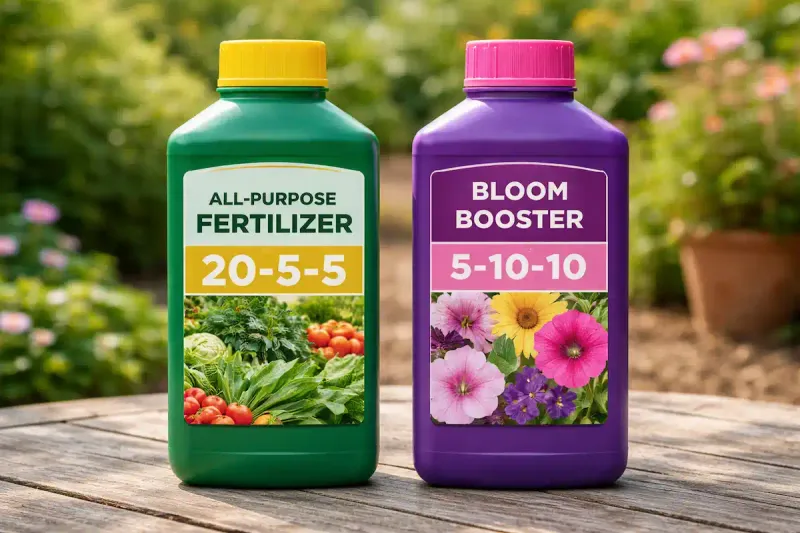
Nitrogen is the first number on a fertilizer label, and it tells a plant to grow leaves and stems. Too much of it pushes petunias to spend their energy on foliage instead of blooms.
Many all-purpose lawn or vegetable feeds lean heavily on nitrogen, so they can be a poor match for flowers.
Flip over the bag or bottle you are using. If the first number is much higher than the other two, consider setting it aside for your petunias and choosing something more balanced or bloom-focused.
2. Not Fertilizing Often Enough
Petunias are famous for being heavy feeders. In a container, they burn through the food in their soil much faster than you might guess.
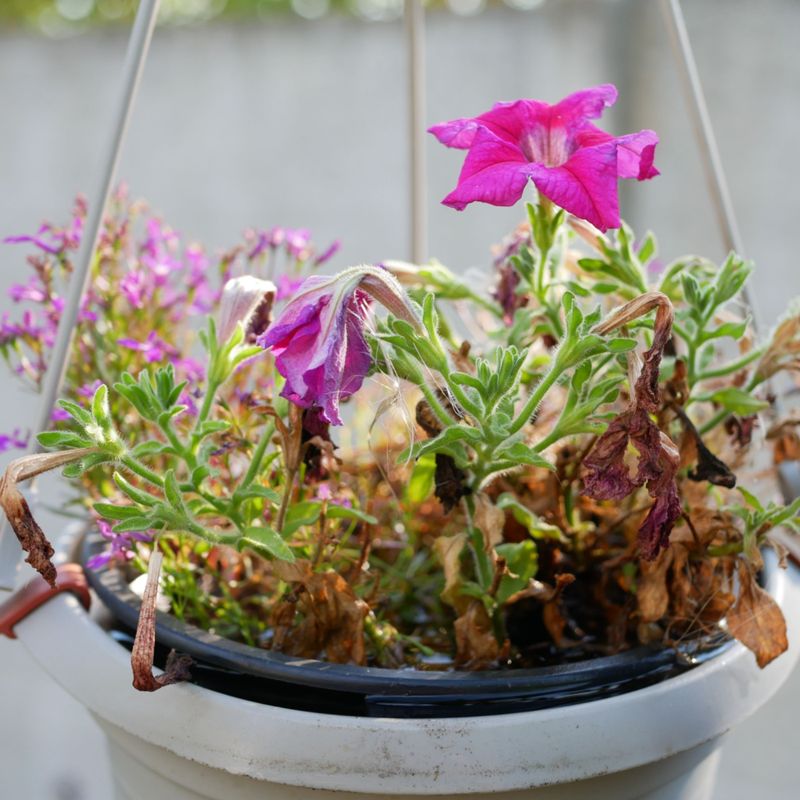
A plant that was blooming like crazy in May can slow way down by July if nobody tops off its nutrients. Every time you water, some of those nutrients also wash out the bottom of the pot.
That combination leaves your petunias running on empty.
Many growers feed container petunias every one to two weeks during the growing season. If you have been feeding once a month or less, your plants are probably hungry.
3. Skipping Phosphorus-Rich Bloom Food
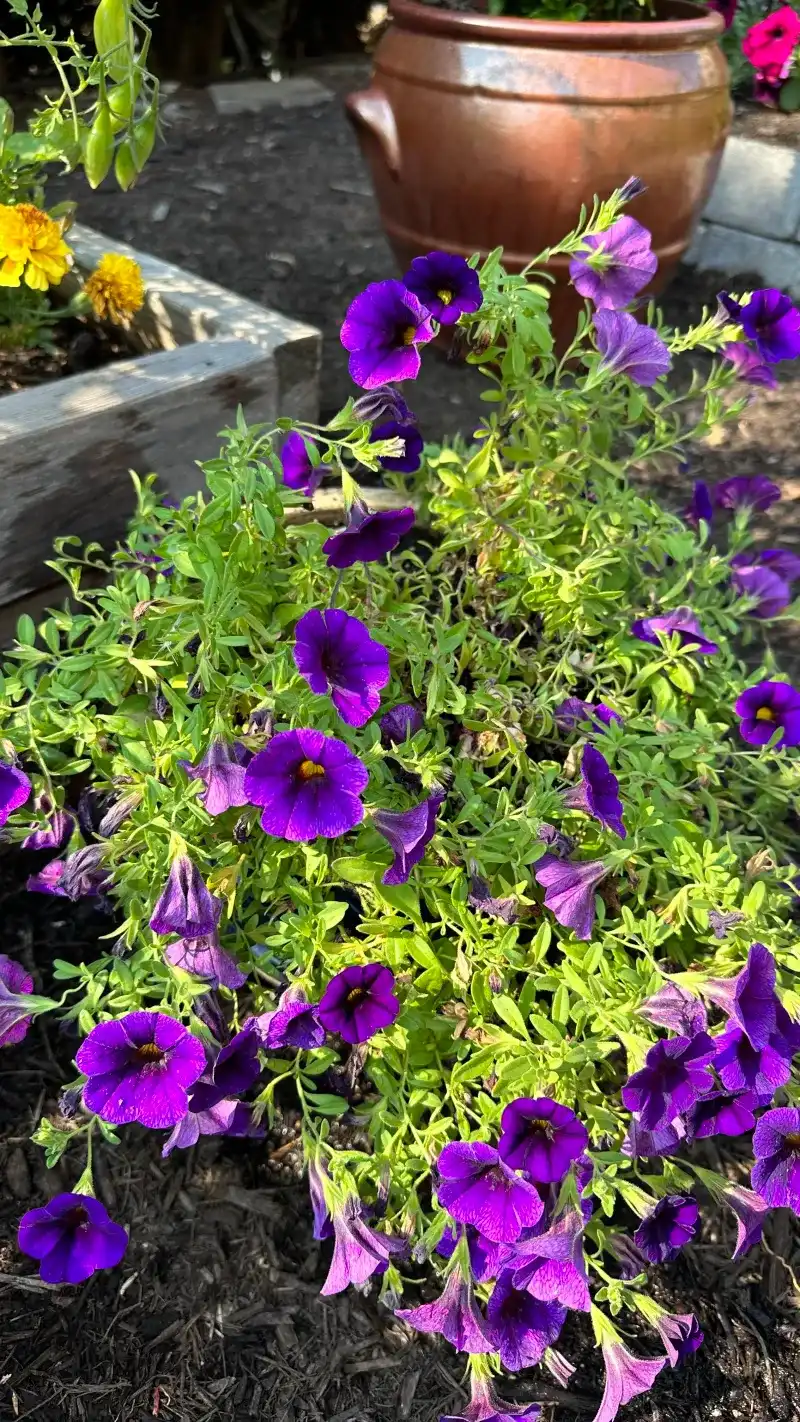
Think of phosphorus as the flower fuel. It is the middle number on the fertilizer label, and it plays a major role in bloom and root development.
When petunias do not get enough of it, flowers may come in smaller, fewer, or not at all. Plants can also look a little stalled, as if they are waiting for something.
A bloom-booster formula with a higher middle number can help fill that gap. You do not need to go extreme, just make sure your petunias are not being shortchanged on this key nutrient.
4. Over-Fertilizing Out of Love
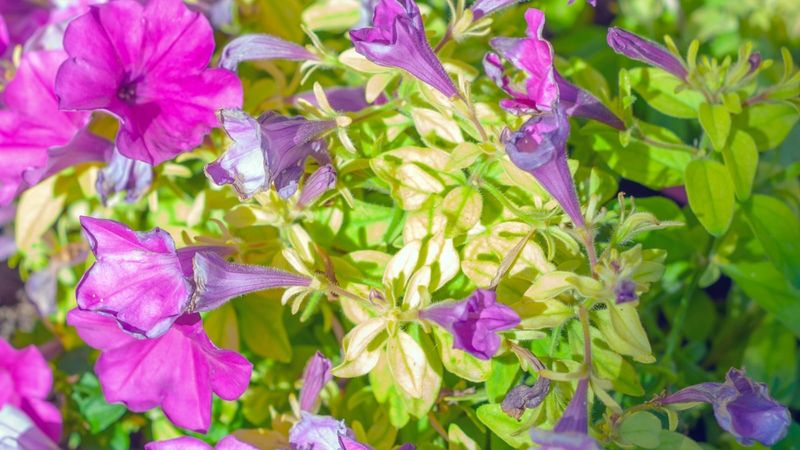
Here is the twist nobody warns you about. After hearing that petunias are hungry, lots of gardeners go overboard.
Too much fertilizer leaves extra salts in the soil. Those salts can pull water away from the roots, which leads to yellow leaves, wilting, brown tips, and new buds that never fully open.
Gardeners sometimes call this soil running hot.
More is not better here. Stick to the label rate or even a little less, especially if you feed often.
A steady, moderate diet usually beats a heavy dose.
5. Forgetting That Potting Mix Runs Out
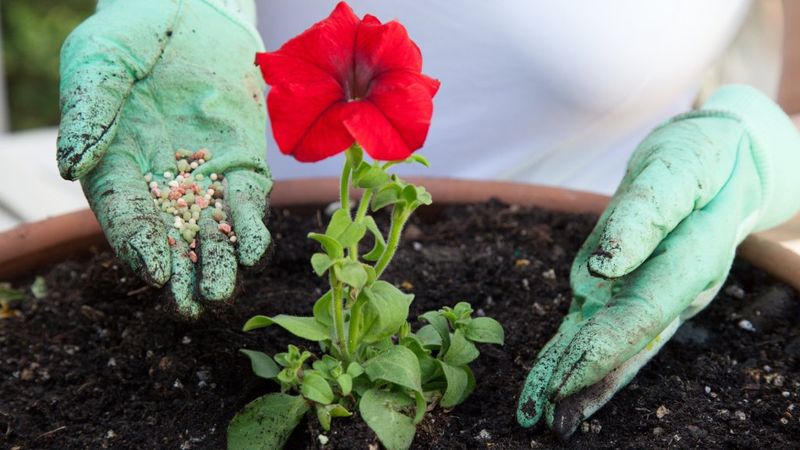
Many potting mixes come with a starter charge of fertilizer. That is great for the first few weeks, but it does not last all summer.
Once the plant uses up that built-in food, nothing replaces it unless you do. Unlike garden soil, a pot has no surrounding earth to draw from.
Mark your calendar about four to six weeks after planting. That is a good time to start or step up regular feeding so blooms keep coming.
6. Feeding Bone-Dry Soil
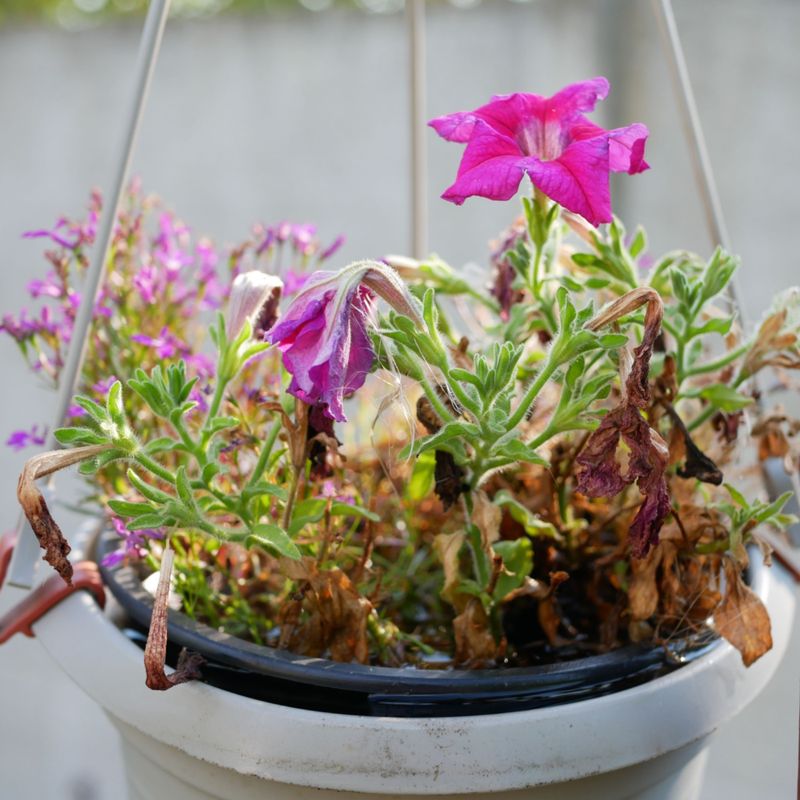
Picture pouring strong coffee on an empty stomach. Fertilizing parched soil hits petunia roots in a similar way.
When the pot is dry, fertilizer salts are more concentrated and can damage thirsty roots. That stress can set blooming back for days or weeks.
The simple habit: water first, wait a bit, then feed. Moist soil helps spread nutrients evenly and keeps the roots safe.
7. Never Flushing Out Salt Buildup
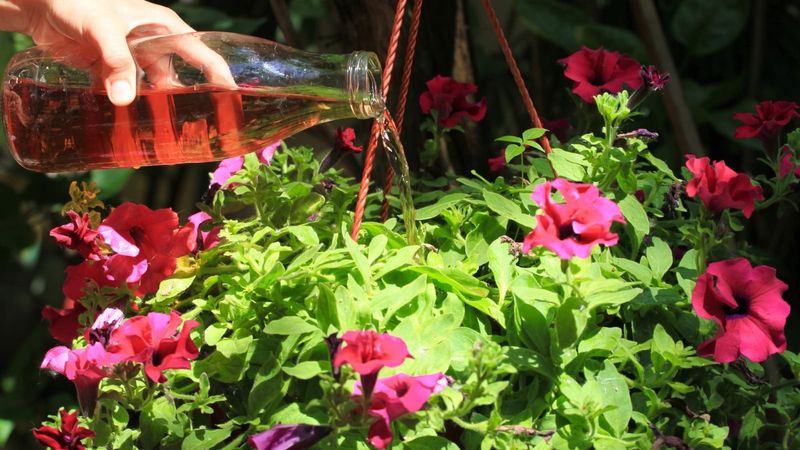
Ever notice a white, crusty film on top of your potting soil or around the rim? That is often leftover fertilizer salt.
Over time, this buildup can make it harder for roots to take in water and nutrients, even if you feed on schedule. Your petunias may look tired no matter what you do.
Every few weeks, water the pot slowly and deeply until plenty drains out the bottom. This rinse can help carry excess salts away and give roots a fresh start.
8. Relying Only on Slow-Release Pellets
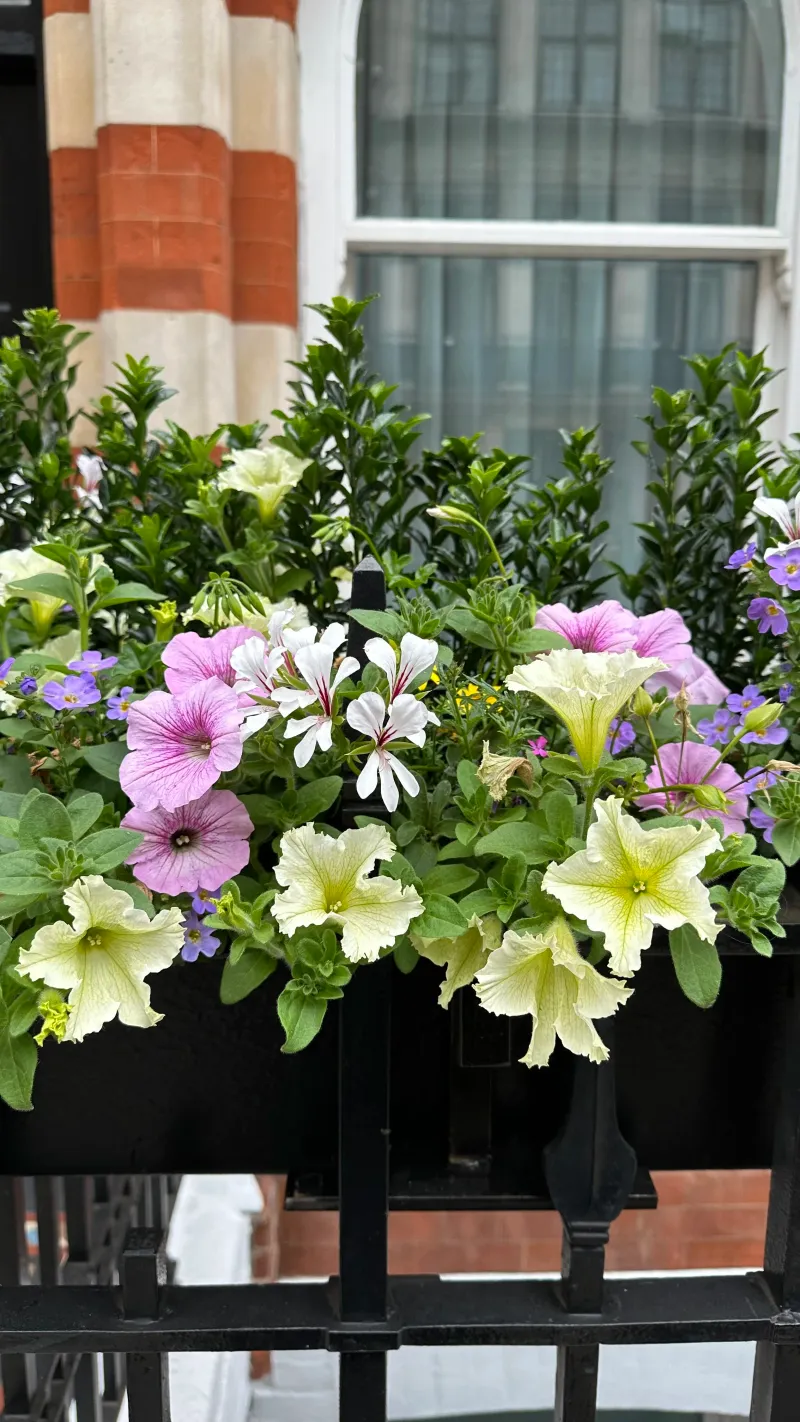
Slow-release granules are handy. You mix them in at planting and they trickle out food for weeks.
The catch is that peak-season petunias often want more than that steady trickle can supply, especially in hot weather when you water a lot. Pellets can also release faster in heat and run out sooner than the label suggests.
Using them as a base and adding a water-soluble feed during heavy bloom may give plants the boost they need.
9. Grabbing Any General-Purpose Fertilizer
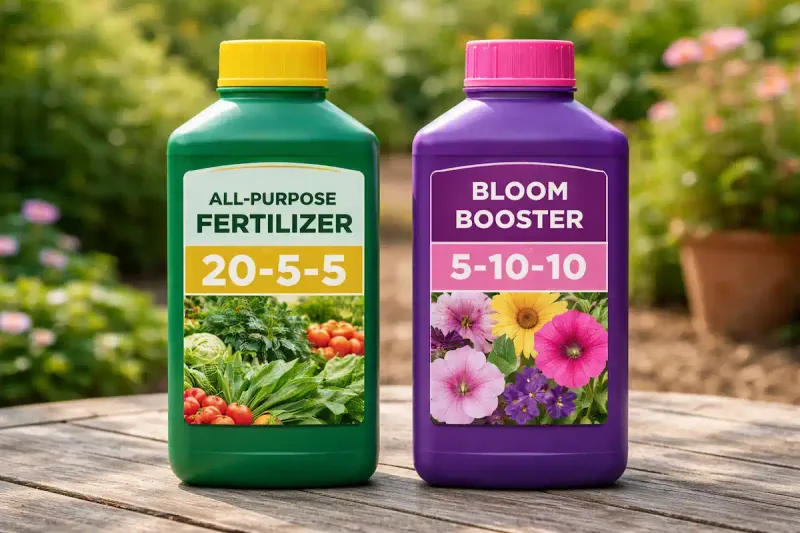
Not all plant food is made equal. A general fertilizer is designed to cover lots of plants, not to push big flower displays.
Some are fine, but others have ratios that do little for blooms. Reading those three numbers, nitrogen, phosphorus, and potassium, tells you what the product is built for.
For petunias, look for something labeled for flowering plants or annuals. Potassium, the last number, supports overall plant strength, so a solid showing there is a plus.
10. Mistaking Green Leaves for a Happy Plant
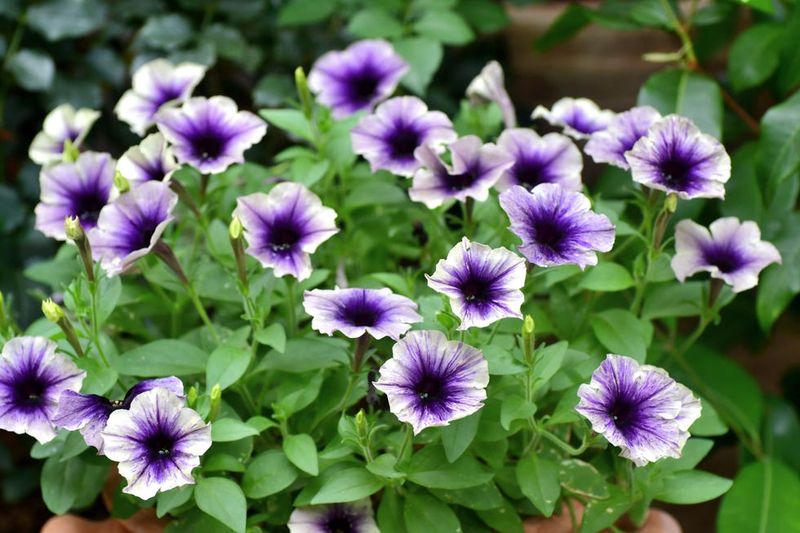
A plant can look healthy and still be failing at its main job. Lush green petunias with barely any color are a classic warning sign.
Gardeners often keep doing what they are doing because the leaves look so good. Unfortunately, that leafy look usually points to too much nitrogen and not enough bloom support.
Judge your petunias by their flowers, not their foliage. If the green is winning, it is time to change the menu.
11. Underestimating How Hungry Container Petunias Get
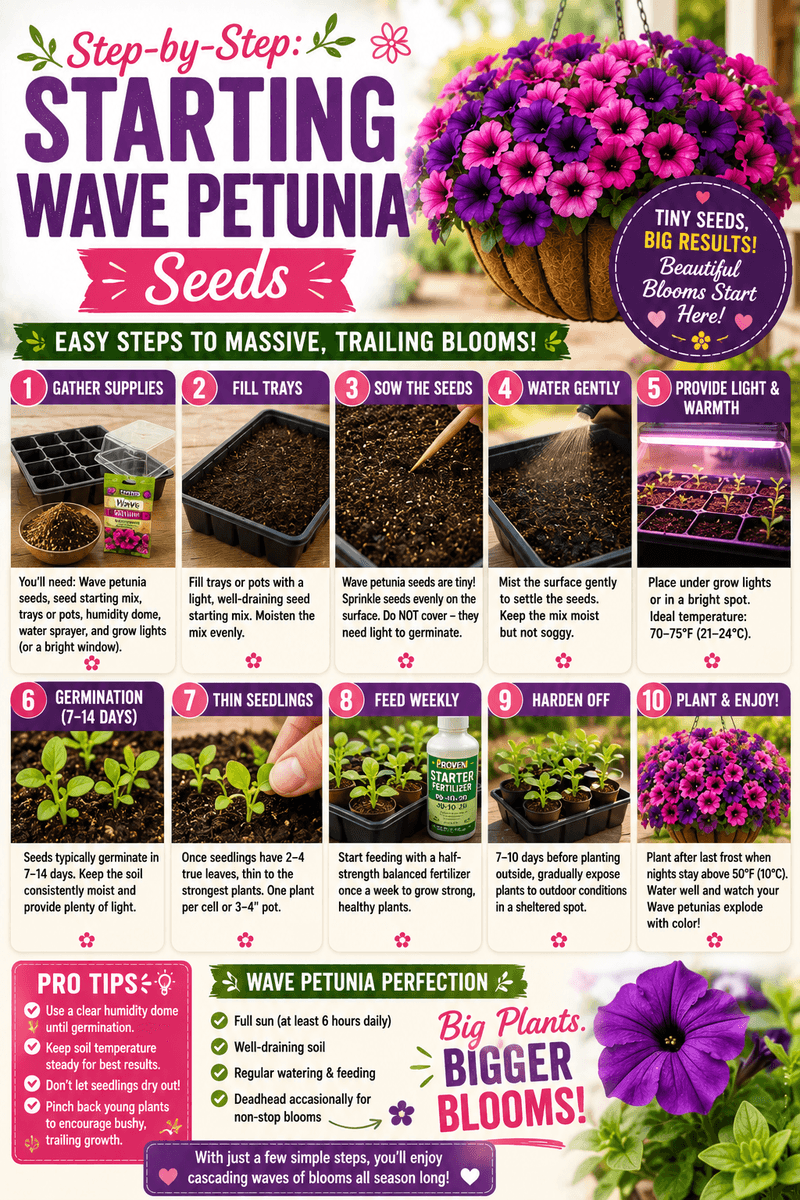
Fun fact: modern trailing petunias, like the popular spreading types, were bred to bloom nonstop from spring to frost. That kind of performance takes a lot of energy.
A small pot holds only a little soil, and a vigorous petunia can fill it with roots fast. Many gardeners simply do not realize how much food that tiny space needs to supply.
If your petunias are the spreading or trailing kind, plan on regular feeding all season. They are athletes, and athletes need to eat.
12. Feeding on a Random Schedule
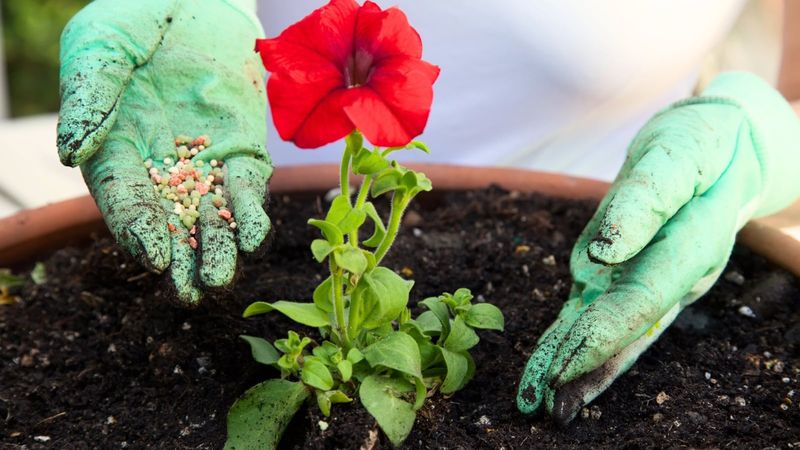
Feast, famine, feast, famine. Sporadic feeding creates a roller coaster that petunias do not enjoy.
When food shows up only now and then, plants swing between flushes of growth and stretches of slowdown. Blooming tends to follow those same ups and downs.
Pick a day, like every other Saturday, and stick with it. A phone reminder makes it easy, and consistency often matters more than the exact product you use.
13. Ignoring Early Signs of Hunger
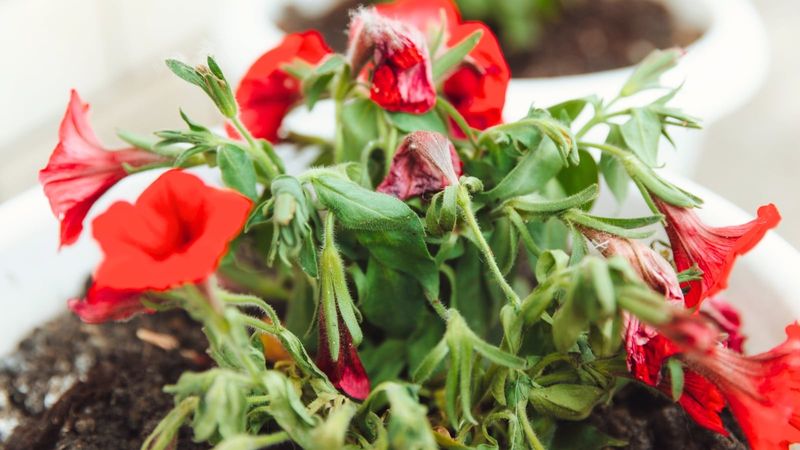
Petunias usually tell you something is off before they stop blooming completely. The clues are just easy to miss.
Watch for stunted growth, smaller flowers than usual, pale or dull leaves, or a plant that simply looks tired. These signs can point to a nutrient shortage, including low phosphorus.
Catching these hints early means a quicker comeback. A quick weekly look at your pots can save you from a bloomless August.
14. Easy Fix 1: Set a Steady Bloom-Boosting Routine
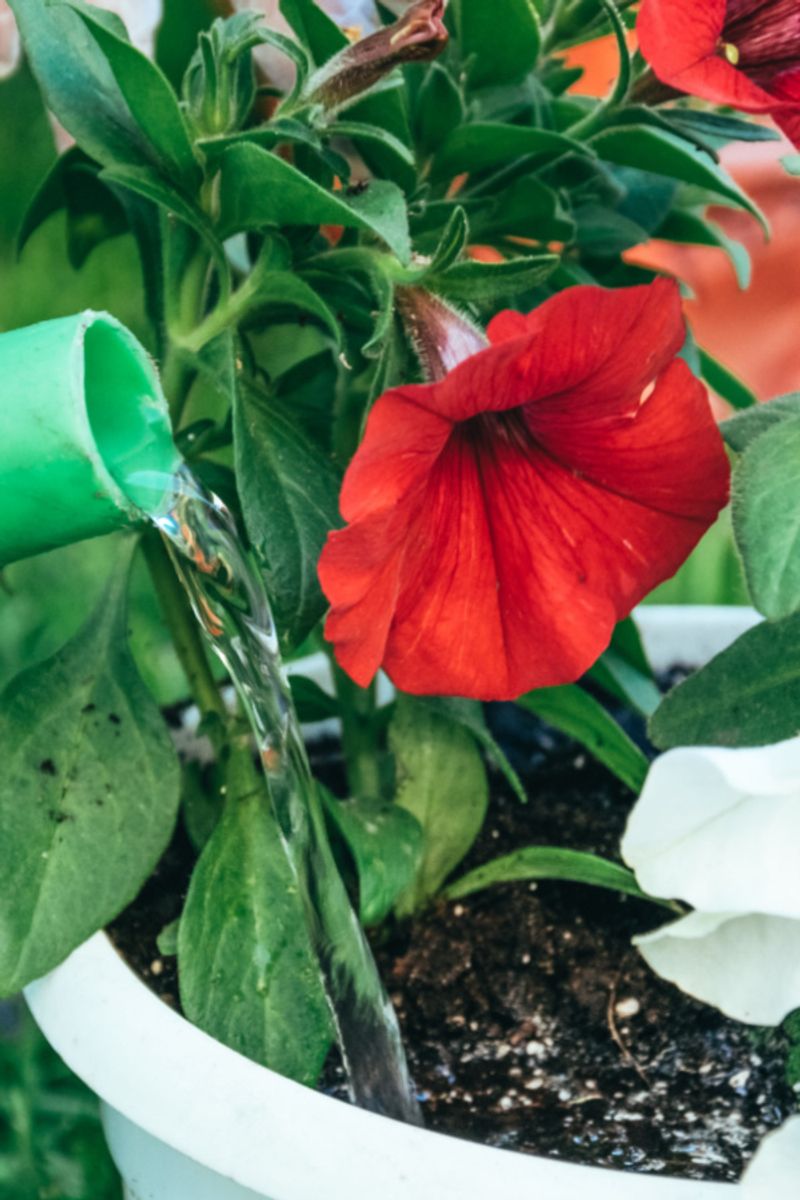
Ready for the good part? The first fix tackles several mistakes at once.
Mix a slow-release granular fertilizer into the soil at planting for a steady base. Then add a water-soluble bloom formula, one with higher middle and last numbers, every one to two weeks during the growing season.
Follow label rates and keep to the same day each time. Many gardeners see fresh buds within a few weeks of starting this routine.
15. Easy Fix 2: Feed Smarter, Not Harder
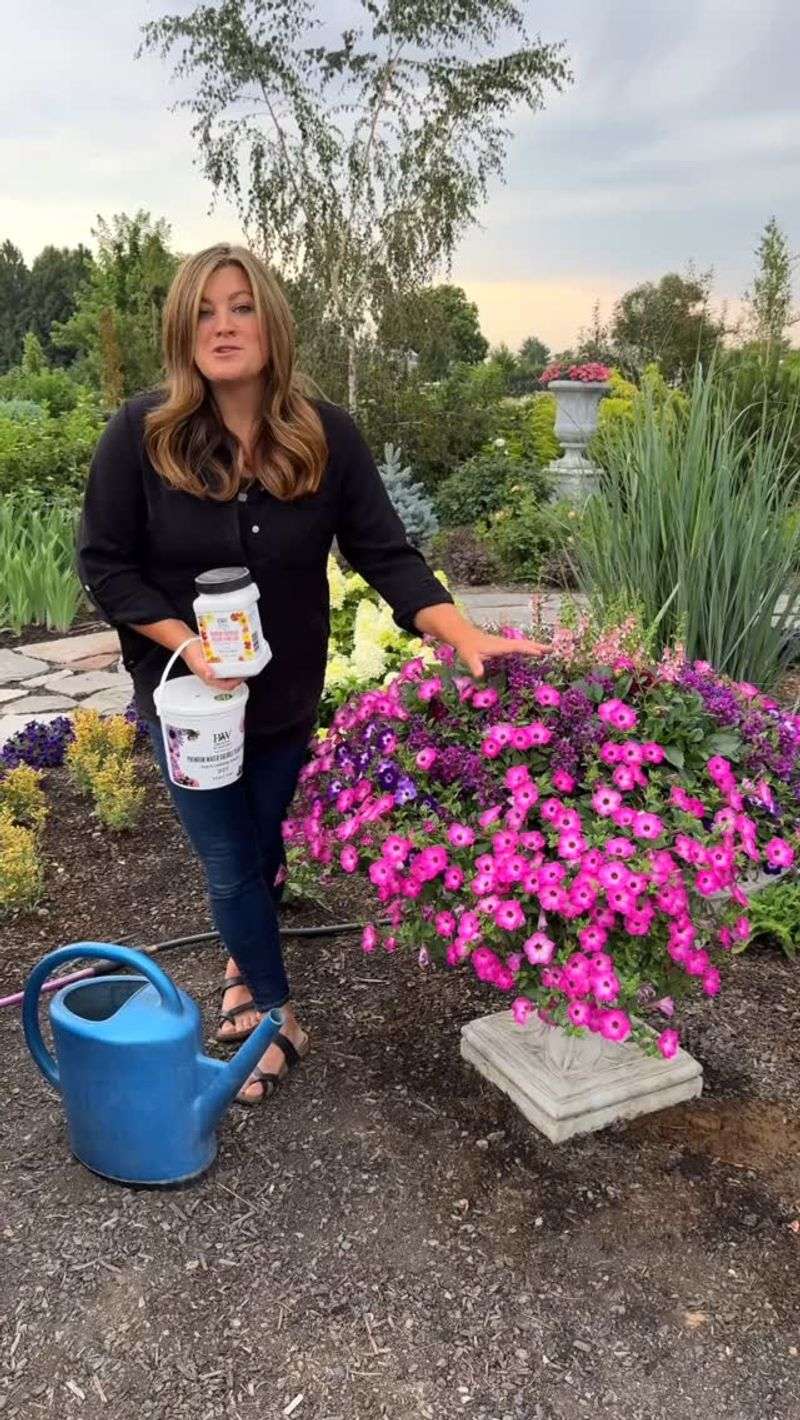
Sometimes the product is fine and the method is the issue. Small changes here make a real difference.
Swap any high-nitrogen fertilizer for one made for flowering plants. Always water before feeding so roots never get hit with concentrated salts.
Every few weeks, give the pot a deep rinse until water pours out the drainage holes. That flush can help clear buildup and keep roots working well.
16. Easy Fix 3: Support Feeding With Good Everyday Care
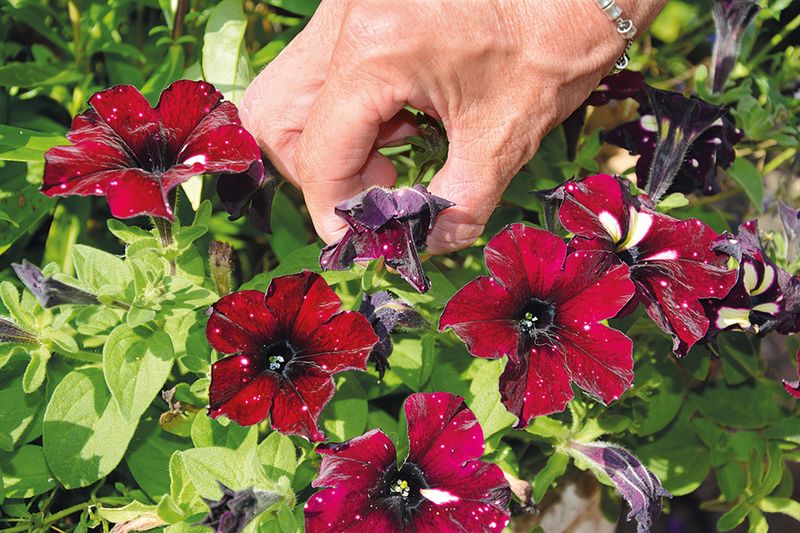
Fertilizer works best when the rest of the care is on point. Think of this fix as the teamwork step.
Give petunias at least 6 to 8 hours of direct sun a day, since shade can cut blooms no matter how well you feed. Keep soil evenly moist, never soggy or bone dry, and make sure the pot drains.
Pinch off faded flowers and trim leggy stems now and then to encourage new growth. With sun, water, and food working together, your petunias have every reason to bloom like they should.