
That Road Salt Along Your Driveway Is Quietly Poisoning Your Lawn And Beds – Here’s What Towns Use Instead
Every winter, that bag of rock salt by the garage feels like a safety must-have. But the salt you toss on your driveway does not just vanish when the ice melts.
It soaks into your soil and splashes onto your plants, and the damage often shows up months later as brown grass and struggling shrubs. The good news is that many towns have already found smarter ways to fight ice, and you can borrow their ideas for your own yard.
1. How Salt Spray Burns Leaves and Buds
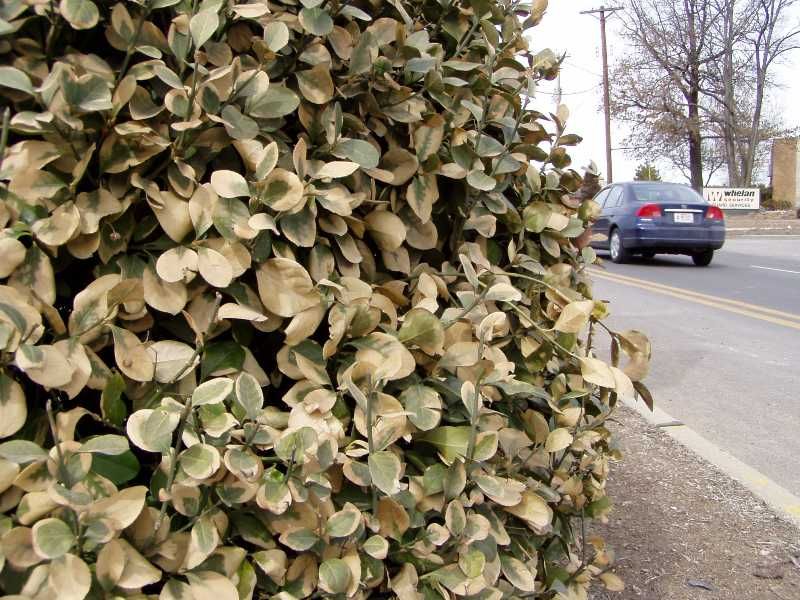
Picture your boxwood in March, green on one side and crispy brown on the other. That lopsided look is a classic calling card of salt spray.
When cars splash salty slush or wind carries salt dust, it lands right on foliage and pulls moisture out of the plant.
The result can look like scorched edges, yellow needles, and early leaf drop, almost always on the side facing the road or driveway. Evergreens and conifers take the worst of it because they keep their leaves all winter long.
Buds suffer too. Salt can dry out the protective scales around next year’s growth, so your shrub may leaf out weakly or skip flowering in spring.
If your hydrangea near the walkway seems reluctant to bloom, winter salt splash is worth considering as a suspect.
2. The Hidden Damage Happening in Your Soil
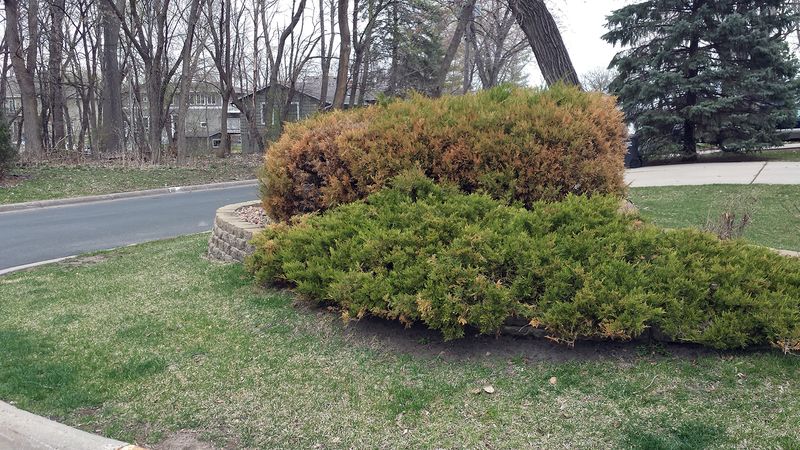
Here is the sneaky part. Once snow melts, dissolved salt seeps into the ground, and sodium and chloride start crowding out nutrients your plants need, like potassium and phosphorus.
Roots then struggle to pull in water, even when the soil is damp. So your plants act thirsty in wet dirt, which confuses a lot of gardeners.
Symptoms include wilting, stunted growth, burned leaf margins, and twig dieback.
Over time, extra sodium can also wreck soil structure. It raises pH, packs the soil down, and slows drainage and airflow.
Many people do not notice anything until a hot, dry spell in summer, when salt-stressed beds suddenly look far worse than the rest of the yard.
3. Calcium Magnesium Acetate, the Gentlest Option
Ask a plant scientist which deicer they would trust near a prized flower bed, and CMA tops many lists. Calcium magnesium acetate contains no salt at all, which is exactly why it is so friendly to lawns and borders.
It is biodegradable, non-corrosive, and considered safe for pets, pavement, and streams. Instead of melting ice aggressively, it keeps ice from bonding to the surface, so shoveling becomes much easier.
There are trade-offs. CMA costs more than rock salt and loses punch below about 15 degrees F.
For the steps near your foundation plantings, though, a small bag may be money well spent.
4. Magnesium Chloride and Calcium Chloride
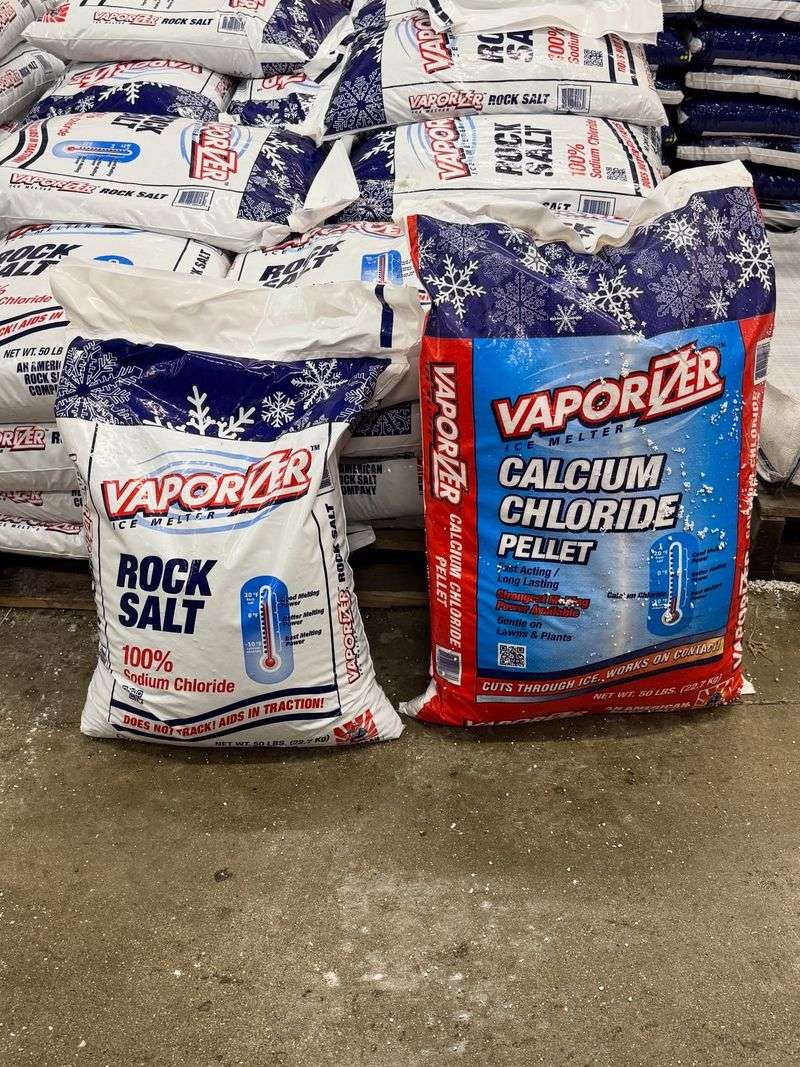
Not every upgrade has to be perfect to be better. Magnesium chloride and calcium chloride still contain chloride, but both are a step up from plain rock salt in most yards.
Magnesium chloride is milder on surfaces, plants, and pets, and it works down to around 0 degrees F. You can find it as crystals or as a liquid you spray before a storm.
Calcium chloride is the cold-weather champ, melting ice at temperatures as low as -25 degrees F. Because it is so strong, you usually need less of it than rock salt, which means less chloride reaching your soil.
Just remember it can still harm plants if you pour it on heavily, so use a light hand.
5. Beet Juice and Cheese Brine on Town Roads
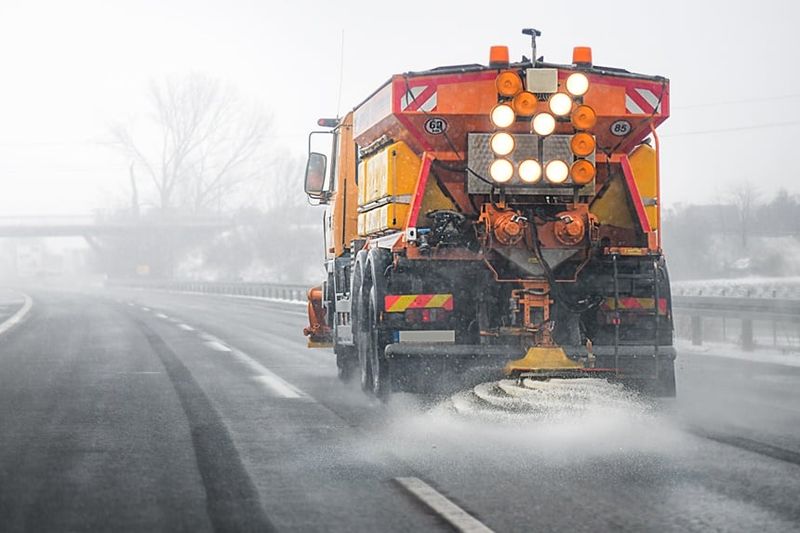
Yes, some towns really spray vegetable leftovers on the roads, and it works. Beet brine, made from sugar beet processing waste, gets mixed with salt brine and sprayed before storms.
The sticky beet sugars help the brine cling to pavement instead of bouncing into ditches and yards. That can cut overall salt use by up to 30 percent, and the blend is biodegradable and less corrosive.
Fun fact: in Wisconsin, some municipalities use leftover cheese brine the same way. Pickle brine has had its turn too.
These salty food byproducts lower the freezing point and stop snow from bonding, which means crews scatter less raw rock salt along your curb.
6. Sand, Ash, and Other Traction Helpers
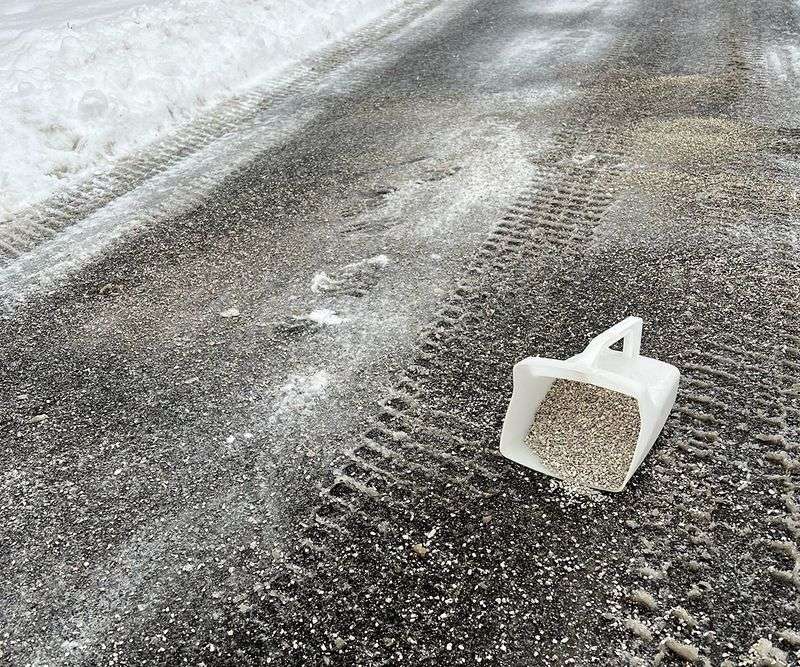
Sometimes the smartest move is not melting ice at all. Sand gives shoes and tires grip without adding anything toxic to your beds, and towns have leaned on it for generations.
At home, you can use sand, sawdust, kitty litter, or even birdseed on slick spots. Wood ash does double duty, since its dark color soaks up sunlight and helps loosen thin ice.
Sweep up leftovers in spring so they do not clog drains or pile into your beds. A bucket of sand by the door is cheap, simple, and far kinder to your tulips.
7. Spring Rescue for Salt-Stressed Lawns and Beds
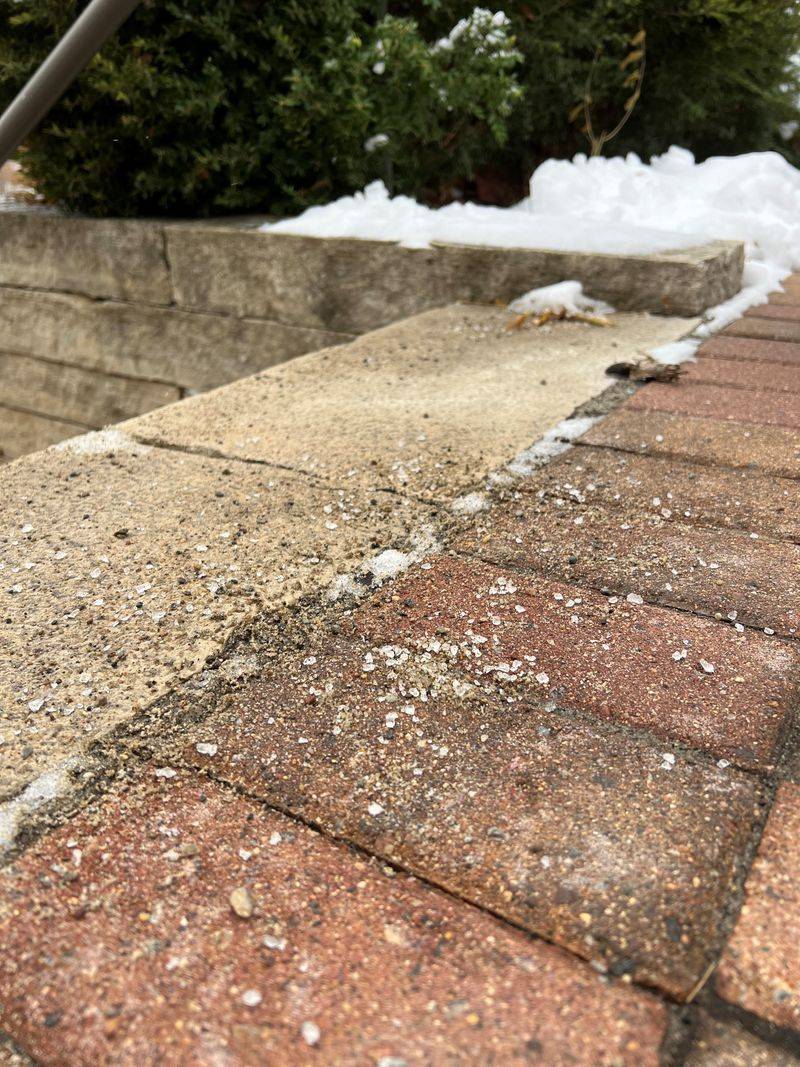
Already seeing brown grass strips along the driveway? Don’t panic.
Most salt damage can ease up with a few easy steps and a garden hose.
Once freezing weather ends, give beds and lawn edges near pavement a deep, slow soaking. Heavy watering helps push salt down past the root zone, and spring rains help too.
A few long soaks work better than many quick sprinkles.
During winter warm spells above freezing, rinse salt off evergreens and shrubs. Also sweep up leftover deicer from pavement before it dissolves.
These small habits can make a real difference by June.
8. Smarter Habits and Salt-Tolerant Plants
The cheapest fix of all is using less. Shovel first, then sprinkle a small amount of deicer only where people actually walk.
More salt does not melt ice faster; it just ends up in your soil.
Watch where the snow goes, too. Piling salty slush onto beds or around shrub bases is like watering them with seawater once it melts.
Toss it onto pavement edges or open areas instead.
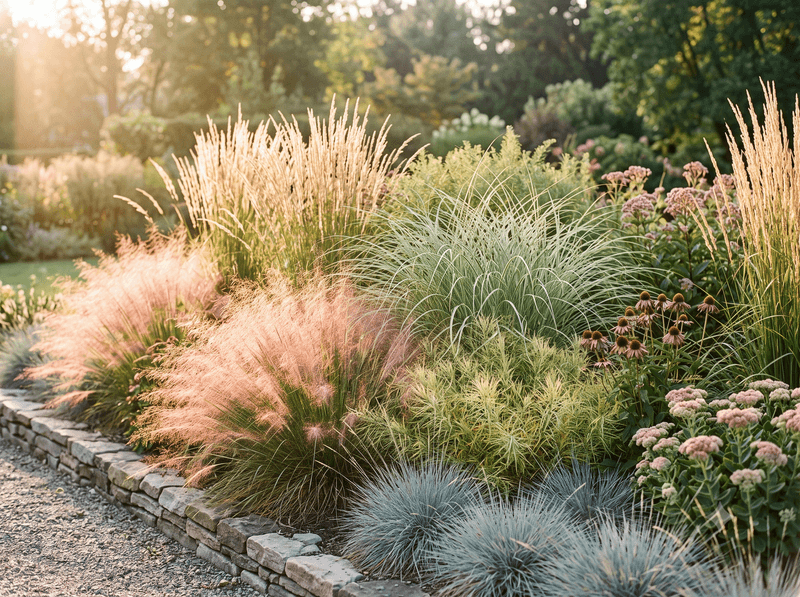
For spots that always catch splash, pick tougher plants. Ornamental grasses, sedums, spireas, and hydrangeas tend to shrug off salt better than most.
A little planning now means fewer crispy surprises come spring.