
Your Bearded Iris Needs More Than A Quick Cleanup – 6 Fall Jobs That Mean Fatter Rhizomes And More Spring Flowers
If your bearded iris gave you fewer flowers this spring, the real problem may have started last fall. Those thick, knobby rhizomes are busy storing energy right now for next year’s blooms.
A quick trim is a start, but a few simple fall jobs can protect them from pests, rot, and crowding. Here are six easy tasks that can mean bigger rhizomes and a much better show next spring.
1. Clear Out Debris and Spent Stalks
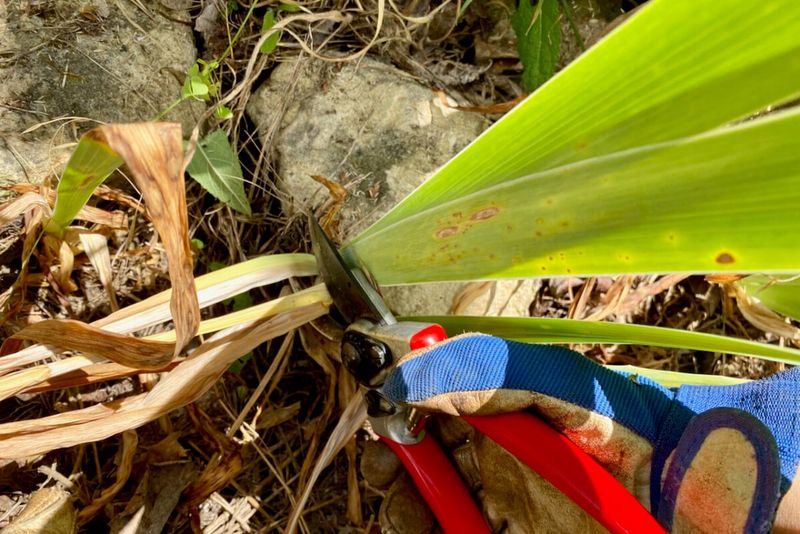
Iris borers are sneaky little pests, and they love a messy bed. The adult moths lay their eggs on old, dead iris leaves in fall, and those eggs hatch into hungry larvae next spring.
Once inside, they tunnel down into the rhizome and can leave it soft and rotten.
The fix is simple and free. Pull away all spent bloom stalks, brown leaves, fallen tree leaves, and any other garden litter sitting around your plants.
Toss diseased material in the trash instead of the compost pile.
A tidy bed also gives fungal problems like iris leaf spot fewer places to hide over winter. Think of it as taking away the pests’ winter hotel.
Fewer eggs now can mean fewer holes and mushy rhizomes come May.
2. Trim Leaves Into a Neat Fan
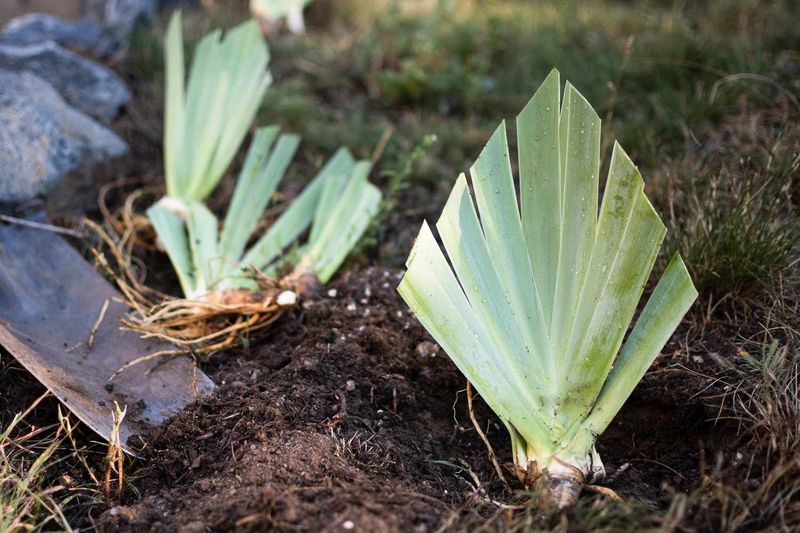
Picture a row of little green fans lined up along your border. That is the look you want after a few light frosts, once the leaves start to yellow and flop.
Grab clean shears and cut the remaining foliage back to about 4 to 6 inches tall, angling the cuts so each clump forms a fan. Wait until the leaves begin fading on their own, since green leaves are still sending energy down to the rhizome.
Cutting too early can rob the plant of fuel it needs.
Shorter leaves give fungal spores less surface to settle on. They also dry faster after rain, which helps cut down on disease.
As a bonus, the bed simply looks cared for all winter long.
3. Divide Crowded Clumps
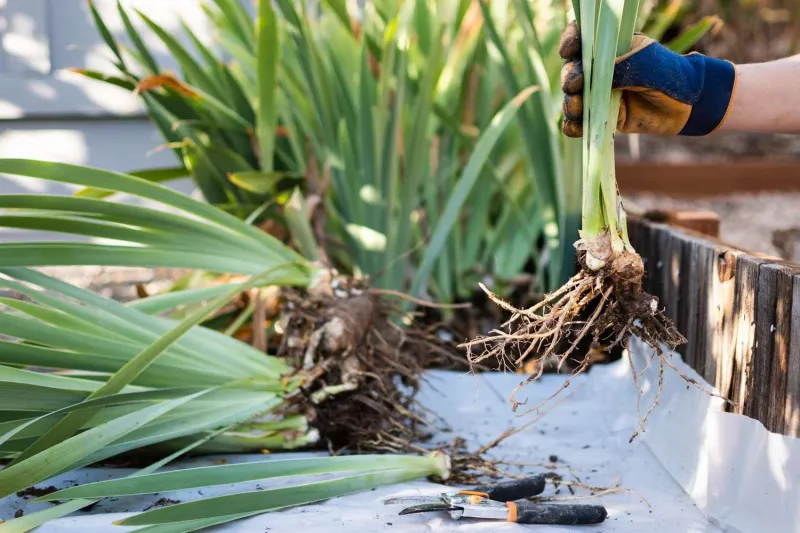
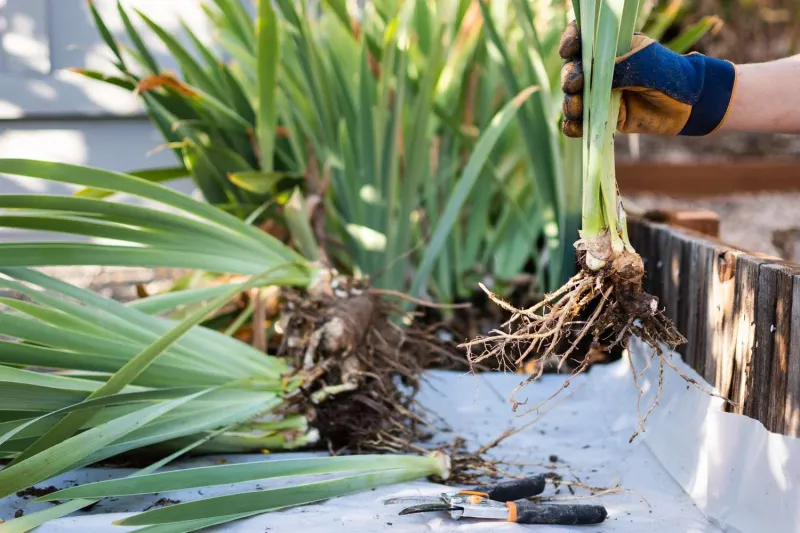
Here is a sign many gardeners miss: a clump that looks full of leaves but barely blooms. After three to five years, bearded iris rhizomes pile on top of each other and start fighting for space, food, and sunlight.
Dig up the whole clump in late summer or early fall, at least six weeks before your first hard frost. Break or cut it apart, keeping healthy sections that each have a fan of leaves and some roots.
Throw out old, woody centers and anything soft or smelly.
Replant each piece so the top third of the rhizome peeks out of the soil or sits barely covered. Irises like sun on their backs, and burying them too deep is a common reason for skipped blooms.
Space them about a foot apart so they have room to fatten up.
Fun fact: the name iris comes from the Greek goddess of the rainbow, a nod to the huge range of colors these flowers come in. Dividing gives you extras to share, too.
4. Feed With a Low-Nitrogen Fertilizer

More food is not always better, and irises prove it. A big dose of high-nitrogen fertilizer pushes out lush leaves while the flowers quietly disappear.
Soft, leafy growth can also be more attractive to pests and disease.
In early fall, reach for a low-nitrogen option such as a 6-10-10 blend, bone meal, or superphosphate. Phosphorus and potassium help build strong roots and rhizomes that can handle winter.
That stored strength is what fuels next spring’s flower stalks.
Sprinkle it in a ring around the plant instead of right on top of the rhizomes, which can burn them. Scratch it lightly into the soil and water it in.
A little goes a long way here.
5. Keep the Bed Weed-Free
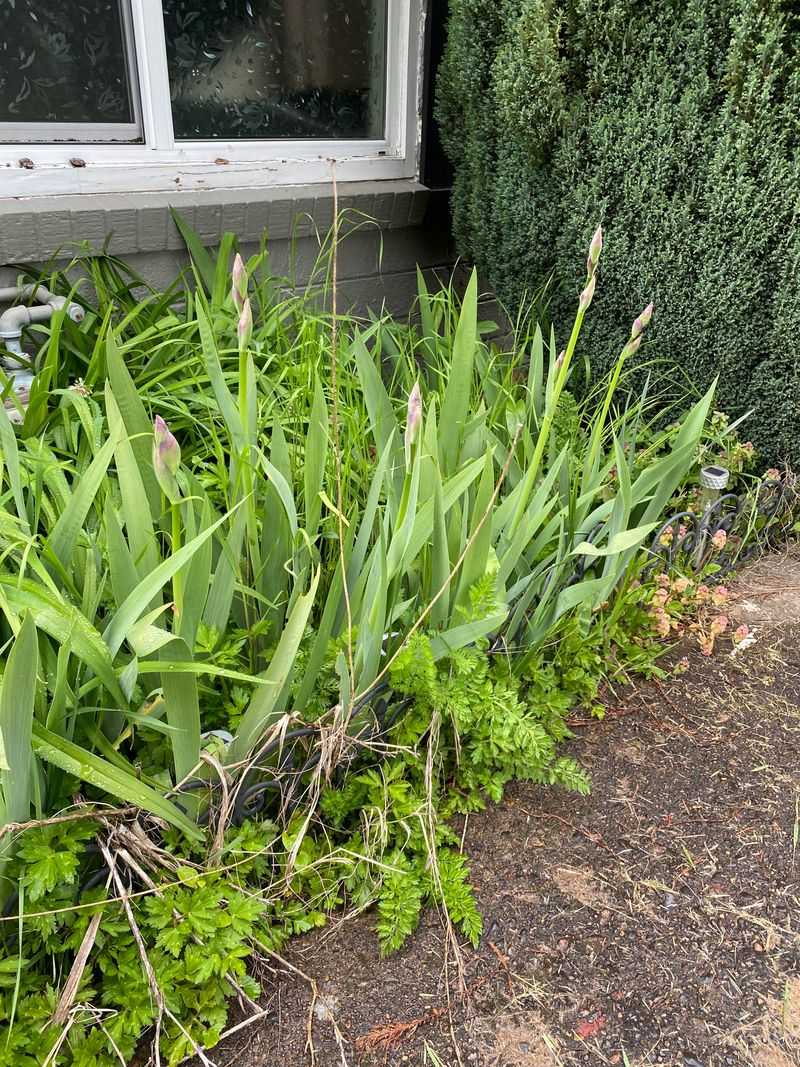
Grass creeping into an iris bed seems harmless in October. Left alone, though, it wraps around rhizomes and steals water and nutrients all winter.
Pull weeds and grass by hand whenever you walk by, especially close to the rhizomes where a hoe could nick them. Irises have shallow roots, so gentle is the name of the game.
Weeds can also shelter pests and hold moisture against the plant, which invites rot.
Keeping a clear strip of soil around each clump lets sun and air reach the rhizomes. Ten minutes a week can make a real difference by spring.
6. Add Light Winter Protection Where Needed
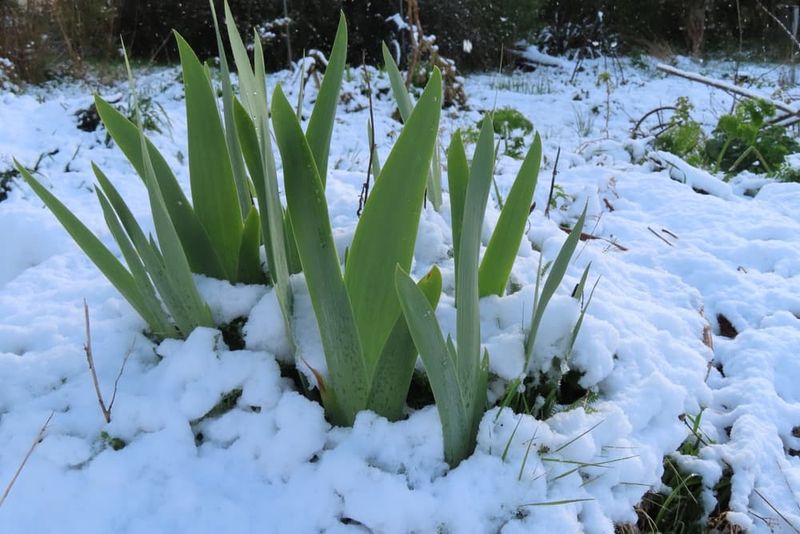
Gardeners in chilly northern states know the heartbreak of finding rhizomes pushed right out of the ground in March. That is called frost heaving, and it happens when soil freezes and thaws over and over.
After the ground has frozen, lay a light layer of evergreen boughs or loose straw over your irises. The goal is to keep soil temperatures steady, not to bury the plants.
Pull it back in early spring once hard freezes pass.
Skip heavy, wet mulches like thick wood chips or piled leaves, since trapped moisture can lead to rhizome rot. In warmer regions, you may not need any cover at all.
Wherever you live, good drainage all year is still your iris’s best friend.
Do these six jobs this fall and you are giving your bearded iris its best shot at a big, colorful spring.