
The Fall Hydrangea Pruning Mistake That Can Cost Next Year’s Blooms – and What to Do Instead
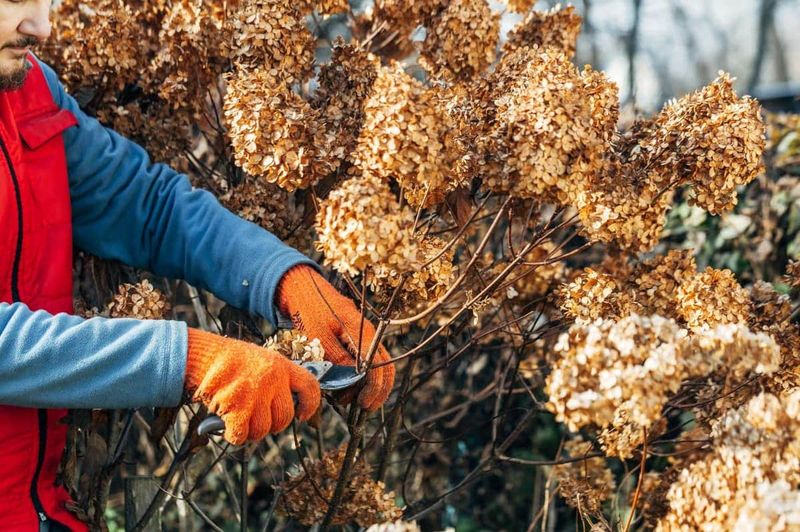
Every fall, well-meaning gardeners pick up their pruning shears and tidy up their hydrangeas before winter sets in – and some of them accidentally cut off every flower bud they would have enjoyed next summer. The problem is not pruning itself, but pruning without knowing what type of hydrangea you have.
Some hydrangeas form next year’s buds on their existing stems right now, so a fall trim can wipe out months of future blooms in just a few minutes. Knowing which type grows in your yard is the one step that protects your flowers.
Why fall pruning can cost some hydrangeas next year’s flowers
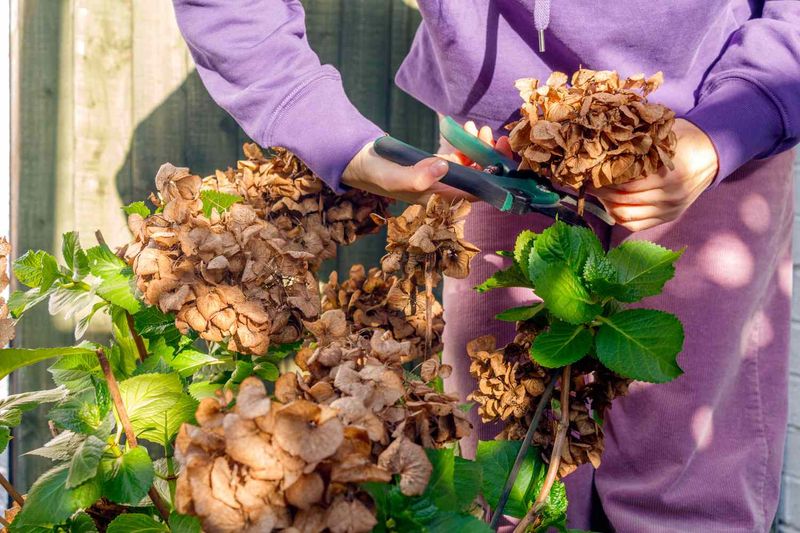
Picking up the pruning shears on a cool fall afternoon feels productive, but cutting back or shaping a hydrangea before you know its type is the specific mistake that can quietly erase next summer’s flowers. Hydrangeas do not all share a single pruning schedule, and treating them like they do is where many gardeners run into trouble.
The practical concern is straightforward: certain hydrangeas set their flower buds for the following year on the stems they already have, so fall cuts remove those buds before they ever get a chance to open.
Not every hydrangea faces this risk. The timing question depends on whether your particular plant blooms on old wood or new wood – terms that simply describe whether flowers develop on stems that grew last year or stems that will grow next spring.
University of Maryland Extension guidance on pruning hydrangeas makes clear that getting this distinction right is the foundation of any pruning decision you make.
Losing next year’s buds is the clearest, best-supported consequence of fall pruning on the wrong type. Some extension guidance also notes that pruning close to dormancy can raise the chance of winter injury on those stems, though that is a secondary concern rather than a certainty.
The main takeaway is that fall pruning does not automatically weaken every hydrangea, but it can absolutely cost certain types their blooms – and that is reason enough to pause before cutting.
Old-wood hydrangeas carry next year’s buds on existing stems
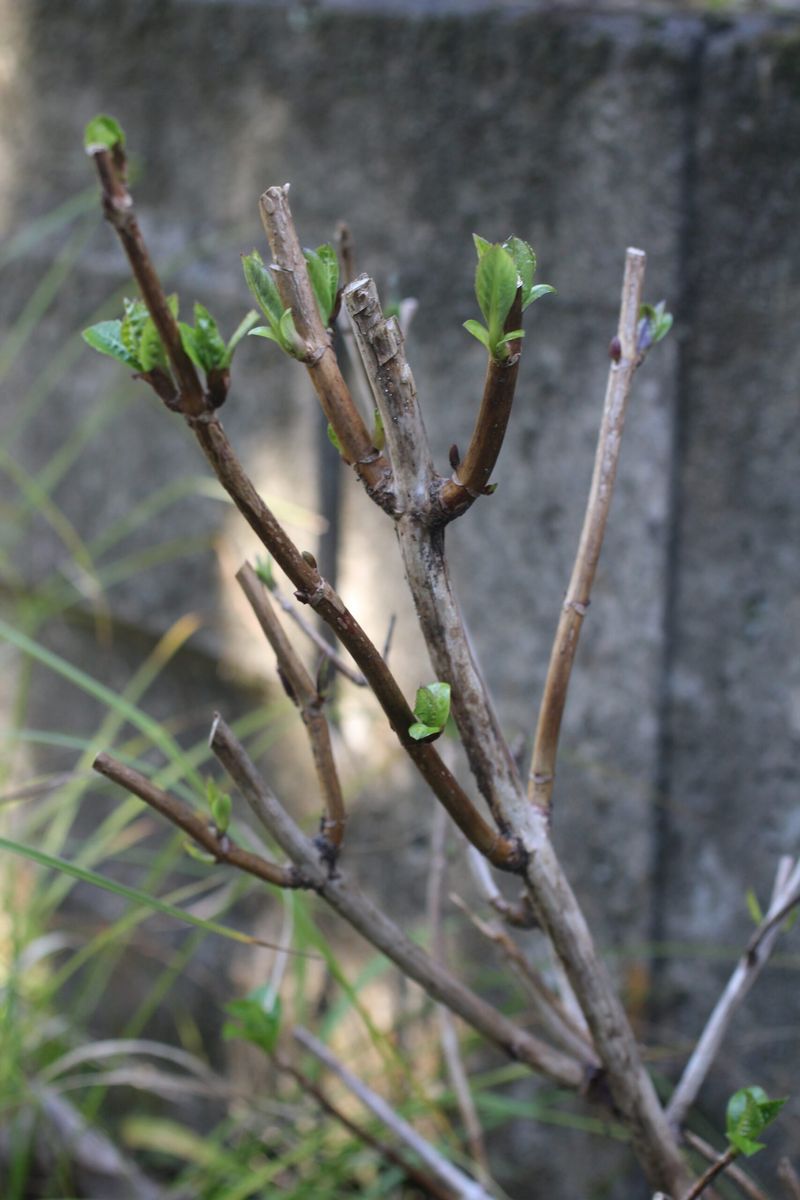
Bigleaf hydrangeas – the big, mophead and lacecap types most commonly sold at garden centers – form their flower buds in late summer on the stems that are already standing in your yard right now. Mountain hydrangeas and oakleaf hydrangeas follow the same pattern.
Those buds sit on existing woody stems all winter, waiting to open the following season.
When you cut those stems back hard in fall, the buds go with them. University of Georgia Cooperative Extension guidance on growing bigleaf hydrangea explains that bigleaf hydrangeas bloom on old wood, which is exactly why timing matters so much for this group.
Cut the stems at the wrong time, and the plant is perfectly healthy – it simply has no buds left to flower from next summer.
Gardeners who grow these types are generally advised to do any shaping right after the plant finishes blooming, while the summer season is still underway. That window lets new stems grow and form buds before the plant heads into dormancy.
A light cleanup – removing obviously dead wood – is far safer in fall than any hard cutback that removes healthy green or brown stems.
Oakleaf hydrangeas add another reason to hold off: their stems provide winter interest with peeling bark, and their dried flower heads can actually help insulate the buds sitting below them. Removing those stems in fall takes away both next year’s flowers and a bit of natural cold protection at the same time.
New-wood hydrangeas follow a different pruning schedule
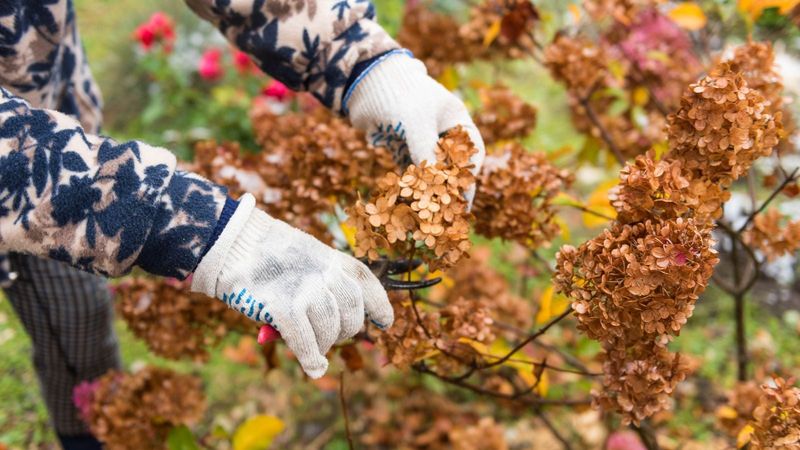
Smooth hydrangeas and panicle hydrangeas work on a completely different calendar. Both types bloom on new wood, meaning the flower buds develop on stems that grow fresh each spring rather than on stems already present in the yard.
Cutting those plants back in fall does not remove next year’s buds because those buds do not exist yet – they will form on whatever new growth emerges after winter ends.
For smooth and panicle hydrangeas, late winter or early spring is the standard pruning window recommended by most extension services. University of Minnesota Extension’s hydrangea pruning guidance goes a step further and specifically permits fall pruning for panicle hydrangeas, making clear that the old-wood warning does not apply across the board.
Readers who hear “don’t prune hydrangeas in fall” as a blanket rule may actually be holding back from a task that is perfectly safe for their plant.
Reblooming cultivars add one more reason to identify your plant before reaching for the shears. Varieties like Endless Summer are bred to bloom on both old and new wood, which means they can recover some flowering even after a fall trim – but they still carry old-wood buds that a hard cutback would remove.
Knowing whether you have a true rebloom type, a classic old-wood type, or a new-wood type shapes every pruning decision you make. Maryland Extension’s pruning resource covers these distinctions in practical detail and is worth bookmarking for reference each season.
If you cannot identify the plant, leave its stems alone for now
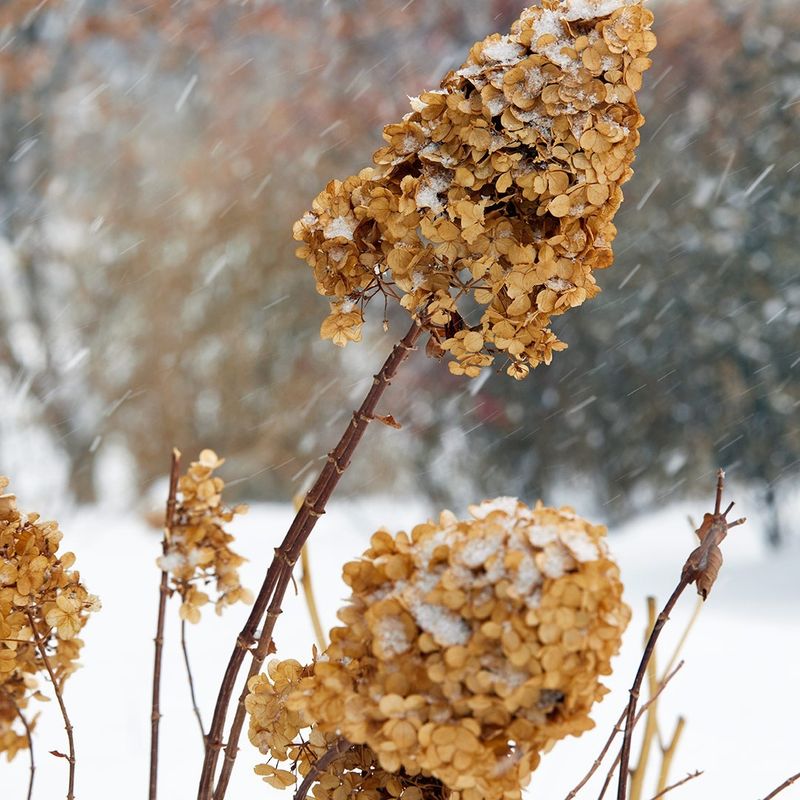
Standing in front of a hydrangea you cannot quite place is actually a common situation, especially if you moved into a house with established plantings or received a shrub as a gift without a label. The lowest-risk move in that case is simple: skip the fall shaping and stem cutting entirely until you know what you have.
Waiting costs you nothing if the plant turns out to be a panicle or smooth type – you can prune those in late winter or early spring with no penalty. But cutting back an unidentified plant that turns out to be a bigleaf or oakleaf type means you have already removed buds that cannot be replaced until next year’s growing cycle.
The asymmetry is clear: patience is free, but a mistimed cut has a real cost in lost flowers.
One reassurance worth stating plainly: you do not need to remove faded flower heads for the plant’s health. Dried blooms left on the stems through winter do not harm the hydrangea, and on old-wood types they may even provide a small amount of insulation around the buds below.
University of Maryland Extension’s pruning guidance confirms that leaving spent flowers in place is a reasonable choice, not a sign of neglect. Focus the fall season on identifying what type of hydrangea you have – check the leaf shape, bloom structure, and stem color – so you can prune with confidence at the right time.
Lost buds are a clearer risk than a generally weakened plant
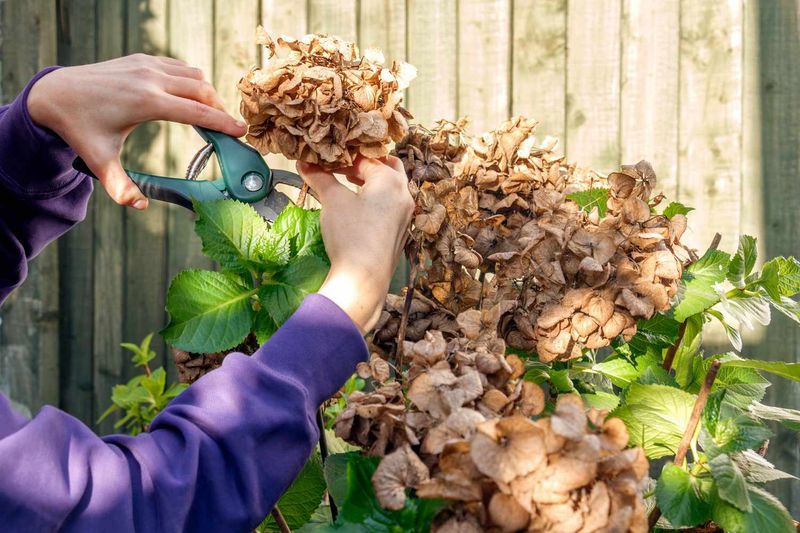
The original framing of this topic – that fall pruning leaves hydrangeas weak going into winter – deserves a closer look, because the real story is more specific and more useful. Cutting old-wood stems in fall does not make the plant constitutionally weaker or less capable of surviving cold.
What it does is remove the buds that were already formed and ready to open next summer. A plant can come through winter in perfectly good health and still produce almost no flowers because those buds are gone.
University of New Hampshire Extension’s guidance on fall versus spring pruning notes that pruning close to dormancy can also raise the risk of winter injury on the pruned stems – so there is a secondary concern beyond just lost buds. Even so, that guidance does not claim that fall pruning universally weakens every hydrangea or prevents the plant from recovering in spring.
Winter itself is also a factor worth naming honestly. Even when gardeners prune carefully and preserve every bud, a harsh winter can damage or kill those buds on exposed stems – particularly on bigleaf hydrangeas, which are more vulnerable to cold than panicle or smooth types.
UNH Extension’s guidance on protecting Endless Summer hydrangeas over winter addresses bud protection specifically and is a helpful read for gardeners in colder zones. Avoiding fall pruning on old-wood types is a smart precaution, but it cannot guarantee blooms on its own – winter weather has a vote too.
Identify the hydrangea before choosing when to prune
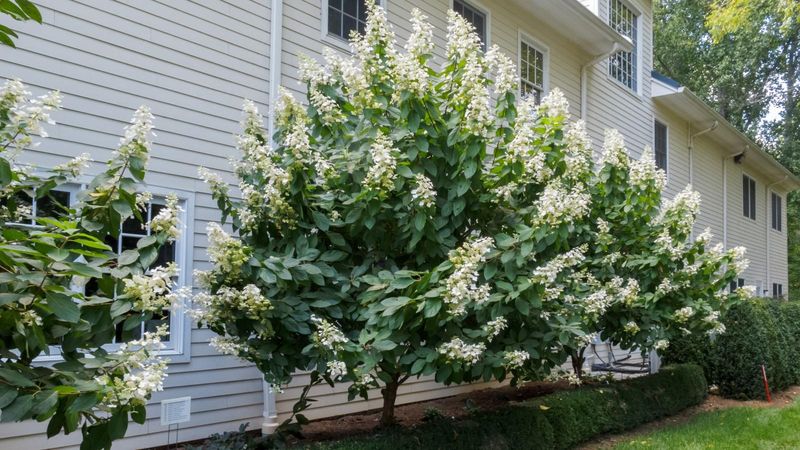
Before cutting any stems this fall, take a few minutes to figure out which hydrangea is growing in your yard. Check the flower shape from this past summer – round mophead or flat lacecap clusters point to bigleaf; large cone-shaped blooms suggest panicle; creamy white flat-topped clusters on a shrub with distinctive lobed leaves indicate oakleaf.
Once you know the type, University of Maryland Extension’s pruning resource can walk you through the timing that fits your specific plant.
Old-wood types – bigleaf, mountain, and oakleaf – are best shaped right after they bloom, not in fall. New-wood types – smooth and panicle – can wait for late winter or early spring.
If identification is not possible before cold sets in, leaving the stems alone is the right call. Protecting next year’s flowers starts with knowing what you have, and that one step makes every pruning decision that follows much easier to get right.