
Soft, Yellow Snake Plant Leaves? Watering Before the Mix Dries May Be Contributing
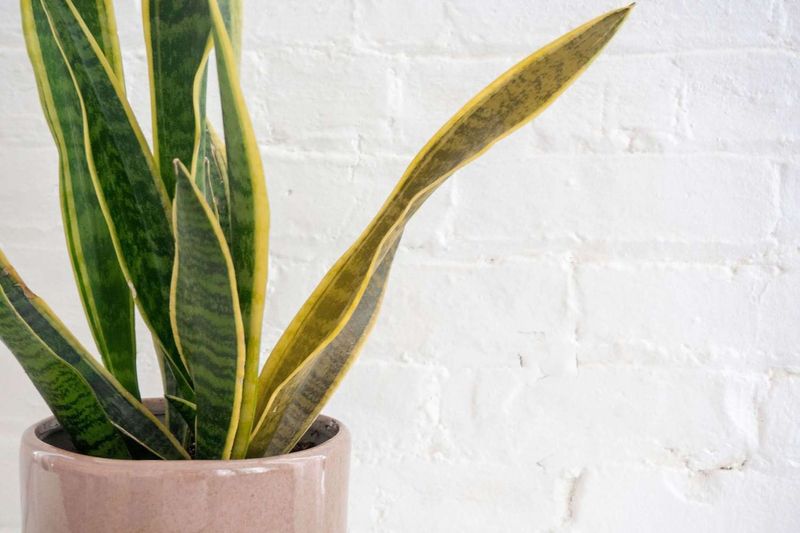
A snake plant is supposed to be the tough one, so soft, yellowing leaves can feel like a shock. Before you panic, know that this symptom is a clue, not a verdict on your plant care.
One quiet watering habit may be part of the story, and you can check for it with a finger, a pot, and a little patience. Here is how to investigate without guessing.
Watering before the mix dries may be part of the problem
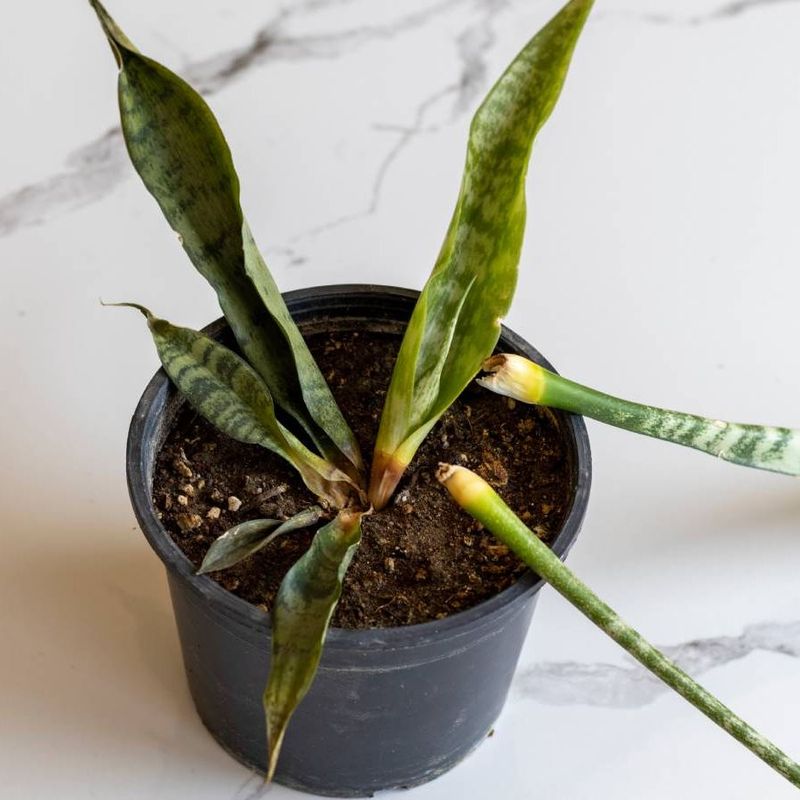
Here is the qualified answer up front: watering again before the potting mix has dried may be contributing to soft or yellow snake plant leaves. It does not prove that is what happened in your home, since those symptoms show up for several reasons.
Think of it as the first lead worth following.
Snake plants (Dracaena trifasciata, formerly Sansevieria) are succulent-type plants that like a dry stretch between drinks. Illinois Extension guidance says to let the soil dry between waterings and calls overwatering the main reason these plants fail.
So a plant that gets a splash every few days, before the mix has had time to dry, can end up with roots that never get a break.
Notice what the habit actually is. The trouble is not necessarily a big, generous soaking.
Watering thoroughly is fine when the mix is ready for it. The concern is soil that stays wet too long, which can come from frequent watering, a pot that drains poorly, or water sitting in a saucer or decorative outer pot, as Iowa State Extension points out when it recommends a wet-dry cycle and a container with a drainage hole.
That means you do not need to feel guilty about one heavy watering. What you need is information.
Over the next sections, you will check the soil, the pot, and, only if warranted, the roots, so any change you make fits what is really going on.
Nothing here promises a quick rescue, but a calm look at your plant’s actual conditions beats guessing every time.
How soil that stays wet can stress roots
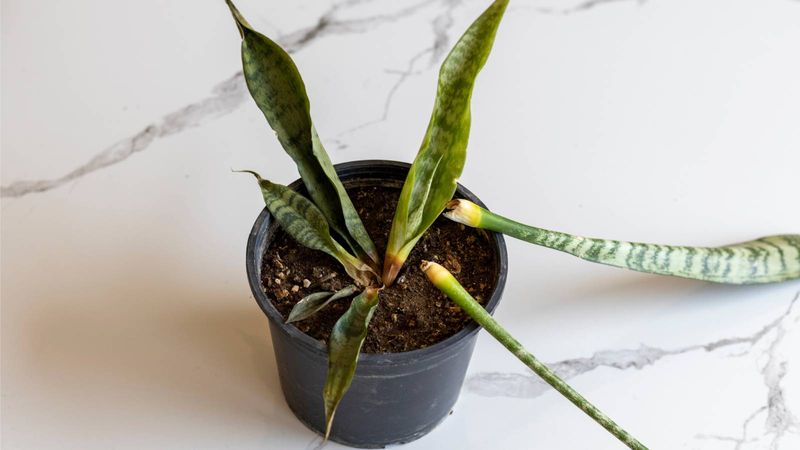
Roots need air as well as water. When potting mix stays soaked for long stretches, the tiny air spaces fill up, and roots can be left short on oxygen.
Under those conditions, root rot can take hold, and damaged roots have a harder time supporting the leaves above them.
Poor drainage and standing water make this more likely. A pot without a drainage hole, a saucer that never gets emptied, or a decorative sleeve that hides a puddle can all keep the root zone wet.
Iowa State Extension notes that a plant sitting in water can struggle for exactly this reason.
Above the soil line, you might notice leaves turning yellow or feeling soft and mushy near the base. Those signs fit with excess moisture, and University of Florida researchers describe wilting or yellowing as warning signs that can accompany overwatering.
Still, they are warning signs, not guarantees.
Plenty of snake plants with an occasional yellow leaf have perfectly healthy roots. Keep the picture proportionate: wet soil is one pathway to trouble, not the explanation for every discolored leaf.
Your job is to find out whether your plant is on that path.
Yellow leaves alone cannot identify the cause
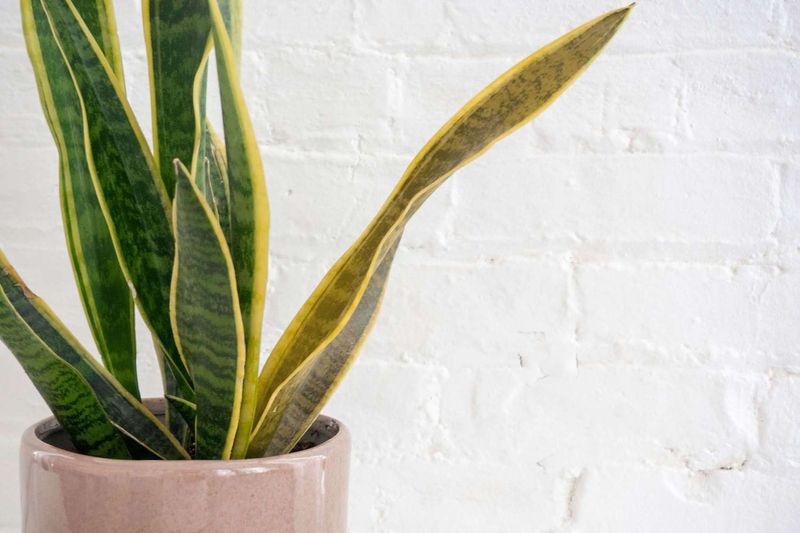
Color is a poor detective. Yellow leaves show up with poor drainage, overwatering, too little light, low temperatures, pests, and disease, according to the UC IPM houseplant problems guide.
Looking at the leaf alone cannot tell you which one you are dealing with.
Context helps sort things out. A plant with soft tissue and soil that stays soggy points in a different direction than one sitting in dry, crumbly mix.
The University of Florida makes this distinction and suggests that checking the roots can help tell the two apart.
Also ask whether the yellow is even a problem. Some snake plants naturally have yellow leaf margins or variegation, as Colorado State Extension notes.
Stable, crisp golden edges that have looked the same since you brought the plant home are just its style.
The pattern to watch for is new or spreading yellowing, especially when the leaf feels soft. That is your cue to investigate, not to grab the watering can or stop watering altogether.
Look at the light, the temperature, the leaf undersides for pests, and the soil before deciding anything.
Check the soil, pot, and roots before changing care
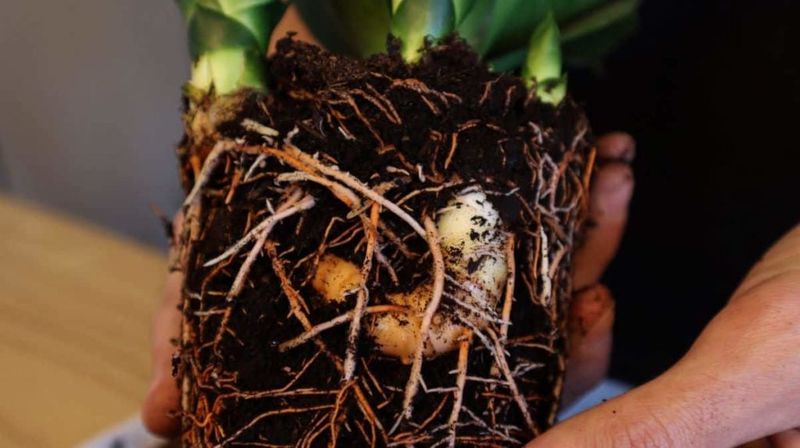
Start with the easiest test: push a finger a few inches into the mix. If it feels damp or cool, the soil is still wet.
If it is dry and crumbly, overwatering is not established as the cause, and the plant may need something else entirely.
Next, flip the pot and confirm it has a drainage hole. Then look for hidden water.
Lift the plant out of any saucer or decorative outer pot and check for a pool underneath, since Iowa State Extension advises against leaving pots standing in water. Tip out anything you find.
If the soil stays persistently wet and leaves are softening or yellowing, it may be worth a look at the roots. Slide the plant out of its pot gently and check what you see.
University of Florida guidance says healthy roots are generally firm and light in color, while soft, brown or black roots are consistent with root rot.
Treat those as clues rather than a final ruling. Soft dark roots fit with rot, but they do not tell you exactly why it started.
If the roots look firm and pale, tuck the plant back in and look at other causes such as light, temperature, or pests.
Doing this check first keeps you from overcorrecting. You will know whether your plant needs a drier routine, better drainage, a closer look at other conditions, or nothing more than time.
Let soil moisture—not a calendar—guide watering
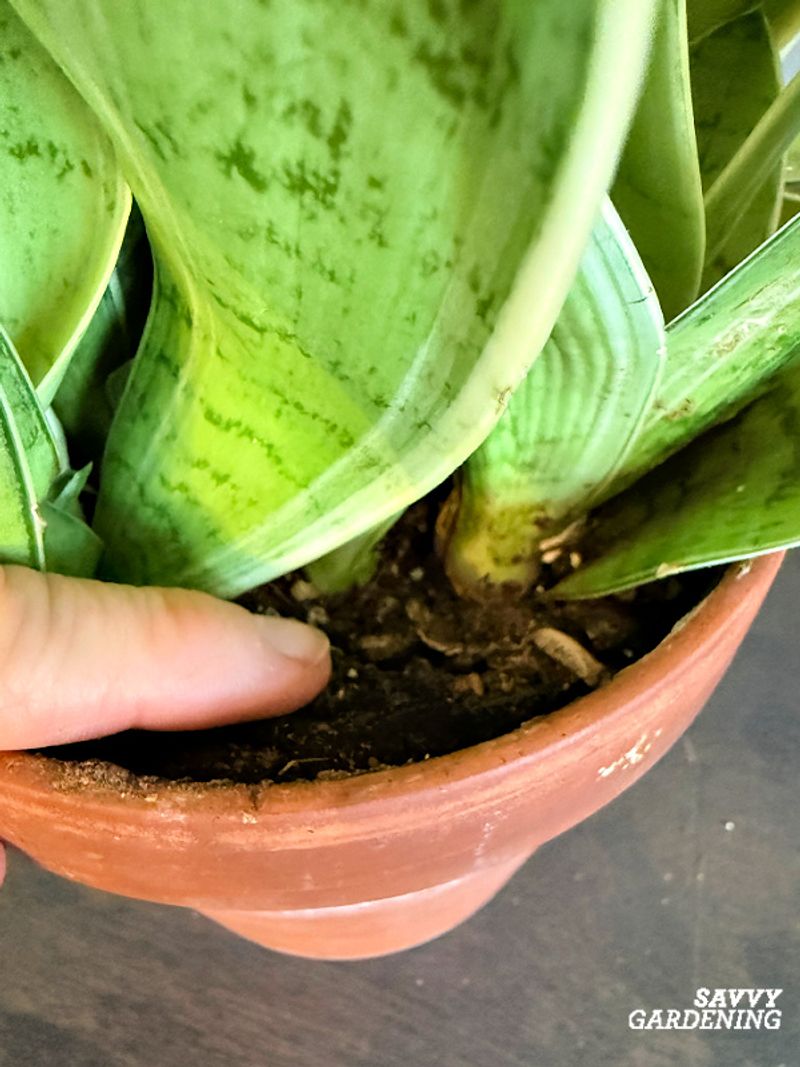
A calendar cannot see inside your pot. Homes differ in light, warmth, and airflow, so a plant might be ready in ten days in one house and need far longer in another.
That is why there is no honest weekly or monthly schedule to hand you.
Instead, check first. Water when the mix has dried, as Illinois Extension recommends.
When it is time, water thoroughly and let the extra drain out completely. Colorado State Extension suggests watering thoroughly during active spring and summer growth, then letting the plant dry slightly.
Winter changes the math. Growth slows, so the plant uses less water, and the mix can stay wet much longer.
Checking the soil before each watering is especially useful in those months, and both extension sources advise easing back as growth slows.
Remember that the response depends on what you find. Persistently wet soil calls for patience and a look at drainage, per Iowa State Extension.
Dry soil is a different story, and the University of Florida cautions against cutting water off based only on yellow leaves.
A simple habit works well: check, water if dry, drain, and empty the saucer. It costs nothing and keeps you responding to the plant instead of the date.
Repot only if you find dead or rotting roots
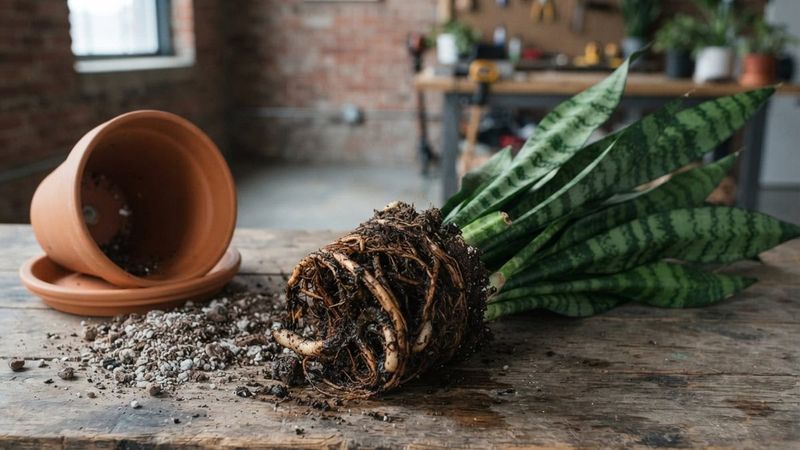
Repotting is a response to evidence, not a reflex. If your root check turns up limp, brown, or dead roots, then it makes sense to act.
If the roots are firm and light-colored, or the only sign is a yellow leaf, leave the plant where it is.
When inspection does confirm dead or rotting roots, Iowa State Extension advises removing the limp, brown, or dead roots and repotting in fresh potting mix. Use clean tools, shake off the old soil, and pick a pot that drains.
Afterward, do not let the pot sit in drained water. Empty the saucer or outer pot after watering, since Iowa State Extension warns that standing water keeps roots wet.
Then go back to checking the mix before you water, which matters most while the plant is settling in.
Compare what you see with the clues described by the University of Florida: firm, pale roots on one side, soft brown or black ones on the other. Only the second group calls for scissors.
No step here guarantees recovery, and that is okay. Some plants bounce back and some do not.
What you can control is responding to what the soil and roots show you, and a snake plant is stubborn enough that this often gives it a fair chance.