
If Your Fig Tree Thrives, Here’s How One Dormant Cutting Turns Into A Second Tree For Free
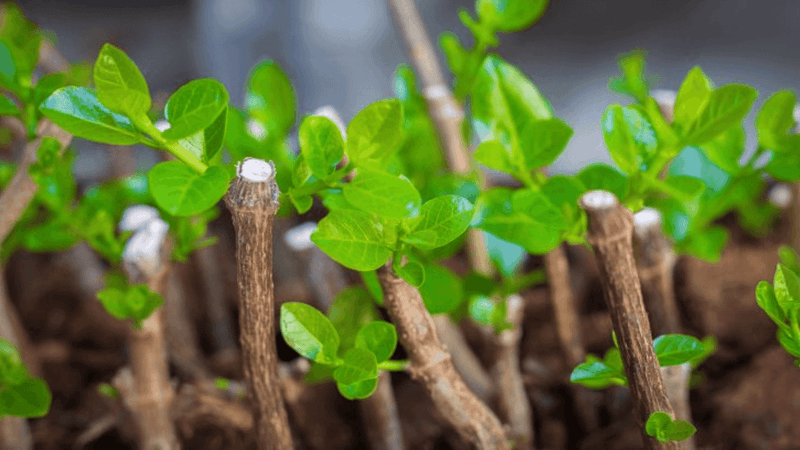
Propagating a fig tree from a single dormant cutting is one of the more rewarding projects a backyard gardener can try. If you already grow a healthy fig, you may be able to start a second tree using wood you would otherwise trim away.
The process is not guaranteed, and the cost depends on what materials you already have on hand, but the basics are well within reach for most home gardeners.
Dormancy, not the calendar, sets the window
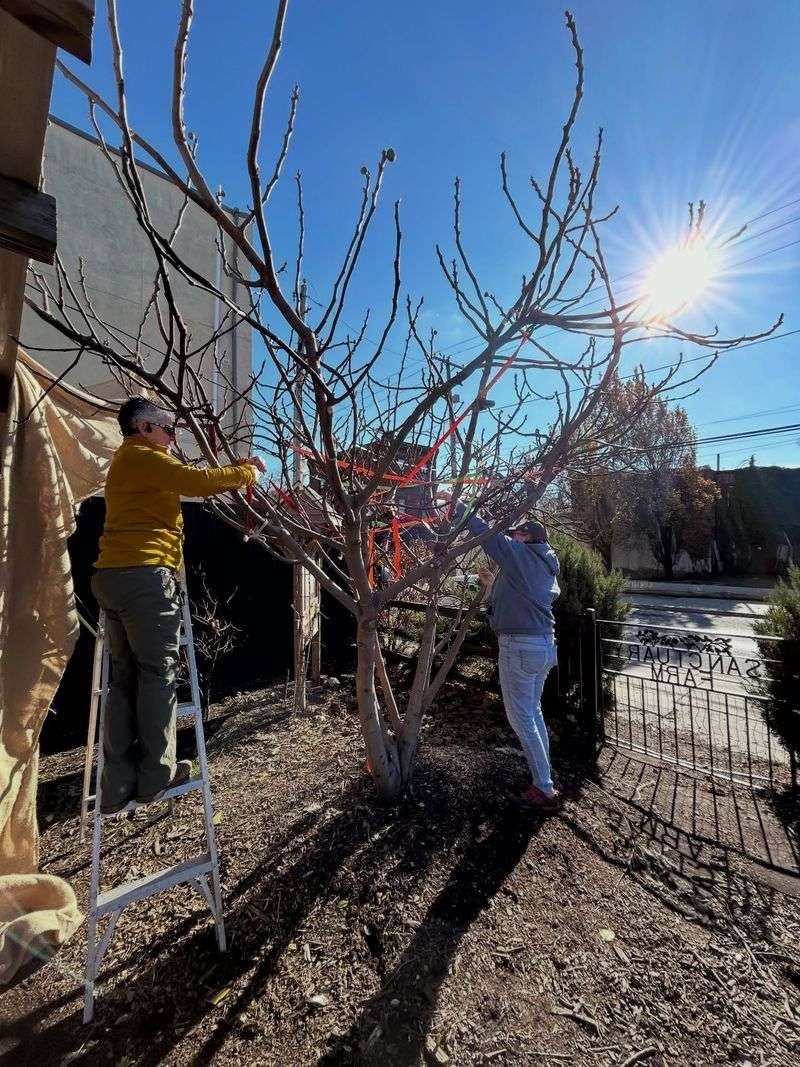
Hardwood cuttings taken from a dormant fig tree give you one of the most practical ways to multiply a plant you already love. University of Florida IFAS Extension, Oregon State, Rutgers, and Alabama Cooperative Extension all describe dormant hardwood cuttings as a reliable propagation method for common figs, though none of them promise that every cutting will succeed.
The part that trips up many gardeners is timing. Oregon State University Extension guidance on figs recommends taking cuttings during winter dormancy, while Alabama Cooperative Extension’s fig production guide describes late winter to early spring as a workable window.
Those two recommendations are not contradictory; they reflect how differently dormancy plays out across US climates.
Rather than picking a date off the calendar, look at the tree itself. A fig that has dropped all its leaves and shows no signs of active growth is telling you it is dormant, and that is the condition you are waiting for.
Gardeners in the Pacific Northwest may reach that point in December; gardeners in the deep South might not see full dormancy until January or later.
University of Florida IFAS Extension notes that the common fig propagates well vegetatively, but starting from a cutting does not mean you will have a mature, fruiting tree quickly. A rooted cutting is a young plant that still needs seasons of growth before it resembles the parent tree in size or productivity.
Choose sound wood and mark the base
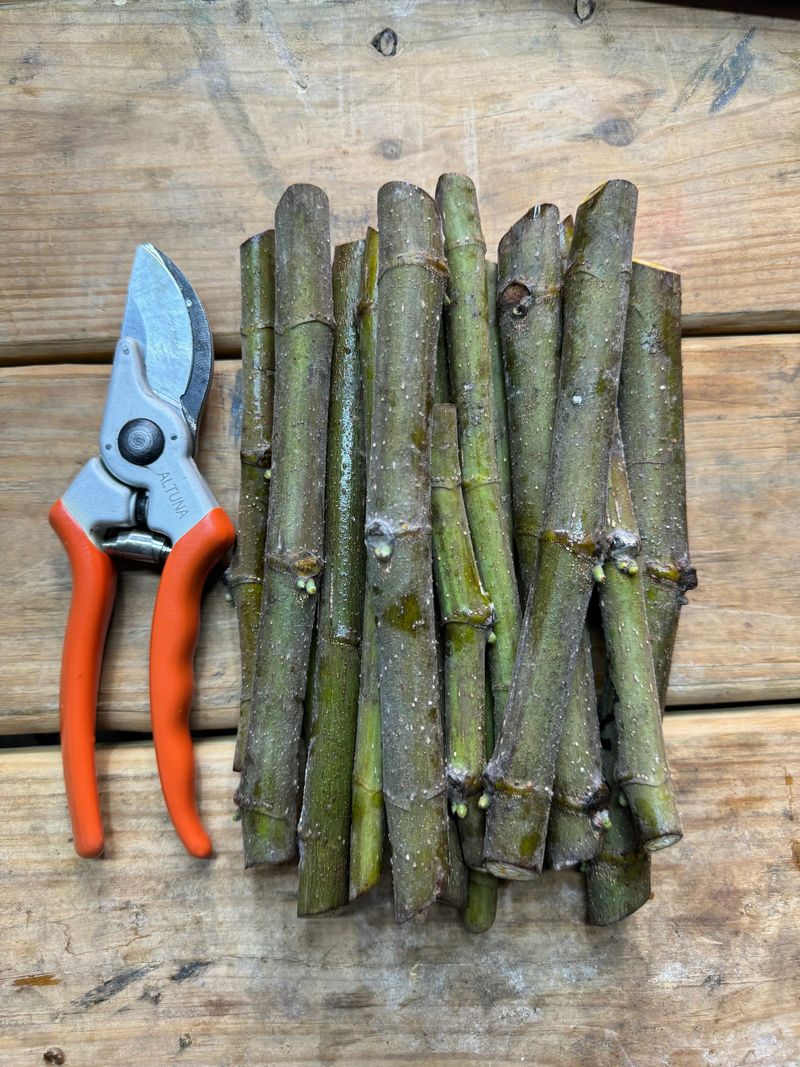
Selecting the right wood makes a real difference. Rutgers New Jersey Agricultural Experiment Station’s fig guide recommends straight, vigorous growth from one-, two-, or three-year-old wood, up to roughly three-quarters of an inch thick.
Avoid anything that looks diseased, shriveled, or spindly; wood that is not healthy going in will not improve once it is in the rooting medium.
Cutting length is a range, not a magic number. Oregon State suggests 8 to 10 inches, Rutgers recommends around 9 inches, and Alabama Extension works with cuttings as short as 3 to 6 inches.
Any of those lengths can work, so use what your tree and your container allow rather than chasing a single measurement.
Before you make the first cut, decide which end is the base. The basal end is the one that was closer to the ground on the parent tree.
Make that cut just below a node, which is the small bump or ridge where a leaf once attached. Oregon State describes making the top cut at a slight angle so water sheds off rather than pooling on the wound, though a straight cut will also work.
Set the basal end down when you pot the cutting; planting it upside down is a common and easy mistake.
Wear gloves for the whole process. Fig sap can cause a skin reaction called photodermatitis when it contacts skin that is then exposed to sunlight, and a published case series on Ficus carica photodermatitis documents this reaction in detail.
Wash any skin that contacts sap promptly with soap and water, and stay out of direct sun until it is cleaned off.
Give the cutting a draining place to root
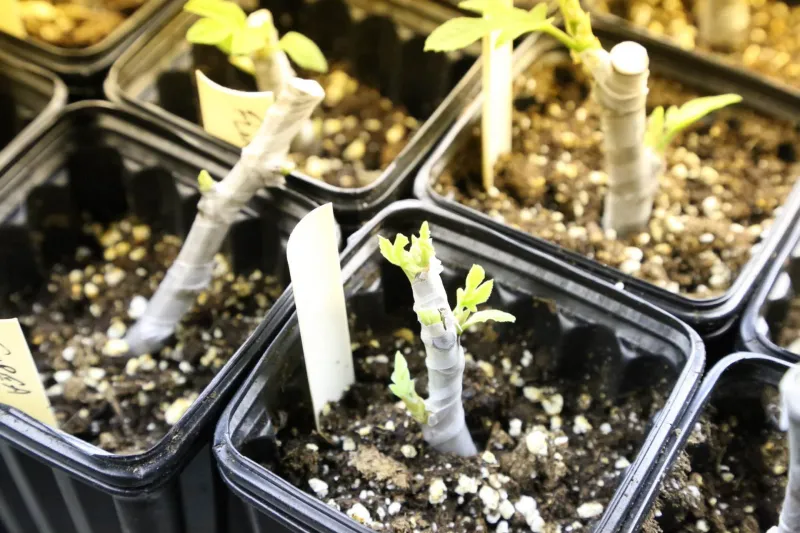
Container choice matters more than most gardeners expect. Whatever pot or cup you use, it must have drainage holes at the bottom.
A cutting sitting in trapped water will struggle to develop roots, and the medium around it can turn anaerobic and begin to rot the wood before rooting ever begins.
Rutgers’ fig guide advises keeping cuttings moist but well-drained, and that balance is the goal. A medium that holds just enough moisture to keep the cutting hydrated while letting excess water run through freely is what you are after.
Perlite mixed with potting mix, or a dedicated propagation mix, both fit that description. Pure sand drains fast but may not hold enough moisture; plain garden soil often compacts and holds too much.
Iowa State University Extension’s guidance on hardwood cutting propagation explains that saturated media reduces the oxygen available around the developing root zone and can promote rot. That is worth keeping in mind every time you water: the goal is moist, not soaked.
Insert the basal end of the cutting into the medium deep enough that at least one node is buried, typically one-third to one-half the length of the cutting. Firm the medium gently around it so the cutting stands upright without wobbling.
A cutting that shifts around in its container has a harder time forming the stable callus tissue that precedes root growth.
Steady care matters more than a sealed setup
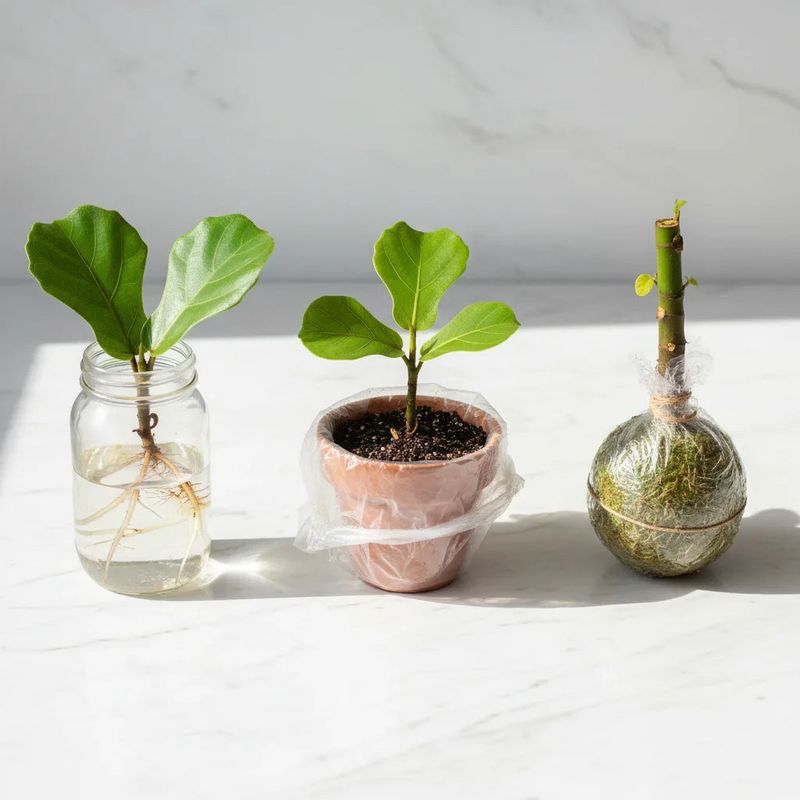
Once the cutting is potted, the day-to-day routine is simple: keep the medium consistently moist and give the cutting bright light without putting it in direct sun. Direct sun through a window can heat up a small pot quickly and stress a cutting that has no roots yet to pull in water.
Alabama Cooperative Extension recommends a warm location, at least 70 degrees Fahrenheit, and uses a plastic cover or bag over the cutting in their method to hold humidity around the wood. That approach can help in a dry indoor environment.
Iowa State University Extension notes, however, that covers are generally unnecessary for dormant hardwood cuttings, which already carry stored moisture in the wood itself. Both methods have worked for gardeners; neither is the only way.
The same goes for rooting hormone. Some gardeners dust or dip the basal end before planting, and it may help in some cases.
Rutgers’ fig guide and the other major extension sources do not list it as a required step, so skipping it does not doom the cutting. If you already have some on hand, using it costs nothing extra.
If you would need to buy it, know that fig cuttings have rooted successfully without it.
Check the moisture level every few days by pressing a finger into the medium near the edge of the pot. Water when it feels close to dry, not on a rigid schedule.
Oregon State’s fig guidance supports keeping cuttings in a protected location through the rooting period, which aligns with providing stable, moderate conditions rather than dramatic temperature swings or intense heat.
New leaves do not confirm that roots have formed
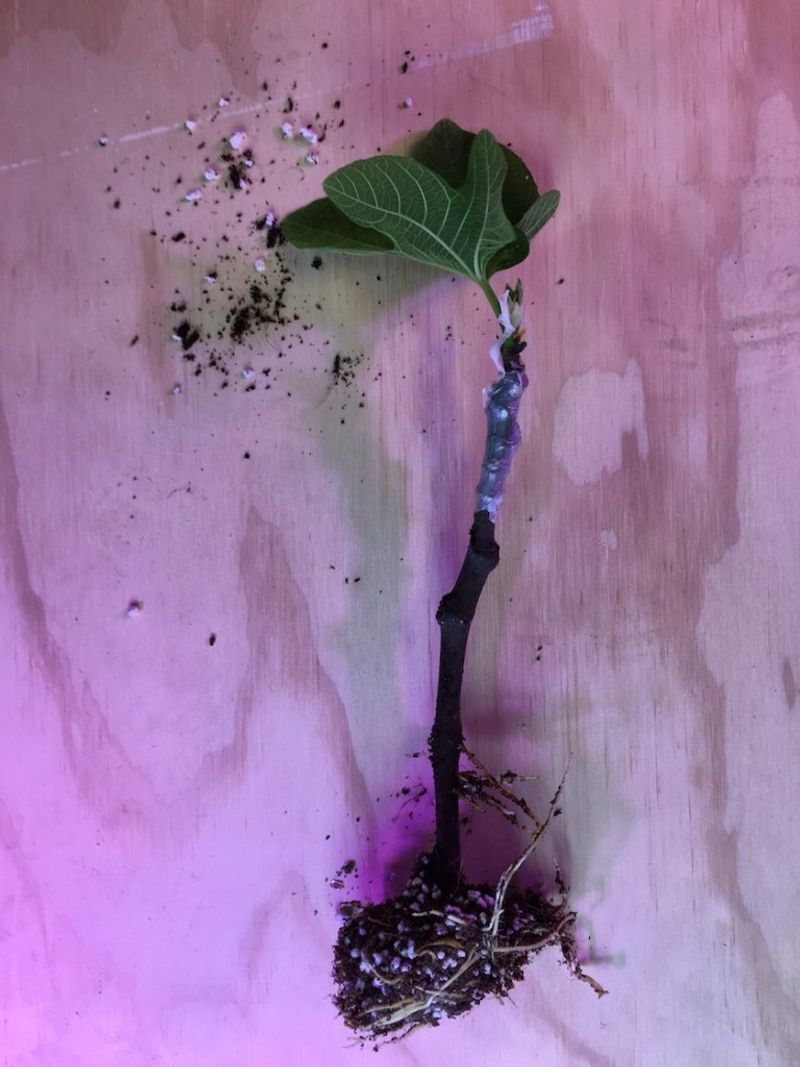
Seeing a bud swell or a small leaf unfurl on your cutting feels like proof that things are working. Unfortunately, it is not.
Buds on a dormant fig cutting can open and push out leaves using energy stored in the wood itself, before a single root has formed below the surface.
Alabama Cooperative Extension specifically cautions that a cutting can leaf out with few or no roots, and gardeners who transplant at that stage often lose the cutting shortly after. The leaves look encouraging, but the cutting may still be running entirely on stored reserves.
A more reliable sign is gentle resistance. After several weeks, try applying very light upward pressure on the stem.
If the cutting holds firm in the medium rather than sliding out easily, roots may be anchoring it. Iowa State University Extension recommends checking carefully for root development before moving a cutting to a larger container or outdoor location.
You can also tip the cutting out of its pot carefully to look directly at the root zone. White or cream-colored roots emerging from the base or from buried nodes are what you want to see.
Brown, mushy tissue at the base is a sign that rot has set in, often from overwatering or poor drainage.
Results vary considerably depending on the cultivar, the time of year the wood was collected, and the conditions provided. A peer-reviewed study of fig hardwood cuttings found rooting rates that ranged from roughly 29 to 50 percent depending on treatment, and those figures came from one Brazilian cultivar under controlled conditions.
They are not a prediction for your tree or your setup, but they do illustrate that partial success is a normal outcome, not a sign you did something badly wrong.
Acclimate a rooted cutting before planting it outside
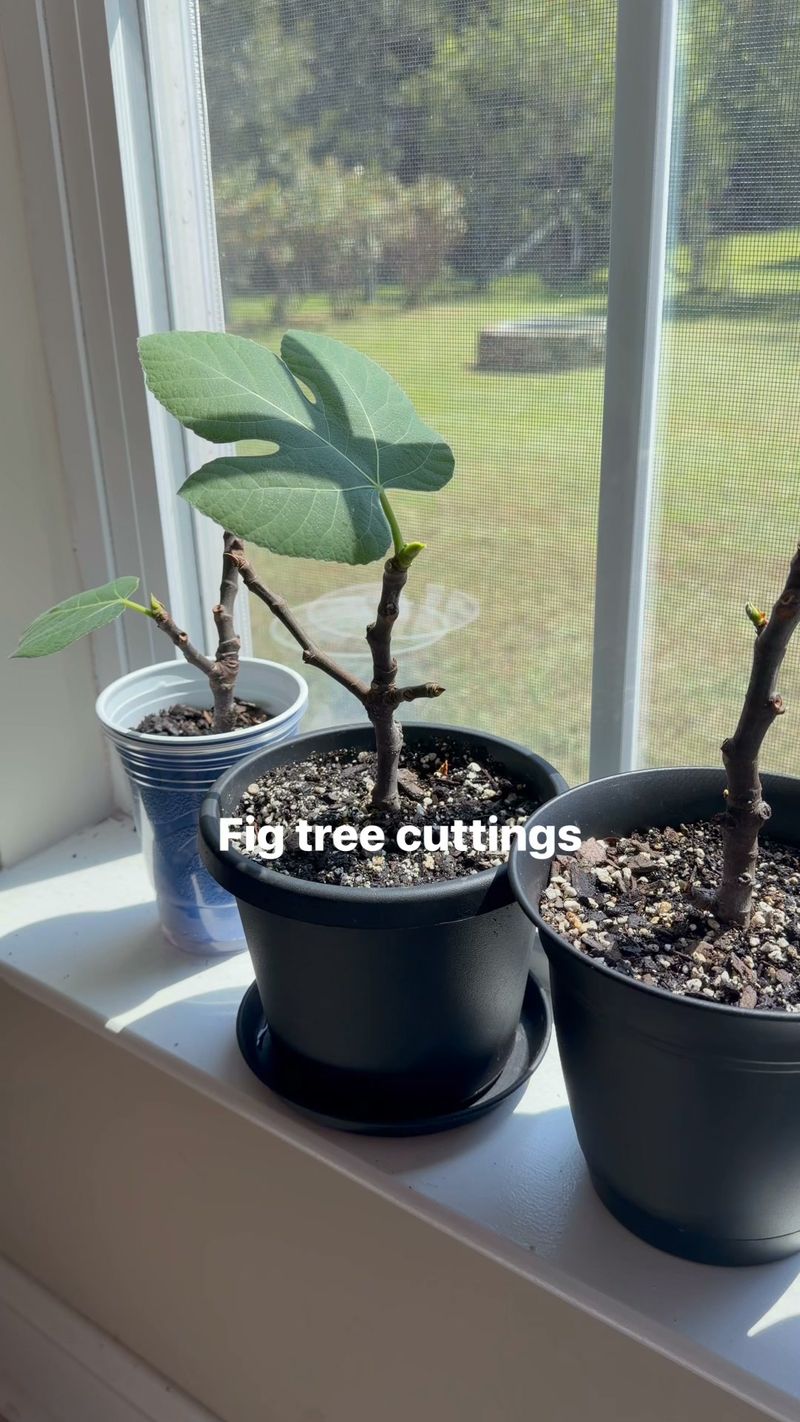
Moving a rooted cutting from a sheltered indoor spot straight into a sunny garden bed is one of the fastest ways to lose progress you have spent weeks building. The cutting has been living in stable, protected conditions, and its leaves are not yet hardened to outdoor wind, temperature swings, or full sun intensity.
Gradual exposure, sometimes called hardening off, is the bridge between the two environments. Start by setting the pot outside in a shaded or partly shaded spot for a few hours each day, then bring it back in.
Over one to two weeks, extend the time outdoors and slowly introduce more light. Watch for wilting or leaf scorch as signals to slow down the transition.
Oregon State University Extension advises keeping rooted cuttings through spring, then either planting them out or holding them in containers for another growing season before putting them in the ground. That second option gives a smaller or less-established cutting more time to develop before facing the demands of garden soil, competition, and full weather exposure.
Confirm root development before transplanting. Iowa State University Extension recommends verifying roots are present rather than assuming they are there because leaves are growing.
When you do plant out, choose a location that matches what your parent tree likes: good drainage, plenty of sun, and protection from harsh winter wind if your climate calls for it.
A second fig is possible, but it takes patience
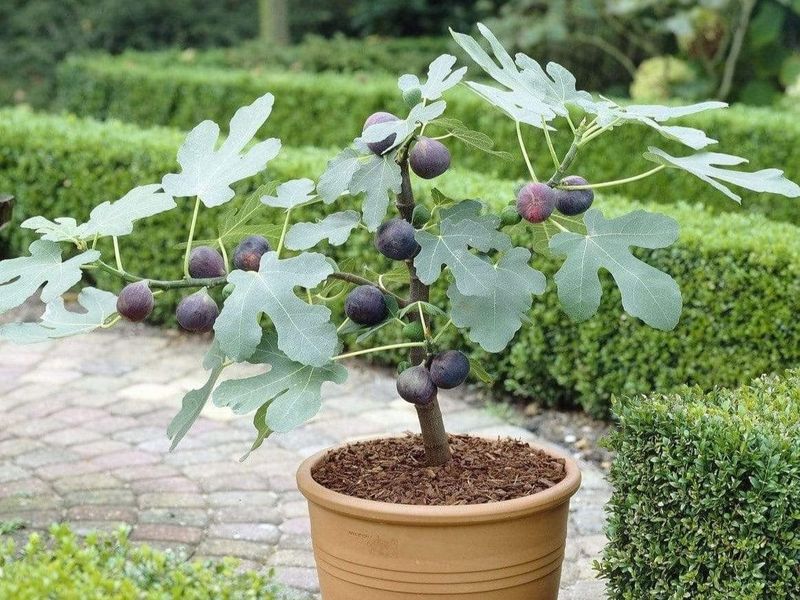
Vegetative propagation generally carries over the parent cultivar’s characteristics to the new plant. A cutting from a fig that produces sweet, dark fruit tends to grow into a tree with the same traits, unlike growing from seed, which introduces genetic variation.
University of New Mexico Cooperative Extension notes that vegetative propagation is the standard way to preserve fig cultivar identity.
Whether the process costs you nothing depends on your situation. If you have permission to take cuttings from your own tree or a neighbor’s, and you already own a pot, some rooting medium, and a pair of gloves, the out-of-pocket cost can be close to zero.
If you need to buy supplies, factor that in honestly before calling it free.
Rooting is not guaranteed, and even a cutting that roots successfully is not a shortcut to a mature tree. Iowa State University Extension notes that a rooted hardwood cutting can take several years to become a well-established plant.
What you are starting is a long-term project, not a quick harvest. The reward, when it comes, is a tree with a history you know and a flavor you have already tasted.