
The Daffodils You Plant This Fall Share Their Roots With A Real Alzheimer’s Drug
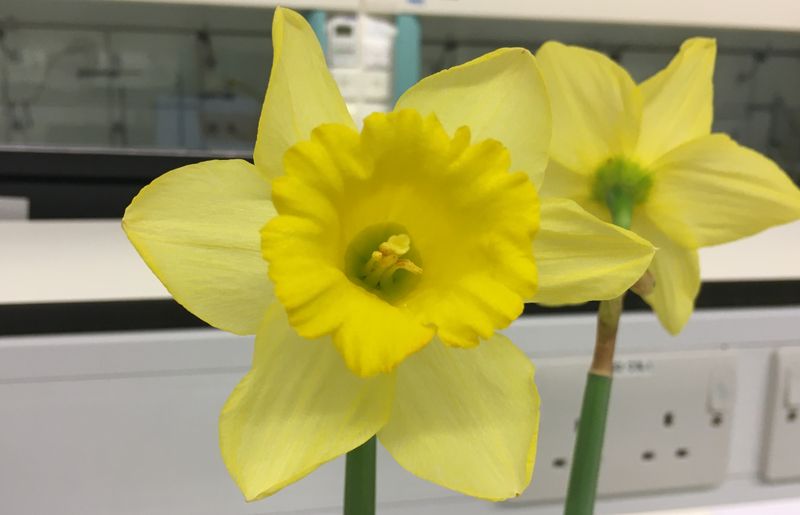
Reach into a bag of daffodil bulbs this fall and you are holding something with a surprising scientific backstory. The same plant family that gives us cheerful spring daffodils also gave researchers a compound that became the basis of a real prescription treatment for Alzheimer’s-type dementia.
That connection runs through botanical kinship, decades of chemistry research, and a trail of historical reports stretching back to village healers in eastern Europe. Understanding how that link actually works makes the daffodils in your garden just a little more remarkable.
Daffodils and snowdrops are botanical relatives, not the same flower
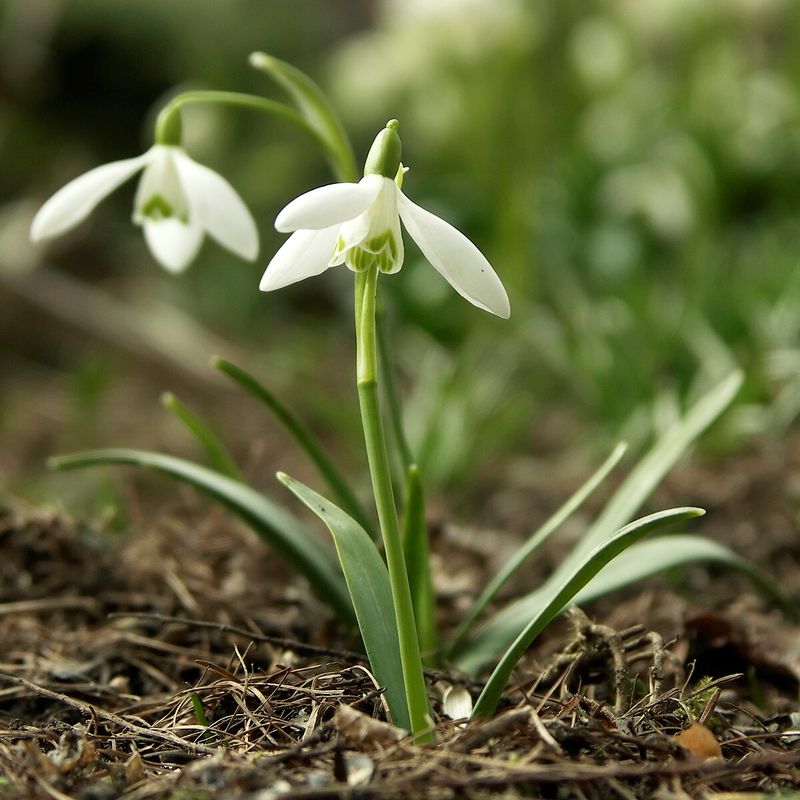
Garden daffodils and snowdrops look nothing alike when you set them side by side. A daffodil (genus Narcissus) carries those familiar yellow or white trumpets on sturdy stems, while a snowdrop (genus Galanthus) droops a tiny white bell barely above the soil.
Yet beneath that visual contrast, the two share a meaningful biological address: both belong to the Amaryllidaceae family, a large group of flowering bulb plants that also includes amaryllis and alliums.
That family membership matters because Amaryllidaceae plants share a chemistry toolkit. Galanthamine, a naturally occurring alkaloid, has been documented in both Galanthus and Narcissus plants.
Kew’s Plants of the World Online entry for Galanthus nivalis places snowdrops firmly in Amaryllidaceae alongside daffodils, confirming the family tie. A peer-reviewed cultivar study also confirmed the presence of galanthamine in the bulbs of several Narcissus varieties, showing the alkaloid is not exclusive to snowdrops.
What this does not mean is that a garden daffodil is a snowdrop in disguise, or that planting one produces medicine. The two genera are distinct plants that happen to share a family and, in some cases, a chemical compound.
When people say daffodils and Alzheimer’s research “share their roots,” the most accurate reading of that phrase is botanical kinship, not interchangeable plants. Knowing the difference keeps the science honest and keeps your expectations about the garden realistic.
Reported snowdrop use helped send researchers looking
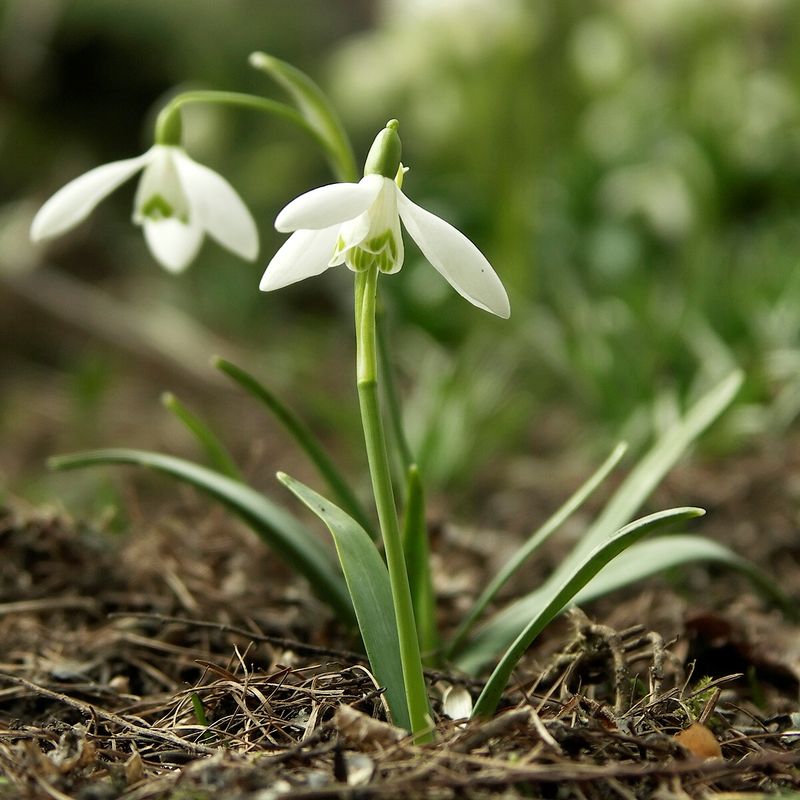
Somewhere in the Caucasus and eastern Europe, generations of people reportedly rubbed snowdrop flowers on the foreheads of children with nerve pain or used the plants in folk treatments for memory and neurological complaints. These accounts were not clinical trials.
They were ethnobotanical observations, the kind of historical record that tells researchers a plant was used, not that the use was safe or effective by modern standards.
Still, those reports pointed curious scientists toward Galanthus nivalis. A published review of galantamine’s development history traces how Bulgarian pharmacologist Dimitar Paskov and his colleagues began investigating the snowdrop’s chemistry in the 1950s, eventually isolating galanthamine from the plant.
The folk accounts did not prove the remedy worked, but they gave researchers a credible lead worth following into the laboratory.
One intriguing side note sometimes attached to this story is Homer’s “moly,” the magical herb in the Odyssey said to protect Odysseus from Circe’s spells. A 1983 paper proposed that moly might have been a snowdrop, pointing to the plant’s neurological chemistry as a possible explanation.
That original hypothesis generated real academic interest, but a later ethnobotanical review noted that several other plants have also been proposed as candidates, so the snowdrop identification remains one hypothesis among competing interpretations, not settled history.
The practical takeaway from this section of the story is that folk observation and scientific investigation are different things. The Caucasus reports gave researchers a direction.
The laboratory work that followed is what actually produced usable knowledge about the compound.
The plant alkaloid became a prescription symptom treatment
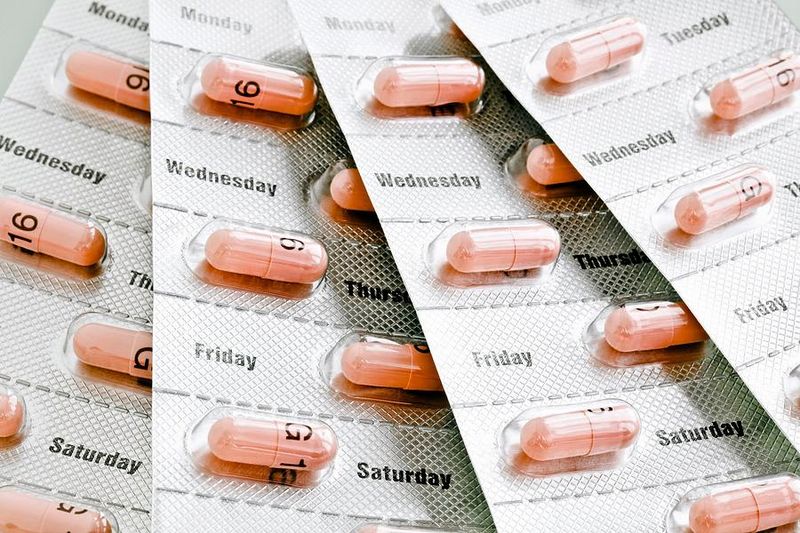
Galanthamine, the alkaloid found in Amaryllidaceae plants, and galantamine, the name on the prescription bottle, are closely related but not quite the same thing. Galanthamine is the naturally occurring compound isolated from plants.
Galantamine is the standardized pharmaceutical name adopted for the drug that eventually reached patients, reflecting the purified and precisely dosed form used in medicine. Keeping those two names straight helps avoid the impression that chewing a daffodil is equivalent to taking a prescription pill.
The drug works as a cholinesterase inhibitor, meaning it slows the breakdown of acetylcholine, a brain chemical involved in memory and thinking. FDA-listed prescribing information for galantamine extended-release identifies it as indicated for mild-to-moderate dementia of the Alzheimer’s type.
It is not approved for all forms of dementia, and its use requires a physician’s evaluation and ongoing supervision.
What galantamine does not do is cure Alzheimer’s disease. MedlinePlus explains that the drug can help control symptoms such as memory loss and confusion, but it does not stop the underlying disease from progressing.
For patients in the mild-to-moderate range, that symptom management can make a real difference in daily functioning, which is why the drug matters clinically even without offering a cure.
The path from a Bulgarian laboratory finding to a regulated prescription treatment took decades of pharmacological work, clinical trials, and regulatory review. That process is what separates a plant compound with interesting properties from a medicine a doctor can prescribe with confidence in its dosing, safety profile, and expected effects.
Daffodils are one source, not a proven majority of today’s supply
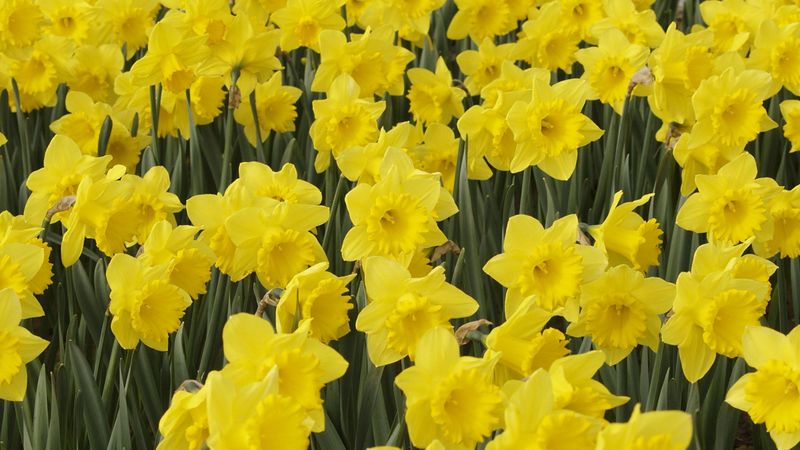
Narcissus plants entered the galanthamine story because researchers went looking for sources beyond snowdrops. Snowdrops are small, slow-growing, and covered by international trade protections, making them impractical for large-scale harvesting.
Daffodils, by contrast, are already grown commercially by the millions, so scientists tested whether their bulbs also contained the alkaloid. The answer was yes, and a study measuring galantamine quantity and alkaloid profiles across multiple Narcissus cultivars confirmed that the compound is present, though the concentration varied markedly from one cultivar to another.
That variability matters. A cultivar with relatively high galanthamine content is a different proposition for extraction than one with barely detectable levels.
The same study found that bulb concentrations differed substantially across the five cultivars tested, which means not every daffodil in commerce is an equally useful source of the compound. Choosing specific cultivars with known alkaloid profiles would be necessary for any production-scale effort.
Extraction from Narcissus plant material is one documented route to galanthamine, but the development history of the drug also records a different path. The published account of galantamine’s development describes how industrial-scale chemical synthesis was developed alongside plant-based extraction, giving manufacturers a route that does not depend on harvesting any particular crop.
The sources reviewed for this article do not establish what share of today’s commercial supply comes from daffodils versus synthesis or other plant sources.
So while the connection between your garden daffodils and a pharmacy shelf is real and documented, calling daffodils the dominant source of today’s drug would go further than the evidence supports. The more accurate picture is that daffodils are one confirmed plant source among multiple documented production pathways.
Plant daffodil bulbs before your local ground freezes
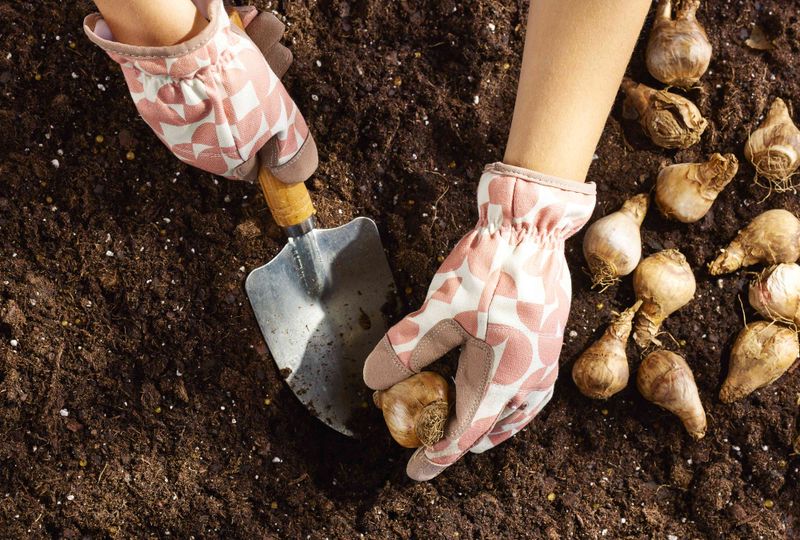
Fall is the right season for daffodil bulbs because they need a period of cold to trigger spring flowering. The bulb uses that chilling time underground to prepare the shoot that will emerge when temperatures warm.
Miss the planting window and the bulb either sits in frozen ground it cannot penetrate or, worse, skips the chill it needs and blooms weakly or not at all.
Timing that window correctly depends on where you garden. Penn State Extension’s fall bulb planting guidance recommends getting bulbs in the ground before a hard freeze sets in, while soil temperatures are still workable.
That advice holds broadly across the US, but the actual calendar dates shift considerably by region. A gardener in coastal Virginia may plant through November, while someone in Minnesota needs to finish weeks earlier before the soil locks up.
Rather than following a single national planting month, check two sources: the bulb supplier’s package directions and your regional Cooperative Extension office’s recommendations. Extension offices publish locally calibrated guidance for their specific climate zones, which is far more useful than a one-size-fits-all date.
Iowa State University Extension’s daffodil guide is a good example of the kind of regionally specific advice worth seeking out wherever you garden.
Choose a site with good drainage and at least a half-day of direct sun. Daffodils tolerate partial shade but bloom most reliably in bright spots.
Avoid low areas where water pools after rain, since bulbs sitting in standing water are prone to rot before they ever get a chance to sprout.
Set the bulb correctly and let its leaves recharge it
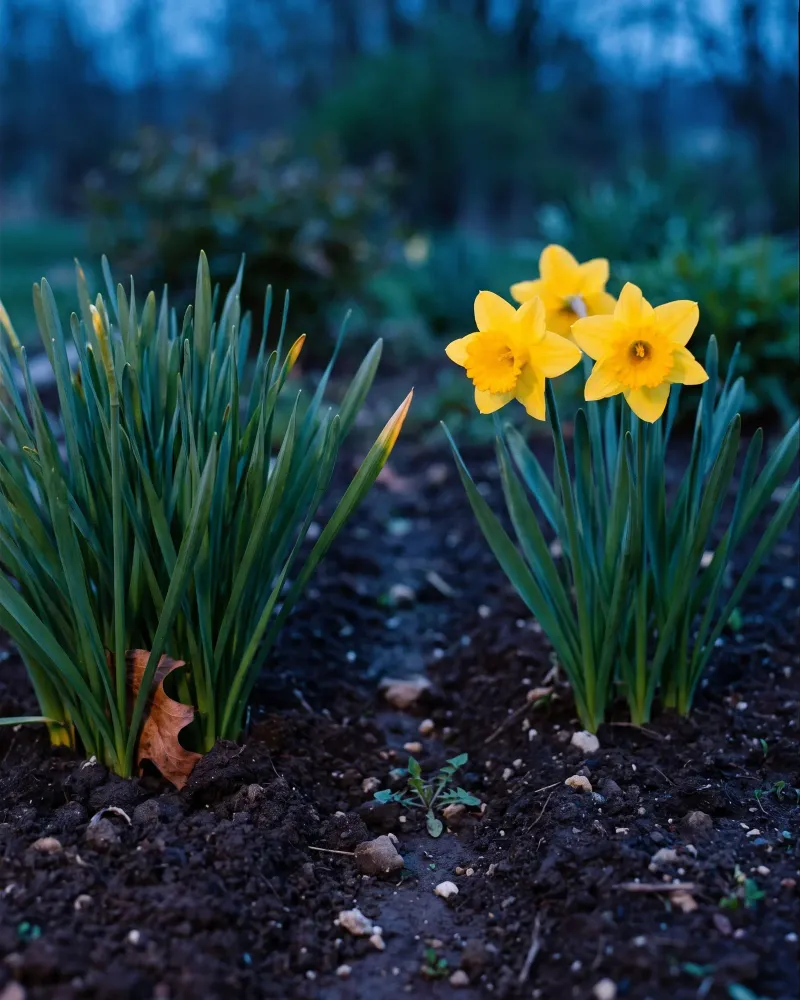
Orientation matters more than most new gardeners expect. A daffodil bulb has a pointed nose at the top and a flattened root plate at the base.
Plant it upside down and the emerging shoot has to make a U-turn underground, wasting energy before it ever sees light. Set the pointed end upward and the root plate facing down, and the bulb does exactly what it is designed to do.
Depth follows a reliable general rule: plant the bulb at a depth equal to two to three times its own height, measured from the base of the bulb. Illinois Extension’s bulb planting guidance describes this proportional approach, which automatically scales for larger and smaller bulbs without requiring you to memorize a single number.
A bulb two inches tall goes in at four to six inches deep; a bulb three inches tall goes in at six to nine inches. Always defer to the specific depth printed on your bulb package, since some cultivars or specialty bulbs may have different requirements.
After setting each bulb, water the bed thoroughly. That initial drink settles the soil around the bulb, closes air pockets, and gets root development started before winter.
What you want to avoid is leaving the soil waterlogged. Soggy conditions around bulbs encourage fungal rot, which can destroy a planting before spring arrives.
If your soil drains slowly, mix in some coarse sand or plant in raised beds or containers where drainage is easier to control.
Come spring, resist the urge to cut or braid the foliage once the flowers fade. Those leaves are the bulb’s solar panels.
They capture sunlight and convert it into stored energy that fuels next year’s blooms. Leave the greenery alone until it yellows and collapses on its own, then remove it.
Cutting the leaves early is one of the most common reasons daffodils bloom well in year one and then disappoint in years two and three.
Enjoy the connection without treating garden bulbs as medicine
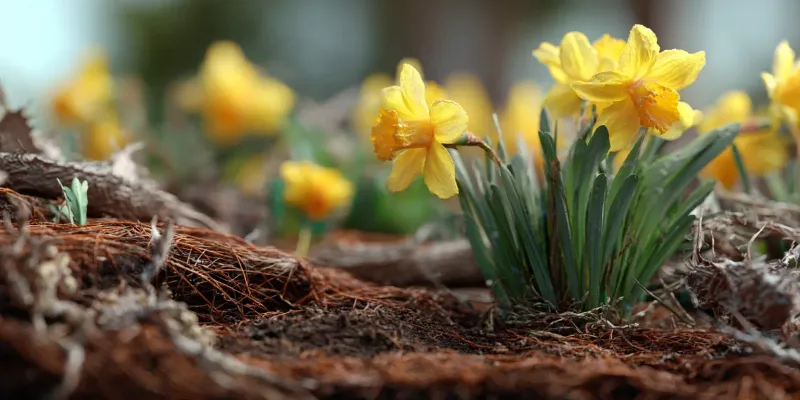
The botanical link between your daffodils and a pharmacy drug is genuinely interesting, but it stops at the garden gate. Daffodils are ornamentals, not a home source of medication.
All parts of the plant are toxic if swallowed, and Poison Control specifically flags daffodil bulbs and sap as skin irritants, recommending gloves any time you handle them. That advice applies to snowdrops as well, so wear gloves when planting, dividing, or tidying either plant.
Collecting wild snowdrops is not a practical or responsible alternative. Kew notes that Galanthus species face threats from over-collection and are covered by CITES international trade controls.
Leave wild populations alone.
The prescription drug galantamine carries clinically important risks and requires a physician’s supervision for proper dosing and monitoring. No garden bulb delivers a controlled, verified dose of anything.
Plant your daffodils, wear your gloves, and let the science stay where it belongs, in the hands of researchers and clinicians. The real reward in the garden is a yard full of yellow blooms in March, which turns out to be more than enough.