
These 9 Fall Fertilizing Mistakes Are Why Your Hydrangeas Come Back All Leaves And No Flowers
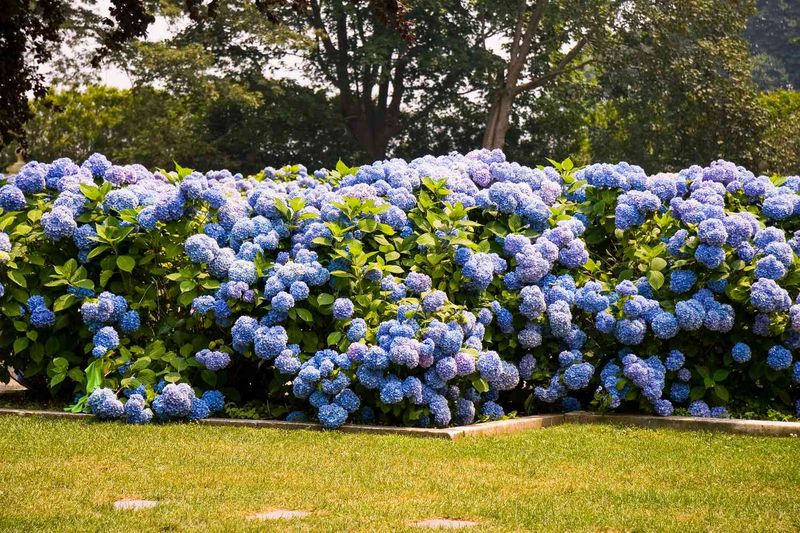
You watered, you weeded, and you fed your hydrangeas all season long. Then spring arrives and you get a big green bush with barely a single flower.
Most of the time, the trouble started months earlier, in the fall, with how and when you fertilized. The good news is that every one of these mistakes is easy to fix before next year’s blooms are on the line.
1. Feeding Too Late in the Season
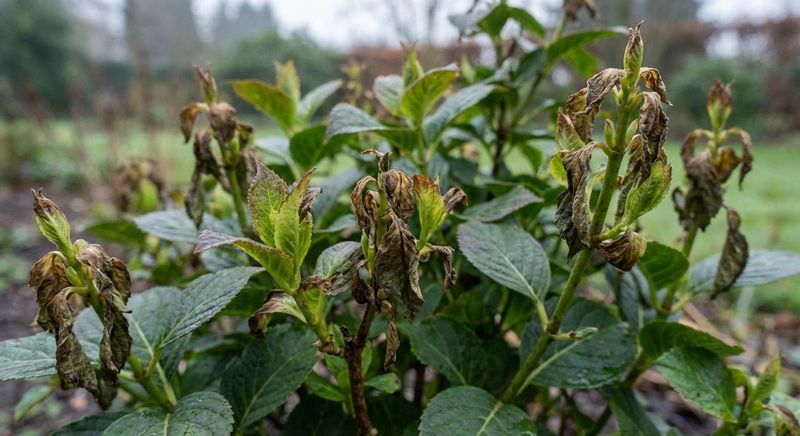
Picture a hydrangea getting a fresh dose of fertilizer in late September. It reads that meal as a signal to grow, not rest, and pushes out soft new shoots right when it should be slowing down.
Those tender stems rarely harden off before the first frost. When cold hits, they get damaged, and on bigleaf and oakleaf hydrangeas that bloom on old wood, the flower buds for next summer are sitting right there on those stems.
The fix is simple timing. Most experts suggest stopping all feeding around August 1, or by mid-August in northern areas, so your plant can settle into dormancy naturally.
2. Reaching for a High-Nitrogen Fertilizer
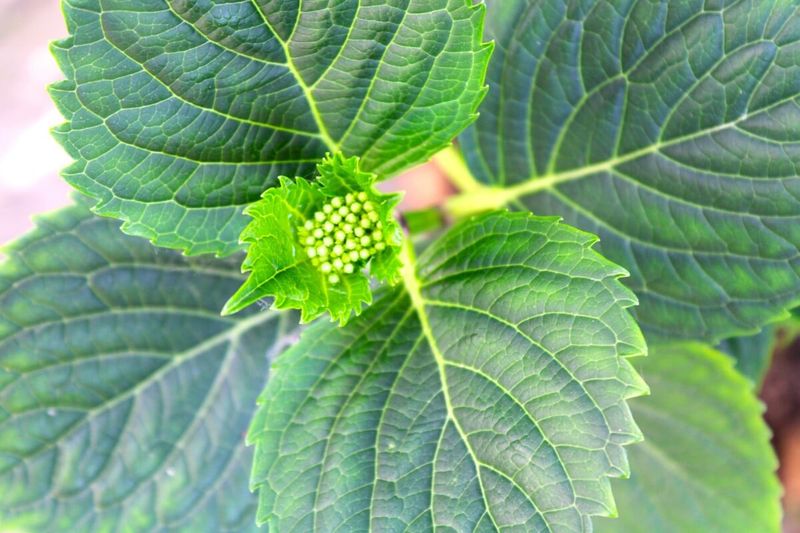
Nitrogen is the leaf-maker. That first number on the fertilizer bag tells you how much your plant is getting, and hydrangeas love to turn extra nitrogen into big, glossy foliage.
Leaves are nice, but they come at a cost. A plant flooded with nitrogen puts its energy into greenery instead of setting buds, which is exactly how you end up with a gorgeous shrub and zero flowers.
Flip the bag over before you buy. If you feed at all near the end of summer, choose a formula lower in nitrogen and higher in phosphorus and potassium, the middle and last numbers.
3. Letting Lawn Fertilizer Drift Into the Bed
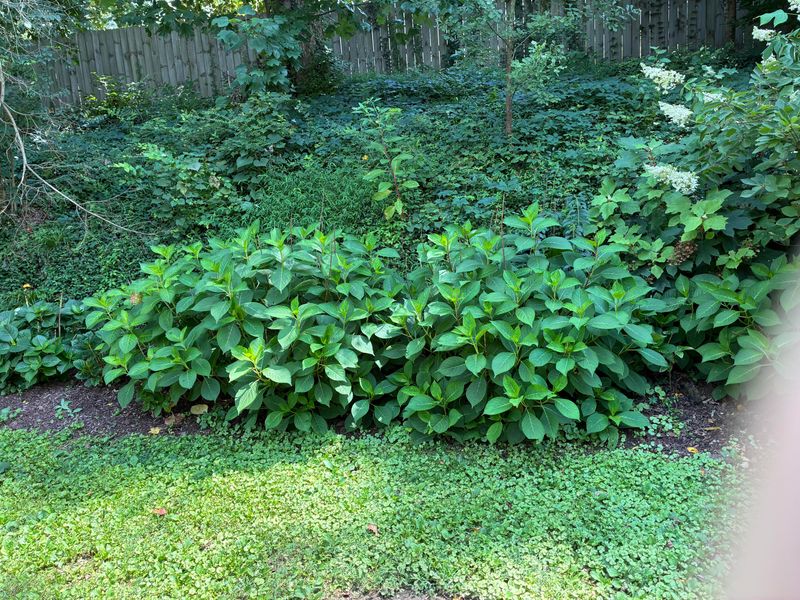
Here is a sneaky one many gardeners never suspect. Fall is a popular time to feed the lawn, and lawn products are usually packed with nitrogen.
If your hydrangeas sit along the edge of the grass, granules from a broadcast spreader can bounce right into their root zone. Rain then washes that nitrogen straight to the roots, and you have fed your shrub without meaning to.
Switch to a drop spreader near beds, or leave a few feet of buffer around your hydrangeas. Sweep any stray pellets back onto the lawn before watering.
4. Piling On More Than the Plant Needs
More food feels like more love. Hydrangeas, though, are light eaters, and heavy helpings can backfire fast.
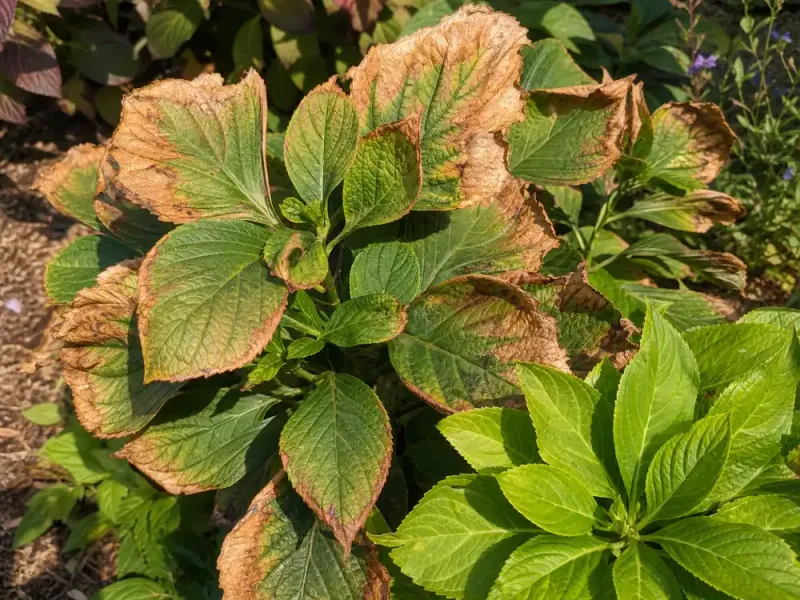
Too much fertilizer can burn roots. You may notice crispy brown leaf edges even when the soil is moist, plus yellowing or wilting on lower leaves.
A stressed plant is not going to spend energy on flowers. Follow the label rate, or even use a little less, and water deeply after any application to help spread salts away from roots.
If you suspect burn, soak the bed thoroughly a few times to flush the soil and skip feeding until next spring.
5. Skipping the Soil Test
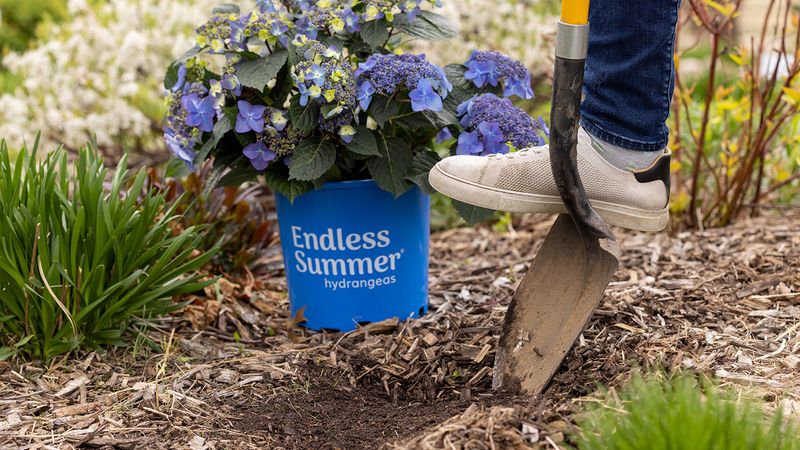
Guessing is expensive. Many gardeners add fertilizer every year without ever checking what the soil already holds.
Your yard might already be rich in nitrogen from compost, grass clippings, or last year’s lawn food. Adding more just tips the balance further toward leaves.
A basic soil test, often cheap through your local cooperative extension office, shows nutrient levels and pH. It may reveal your hydrangeas need nothing at all, which saves you money and flowers.
6. Treating Every Hydrangea the Same
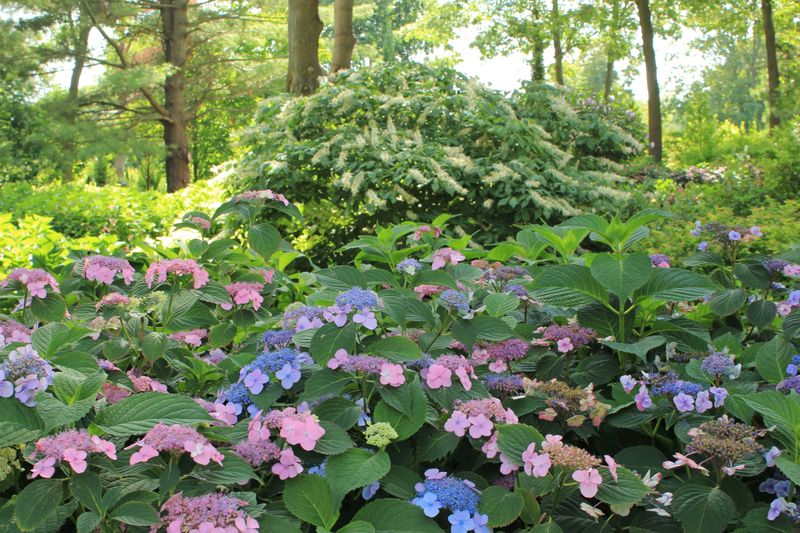
Not all hydrangeas play by one rulebook. Bigleaf, oakleaf, and mountain types set next year’s buds on old wood in late summer and fall.
Panicle and smooth hydrangeas bloom on new wood grown in spring, so they forgive more mistakes. Feeding old-wood types late, though, puts their already-formed buds at real risk.
Check your plant tag or look up your variety. Knowing which group you own tells you how strict to be with late-season feeding.
7. Using Fertilizer to Fix Color Instead of Blooms
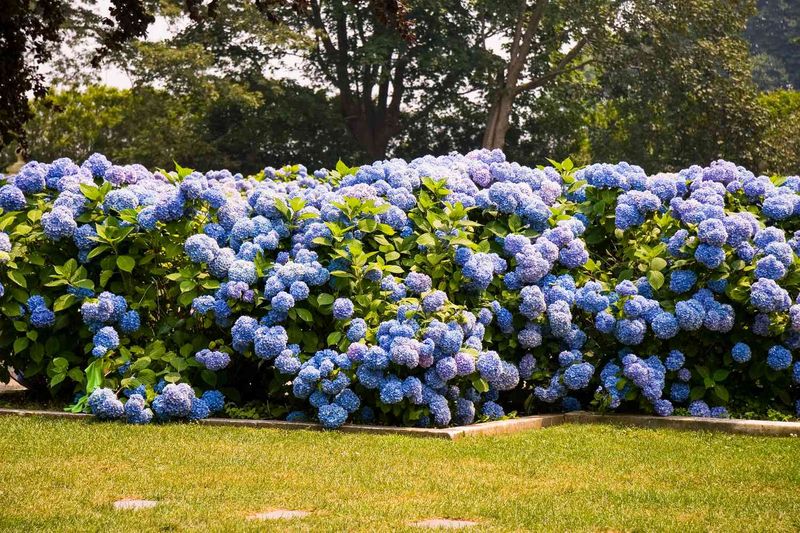
Chasing that perfect blue can get messy. Some gardeners pile on aluminum sulfate or acidifying fertilizers in fall hoping for richer color next year.
Many acid-forming plant foods also carry plenty of nitrogen. You end up nudging color while quietly encouraging leafy growth right before winter.
Keep color work separate from feeding. Use a dedicated soil amendment for pH, apply it at label rates, and let your bloom-focused feeding happen in spring.
8. Fertilizing a Stressed or Thirsty Plant
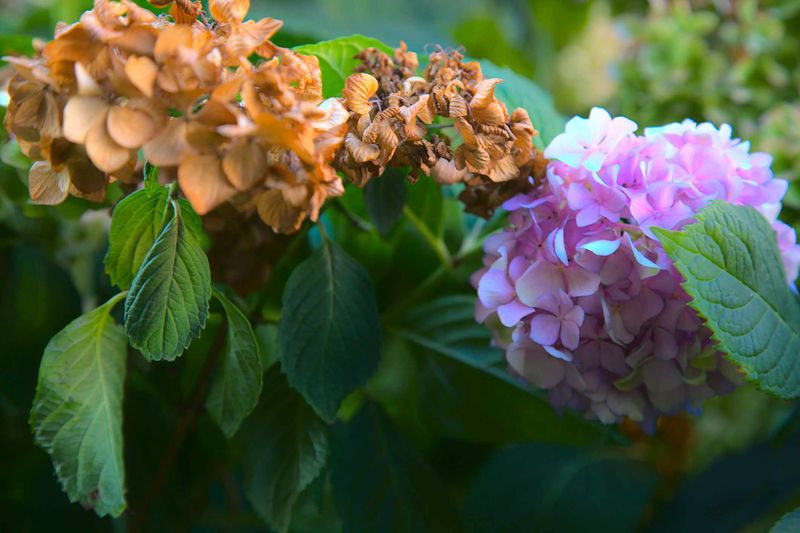
A droopy hydrangea after a hot, dry stretch can look hungry. Nine times out of ten, it is just thirsty.
Fertilizer on dry roots is more likely to burn them, adding stress to a plant already struggling. That strain can cost you buds that were forming for next season.
Water deeply first and give the plant a few days to perk up. Healthy moisture and a layer of mulch do far more for fall bud set than any bag of food.
9. Mulching With Fresh Manure or Rich Compost in Fall
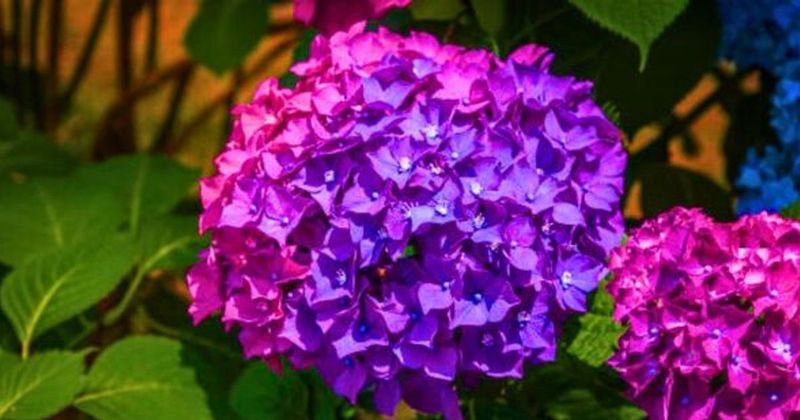
Organic sounds safe, right? Fresh manure and very rich compost can release a surprising amount of nitrogen, especially as fall rains soak through.
Heaped around hydrangeas late in the year, it acts like a slow-release fertilizer at the worst moment. It can also hold too much moisture against the stems.
For winter, use shredded leaves, pine straw, or bark mulch about two to three inches deep, kept a few inches from the base. Save compost for a light spring top dressing, and your shrub may reward you with flowers instead of just foliage.