
Your Fig Tree May Still Have Time To Ripen More Fruit: Here’s What To Focus On Before Frost
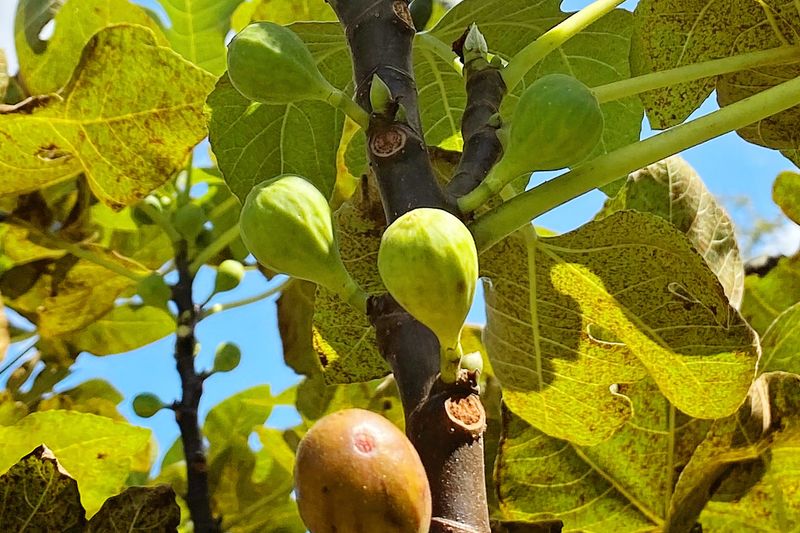
Those hard little figs hanging on your tree might still have a shot at sweetness. Whether they make it depends on your variety, how far along each fruit is, and how many warm days you have left.
Nobody can promise every fig will ripen, but a few smart moves can help you get the most from what remains. Here is what to do, and what to skip, before frost arrives.
The deadline depends on your tree and your local season
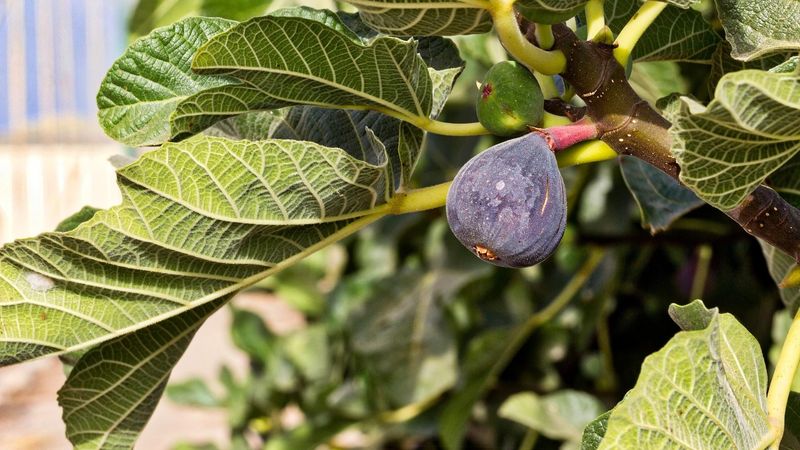
Some of the figs on your tree may still ripen before frost, but no single calendar fits every yard. Your odds rise or fall with the variety you grow, how developed each fig already is, how warm your weather stays, and how much season is left.
Regional examples show how much this varies. In Maryland, Maryland Extension says the main crop commonly ripens from August through the first frost.
In New Jersey, Rutgers notes that frost often kills late-season figs before they mature. Those are two snapshots, not a schedule for the whole country.
Variety matters too. New Mexico State Extension points out that cultivars differ, and some need more heat than a short-season spot can offer.
A fig that is nearly full size in a warm stretch has a better chance than a tiny one that formed last week.
So try not to treat your crop as either lost or safe. Instead, plan to look at the tree fig by fig, using your own climate and your own variety as the guide.
The next section shows how.
Color alone cannot tell you which figs are ready
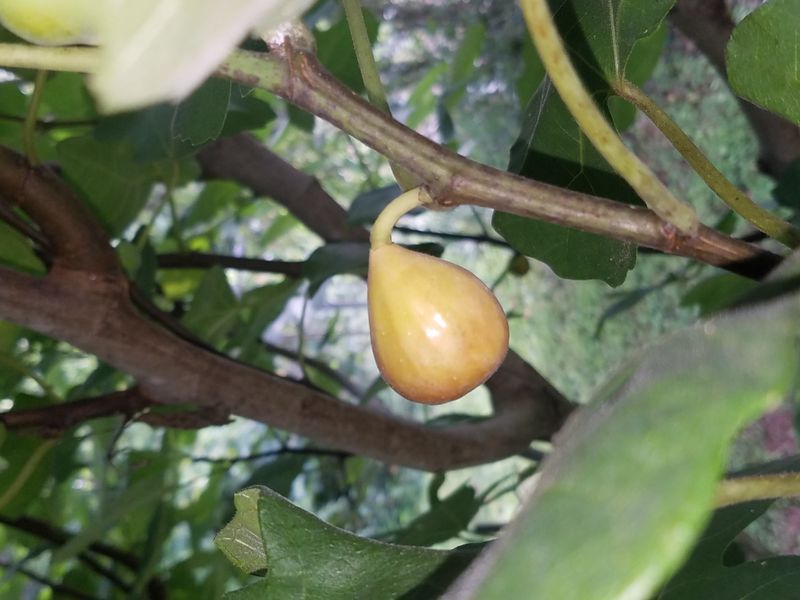
Ripeness shows up differently from one fig variety to the next. Think of it as a set of clues, not a single color test.
You can look for a change in size, a shift in color, a softer feel, and fruit that begins to droop on its neck, as New Mexico State Extension describes.
Here is the catch: some ripe figs stay green. If you wait for purple on a variety that ripens green or yellowish, you may leave good fruit hanging too long.
Try this routine. Walk the tree and cradle each fig gently in your palm.
Ask yourself whether it has reached full size, whether it feels give rather than firmness, and whether it hangs down instead of standing stiff. A fig that meets several of those cues is worth picking.
Cold snaps can complicate things. The same NMSU source notes that cool weather can delay or interrupt ripening, and some varieties may stay hard or rubbery without enough heat.
A fig that feels like a small rubber ball late in the season may simply not get the warmth it needs.
Learn how your own variety looks when it is ready, and keep notes for next year. That one habit makes every later harvest easier to judge.
Harvest figs as they reach ripeness
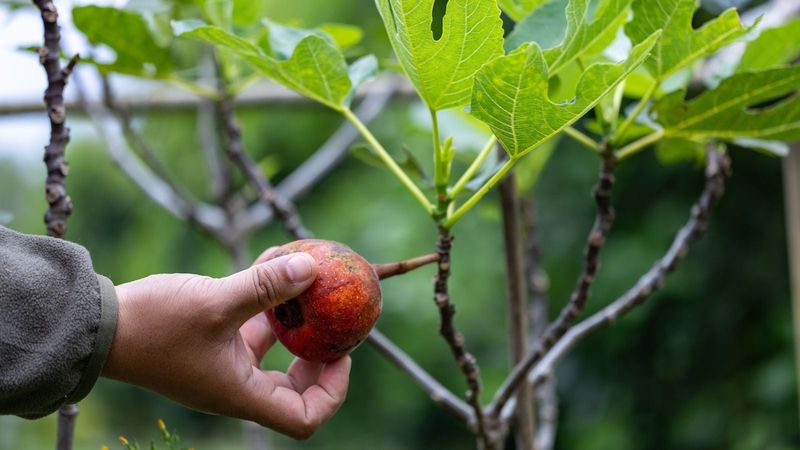
Figs rarely ripen all at once, so plan on short, frequent visits to the tree. Every few days, check for fruit showing your variety’s cues and pick those that are ready.
NMSU Extension recommends harvesting ripe figs regularly rather than waiting for the whole crop.
Tree-ripened fruit is the better choice when you can get it, and Maryland Extension makes the same point. Leaving a nearly ready fig for a day or two often pays off in flavor.
Still, a fig that is fully soft and drooping should not wait.
Go gently. Lift the fruit and give it a slight twist or a snip so you do not tear the branch.
Wear gloves, because fig sap can irritate skin, and that goes for cut stems as well as fruit.
Keep a shallow container handy so the fruit is not stacked, since ripe figs bruise easily. Picking what is ready also lets you see which figs are still developing.
Not every late fig will make it, and that is normal. Harvesting steadily means you enjoy the ones that do.
Only figs already changing may soften off the tree
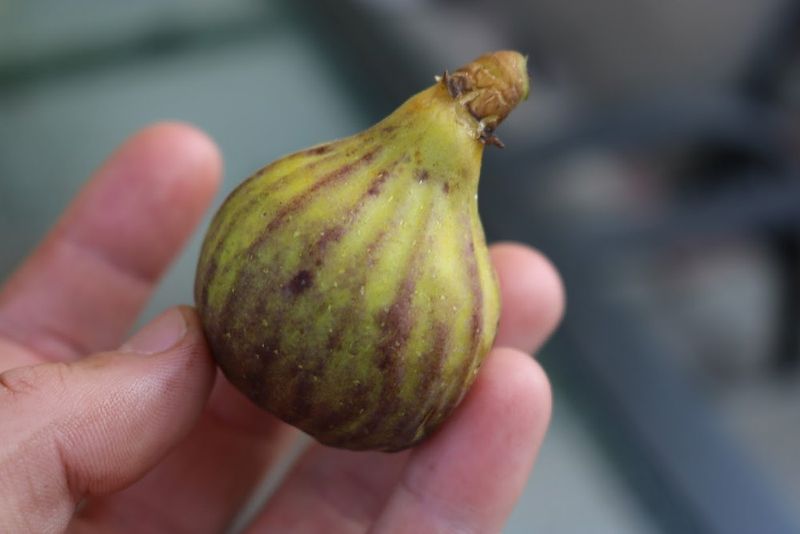
A picked fig is not the same as a ripened fig, and the difference matters as frost gets close. Fruit that has already begun coloring and softening may keep going.
Maryland Extension says such fruit can continue to soften and sweeten on the counter.
Fully green, hard figs are another story. They generally will not ripen once picked, so bringing in a bucket of them ahead of a cold night is likely to disappoint.
Tree ripening still comes first. A University of California extension presentation also favors tree-ripened fruit when possible.
Think of the counter as a small safety net. If a cold night is forecast and you have figs that are already changing, picking them lets them finish indoors.
Set them in a single layer, out of direct sun, and check them daily.
Do not expect this to rescue the whole late crop. Hard, fully green fruit is best left on the tree in case warmth returns, or accepted as next year’s lesson.
Keep the soil from drying out, but skip the fertilizer boost
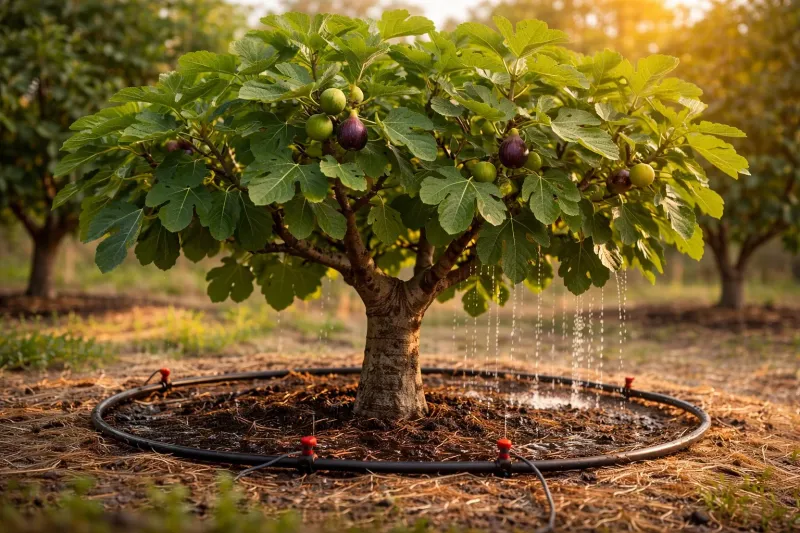
Good care now is about steadiness. If your area has gone through a long dry spell, UF/IFAS says mature figs may need supplemental water during prolonged drought.
Push a finger a few inches into the soil near the drip line and water if it is bone dry.
There is no magic amount. Rainfall, soil type, and tree size all change the answer.
Rutgers says extra irrigation may not be needed if a tree is already growing and producing satisfactorily, so let the tree’s performance guide you.
Fertilizer is where many gardeners get tempted. A late feeding will not speed up the figs you already have.
Rutgers explains that excess nitrogen promotes leafy growth, delays ripening, and can lower fruit quality, and UF/IFAS also cautions against overfeeding.
Fresh, lush shoots late in the season use energy the tree could put toward the fruit it is already carrying. If you feel the tree needs feeding, wait until the next growing season and follow local advice.
For now, steady moisture and patience are the two tools that help without adding risk.
Late pruning is not a reliable way to save this crop
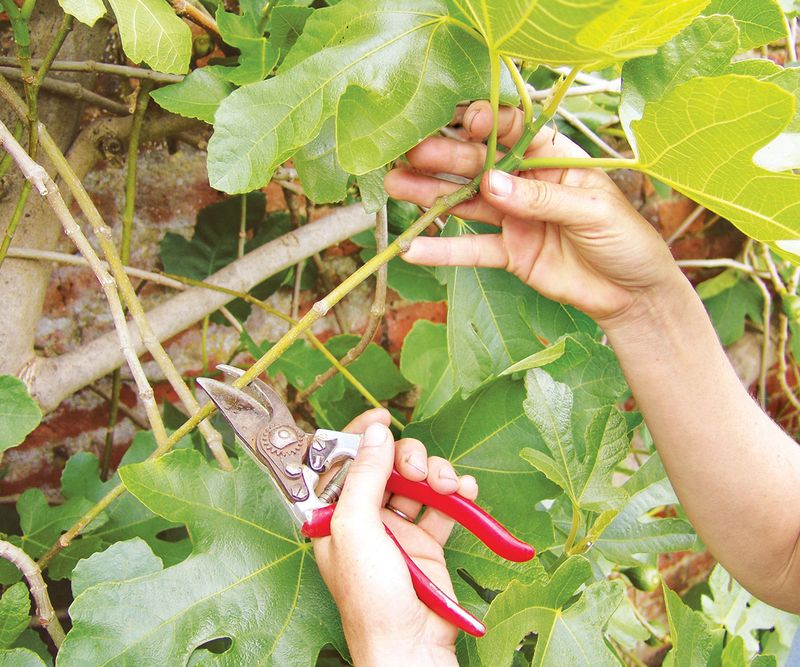
When frost is coming, it is tempting to grab the shears, pinch shoot tips, or strip leaves to push the fruit along. Those moves are not dependable end-of-season fixes, and some can backfire.
Pinching has its place, but earlier. Maryland Extension places pinching first-year shoot tips in late spring, not as a rescue for figs that are already set.
Pruning carries its own risk. UF/IFAS advises that pruning late-maturing cultivars can reduce the following year’s yield.
Cutting now might cost you fruit down the road, without helping this season’s figs.
Leaves also matter. They make the sugars that feed developing fruit, so heavy leaf stripping is not a proven way to speed ripening.
If you spot a broken or diseased branch, removing just that piece is a different job from a drastic trim. Otherwise, let the tree keep its canopy.
Save shaping and larger cuts for the proper time of year, and use your energy on checking fruit and keeping soil evenly moist.
A frost cover protects the tree, not a guaranteed late harvest
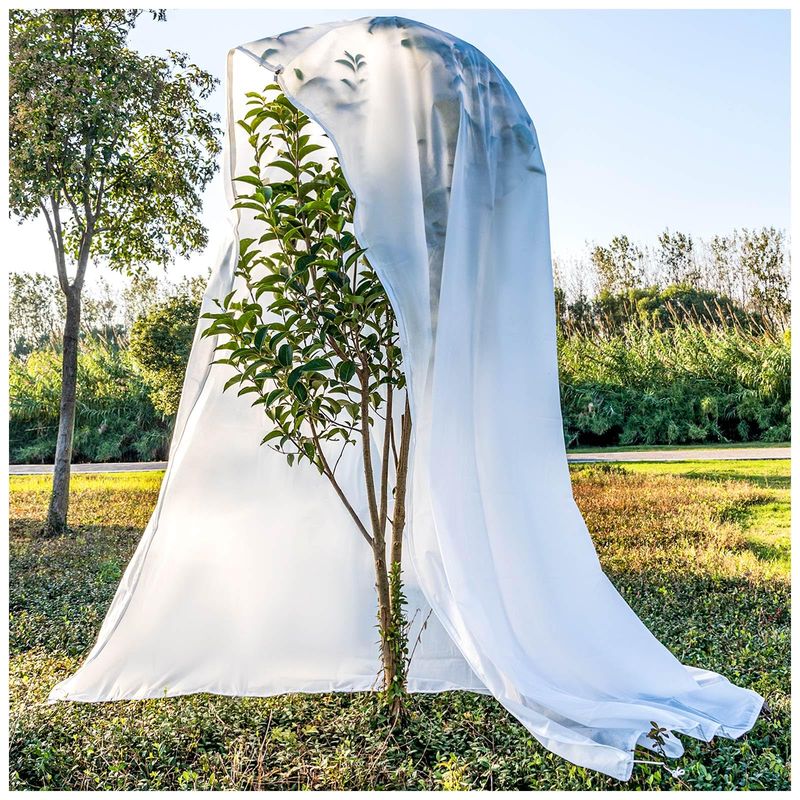
Protecting a fig tree from cold injury and ripening its current crop are two separate goals. Covers and winter wrapping are mainly discussed as ways to keep the plant itself from getting hurt, as in Penn State’s guidance on winterizing your fig tree.
That means a sheet or frost cloth on a chilly night is a fair choice if you want to shield the tree, but do not count on it to mature hard, green figs. It is not a promise of extra harvest days either.
You may have read about high tunnels. A University of New Hampshire trial found a high tunnel extended harvest by about two weeks in its tested conditions.
A tunnel is a larger, more controlled structure than backyard frost cloth, so that result does not show an ordinary cover will do the same.
If you do cover the tree, think of it as insurance for the plant. Any figs that happen to ripen afterward are a bonus, not a guarantee.
Use the remaining warm days to make a realistic harvest plan
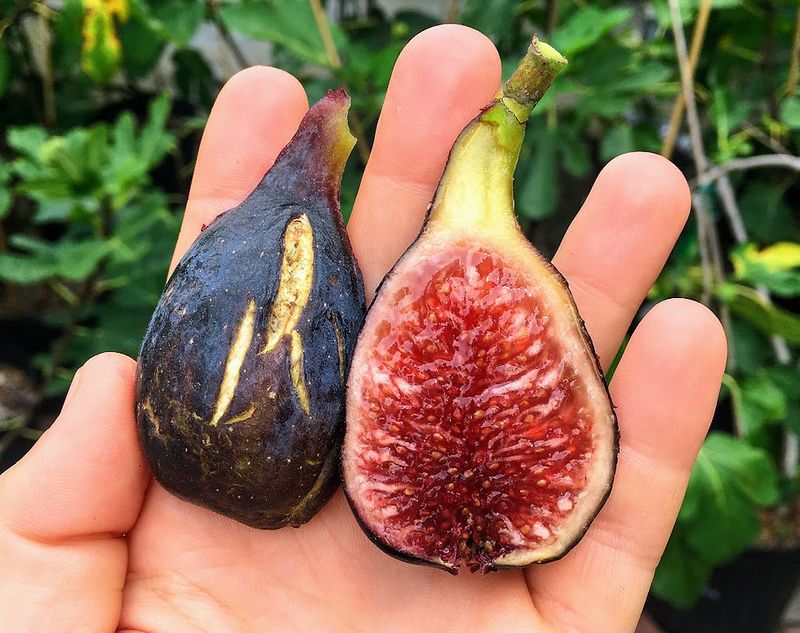
Start with each fig. Check its stage using your variety’s cues, as NMSU Extension suggests, and pick the ones that are ready. Bring in figs that are already coloring and softening if a cold night is coming, since Maryland Extension says they may finish on the counter.
Leave partly developed fruit on the tree while warmth lasts, keep the soil from drying out, and skip fertilizer and heavy pruning.
Frost or a cool stretch may end the season before every fig ripens. Even so, a few sweet ones in your basket are worth the daily walk.