
The Invasive Plants North Carolina Garden Centers Still Sell That You Should Never Put In Your Yard
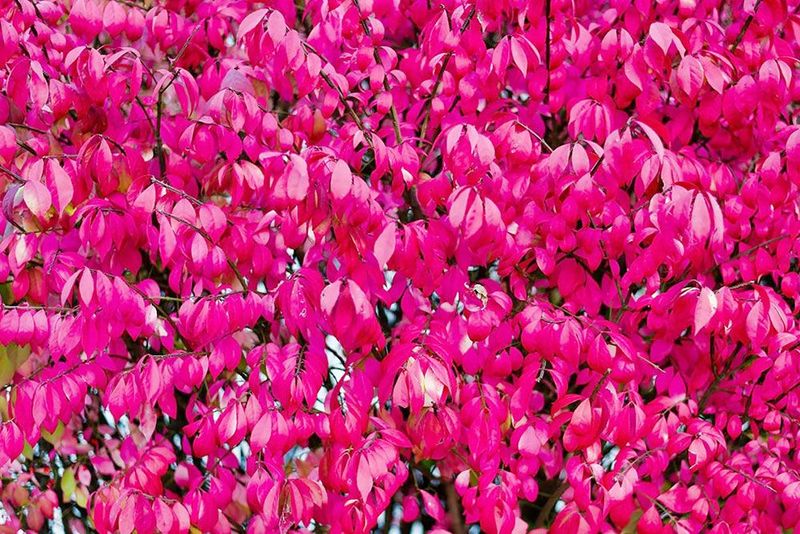
Walk into almost any garden center in North Carolina and you will find plants on the shelves that are quietly wrecking our woods, streams, and backyards. They look pretty, grow fast, and come with a friendly price tag, which is exactly why so many people buy them.
But once these plants escape your yard, they crowd out the natives that feed box turtles, fireflies, goldfinches, and bats. Here are ten plants to leave at the store, plus NC native swaps that will make your yard a true wildlife haven.
1. Chinese and Japanese Privet
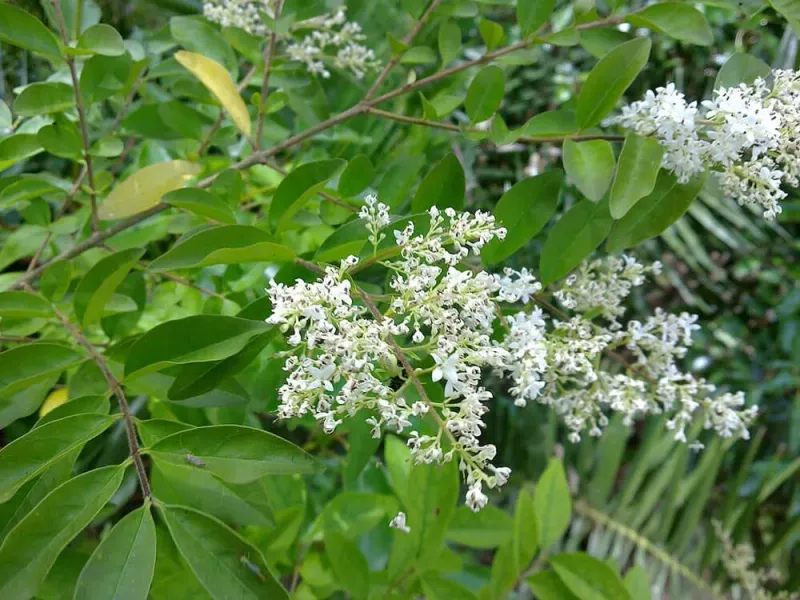
Drive along almost any creek in the Piedmont and you will see a wall of glossy green shrubs choking the banks. That wall is usually privet, and much of it started as someone’s tidy hedge.
Birds eat the dark berries and drop the seeds miles away, so one hedge can seed an entire floodplain.
Once privet moves in, it forms thickets so dense that wildflowers, oak seedlings, and native shrubs simply give up. It sprouts back from stumps and roots after cutting, which makes removal a years-long chore.
Fewer native plants also means fewer caterpillars, and fewer caterpillars means fewer songbird nestlings.
For an evergreen screen, try Carolina cherry laurel or American holly. If you want spring flowers, blackhaw or arrowwood viburnum feeds pollinators in spring and birds in fall.
Winterberry is a lovely smaller pick for wet spots.
2. English Ivy
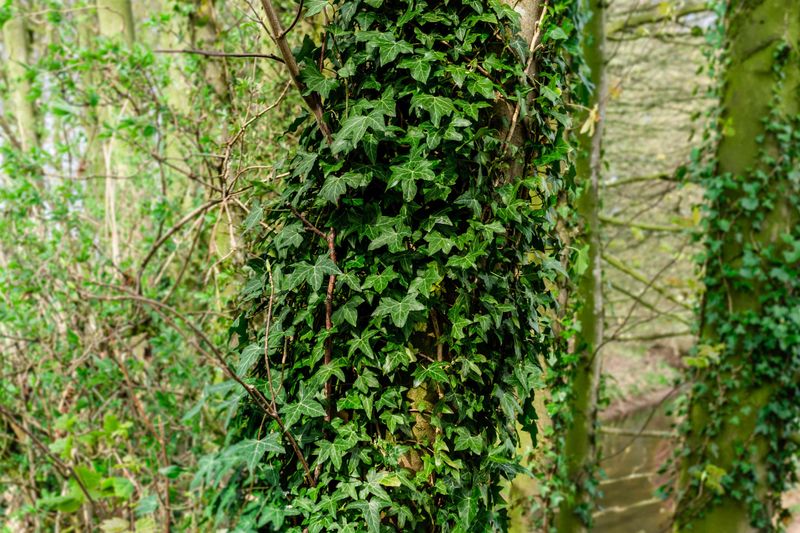
Tick hunters love English ivy, and not in a good way. The thick, shady mats hold moisture close to the ground, creating just the sort of hideout ticks and the mice that carry them enjoy.
If you are trying to build a tick-safe yard, ivy works against you.
The damage goes higher, too. Ivy climbs trees with clinging rootlets, adds heavy weight, and traps moisture against the bark.
Mature vines flower and fruit up high, and birds spread the seeds into nearby woods. It can also harbor bacterial leaf scorch, a disease that hurts oaks, elms, and maples.
Swap it out for Virginia creeper, crossvine, or Carolina jessamine if you want a climber. For shady ground, green-and-gold, Allegheny spurge, and Christmas fern stay attractive with far less mischief.
Cutting ivy at waist height on tree trunks is a smart weekend first step.
3. Nandina (Heavenly Bamboo)
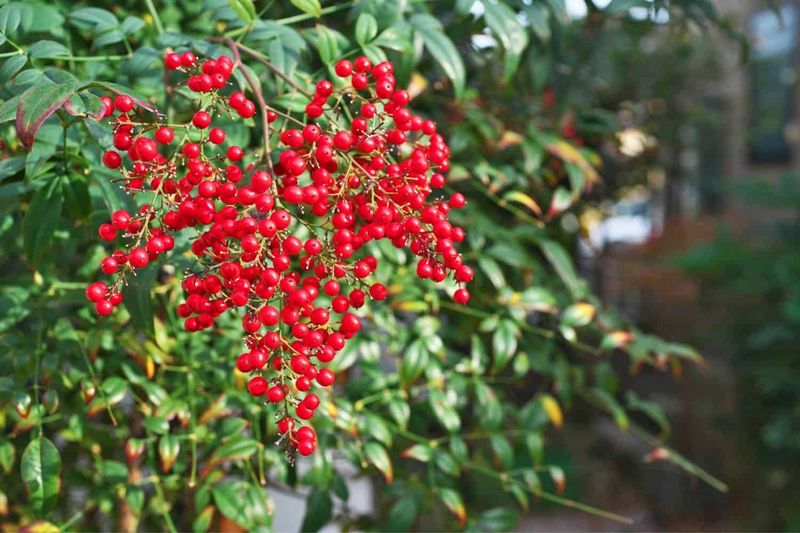
Few shrubs look more cheerful in December than nandina, with its bright red berry clusters. Sadly, those berries carry cyanogenic compounds that can be deadly.
Cedar waxwings have been found dead in groups after gorging on them.
Nandina is not bamboo at all. It spreads by underground rhizomes and by seeds that birds carry into forests, where it forms shady thickets.
The robust root system makes it stubborn to dig out, so pull young sprouts early.
American beautyberry gives you jaw-dropping purple fruit that birds can safely eat. Native hollies deliver the same red winter berries, only these ones actually nourish robins and bluebirds.
Strawberrybush adds quirky, warty pink pods in fall.
4. Burning Bush
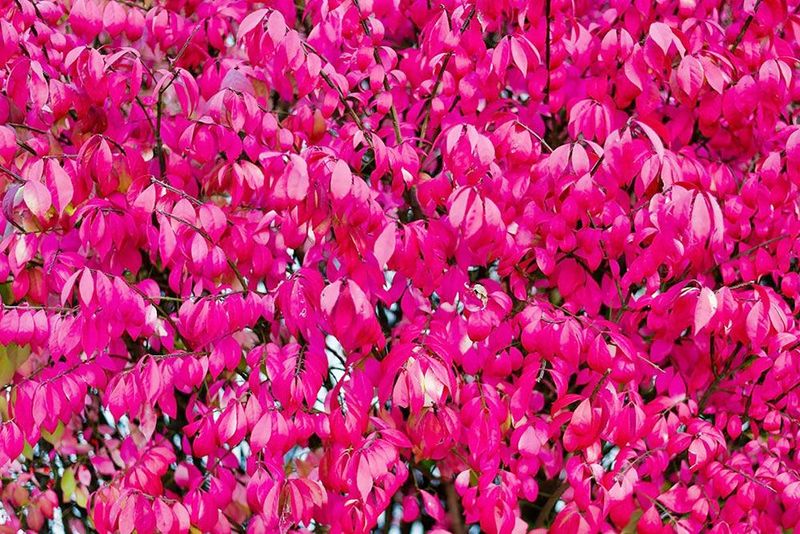
Picture a hillside in October glowing scarlet. Gorgeous, right?
Now picture that color spreading into every woodland edge nearby, crowding out everything that grows underneath.
Burning bush is on the NC Invasive Plant Council list for good reason. Birds and deer eat its small red fruits and scatter the seeds into meadows and forests, especially in the mountains.
There it casts deep shade, leaving bare ground where native wildflowers once bloomed.
Virginia sweetspire turns rich wine red in fall and handles damp soil like a champ. Sweet pepper bush and black chokeberry offer autumn color plus food for wildlife.
For a pollinator magnet, New Jersey tea is small, tough, and full of native bees in early summer.
5. Wintercreeper
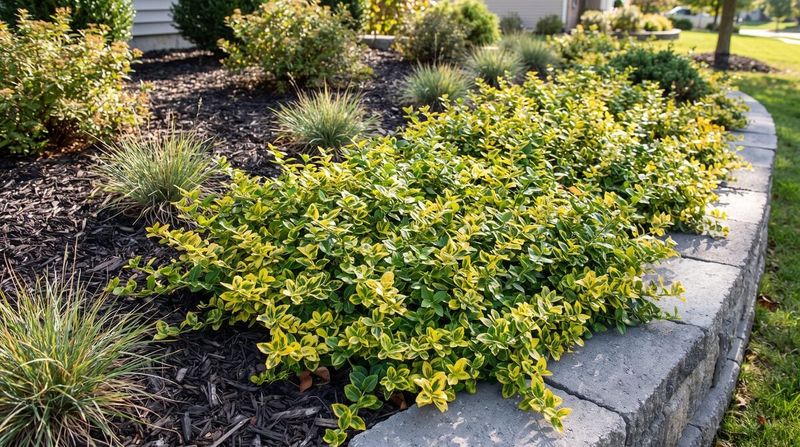
Sold as a handy evergreen groundcover, wintercreeper plays a sneaky long game. On the ground it roots wherever its stems touch soil, weaving a thick mat that squeezes out native plants.
The real trouble starts when it finds a tree. Climbing stems mature, flower, and set fruit, and birds carry those seeds into the woods.
At that point one little bed can seed a whole forest patch.
Green-and-gold makes a cheery, low evergreen carpet with yellow spring blooms. Crossvine and Carolina jessamine give you climbers that hummingbirds adore.
Pulling wintercreeper after a soaking rain makes the job much easier on your back.
6. Liriope (Monkey Grass)
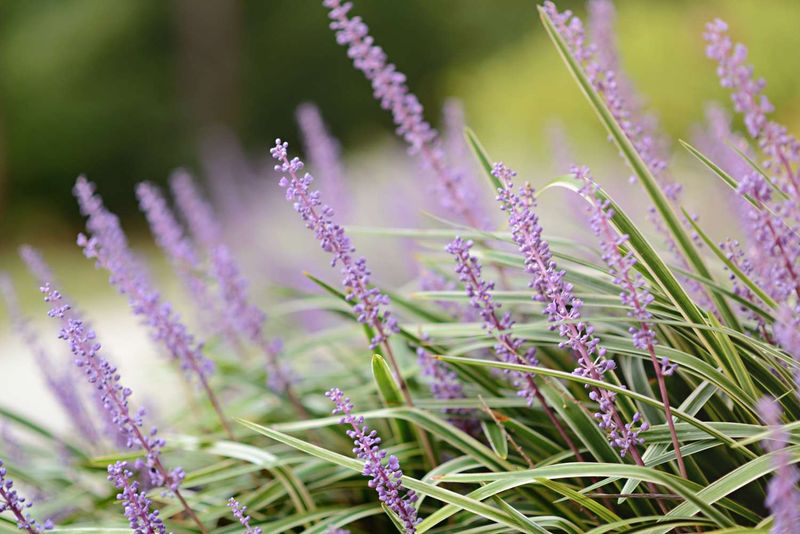
Honestly, liriope might be the most planted edging in the state. Walk through any subdivision from Raleigh to Wilmington and it lines driveways by the mile.
So why is it on this list?
Certain forms, especially creeping lilyturf, spread hard by rhizomes and seed, sneaking into woods and crowding out native groundcovers. Worse, it feeds almost nothing.
Native caterpillars rarely use it, and caterpillars are the baby food for nearly every backyard songbird.
Native sedges like Pennsylvania sedge give the same grassy look in shade. In sun, pink muhly grass puts on a fluffy pink show in fall.
Golden ragwort and creeping phlox add blooms that bees can actually use.
7. Bradford Pear (Callery Pear)
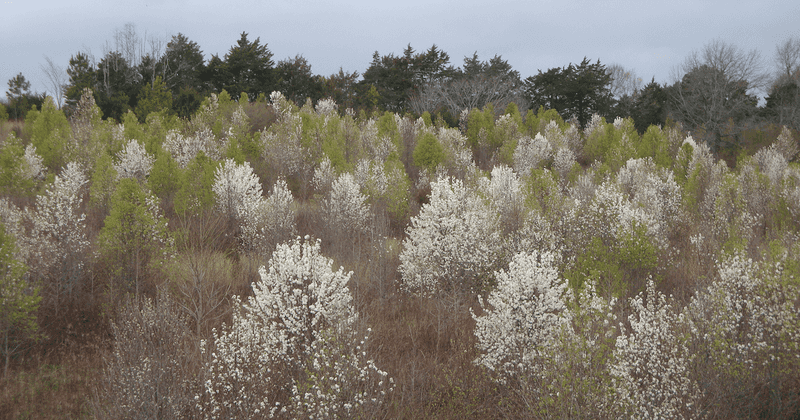
Every March, North Carolina roadsides turn snowy white, and many people think it is lovely. That white haze is Callery pear running wild, the offspring of millions of Bradford pears planted in yards.
Bradford pears were sold as sterile, but different cultivars cross-pollinate and produce fertile seeds. Birds spread them, and the wild trees grow long, sharp thorns and dense thickets.
The blossoms smell unpleasant, and the weak branches split in storms, often onto cars and roofs.
North Carolina even runs bounty programs that help homeowners cut Bradford pears and get a native tree in return. Eastern redbud, flowering dogwood, white fringe tree, and serviceberry all give spring flowers without the mess.
Serviceberry adds early summer berries that birds devour.
8. Butterfly Bush
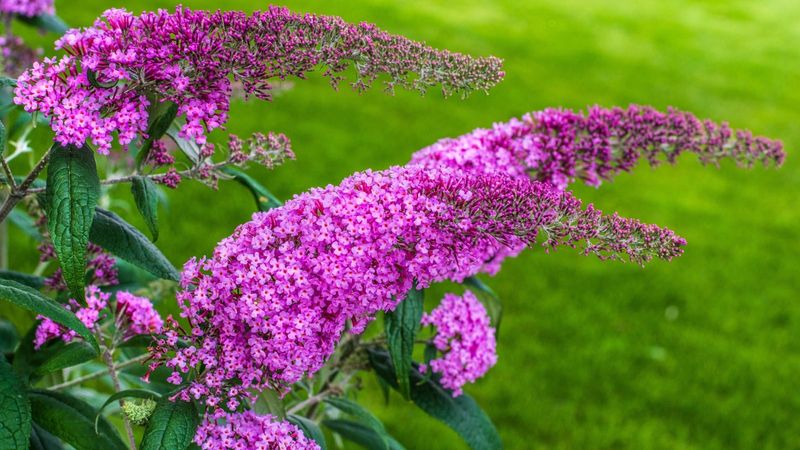
A plant named butterfly bush should be a butterfly’s best friend. It is more like a candy store with no nursery.
Adult butterflies sip its nectar, but almost no native caterpillar can eat the leaves.
The North Carolina Native Plant Society ranks it a severe threat. One flower spike can make tens of thousands of tiny seeds that ride wind and water onto streambanks.
Even so-called sterile cultivars can set some seed.
Plant swamp milkweed or butterfly weed and you feed monarchs from egg to wing. Joe Pye weed, buttonbush, and spicebush bring in swallowtails and native bees.
Toss in asters and goldenrod for a fall buffet.
9. Chinese Wisteria
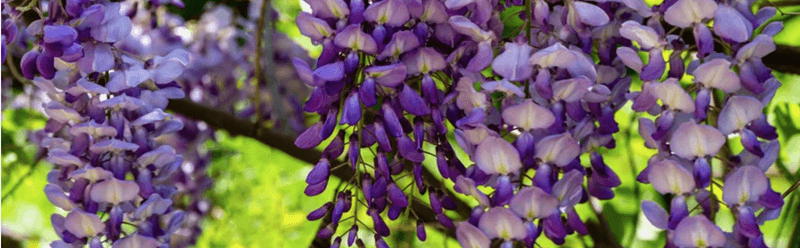
Grandma’s porch may have dripped with purple wisteria, and the scent in April is hard to forget. Chinese and Japanese wisteria, though, are woody bullies that can reach the treetops and never stop.
The vines twist around trunks so tightly they girdle and kill trees. They also send runners across the ground, rooting as they go, so a single pergola plant can take over a woodlot.
You will often see whole pine stands swallowed along NC highways.
American wisteria gives you the same purple clusters on a far more polite vine, and it hosts native skipper caterpillars. Coral honeysuckle and crossvine are other lovely climbers that hummingbirds will visit all season.
10. Japanese Barberry
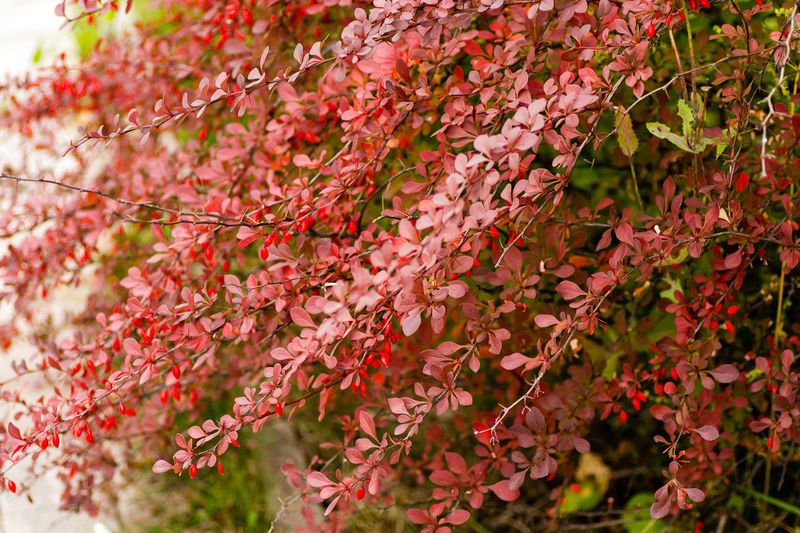
Here is a fact that might make you rethink that red-leaved hedge. Studies in the Northeast found far more Lyme-carrying ticks under Japanese barberry thickets than in nearby areas without it.
The prickly, humid cover shelters mice, and mice feed ticks.
Barberry is still widely sold, especially in bright burgundy and gold forms. Birds spread its berries into woods, including our mountain forests, where deer skip it and eat the natives instead.
Over time the understory turns into a thorny barberry monoculture.
Removing it may help reduce tick habitat near your patio and play areas. Replace it with red chokeberry, Virginia sweetspire, or low-growing fothergilla for fall color.
Wear thick gloves, and tackle it in winter when the thorns are easier to spot. Every invasive you pull and every native you plant makes your slice of North Carolina a little wilder and healthier.