
Common Mullein in Your Yard: What Its Yellow Flowers Mean for Seed Production
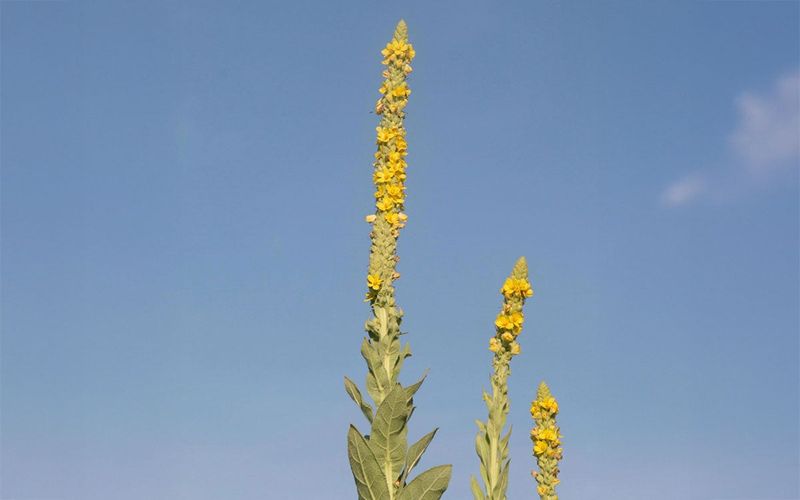
A tall, fuzzy stalk topped with small yellow flowers can appear in a yard almost overnight. It looks bold and a little odd, and many gardeners wonder if it is a friend or a problem.
Those short-lived blooms are where the plant’s reproduction begins, so they shape what happens next. Here is what the flowers do and how to decide whether to let this plant set seed.
A tall stalk marks mullein’s flowering stage
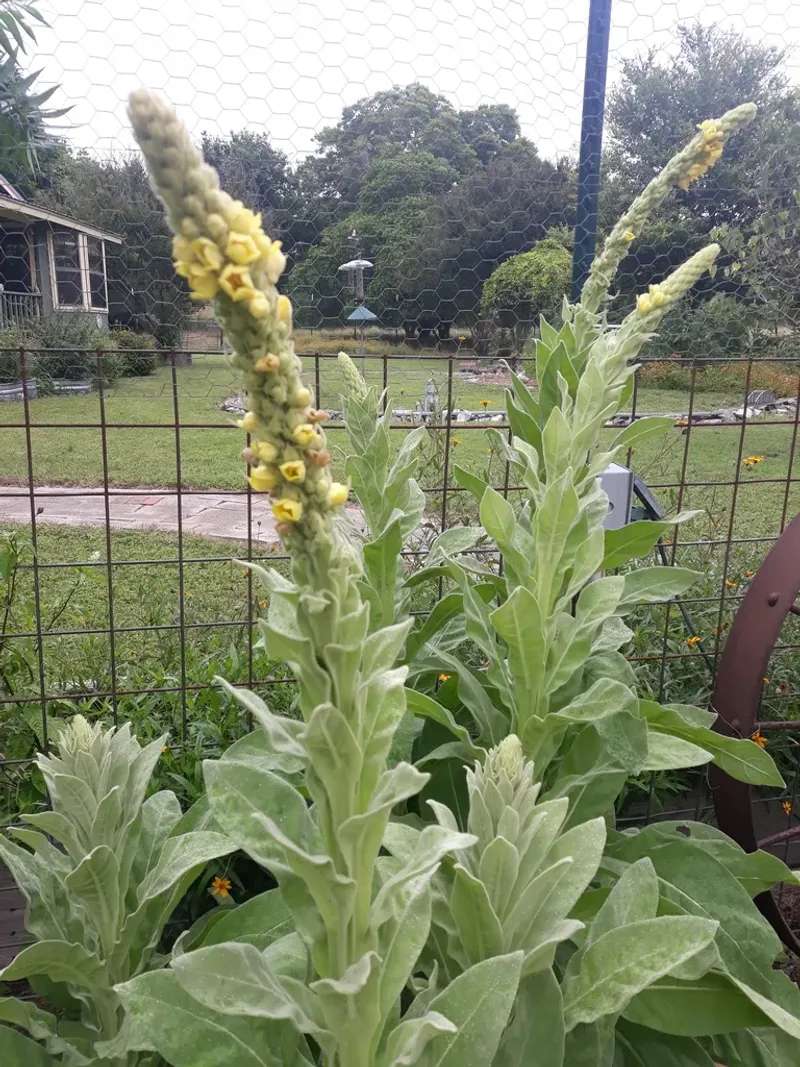
Spotting a tall spike of yellow is usually the end of a two-year story. Common mullein is usually biennial, which means it typically spends its first year as a low rosette of thick, fuzzy, gray-green leaves.
That flat cluster of leaves can sit quietly near a path or garden bed without drawing much notice.
In the second year, the plant commonly sends up a tall flowering stalk. According to the USDA Forest Service review of the species, this rosette-then-stalk pattern is the usual life cycle, though occasional exceptions are reported.
Some plants may take a different timeline, so a rosette that seems to be in no hurry is not necessarily a sign of anything wrong.
The yellow flowers do not all open at once. They open in succession along the stalk, and each individual flower lasts only about a day, as described by UW-Madison Extension.
Because new blooms keep opening as older ones fade, the stalk as a whole can stay in flower for a long stretch.
That difference matters when you are watching your yard. If you see only a few open blooms on a given morning, the plant is not finished or failing.
It is simply working its way up the spike, a few flowers at a time.
A practical clue for gardeners: check the stalk from bottom to top. Faded flowers near the base and fresh buds near the tip mean the plant is midway through its bloom period, which is a good moment to decide what you want to do with it.
The University of Nevada, Reno Extension guide also describes this two-stage pattern, which helps homeowners tell a young rosette from a plant that is about to flower.
Flowers begin mullein’s reproductive process
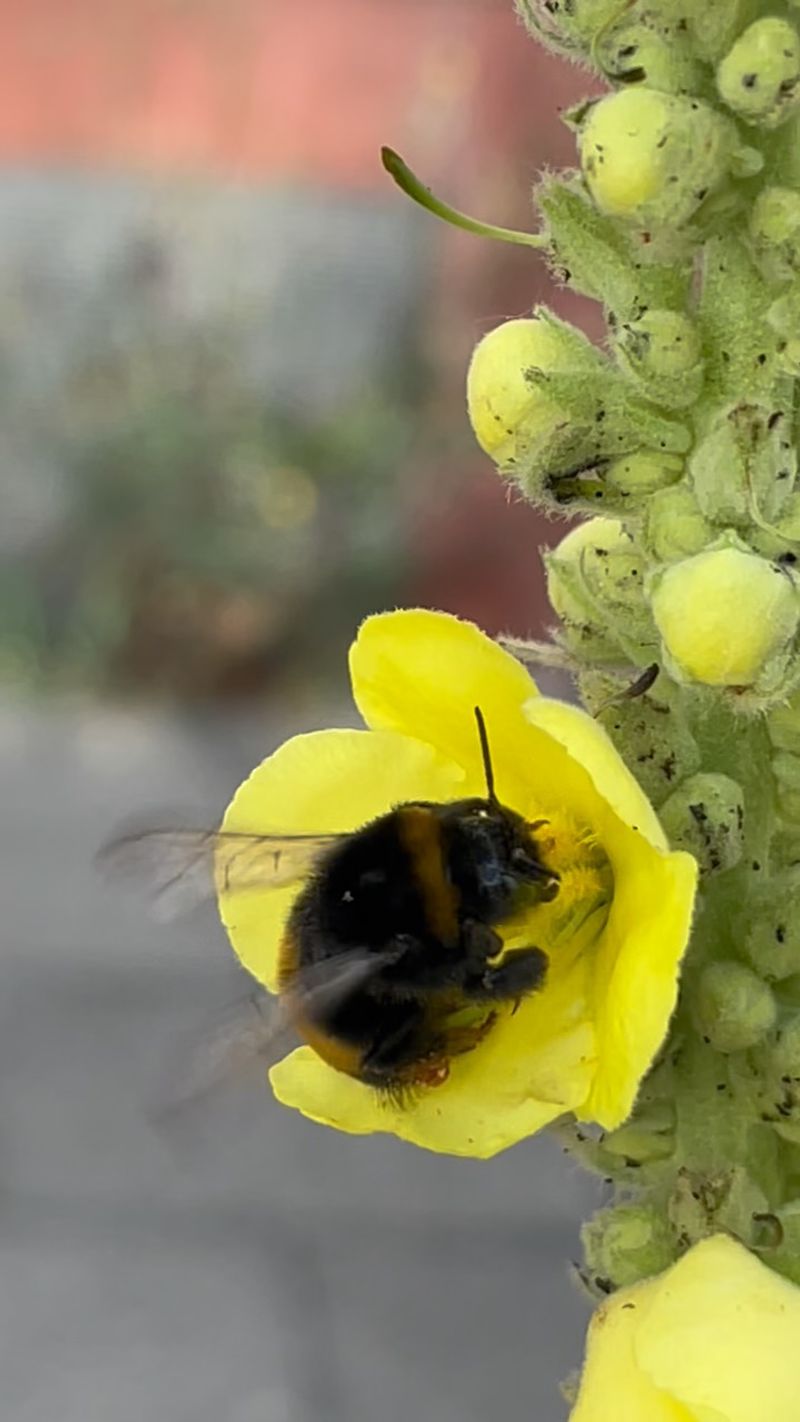
Ask what a flower is for, and the answer is reproduction. Mullein’s yellow blooms are where pollination happens and where seed formation begins.
That is the flowers’ job, but it does not make them the plant’s single most important part. Whether the flowers or the leaves or the roots matter most depends on what you are asking about.
The blooms do attract insects. UW-Madison Extension notes that insects visit the flowers, and bees are identified as effective pollinators.
So if you stand near a blooming stalk on a warm day, you may well see visitors moving from flower to flower.
Here is a detail that surprises many gardeners. A flower that no insect visits can still pollinate itself, according to the USDA Forest Service.
Insect visits can contribute to pollination, but they are not required for seed to form.
That has a useful practical meaning. Keeping insects away from a plant will not reliably keep it from making seed, and a stalk in a quiet corner with few visitors can still go on to produce capsules.
It is also wise to keep the claims modest. Seeing bees on the flowers tells you the blooms are being visited, not that the plant is a major food source for pollinators in your area or better than other choices.
Treat the visitors as a fun bonus to watch, and keep your focus on the bigger question of what happens after the flowers fade.
Capsules and seeds create the lasting garden concern
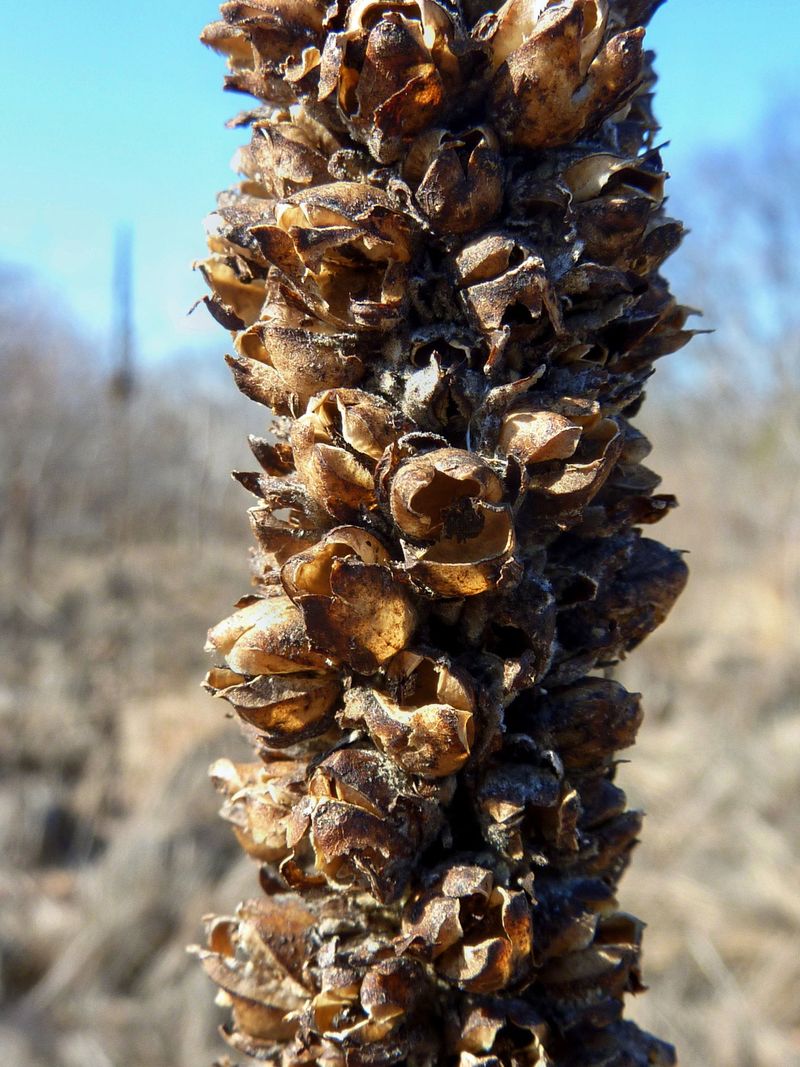
Once a flower is pollinated, it does not simply vanish. The bloom gives way to a small seed-bearing capsule, and a stalk that flowered for weeks can end up lined with them.
For a gardener, this is the point where a pretty yellow spike turns into a decision.
The numbers can be large. The USDA Forest Service review reports averages of roughly 100,000 to 175,000 seeds per plant in particular field studies.
Those are results from specific settings, not a count you should expect from every plant or every yard. A small plant in poor soil may make far fewer.
Seeds can also wait. They can persist in the soil for a long time, which means a plant that came and went may leave behind seeds that sprout later.
UW-Madison Extension describes this seed persistence and notes that disturbance can help new plants get started.
Bare ground is the key clue. Freshly turned soil, a scraped edge, or a spot where a bed was cleared gives seedlings open space and light.
That does not mean every disturbed spot will sprout a crowd of mullein. It only means those places give seedlings a better chance than thick, healthy turf or dense mulch.
So the lasting concern is not the flower itself. It is what the flower leads to.
If you like the look of the stalk, you can enjoy it and still keep an eye on those capsules as they form.
A simple habit helps: walk past the plant every week or so during bloom. Once the lower flowers give way to green capsules, you know seed is on the way and can choose your next step.
Mullein’s behavior varies by region and habitat
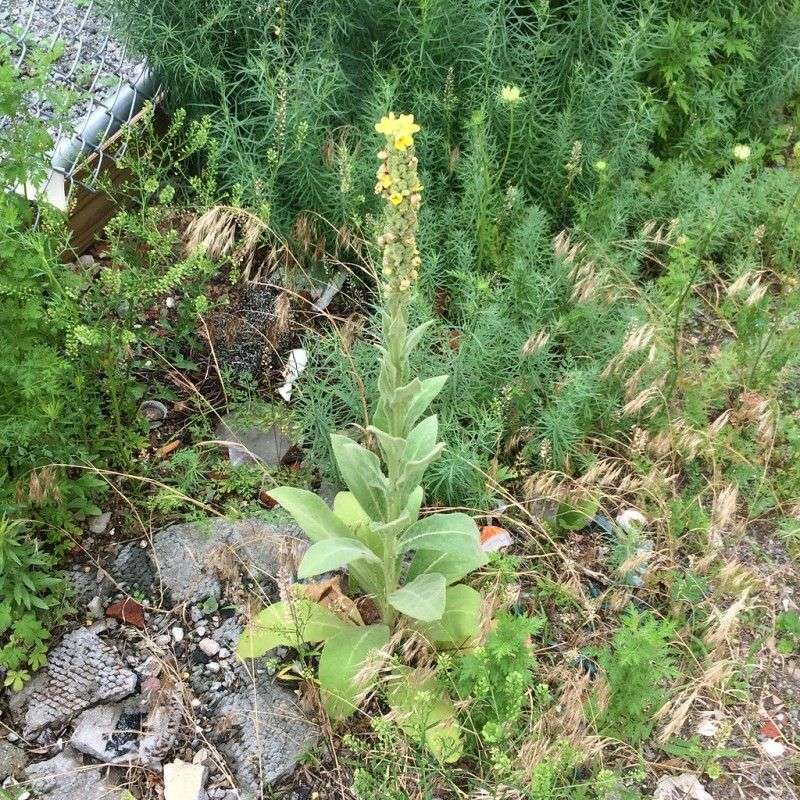
Where you garden changes how much you should worry. Common mullein is not native to North America, so it is a nonnative plant here.
But that label alone does not tell you how it will act in your yard.
The USDA Forest Service says the plant is often associated with disturbed areas and does not persist in many habitats. It also notes dense or persistent populations in some places, including parts of California and Hawaii.
In other words, the same plant can be a passing visitor in one landscape and a lasting presence in another.
Home gardens sit somewhere in the middle. UW-Madison Extension says it is generally not an aggressive weed in Wisconsin gardens.
That is a useful reality check for anyone who has found one stalk and feared the worst.
Local conditions are the deciding factor. Soil, climate, how much bare ground you have, and what grows around the plant all shape whether seedlings show up and stick around.
A single plant does not automatically mean an infestation is coming.
If you want a local answer, look at your own surroundings. Do you see mullein crowding roadsides or open lots nearby?
Has your county extension office listed it as a concern? Those clues tell you more than any nationwide verdict could, and they help you decide how careful to be about seed.
Decide whether you want this plant to set seed
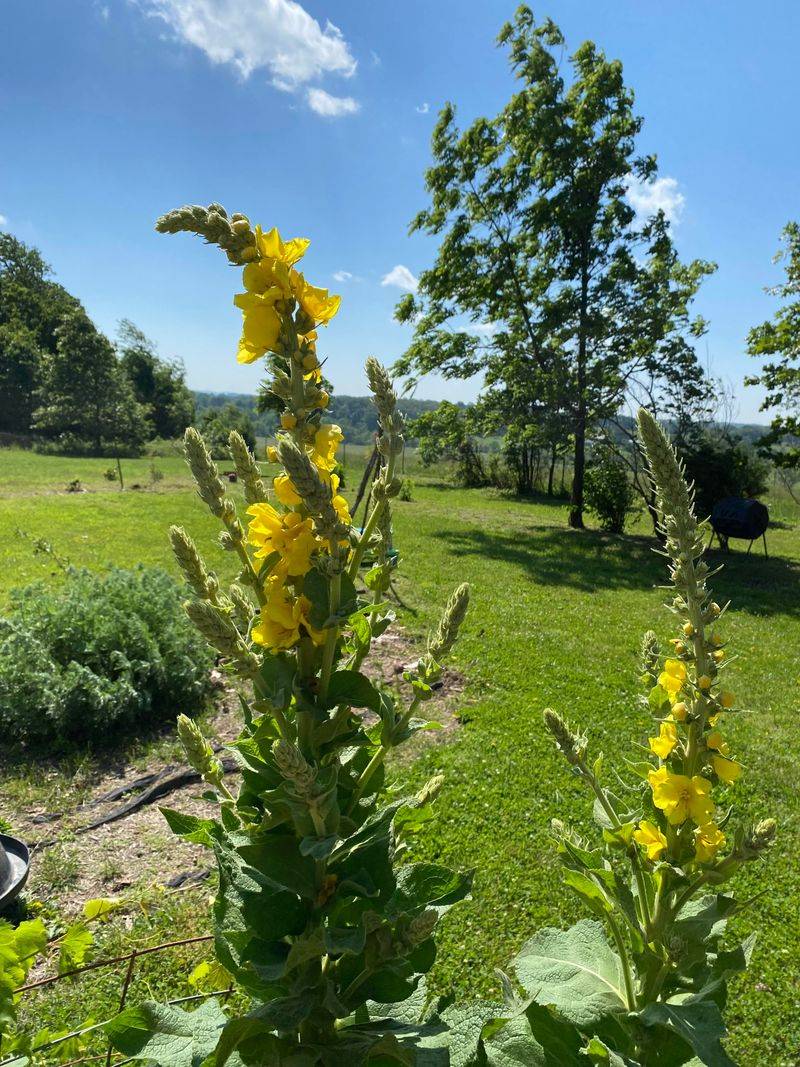
Now the biology turns into a choice. The flowers start the reproductive process, and the seed-setting decision follows from it.
The two are linked, but that does not make the flowers the most important part of the plant in every situation. For your yard, the useful question is simple: do you want seedlings next year?
If you like the plant, you can keep it. Enjoy the stalk, watch the bees, and check it as the season goes on.
Look for green capsules forming below the open flowers, since that is the sign that seed is developing. The USDA Forest Service reports very high seed production in some studies, so remember that a kept plant may leave seed behind.
If you do not want seedlings, plan ahead. Removing the plant before seed forms is the practical route, and earlier is easier than later.
Readers with a lot of bare soil nearby may want to be a bit more cautious, since exposed ground can favor new seedlings.
Your region matters too. UW-Madison Extension describes mullein as generally not aggressive in Wisconsin gardens, so a gardener there may feel relaxed about one plant.
Someone in an area where mullein is persistent might choose differently.
Neither choice is wrong. You are simply deciding how much seed you are comfortable with, and you can make that call while the plant is still in bloom.
Remove unwanted plants early and check for regrowth
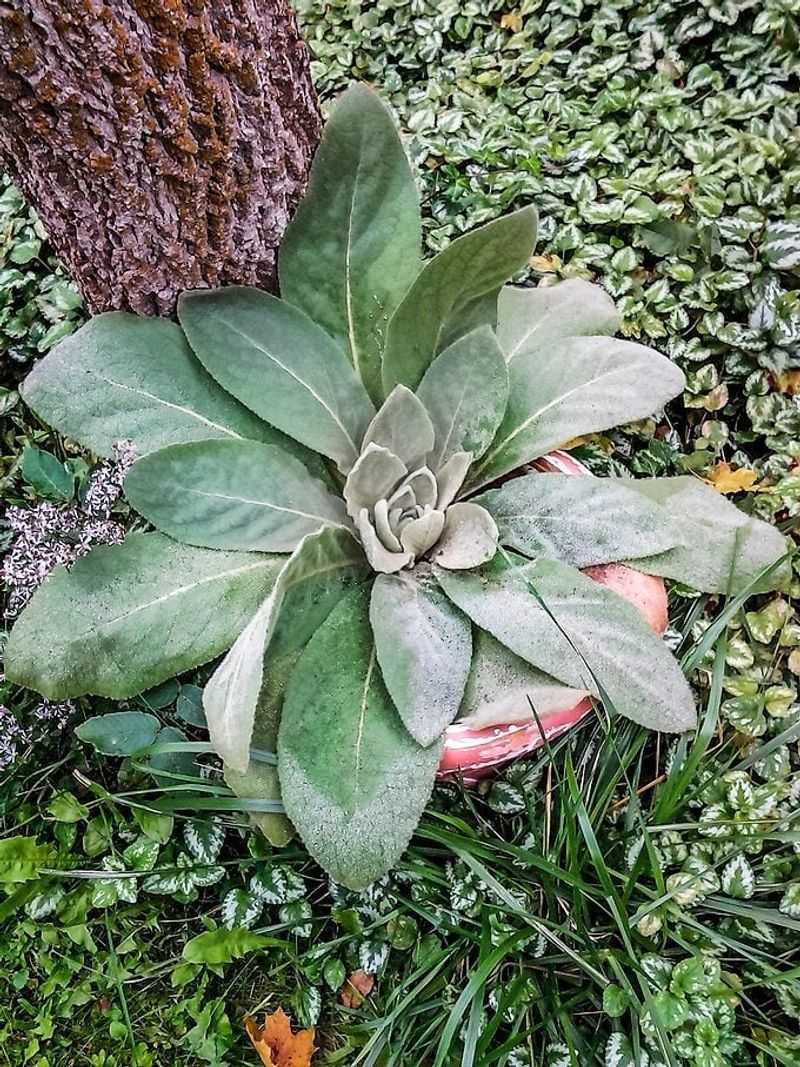
Timing does most of the work here. For small garden infestations, UW-Madison Extension recommends hand removal before flowering.
It also says plants are easier to pull or dig when the soil is moist, so the day after a good rain is a smart time to head out.
Young plants are the easiest to handle. The University of Nevada, Reno Extension also advises removing plants while they are young, before flowers and seeds form.
A first-year rosette can often be lifted out with a trowel or a firm pull, and it needs no special tools.
Bigger plants take more effort. Loosen the soil around the base, work the plant free, and try to take as much of the root as you can.
Then bag it or move it away from bare soil so any seed has less chance to fall in your garden.
Be careful about a shortcut. Cutting only the flowering stalk is not a guaranteed fix, because Nevada Extension warns that a cut plant can regrow stalks and flower again.
One trim does not promise that seed will not form.
The safer habit is to check back. Look at the spot every week or two after removal.
If you see new shoots or a fresh stalk, deal with them right away.
A mullein stalk gives you plenty of warning, so the easy work happens early.