
Can Your North Carolina HOA Make You Remove Native Plants? It Depends on the Documents
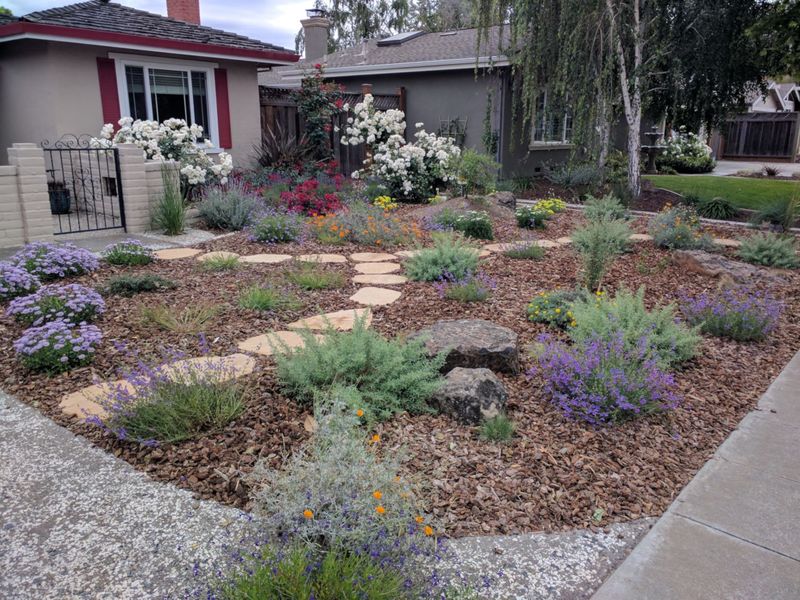
A neighbor calls your pollinator bed messy, and suddenly a letter shows up in your mailbox. Before you grab a shovel, it helps to know that a complaint is not the same as a rule.
North Carolina has no blanket law that protects native gardens from HOA rules, but an HOA also cannot win just because someone dislikes how your yard looks. Here is how to find out where your garden really stands.
Start with the written rule, not the word “messy”
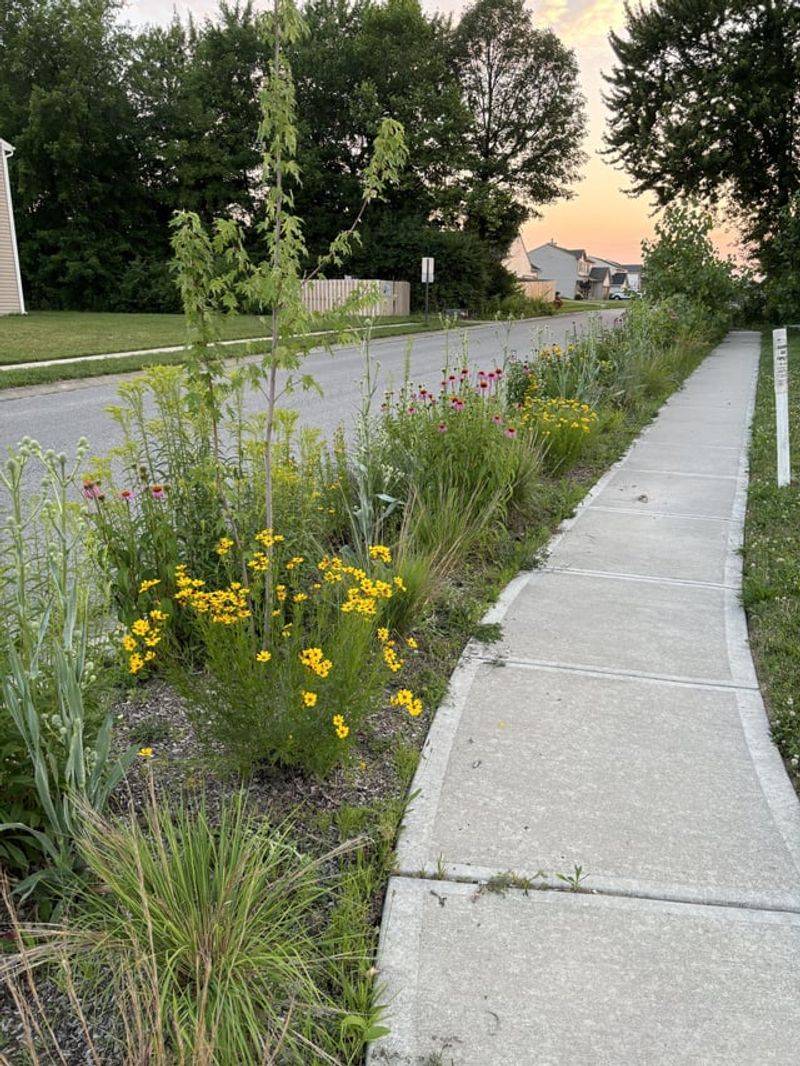
A neighbor saying your garden looks messy is an opinion. It does not prove you broke a covenant.
Your case starts with the actual written rule, and that rule has to come from your community’s own paperwork.
Get a copy of the recorded declaration, plus the bylaws and any current rules the board has adopted. The declaration is usually filed with your county’s register of deeds, and your closing documents or the HOA may also have a copy.
Ask for the most recent versions in writing so you know nothing has been amended.
Next, find the exact clause the HOA cites in its notice. Is it a broad appearance standard, such as a requirement that lots stay neat?
Is it a maintenance clause with specifics like weeds or grass height? Or is it an approval clause that says you need permission before changing or removing landscaping?
Each type works differently, and each calls for a different response.
North Carolina law lets covered associations adopt rules and enforce their governing documents, as the state’s Planned Community Act on association powers explains. That power runs through the documents, though.
It is not a free-floating right to enforce personal taste.
A plant being native will not, by itself, excuse a clear covenant or a valid approval requirement. The facts of your yard matter just as much as the wording.
Think of a fenced, mulched bed of coneflower and little bluestem beside a lot full of knee-high weeds: the same clause could land very differently on each.
The Planned Community Act does not reach every community in the same way

Picture two neighbors in different subdivisions, both getting a letter about their gardens. Their HOAs may not have the same legal footing.
North Carolina’s Planned Community Act is a big part of the picture, but it is not applied the same way everywhere.
For communities it covers, the Act lets an association adopt and amend rules and enforce the declaration, bylaws, and rules. The details of that power are in the statute on association powers.
Boards often lean on this authority when they send notices.
Whether the Act applies to your community can depend on when it was created. The applicability section shows that some provisions reach communities created before 1999, and that statutory exceptions exist.
So an older neighborhood may be treated differently from a newer one, and a small or unusual community may fall under an exception.
Here is a clue to check: look at the date your declaration was recorded, and ask whether the HOA’s notice cites the statute. If you are unsure which parts of the Act reach you, a North Carolina attorney can read the documents and tell you.
Keep this legal framework separate from the garden question. Even where the Act applies, it does not say your particular bed breaks a particular rule.
That answer still lives in the covenant language and the facts on the ground.
The landscaping cases turn on language and facts
Two North Carolina appellate cases show how much the wording of a covenant matters. Neither one is a native-garden case, and neither settles every dispute.
Still, side by side they teach a useful lesson.
In Harrison v. Lands End of Emerald Isle Association, the Court of Appeals found phrases like clean and sightly and compatible aesthetic appearance too subjective to enforce in that case.
But the opinion is unpublished, which means it is not controlling authority. It is tied to its own facts, and it does not mean every general landscaping clause fails.
Now look at RiverPointe Homeowners Association v. Mallory.
There, the declaration spelled out upkeep terms, including keeping the lot free of trash, weeds, and uncut grass over six inches. It also required approval before removing landscaping.
The court upheld the association’s authority to fine under the law and documents in that case.
RiverPointe was not about native plants. It does not tell you how a pollinator bed would fare under another HOA’s rules.
The takeaway is practical. A vague standard rests on one person’s taste, which is harder to enforce.
A measurable standard or a clear approval step is easier for an association to point to. Read your clause and ask which kind it is.
Then look at your own facts. A deliberately planned bed with defined edges and named species tells a different story than an unmanaged patch.
Neither case guarantees your result, so treat them as illustrations rather than promises.
Standing does not decide whether the garden violated a rule

Lawyers use the word standing for a simple question: is this party allowed to bring this claim? It is different from asking whether your garden actually broke a covenant.
Mixing the two up can send you down the wrong path.
North Carolina appellate courts look at the circumstances and the governing documents when they consider an association’s standing. In Creek Pointe Homeowners Association v.
Happ, the court indicated that the Planned Community Act does not automatically give an HOA standing in every case. So the Act is not a magic key for every association.
Still, do not treat this as a guaranteed exit. Many associations do have the authority to enforce their documents, and a standing argument depends heavily on the details.
Raising it does not promise that enforcement will fail.
Even if an association can bring a claim, it still has to show your garden violates a specific, applicable restriction. And if you win a standing point, that does not prove your garden complies.
Two separate questions, two separate answers.
Keep your focus on the documents. Who has the power to enforce, and what exactly does the rule require?
If your notice threatens litigation, a North Carolina attorney can sort out standing and the merits far better than a web search can.
Follow the applicable process if the HOA threatens a fine

A fine cannot simply appear out of nowhere. For covered communities, the Act sets a default process that applies unless your declaration supplies its own specific one.
So check your documents first, because your community’s steps may differ.
Under the statute on fine procedures, the default steps include notice of the charge, a chance to be heard and present evidence, and notice of the decision. A fine of up to $100 may be imposed for the violation.
Additional daily fines are possible only if the statutory conditions are met.
Here is a practical sequence you can follow:
First, save the notice and take dated photos of your garden as it looks right now. Second, find the clause cited and the deadline for responding.
Third, document the planting: species list, bed boundaries, and how you maintain it. Fourth, respond in writing before the deadline, keeping a copy and proof of delivery.
Ask for the hearing if one is offered, and bring your evidence. Stay calm and factual, and stick to what the clause actually says.
This is general information, not legal advice. If a fine or lawsuit is threatened, talk with a North Carolina attorney before ignoring the notice or pulling out plants.
Removing a bed cannot be undone, so get advice first.
Make the garden’s design and care easy to see
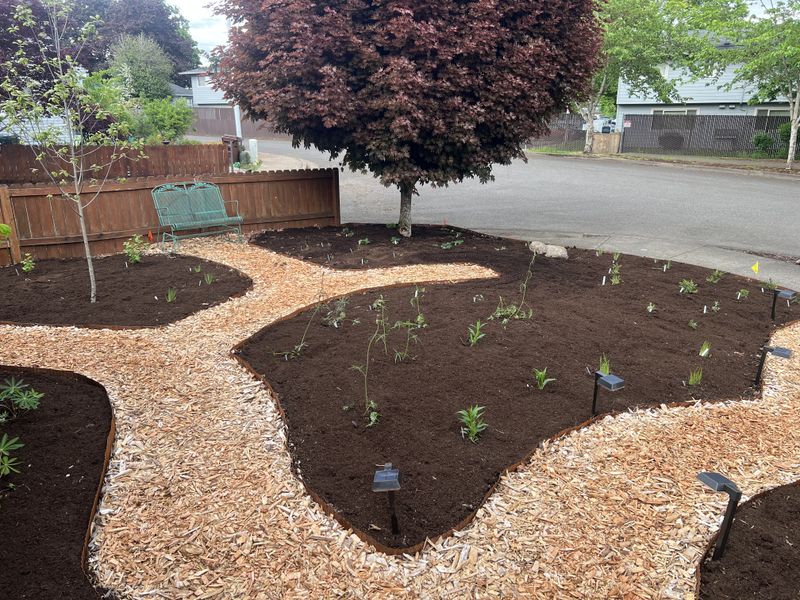
A garden that looks planned is easier to defend than one that looks forgotten. You can make your design more obvious without changing your wildlife-friendly goals.
Just remember that none of this is legal protection.
Start by naming your plants. Write down each species and where it grows, and sketch a simple map of your bed boundaries.
NC State Extension’s native plants guidance advises identifying species and checking regional suitability. A wildflower label on a seed packet does not mean the plants are native to your part of North Carolina.
Plan for size, too. Extension’s landscape design chapter recommends matching plants to site conditions and thinking about mature size and gaps.
A plant that flops over the sidewalk in July may spark the next complaint.
Borders can make a space look more defined, and mulch can help suppress weeds, according to NC State’s wildlife-friendly landscape advice. Where they suit your site, a crisp edge and fresh mulch signal care to passersby.
Keep a simple record: dated photos, your plant list, and a maintenance log. These steps may make your bed look more intentional, but they cannot guarantee approval or replace compliance with a rule that applies to you.
A garden built for bees and goldfinches can still speak the language of tidy edges.