
If You Want Free Flowers Every Spring, Here Are 13 Perennials That Reseed Themselves Without Any Help
Buying new flowers every spring adds up fast, and it can feel like you are starting over each year. Some plants quietly handle that job for you by dropping seeds that sprout on their own.
Once you plant them, they keep coming back in new spots with almost no work from you. Here are 13 easy growers that can fill your beds with free blooms season after season.
1. Foxgloves
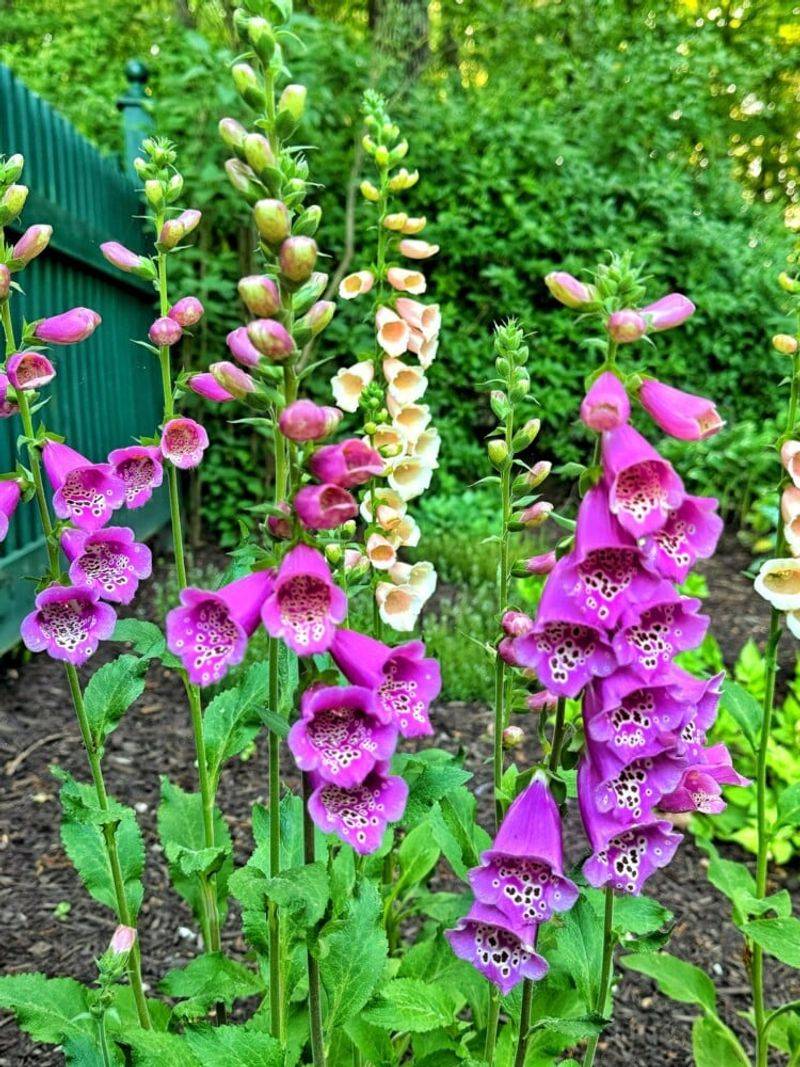
Picture a spire of speckled bells taller than your garden fence, and then picture a dozen more showing up next year without you lifting a trowel. Foxgloves are technically biennials, meaning each plant grows leaves one year and flowers the next.
Because they drop so many tiny seeds, a patch behaves just like a perennial.
They are happy in dappled shade and can even cope with heavy clay soil, which makes them a lifesaver for tricky corners. Leave a few flower stalks standing after bloom so the seed pods can ripen and split open in summer.
One caution matters here: every part of the plant is toxic if eaten. Plant them away from spots where kids or pets like to nibble, and wear gloves when you handle them.
2. Lady’s Mantle

After a rain shower, look closely at Lady’s Mantle and you will see little beads of water sitting on its fuzzy leaves like jewels. That magic trick alone earns it a spot in plenty of backyards.
The plant spreads two ways, by widening its clumps and by scattering seed. Frothy chartreuse flowers appear in early summer and pair nicely with almost any color.
It grows well in full sun in cooler areas and prefers partial shade where summers run hot.
If you ever feel it is getting too friendly, simply trim off the faded flower heads before they brown. That one quick snip keeps the seedlings to a number you can handle, and fresh leaves will often push up afterward.
3. Forget-Me-Nots
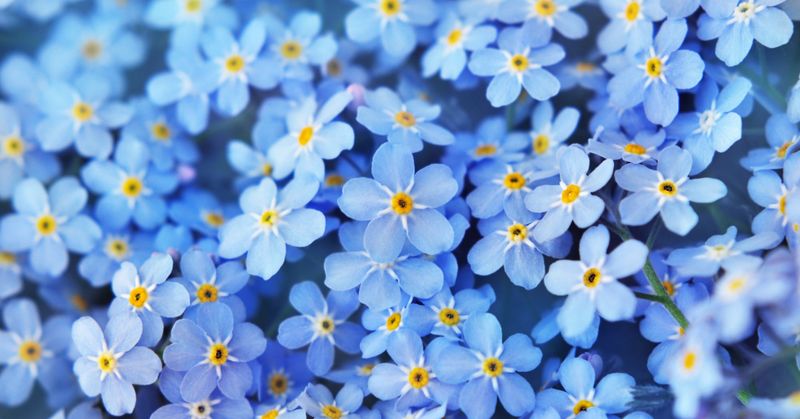
Few sights say spring quite like a sea of tiny blue flowers washing across a garden bed. Forget-me-nots create exactly that, and they do it almost entirely on their own.
Most kinds act as biennials or short-lived perennials, yet they reseed so freely that the carpet never seems to fade. They like cool weather, moist soil, and a bit of shade, which makes them great under shrubs and trees.
Worried about too many? Relax, because the seedlings pull up easily by hand.
Once flowering ends and the plants look tired, you can yank most of them and leave just a few to drop seed for next year.
4. Verbena bonariensis
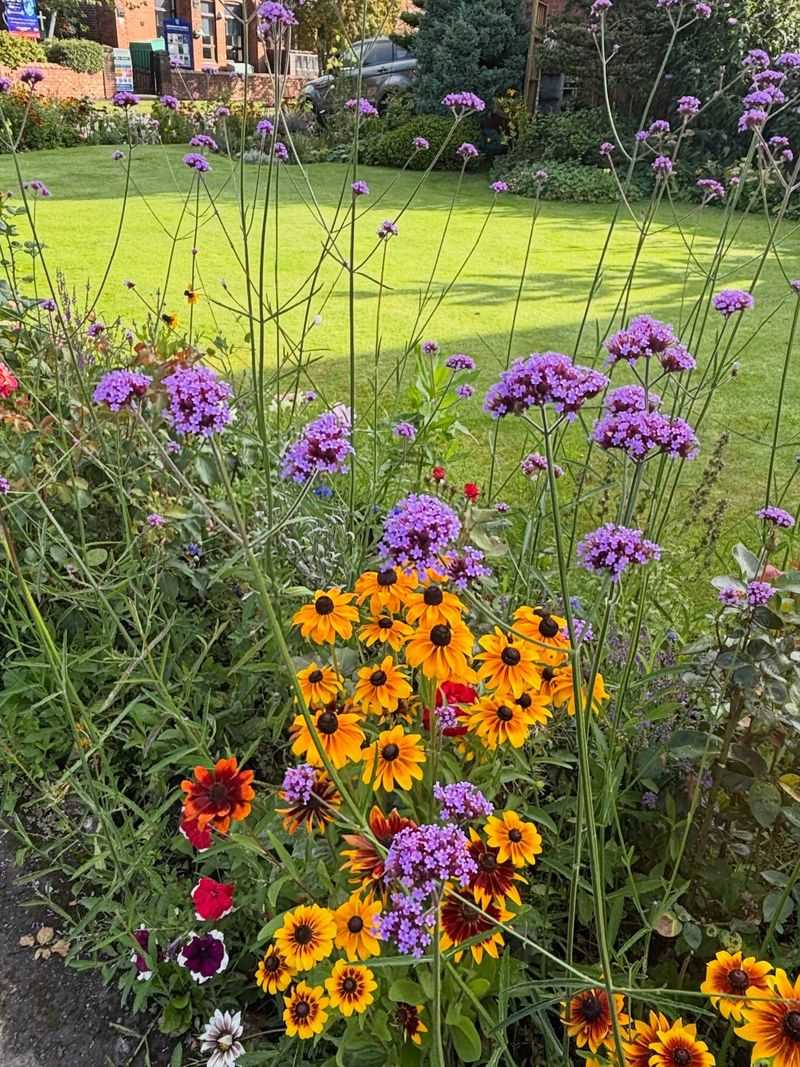
Butterflies treat Verbena bonariensis like a buffet line. Its small lavender clusters float on stiff, skinny stems that can reach four feet, so the blooms seem to hover in midair.
Many gardeners grow it as an annual, but it drops seed so generously that it shows up again the next year across much of the US. Full sun and decent drainage are all it really asks for, and it laughs off summer heat.
Because the stems are so see-through, you can let seedlings pop up at the front of a bed without hiding the plants behind them. Pull any that land in the wrong place while they are still small.
5. Purple Coneflower
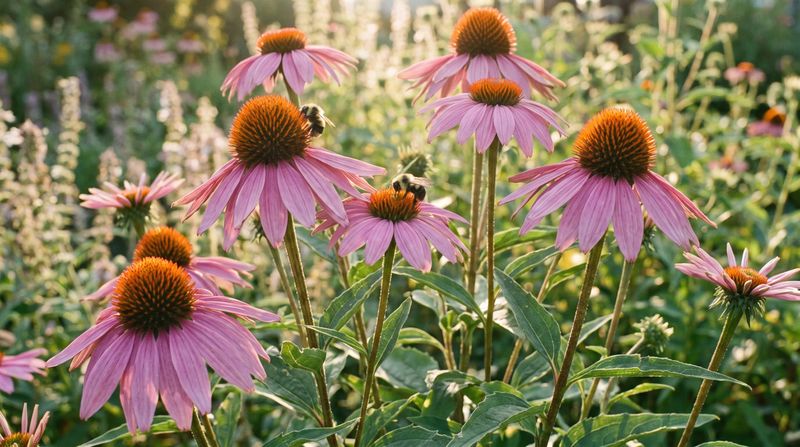
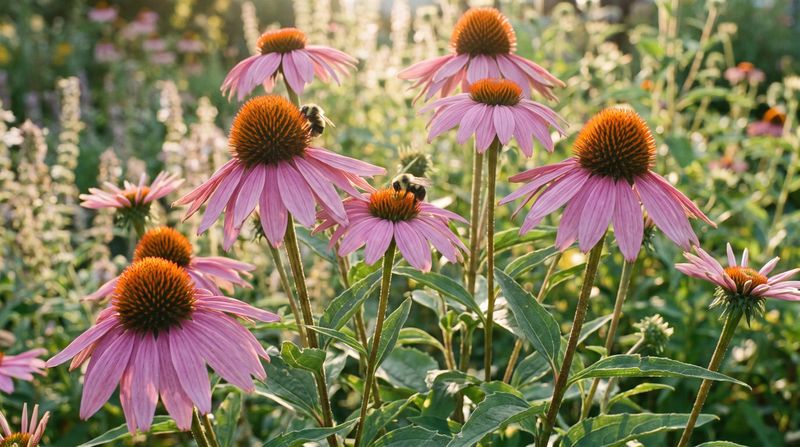
Native to eastern North America, purple coneflower has been pulling its weight in American gardens for generations. Its pink-purple petals droop around a spiky orange cone, and bees cover it all summer.
Here is the trick to getting free plants: skip deadheading late in the season. The dried cones hold seeds that goldfinches love to snack on, and whatever the birds miss falls to the ground and sprouts in spring.
Coneflowers handle drought, heat, and poor soil better than many fussier flowers. Give them sun, avoid soggy spots, and they will slowly build a colony for you.
6. Hollyhock
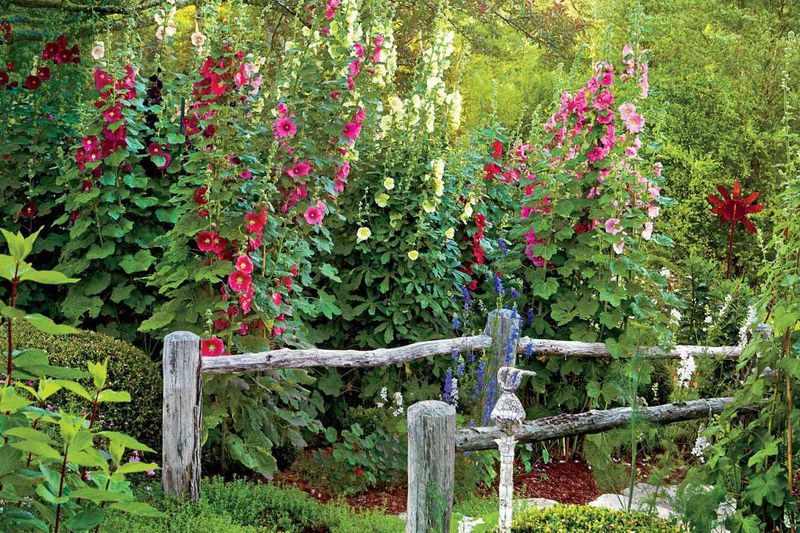
Grandma’s fence line probably had these towering beauties, and there is a good reason they stuck around for decades. Hollyhocks reseed so reliably that one planting can last for generations.
Most are biennials or short-lived perennials, so the first year you mainly see leaves. After that, new seedlings keep the cycle rolling, giving you flowers every summer once the patch is established.
Getting the basics right makes all the difference. Plant them in full sun with good air flow, and water at the soil rather than over the leaves, which can reduce the rust spots hollyhocks are known for.
Let the round seed pods dry on the stalk before you tidy up.
7. Columbine
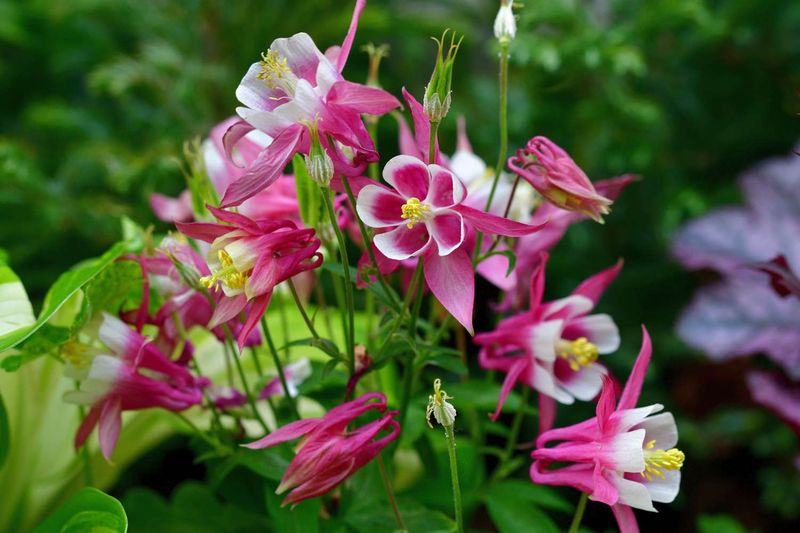
Ever notice a flower that looks like a tiny jester’s hat? That is columbine, with its spurred petals dangling in shades of purple, red, yellow, and white.
Columbines tend to wander politely, popping up in a crack by the path or beside a rock. They rarely take over, which makes them one of the best behaved self-seeders you can grow.
Fun fact: different columbine types cross easily, so seedlings may surprise you with brand-new color combos. Hummingbirds love the nectar tucked in those spurs, too.
8. Hardy Geraniums
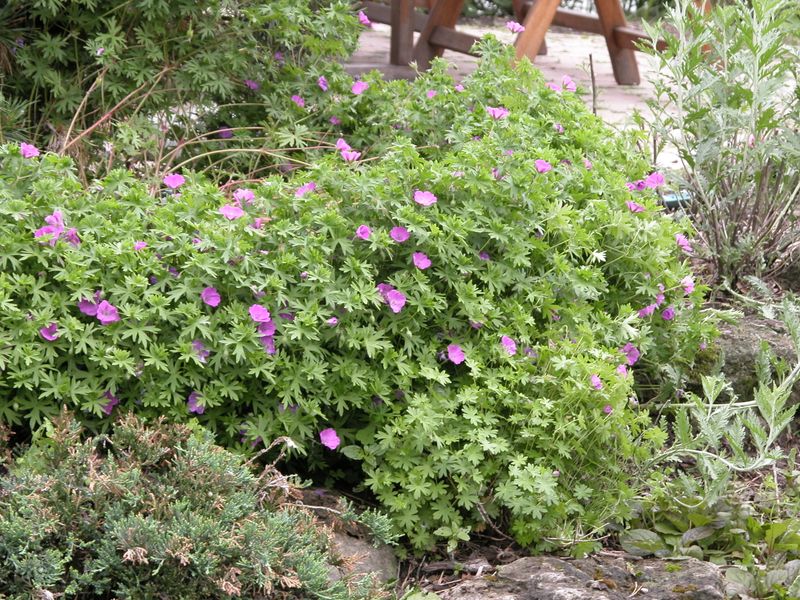
If you love geraniums, meet their tougher cousins. Hardy geraniums, sometimes called cranesbills, survive winter in the ground and come back year after year, unlike the potted geraniums many people buy each spring.
Several kinds reseed well. Geranium phaeum ‘Samobor’ is a great example, with dusky maroon blooms and leaves marked with a dark band.
It fills shady spots that frustrate other flowers.
When the plants look ragged after their first flush, cut them back hard. Fresh leaves and sometimes a second round of flowers often follow, and a few seeds will have already dropped to start new plants.
9. Black-Eyed Susan
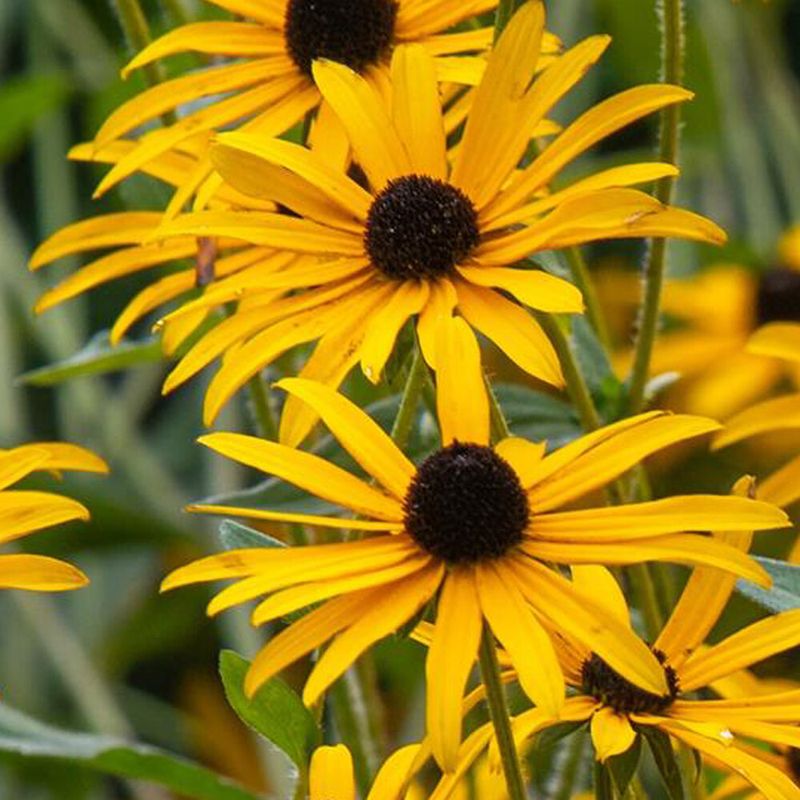
When July heat has your petunias sulking, black-eyed Susans are just getting warmed up. Their golden petals and chocolate centers shine in blazing sun where softer flowers wilt.
Rudbeckia hirta is often biennial or short-lived, but it reseeds so generously that you will rarely notice any plant missing. It handles drought, heat, and average soil with ease.
Leave the seed heads standing into fall and winter. Birds will pick at them, and fresh seedlings appear in spring right where you want sunny color.
10. Rose Campion
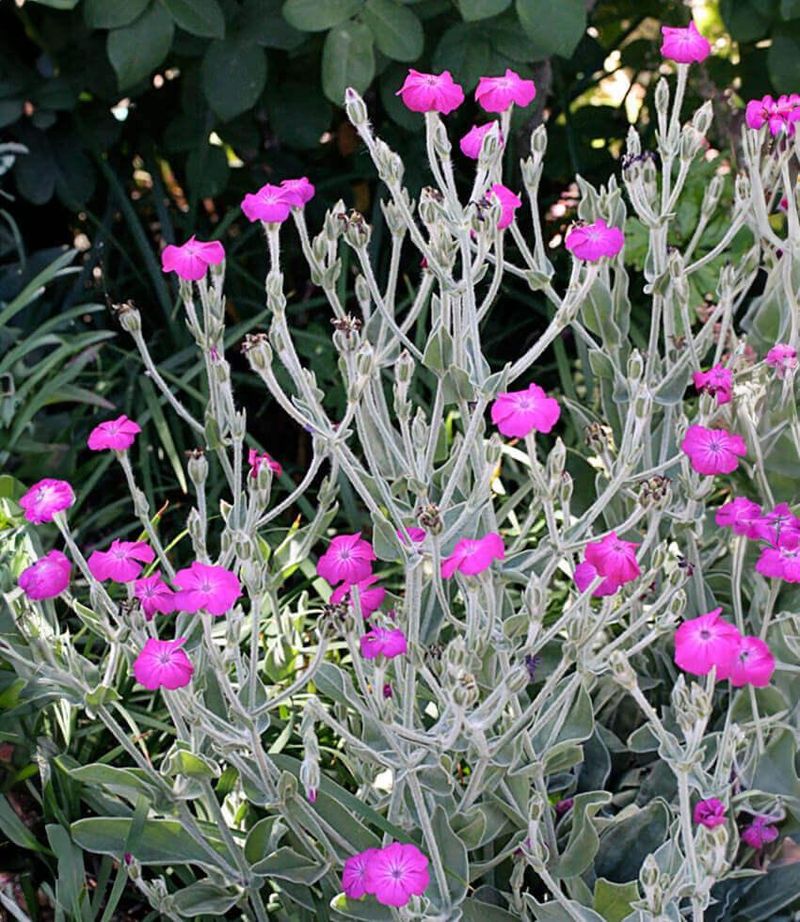
Hot magenta against fuzzy silver leaves is a combo you do not forget. Rose campion stands out in any bed, even when it is not blooming, thanks to that soft felted foliage.
It flowers through much of summer and likes sunny, dry, well-drained ground. Rich, soggy soil actually shortens its life, so this is one plant that thrives on a little neglect.
Each plant may only live a few years, but seedlings fill in constantly. Pull extras in spring, or share them with a neighbor who needs a tough flower for a dry corner.
11. Coreopsis
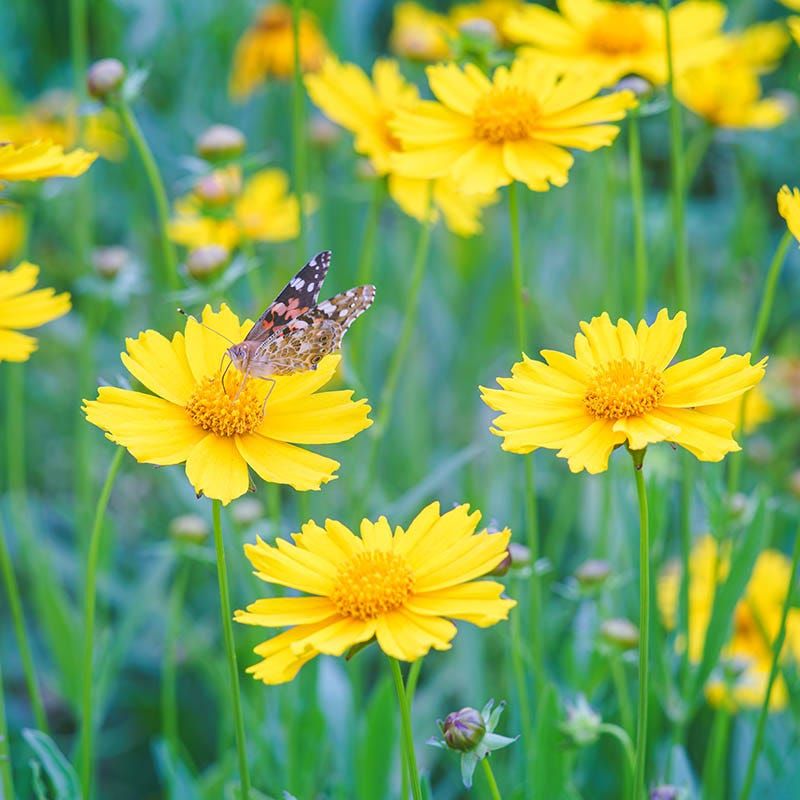
Sunshine in flower form, coreopsis brings bright yellow daisies that bloom for weeks. Its other name, tickseed, comes from the small seeds that look a bit like ticks.
Native to North America, it seeds itself freely and can knit together into a colorful groundcover. It is drought tolerant and does best in full sun with soil that drains well.
Shearing spent blooms midsummer can encourage more flowers. Just stop cutting toward late summer so some seeds can ripen and give you next year’s crop.
12. Sweet William
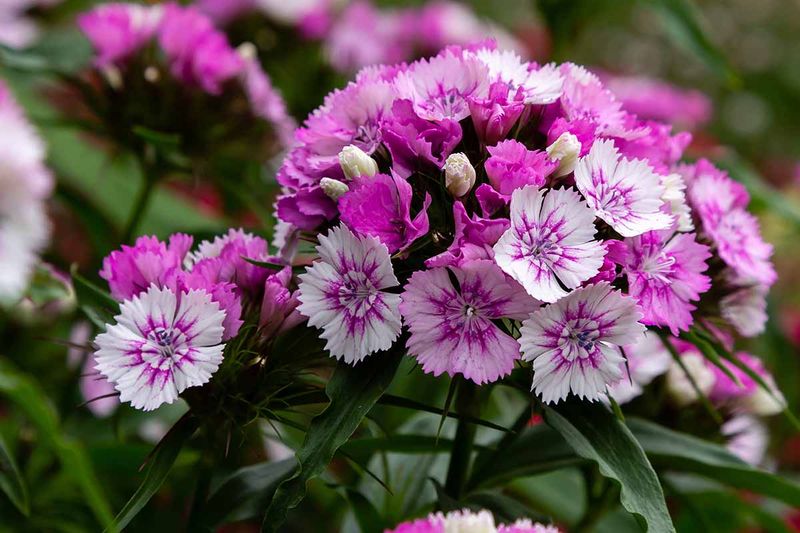
Old-fashioned and sweetly scented, Sweet William has fringed flowers packed into tight clusters of pink, red, white, and bicolor. It brings a nostalgic, cottage-garden charm.
It grows well in USDA zones 3 to 7 and readily sows itself. Plants often act as biennials, so fresh seedlings keep blooms coming each late spring and early summer.
Give it sun to light shade and soil that does not stay wet. Cut some clusters for a small vase, but leave a few to set seed.
13. New England Aster
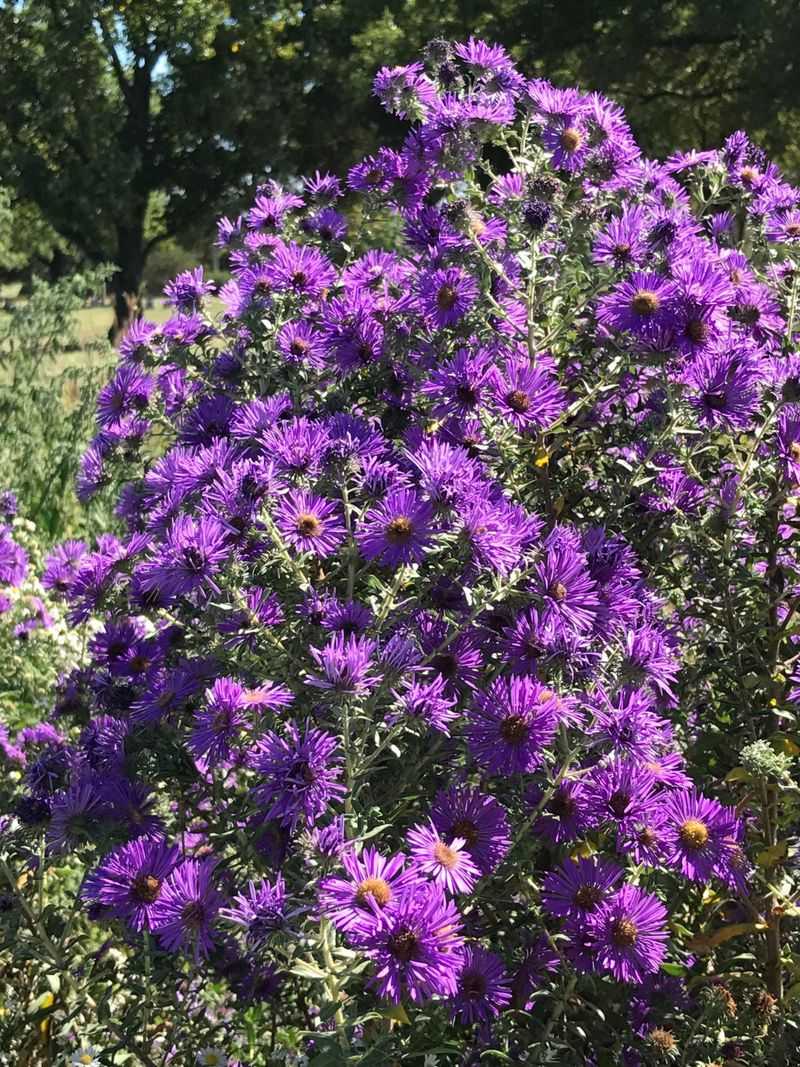
Just when most gardens start fading, New England asters explode in purple and pink. They are a late-season fuel stop for bees and migrating monarchs.
This native perennial self-seeds reliably, so a clump can slowly become a drift. Give it full sun and average soil.
Tall stems may flop. Pinching them back by half in early summer can keep plants sturdier, and bloom stays just as heavy in fall.