
Red or Purple Christmas Cactus Segments: A Clue to Check Your Growing Conditions
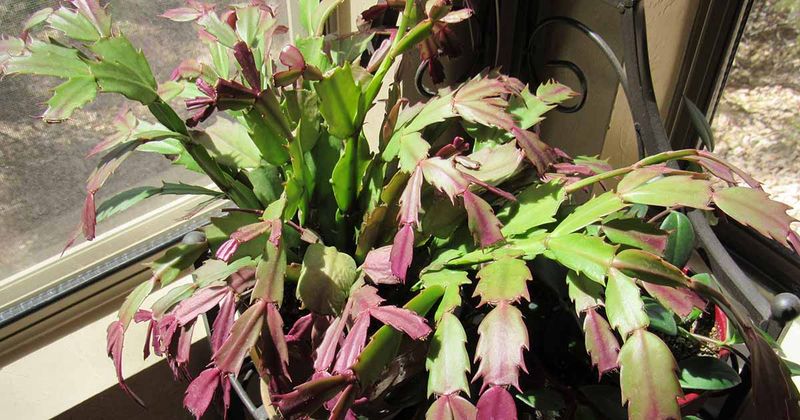
You walk past your Christmas cactus and notice some segments have turned red or purple. It looks alarming, especially if you are hoping for holiday blooms.
The good news is that this color is a hint, not a verdict. Here is how to read it, what to check, and what to leave alone.
Color is a clue, not a bloom forecast
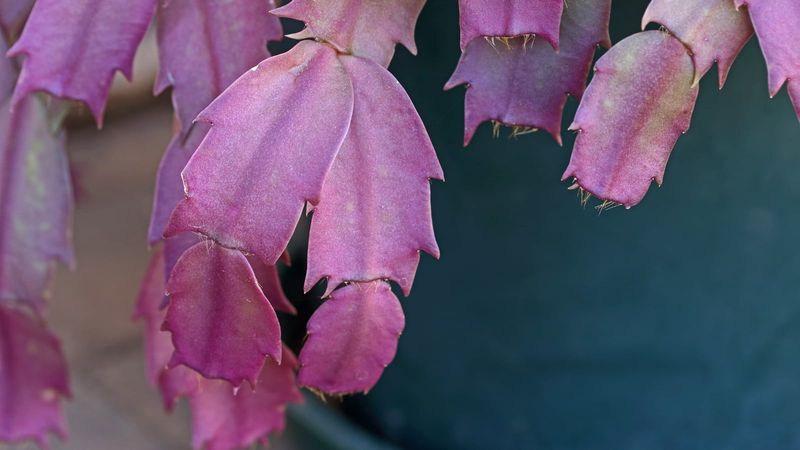
Seeing red or purple on your Christmas cactus can make your stomach drop. Take a breath.
UC Master Gardeners note that stress can produce red segments, and even a heavy bloom can be a stress on the plant.
Stress is a broad word, though. The color tells you something has changed or is demanding a lot from the plant, but it does not tell you what.
It also does not tell you whether flowers are coming or not.
Red pigment can also show up for harmless reasons. A University of Florida IFAS newsletter describes red pigment developing in response to sun exposure, and new tips on cuttings may be red as they grow.
So skip the panic and skip the quick fix. Instead, treat the color as a nudge to look at the plant’s light, its pot, its soil, and what you have been doing lately.
A calm look often turns up something simple, and sometimes nothing is wrong at all.
Resist the urge to spray, feed, or move the plant right away. Changing many things at once makes it impossible to know what helped, and it can add new stress to a plant that was only mildly bothered.
When might red tips be normal?
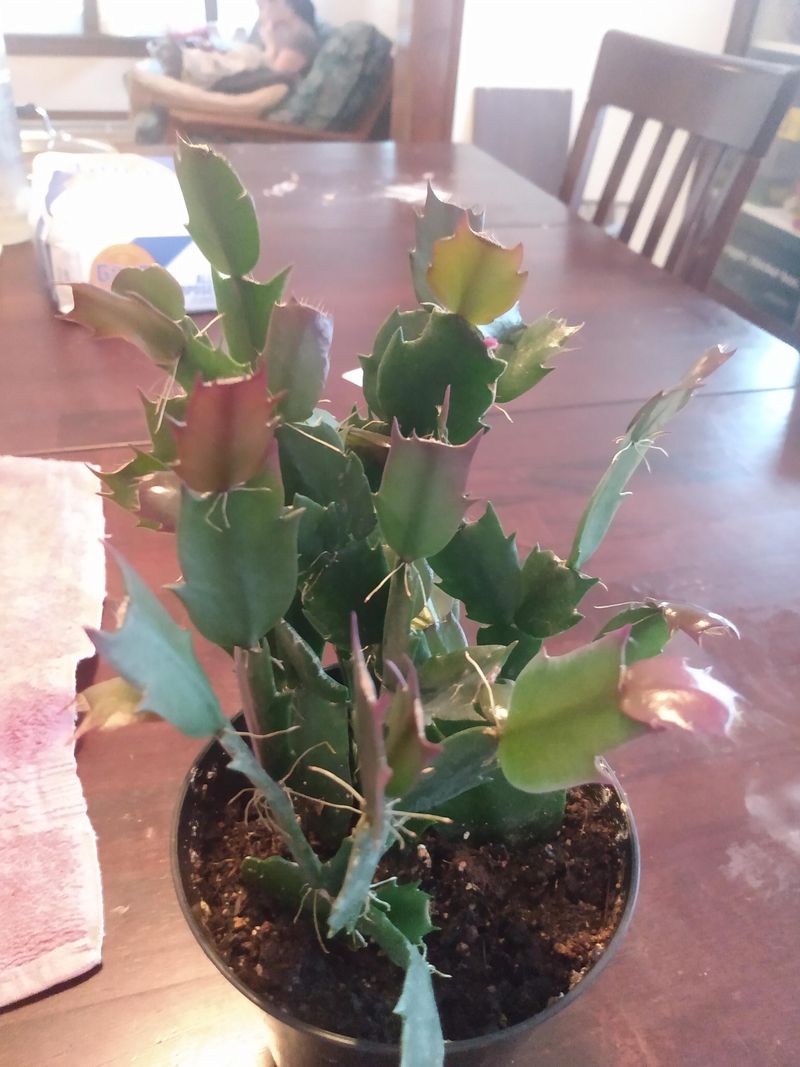
A baby cutting that sprouts reddish tips is often just doing what growing plants do. New tips on cuttings may be red as they grow, according to that IFAS publication.
So ask yourself first whether the color is on fresh growth.
Those segments are not true leaves. As the University of Connecticut Extension explains for holiday cacti, they are flattened stems, and they can react to light much like other stems do.
Sun is the other common explanation. If the plant spent a few days on a bright sill, near a hot pane of glass, or outdoors over summer, extra sun can bring out red pigment, mostly on the side facing the light.
Use these as context, not as a final answer. Not every red tip is harmless, and not every red segment means damage.
Old, tough segments turning red across the whole plant deserve a closer look at conditions, while a few red-tipped new shoots on a sunny shelf may simply be growing.
Jot down when you last moved the plant, repotted it, or changed its spot. That little history often explains the color better than any guess.
Read the whole plant before blaming one cause
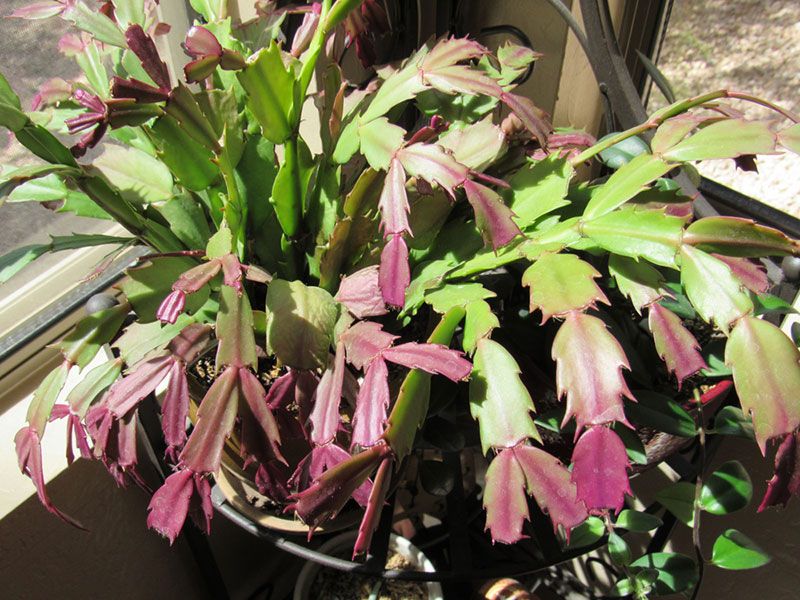
Picture a detective walking around the plant before naming a suspect. Look at the entire cactus, not only the red parts.
Are the segments plump or wrinkled? Is new growth appearing?
Does the soil smell fresh or sour?
A Cooperative Extension answer lists bright light, heat, and possible nutrient deficiencies among potential causes of red or purple coloring. That is a list of possibilities to consider, not a diagnosis for your plant.
Think through your recent care. Did the plant get moved into a hot, sunny window?
Is it near a heating vent or a radiator? Has it been in the same pot and mix for years, with no feeding at all?
Also consider the calendar. UC Master Gardeners point out that heavy flowering can itself be stressful, so a plant that just put on a big show may show some color afterward.
Nutrient trouble is possible, but color alone cannot prove it. Please do not reach for phosphorus, magnesium, or Epsom salts just because segments look red or purple.
Without other clues, those additions are guesses, and guesses can add problems rather than solve them.
Once you have gathered clues, look for a clear, obvious problem. If you find none, leaving the plant steady is a perfectly good choice.
Harsh sun calls for a gentler spot, not darkness
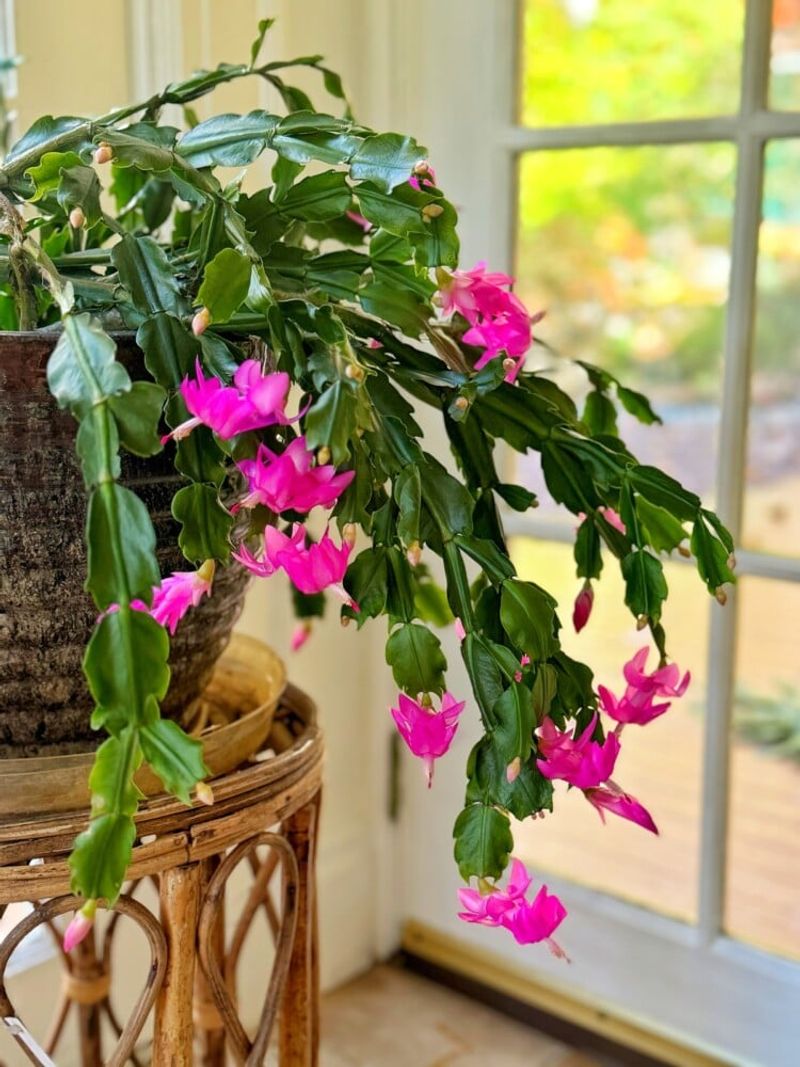
Holiday cacti come from rainforest settings, so bright, filtered or indirect light suits them best. The University of Minnesota Extension covers this in its holiday cactus guidance, and too much direct sun can damage the foliage.
If your plant sits in a window that blasts it with afternoon sun, that is worth fixing. Slide it back a few feet, hang a sheer curtain, or shift it to a window with softer light.
The University of Connecticut Extension also describes these plants as doing well in bright but not harsh conditions.
Aim for gentler, not gloomy. A dark corner trades one problem for another, since the plant still needs plenty of light to grow and store energy.
Bright spots that avoid the strongest midday and afternoon rays are the goal.
Notice how the plant responds over the following weeks. Existing red segments may stay as they are, and new growth may look greener, or it may not.
Moving the plant is a reasonable step for comfort, but it is not a promise that color will reverse.
If summer outdoor time is part of your routine, choose open shade rather than a spot that gets direct sun for hours.
Check the mix and drainage before changing water
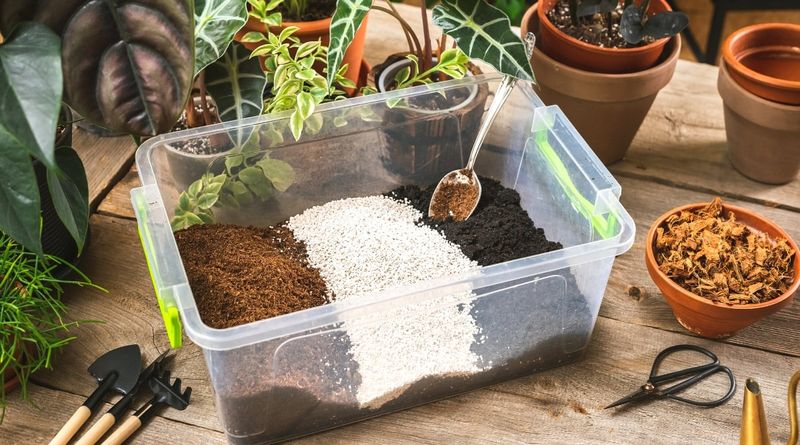
Before you touch the watering can, look at what the roots live in. Push a finger into the mix.
Is it soggy, bone dry, packed down, or crumbly and light? The answer matters more than the color on the segments.
Holiday cacti need good drainage and should not sit in water, and both overly wet soil and excessive dryness can cause trouble, as described by Iowa State University Extension. The University of Minnesota Extension also stresses both adequate moisture and free drainage.
Check the pot itself. Are there drainage holes?
Does the saucer hold water for hours? Empty any standing water, and if the mix has turned dense and heavy, consider repotting into a fresh, well-draining mix.
How often you water depends on pot size, pot material, the mix, and the room. A clay pot dries faster than plastic, and a bright, warm room dries it faster than a cool one.
So a fixed schedule triggered by red segments does not make sense.
Let your finger and the pot’s weight guide you. Water when the mix has dried somewhat, let extra drain away, and skip both extremes of constant wetness and severe dryness.
Bud set depends on more than green segments
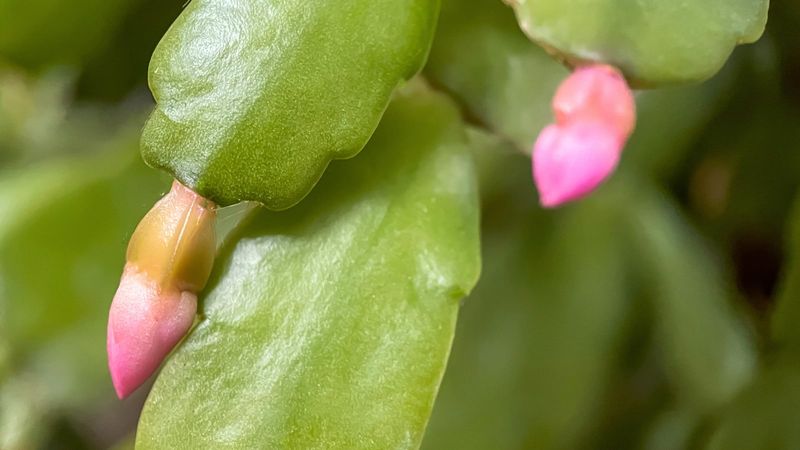
Here is a twist: making segments greener is not what triggers flowers. Bud initiation depends on long, uninterrupted nights and suitable cooler temperatures, as outlined by Iowa State University Extension.
That is a separate track from color.
Exact numbers vary. The University of Wisconsin-Madison Extension gives holiday cactus guidance, but cultivars and growing conditions differ, so treat any single darkness or temperature figure as a starting point rather than a rule.
Names add confusion too. Many people say Christmas cactus for several holiday cacti, including Thanksgiving cactus, and the University of Connecticut Extension notes that species and hybrids can differ in timing.
Your plant may bloom earlier or later than a neighbor’s.
Once buds appear, switch to steady mode. The University of Minnesota Extension guidance points to avoiding abrupt changes, since sudden shifts in light, temperature, watering, or location can contribute to bud drop.
That means no dramatic relocations, no drafty hallways, and no sudden switch from dry to soaked. Pick a good spot, keep the routine calm, and let the buds finish developing.
Red or purple segments can exist right alongside healthy buds, so judge bloom prospects by the nights and temperatures your plant gets, not by the hue of its stems.
Make one careful adjustment at a time
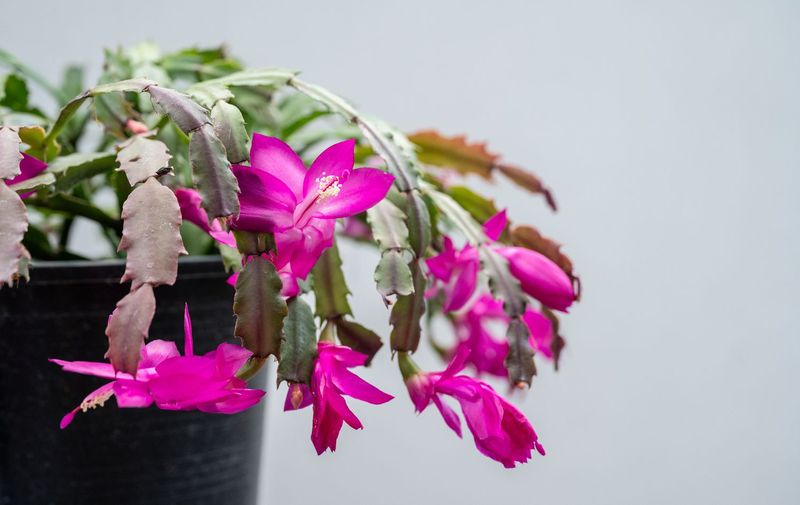
Keep the plan short. Look over the whole plant, then fix only what is clearly wrong, such as harsh direct sun or a pot that holds water.
Change one thing, then give the plant time to respond.
Skip the fertilizer scramble and the rearranging spree. As UC Master Gardeners and Iowa State Extension both suggest in different ways, color has several possible causes and blooming has its own needs.
A red segment is a note in the margin, not a final grade. Read it, check the basics, and let steady care do the rest.