
The Native North Carolina Plants That Fill The Soggy Low Spot Where Grass Always Drowns
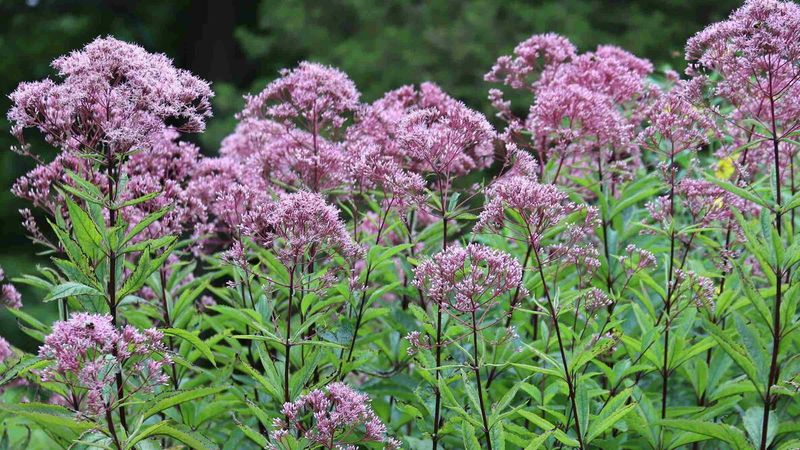
Every yard seems to have one: a low patch that turns to mud after each storm, where grass rots, thins out, and gives up. You can keep reseeding it every spring, or you can plant things that actually love wet feet.
North Carolina is full of native plants that grow wild along creeks, swamps, and bottomlands, and they feel right at home in that soggy corner. Better yet, they feed the hummingbirds, butterflies, frogs, and songbirds you already enjoy seeing.
1. Buttonbush (Cephalanthus occidentalis)
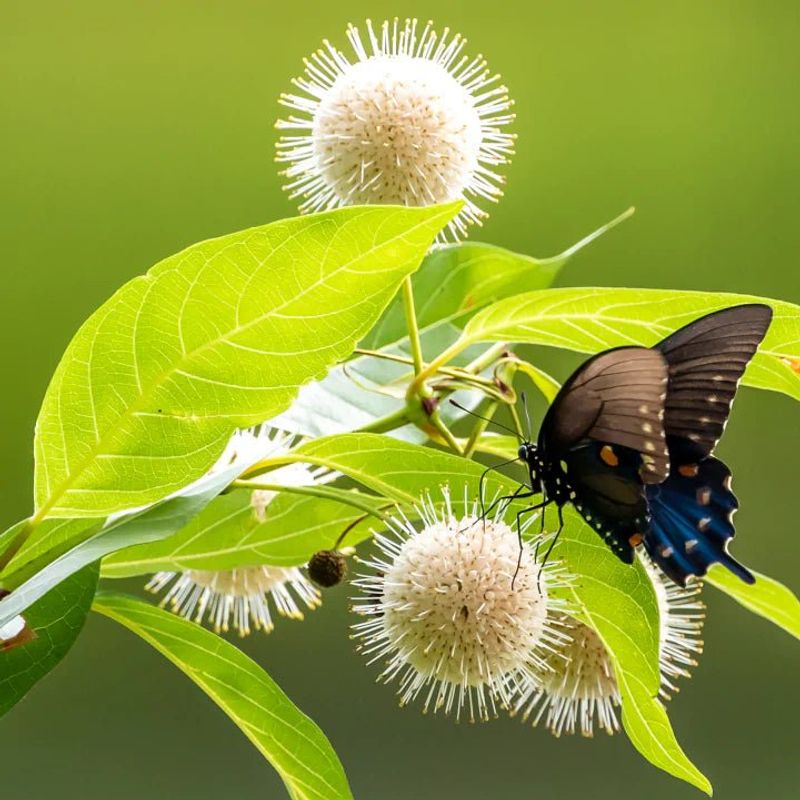
Picture a shrub covered in tiny white pincushions, each one buzzing with bees and swallowtails. Buttonbush grows naturally in swamps and pond edges across the state, so standing water after a thunderstorm does not bother it one bit.
Its wildlife value is hard to beat. The shrub serves as a larval host for around 24 species of moths and butterflies, and its dense branches give cover to frogs and small critters.
In winter, the seed balls feed songbirds and even ducks.
Here is the steward bonus: buttonbush is a smart swap for butterfly bush, which is invasive in North Carolina and can drop tens of thousands of seeds from one bloom cluster. Plant buttonbush in the wettest, lowest point of your yard, give it full sun to part shade, and let it grow into a 6 to 10 foot mound.
2. Cardinal Flower (Lobelia cardinalis)
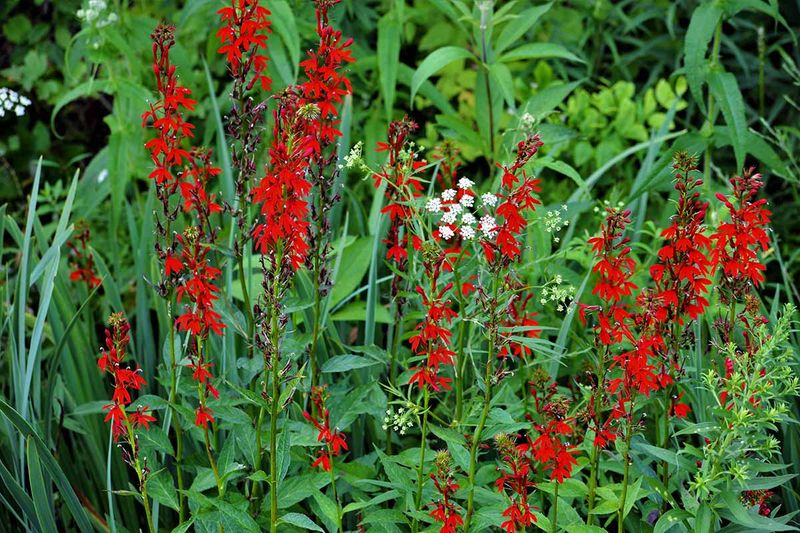
Red. Not a polite red, but a stop-sign, fire-truck red that hummingbirds can spot from across the neighborhood.
Cardinal flower shoots up 3 to 5 feet in late summer and lights up damp ground like nothing else.
Ruby-throated hummingbirds are its main pollinators, so planting a clump is basically hanging out a welcome sign for them. It loves constantly moist soil and wilts fast if things dry out, which makes that mushy low spot the perfect home.
Plants can be short-lived, but they reseed if you skip the fall cleanup and leave some bare mud around them. Tuck them near a spot where you can see them from a window.
3. Swamp Milkweed (Asclepias incarnata)
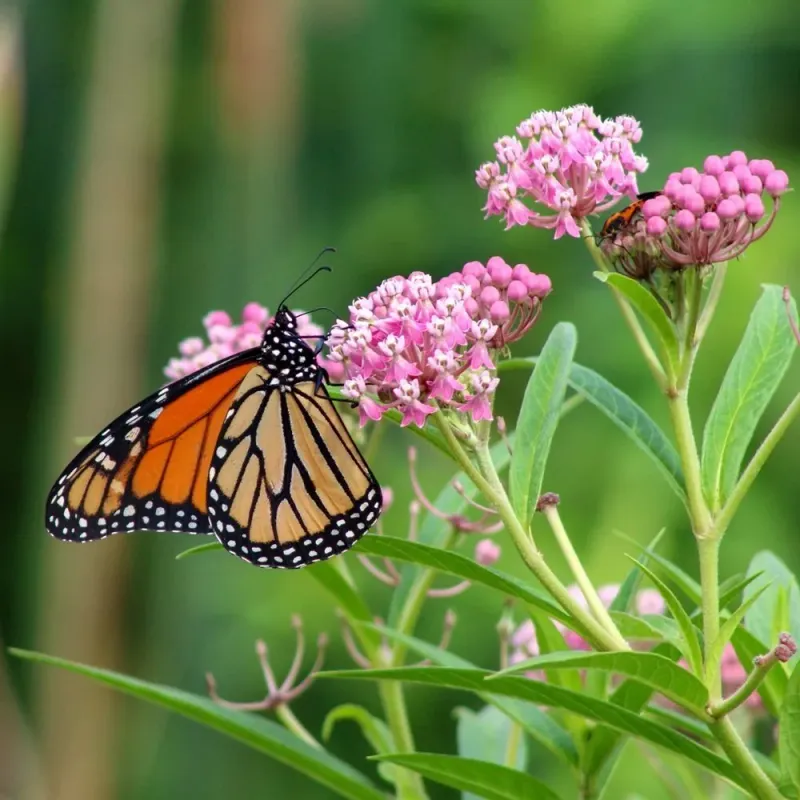
Most people think milkweed means dry roadside fields. Swamp milkweed flips that idea, happily soaking its roots in wet ground while producing clusters of vanilla-scented pink flowers.
Monarch butterflies depend on milkweed to raise their young, since the caterpillars eat nothing else. When you plant this one in a soggy corner, you are building a nursery right where grass used to fail.
It also pulls in native bees, fritillaries, and hummingbird moths. Expect plants around 3 to 4 feet tall in full sun.
Look for aphids in summer, but leave them alone, because ladybugs usually arrive to clean up.
4. Southern Blue Flag Iris (Iris virginica)
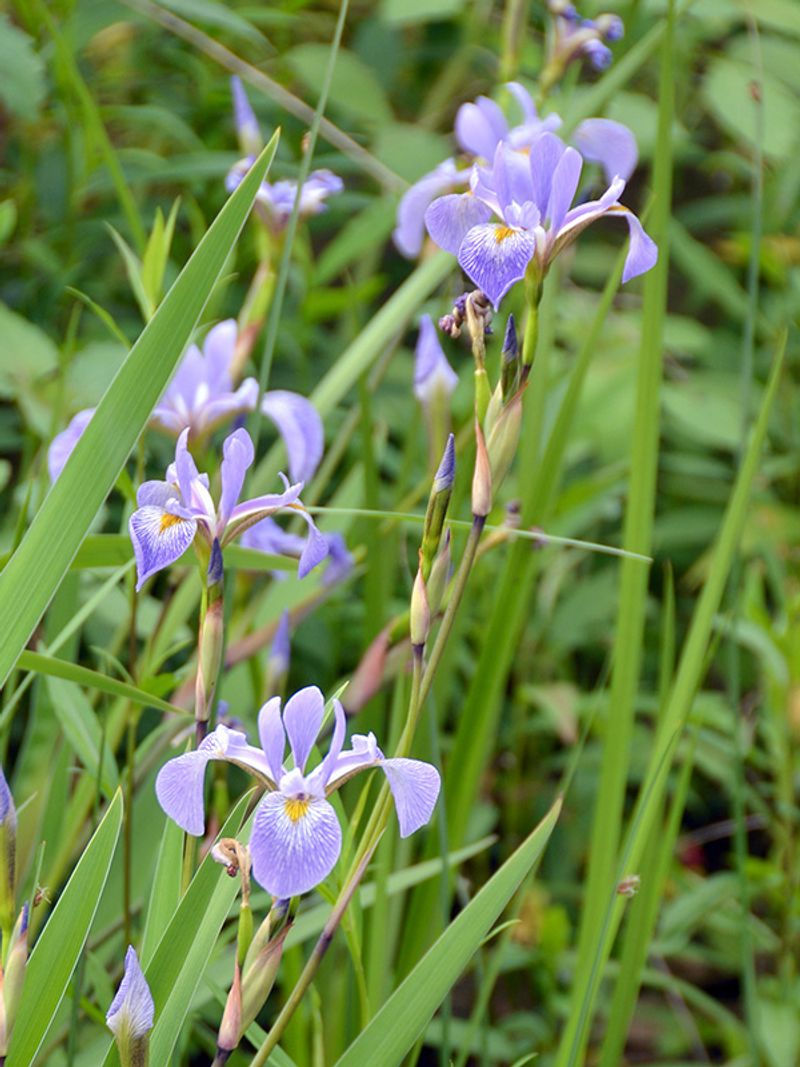
If your low spot actually holds a puddle for days, meet the plant that treats that puddle like a spa. Southern blue flag iris grows in marshes and ditches throughout the Coastal Plain and Piedmont.
In late spring, it sends up lavender-blue flowers with yellow and white markings that guide native bees inside. The sword-shaped leaves stay tidy all season, and the seed pods hang on into fall.
Gardeners love it as the center of a rain garden. Its thick roots help hold soil in place where runoff tends to cut little channels.
Plant rhizomes just below the surface, and in a couple of years you will have a lush clump to divide and share.
5. Winterberry Holly (Ilex verticillata)
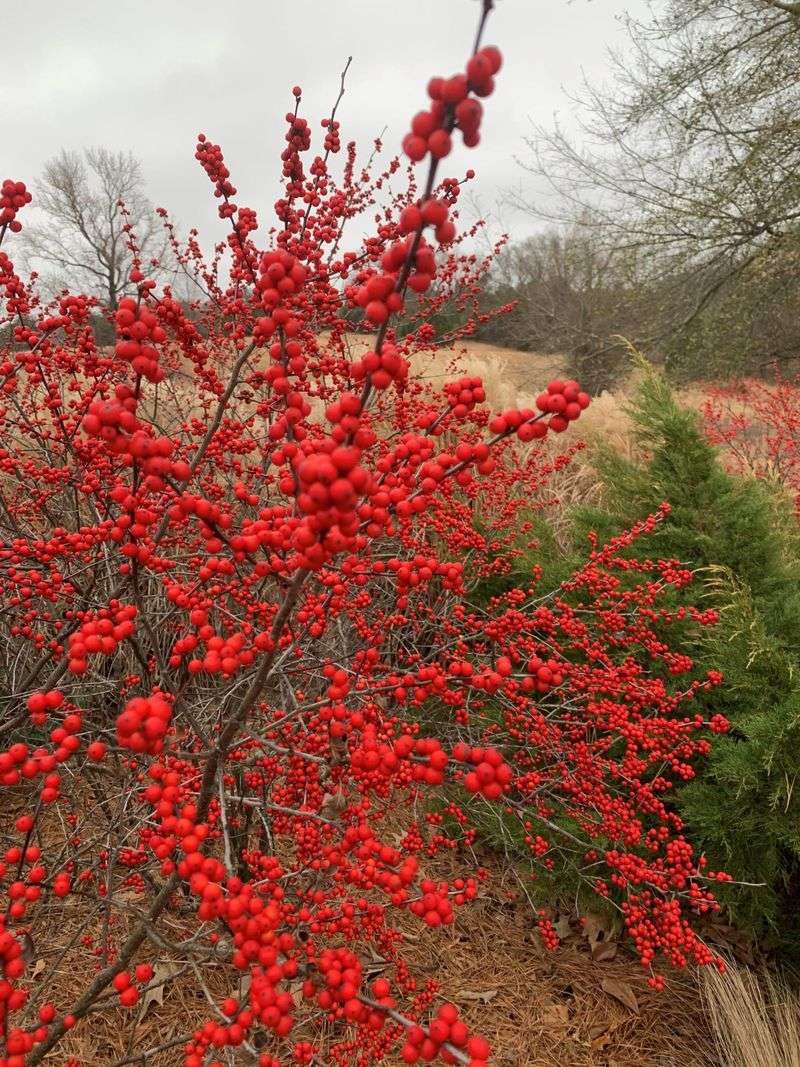
Come January, when the rest of the yard looks brown and tired, winterberry throws a party. Its leaves drop, and suddenly every branch is crowded with glossy red berries.
Bluebirds, robins, cedar waxwings, and mockingbirds visit for those berries during the coldest weeks, when food is scarce. The shrub itself is tough, handling wet, acidic soil that would drown a boxwood.
One tip saves a lot of frustration. Only female plants make berries, and they need a male plant nearby for pollination, so buy at least one male for every few females.
A small group along a soggy fence line looks wonderful and feeds winter birds for years.
6. Summersweet (Clethra alnifolia)
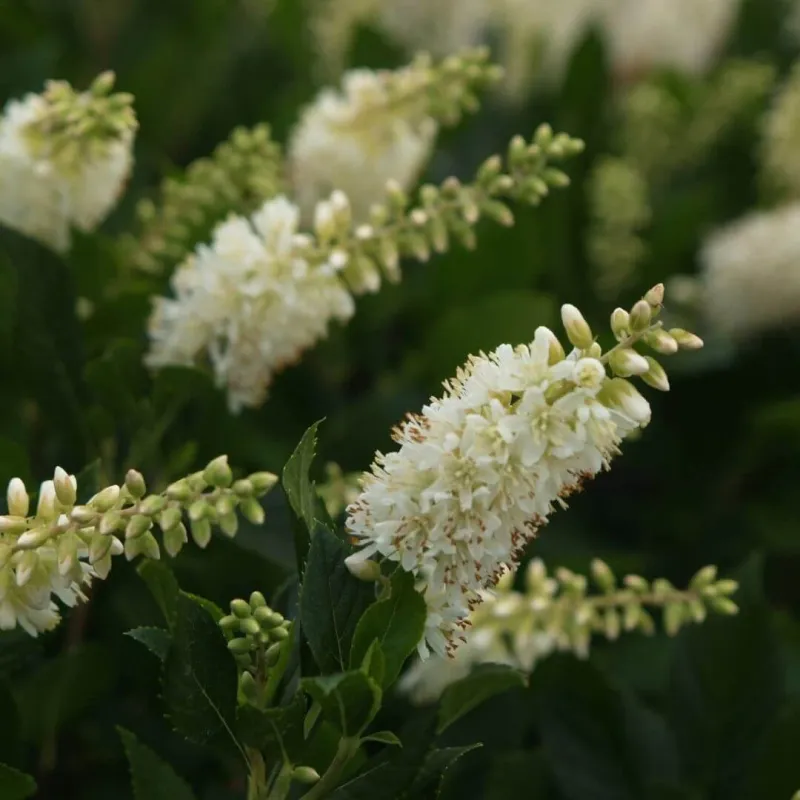
Ever caught a sweet, spicy scent drifting through a July evening and wondered where it came from? It might have been summersweet, also called sweet pepperbush.
Most wet-loving shrubs want sun, but this one blooms even in shade, which makes it a lifesaver for soggy spots under tall trees. The white or pink spikes open in midsummer when few other shrubs flower.
Bees and butterflies crowd the blooms, and birds pick at the seed capsules later. It spreads slowly by suckers, forming a loose thicket that can hide a drainage ditch nicely.
Like buttonbush, it makes a great replacement for invasive butterfly bush.
7. Joe Pye Weed (Eutrochium purpureum)
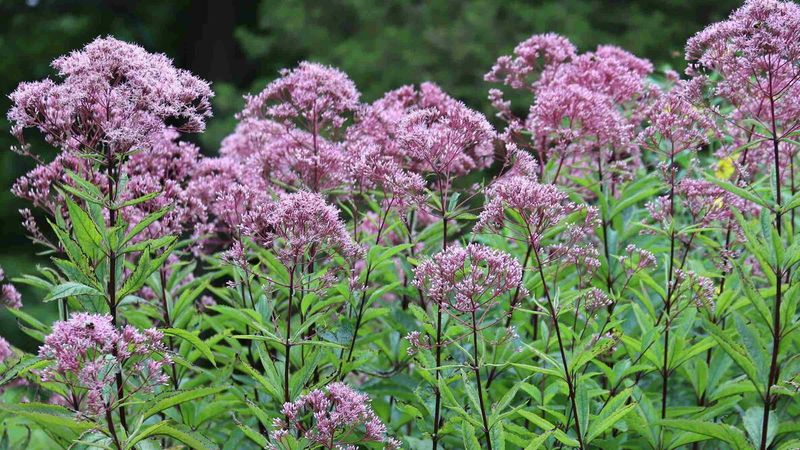
Legend says the plant is named for a healer who used it to treat fevers, though the real story is fuzzy. What is not fuzzy is how many butterflies it pulls in.
Joe Pye weed can reach 5 to 7 feet, topped with big mauve domes in late summer. On a sunny afternoon, you might count a dozen tiger swallowtails on a single plant.
Goldfinches and other songbirds eat the seeds in fall.
Deer usually leave it alone, a big plus in many NC neighborhoods. Put it at the back of your wet area so shorter plants stay visible.
Leave the stems standing over winter, since native bees may nest in them.
8. River Birch (Betula nigra)
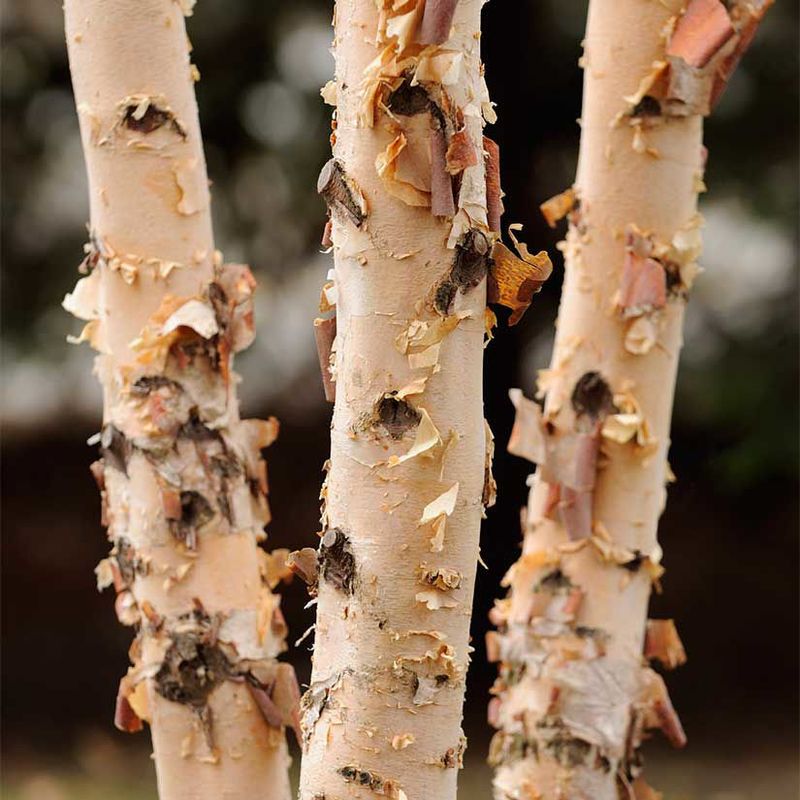
Sometimes a low spot needs a thirsty tree to soak things up. River birch grows along streambanks from the mountains to the coast, and it drinks heavily from saturated soil.
Its bark is the real showstopper. It peels in curly sheets of cream, salmon, and cinnamon, looking good even in winter.
The tree grows fast, so you will not wait decades for shade.
Birch catkins and seeds feed birds, and many caterpillars eat the leaves, which in turn feeds baby songbirds. Plant it at least 20 feet from your house and septic lines.
In very dry summers it may drop some yellow leaves, but a wet spot keeps it happy.
9. Cherokee Sedge (Carex cherokeensis)
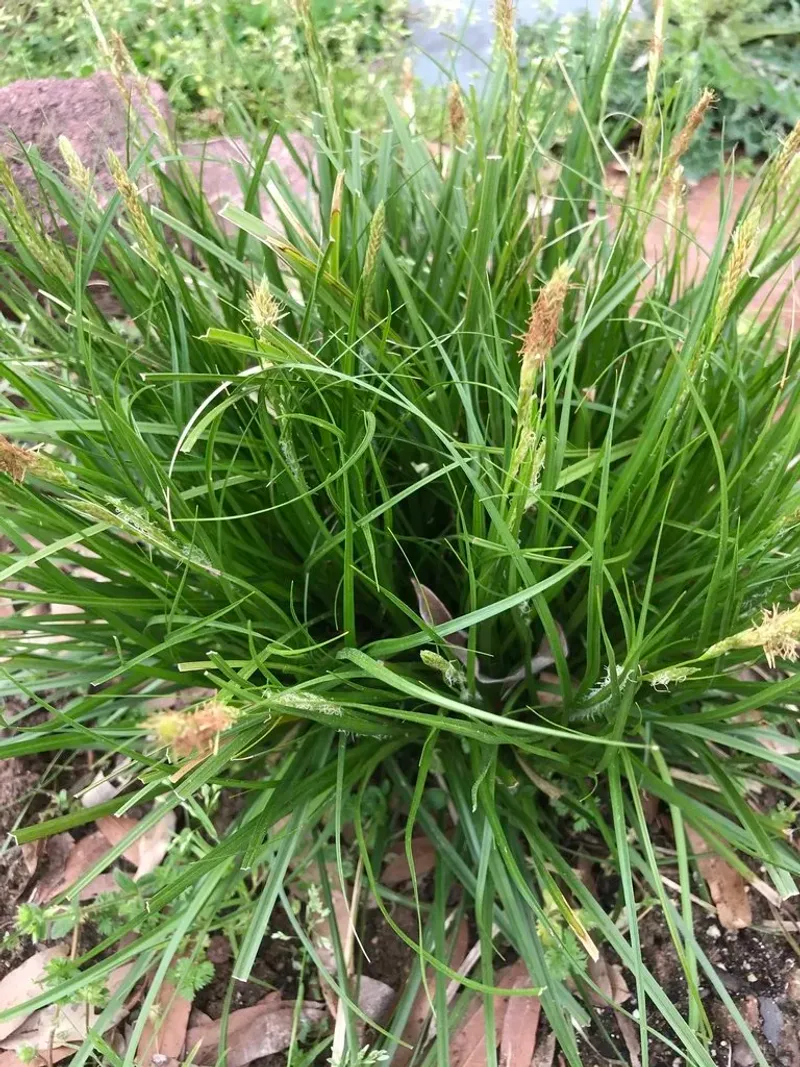
Missing the green carpet look? Cherokee sedge is the closest thing to lawn that actually thrives where turf keeps drowning.
It forms soft, grassy clumps about a foot tall and stays green much of the year. It handles wet soil, part shade, and even short dry spells once established.
It is also a great fighter against Japanese stiltgrass, the invasive annual that loves damp, shady ground. Pull the stiltgrass before it seeds in late summer, then plant sedge plugs about a foot apart to fill the gap.
Mow it high once a year, or never, and let fireflies and ground beetles shelter in it.