
Dandelion Roots Run Deep, But Do They Really Mine Calcium From Your Lawn?
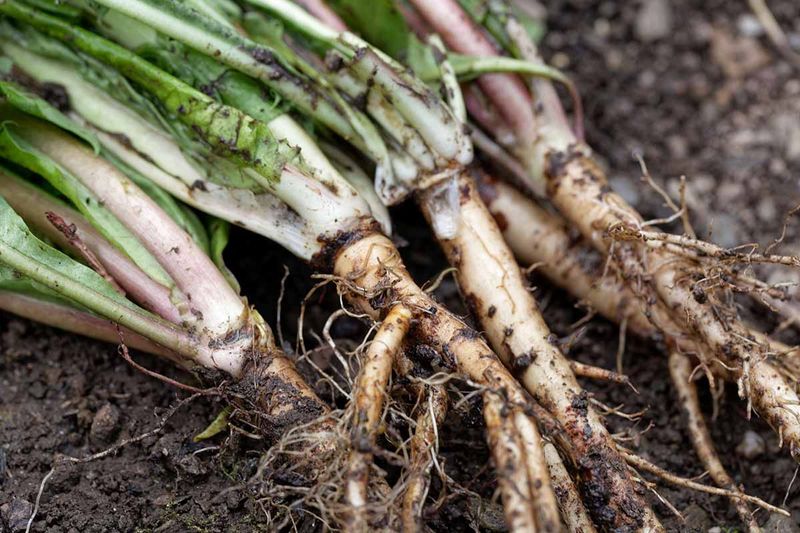
You have probably yanked a dandelion and been shocked by the long, pale root that came up with it. That root has led to big claims about calcium, free nutrients, and super greens.
Some of those claims hold up, and some do not. Here is what dandelions can and cannot be shown to do in your yard.
Dandelions grow deep taproots, but depth is not proof of calcium uptake
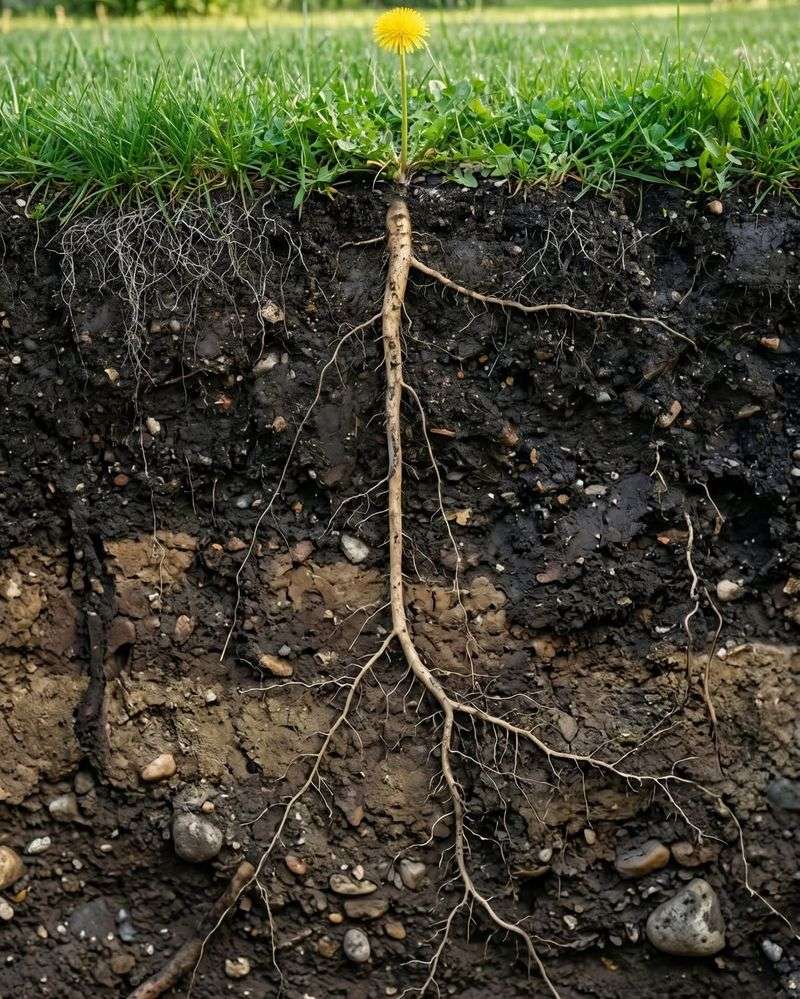
Pull a dandelion in July and you often come away with a root that looks like a small carrot. University of Minnesota Extension reports that dandelion taproots can reach from about 6 inches to 2 feet down.
That is a range, not a fixed number, and it changes with soil type and moisture.
The same Extension page points out that broken sections of root can grow into new plants. So when the root snaps off in your hand and you toss the top, you may be setting up a rematch.
A plant that snaps at the soil line and comes back is the usual reason dandelions feel so stubborn.
Depth is also where a lot of the calcium talk starts. The reasoning goes that a long root must reach minerals that grass roots cannot, and then lift them up.
A long root tells you how the plant anchors itself and survives mowing, drought, and digging. It does not show how much calcium the plant takes in, and it does not show that any of it ends up in your topsoil.
Gardeners also know that University of California IPM guidance treats dandelion as a perennial that returns from its root year after year. Think of the taproot as a survival tool first.
Next time you hold one up, you can be impressed by the root without crediting it with a nutrient job nobody has measured.
A field trial found little effect on surrounding soil nutrition
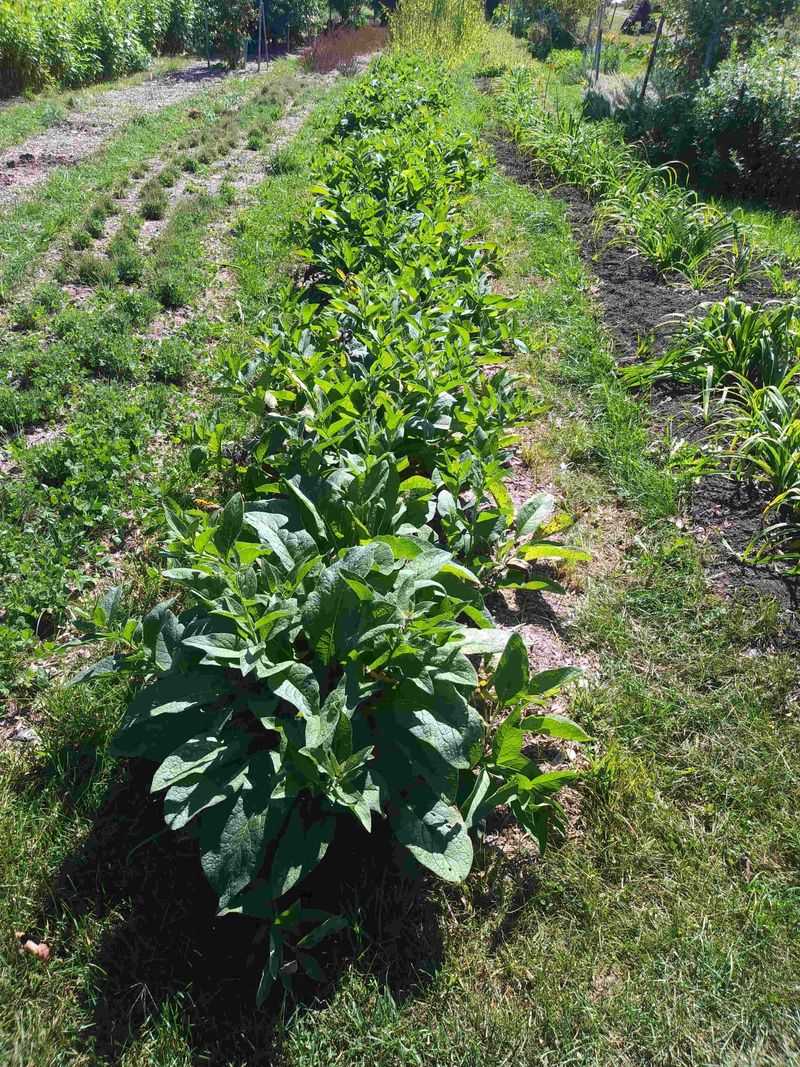
Suppose dandelions really did feed the soil around them. Someone would have to measure it, and a two-year field trial reported by Cornell Small Farms did exactly that.
Researchers grew six crops, dandelion among them, and tested nutrient levels in both soil and plant tissue.
Dandelion did stand out in one way. It had the highest phosphorus and sodium concentrations of the six crops.
But the plants were small and gave low yields, so there was not much plant material to pull anything out of the ground in a meaningful amount.
The result for the soil was plain. Dandelion had little effect on the nutrition of the soil around it, and it was probably not an effective nutrient catch crop.
Results also varied from one species to the next, which is a good reminder that plant tissue reflects growing conditions as much as the plant itself.
Notice what the trial did not do. It did not show dandelions taking up more calcium than grass, and it did not show a useful amount of any nutrient moving to the surface for neighbors to use.
The authors said more research is needed. Until then, the calcium comparison in the popular story is an open question, and your lawn is not getting a free mineral supplement from the weeds in it.
Dandelion greens contain calcium, but one nutrient is not the whole story
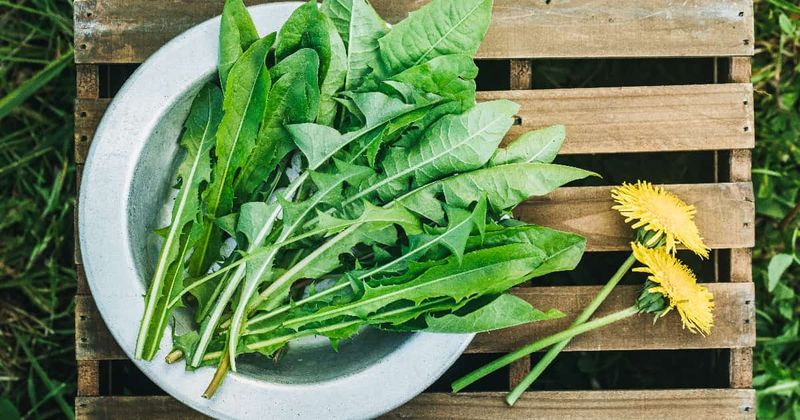
Here is the number behind the buzz: 187 milligrams of calcium in 100 grams of raw dandelion greens. That figure comes from USDA Standard Reference Legacy data, which you can trace through the USDA FoodData Central downloads.
A USDA-sourced food composition table in an FAO compendium repeats it.
So it is fair to call the leaves a source of calcium. That is what the number tells you, and it is a composition value for raw leaves measured by weight.
It does not tell you that dandelion greens beat every bag of store-bought greens. One nutrient in one reference entry cannot settle overall nutrition.
It also says nothing about how much calcium your body absorbs, and it does not mean a handful of leaves equals a serving of something else.
A practical way to think about it: if you like the bitter bite of dandelion in a salad or sauteed with garlic, enjoy it as one more leafy green on the plate. Do not treat it as a replacement for other foods, and do not assume the plant in your yard matches the lab entry.
Growing conditions change what is in a leaf, which makes the number a guide, not a guarantee.
Dandelions do not diagnose a calcium deficiency
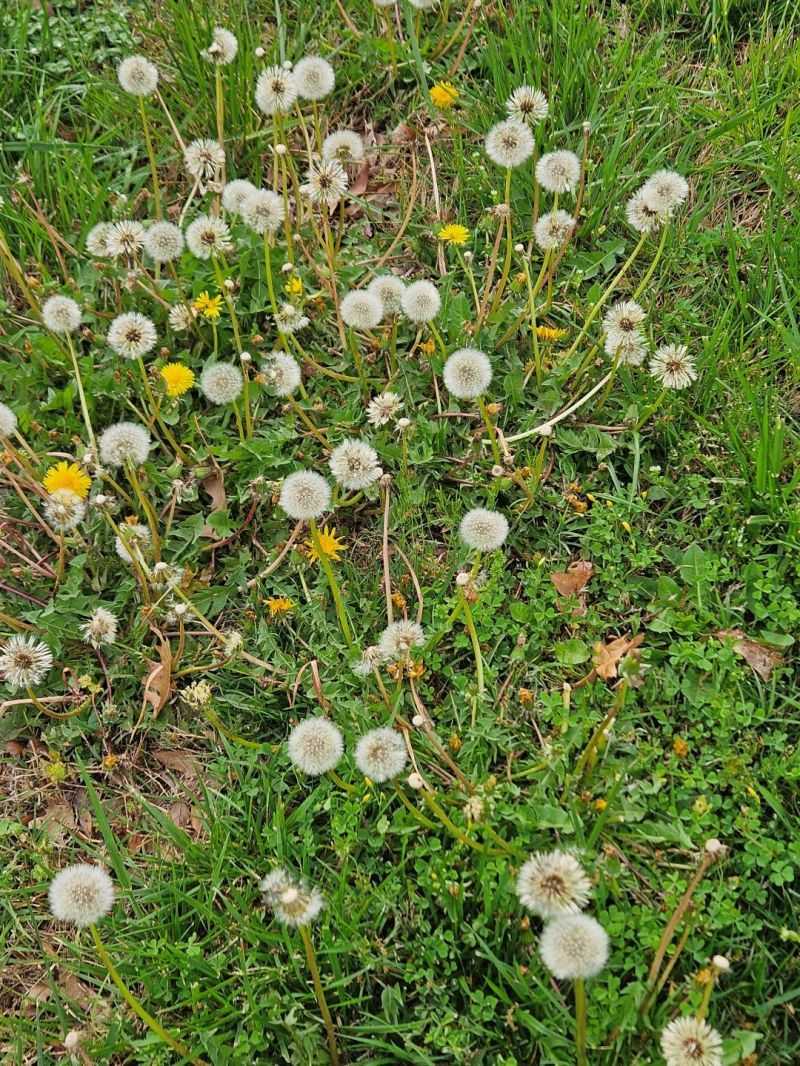
A yard full of dandelions can make you feel like the soil must be missing something. It is a tempting conclusion, and it is not a safe one.
Minnesota Extension mentions that dandelions can show up where soil is compacted and where calcium is low. Those are associations, and they are not a diagnosis.
Plenty of things bring dandelions in. Thin turf, bare patches, mowing too short, and a steady supply of windblown seed all give them room to start.
A lawn with lots of dandelions may have perfectly fine calcium.
There is a second trap here. Some people reason that if low calcium invites dandelions, then adding calcium will push them out.
A 2026 Ask Extension response cautions that adding calcium will not control dandelions and recommends testing the soil rather than guessing from weeds.
So test first. Your state Extension office or a lab can tell you pH and nutrient levels for a modest fee, and the report comes with recommendations for your lawn.
If compaction is the suspect, a screwdriver that struggles to push into the soil is a rough clue, and core aeration is the usual fix. Bag of lime or gypsum money is better saved until the test says you need it.
Harvest greens only when you know the site is safe

Eating dandelion greens is an old habit, but a lawn plant is not automatically safe to eat. Where it grew matters as much as what it is.
Oregon State Extension cautions against eating plants from sprayed areas or roadsides and stresses correct identification.
Start by being sure of the plant. Dandelion has a single hollow flower stalk per bloom and a rosette of toothed leaves, but several look-alikes exist.
If you have any doubt, leave it alone or ask a local Extension office.
Next, think about the site. University of Maine Cooperative Extension recommends picking well away from major roads and chemically treated areas.
That rules out any lawn that got weed killer or fertilizer-herbicide mixes, the strip beside the street, and spots where pets or runoff may have been.
If the site passes, pick younger leaves. They are more tender and usually less bitter than older ones.
Then wash the greens well, since soil clings to a rosette that grows flat against the ground. A yard you know has never been sprayed, or a bed you keep for picking, is a far better source than a random patch of turf.
Choose whether to tolerate or remove dandelions based on your goals
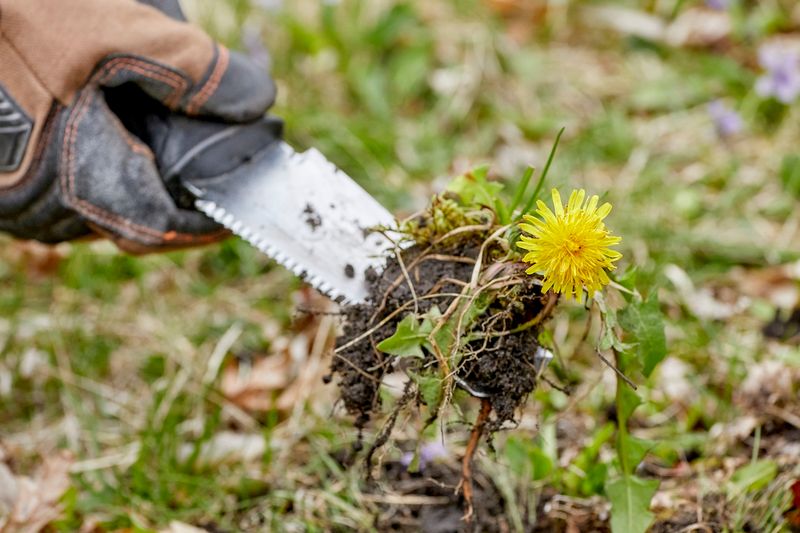
Whether dandelions stay or go is your call, and it depends on what you want from your lawn. If you want a tidy, uniform look, removal makes sense.
If a few yellow flowers do not bother you, there is no soil emergency to fix.
For removal, dig when the soil is slightly moist, since roots slide out more cleanly. UC IPM advises taking as much of the root as you can.
Expect some to grow back if pieces stay behind, so check the spot again in a few weeks and dig any new shoots.
Mowing has a narrower job. According to Minnesota Extension, mowing before seed set can reduce seed spread, but it does not control established plants.
A dense, vigorous lawn then helps limit new ones from getting started.
As for the big claim, deep roots and calcium in the leaves do not prove that dandelions pull more calcium than grass. The Cornell-reported trial found little effect on surrounding soil, and the calcium value for the leaves is about food, not your lawn.
Pull them or keep them, but do it for your own reasons.