
The North Carolina Native Grasses That Stop Your Backyard Ditch From Washing Out Every Storm
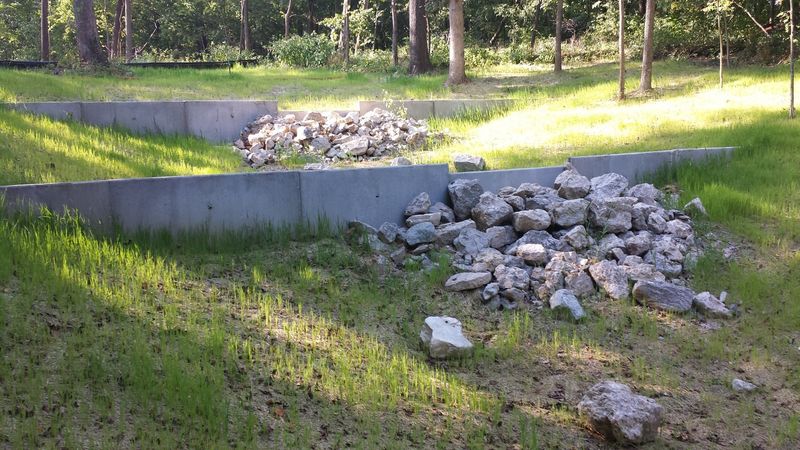
Every time a summer thunderstorm rolls through, that backyard ditch loses a little more dirt, and the red clay ends up in the street or the creek. The fix is not more gravel or a truckload of sod.
North Carolina has native grasses with roots that dig deep, grab soil, and hold on through the worst downpours. Plant the right ones and you get a ditch that stays put, plus seeds and cover for the goldfinches, butterflies, and box turtles you love seeing in your yard.
1. Switchgrass (Panicum virgatum)
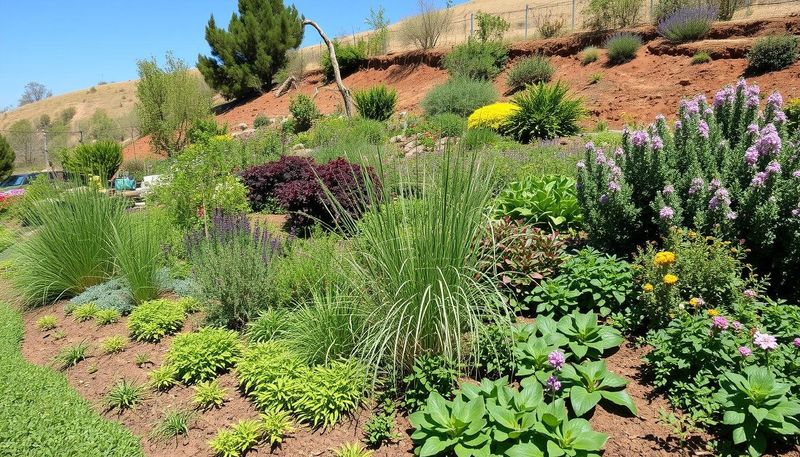
Picture the toughest plant in the ditch, the one still standing after a hurricane remnant dumps five inches overnight. That is switchgrass, and it earns the top spot for sheer grit.
Growing 3 to 5 feet tall, it handles nearly anything a North Carolina yard throws at it. Heavy Piedmont clay, sandy Coastal Plain soil, soggy spots, dry spots, full sun, or partial shade are all fair game.
Its thick clumps and spreading rhizomes knit together into a living wall that slows rushing water.
Wildlife loves it too. Skipper and satyr butterfly caterpillars munch the leaves, native bees may nest in the clumps, and small critters shelter inside when the weather turns rough.
Plant switchgrass along the steepest, fastest-flowing stretch of your ditch, where erosion hits hardest.
2. Little Bluestem (Schizachyrium scoparium)
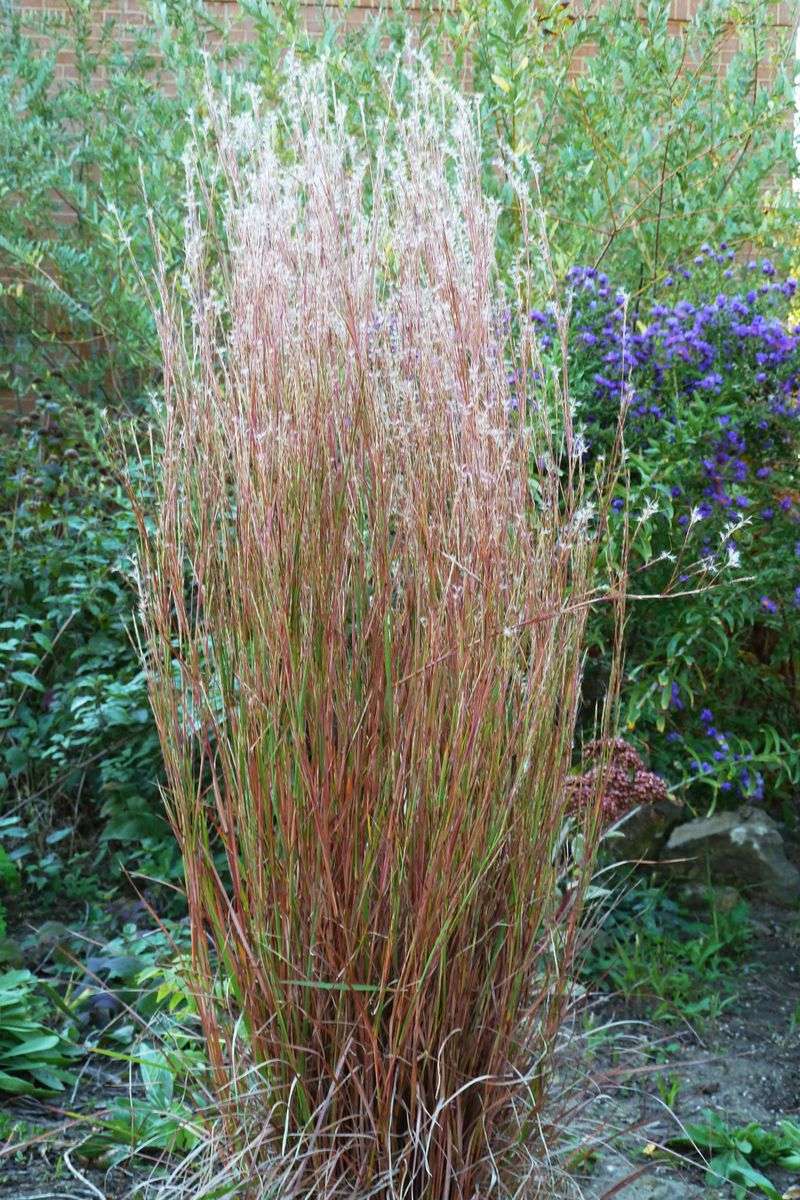
Got a ditch bank that bakes dry between storms? Little bluestem was practically made for that stubborn, poor soil that nothing else seems to like.
Only 2 to 3 feet tall, it stays tidy enough for a neighborhood yard. Dense crowns and fibrous roots grip the top layers of soil, which cuts down on sheet runoff before it turns into gullies.
Come fall, the blades shift to copper, rust, and purple, a show that beats any ornamental grass from the big box store. Many moth and butterfly caterpillars in North Carolina depend on it, and the fluffy seeds feed songbirds and small mammals into winter.
3. Indiangrass (Sorghastrum nutans)
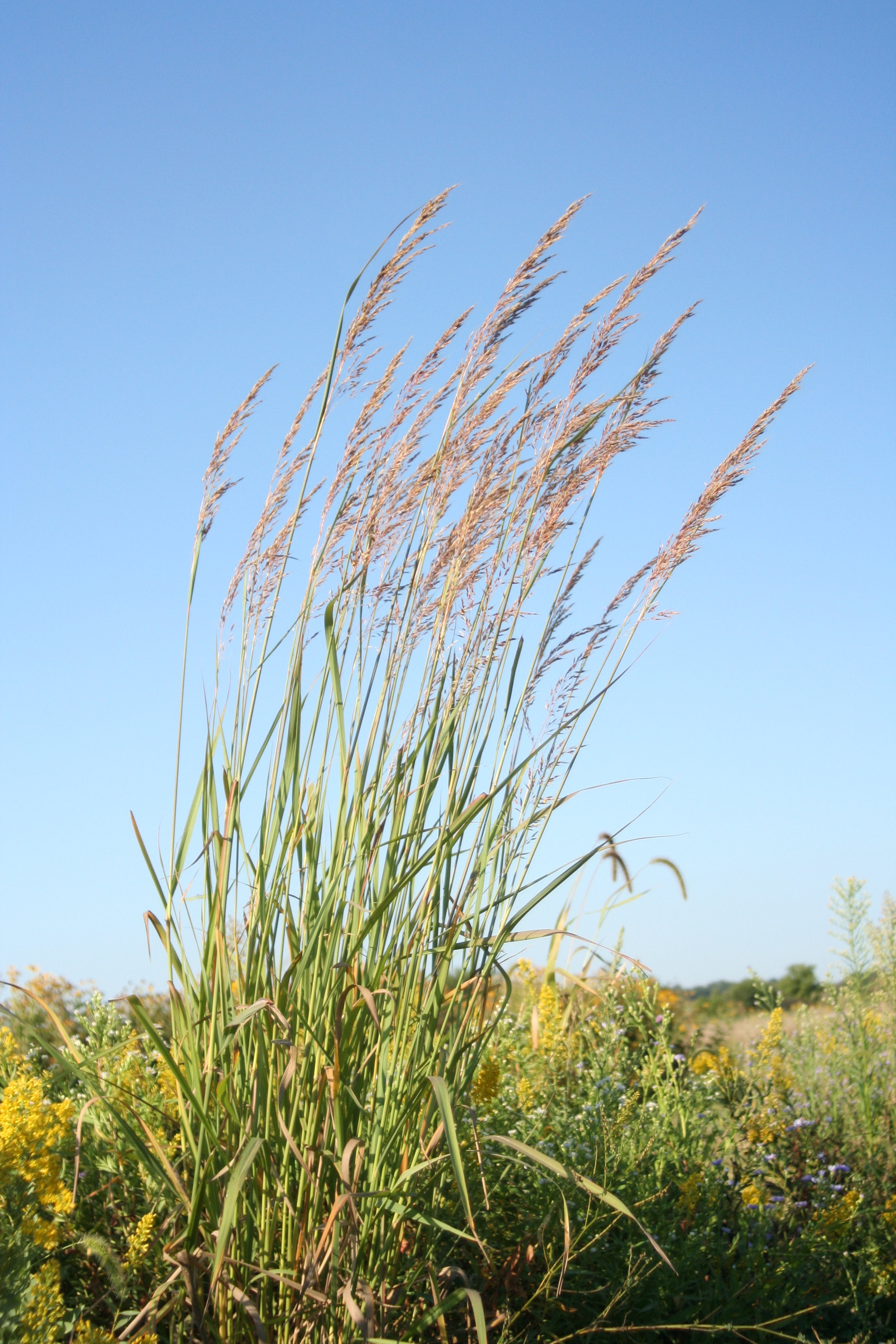
Golden plumes waving above the ditch in September are a sure sign Indiangrass has moved in. Few natives look this handsome while doing such hard work.
Soil fussiness is simply not in its vocabulary. Poorly drained or bone dry, acidic or alkaline, sand or clay, it adapts and keeps growing 3 to 5 feet tall.
Soil conservation crews have long used it for critical-area seeding, the places where bare ground needs cover fast. In your yard, pair it with switchgrass and little bluestem for a mixed stand that roots at different depths and holds more soil than any one grass alone.
4. Big Bluestem (Andropogon gerardii)
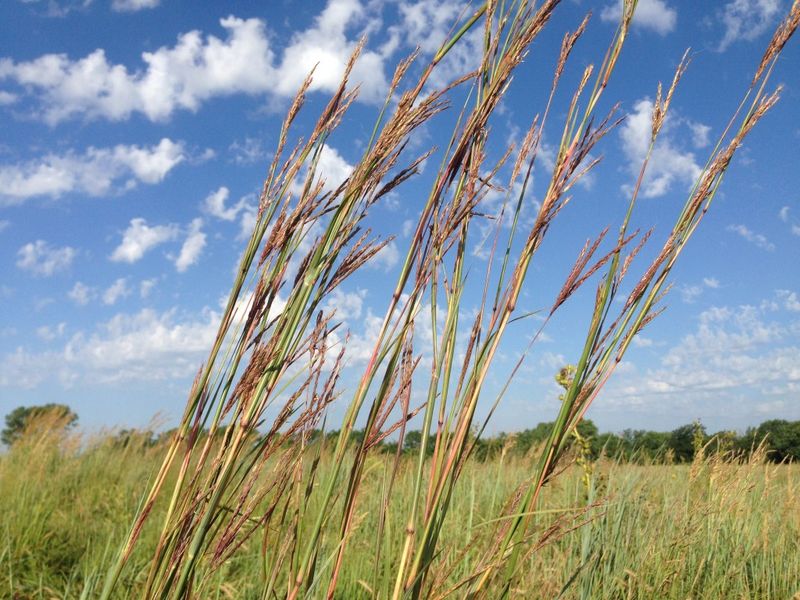
Old-timers call it turkeyfoot, because the seed head splits into three prongs that look just like a bird track. Big bluestem is the giant of this list, reaching 6 to 8 feet.
Height comes with serious roots underneath. Those roots can plunge several feet down, anchoring the upper banks of a ditch where soil tends to slump away after heavy rain.
Save it for the drier, well-drained top edges rather than the wet channel bottom. Give it room, since a tall screen near a patio can block views.
Grassland birds and rabbits appreciate the cover it provides once it fills in.
5. Pink Muhly Grass (Muhlenbergia capillaris)
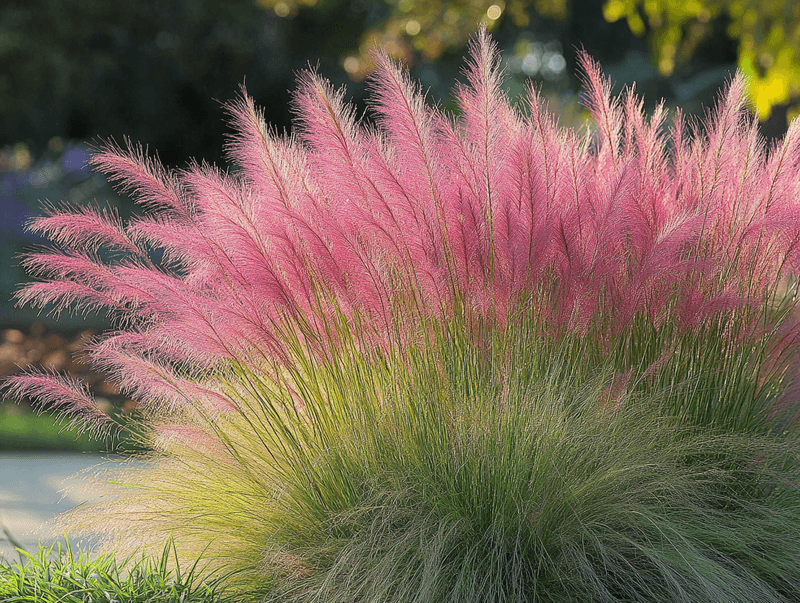
Neighbors will stop and ask about this one. Every October, pink muhly erupts into clouds of pink-purple haze that glow in low sunlight.
Native to the Coastal Plain and Piedmont, it shrugs off heat, humidity, and sandy soil. At 1 to 3 feet tall, it works well along the visible front edge of a ditch that runs near a driveway or sidewalk.
Its seed heads hang on through winter and feed small birds when food runs thin. If you have been growing non-native liriope or mondo grass along that edge, pink muhly makes a smart swap that actually gives back to local wildlife.
6. River Oats (Chasmanthium latifolium)
Shady ditch under the oaks? Most sun-loving prairie grasses sulk there, but river oats feels right at home.
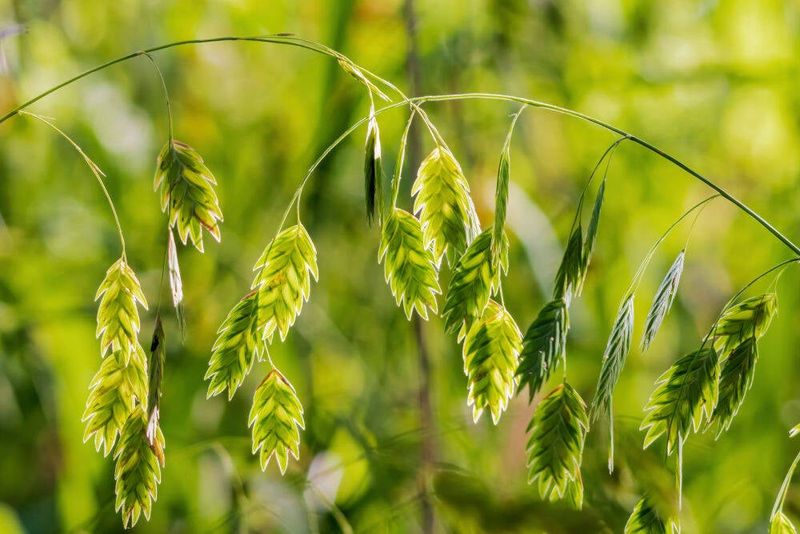
Its flat, dangling seed clusters look like tiny fish hanging from arched stems, and they rattle softly in a breeze. Fibrous roots bind loose soil along shaded banks, which is exactly where it grows wild along North Carolina streams.
One honest warning: it reseeds eagerly. Clip some seed heads in fall if you want to keep it in the ditch and out of your flower beds.
7. Native Sedges (Carex species)
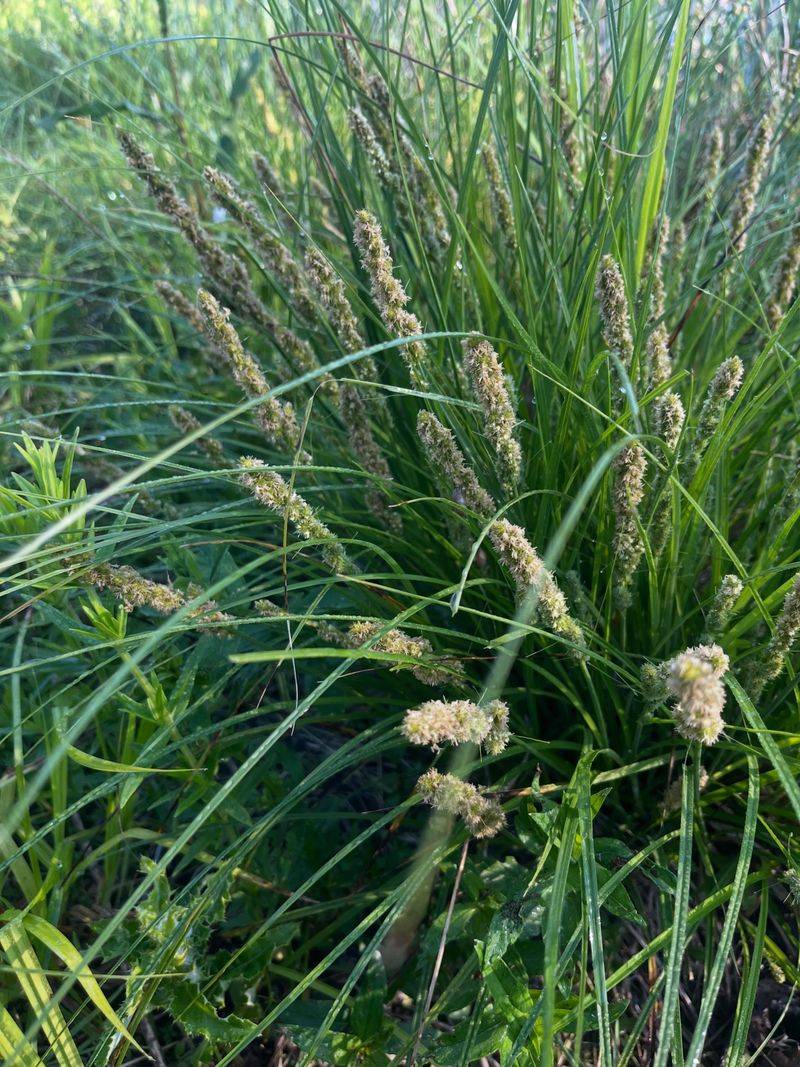
The bottom of the ditch stays soggy for days after a storm, and that is where sedges shine. Grasses may struggle in standing water, but these grasslike plants thrive in it.
A few worth hunting down at native nurseries:
- Tussock sedge (Carex stricta) forms firm mounds in wet channels.
- Shallow sedge (Carex lurida) handles muck and periodic flooding.
- Mace sedge (Carex grayi) has spiky seed heads kids love.
- Eastern woodland sedge (Carex blanda) fills shady, damp spots.
Moths, wood nymphs, and satyr butterflies rely on sedges as host plants. Tuck them into the wettest zone, then let grasses take over up the banks.
8. Planting Plan and Grasses to Avoid
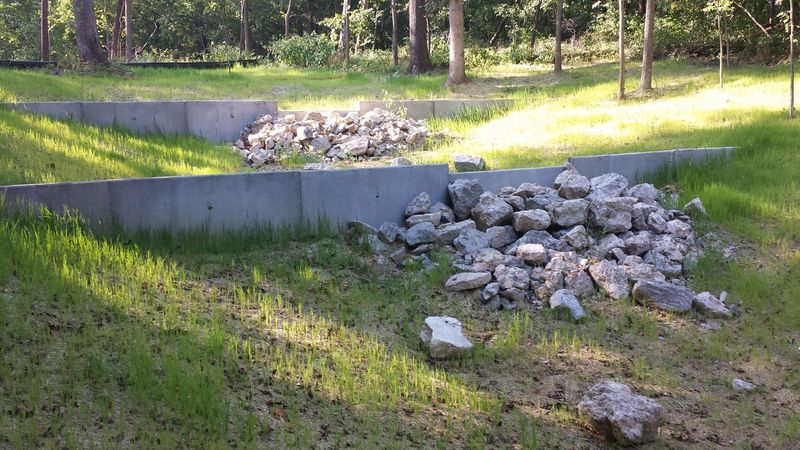
Great grasses fail if the next storm rips out the seed. A little setup this weekend protects your investment.
Start by placing rocks or sturdy sticks across the ditch every few feet to slow the water. Prepare a loose seedbed, sow your natives, then cover the seed with a natural jute erosion blanket pinned down firmly.
The jute breaks down as roots take hold.
Need quick cover? A light nurse crop of wheat or cereal rye in late fall, or spring oats in late winter, can help.
Skip annual and perennial ryegrass entirely, because it smothers young natives.
Also avoid bermudagrass, which creeps into gardens, and invasive Miscanthus. Once established, mow just once in the dormant season, leaving about 12 inches of stubble.
Check under the grass first, since box turtles often hide in tall cover.