
These North Carolina Native Plants Pull Night Moths In So Your Backyard Bats Stay Fed Into Fall
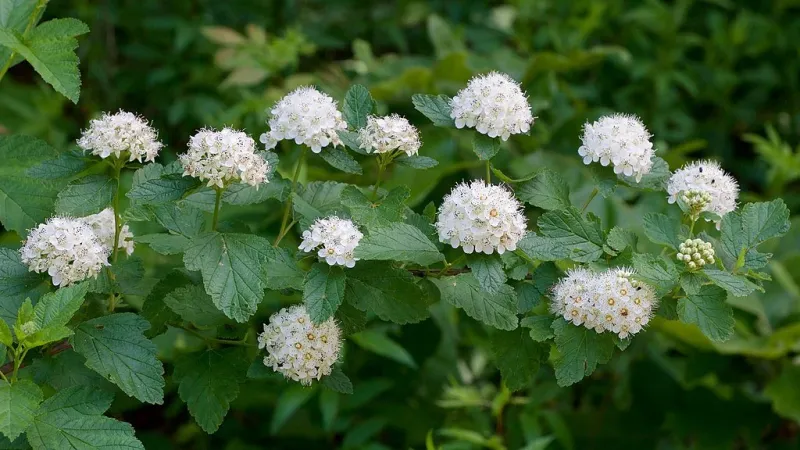
When the sun goes down in North Carolina, a whole second shift of wildlife gets to work in your yard. Moths flutter out to find nectar and leaves, and hungry bats swoop in right behind them.
If your yard has the right native plants, those bats can keep finding food well into the cool nights of fall, when they need to fatten up for winter. Here are nine NC natives that turn your backyard into a nighttime snack bar for moths and the bats that chase them.
1. Oaks (White Oak and Northern Red Oak)
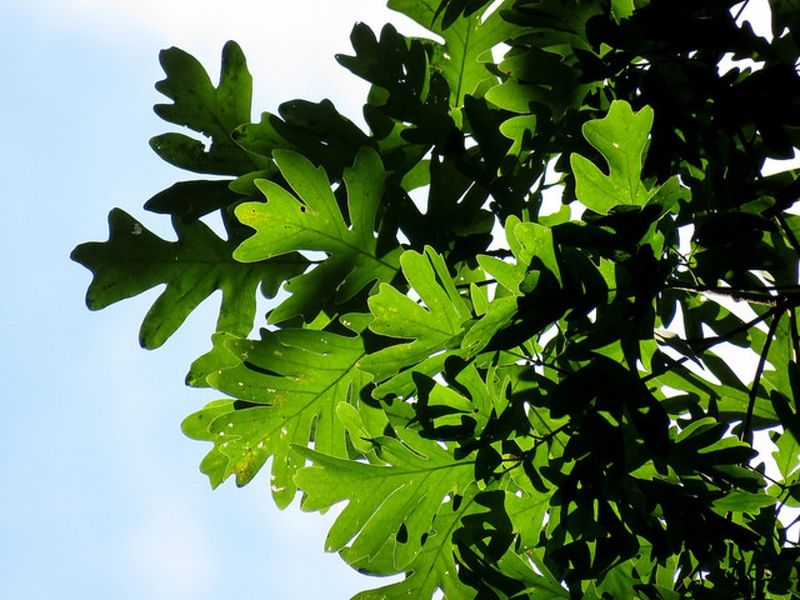
More than 550 species of moths and butterflies use oaks as caterpillar food. No other tree in North Carolina comes close to that number, which makes a single oak the closest thing to a moth factory you can plant.
Here is why that matters for bats. Every caterpillar munching an oak leaf in July can turn into an adult moth fluttering past your porch light in August or September.
White oak (Quercus alba) and northern red oak (Quercus rubra) both grow well across the Piedmont and mountains, and they feed birds, squirrels, and box turtles with their acorns too.
Worried about space? An oak takes years to reach full size, so pick a spot away from the house and power lines.
If you are pulling out a Bradford pear, which offers almost nothing to native insects, an oak is one of the smartest swaps you can make.
Leave the fallen leaves under the tree when you can. Many moth caterpillars drop to the ground to spend the winter tucked in leaf litter, so a tidy raked lawn can accidentally wipe out next year’s bat buffet.
2. Common Evening Primrose
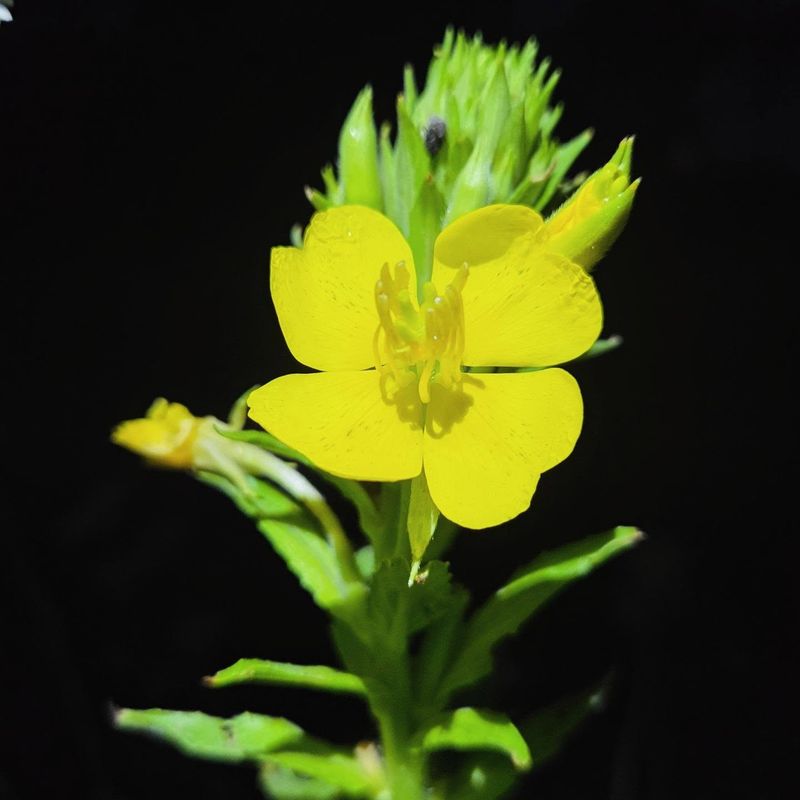
Pull up a lawn chair around sunset and watch. Common evening primrose (Oenothera biennis) actually unfolds its lemon-yellow blooms right at dusk, sometimes fast enough that you can see the petals move.
The flowers are made for the night crowd. Their pale color catches moonlight, and their sweet scent drifts out just as sphinx moths and other night fliers wake up.
Once moths gather, bats notice.
Evening primrose is a biennial, so it spends year one as a flat rosette of leaves and blooms in year two. Let a few plants drop seed and you will have a steady patch without replanting.
It handles dry, sunny spots from the Coastal Plain to the foothills, and goldfinches pick at the seed pods in fall.
3. Goldenrods
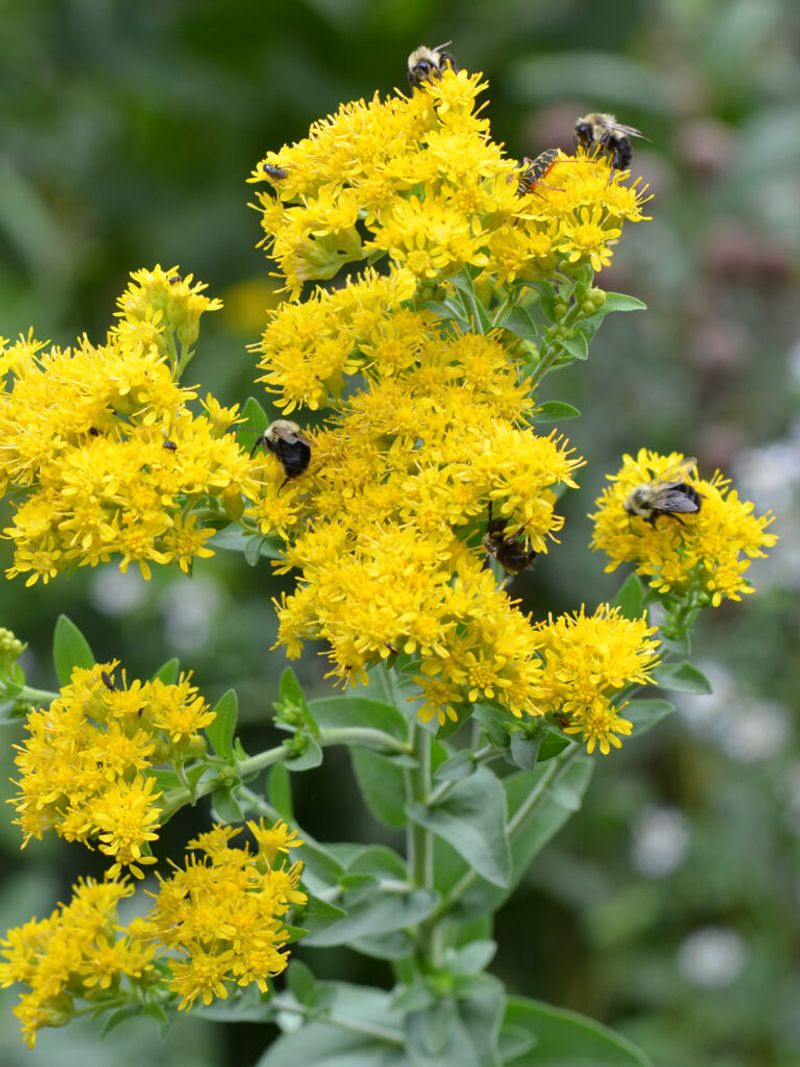
Goldenrod gets blamed for fall allergies, but ragweed is the real culprit. Goldenrod pollen is heavy and sticky, carried by insects instead of wind, so it is not the stuff making you sneeze.
For bats, goldenrod is a fall lifeline. Showy goldenrod (Solidago speciosa) and silverrod (Solidago bicolor), which has creamy white blooms, keep flowering from late summer into October.
That is right when bats are bulking up before winter, and moths are still hunting nectar.
Several goldenrods also host moth caterpillars, so they feed the next generation as well. Choose clump-forming types like showy goldenrod if you want a neater border that will not spread across the yard.
4. Summersweet
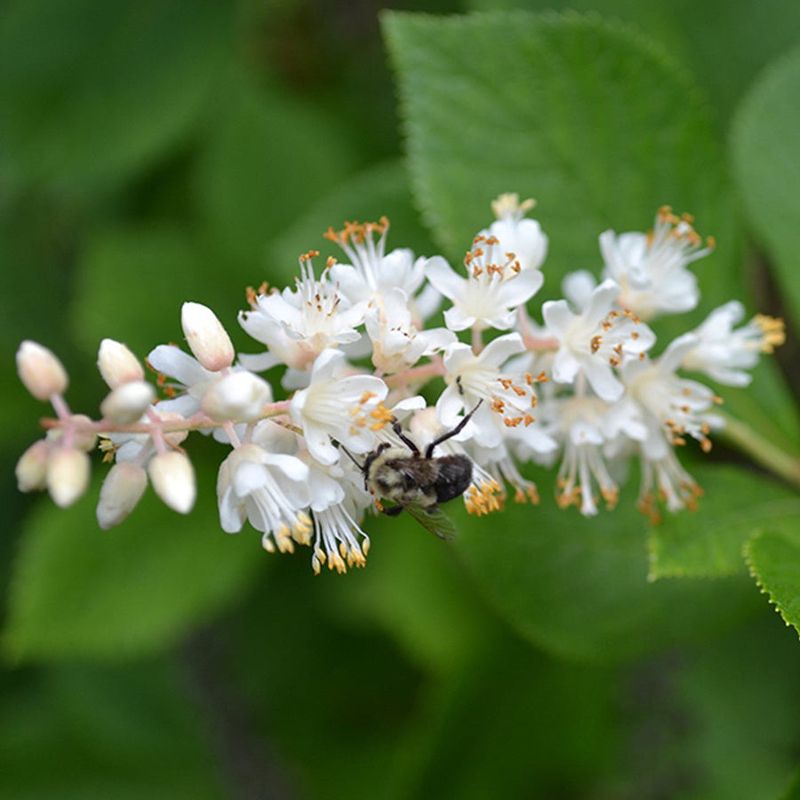
Walk past a summersweet on a warm July night and your nose will find it before your eyes do. The spicy-sweet smell of Clethra alnifolia is basically a dinner bell for moths.
Its white flower spikes glow in low light and pack high-quality nectar. The shrub is native to wet areas of the Coastal Plain, but it adapts well to Piedmont yards, even in part shade where many flowering plants sulk.
Swap it in for invasive privet along a fence line. You get a tidy shrub that blooms mid to late summer, feeds moths and bees, and leaves seed capsules for birds through winter.
5. Buttonbush
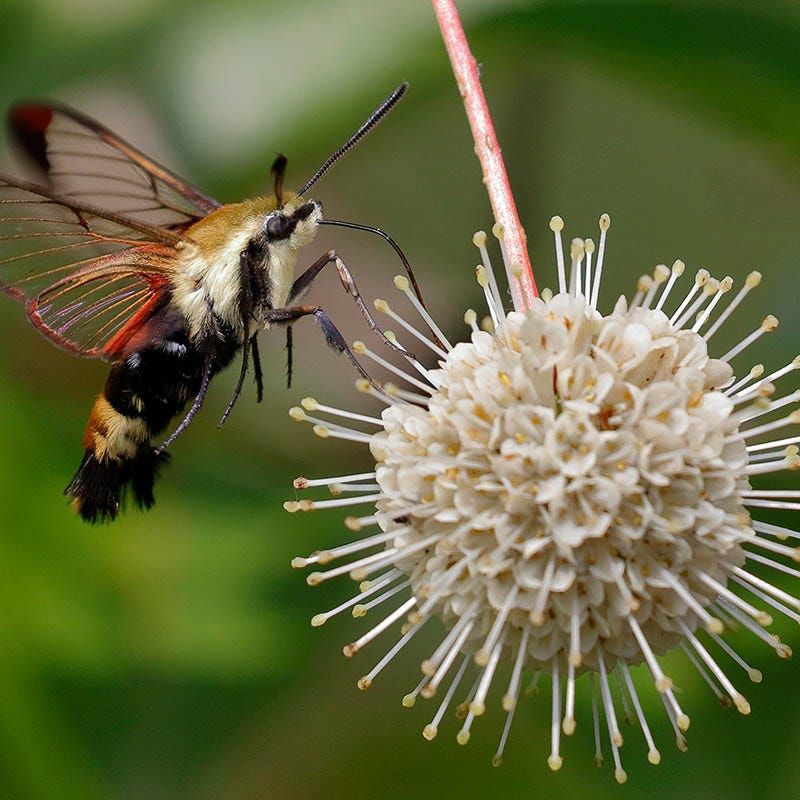
Picture a tiny white pincushion, or maybe a little planet made of needles. That is a buttonbush flower, and moths cannot resist it.
Cephalanthus occidentalis loves wet feet. If you have a soggy low corner, a rain garden, or a pond edge, this shrub turns a problem spot into a feeding station.
Water attracts insects on its own, and bats love hunting over it, so buttonbush near water is a double win.
Sphinx moths are frequent night visitors, and the shrub also hosts some moth caterpillars. Ducks eat the seeds later in the year.
It can get big, so give it room.
6. Ninebark
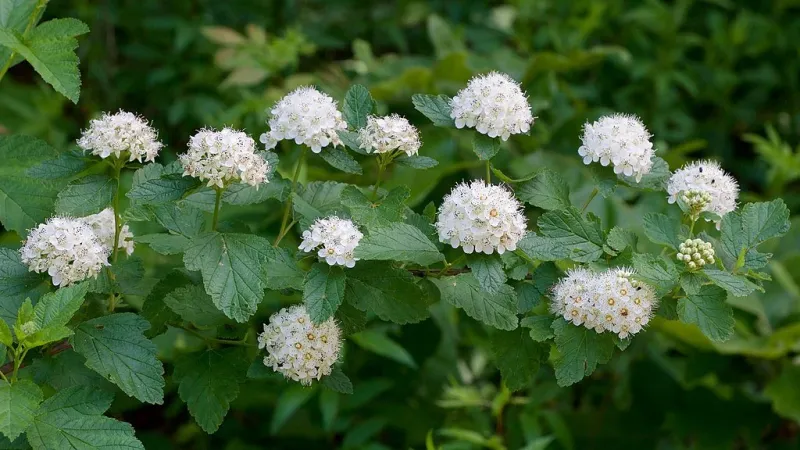
Got a burning bush turning red by the driveway? It looks nice for a few weeks, but it spreads into NC woods and feeds almost nothing.
Ninebark is the swap worth making.
Physocarpus opulifolius gives you rounded clusters of white spring flowers that pull in moths and other pollinators. More than 15 moth species may feed on its leaves as caterpillars.
That means a steady supply of moths rising out of your shrubs as the season rolls on.
The name comes from its peeling bark, which curls off in papery layers. It is tough, handles clay, and does especially well in the mountains and upper Piedmont.
7. White Garden Phlox
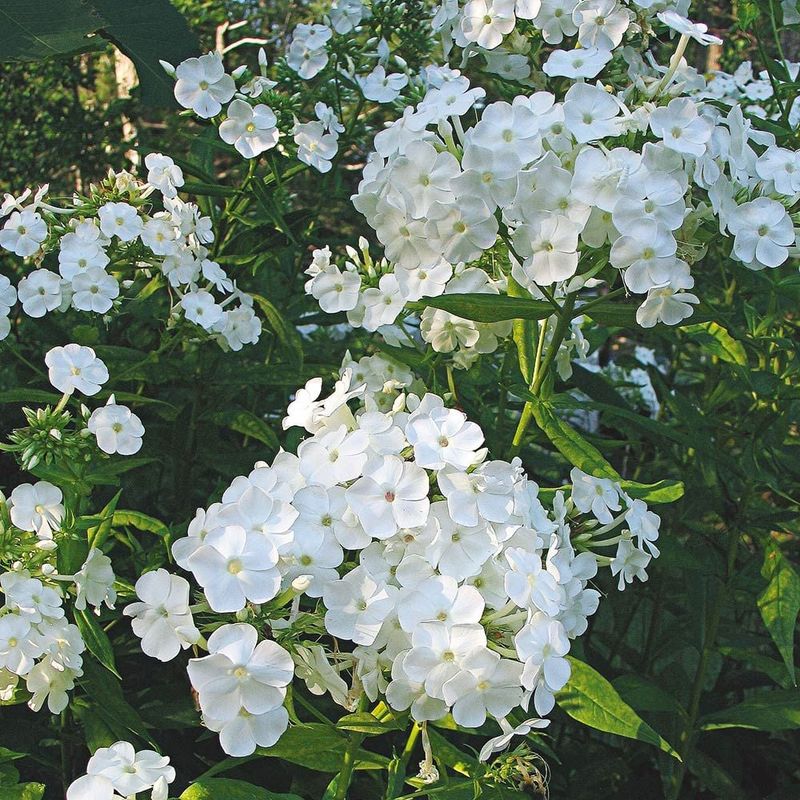
Grandma probably had a clump of garden phlox by the back steps, and she had the right idea. Phlox paniculata is a true native that fills summer evenings with a soft, sweet scent.
Go for white-flowered types when you can. Pale blooms are easier for moths to spot in the dark, and the fragrance gets stronger toward evening.
Bats follow the moths that follow the smell.
Plant it where air moves freely, since crowded phlox can get powdery mildew. Deadhead spent blooms and it may keep flowering into early fall.
8. Asters
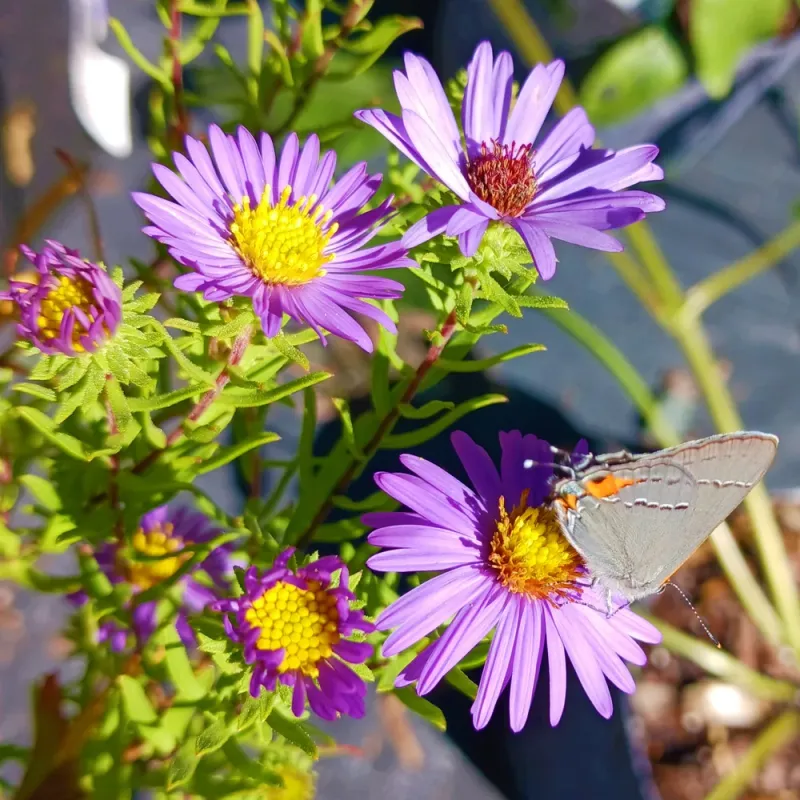
By late October most of the garden is done. Asters are just getting started, and that timing is exactly what makes them so valuable.
Aromatic aster (Symphyotrichum oblongifolium) blooms deep into fall, often after the first cool snaps. Moths still out on mild nights find nectar here when little else is open.
Bats need every meal before hibernating or migrating, so a late aster patch can matter a lot.
White and pale asters show up best at night. Cut plants back by half in early summer to keep them bushy instead of floppy.
9. Witch Hazel
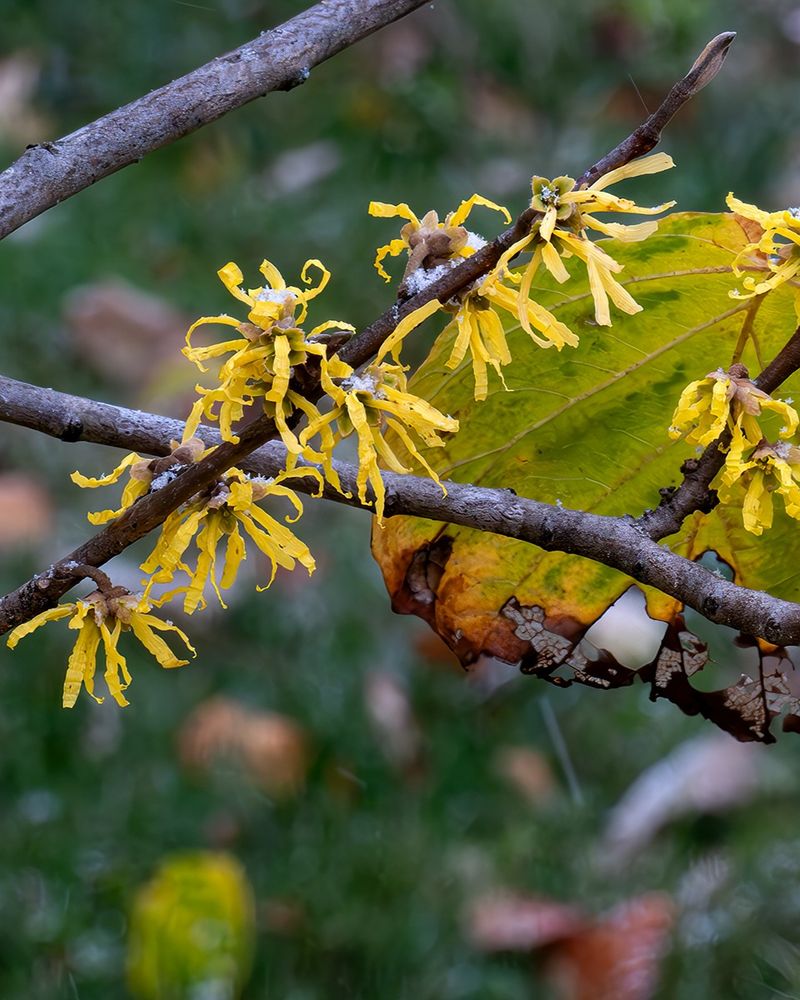
Just when you think the bloom season is over, witch hazel shows up with spidery yellow flowers in November. Hamamelis virginiana is one of the last things to flower in NC yards.
Some moths, including owlet moths that are active in cold weather, feed on late-season blooms like these. Having food around this late can help support the insect life that bats rely on during warm fall nights.
It grows happily at the edge of woods in part shade across the state. Plant it where you can see it from a window, since those ribbon-like blooms are a real treat in gray weather.