
If Your Wisteria Grows Wild Every Year But Never Blooms, Here Are 11 Mistakes Holding It Back
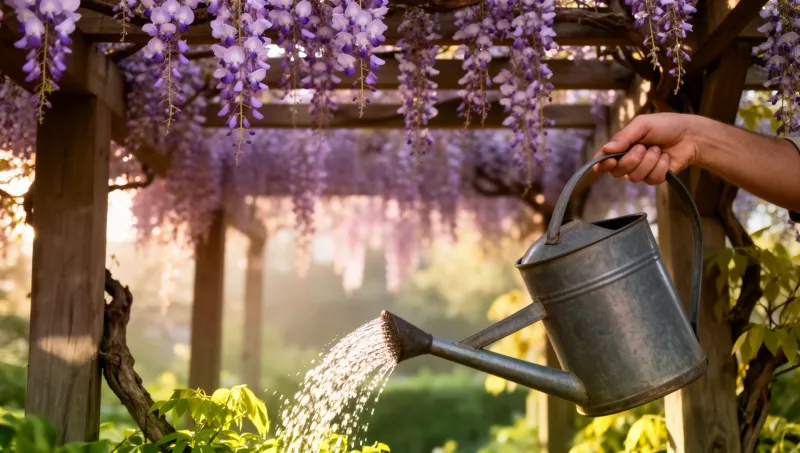
Your wisteria climbs the fence, swallows the porch rail, and sends green whips everywhere, yet not a single purple flower shows up. That can feel like the plant is teasing you.
The good news is that a flowerless wisteria is usually reacting to something simple, like the wrong food, the wrong pruning time, or too much shade. Once you spot the mistake, most fixes cost little and start paying off within a season or two.
1. Growing a Seed-Started or Too-Young Vine
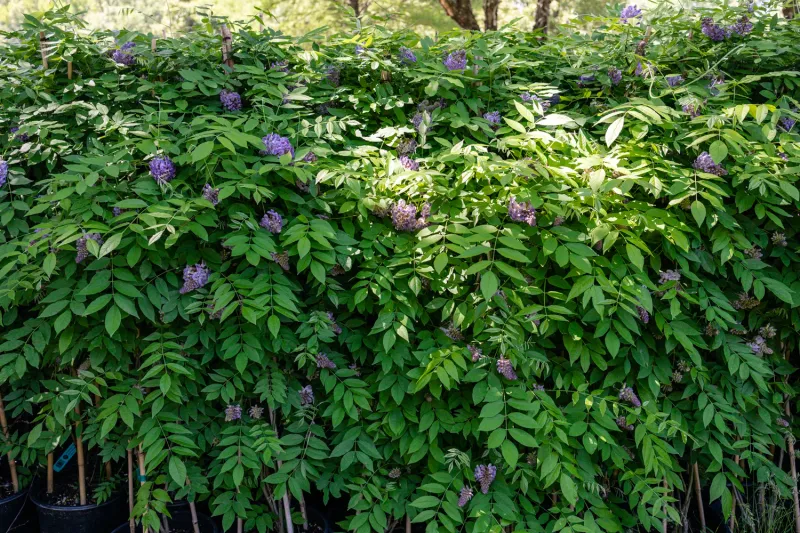
Picture waiting fifteen years for a first flower. That is the real timeline for many wisteria vines started from seed, and some take closer to twenty.
Seedlings spend years in a juvenile stage where they only grow leaves and stems. Grafted plants or vines rooted from cuttings skip most of that wait and often bloom within two to five years of planting.
If you inherited a vine or got one from a friend’s seed pod, age may be your whole problem. Check the base of the trunk for a graft knob, a swollen bump near the soil line.
No knob often means seed-grown. For faster color, buy a grafted wisteria that is already flowering at the nursery, so you know it has reached blooming age.
2. Feeding It Too Much Nitrogen
Here is the funny part: wisteria makes its own nitrogen. As a member of the pea family, it pulls nitrogen from the air with help from bacteria on its roots.
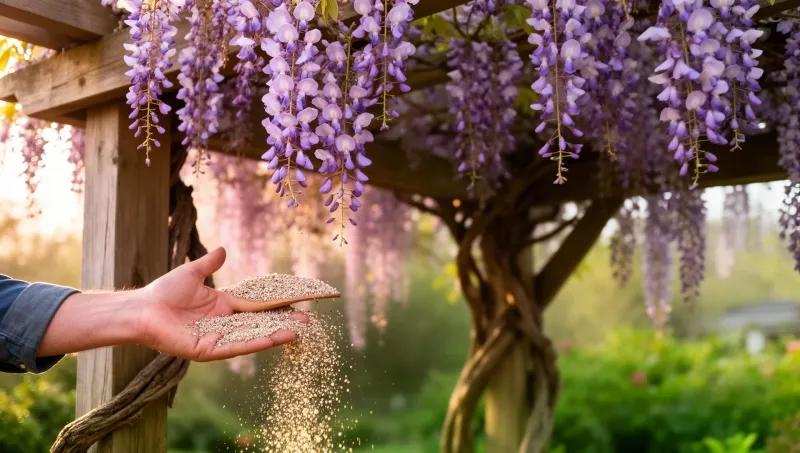
So when you add an all-purpose or lawn fertilizer, you are handing it extra fuel for leaves and vines. The plant happily obliges, growing like crazy and skipping flowers.
Lawn feed is a sneaky culprit because it spreads into the root zone even when you never aim it at the vine. Make a wide mulch ring around the wisteria so your lawn food stays out.
If you feel you must fertilize, choose one with a higher middle number, such as 5-10-10, and apply it in early spring or fall.
3. Planting It in Too Much Shade
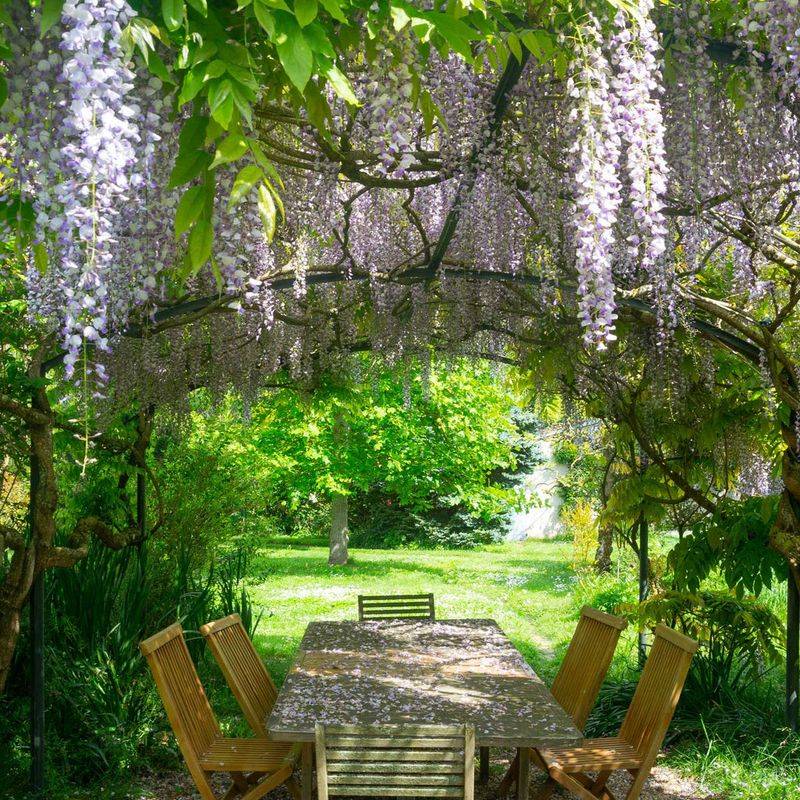
A vine can survive in shade long after it stops flowering there. Wisteria wants at least six hours of direct sun a day to set a good crop of buds.
Many gardeners plant in full sun, then watch a neighbor’s maple or their own shed slowly steal the light over the years. The vine keeps growing, so nobody notices until blooms quietly disappear.
Spend one day checking the spot every couple of hours. If shade wins, thin overhanging branches or train new growth toward the sunny side of your arbor.
For a young plant, moving it to an open, bright location is often the smartest fix.
4. Pruning at the Wrong Time or Not Enough
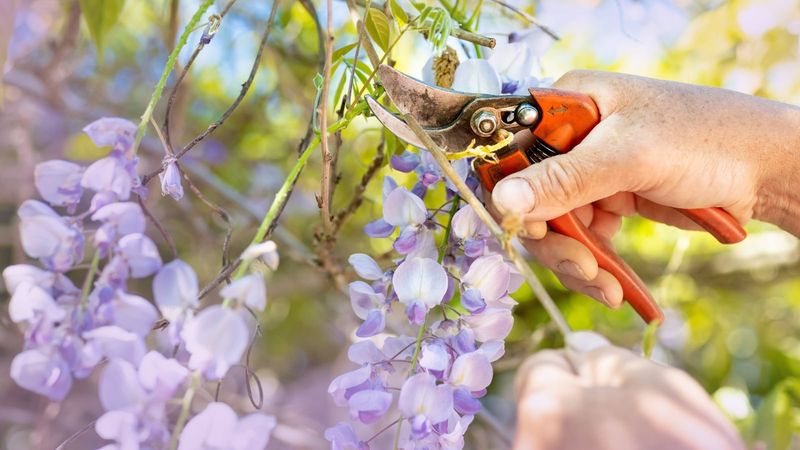
Two haircuts a year. That is the secret rhythm wisteria loves, and missing it is one of the most common reasons for a leafy, flowerless vine.
In mid-summer, around July or August, cut the long whippy shoots back to five or six leaves. This stops wasted energy and nudges the plant to form flower buds on short spurs.
Then in late winter, usually February, shorten those same shoots to two or three buds. Fat, round buds are flowers, while skinny, flat ones are leaves, so you can see what you are saving.
Avoid heavy fall cuts, since that is when you snip off next spring’s show.
5. Letting Roots Sit in Soggy Soil
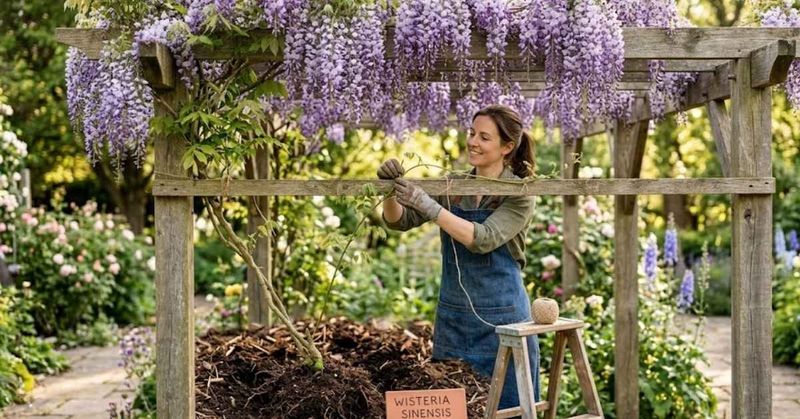
Walk out after a heavy rain and look at the base of your vine. Standing water there is a warning sign.
Wisteria tolerates many soil types, but it does not like wet feet for long. Waterlogged clay can starve roots of air, stress the plant, and in bad cases lead to root rot.
A stressed root system spends its energy surviving, not flowering. When planting, mix plenty of compost into heavy soil to loosen it up.
For an existing vine, redirect downspouts and add compost to the surface each year to slowly improve drainage.
6. Skipping Water During Late Summer
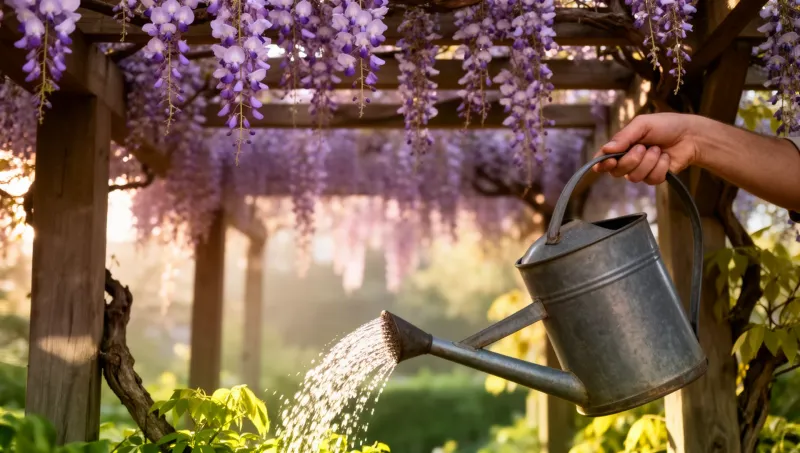
Most folks think about spring flowers in spring. Wisteria, though, builds next year’s blossoms during the heat of July through September.
If the soil dries out badly during that window, the plant may drop its tiny developing buds. You will not see the damage until the following spring, when the vine leafs out with almost nothing to show.
Give your wisteria a deep soak once a week during dry summer spells, especially in young plants still building roots. A layer of mulch helps hold moisture in.
It is a small chore that protects an entire season of color.
7. Ignoring Late Spring Frost
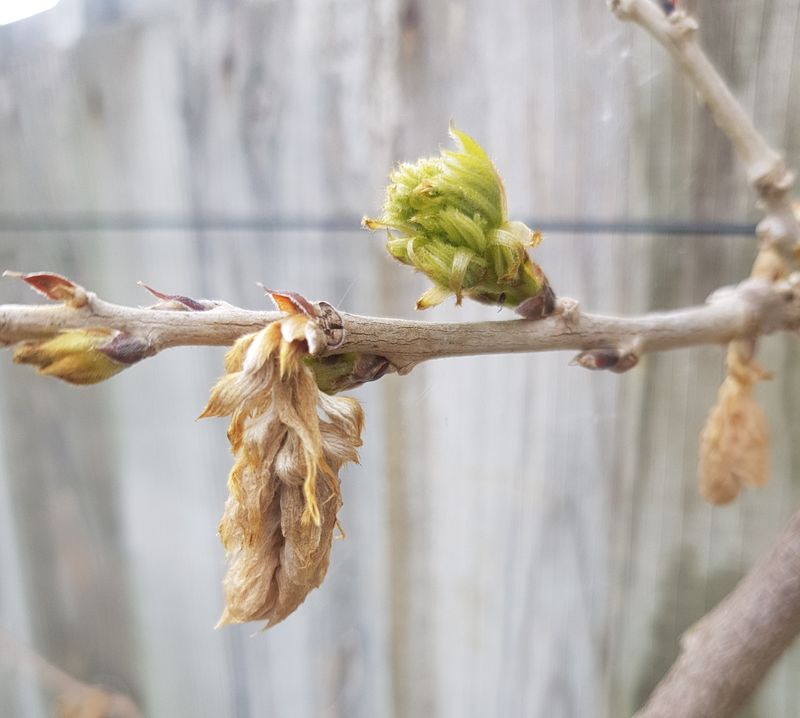
Nothing stings like seeing fat buds swell, then turn brown after one cold night. Late frost is heartbreaking, and it hits Chinese and Japanese wisteria hardest in northern states.
Those buds are tender, and a sharp freeze can make them fall off or open twisted and small. The vine itself is fine, which makes the lack of flowers even more confusing.
Watch the forecast in spring. When a frost threatens, drape a frost cloth over reachable parts of the vine overnight.
Planting against a south-facing wall or other sheltered spot can also soften cold snaps.
8. Choosing the Wrong Wisteria Variety
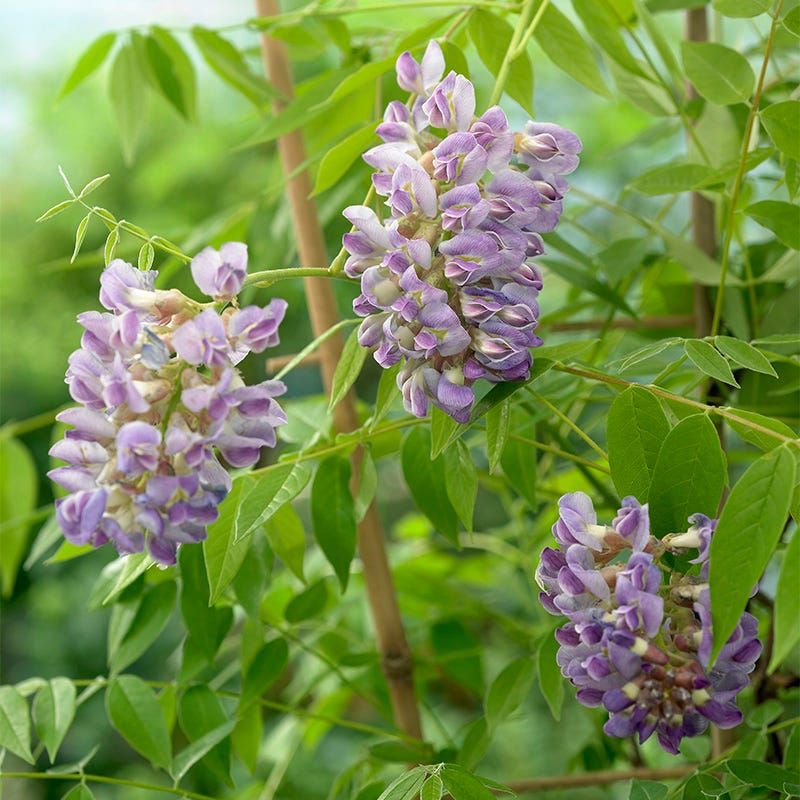
Did you know North America has its own native wisteria? American wisteria and Kentucky wisteria are often tamer and more dependable than their Asian cousins.
Chinese and Japanese types are gorgeous but can be slow to start, easily hurt by frost, and invasive in parts of the US. Native types bloom on the current season’s growth, so a cold snap on old wood matters less.
If you are replacing a stubborn vine or starting fresh, look for cultivars like ‘Amethyst Falls’ or ‘Blue Moon.’ They tend to flower young and repeat lightly in summer. Always choose grafted or cutting-grown plants.
9. Overlooking Low Phosphorus or Potassium
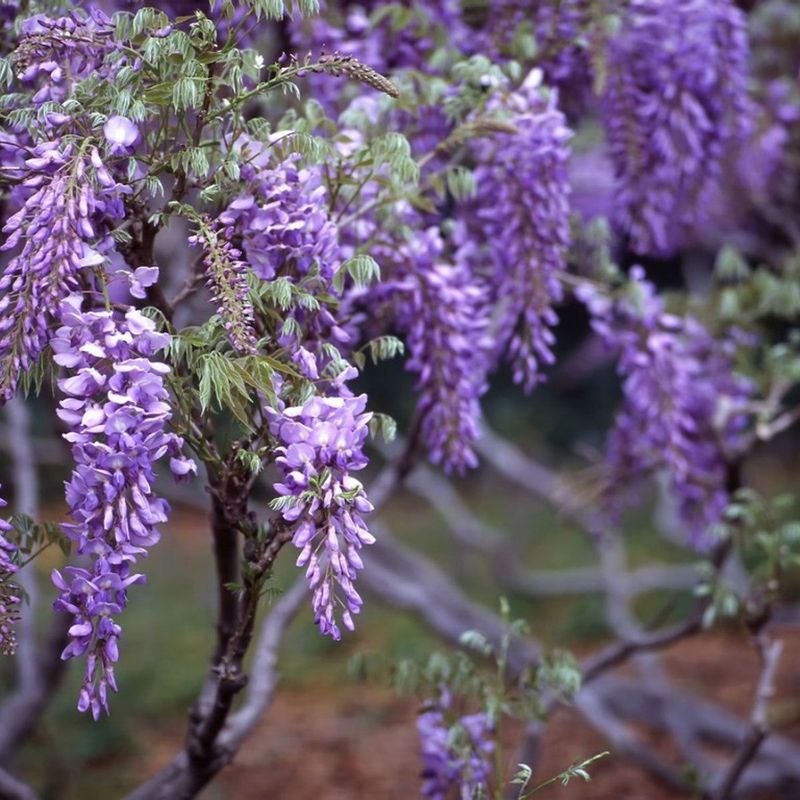
Sometimes the issue is not too much food but the wrong mix. Phosphorus helps plants form flowers, and some soils simply do not have much.
A spring application of superphosphate or a bloom-focused blend like 8-15-15 may help nudge a reluctant vine. In sandy soils that run low in potassium, a little sulfate of potash can also support flowering.
Go easy, though. Scatter it around the root zone in early spring, water it in, and follow package rates.
More is not better here.
10. Expecting Flowers Right After Transplanting
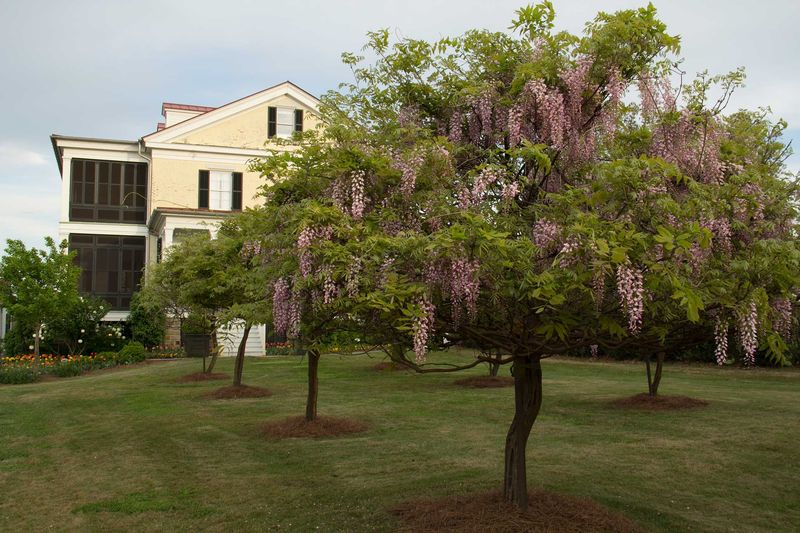
Moving is stressful, even for a vine. After transplanting, wisteria puts its effort underground, rebuilding roots before it thinks about flowers.
That settling-in period can last a couple of years, and a skipped bloom season is normal. Digging it up again or overfeeding usually makes things worse.
Water regularly during the first year, keep mulch around the base, and let the plant be. Patience here is not lazy.
It is the fix.
11. Never Testing Soil pH

Yellow leaves with green veins are your vine’s way of waving a flag. That pattern, called iron chlorosis, often shows up when soil is too alkaline.
Wisteria prefers a pH between 6.0 and 7.0. When soil climbs higher, the plant struggles to absorb nutrients, which weakens growth and can hold back flowers.
An inexpensive soil test or your local extension office can tell you where you stand. If pH runs high, a sulfur soil acidifier may slowly bring it down.
As a last resort for a healthy but stubborn vine, some gardeners root prune by slicing a shovel into the ground two to three feet from the trunk in late spring, which can gently shock it into blooming.