
Why You Should Keep Some Leaves To Support Firefly Habitat In Your North Carolina Yard
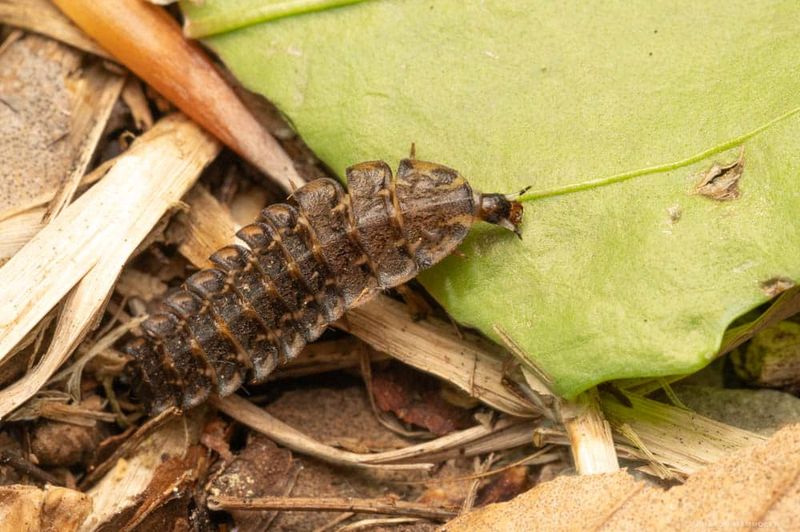
Fall cleanup can feel like a job that is not finished until every last leaf is gone. For fireflies, though, a bare yard can mean fewer places to hide, hunt, and spend the winter.
You do not have to stop raking to help. Keeping one leafy corner may give some fireflies a better chance, even though no yard setup can promise a glowing summer night.
A firefly-friendly yard does not need to be leaf-free
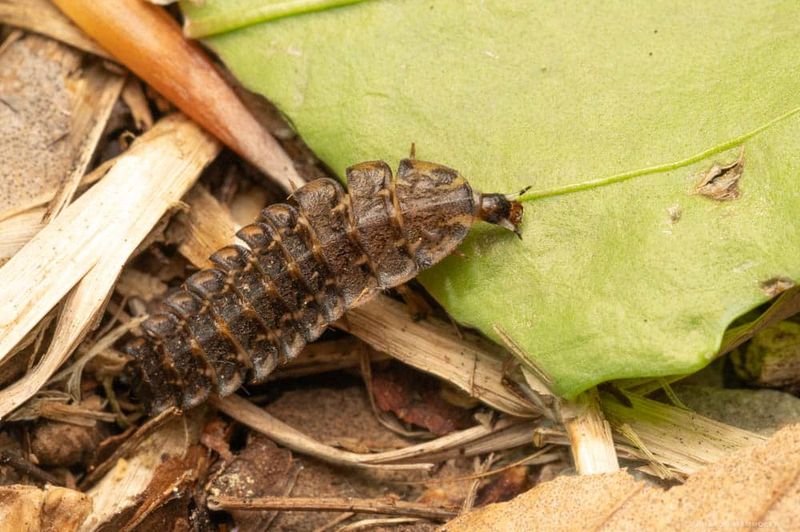
Fall cleanup does not have to be all or nothing. You can rake the lawn, clear the walkways, and still save a small leafy corner for wildlife.
That middle path is what this article is about.
NC State Extension recommends leaving a natural area with leaves and vegetation if you want to help fireflies. The Xerces Society adds that leaf litter shelters some fireflies and their prey and helps soil hold moisture.
Neither source says every firefly species needs leaves.
So the goal here is modest and realistic. Keeping some habitat may support fireflies that already live nearby.
It will not bring them back on a schedule, and it cannot guarantee a single flash next June.
Think of it as a trade you can live with. Most of your yard stays neat for your family, your mower, and your neighbors.
One low-traffic patch stays a little wild, and that small choice costs you very little effort.
You also do not need to feel guilty about the raking you have already done. Habitat is something you can add at any point, starting with whatever leaves are still on the ground this season.
Leaf litter can shelter larvae and the prey they hunt
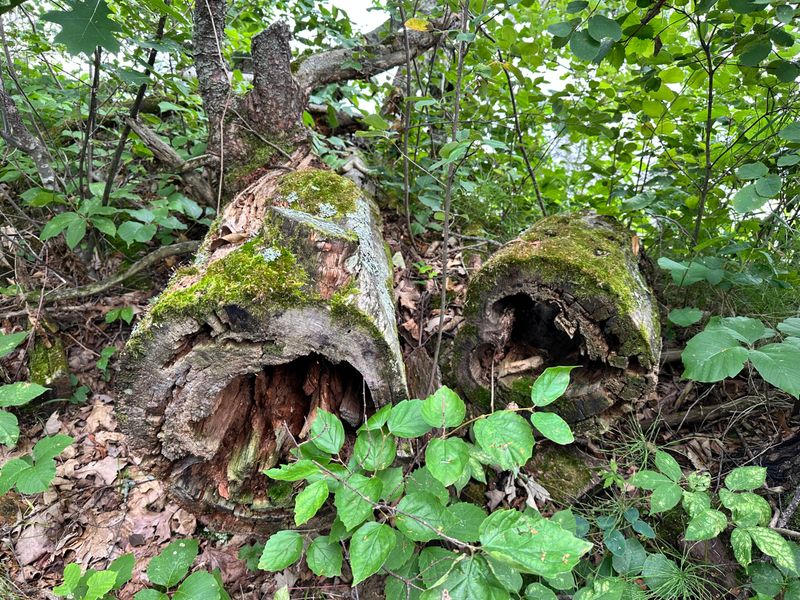
Down in the leaves, a quiet hunt is going on. Many firefly larvae live near the ground, and an NC State insect-biodiversity expert explains that larvae feed on soft-bodied animals such as snails and slugs.
Those prey animals like cool, damp cover.
Leaf litter can provide that cover for both hunter and hunted. Some larvae use it to hide, and the snails and slugs they eat may shelter there too.
The Xerces Society guidelines also note that leaf litter helps retain soil moisture, which suits the damp ground many larvae and their prey prefer.
Think of a leafy patch as a small pantry and shelter in one. A pile of leaves also cushions the soil against drying out during a hot, dry stretch.
Still, leaf litter is one helpful feature, not a rule that applies to every firefly. Species differ in where they live, so a leafy corner will suit some better than others.
Treat it as one good ingredient in a yard that offers several kinds of habitat.
Why a leaf pile cannot promise fireflies next June
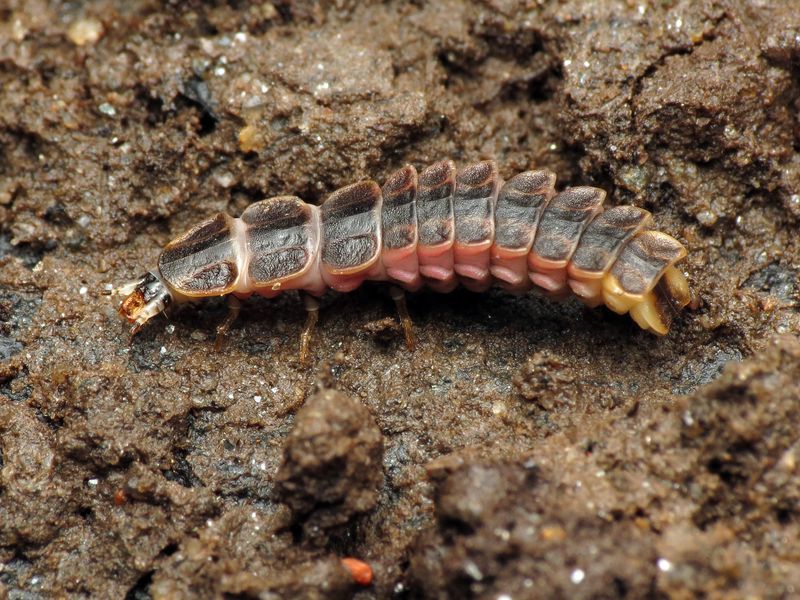
Fireflies spend most of their lives out of sight. Oklahoma State University Extension explains that larvae can last one to two years, and that fireflies may pass the winter as eggs, larvae, or pupae.
The glowing adults you see in June are just the final, short chapter.
That is why one fall of raking cannot predict next summer. The fireflies in your yard may be on a multi-year schedule, and what you see in June depends on what happened over many months.
Where they spend winter varies too. Some overwinter in leaf litter, while others use logs, bark, or soil.
A review of firefly larval biology describes larvae in soil, rotting wood, trees, and even aquatic or semi-aquatic settings.
The Xerces Society guidelines make the same point: habitat needs differ by species. A leaf patch will help some and do little for others.
None of this makes the leafy corner a bad idea. It just means the honest promise is better habitat, not guaranteed fireflies.
If you keep the patch and see none next June, the patch did not fail. Fireflies simply depend on a lot of things you cannot see.
Where to leave leaves in a North Carolina yard

Start by walking your property and looking for a spot nobody uses. A back corner, a fence line, the edge under trees, or a strip beside a shrub border can all work.
The best choice is low-traffic ground that you would not mow or walk across anyway.
NC State Extension suggests keeping a natural area with leaves and vegetation. Once you pick the spot, let the leaves stay where they fall and plant or keep ground cover and native plants around it.
A mix of leaves, plants, and shade usually holds moisture better than bare leaves in full sun.
Limit what you do there. The Xerces Society notes that ground disturbance can remove habitat or directly harm fireflies, so skip the mowing, trampling, and raking in that patch.
If you have a fallen branch or small log that is not a hazard, it can stay as well, since some fireflies use wood.
There is no magic size. A small patch on a townhouse lot and a long edge on a larger property are both reasonable.
In the mountains, Piedmont, or Coastal Plain, choose what fits your lot, your slope, and your family.
What else can make a yard more hospitable to fireflies?

Leaves are only part of the picture. Fireflies need food, moisture, cover, and darkness, and each of those can be affected by how a yard is managed.
Small changes across several areas tend to matter more than one big one.
Lighting is a good place to start. The Firefly Atlas FAQ lists artificial light and pesticides as concerns for fireflies, since light can interfere with how they signal each other.
Turn off lights you do not need, especially at night, and aim the rest downward.
Pesticides deserve the same attention. NC State Extension recommends reducing outdoor lighting and avoiding chemicals.
Larvae live in the soil and leaf litter and eat other small animals, so sprays aimed at lawn pests may reach them too.
Keep plants growing as well. Native shrubs, ground cover, and a bit of tall grass hold moisture and shelter the snails, slugs, and other small animals that larvae eat.
The Xerces Society guidelines also point to vegetation and moisture as part of good firefly habitat.
Treat these as helpful steps, not a checklist with a guaranteed result. Each one may improve conditions a little.
Keep a refuge and manage leaves where they cause problems

Wildlife habitat and a well-kept home can live on the same lot. The refuge is one patch, so everywhere else you can rake, mulch, shred, or haul leaves as needed.
Nothing about firefly habitat requires leaves to pile up across the whole property.
Leaves can also cause trouble in planting areas. NC State Extension notes that thick, unshredded leaf mats can impede water penetration in landscape beds.
Shredding leaves with a mower before spreading them keeps water moving to plant roots.
Safety comes first near the house. NC State’s guidance on fire-resistant landscaping in North Carolina says to remove leaves and other debris within five feet of the home, including from decks, patios, and fences.
It also says to clear roofs and gutters.
So keep your leafy refuge well away from the house, and do not let wildlife goals override that advice. A back corner or far fence line is a better choice than the foundation bed.
That one rule sorts most decisions: leaves close to the house go, and leaves in the quiet corner stay.
Leave a refuge, not a promise
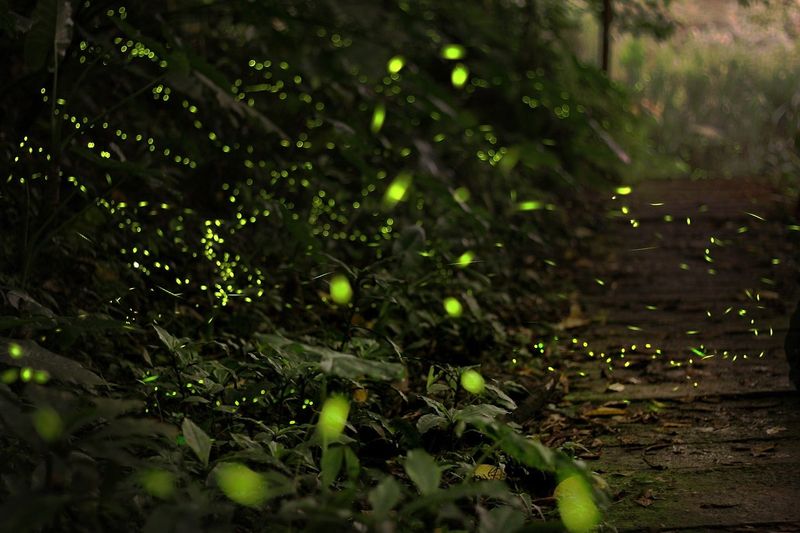
You can rake where you need to and still give fireflies a place to be. Keep one undisturbed, leafy area, and cut back on extra lights and pesticides, as NC State Extension suggests.
These choices can improve conditions, but they cannot guarantee fireflies or a visible change by next June.
Think of the leafy corner as a small, quiet invitation. If someone shows up, you helped.
If not, you still gave the yard a little more life.