
American Persimmon in North Carolina: A Native Fruit Tree That Could Reward You in Fall for Years
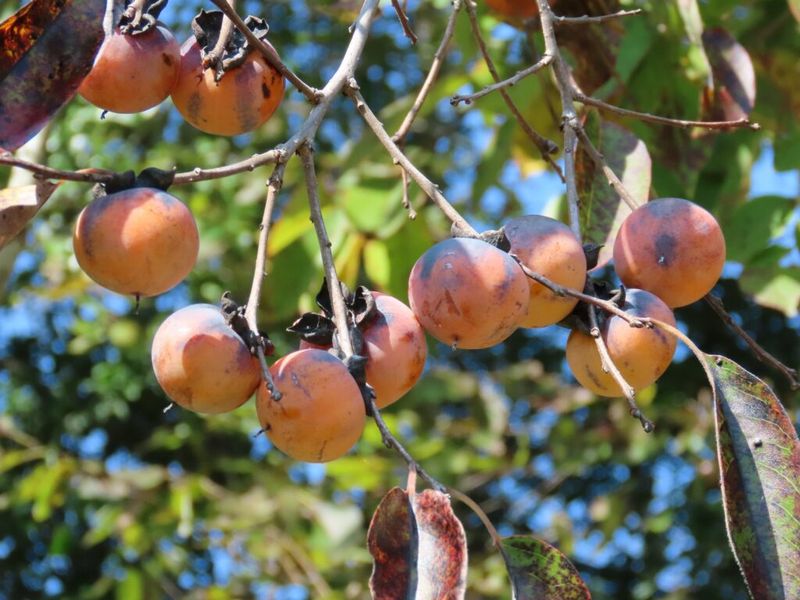
Few native trees hand you sweet, orange fruit in autumn and feed the neighborhood wildlife at the same time. American persimmon can do both in many North Carolina yards.
It takes patience, the right spot, and a little planning about pollination. Here is how to decide if one belongs in your yard and how to plant it well.
American persimmon suits many North Carolina yards, but not all
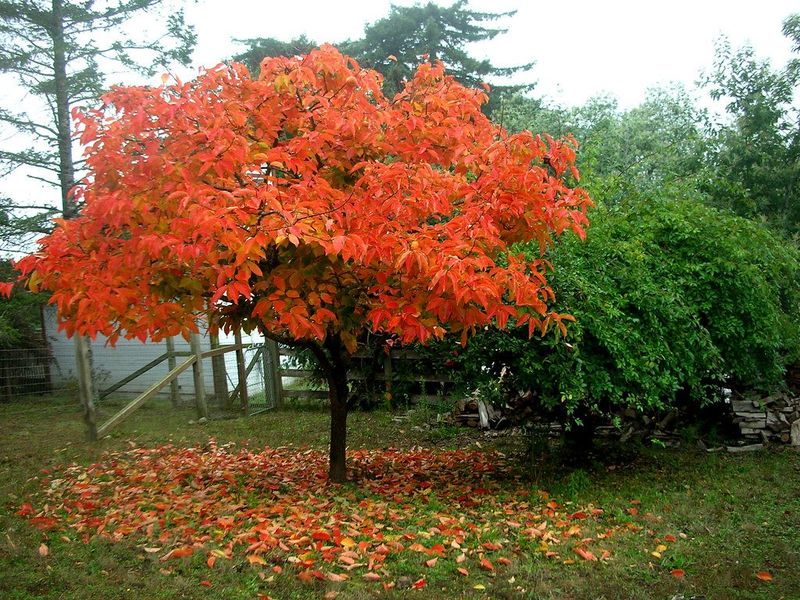
American persimmon (Diospyros virginiana) is the native fruit tree this guide covers. It is a fall fruit tree, and NC State’s plant profile also lists its fruit as food for birds and mammals.
For a yard steward, that means a tree that can put out a wild-food crop for local wildlife and possibly for you.
Native to North Carolina does not mean equally happy everywhere in the state. A state plant guide says it is most common in the Piedmont and less common in the mountains and the Coastal Plain.
The fruit-tree advice is more specific. NC State’s fruit-tree handbook recommends persimmons for eastern and central North Carolina, but it does not list them among its western recommendations.
If you garden in Raleigh, Greensboro, Fayetteville, or Greenville, persimmon is a reasonable candidate. In the mountains, treat it as an experiment and not a sure thing, and expect cold, elevation, and your own site to matter.
Even in the right region, a native tree still needs the right spot. Drainage, sunlight, and available room will shape how well it does in your yard.
The next sections walk through those details one at a time.
Give the mature tree room to grow
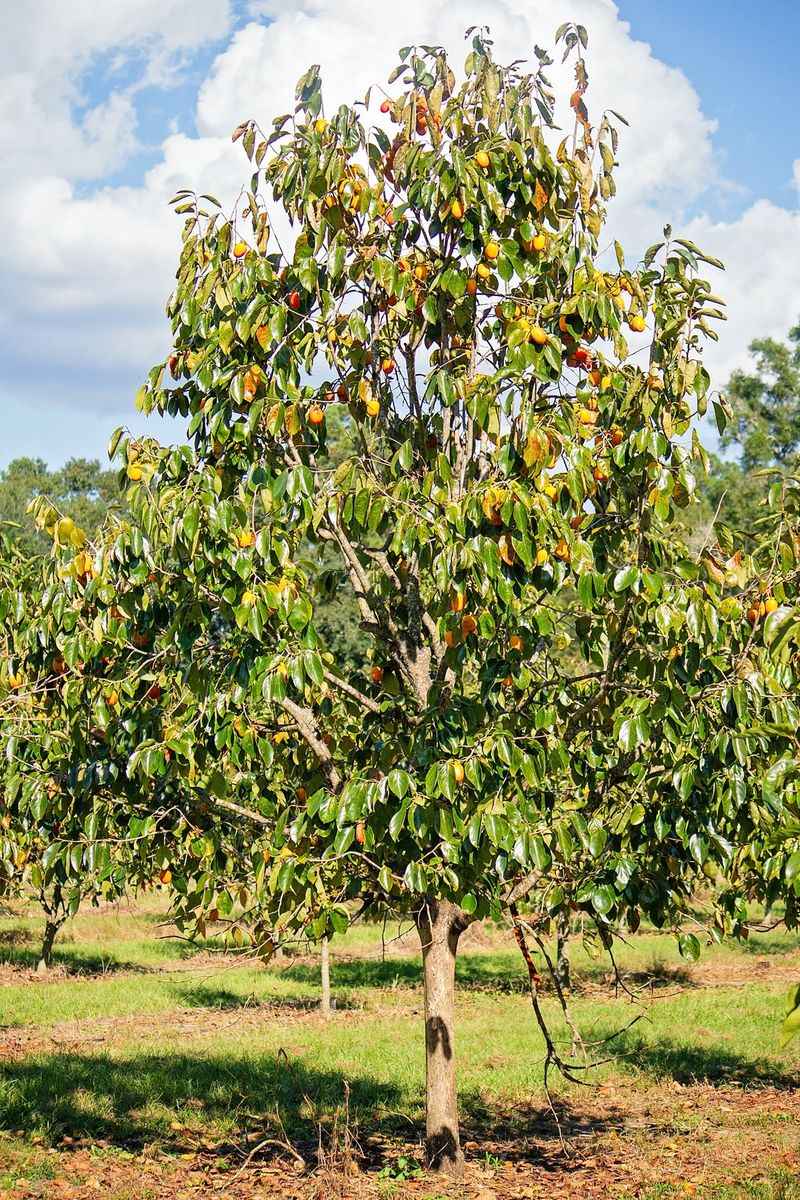
Picture the full-grown tree before you buy one. The NC Forest Service describes a mature American persimmon at roughly 20 to 40 feet tall with a crown spread of 20 to 30 feet.
It prefers moist, well-drained soil and does well in full sun or partial shade.
NC State’s plant profile gives a taller possible height range. So leave generous space, and do not treat this as a small-yard tree that you can tuck beside the patio.
Good placement keeps it away from the house, overhead utility lines, septic fields, and the edges of your property line. Think about where the canopy will be in twenty years, not where the tiny sapling stands today.
Fruit drop is part of the deal. Ripe persimmons fall, and the soft fruit can make a sticky mess on a driveway, deck, or walkway.
Plant the tree where fallen fruit can land on grass or a mulched bed instead.
Wildlife will also come for the crop. Birds and mammals eat persimmons, so a tree near a quiet corner of the yard can double as a feeding spot for the animals you already enjoy watching.
Treat that as a design feature rather than a reason to skip planting.
Plant in late fall or early winter

Timing matters here. NC State’s fruit-tree handbook says late fall or early winter is the best time to plant fruit and nut trees in North Carolina.
Early September, when the soil is still hot and dry, is not the same thing.
The reason is below ground. Roots of a tree planted in that window can keep growing through winter, so the tree has a head start before spring leaf-out and summer heat arrive.
Once you buy a tree, get it into the ground promptly. A tree sitting in a pot or a bundle of bare roots in the garage is losing ground, so line up your site before you shop.
For the hole, dig twice as wide as the root system but no deeper than the root ball. A wide hole gives roots loose soil to push into.
A hole that is too deep can leave the tree sinking as the soil settles.
Set the tree at the same level it grew in the nursery, backfill with the soil you removed, and water it in well. Check that the spot drains, because persimmon prefers moist but not soggy ground.
A one-tree harvest depends on the tree you choose
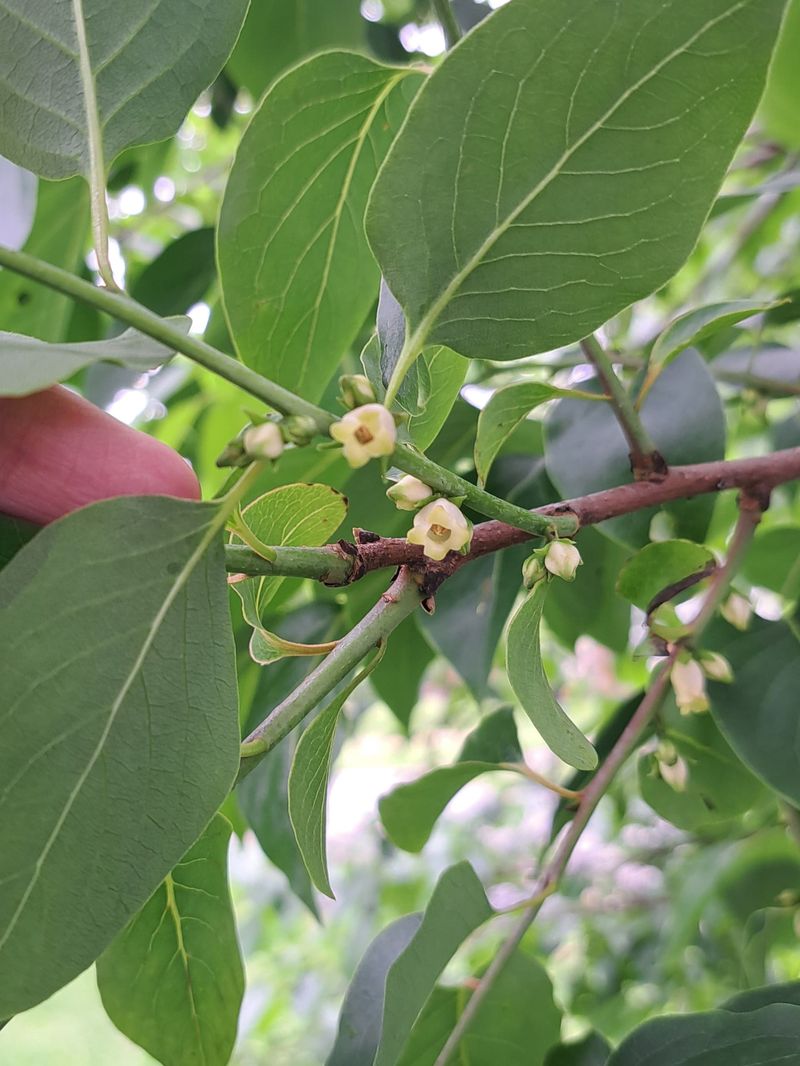
Many yards end up with a handsome persimmon that never sets fruit, and pollination is often the reason. According to Virginia Cooperative Extension, American persimmon commonly has male and female flowers on separate trees.
A female tree may need a male nearby to set fruit.
If you only have room for one tree, the choice at the nursery counts. Look for a named cultivar that is specifically documented as able to set fruit without pollination, then ask the seller to confirm that claim for that exact cultivar.
A tag that simply says persimmon is not enough.
Keep the species straight when you shop. American persimmon (Diospyros virginiana) is not Asian persimmon (Diospyros kaki), and cultivar and pollination advice for one does not carry over to the other.
Grafted and seed-grown trees are different purchases. A grafted tree is propagated from a selected cultivar.
NC State’s plant profile points out that trees grown from seed may not match the fruit characteristics of a selected cultivar.
Seedlings can still be a fine choice if you have space for more than one tree and are happy with a surprise. Just know that you may end up with males, females, and fruit of varying size and flavor.
Expect years of waiting and uneven crops
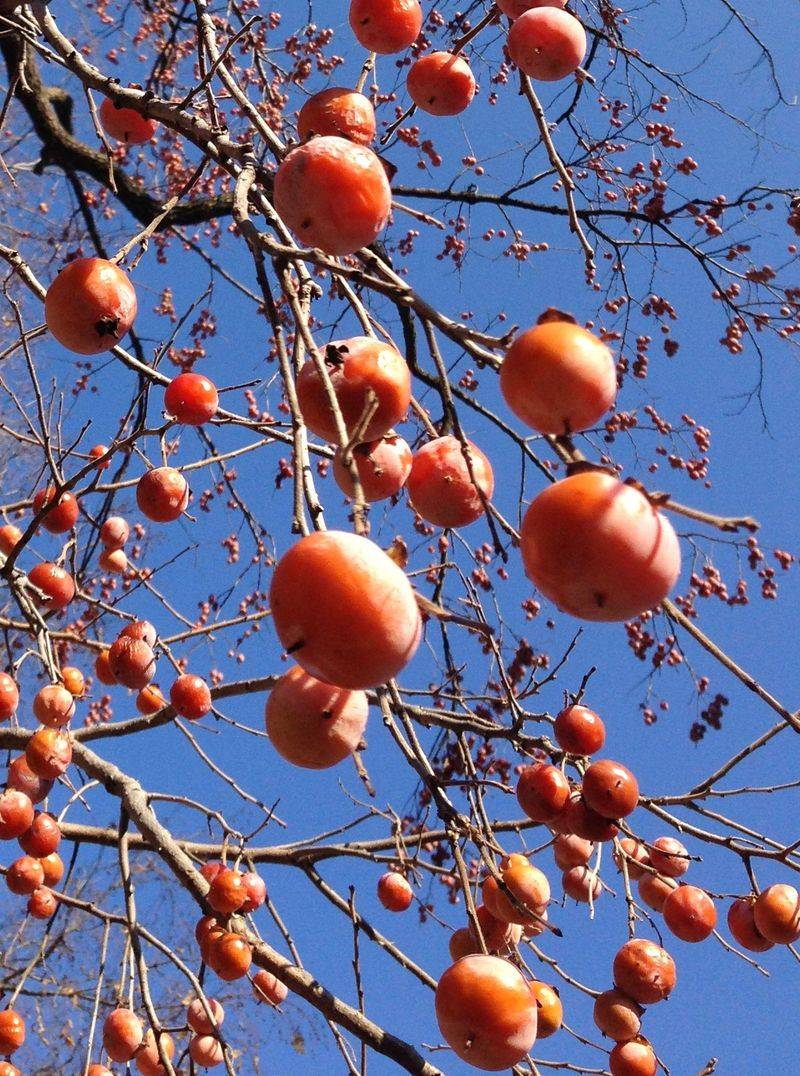
Persimmon rewards patience. NC State reports that seed-grown trees may start producing in 4 to 9 years, while grafted trees may bear in about 3 years.
Full production can take as long as 10 years.
Long life is a different matter from long production. Virginia Cooperative Extension calls the tree long-lived, but it does not give a guaranteed lifespan.
Storms, disease, and poor siting can shorten any tree’s life, so no one can promise a set number of productive decades.
Crops can swing, too. Purdue Extension notes that an exceptionally large crop can be followed by a sparse or absent crop the next year.
A practical way to handle this is to keep a simple yard journal. Jot down bloom dates, fruit set, and the harvest each year.
After a few seasons you will see your tree’s own pattern instead of guessing.
Think of fall fruit as a recurring possibility. Some years the branches will be loaded, and some years you may find only a handful, so plan your fall menu and your expectations accordingly.
Young trees need help getting established
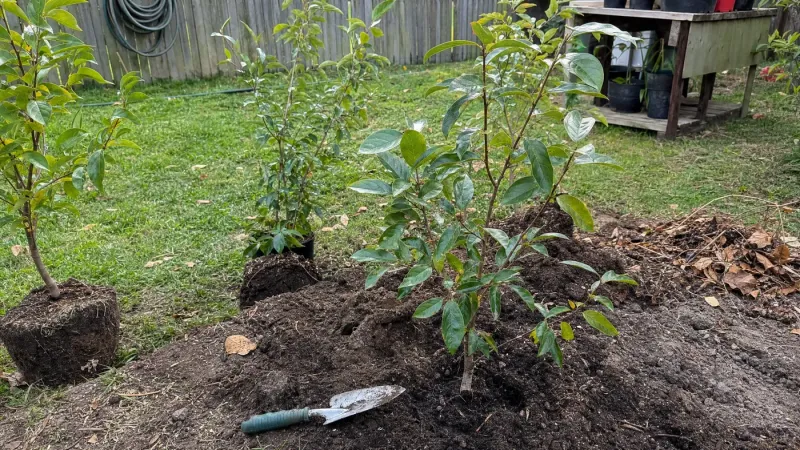
Low-maintenance is not the same as maintenance-free. A young persimmon needs some attention in its first seasons, mostly to help roots settle into your soil.
The University of Kentucky’s crop guide advises watering young trees well. It also notes that mature trees are somewhat drought-tolerant, so the extra attention is for the early years.
The sources do not give a fixed watering schedule, so use your own judgment. Check the soil near the root zone, and water deeply when it feels dry, especially during dry spells in the first growing seasons.
Planting promptly matters as well. NC State recommends getting trees into the ground soon after you buy them, before roots dry out or the plant stalls.
Beyond watering, a good site does much of the work. Pick well-drained soil with enough sun and space, and you will spend less time fixing problems later.
Pick persimmons when they are soft and ripe
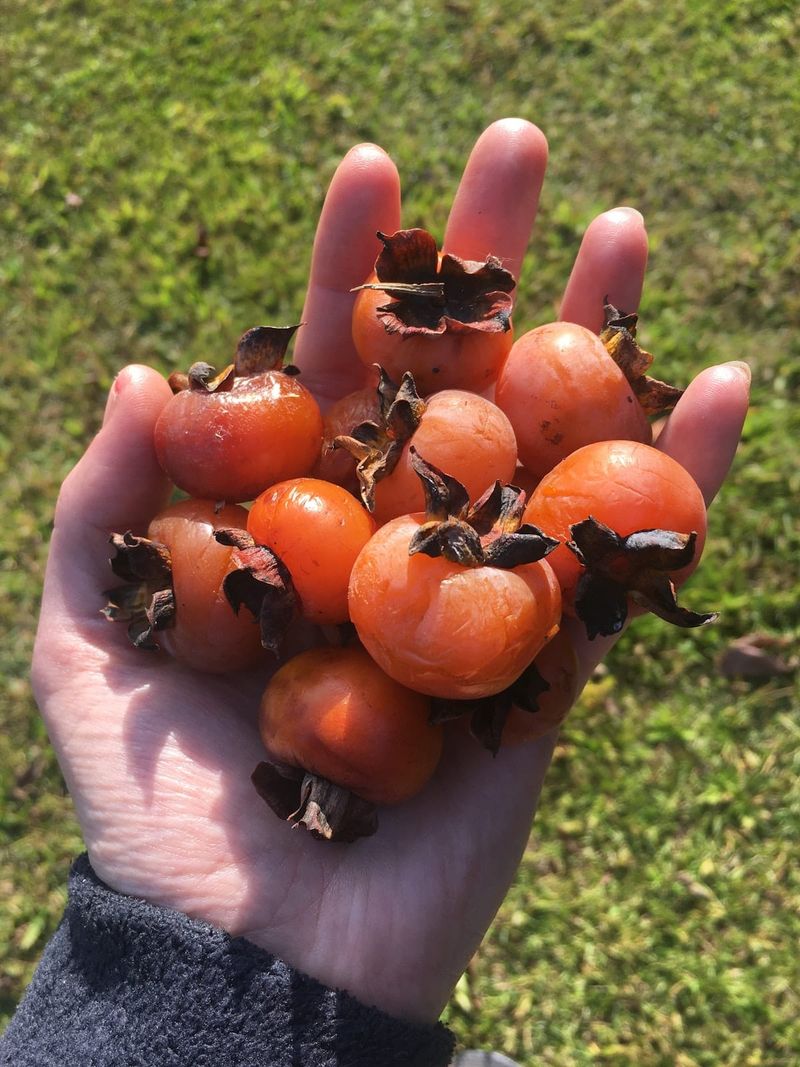
Bite into an unripe persimmon and you will not forget it. NC State explains that green fruit is astringent, and the fruit turns sweet when it is soft and ripe.
You may have heard that you must wait for a hard frost. That is not a requirement.
The University of Kentucky’s crop guide says persimmons simply need time to ripen, and edible fruit may stay on the tree into winter.
So test by feel, not by the calendar. Fruit that is soft to a gentle squeeze is ready, while firm fruit should wait.
This advice is for American persimmon, so do not apply Asian persimmon ripening rules to it.
You will not be the only one watching the tree. The NC Forest Service identifies several wildlife species that eat the fruit, so birds and mammals may get a share before you do.
Fallen fruit can get messy and attract visitors. Rake it up from walkways if needed, and leave some in a quiet corner for the wildlife.
Plant for a long-term possibility, not a yearly promise
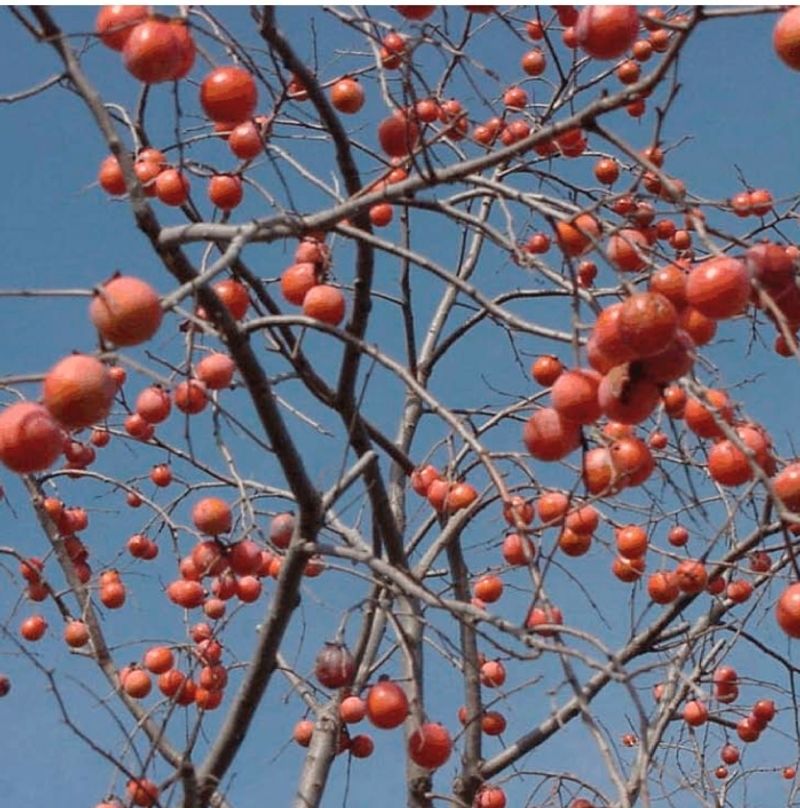
American persimmon can reward a suitable North Carolina site with native fall fruit and wildlife food. Check your region, leave room for the mature size, plan for pollination, and accept that bearing takes years and crops can vary.
NC State’s late fall or early winter window gives you the right moment to begin.
Choose your cultivar with pollination in mind, and remember that heavy crops can be followed by light ones.
Some trees reward the patient, and this one is a bet on your yard’s future.