
If Your Hydrangeas Gave You All Leaves This Year, Here Are 9 Things To Stop Doing Before Winter
You watered, you waited, and your hydrangeas gave you a big green bush with zero flowers. That stings, but it is also one of the most common hydrangea problems, and it usually has a simple cause.
The habits you keep or drop this fall decide whether next summer looks like a leafy hedge or a burst of blooms. Here are nine things to quit right now so your plant has its best shot at flowering next year.
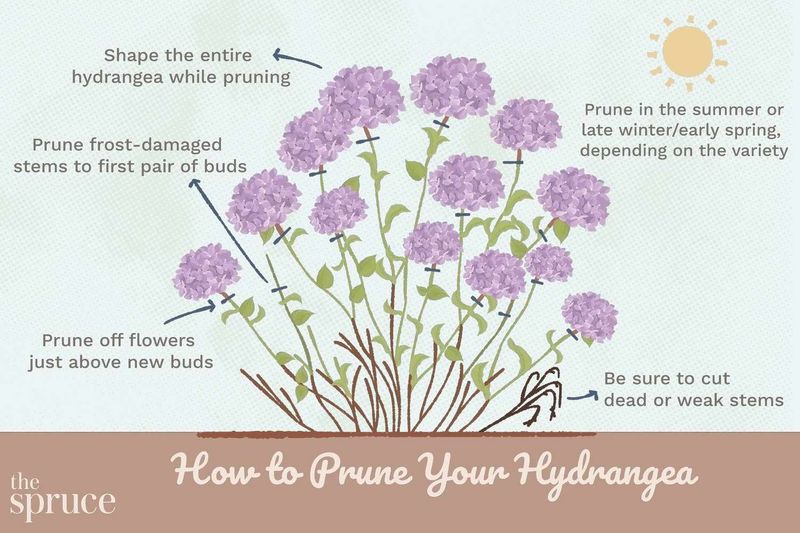
1. Pruning Old Wood Hydrangeas in Fall

Picture this: a tidy gardener grabs the pruners in October, trims the hydrangea into a neat little dome, and feels proud. Next June, nothing blooms.
That gardener may have cut off every single flower bud without knowing it.
Bigleaf hydrangeas, including mopheads and lacecaps, along with oakleaf, mountain, and climbing types, form next year’s flowers on stems that grew this year. Gardeners call that old wood.
Those buds are already sitting at the tips of the stems as fall arrives, waiting out the cold.
So put the pruners away for these varieties. If you must clean things up, only snip stems that are clearly dead, brittle, and hollow.
Save any shaping for right after the plant finishes blooming next summer.
Not sure which type you have? Look at the leaves.
Big, glossy, rounded leaves usually mean bigleaf, while leaves shaped like an oak tree point to oakleaf. Both want you to leave them alone this fall.
2. Feeding with High-Nitrogen Fertilizer
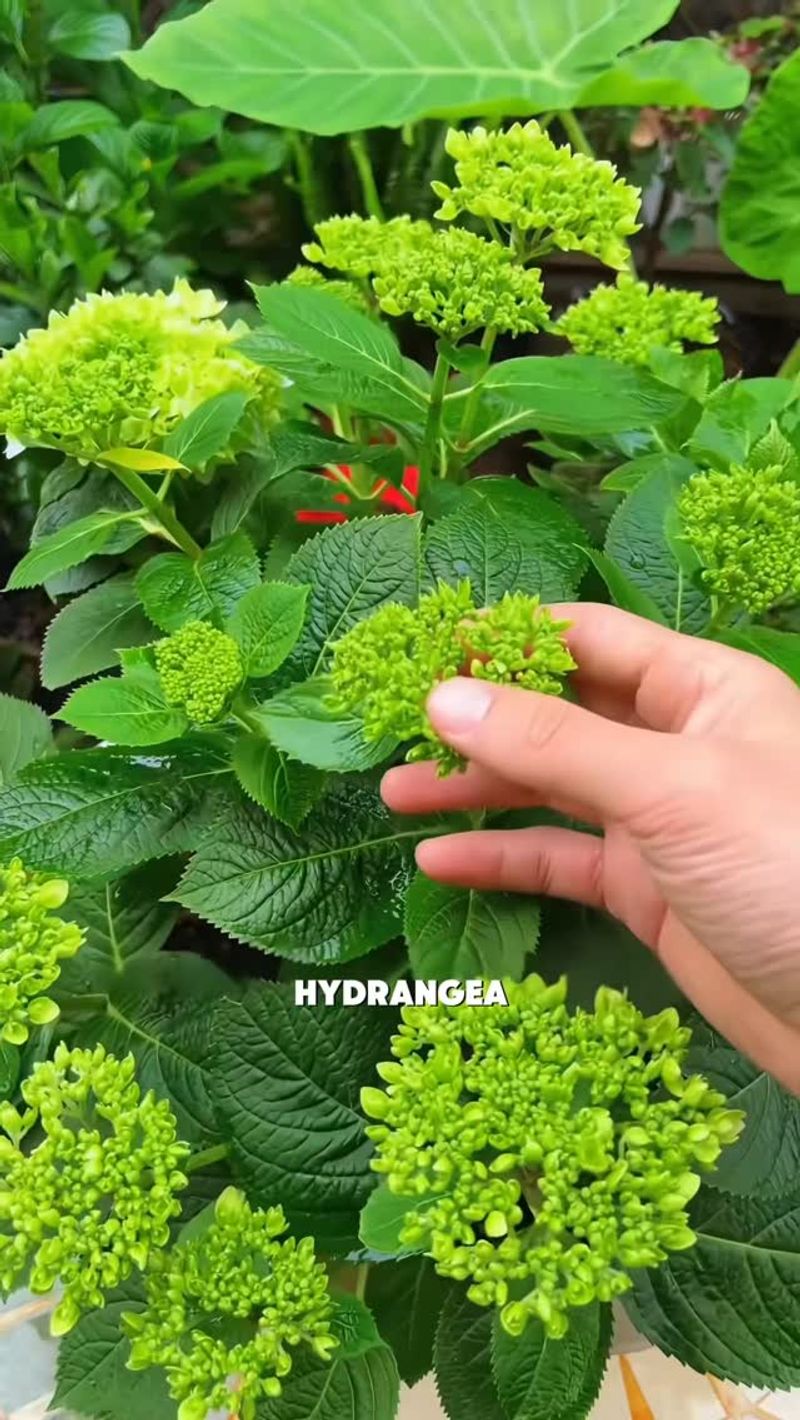
Nitrogen is basically a leaf vitamin. Give a hydrangea too much of it and the plant happily pumps out big, green foliage while ignoring flowers completely.
If your bush looked extra lush but bloomless, fertilizer is a top suspect.
Fall feeding causes a second problem too. It can push out soft new growth late in the season, and that tender growth often gets damaged once freezing weather hits.
Keep an eye on nearby lawn fertilizer as well. Many lawn products are loaded with nitrogen, and runoff can easily reach hydrangea roots planted along the grass.
The better plan is simple. Skip fertilizer entirely this fall.
In early spring, use a slow-release formula with a bit more phosphorus, and for reblooming types, you can add a light second feeding in early July.
3. Letting the Watering Can Rest Too Early
Cool weather tricks a lot of us. The air feels damp, the plant looks calm, and watering slides off the to-do list.
Meanwhile, the soil around your hydrangea may be quietly drying out.
Hydrangeas are thirsty plants, and the name itself hints at it, since hydra comes from the Greek word for water. Dry stress in fall can weaken the buds that are supposed to open next summer.
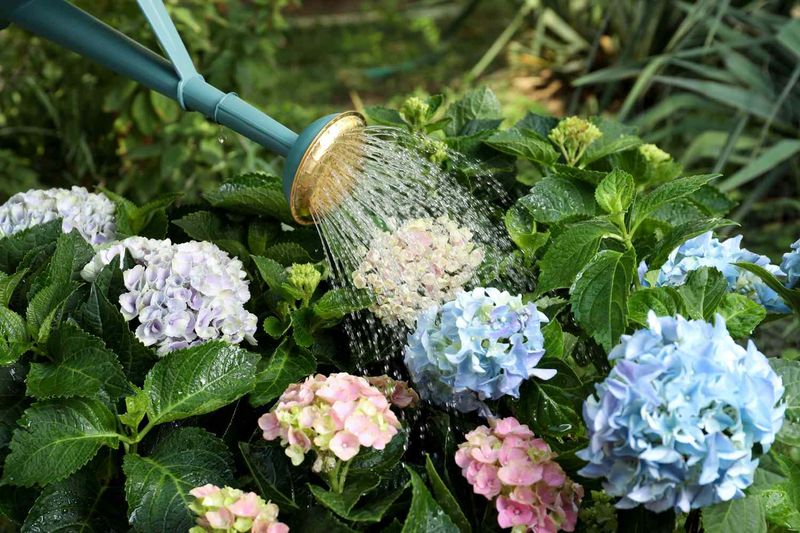
Keep giving deep, slow drinks whenever rain is scarce, right up until the ground freezes solid. Chilly, dry winds can pull moisture from stems even when temperatures drop.
A quick finger test helps: if the soil is dry two inches down, water it.
4. Ignoring a Bad Planting Spot
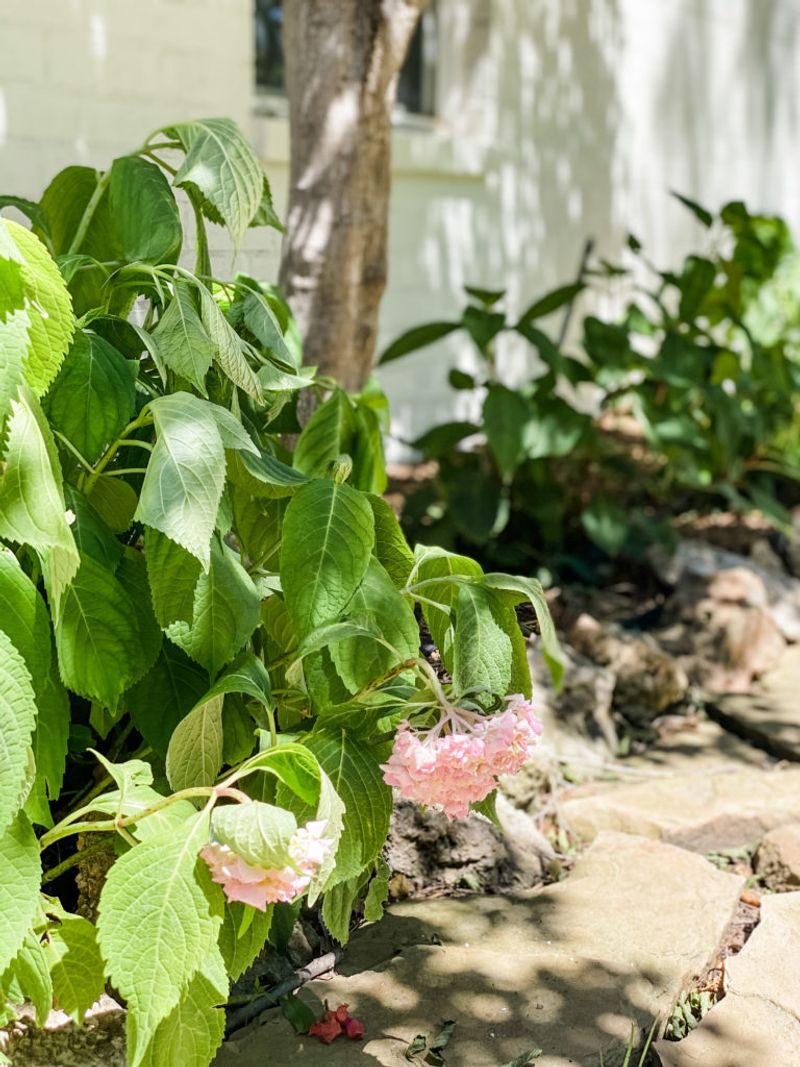
Sometimes the plant is fine and the address is the problem. A hydrangea stuck under a thick maple may never get enough light to set flower buds.
One baking in harsh afternoon sun may decide that survival matters more than blooming.
Most hydrangeas do their best with morning sun and afternoon shade. That gentle morning light fuels flowers without frying the leaves.
Fall is actually a smart time to move a struggling shrub. Once the leaves start dropping and the weather cools, dig a wide root ball and replant it in a better spot, then water it well.
Panicle hydrangeas are the exception here, since they handle more sun than their cousins. Still, even they sulk in deep shade.
5. Skipping Winter Protection
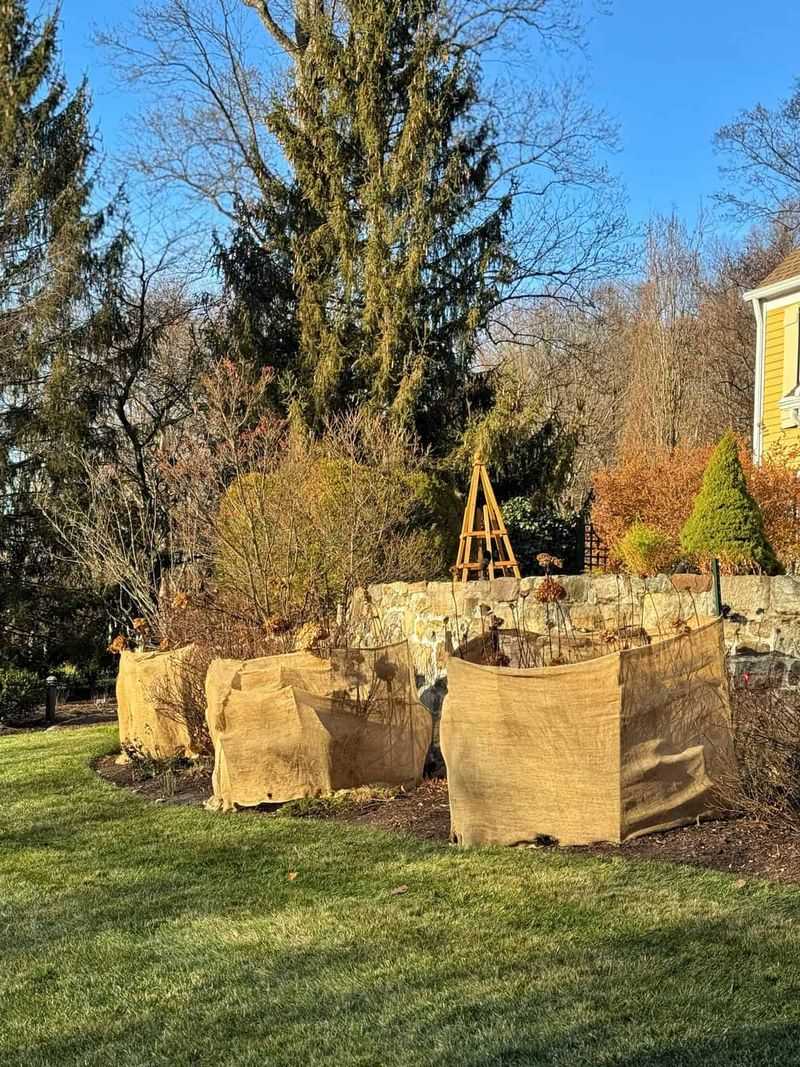
Here is a sneaky truth. Your bigleaf hydrangea may have made perfect buds last fall, only to lose them to a brutal January or a surprise April frost.
The plant survived, so it leafed out, but the flowers were already gone.
Gardeners in USDA zone 6 and colder see this a lot. Wild temperature swings and late frosts are hard on those exposed buds at the stem tips.
A simple burlap wrap can make a real difference. Set a few stakes around the shrub after the ground freezes, wrap burlap around them, and fill the inside loosely with dry leaves.
Avoid plastic, which traps heat and moisture.
Remove the cover gradually in spring once hard frosts have passed.
6. Guessing About Your Soil pH
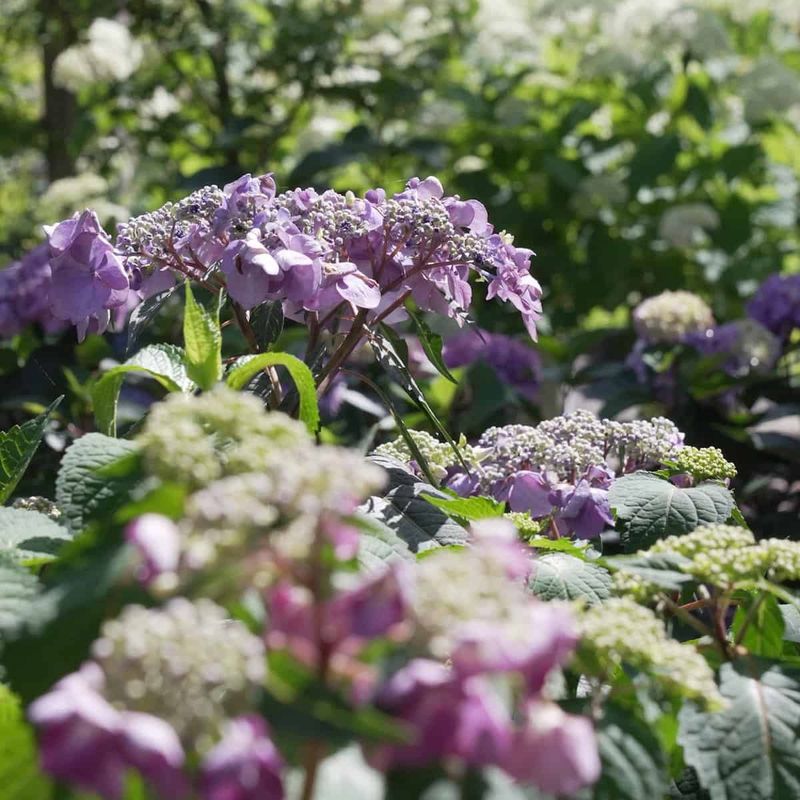
Most people know soil pH as the thing that turns bigleaf blooms blue or pink. Fewer realize it also controls how well roots can grab nutrients in the first place.
When soil swings too acidic or too alkaline, hydrangeas can struggle to absorb what they need, even if those nutrients are right there in the dirt. A hungry plant is less likely to form strong flower buds.
A basic soil test from a garden center or your local extension office takes the guesswork out. Most hydrangeas like slightly acidic soil.
If yours is way off, amend slowly based on the test results instead of dumping in random products.
Fall testing gives amendments time to work before spring growth begins.
7. Leaving Heavy Heads on Panicle and Smooth Types
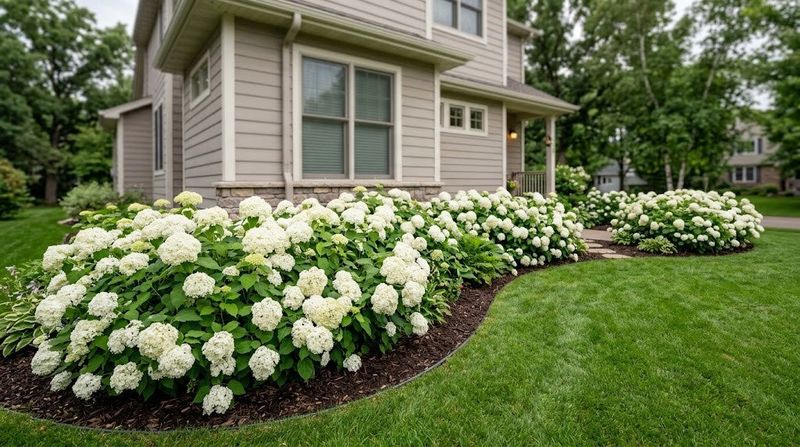
Ever watched an Annabelle flop over under a wet snow? It looks a little heartbreaking.
Big dried flower heads catch snow like tiny bowls, and stems can snap under the weight.
Panicle hydrangeas like Limelight and smooth types like Annabelle bloom on new wood, meaning they make flowers on growth that appears next spring. That gives you freedom to tidy them in late fall without losing blooms.
If you live where heavy snow is common, snip off the spent flower heads. It may reduce breakage and keep the framework of the shrub strong.
Love the look of dried blooms in winter? Keep a few on the sturdiest stems and just remove the heaviest ones.
8. Making Big Pruning Cuts Late in the Season
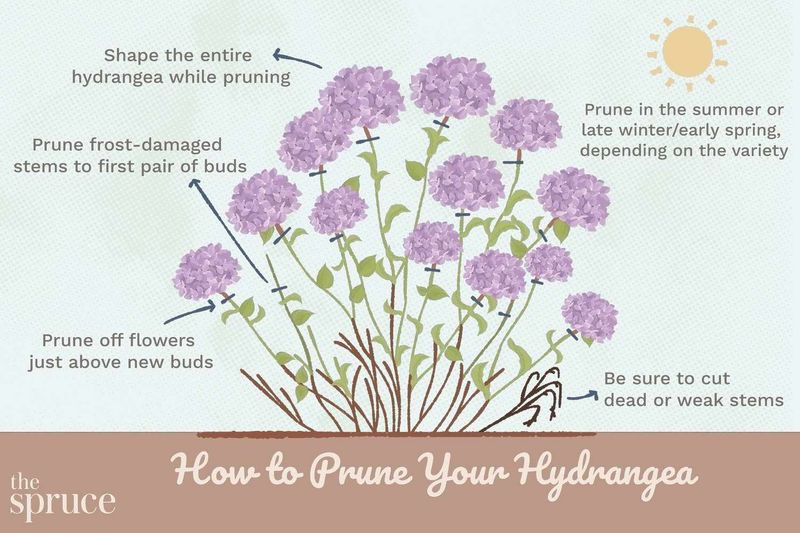
Hard cuts send a loud message to a plant: grow, grow now. That signal is great in spring and risky in November.
Even on new wood varieties, heavy pruning late in fall can spark a flush of soft shoots. Those shoots have no time to toughen up before frost, so they get zapped.
The plant then spends energy repairing damage instead of storing it for next year.
Save major shaping for late winter or early spring on panicle and smooth hydrangeas. A light trim in fall is fine, but think haircut, not buzz cut.
9. Mulching at the Wrong Time or Not at All
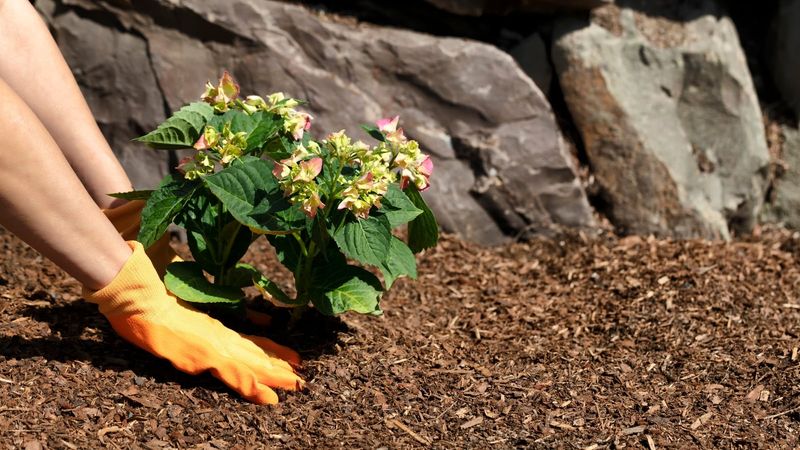
Mulch is one of the best gifts you can give a hydrangea, but timing changes everything. Pile it on too early and you may create a cozy winter home for mice and voles, or keep the soil warm enough to confuse the plant.
Skipping mulch entirely is just as rough. Bare soil freezes and thaws over and over, which can heave roots and stress the whole plant.
In colder zones, wait until the ground freezes, then add a thick 6 to 12 inch layer of chunky material like straw, marsh hay, or shredded leaves. In warmer zones, late fall or early winter works well.
Those fallen leaves you were about to bag up? They make free, excellent mulch.
Your hydrangea will thank you next summer with flowers instead of just leaves.