
13 Fall-Blooming Flowers That Keep Hummingbirds Fueled For Migration (And 5 That Waste Your Space)
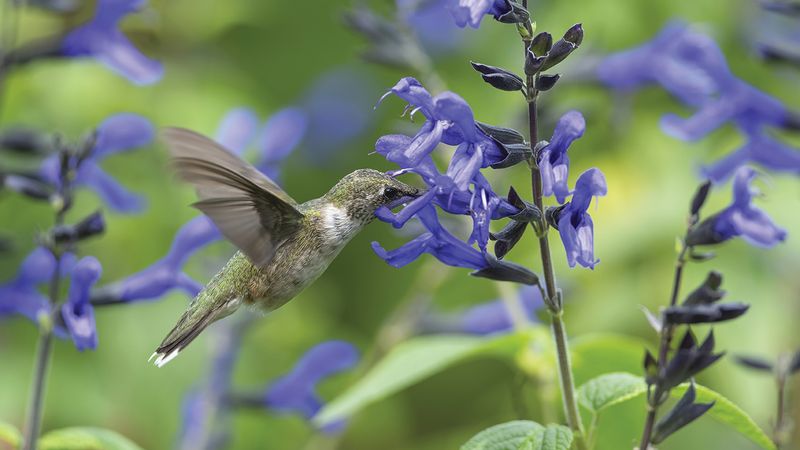
Every fall, tiny hummingbirds get ready to fly hundreds or even thousands of miles south. To make that trip, they need to eat a lot of nectar, and your garden can be one of their last big refueling stops.
The catch is that not every pretty flower actually helps them. Here are 13 late bloomers that really feed hummingbirds, plus 5 popular picks that mostly take up room.
1. Pineapple Sage
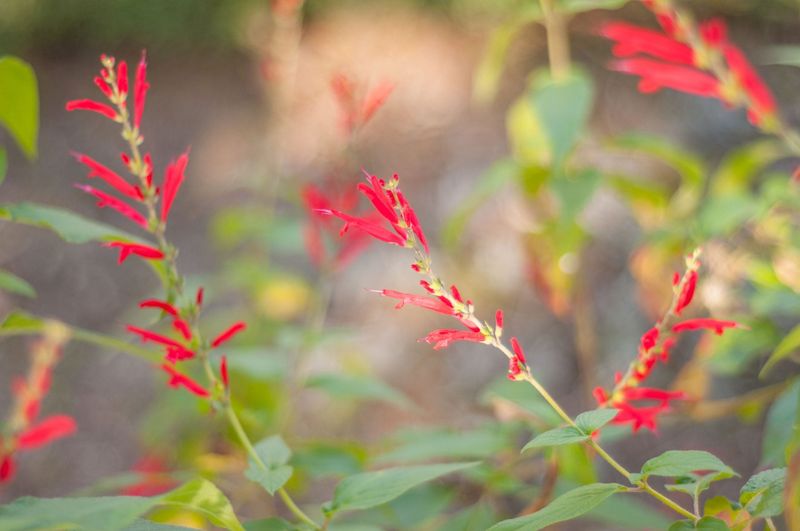
Some plants wait all summer just to show off at the very end, and pineapple sage is the champion of that trick. It spends July looking like a leafy green shrub, then explodes with scarlet tubes right when hummingbirds start heading south.
The timing is the whole point. Many gardens are fading by September, so a big clump of this salvia can become the busiest fuel stop on the block.
Rub a leaf and you will smell fresh pineapple, which is a fun bonus for you.
It grows as a perennial in warm zones and as an annual farther north. Give it full sun and steady water, and it may bloom until the first hard frost.
If your plant has not flowered yet by late summer, do not panic, since it simply needs shorter days to kick in.
2. Anise Sage (Salvia guaranitica)
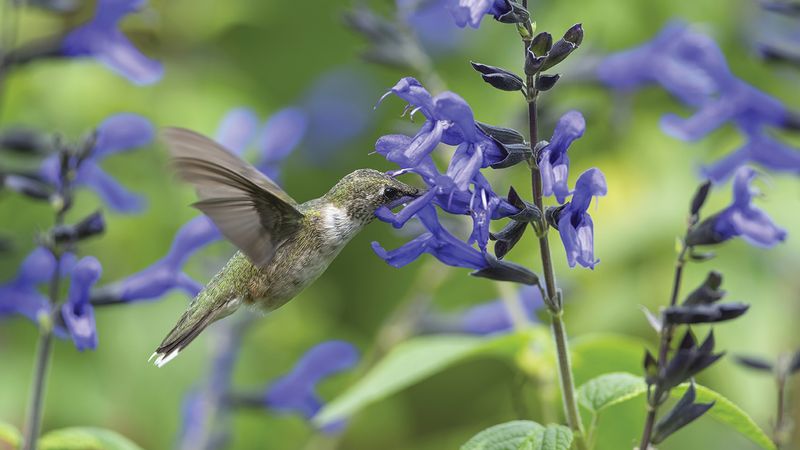
Blue is not supposed to be a hummingbird color, yet anise sage breaks the rule every single year. Its deep cobalt tubes, often held in nearly black cups, pull in hummers as fast as any red bloom.
Why? Hummingbirds care more about flower shape and nectar than color alone.
These long, narrow tubes fit a hummingbird beak perfectly and stay loaded with sugar from midsummer into fall.
Varieties like ‘Black and Blue’ can grow four feet tall, so give them room at the back of a bed. Cut them back lightly in midsummer if they flop, and you will often get a fresh flush right as migration peaks.
3. Agastache (Hummingbird Mint)
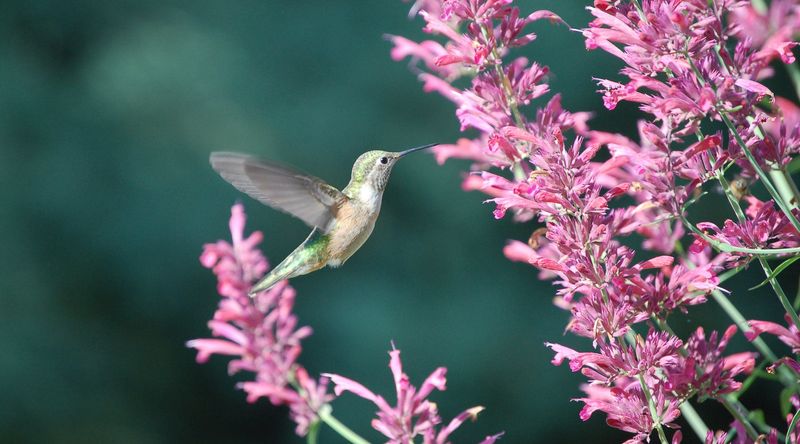
Gardeners who struggle with hot, dry spots often fall in love with agastache. It handles heat and poor soil far better than thirsty bedding plants like petunias.
The flower spikes are packed with small tubular blooms in orange, pink, coral, and purple. They start in midsummer and keep going well into fall, giving migrating birds a long, reliable buffet.
Bees and butterflies will crowd in too.
One common mistake is overwatering or planting in heavy, soggy soil, which can rot the roots over winter. Give it sharp drainage and leave the stems standing until spring.
That small step may help it come back stronger next year.
4. Cardinal Flower
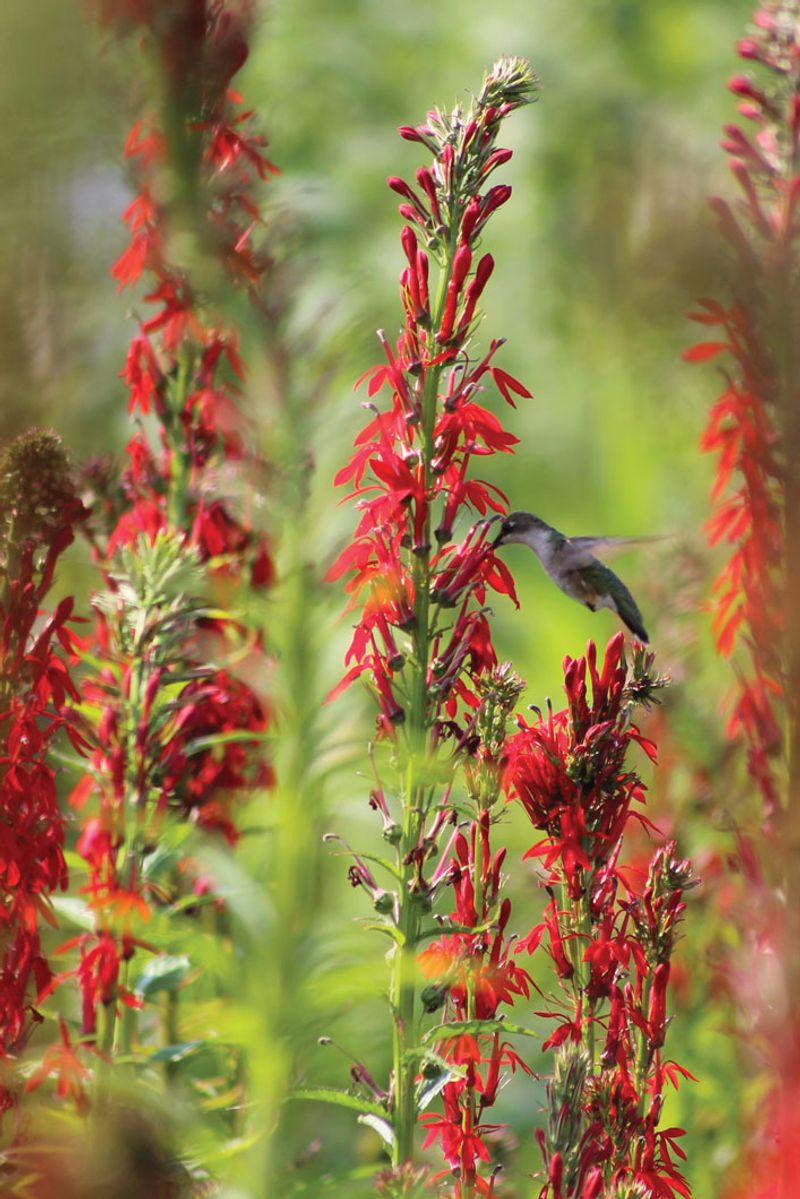
Picture the reddest red you can imagine, then make it brighter. That is cardinal flower, a native perennial so tied to hummingbirds that the birds are its main pollinator.
It blooms from late summer into early fall, right on schedule for southbound travelers. The tall spikes of tubular flowers almost glow against green foliage.
Here is the secret most people miss: it loves wet feet. Plant it near a downspout, rain garden, or pond edge, and never let it dry out completely.
Plants can be short-lived, so let a few seed heads drop to keep new ones coming.
5. Coral Honeysuckle
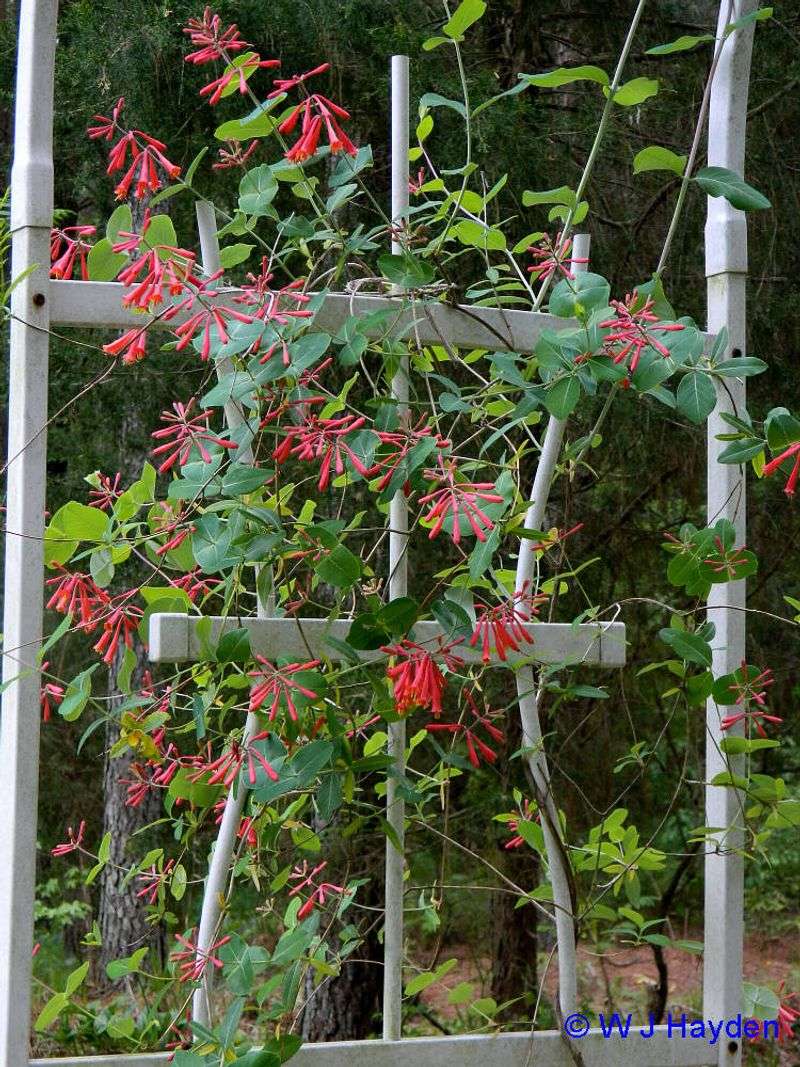
Forget the aggressive Japanese honeysuckle that swallows fences. Coral honeysuckle is the well-behaved native cousin, and hummingbirds adore it.
Its clusters of red-orange trumpets show up in spring, then often rebloom in waves through late summer and fall. A single vine on a mailbox post or trellis can feed birds for months.
It does not smell sweet like other honeysuckles, but hummers do not care about scent. Plant it in sun for the best blooms, and trim right after a flush to encourage another round before migration ends.
6. Cuphea ‘Vermillionaire’
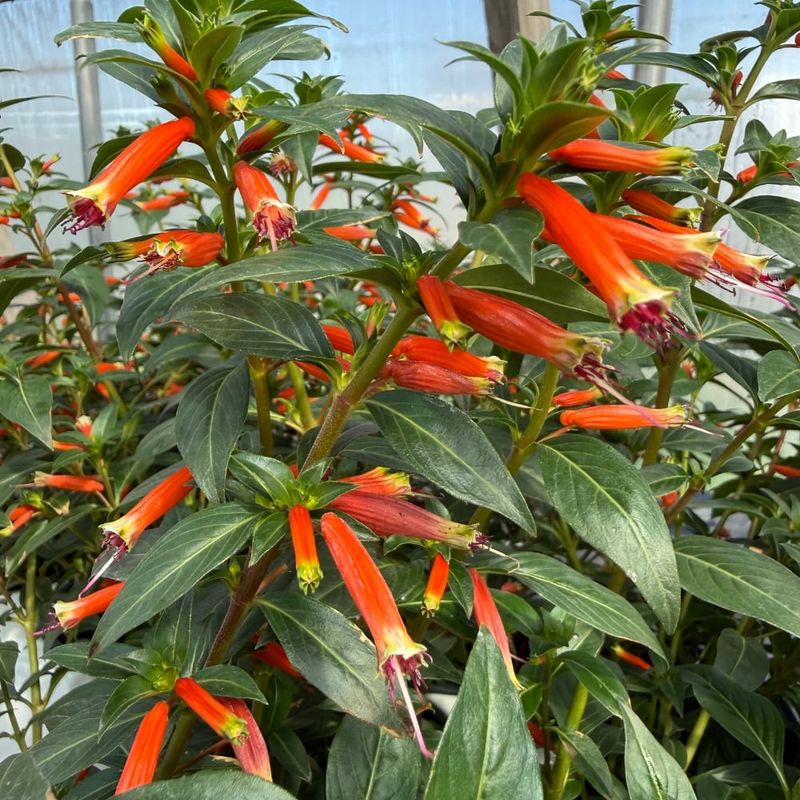
Short on space? Cuphea ‘Vermillionaire’ might be the hardest-working plant you can squeeze into a pot.
Also called firecracker plant, it covers itself in tiny orange-red tubes from early summer until frost. It shrugs off heat and humidity and rarely needs deadheading.
Hummingbirds treat a patio container of it like a drive-thru.
Fun fact: the small blooms look like lit firecrackers, which is how the plant got its nickname. Keep the soil evenly moist in pots and feed lightly once a month for nonstop color.
7. New England Aster
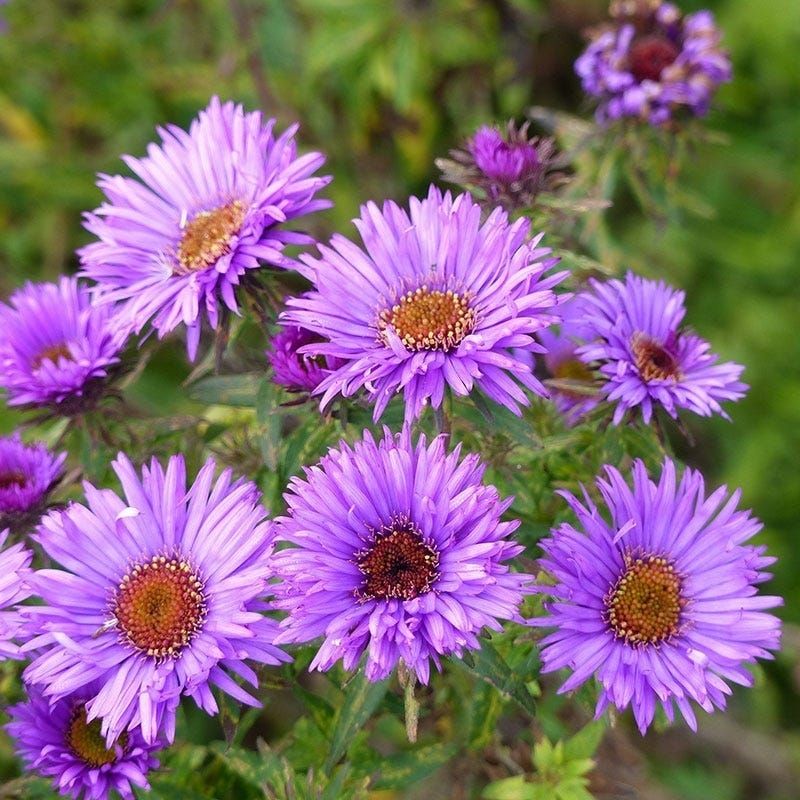
Asters are not classic tube-shaped hummingbird flowers, so why are they here? Because in late fall, they are sometimes the only nectar left in town.
New England aster blooms in September and October with clouds of purple daisy-like flowers. Hummingbirds may visit them, especially when other blooms run out, and they pair beautifully with salvias to round out a late-season stop.
Monarchs and bees also depend on them heavily.
Tall plants can flop, so pinch the stems back by half before early July. That simple trick gives you a bushier plant with even more flowers.
8. Bee Balm
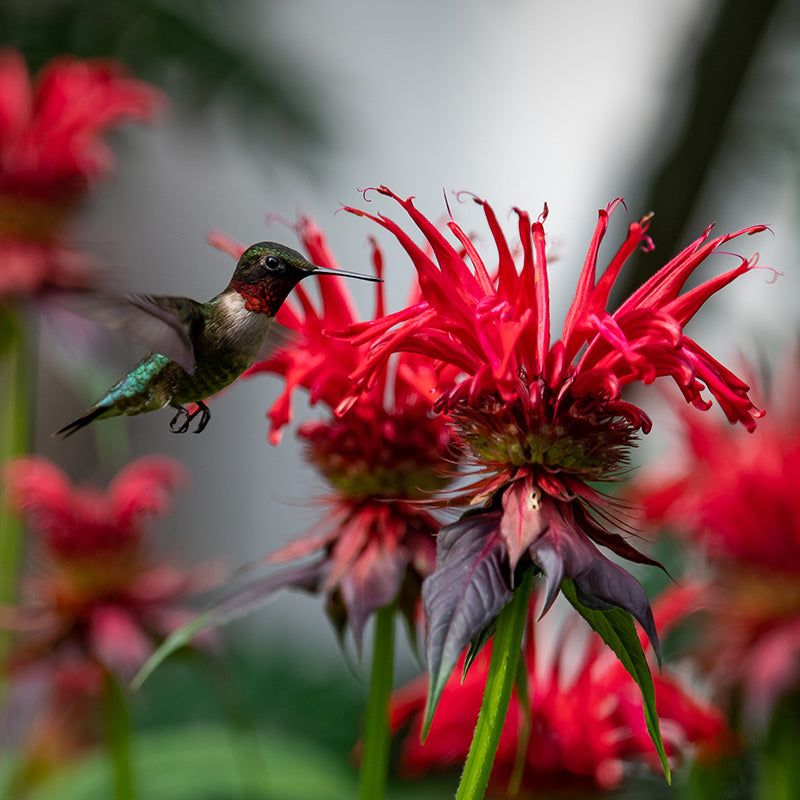
Bee balm looks like a flower having a bad hair day, with shaggy heads of skinny tubes sticking out in every direction. Those little tubes are exactly what hummingbirds want.
Most varieties peak in summer, but deadheading spent blooms can stretch the show into early fall. Red types like ‘Jacob Cline’ tend to be hummingbird magnets.
Worried about powdery white leaves? That is powdery mildew, and it is common.
Give plants good airflow, water at the base, and choose mildew-resistant varieties to reduce the problem.
9. Catmint ‘Walker’s Low’
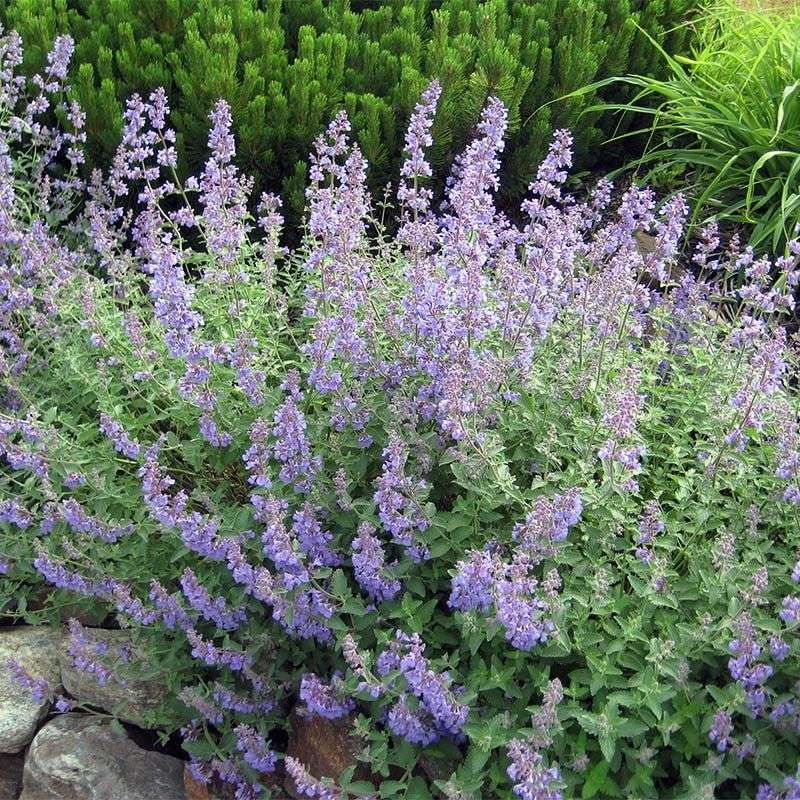
Low-fuss gardeners, this one is for you. ‘Walker’s Low’ catmint asks for almost nothing and gives back months of soft lavender-blue blooms.
The tiny tubular flowers offer nectar for hummingbirds, though bees often get there first. Its real gift is endurance.
Shear it back by about a third after the first flush, and it usually reblooms into fall.
It handles drought, heat, and deer pressure well. Use it to edge paths where nothing else wants to grow.
10. Trumpet Vine
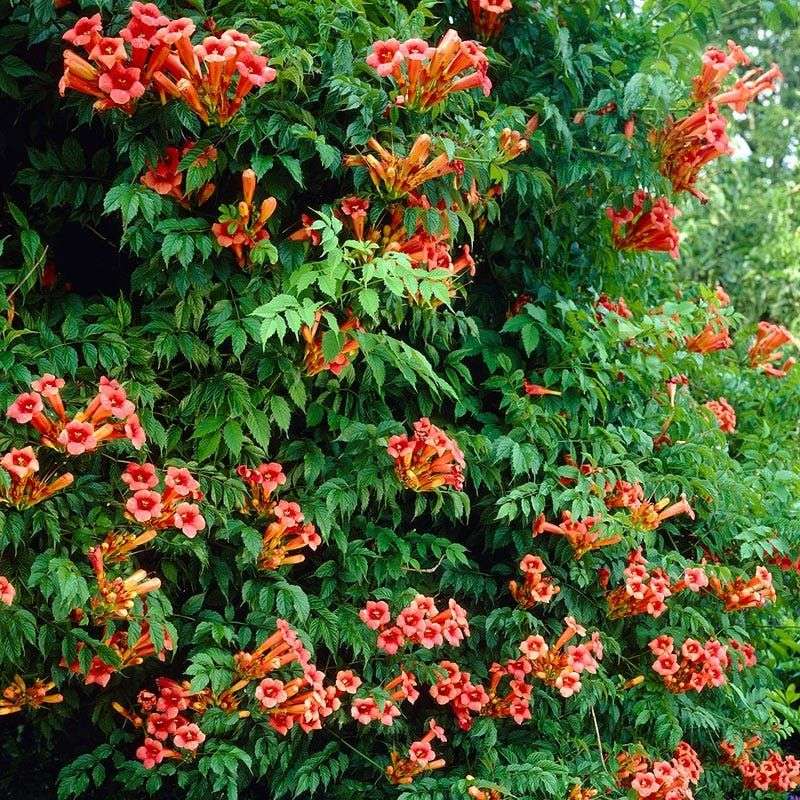
Trumpet vine is big, bold, and a little bit wild. Its orange trumpets are sized just right for a hummingbird beak, and birds will defend a patch fiercely.
Blooms run from midsummer into early fall in many areas. But be warned, this native vine spreads by roots and seeds with real enthusiasm.
Plant it only on a sturdy arbor or post far from your house siding. Pull suckers as soon as they pop up, and it can be a fantastic fuel station instead of a headache.
11. Red Hot Poker
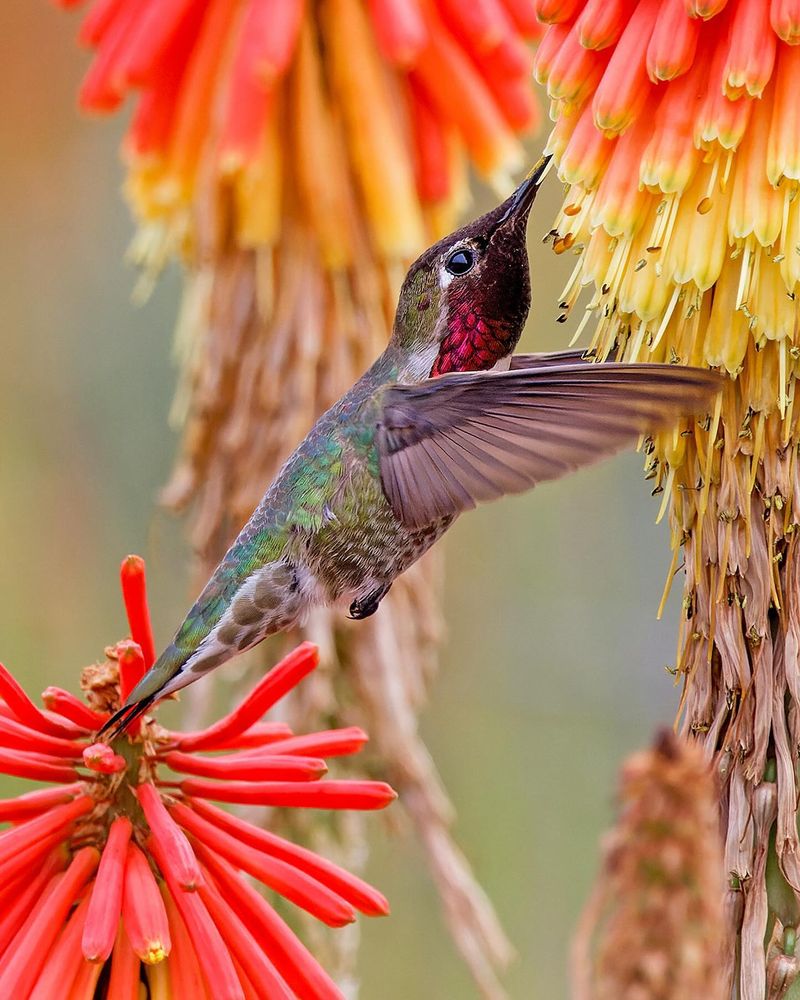
Nothing else in the garden looks quite like a lit torch. Red hot poker sends up spikes of drooping orange, red, and yellow tubes that hummingbirds work from the bottom up.
Many newer varieties rebloom into fall, which makes them valuable during migration. They love sun and drain-fast soil.
If yours rots over winter, wet soil is the usual cause. Tie the leaves up over the crown in late fall to keep water out, a trick that may help it survive colder zones.
12. Turk’s Cap
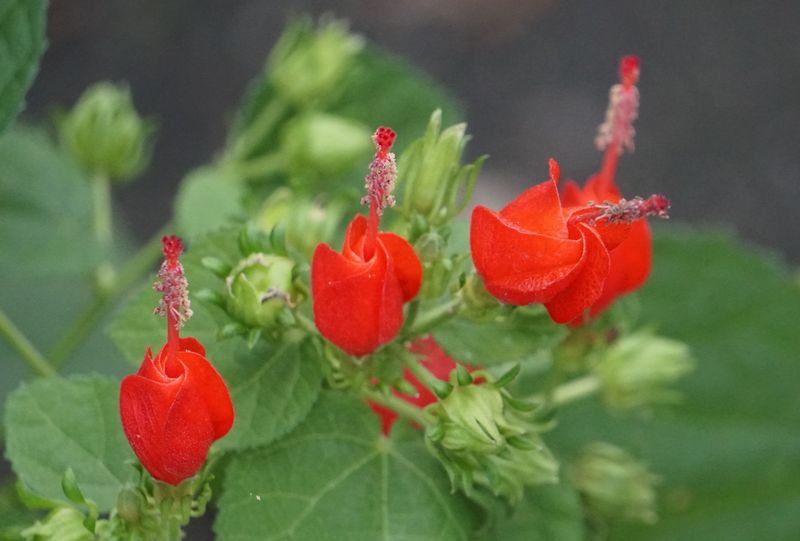
Southern gardeners with shade have a secret weapon. Turk’s cap thrives where most hummingbird flowers sulk, blooming in partial shade from summer until frost.
The red flowers never fully open. They stay twisted like a little turban, which keeps nectar tucked away for long beaks.
It is tough, drought-tolerant once settled, and native to Texas and the Gulf region. In fall it may also produce small red fruits that other birds enjoy.
13. Zinnias
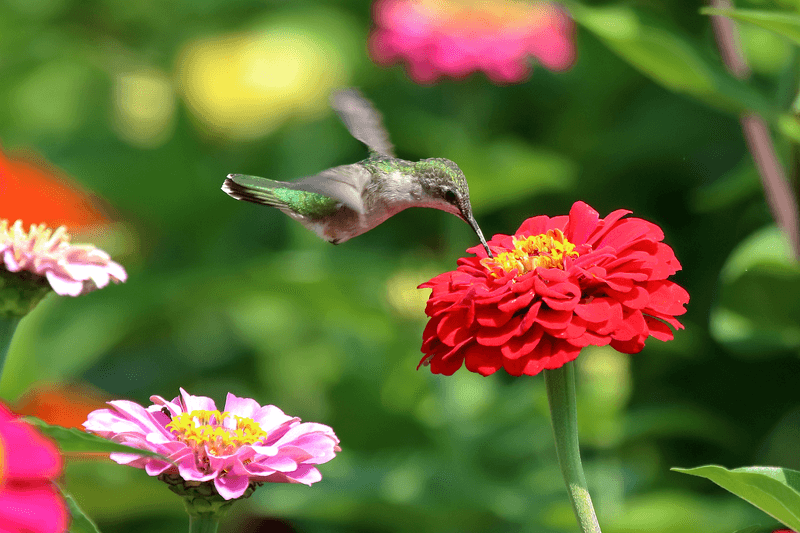
A five-dollar seed packet in spring can still be feeding birds in October. That is the magic of zinnias.
They are not tubular, but red and orange types often catch hummingbird attention, and the birds sip from the tiny florets in the center. Single-flowered varieties are easier for them to reach than tightly packed doubles.
Keep cutting bouquets and snipping spent blooms. The more you cut, the more flowers appear, all the way to frost.
14. Roses (Space Waster)
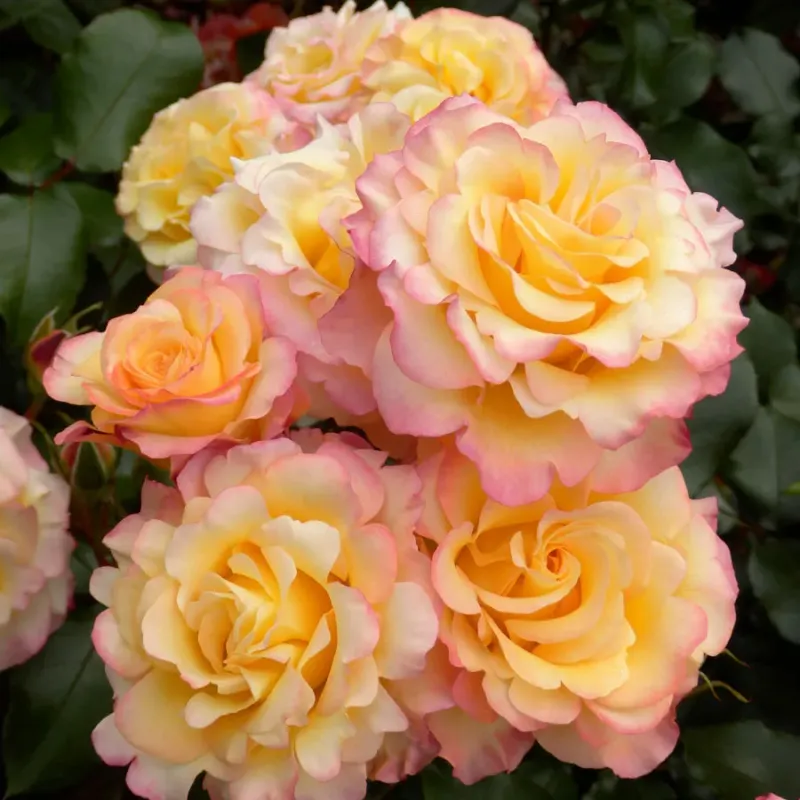
Love your roses? Keep them, just do not count on them for hummingbirds.
Most garden roses have wide, open, petal-stuffed flowers with little reachable nectar. Hummingbirds usually zip right past them.
If you want birds near your rose bed, tuck a red salvia or cuphea beside it. You get the romance of roses plus a real fuel stop.
15. Black-Eyed Susans (Space Waster)
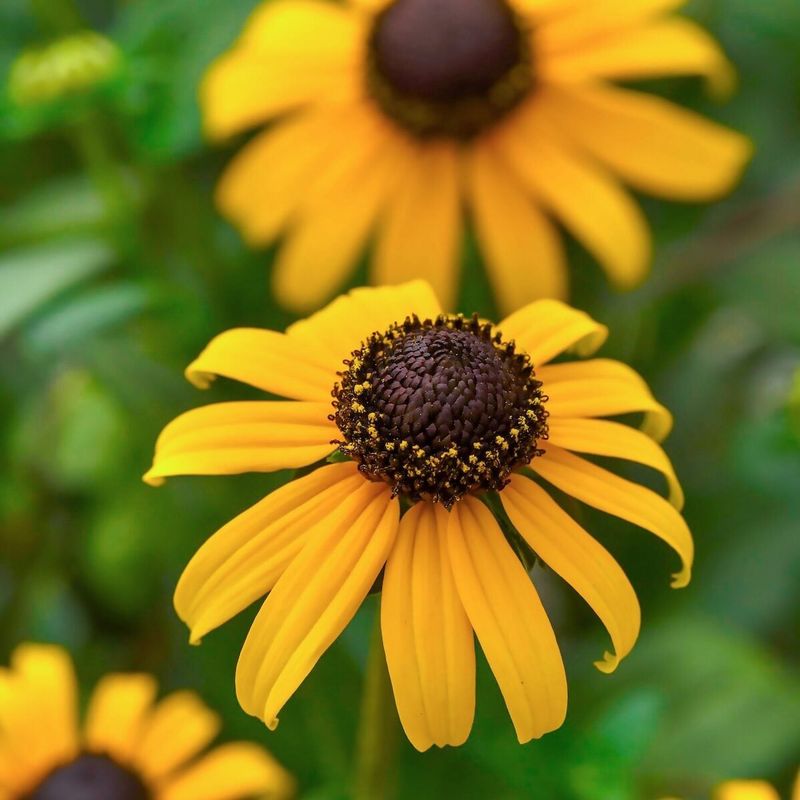
Black-eyed Susans are a cheerful favorite, and they are wonderful for bees and seed-eating birds like goldfinches. Hummingbirds, though, rarely give them a second look.
Their flat, open flower heads do not suit a long, thin beak. So if your goal is fueling migration, they should not fill your sunniest spot.
Leave the seed heads up in fall for finches instead. That way the plant still earns its keep.
16. Purple Coneflowers (Space Waster)
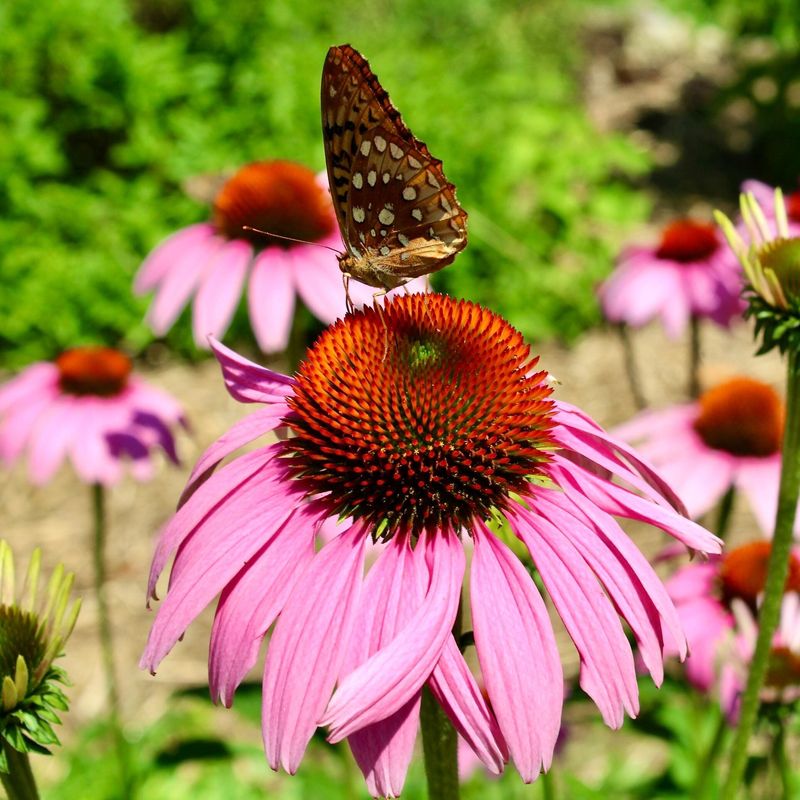
Here is a surprise for many gardeners. Purple coneflower, the poster child of pollinator gardens, is generally not a hummingbird plant.
Butterflies and bees love those landing-pad petals. Hummingbirds prefer to hover and probe tubes, so coneflowers offer them very little.
Keep a few for butterflies if you like. Just pair them with agastache or bee balm so hummers have something too.
17. Daylilies (Space Waster)
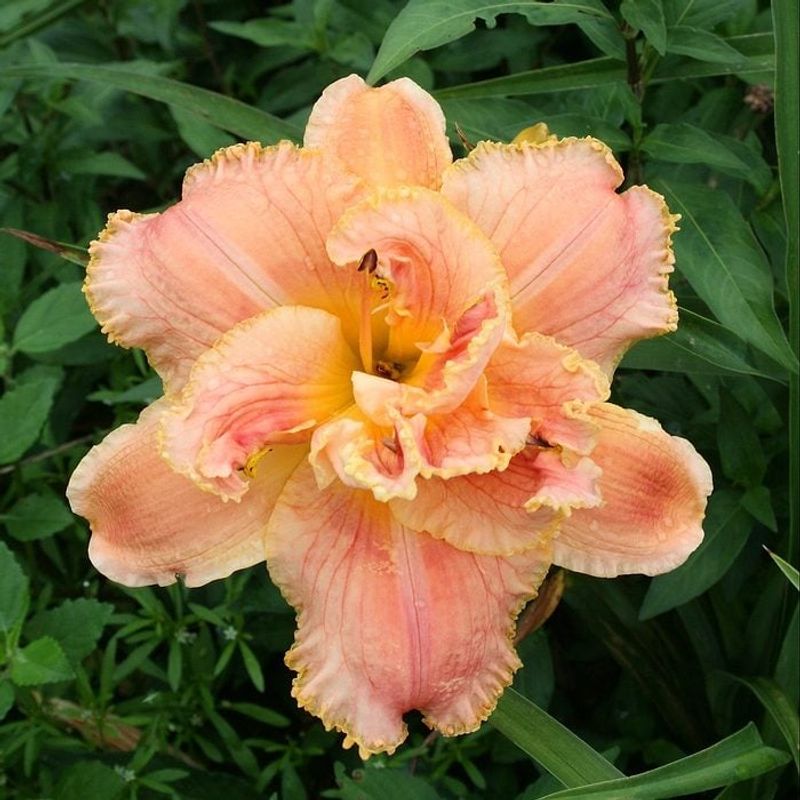
Daylilies look trumpet-shaped, so it seems like they should work. In real gardens, hummingbirds show little interest.
The blooms are wide-mouthed, open only one day each, and many types finish before fall migration even starts. That makes them weak fuel when birds need it most.
If you have a big daylily patch, consider dividing it this fall and swapping some space for cardinal flower or salvia.
18. Irises (Space Waster)
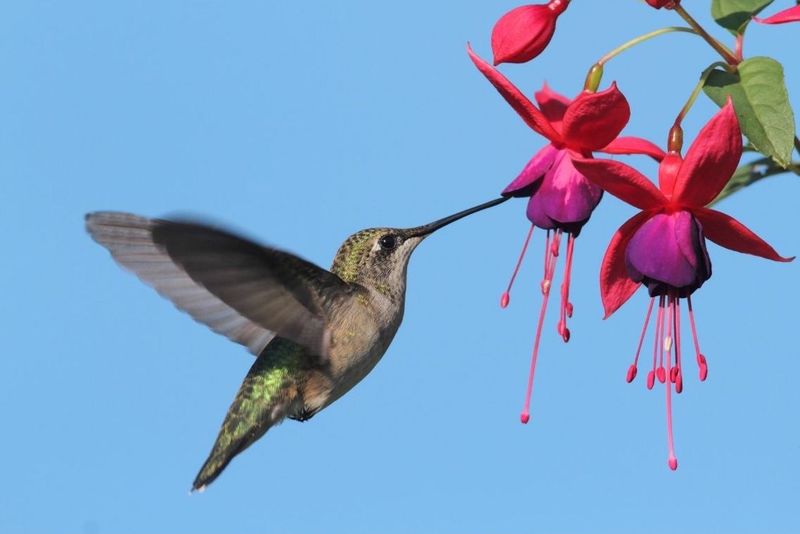
Irises are stunning, but their timing works against migrating hummingbirds. Most bloom in spring and early summer, then sit as leaves for the rest of the year.
Hummingbirds also rarely visit the blooms. By fall, an iris bed is basically empty real estate for a hungry bird.
Plant fall bloomers like pineapple sage or zinnias nearby. Your bed then works for you in spring and for hummers in autumn.