
If Your Clematis Gave You All Vines And No Flowers This Year, Here’s What To Do Before Winter
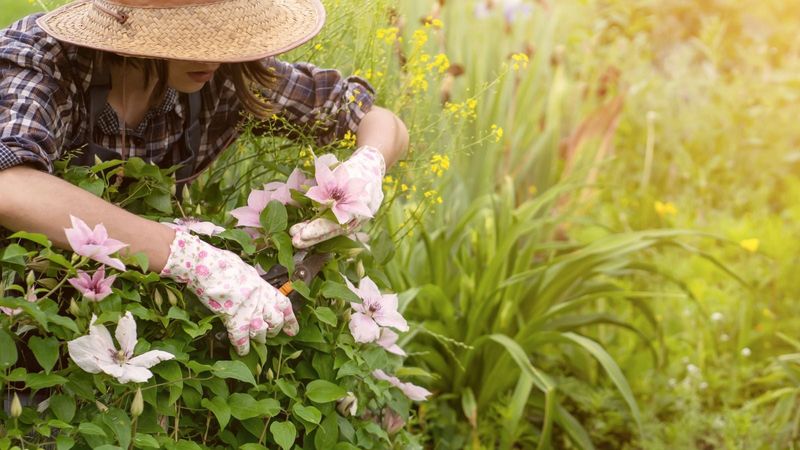
Your clematis climbed the trellis, filled out with healthy leaves, and then skipped the show. It is tempting to grab the pruners and cut everything back before winter.
But that one move could remove the stems that carry next year’s buds on some vines. Here is how to figure out what you have and what to do now.
A fall hard cut can remove next year’s flowers
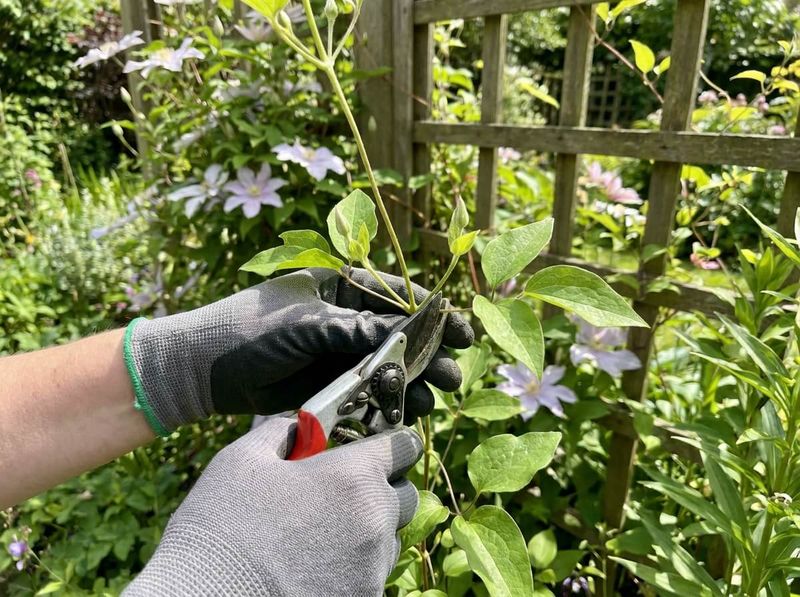
A season without blooms feels like a reason to start over. Still, cutting every clematis to the ground in fall is not the right answer for all of them.
Some vines flower on stems grown the year before, and those stems are the ones a hard cut would remove.
Clematis fall into three broad habits. Some bloom on old stems, some bloom on new growth, and some do both.
Iowa State guidance says current-growth bloomers are pruned in late winter or early spring, while the other groups should wait until they begin leafing out so dead wood can be removed. It also warns that destroying old growth in winter can reduce bloom on those vines.
That means no fall task can promise a bloom reset. Light, feeding, and winter damage all play a part, as covered in Iowa State’s clematis growing guide.
So the first job this fall is not cutting. It is figuring out which kind of clematis you are growing, and holding the pruners until you know.
Use the plant label first and bloom history as a clue
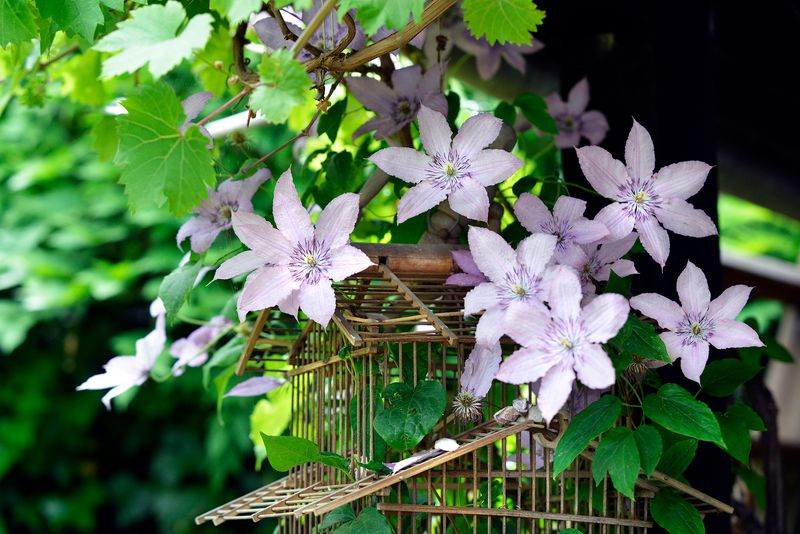
Start with the easiest proof you have: the plant tag, a receipt, or a garden notebook with the cultivar name. A name lets you look up the exact pruning group, and that beats any guess.
If you find it, you can skip most of the detective work.
The groups are simple once you see them. Group 1 types flower on previous-season growth and usually need little pruning.
Group 2 types flower on old growth and may bloom again on new growth. Group 3 types flower on current-season growth.
These patterns are laid out in Iowa State’s guide, and University of Illinois Extension covers them too. Some references use letters instead of numbers, so check the system your source uses.
No label? Bloom history can offer a hint.
Iowa State says early-May bloomers are likely Group 1, vines that flower twice are likely Group 2, and those that bloom only later may be Group 3.
Treat that as a clue, not proof. A Group 2 plant whose old stems were hurt by winter can look like a late-only bloomer.
If your vine had no flowers at all this year, bloom history gives you very little to go on.
If the group is unknown, keep healthy stems for now
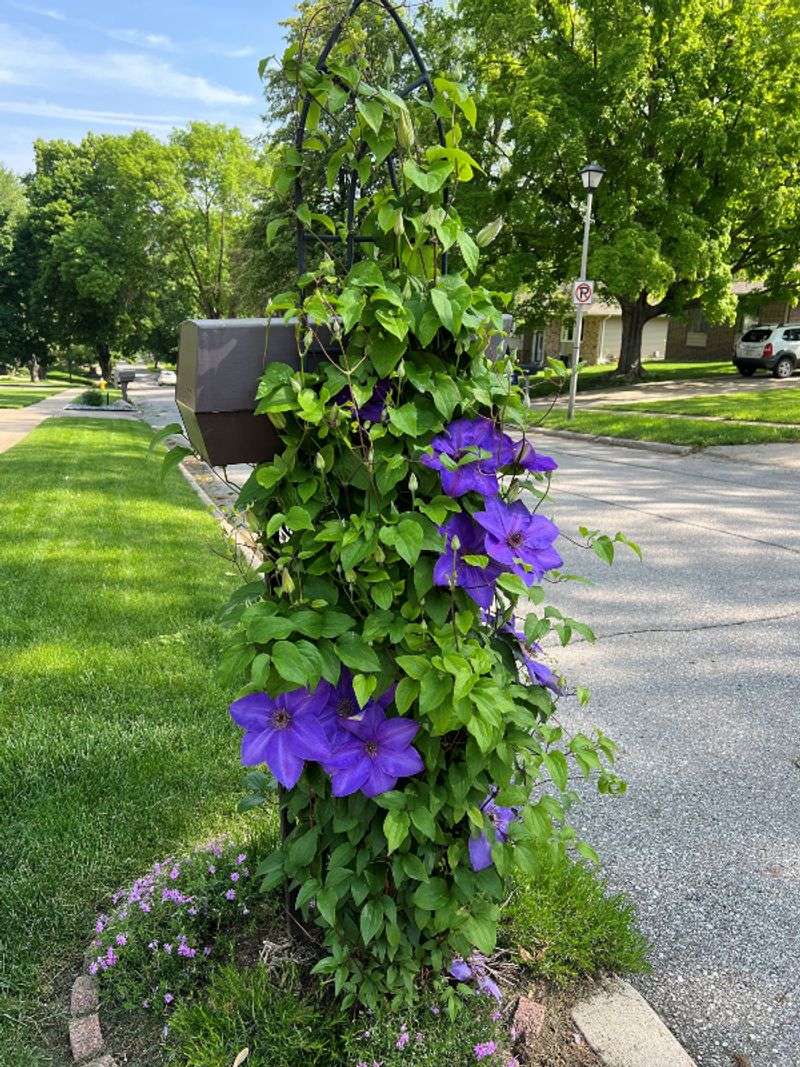
Here is the safe fallback. If you cannot name your clematis, leave the healthy stems standing through winter.
Old stems on an early-flowering type may be holding next season’s flower buds, and a fall cut would throw them away.
Waiting costs you very little. Iowa State’s advice is to let old-wood types begin leafing out, then look over the stems and remove dead wood.
You can see which stems wake up and which stay brown and brittle, as described in their pruning FAQ.
While you wait, start collecting clues. Jot down when new growth appears next spring and when, or if, flowers open.
Take a few dated photos. A full season of notes, along with the pointers in Iowa State’s growing guide, can help you narrow down the group later.
Tidying only what is clearly dead or broken is a gentle option, but hold off on any substantial cut until you know more.
Preserve old stems on Group 1 and Group 2 clematis
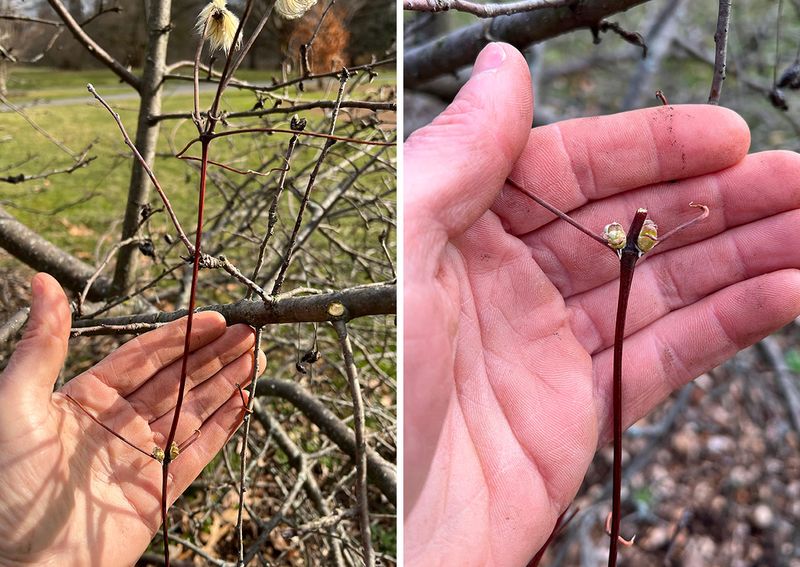
If you know your vine is Group 1 or Group 2, the fall plan is mostly restraint. Group 1 clematis generally need little pruning at all.
Group 2 clematis can flower on previous-season growth and may also rebloom on new growth, so their old stems matter.
That is why healthy stems should not be stripped off in a general cleanup. Removing them can mean removing buds.
The group descriptions in Iowa State’s guide and University of Illinois Extension both point to this old-wood habit.
Preserving stems is not the same as never pruning. Once the vine leafs out in spring, you can take out dead or damaged wood and trim to shape, based on what your plant looks like and what type it is.
Snip above a healthy bud and leave living growth alone.
For a Group 2 vine that skipped flowers, look for winter damage on old stems in spring before deciding anything bigger.
Prune identified Group 3 clematis in late winter or early spring
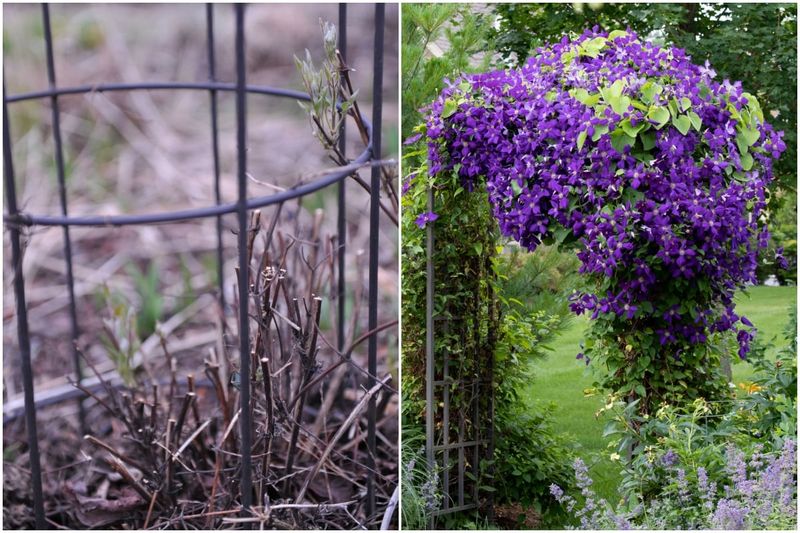
Group 3 clematis bloom on current-season growth, so they take the hardest cut. Even so, the main prune belongs in late winter or early spring, not as a blanket fall job.
Iowa State recommends cutting these vines to about 6 to 12 inches from the ground.
Timing depends on where you live. A warm region may be ready weeks before a cold one, so watch your local weather rather than a fixed date.
The RHS pruning guide gives UK dates, which should not be copied directly onto a US calendar.
This advice is only for a vine you have identified as Group 3. If yours is unknown, the fallback stays the same: keep healthy stems and wait.
A tidy cut in spring, paired with good growing conditions, gives the plant a fair chance, though it is never a guarantee of flowers.
Some identified clematis have different fall-pruning guidance
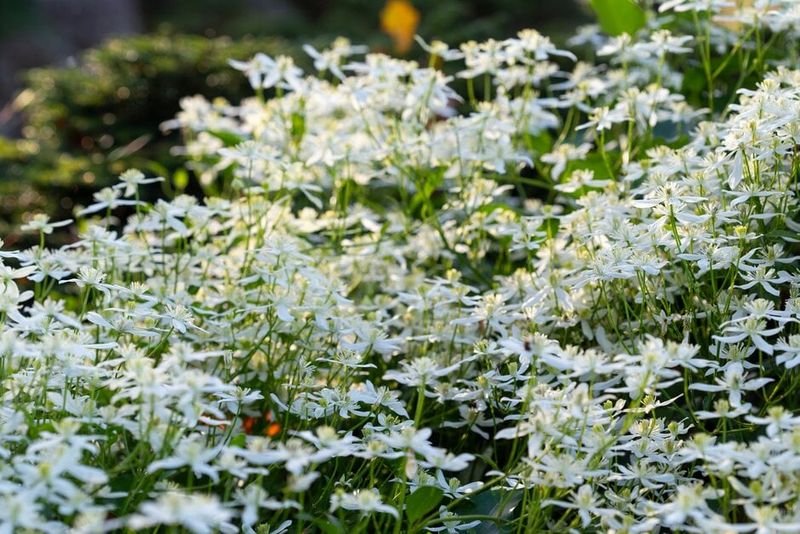
Group rules are a good start, but a few clematis play by their own rules. If your plant is one of them, the usual advice against fall cutting does not apply the same way.
The RHS pruning guide says certain herbaceous clematis can be cut near ground level in late autumn or early spring. These types die back and regrow from the base, so they handle a low cut well.
Sweet autumn clematis is another example. Wisconsin Extension says it can be pruned after flowering in fall or in late winter or early spring.
Use these exceptions only when you are sure of the plant. A vine with an unknown name should not get an exception borrowed from a relative.
Confirm the name first, then follow guidance written for that plant.
Check growing conditions before reaching for a bloom fix
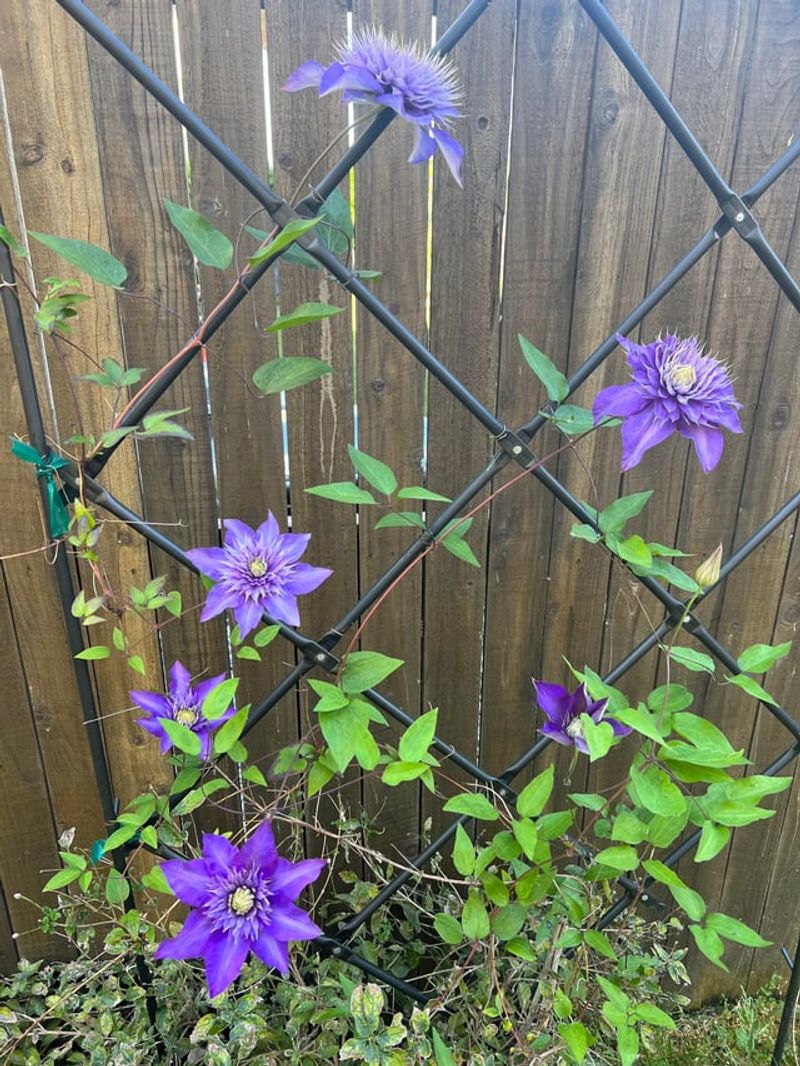
Sometimes pruning is not the problem at all. Look at the spot where your clematis lives.
Iowa State recommends at least six hours of sun and about one inch of water per week during growth. Partial shade is tolerated by many vines, but it may mean fewer flowers.
Feeding deserves a careful look. Too much nitrogen can produce lots of foliage and few blooms, which matches a vine that is all leaves.
Because of that, fall fertilizer is not a universal fix, and adding more could make a leafy vine leafier. If you fertilize lawn nearby, check whether runoff reaches the clematis.
The roots like a cooler setting. Iowa State suggests mulch or nearby plantings to shade them, and Oregon State advises cool, moist, but not wet roots with good drainage.
A related Ask Extension answer on a non-blooming clematis points to the same kinds of causes.
Treat all of this as general care. Better light, steady water, and cool roots support a healthy plant, but none of them is a guaranteed cure for missing flowers.
Treat sudden stem collapse as a separate problem
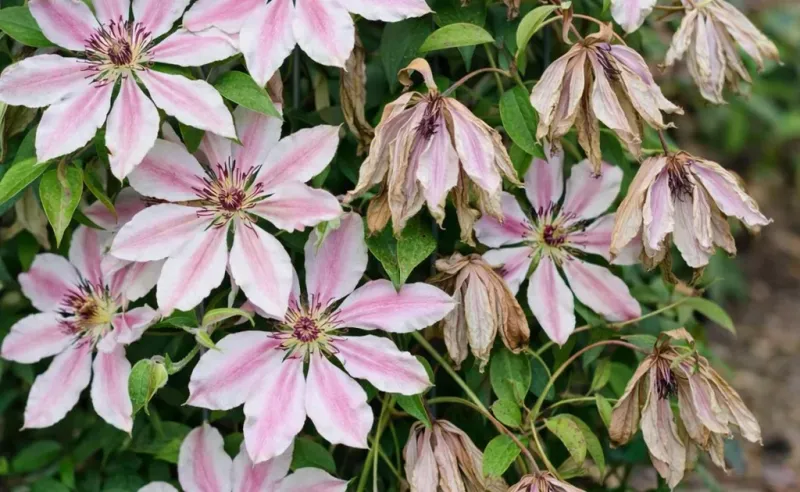
A vine that fails to flower is one thing. A stem that suddenly droops, blackens, or dies back is another.
Do not assume the worst from collapse alone.
Oregon State notes that sudden dieback can come from several causes, including stem damage, root-feeding pests, or poor drainage. Clematis wilt is only one possibility.
If you do suspect wilt, Iowa State advises cutting the affected stems at ground level, removing them, and destroying them. Skip the compost pile.
Iowa State also says the disease rarely kills the entire plant, so new shoots may still come from the base.
Check the base for wounds and the soil for soggy spots before you decide what happened. Cut only the stems that have collapsed, and leave healthy ones alone.
Make a cautious plan now and reassess in spring
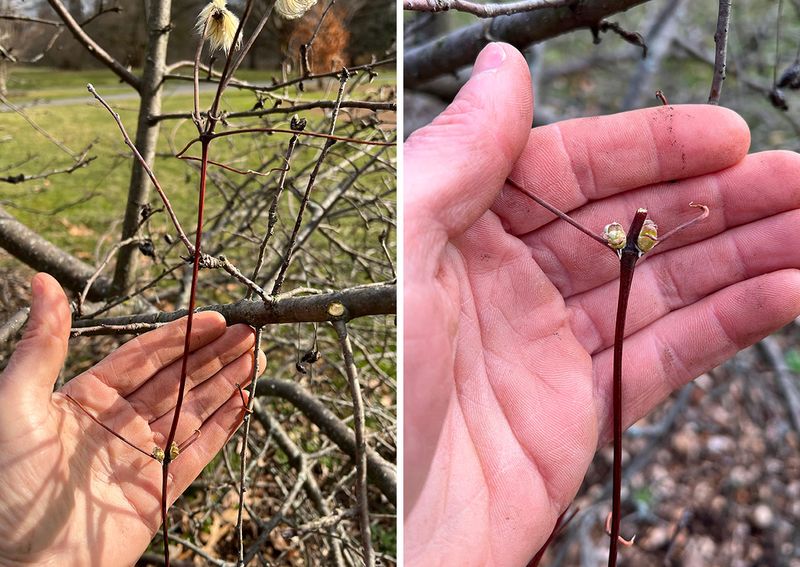
Try this path. Look for a label or cultivar name first.
If you cannot find one, keep healthy stems through winter and note when growth and flowers appear. If you know it is Group 3, plan the main cut for late winter or early spring.
Fall care can support a healthy plant, but it cannot promise a wall of flowers next year. A clematis that waits patiently often tells you more in spring than any guess in October.