
Clover Taking Over Your Lawn? What Actually Helps Turf Hold Its Ground
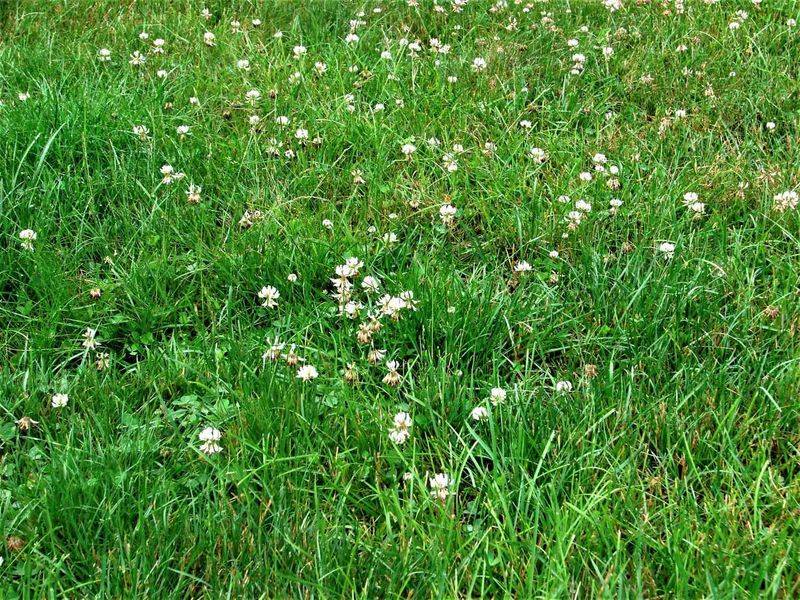
You mow, you feed, you look away for a few weeks, and suddenly there are green three-leaf patches and white puffballs where grass used to be. Plenty of people hope a cheap kitchen staple will fix it overnight.
The real story is a bit different, and it is more useful than a quick trick. Here is what clover is telling you, what it is not, and how to decide your next move.
The kitchen-staple cure is not established
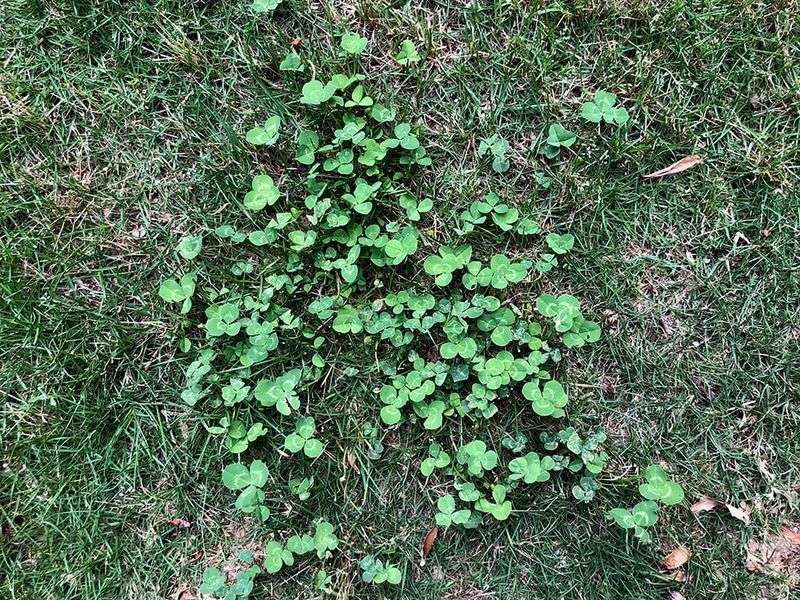
Wanting a pantry fix for clover is completely understandable. It is cheap, it is close at hand, and nobody wants to buy a cart full of lawn products.
The trouble is that the research I reviewed turned up no authoritative support for table sugar as a reliable clover treatment. So I will not tell you it works.
Vinegar is a different case, because it does act on plants. But it acts on grass too.
The EPA label for one vinegar-based weed killer calls the product nonselective and warns that using it on weeds in turf will kill the surrounding turf. That is one product label, so it does not describe every vinegar formulation, but it is a good reason to read labels closely.
Safety matters here as well. EPA guidance warns that acetic acid above 8% can cause severe burns and eye damage.
Vinegar is not a harmless natural remedy just because it came from the kitchen, so follow product precautions.
The more promising path starts with a question: are site or turf conditions favoring clover in your yard? As UC IPM explains, improving turf care will not clear clover that is already established.
It can, however, help grass compete and make further spread less likely. The next sections show how to check.
White clover spreads across more than one season
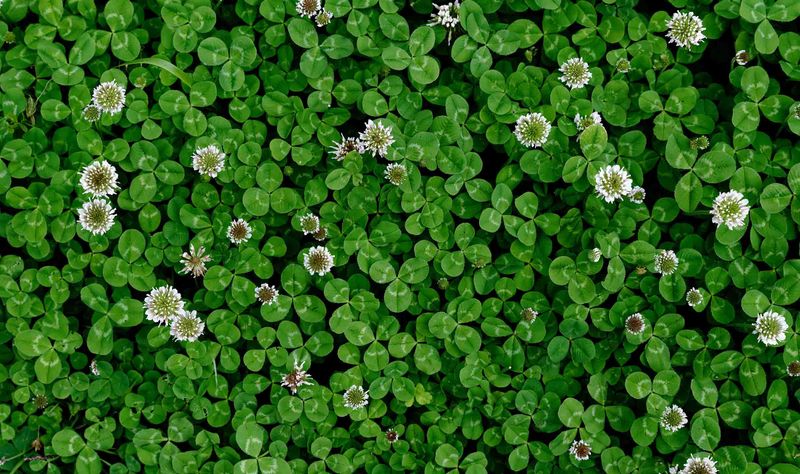
Late spring is when most people finally notice clover, because the white blooms pop up above the grass. That timing leads to the idea that clover is a fall problem.
In fact, white clover can grow in spring, summer, and fall, and its flowers are usually most visible in late spring and early summer, according to Penn State Extension.
Here is how it moves. White clover is a perennial that creeps along the ground on stems, and those stems root where they touch down at points called nodes.
Each rooted node can become a new foothold, so a small patch can slowly widen into a mat.
To recognize it, look for leaves in groups of three, often with a pale crescent marking, and rounded white flower heads on short stalks. Run your hand across the patch and you may feel the low, trailing stems tangled among the grass blades.
Not every clover patch has the same cause. Not every clover in a yard is white clover, either.
UC IPM separates annual clovers from perennial white clover and notes that control differs between them. Before you plan anything, figure out what you have, and decide whether it actually bothers you.
Does clover mean your lawn needs nitrogen?
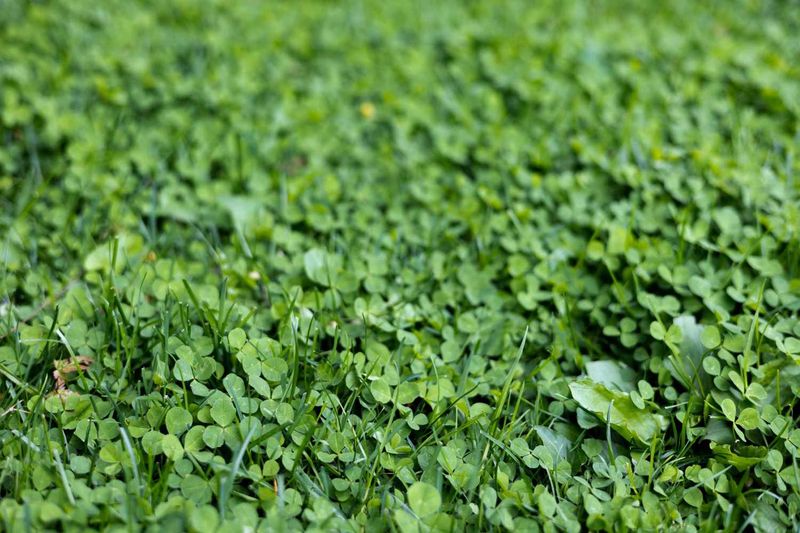
You will often hear that clover means your lawn is hungry. Sometimes that is true, but it is not a safe conclusion.
Clover tends to get ahead where turf is thin or under-fertilized, yet Penn State notes it can also colonize fertilized, partly shaded turf. So clover alone does not prove a nitrogen shortage.
Think of clover as a clue, not a diagnosis. Walk the lawn and look at where it shows up.
Is it under a tree, along a path where feet pack the soil, or in a spot that stays soggy or dries out fast?
Several stresses can weaken grass and open the door. Shade cuts the light grass needs.
Compacted soil makes roots struggle. Drainage or moisture problems leave some areas too wet or too dry.
Mowing too short is another common culprit. University of Maryland Extension lists soil testing and common turf-stress factors for white clover lawns.
Low nitrogen is one possible explanation, and the Maryland guidance on microclover lawns also points out that clover brings its own nitrogen. Because the cause varies from yard to yard, assess the conditions first, then pick a fix that matches what you find.
A simple habit helps: note which patches are sunny and which are shaded, and where you mow shortest. Those notes will make the next step much easier.
Use a soil test before changing fertilizer
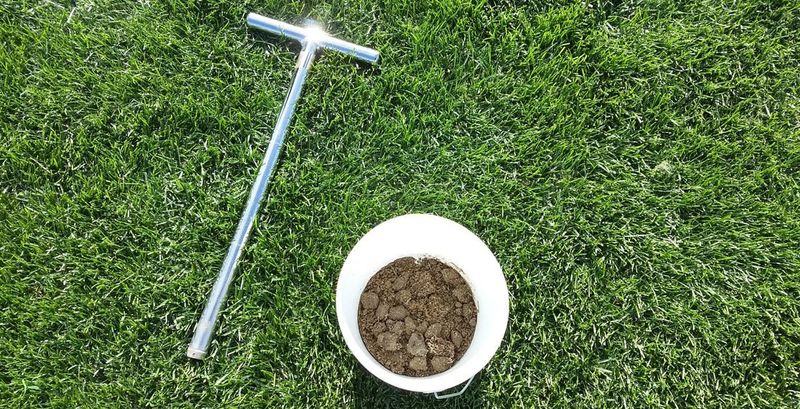
Before you buy any fertilizer, get a laboratory soil test. It costs little compared with guessing, and it tells you what your soil actually holds.
A test is also the sound first step before you change soil pH, since adjusting it blindly can do more harm than good.
Once the results arrive, follow them along with locally appropriate extension advice. Your county or state extension office can often explain the numbers and suggest amounts that suit your grass type and region.
There is no single fertilizer plan that fits every lawn, so skip the one-size-fits-all bag advice.
Resist the urge to just feed more and hope. UC IPM cautions that excess nitrogen can run off, which wastes money and can end up in waterways.
It also says high soil phosphorus can favor clover, so a phosphorus-heavy product might actually help the weed you are trying to slow.
The University of Maryland Extension also treats soil management as part of keeping a lawn balanced.
To collect a sample, take small scoops from several spots across the lawn, mix them, and send in the blend as the lab instructs. If clover mostly grows in one zone, you might test that area separately from the rest.
Keep the results handy, because they guide every other choice you make.
Taller, denser turf can compete with new clover
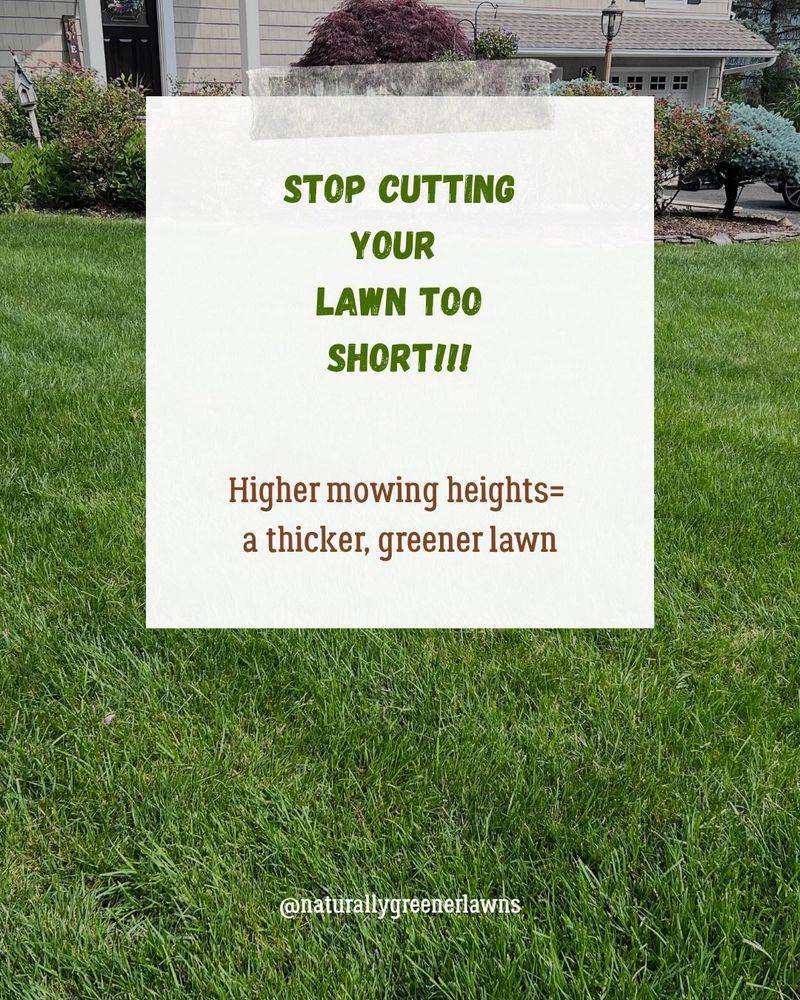
Mowing height is one lever almost everyone already controls. Penn State recommends mowing at least 2 inches, with 3 inches better for some grass species.
Check what your grass type prefers, since not all lawn grasses are interchangeable.
The reason is simple light. A taller canopy shades the soil surface, so less sunlight reaches the ground where clover seedlings try to sprout.
Shorter grass leaves the soil bare and bright, which is more welcoming to weeds.
Choose grass that suits your site, too. A shady yard, a baking sunny slope, and a play area each favor different types.
Dense turf that fits its spot holds ground better than a struggling one that does not.
Be realistic about what this does. These habits help turf compete and can reduce the chance of further encroachment, but they are not a cure for established clover.
Think of them as protecting the edges of your lawn.
Site stress can still undermine good mowing. If a corner is deeply shaded or the soil is packed hard, taller grass alone may not be enough.
Maryland Extension lists shade and compaction among common stress factors, so address them where you can, and keep your mower blades sharp for cleaner cuts.
Treat established clover as a separate decision
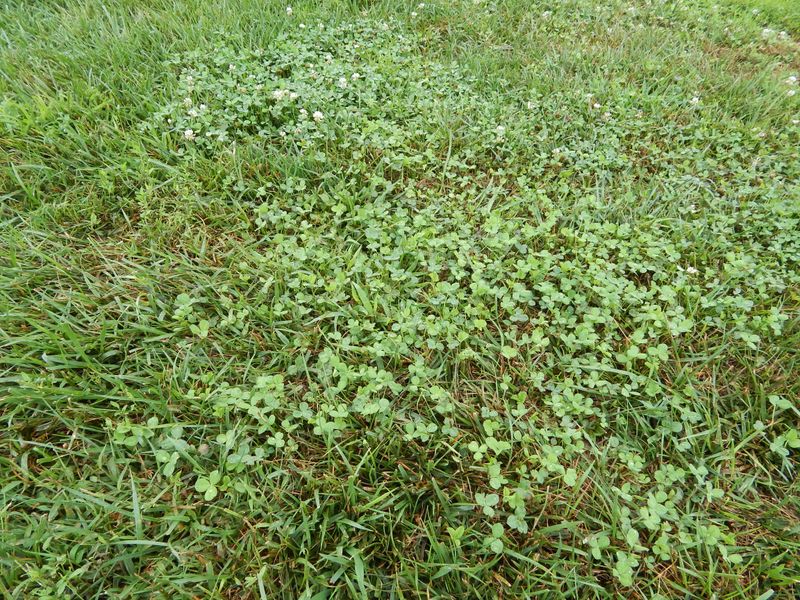
Building better turf and removing existing clover are two different jobs. Fertilizing or mowing does not control clover that is already established in turf, according to UC IPM.
If you have solid patches, you will need a separate plan.
Your options depend on which clover you have and which grass you grow. Annual clovers and perennial white clover are handled differently, and some products that suit one lawn grass can harm another.
Skip any method sold as universal.
If you choose an herbicide, use only a product labeled for your lawn and the target weed, and follow every direction on that label. Keep in mind that broadleaf herbicides may also kill desirable clover, including any you wanted to keep in other parts of the yard.
Do not reach for vinegar as a shortcut. The cited EPA product label says that vinegar-based product is nonselective and can injure or kill surrounding grass.
Established weeds may also need retreatment, so a single splash is unlikely to settle things.
Spot treatment, careful timing, and patience usually beat a heavy hand. If you are unsure which clover or grass you have, your local extension office can help you identify them before you spend money or risk your turf.
Decide whether clover belongs in your lawn
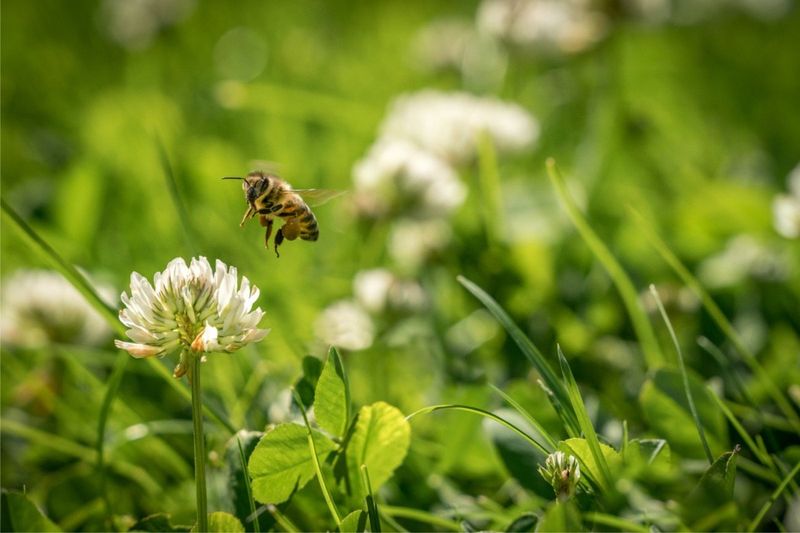
Clover is not a villain. It can fix nitrogen from the air through its partnership with soil bacteria, and its flowers feed bees, as the University of Maryland Extension notes.
Whether it stays is partly about how you use your lawn and how you like it to look.
If you want a uniform green carpet, or you have barefoot kids and worry about bee stings, you may prefer less of it. Test your soil, fix the shade, compaction, or mowing problems you find, and expect slower spread rather than a clean sweep.
A pantry staple or good care alone will not clear patches already in place.
A lawn with a little clover is still a lawn, and sometimes the easiest fix is a calmer point of view.