
Phoebes Keep Flicking Their Tails From Your North Carolina Porch Rail Because The Yard Below Is Full Of Bugs
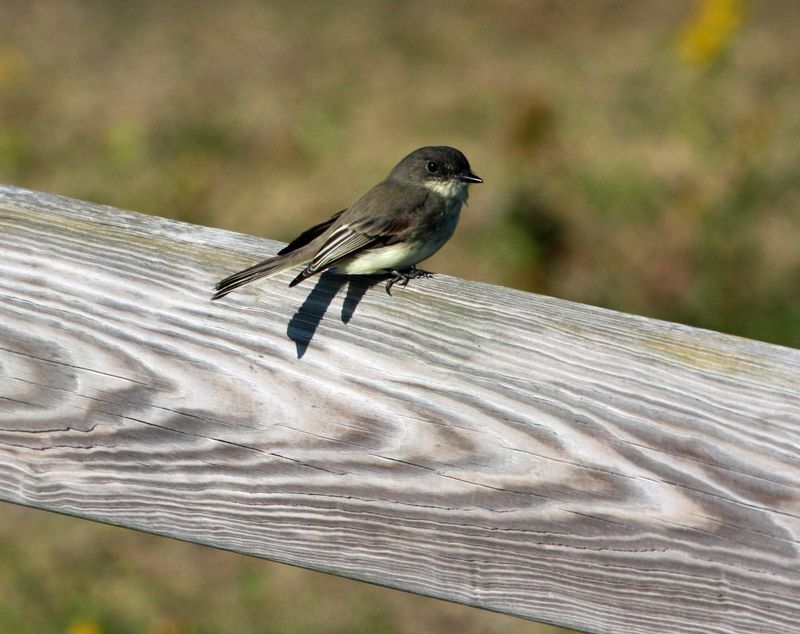
A small gray-brown bird sits on your porch rail, bobbing its tail, then zips out and snaps up something you never saw. If you live in North Carolina, that visitor may be an Eastern Phoebe, and it can show up in the coldest months.
Many people say that tail flicking means the yard is packed with bugs and in great shape. The real story is more interesting, and it tells you what to enjoy and what to do for your yard.
A winter phoebe may use a North Carolina yard
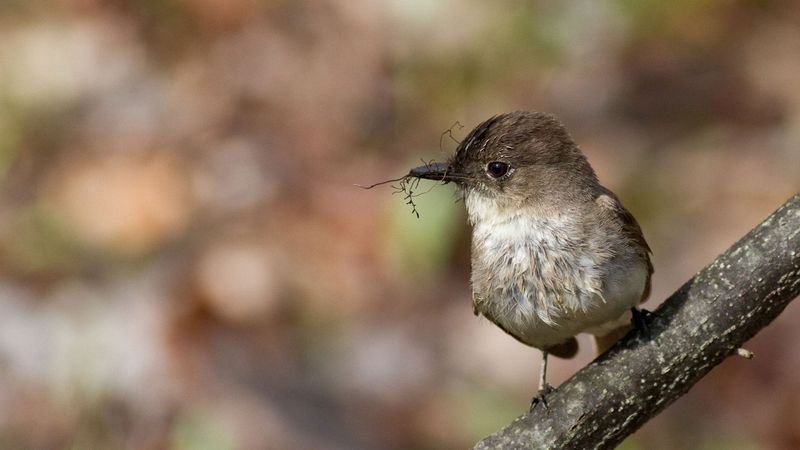
Chilly mornings in North Carolina can bring a quiet surprise to the porch. Eastern Phoebes are regular winter residents in the state, and state species accounts report them foraging in yards, along woodland edges, in pastures, and over field stubble.
That means a phoebe on your rail is a believable sighting, whether you live on the Coastal Plain, in the Piedmont, or in the mountains. It is not a guarantee, though.
Plenty of homeowners will never spot one at their house, and that is perfectly normal.
How often you might see one depends on where you live. Phoebes are less common in some mountain and foothill areas than in lower-elevation valleys, so a Blue Ridge porch may see fewer than a Piedmont one.
If you do get a visit, watch where the bird goes and what it does. A phoebe that returns to the same spot day after day is simply showing you its routine, and that routine is worth a few minutes with your coffee and binoculars.
The porch rail can be a launch point for hunting
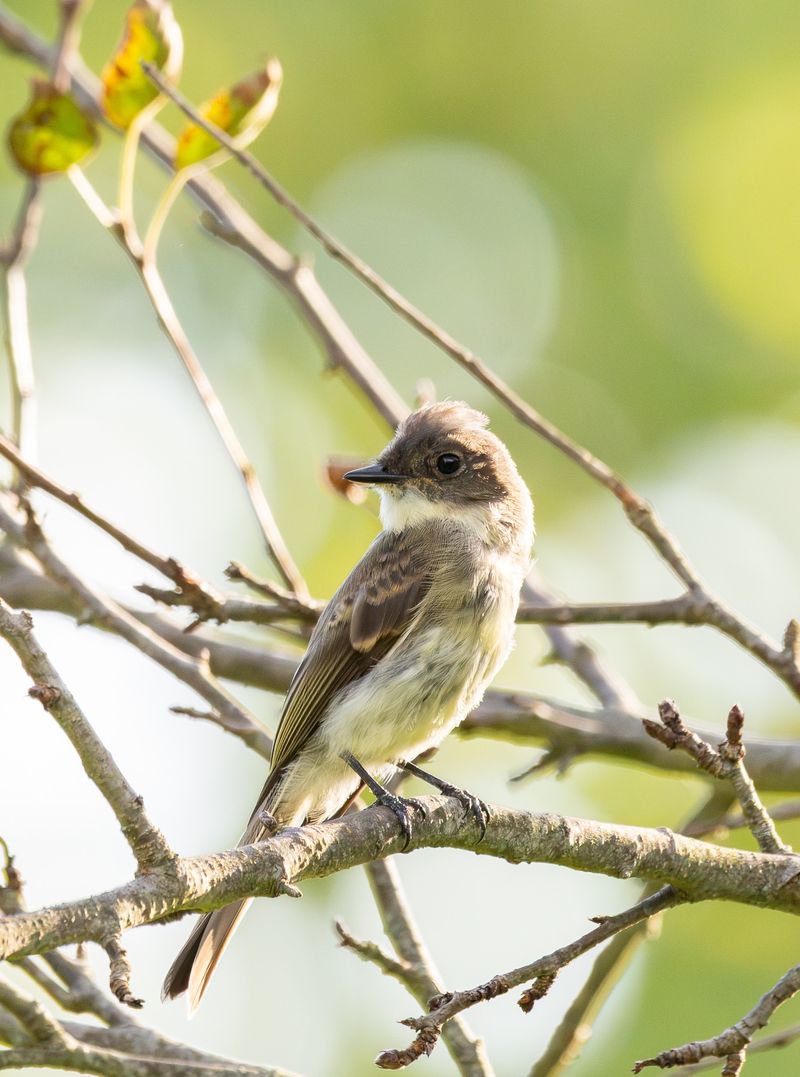
Watch a phoebe for ten minutes and you will likely see the same loop. It sits on a low, open perch, spots something small in the air, darts out to grab it, and flutters back to the same perch or one nearby.
Bird watchers call this perch-and-sally hunting, and Cornell Lab of Ornithology describes it as typical for the species.
A porch rail makes a handy lookout. It is low, it has a clear view, and it gives the bird an easy landing spot.
Fence posts, shepherd’s hooks, and bare branches work the same way.
Flying insects make up most of a phoebe’s diet. The bird also eats spiders and other small prey, and now and then it takes fruits or seeds.
So a winter phoebe is not living on insects alone.
One more caution. A bird on your rail is not proof that it is catching meals right below it.
It can launch toward the lawn, the shrubs, or the neighbor’s yard and swing back. The rail is simply where you happen to see it.
What tail flicking can—and cannot—tell you
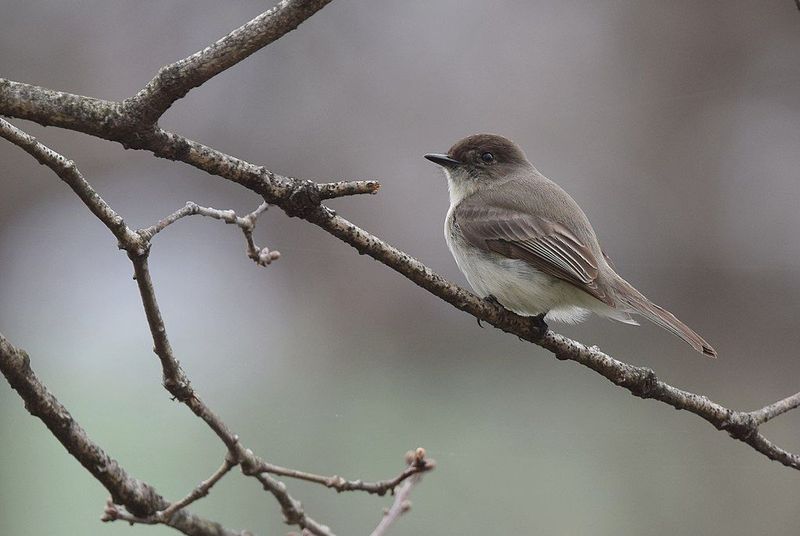
That steady tail bob is the phoebe’s trademark, and Cornell’s species account lists it as part of how the bird perches. Why it does it is still an open question.
One field study in Kentucky, published in the Journal of Field Ornithology, tested several ideas. The birds pumped their tails more when a possible predator was nearby, which fits a possible role in warning predators off.
But they also pumped their tails when no predator had been seen, and the researchers did not pin down one clear purpose.
The study took place over two breeding seasons at a single location. That makes it a useful clue, not a final answer, and it says little about a bird on your porch in January.
What the research does not show is a link between tail flicking and how many insects are around. Nobody has shown that a bird flicking its tail is reporting on bug supply.
So enjoy the motion for what it is: a charming habit with a purpose scientists are still working out.
A phoebe visit is not a yard-health score
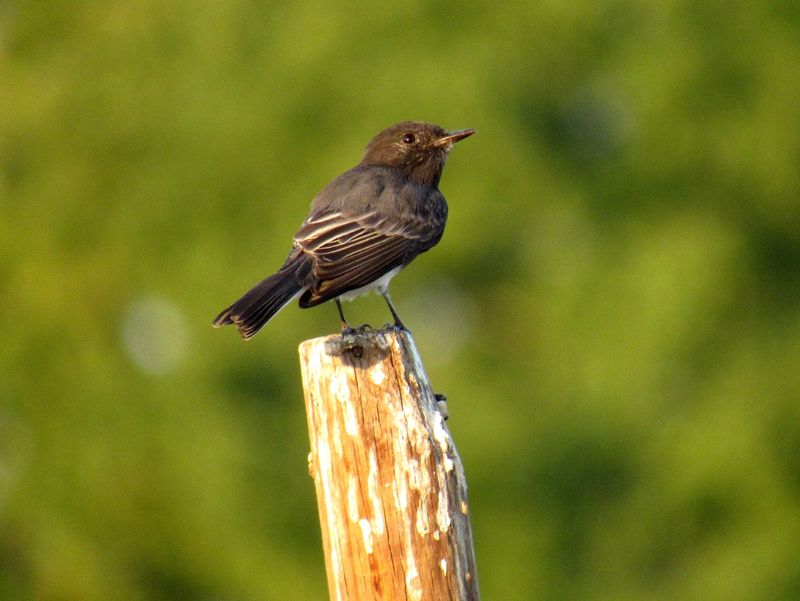
Here is the straight answer. A phoebe using your porch rail fits its ordinary foraging habits, and that is all it tells you.
Neither the bird’s presence nor its tail movement measures how many insects live in your yard or whether the yard is ecologically healthy.
Think of it as a welcome wildlife encounter, not a test your yard passed. A yard can be doing many things right and never see a phoebe.
Another yard with a convenient rail and a nearby field might get one regardless of its plantings.
The bird’s diet, described by Cornell Lab of Ornithology, includes flying insects, spiders, and other small prey. That does not turn the phoebe into a pest-control service.
It does not mean fewer ticks, and it does not make a yard safer for kids or pets.
A phoebe visit also does not tell you the yard is pesticide-free. If you want to judge your yard, look at the things you can see up close: diverse native plants, shelter, water, and how carefully you treat real problems.
Keep useful perches and layers of native cover
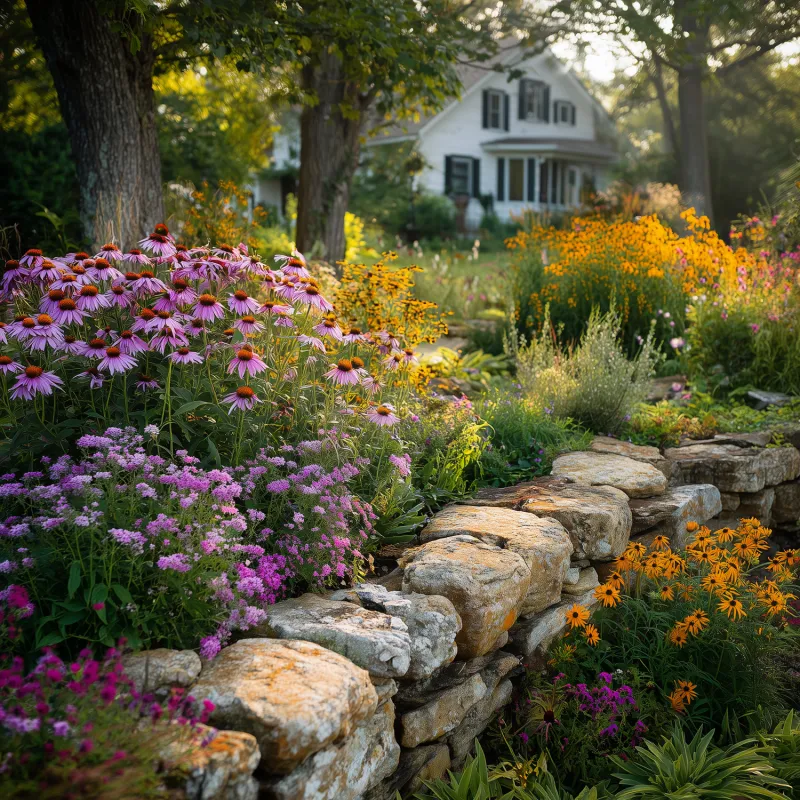
You do not need a big project to make your yard friendlier to birds. Start by holding back.
Leave a few low woody perches, such as a sturdy shrub branch or a fence post, and resist clearing every shrub and unmowed corner.
NC State Extension says in its guide to landscaping for wildlife that native plants can provide food and cover, and that plant diversity supports insect diversity. Its advice on managing backyards for birds adds that some native plants also shelter the insects birds eat.
Layers help. Mix groundcover, shrubs, and a few trees so birds have places to perch, hide, and forage.
Choose species suited to your region, whether that is the Coastal Plain, the Piedmont, or the mountains.
Be realistic about the payoff. These steps improve habitat in general, but they cannot promise a phoebe will arrive.
And the goal is not to grow as many bugs as possible. It is to build a varied, sheltering yard that many birds and beneficial insects can use.
Manage real pest problems without blanket spraying
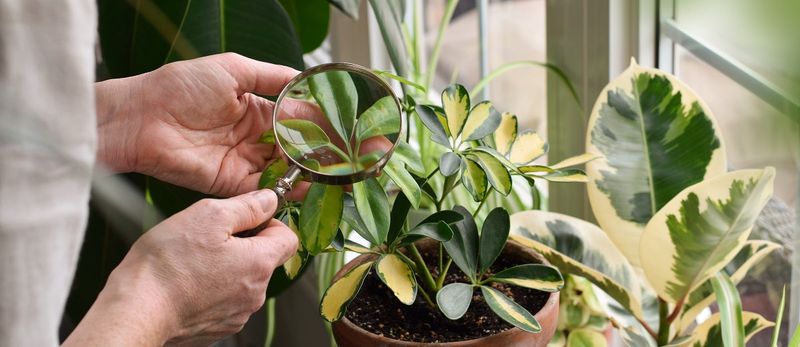
Welcoming wildlife does not mean putting up with every pest. If something is truly damaging your plants or bothering your family, deal with it.
The trick is to do it thoughtfully.
NC State Extension’s integrated pest management guidance boils down to a few steps. First, identify what you have, since many insects are harmless or helpful.
Second, monitor it to see whether the problem is growing. Third, choose the least-toxic response that works.
Why not just spray everything? Pesticides can harm beneficial insects and other non-target organisms, including the ones that feed birds and pollinate your garden.
Broad spraying can also hit the wrong targets entirely.
If you do use a product, read the label and follow it exactly. That covers the amount, the timing, and the safety instructions.
And a phoebe on your rail is no reason to skip needed treatment. It is a bird, not a pest control plan.
Give an active nest space
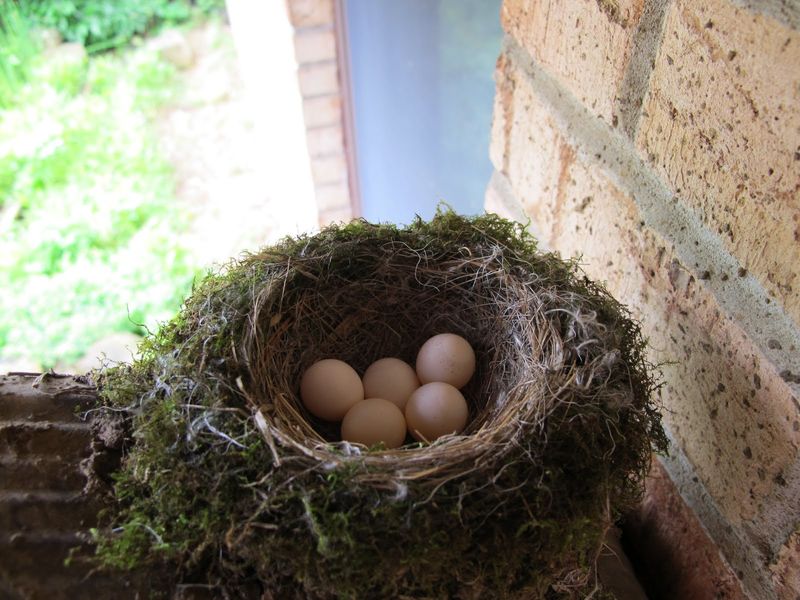
Phoebes sometimes build a cup of mud and moss under an eave, on a ledge, or on another sheltered porch structure. This is a different situation from a bird that simply lands on your rail.
Plenty of rail visitors are not nesting at all.
If you find a nest with eggs or young that depend on their parents, leave it alone. The U.S.
Fish and Wildlife Service explains in its bird nest guidance that nests with eggs or dependent young are protected under the Migratory Bird Treaty Act.
You can live alongside it for a few weeks. Use the porch less near the nest, keep pets back, and watch from a distance.
A sheet of cardboard below can catch droppings.
An inactive nest is a different matter, and the rules are not the same as for an active one. If a nest raises a real safety concern, contact the relevant wildlife authorities for direction before you act.
Enjoy the visitor without treating it as a verdict
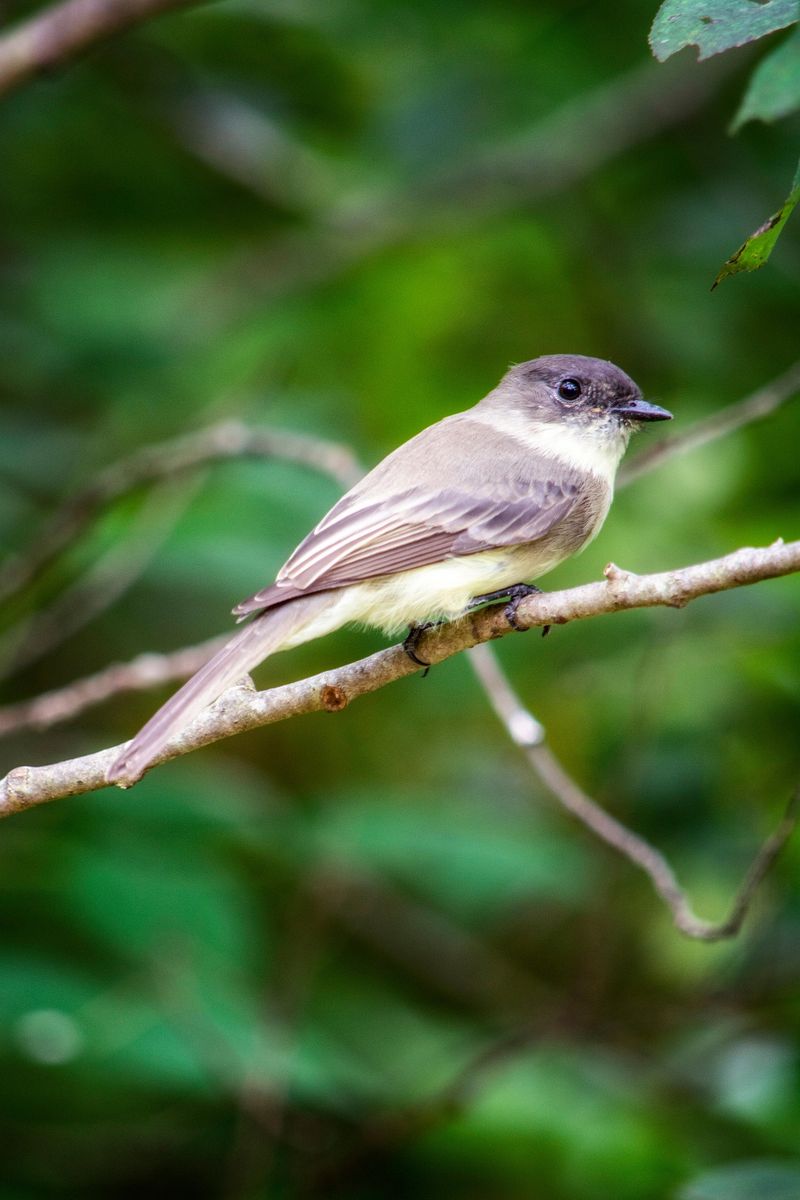
Next time the phoebe returns to your rail, let it be what it is: a small hunter following its usual routine, the way Cornell describes the species. Keep a few perches and native layers, and handle genuine pests with careful, proportionate steps.
The tail flick is not a report card. It is just the bird’s signature, and it is a pleasure to watch.