
Broadleaf Plantain in Your Lawn: What Its Traditional Skin Use Really Tells Us
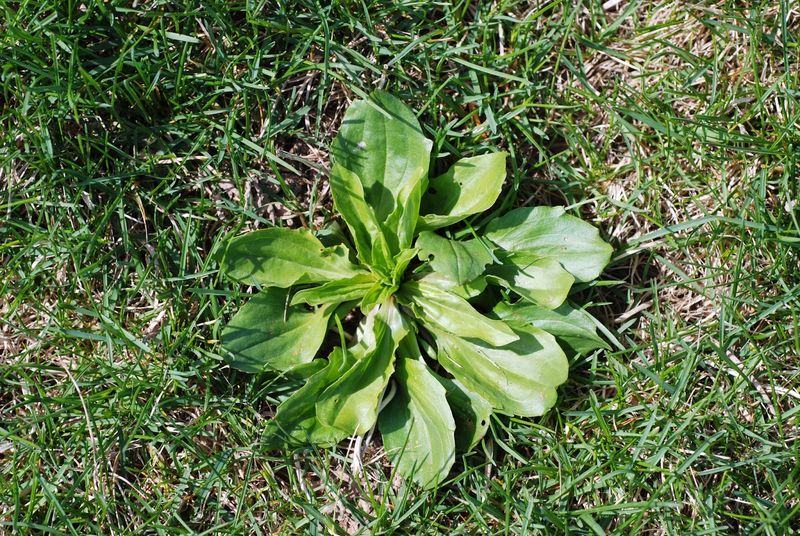
That low, leafy weed you mow around every week has a surprising past. Broadleaf plantain shows up in old records as a plant people placed on the skin.
Before you reach down and pick a leaf for a bug bite, it helps to know what the records say and what they do not. The answer is more interesting, and more careful, than the popular story.
Which plantain is growing in the lawn?
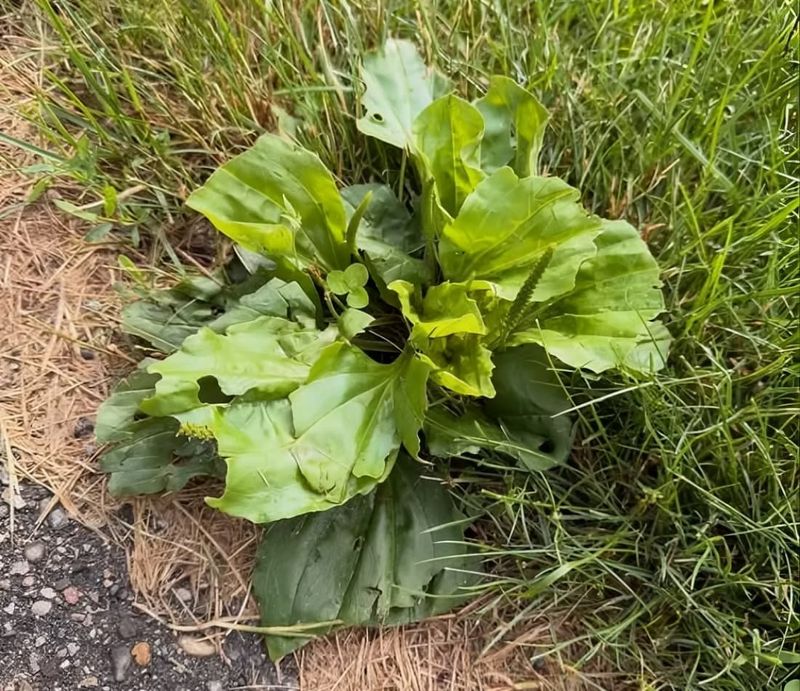
Garden talk gets muddy because several plants share the name plantain. The one in question here is broadleaf plantain, Plantago major.
It is not the banana-like fruit sold at the grocery store, and it is not every other plant that carries the same common name.
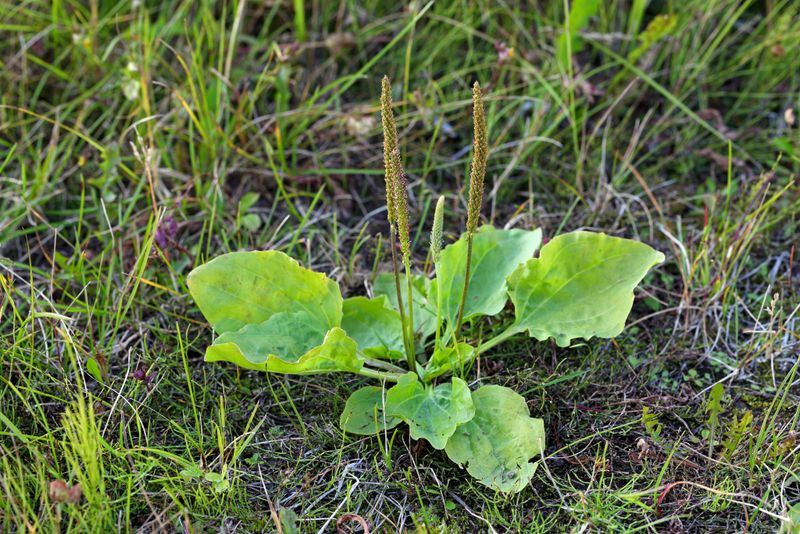
Look down at the lawn edge or a compacted path. UC IPM describes broadleaf plantain as a low rosette of broad leaves with prominent parallel veins, topped by slender flower spikes.
Those veins are the easiest clue. They run lengthwise along each leaf like stitching, and a torn leaf often shows stringy threads.
A close lookalike is buckhorn plantain, Plantago lanceolata. Buckhorn has narrow, lance-shaped leaves, while broadleaf plantain has wider leaves and longer flower spikes.
Spotting the difference matters because the history we are about to explore belongs to Plantago major specifically.
So what did people do with this stepped-on weed? Records from several centuries of writing show it was used on the skin in particular communities.
Whether that tells us anything useful for a bite or scrape today is the real question.
Ojibwe records describe a topical tradition
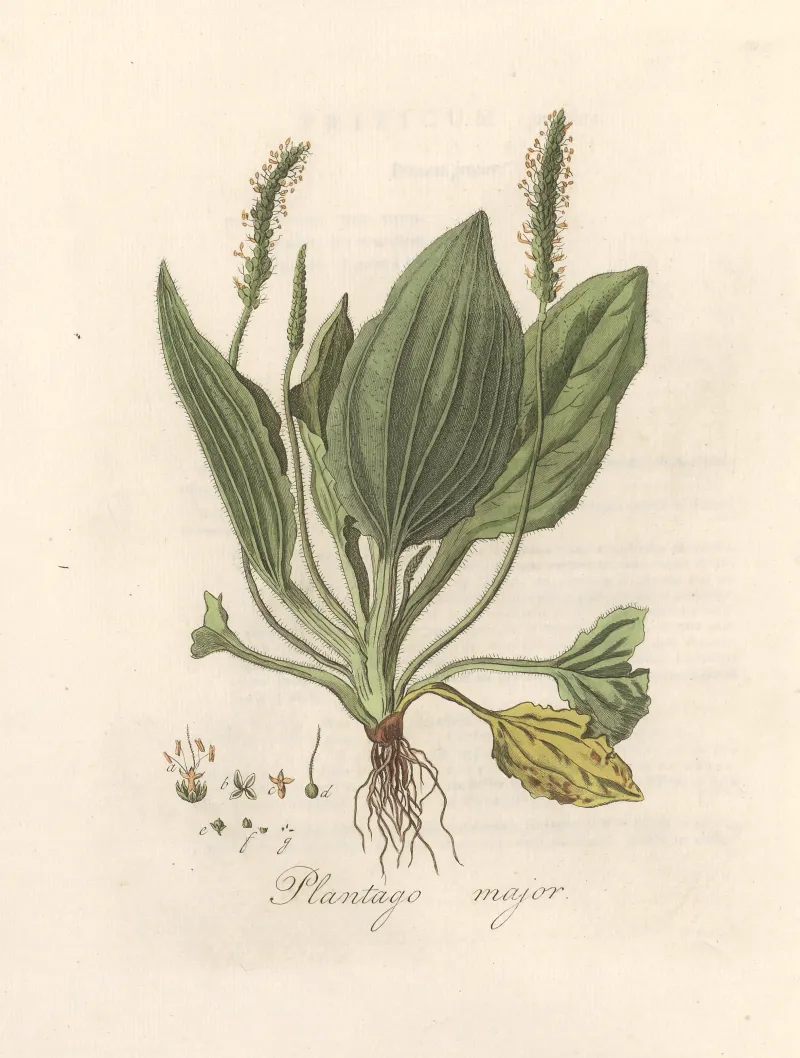
Plantain’s skin history is written down, which is what makes it worth discussing. A 2000 review of Plantago major describes traditional use of the plant on wounds.
That is a record of what people did, not a test of whether it worked.
One of the more specific accounts comes from the early twentieth century. Huron H.
Smith’s Ethnobotany of the Ojibwe Indians records Flambeau and Pillager Ojibwe uses of the plant on the skin, including for bruises, sores, burns, and bee stings. Those are named communities, and the details belong to them.
It would be a mistake to stretch this into a claim about all Indigenous peoples, or to say the practice stretches back some exact number of years. The sources support a documented traditional skin use, nothing more precise than that.
The National Library of Medicine’s Native Voices exhibit on plantain is a good place to see how healing plants are presented in their cultural context.
This article will not turn those records into a how-to. A knowledge keeper’s practice, passed along within a community, is different from a stranger copying a line in a book.
Treat the history as history, and as a reason to look at the plant with respect.
Modern research has not validated a raw-leaf poultice
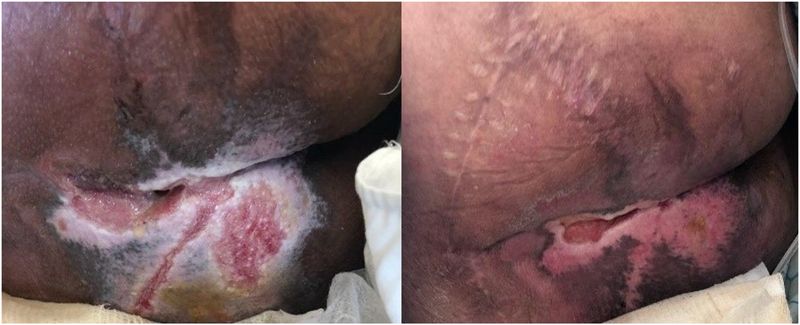
Here is where tradition and testing part ways. A recent trial, a randomized open-label study of a Plantago major extract, looked at a prepared 10% hydroalcoholic extract gel.
Patients had diabetic-foot or pressure ulcers, and the gel was used alongside routine wound care.
Compare that with the lawn. The study did not test a raw leaf.
It did not involve bug bites, stings, or scrapes. A measured gel made in a lab and used under medical care is a different thing from a leaf picked off the grass, so the results do not carry over.
Earlier animal work adds some context but not much certainty. A 2021 systematic review of preclinical studies found only four eligible animal studies and judged them to have high risk of bias and methodological limitations.
In plain terms, those studies were not strong enough to lean on.
That review came before the human trial, so it is not a statement that no human study exists. It simply shows how thin the older evidence was.
The honest summary is that nothing here shows a lawn leaf treating a minor injury.
For bites and stings, start with standard first aid
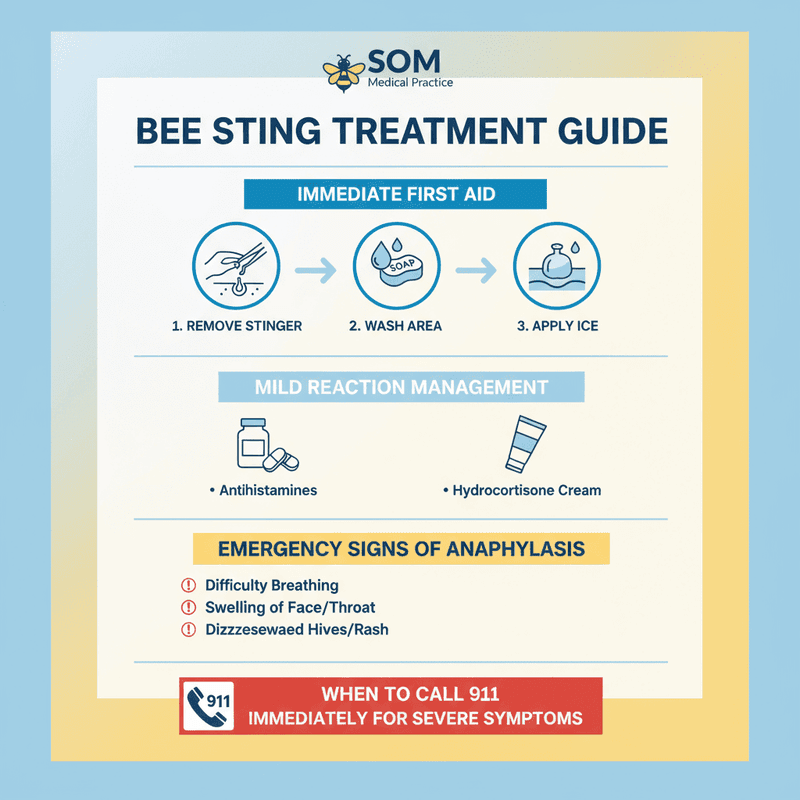
Got stung while weeding? The plan does not need a plant.
Mayo Clinic’s first-aid guidance for minor insect bites and stings starts with washing the area with soap and water.
Next, cool it down. Hold a cold cloth or ice wrapped in a cloth on the spot for 10 to 20 minutes.
Wrapping the ice keeps it from irritating the skin directly.
Pay attention to how the rest of your body reacts, too. Trouble breathing, swelling of the face or throat, or feeling faint can signal a serious allergic reaction.
Those signs call for emergency help right away, not home remedies.
If you or someone nearby has a known severe allergy to stings, keep that plan close when you work in the garden. A calm minute of washing and cooling beats guessing with whatever grows underfoot.
A scrape needs cleaning and covering
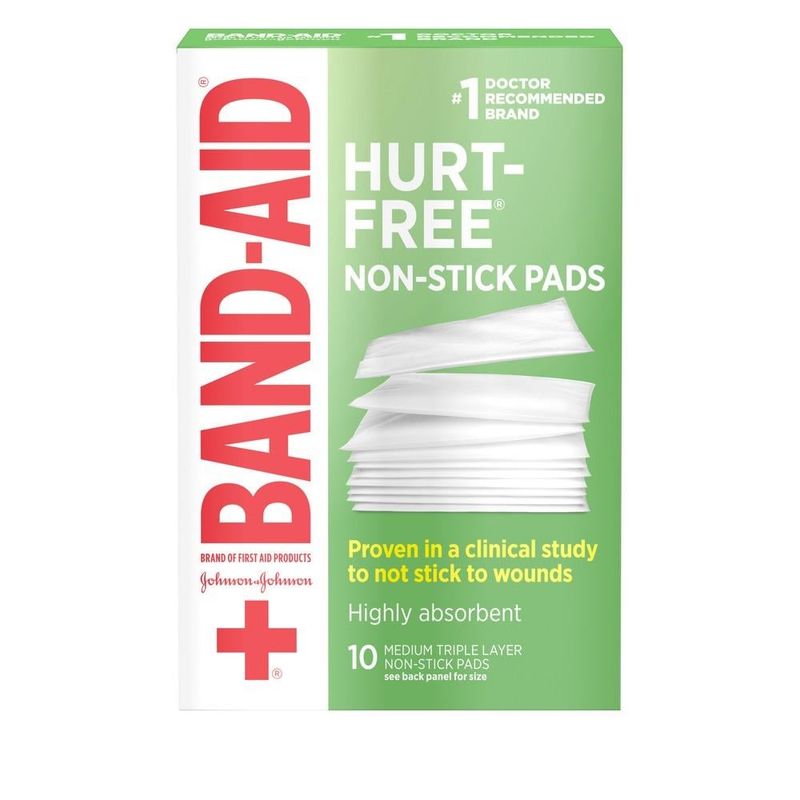
Scrapes are a different job from stings, and dirt is the main worry. Garden soil gets into skinned knees and palms easily.
MedlinePlus advice on scrapes begins with washing your hands first.
Then clean the scrape with mild soap and water. Finish by covering it with a non-stick bandage.
Nothing in that routine involves putting a leaf on broken skin, and plantain should stay off an open scrape.
Know when to stop treating it yourself. A deep or large wound, debris stuck in the skin, or signs of infection are reasons to get medical care.
Increasing redness, warmth, swelling, or pus are the classic signals to watch for in the days after.
If you have been scraped by something dirty, such as a rusty tool, check in with a clinician about your next steps. A quick call is easier than a stubborn infection.
Plantain is not guaranteed to be gentle on skin
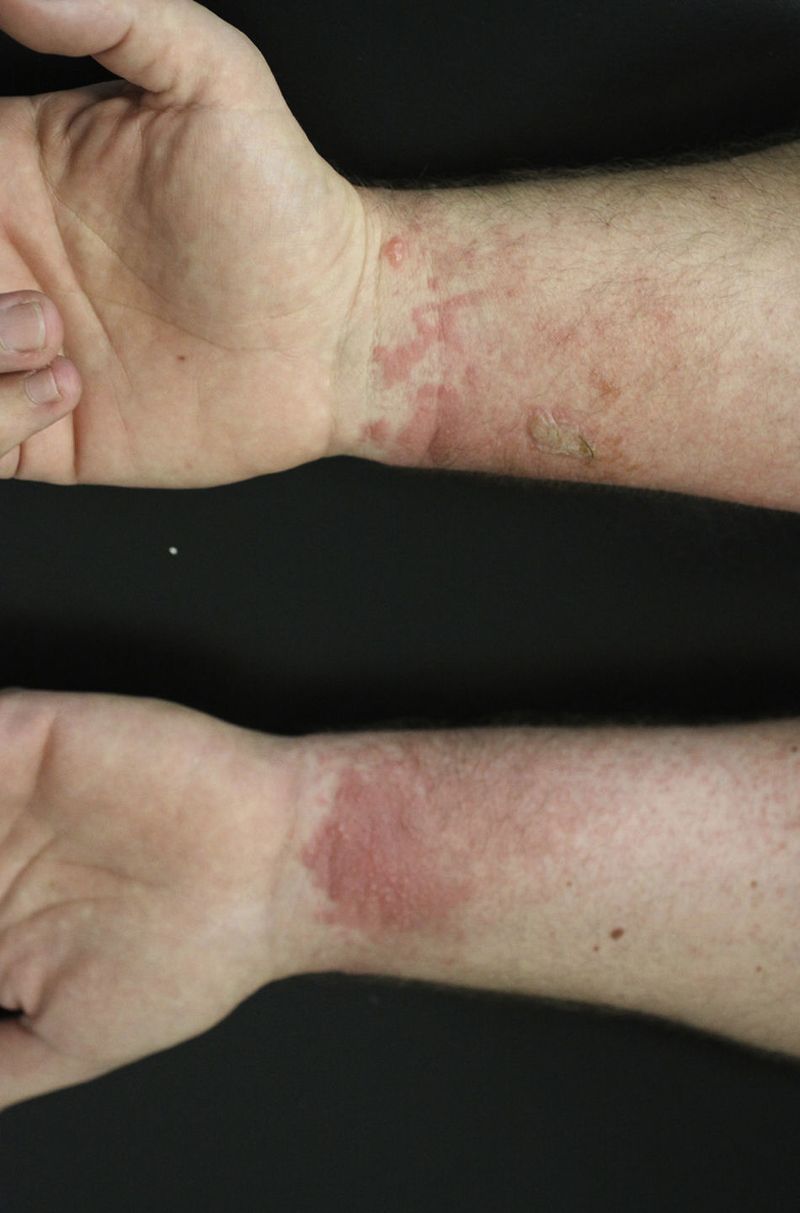
Plants that sound soothing can still bother skin. A published case report, Acute irritant contact dermatitis caused by Plantago major, describes exactly that: a skin reaction linked to this plant.
One report cannot tell us how often this happens. It could be rare.
Still, it means no one can call the leaf universally gentle or harmless, and that is worth remembering if you are tempted to rub one on a sting.
Skin that is already stung or scraped is more sensitive, so a reaction on top of an injury is the last thing you want. The safest move is to stick with standard first aid and keep the plant in the lawn.
Keep the history; use standard first aid
Broadleaf plantain earns its spot in the story of plant medicine. Records like this review of traditional uses show that real communities used it on the skin.
A lawn leaf, though, is not a proven treatment.
For a sting, follow Mayo Clinic’s steps. For a scrape, follow MedlinePlus guidance.
Let the weed be a conversation starter, not a bandage.