
The One Thing North Carolina Garlic Needs In October Or The Bulbs Never Size Up Next June
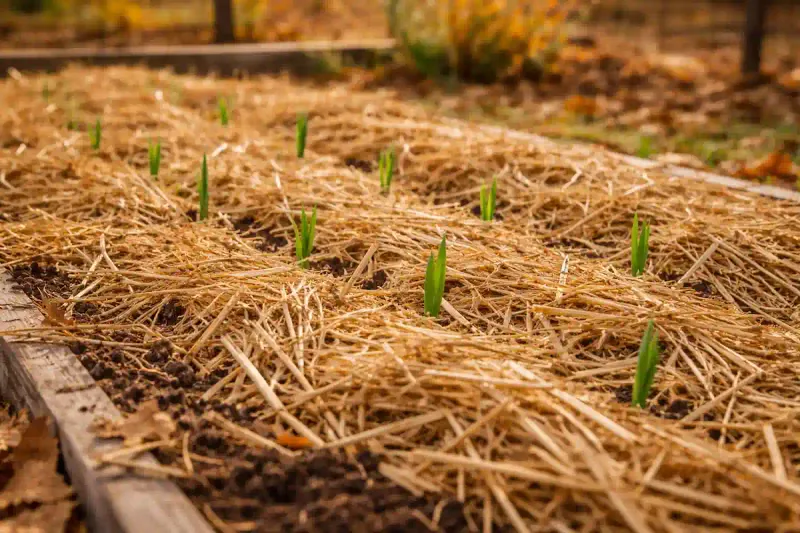
Garlic is a slow plant that does most of its real work while you are not looking. In North Carolina, the size of the bulb you pull in June is mostly decided by what happens underground in October.
If the cloves do not grow strong roots before winter, they never catch up in spring. The good news is that one simple fall habit makes all the difference, and you can do it in a single weekend.
1. Roots Before Winter: Plant On Time and Mulch Right Away
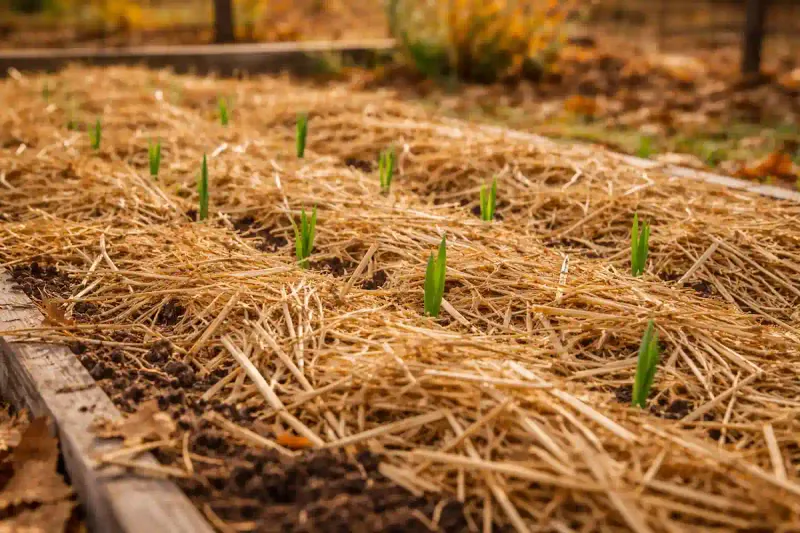
Picture two garlic beds side by side in a Raleigh backyard. One went in mid-October and got tucked under straw that same afternoon, while the other waited until a cold snap in December.
Come June, the first bed pays off with fat, papery bulbs, and the second gives you something closer to a scallion.
Garlic needs a few weeks of mild soil to grow roots before the ground turns cold. Those roots are the engine that powers spring leaf growth, and every leaf later becomes a wrapper on the bulb.
Fewer leaves in spring means a smaller head at harvest, plain and simple.
Timing depends on where you live in the state. Mountain gardeners in Western NC should aim for October 1 to 25, Piedmont folks for about October 15 to November 10, and Coastal Plain growers for late October through November.
A handy rule is to plant four to six weeks before your first hard freeze.
Set your biggest, healthiest cloves pointy side up, about 2 inches deep and 4 to 6 inches apart. Skip grocery store garlic, since it may be treated to stop sprouting.
Work compost into heavy red clay or thin sandy soil first so roots can spread easily.
Then mulch immediately with 3 to 4 inches of straw or shredded leaves. Mulch can reduce frost heaving, hold moisture, and keep weeds down.
As a bonus, a leaf mulch layer also gives overwintering beetles and other small critters a safe place to shelter in your yard.