
Wrinkled Christmas Cactus Segments? Check the Mix and Drainage Before You Water
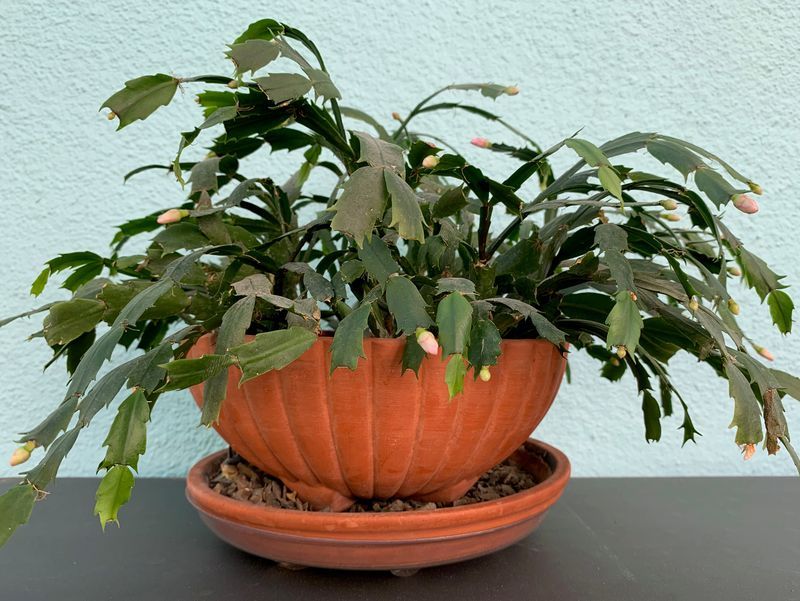
Your Christmas cactus looks a little deflated, and the green segments feel thin and soft. It is easy to panic as fall arrives and the plant should be getting ready for buds.
The good news is that wrinkling is a clue, not a final verdict. A quick look at the potting mix and the pot’s drainage can tell you what to do next.
Wrinkled Segments Don’t Diagnose the Cause
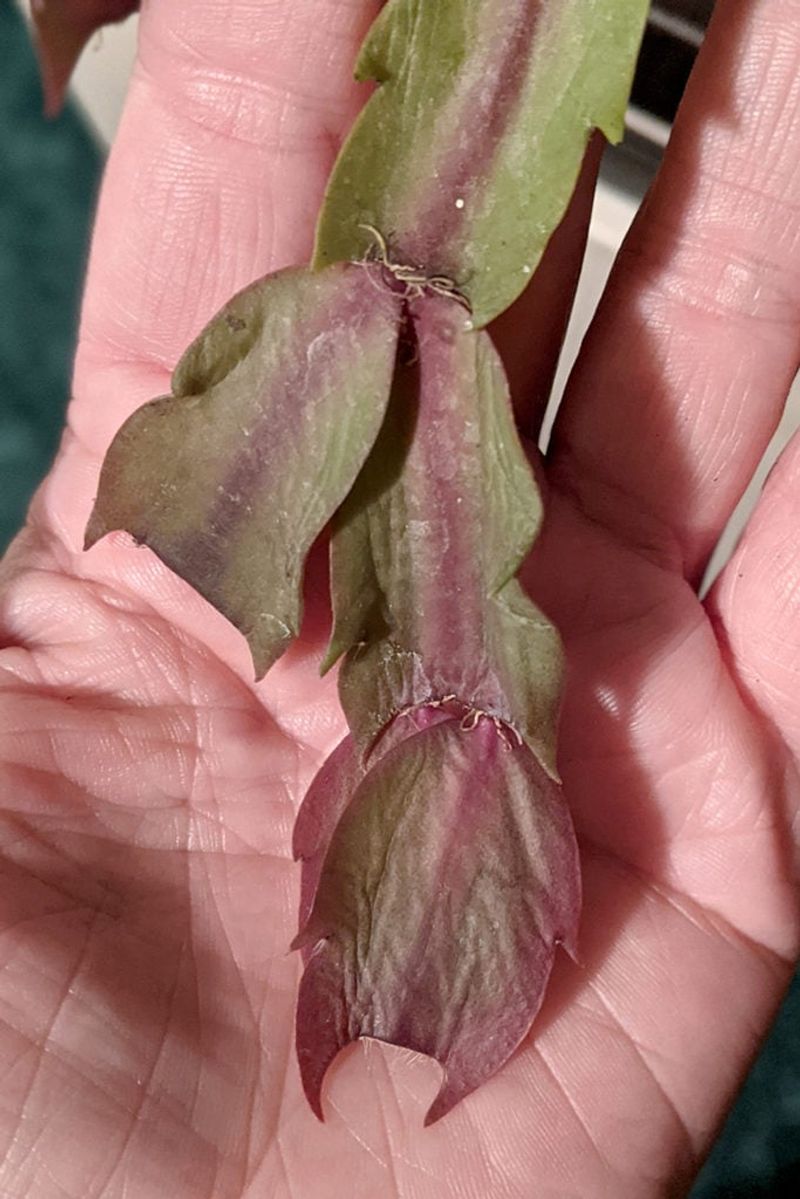
Few things make a plant owner’s stomach drop like seeing a favorite plant go soft. Thin, wrinkled growth on a Christmas cactus looks like thirst, so the natural reaction is to grab the watering can.
That reaction makes sense, but the symptom alone cannot tell you what is going on below the surface.
Wrinkled segments can go along with dehydration. They can also show up when soil stays too wet and the roots are damaged, because roots in that shape cannot take up water well.
As University of New Hampshire Extension explains, overly wet soil can leave a plant wilted in a way that looks much like drought, and Wisconsin Horticulture also points to root trouble as a cause of limp plants.
One quick note on vocabulary. Most of us call the flat green pieces leaves, but they are actually stem segments, as NC Cooperative Extension notes.
Because these segments store water, they are a handy place to read the plant’s mood, even if they cannot name the exact problem.
So the plan is simple. Before you water, inspect the potting mix and check how the pot drains.
That one step keeps you from drowning a plant that is already struggling, and it points you to the right fix for the mix you actually have.
Fall Drought Is Not a Bud-Setting Shortcut
You may have heard that a Christmas cactus needs a dry spell in fall to bloom. It is a popular tip, and it sounds logical if you think of the plant as a desert cactus.
The trouble is that holiday cacti are not desert plants at all.
They are tropical rainforest epiphytes, which means that in nature they perch on trees in humid, dappled shade. UNH Extension points out that their care should not be built on long stretches of drought.
Research backs this up. UMass Extension reports that water stress during flower induction can reduce bud set, and that withholding water is not a supported way to trigger flower buds.
In other words, a thirsty plant may bloom worse, not better.
None of this means you should keep the pot soggy. Constantly wet soil can lead to root rot, so the goal is a mix that is moist enough without sitting in water.
Think of it as steady, sensible care rather than a test of endurance.
Watering also is not the only switch for blooms. Day length and temperature play a major role in bud formation, along with light and general plant health.
If your plant does not bloom on schedule, water is only one piece of the puzzle. Also keep in mind that the name Christmas cactus is often used loosely for holiday cacti, so bloom timing can differ between plants.
Check the Mix Before You Reach for the Watering Can
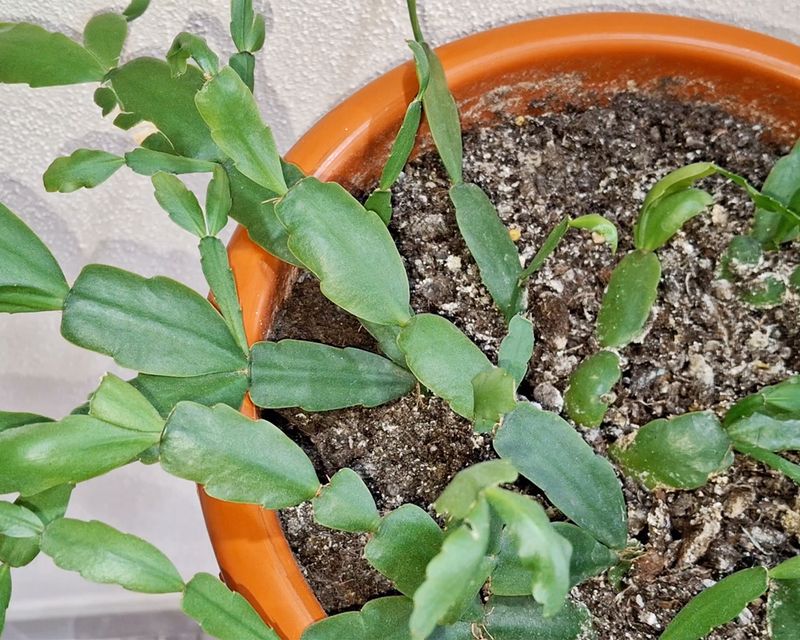
Here is the easiest diagnostic you will ever do: put a finger into the potting mix. Is it dry to the touch, or does it still feel damp?
That answer matters more than anything you read on a calendar.
Some people water every week out of habit, but a fixed schedule ignores real life. Pot size, mix type, light, and room temperature all change how fast a pot dries out.
UNH Extension frames watering around the condition of the mix, not a set number of days.
Next, look at the pot itself. Does it have a drainage hole, and does water actually run out of it?
Check the saucer or decorative cachepot too, since standing water down there keeps the roots wet even when the top looks fine.
Both NC Cooperative Extension and UNH advise watering when the mix is dry to the touch, then letting the extra water drain away.
Once you have felt the mix and checked drainage, you have your decision point. If the mix is dry, you will follow the dry-mix steps next.
If it is still moist, you will skip the watering can and look at drainage instead.
When the Mix Is Dry, Water and Let It Drain
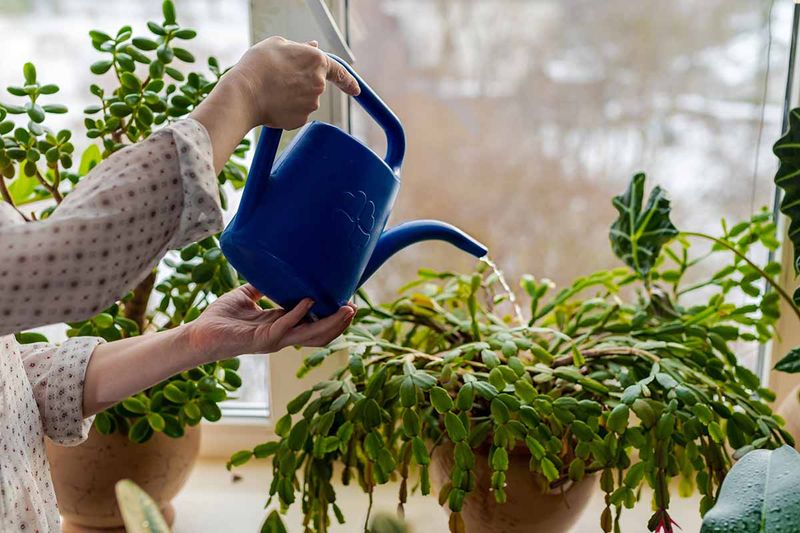
If your finger comes out dry and the mix feels light, you have found a likely reason for those soft segments. This is the one situation where reaching for water is a sensible move.
Go ahead and give the plant a drink.
Water the mix until moisture reaches the whole root area, then let the extra drain out through the bottom. A kitchen sink works well for this.
Skip any set measurement, because the right amount depends on your pot and mix.
Draining matters as much as watering. Both UNH Extension and NC Cooperative Extension say to water when the mix is dry to the touch and not leave the pot standing in water.
Once it stops dripping, set it back in its spot.
Give the plant some time to respond. Segments that were limp from dryness often firm up as the plant takes in moisture, though recovery is not always instant or guaranteed.
If the plant still looks limp after the mix has been properly watered and drained, do not keep adding water. A dry mix is only one possible cause, so look again at drainage, roots, and conditions around the plant before you decide on the next step.
If the Mix Stays Wet, Don’t Add More Water
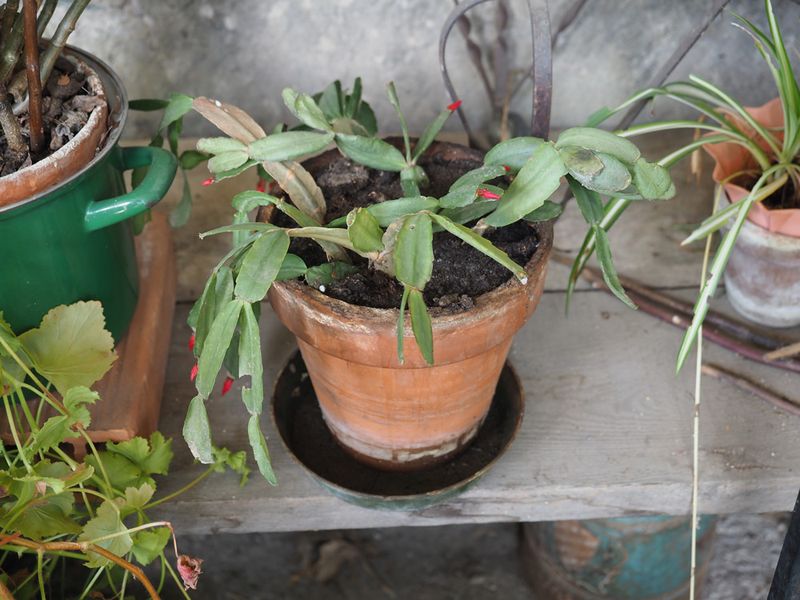
Sometimes the finger test brings a surprise: the mix is damp, yet the plant still looks tired. That is your cue to put the watering can down.
More water in an already wet pot can make things worse.
Roots that stay soaked struggle to work properly. When that happens, the plant cannot take up water well, and the segments can wilt even though the pot is wet.
Extension guidance such as University of Minnesota Extension lists root rot as a common cause of holiday cactus decline when roots stay too wet.
Start with simple checks. Make sure the pot has drainage holes, tip out any water sitting in the saucer, and lift the plant out of any cachepot.
Water that pools at the bottom keeps the root zone soggy.
A fast-draining pot and mix help a lot. UConn Home Garden Education Center stresses good drainage for holiday cacti.
If the mix is heavy and stays wet for a long time, repotting into a lighter, well-draining mix may be worth considering.
One caution: wrinkling alone does not prove root rot. Limp growth can have more than one cause, and Wisconsin Horticulture notes that root problems are only one possibility.
Fix the drainage first, let the mix dry back to a sensible point, and watch how the plant responds.
After Buds Form, Avoid Moisture Extremes
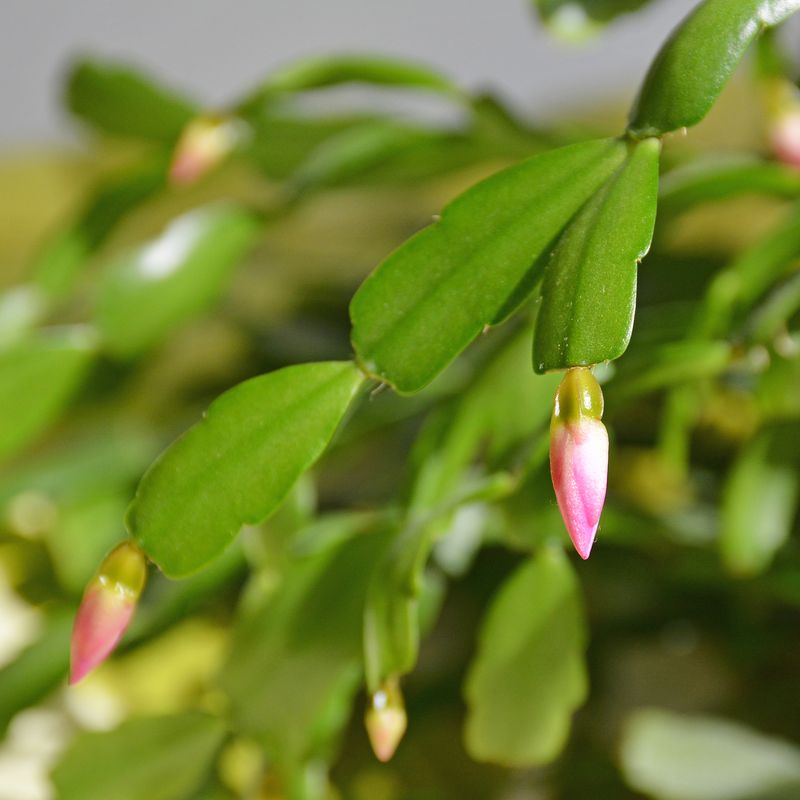
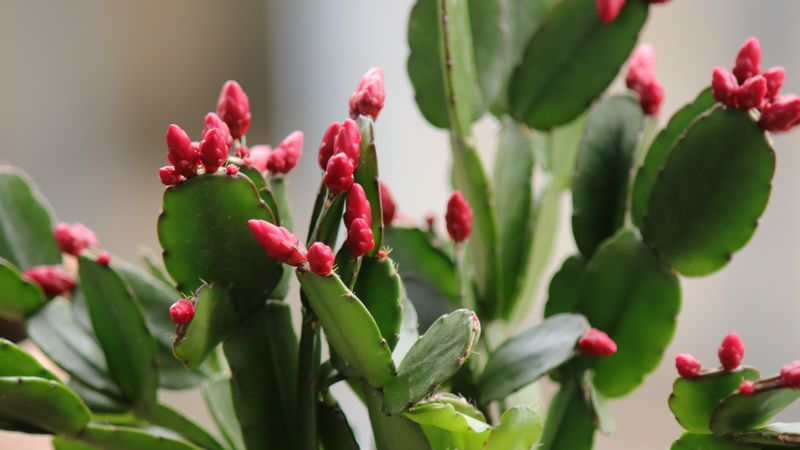
Once tiny buds appear at the tips of the segments, your care goal shifts a bit. The plant is now investing energy in flowers, and sudden changes can unsettle it.
Steady moisture is the theme.
NC Cooperative Extension advises keeping the mix evenly moist after fall bud set to help prevent bud drop. Evenly moist means the mix feels damp, not bone dry and not dripping.
Keep the drainage rules from earlier in place so the pot never sits in water.
Advice does vary by stage and by source. Iowa State University Extension recommends keeping soil evenly moist while the plant is budding and flowering, then watering less after flowering.
Wisconsin Horticulture describes some growers cutting back on water in August and September, which shows why there is no single fall schedule for everyone. Checking your own mix and noting whether buds have formed is the safest guide.
It also helps to know that water is not the only cause of dropped buds. UConn Home Garden Education Center notes that temperature swings, drafts, and changes in light can also contribute.
If buds fall, think about whether the plant was moved, placed near a heating vent, or exposed to a chilly window.
So keep the plant in a stable spot, check the mix regularly, and avoid both drying out and soaking. Even good moisture care cannot promise buds or stop every drop, but it removes one common stress.
Let the Mix Guide Your Next Step
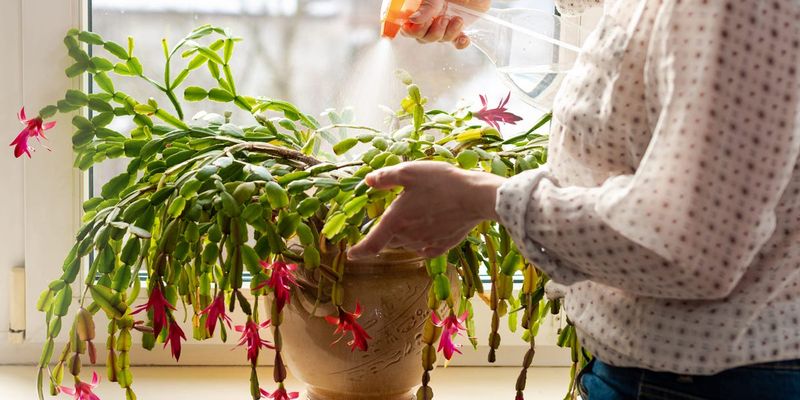
When segments look wrinkled, let the potting mix make the call. Dry mix means water and let it drain.
Wet mix means hold off and fix the drainage, using guidance such as that from UNH Extension. Neither drought nor soggy soil is a good fall plan, and Wisconsin Horticulture backs a measured approach.
This check will not rescue every plant, but it keeps you from guessing. A plant that tells you something deserves a look before a drink.