
Don’t Plant These Troublemakers Next To Your Garlic This Fall (They Quietly Shrink Next Summer’s Bulbs)
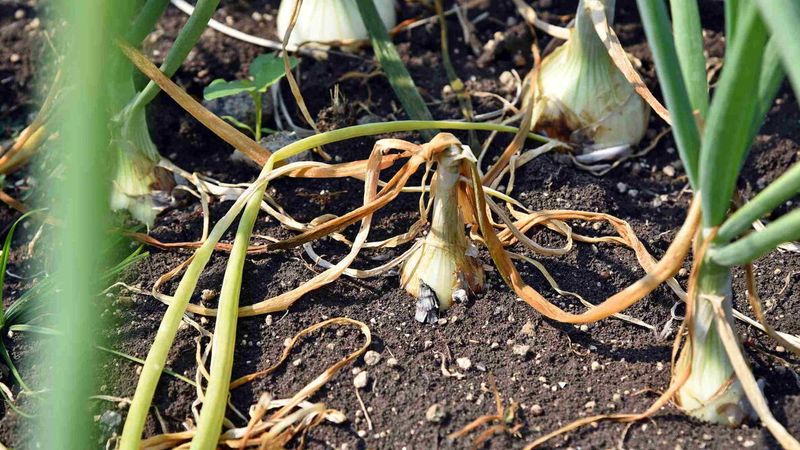
You tuck garlic cloves into cool fall soil, cover them with mulch, and wait all winter for fat bulbs in July. Then harvest day comes, and the heads are barely bigger than a marble.
Often the culprit is not the weather or the cloves but the neighbors you planted nearby. Here are seven plants that can steal food, light, and health from your garlic, plus what to do instead.
1. Bush and Pole Beans
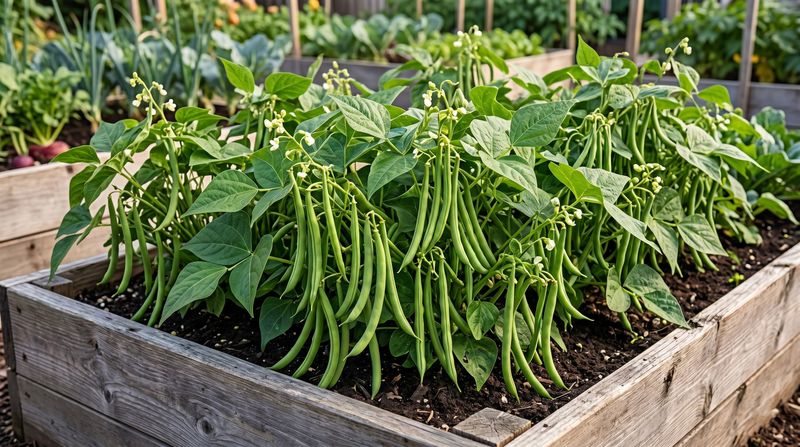
Beans seem like the friendliest plant in the garden. They feed the soil, grow fast, and ask for very little.
Next to garlic, though, that generosity backfires.
Beans pull nitrogen from the air and store it in the soil through tiny root nodules. Garlic loves a little nitrogen early in spring, but too much keeps it pushing out leaves instead of swelling a bulb.
You end up with lush green tops and a skinny head underneath.
Pole beans add a second problem: shade. Garlic needs full sun in late spring and early summer, right when bulbs size up, and a wall of bean vines can block that light.
Garlic compounds may also slow down the helpful bacteria beans rely on, so neither crop wins.
The easy fix is spacing. Keep beans in a separate bed at least a few feet away, or plant them in the garlic bed after you harvest in midsummer.
2. Garden Peas
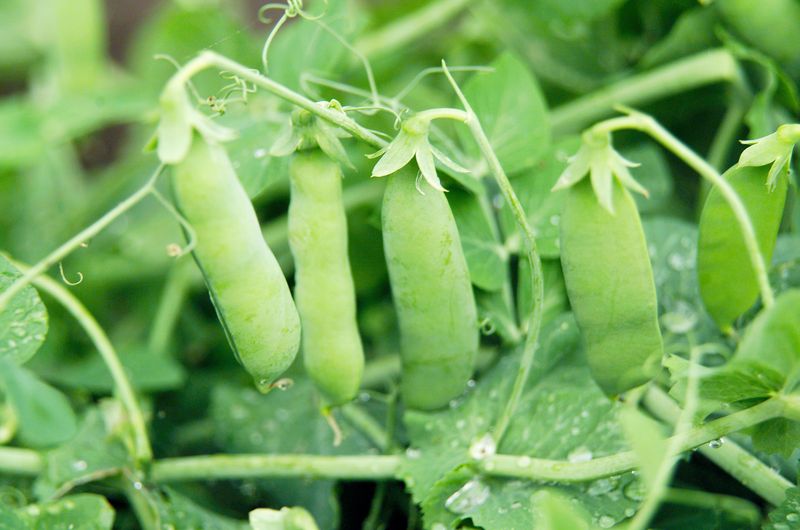
Picture a spring morning: your snap peas are climbing like crazy, and your garlic is standing tall beside them. It looks perfect.
By June, the story changes.
Peas belong to the same legume family as beans, so they bring the same nitrogen boost that favors leaves over bulbs. Peas are often planted in early spring, which lines up almost exactly with garlic’s big growth push.
The timing could hardly be worse.
Pea vines also tangle easily. When you reach in to pick pods, you can bend or snap garlic leaves, and every lost leaf means a smaller bulb.
Each leaf on a garlic plant roughly matches one wrapper layer around the head.
Give peas their own trellis bed. If space is tight, a fence line on the north side of the garden keeps them from shading anything that needs sun.
3. Onions and Shallots
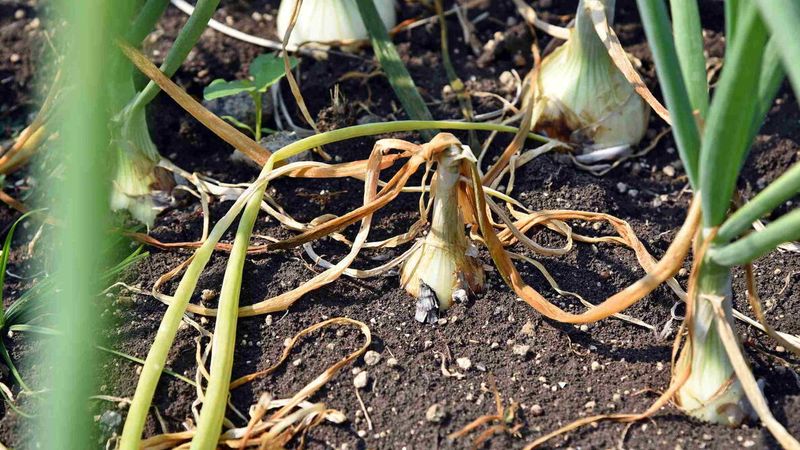
It makes sense on paper. They are all alliums, they all grow the same way, so why not plant them as one happy family?
The trouble is that family members fight over the same dinner. Onions, shallots, and garlic want the same nutrients, the same water, and the same shallow root zone.
Crowd them together and each bulb comes up a little smaller.
Even bigger is the disease risk. White rot and Fusarium basal rot attack all alliums, and once one plant is infected, the problem can spread fast through a packed bed.
White rot spores can linger in soil for many years, so one bad season can haunt a bed for a long time.
Plant your onions in a different bed, and rotate where alliums grow each year. A three or four year gap may help reduce disease buildup.
4. Leeks and Chives
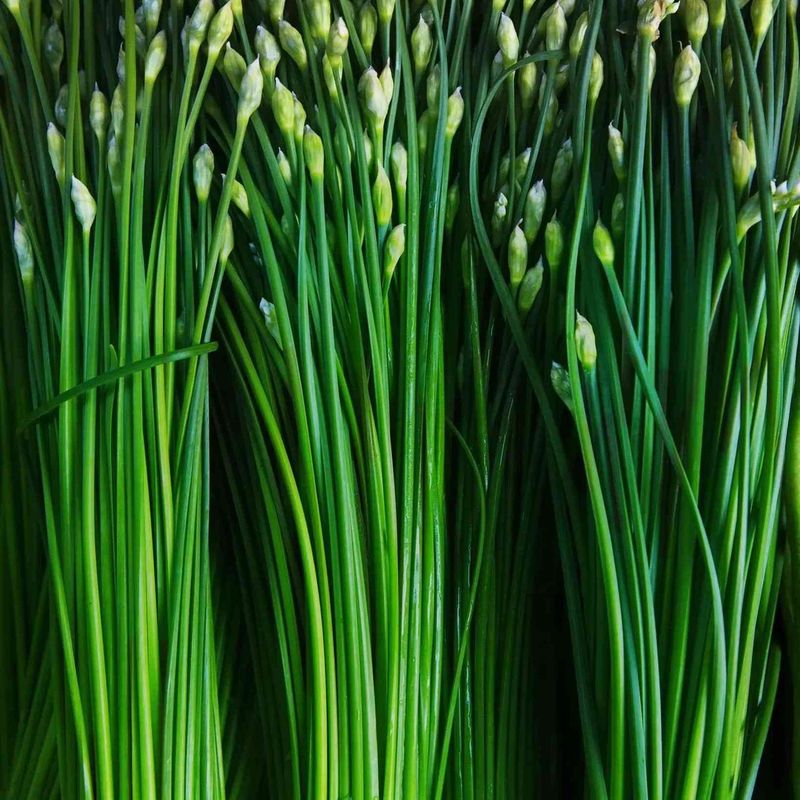
Chives sneak up on you. One small clump turns into a sprawling patch, and suddenly it is elbowing your garlic for room.
Leeks are slower but just as hungry. They stay in the ground a long time, often right through winter, so they compete with fall garlic for months.
Both share the same pests as garlic, including onion thrips and allium leaf miners, so a problem on one can quickly jump to the other.
Chives also reseed freely if you let them flower. Those tiny seedlings pop up between garlic rows next spring and steal moisture just as bulbs start forming.
Keep chives in a pot or an herb corner well away from the garlic patch, and snip the flowers before they set seed. Give leeks a bed of their own.
5. Asparagus
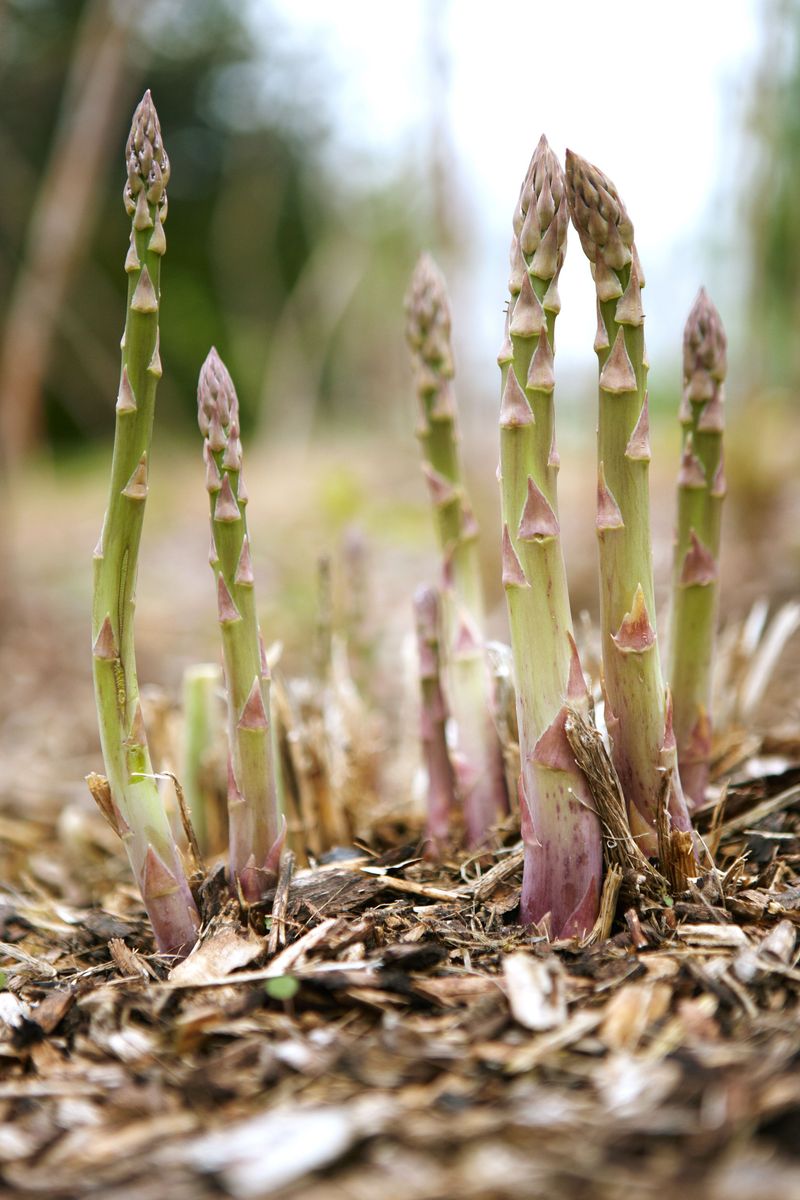
Asparagus is the long-term tenant of the vegetable garden. Once planted, a bed can keep producing for 15 to 20 years.
Garlic is more like a yearly guest, and the two do not share space well.
Every fall you dig to plant garlic, and every summer you dig to harvest it. That digging can damage the wide, shallow crowns of asparagus, setting it back for seasons.
Asparagus also pulls nutrients and moisture from the same top layer of soil garlic uses. Some growers report that alliums can slow asparagus growth too, so it is a lose-lose setup.
Leave a buffer of a few feet, or simply give asparagus a permanent bed at the edge of the garden where no one needs to dig.
6. Parsley and Sage
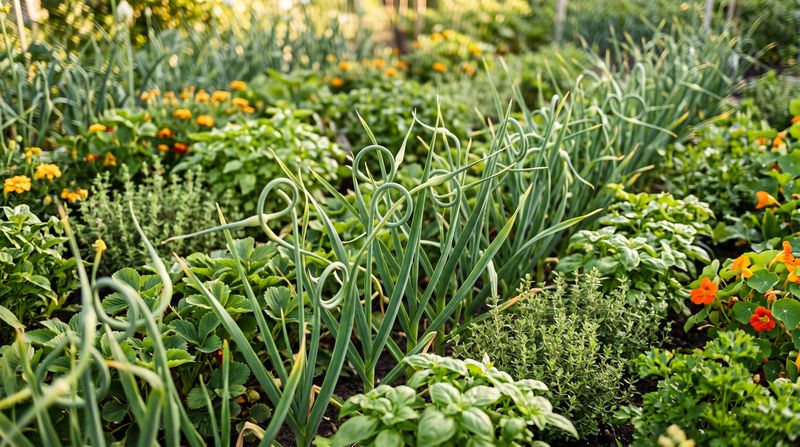
Herbs and garlic in one bed sounds like a kitchen dream. In practice, parsley and sage often end up looking puny and sad.
Garlic roots are tougher than they look, and they grab water and food before small herbs can. Garlic also releases sulfur compounds that may shift soil chemistry a bit, and sage in particular likes slightly sweeter, drier ground.
Here is the sneaky part. Struggling herbs can draw extra watering, and soggy soil is bad news for garlic heading toward harvest.
Bulbs that sit wet in early summer may rot or split their wrappers.
Grow parsley and sage in containers or an herb spiral nearby. Your herbs stay happy, and you can let the garlic bed dry out when it needs to.
7. Strawberries
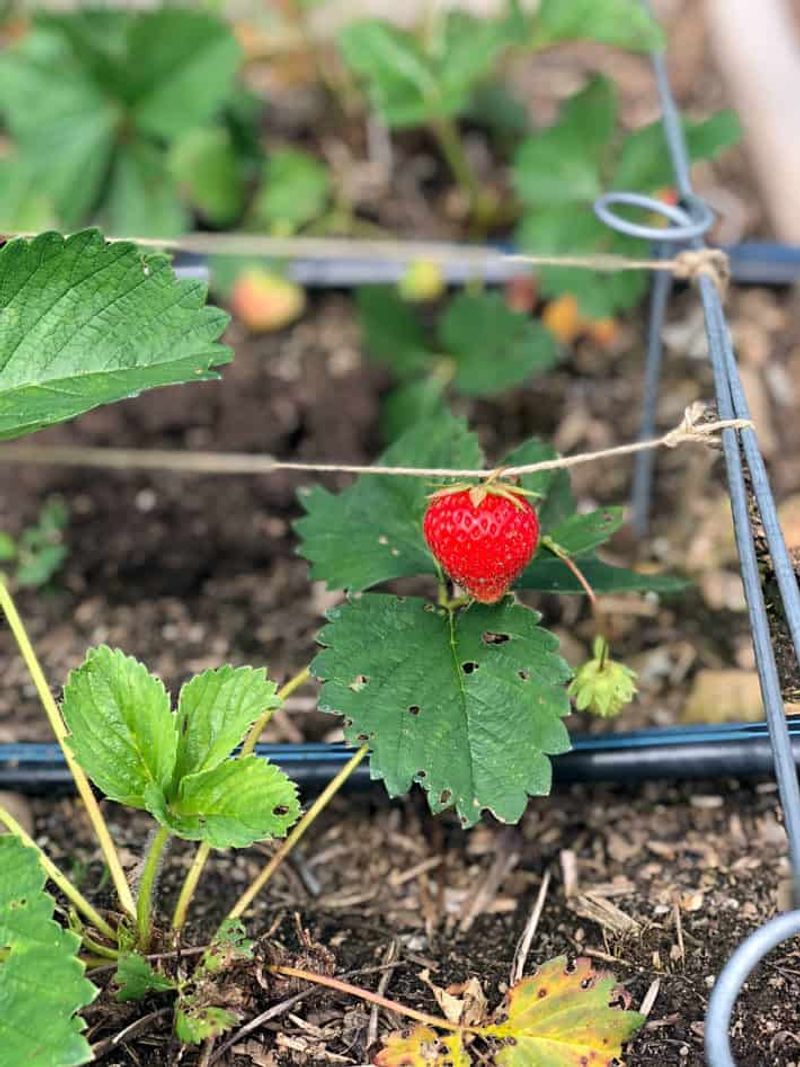
Strawberries spread like gossip. Runners shoot out in every direction, rooting wherever they land, and garlic rows are an easy target.
Some gardeners report that garlic stunts strawberry growth, while others swear the pair is fine. Either way, the runner problem is real.
A mat of strawberry plants packs the soil surface, holds moisture, and crowds the space your garlic needs to swell.
Harvest timing clashes too. Strawberries fruit in late spring and early summer, right when you need to stop watering garlic so bulbs cure well.
Watering for berries can mean soggy garlic.
Keep the two in separate beds and trim runners often. If you love berries and garlic both, a simple border of edging can stop runners from wandering.
Next summer, you may be pulling the biggest heads you have grown yet.