
If Your Clematis Blooms Looked Smaller And Paler This Year, Here’s What To Do Before Winter
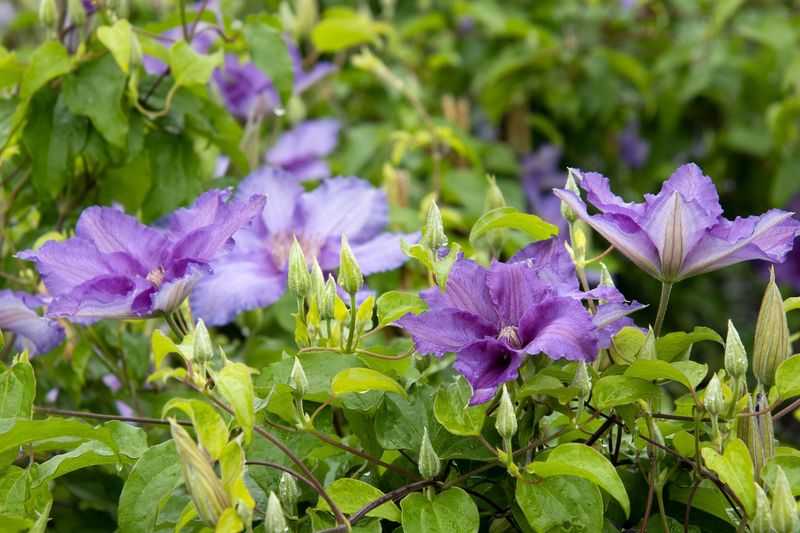
Your clematis flowers looked smaller and paler this summer, and now you are wondering if you did something wrong. Take a breath.
Flower size and color can change for many reasons, and a few careful steps this fall can protect the vine you have. Here is how to sort out what matters before the cold sets in.
Small, pale flowers are a clue, not a diagnosis
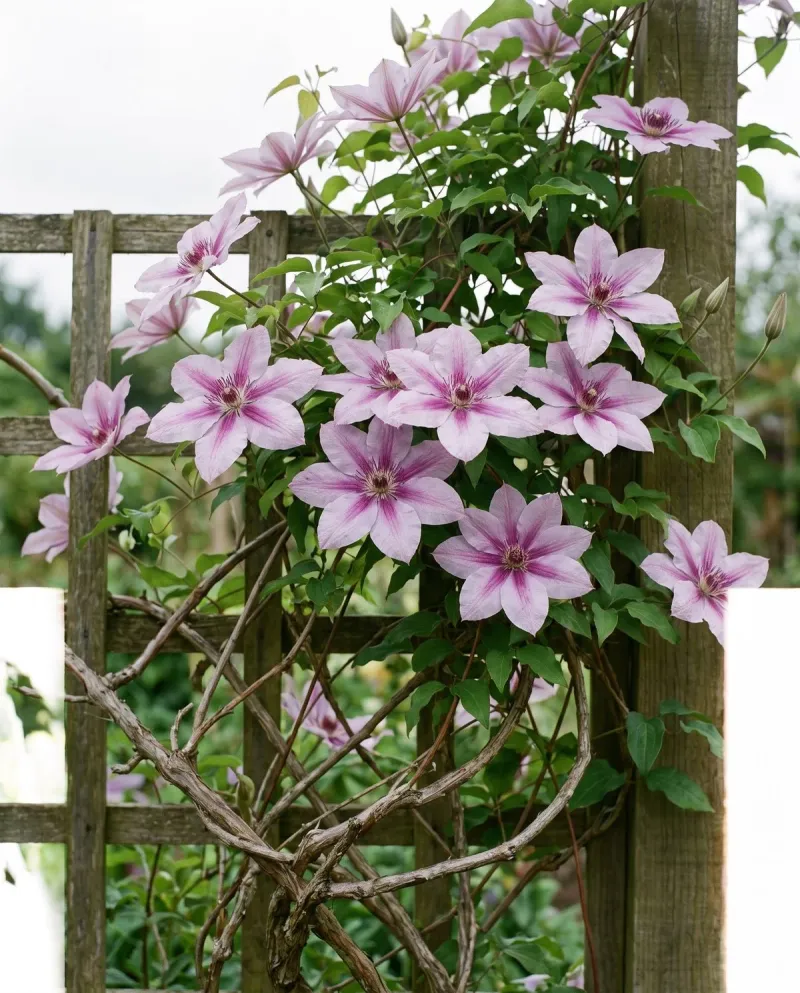
Seeing small, washed-out flowers on a plant you love is worrying. But a smaller or paler bloom does not point to one cause, and it does not prove that something you did last fall was the problem.
Clematis vary a lot. Oregon State’s plant profile shows how much flower size and color differ from one cultivar to the next, so your vine may simply be a type with modest blooms.
“Pale” can also mean different things. Dark purple or red flowers can fade in strong sun and heat, and Oregon State Extension notes that filtered shade during the hot season can help keep dark blooms from fading.
Green-tinged flowers are a separate clue. The Royal Horticultural Society says cool temperatures while flowers are forming can cause green petals, especially on pale or white types.
If flowers stay green and look twisted or distorted, ask your local extension office to take a look, since that can signal a more serious disease.
Fewer flowers is yet another symptom. Iowa State lists low light, too much nitrogen, poor feeding, wrong pruning, winter damage, and a young plant as reasons a clematis may bloom less.
That list covers reduced flowering, not small flowers, so keep the two problems apart.
Looks alone cannot tell you what is wrong, so skip the treatments for now. Take notes on color, size, and timing, and use the next steps to protect the plant.
Which clematis group is yours?
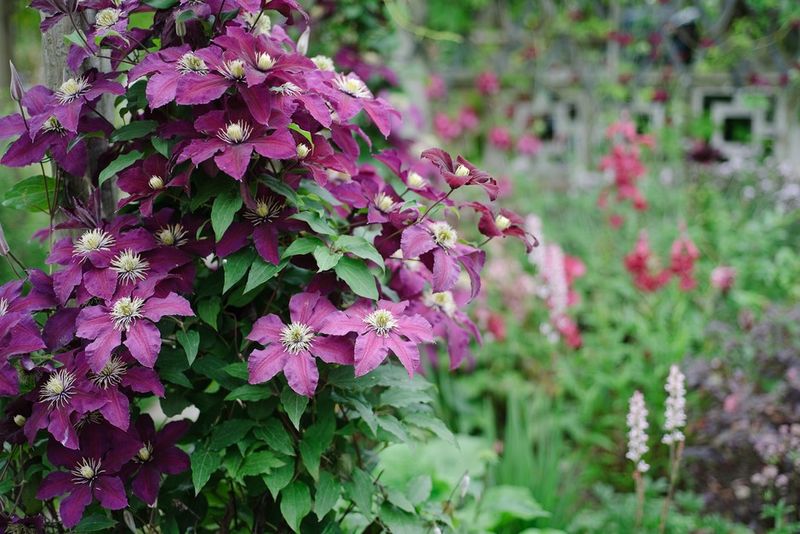
Before you pick up pruners, figure out which pruning group your clematis belongs to. That one fact decides whether a fall cut is harmless or removes next summer’s flowers.
According to Iowa State Extension, Group 1 types flower on last year’s growth. Group 2 types can flower on both old and new growth.
Group 3 types flower on new growth.
Start with the clues you already have. Look for a plant tag, a receipt, a garden journal, or a photo from the nursery that shows the cultivar name.
Then jot down when the vine bloomed this year, since early spring flowers often hint at a different group than late summer ones.
With a name in hand, you can look up the group through your local extension service or a reputable nursery. If you still cannot tell, hold off on any hard cut this fall.
Waiting costs you nothing, while a wrong cut can remove stems that were carrying buds.
The goal here is not to follow a set pruning calendar. It is to avoid cutting off stems that may carry flowers.
Many gardeners tidy everything in autumn out of habit, but with clematis, a little patience protects next year’s show.
Check growing conditions before changing the care routine
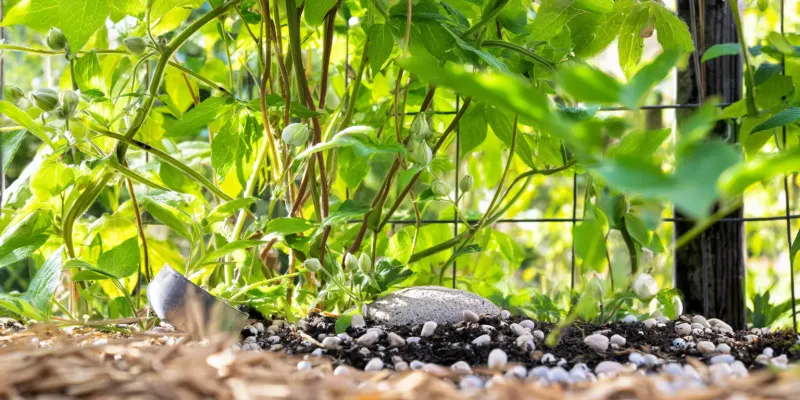
Sun, heat, and water can all shape how a clematis performs, so they are worth a look. They are things to investigate, not proven reasons for small flowers.
Clematis generally like steady moisture while they are growing, along with soil that drains well. Iowa State gives about 1 inch of water per week as a growing-season guide.
That number is for the active season, not a winter rule, so do not turn it into a cold-weather schedule.
Soggy ground is a problem too. The UC Statewide IPM Program stresses good drainage, so notice whether water pools around your vine after rain.
Light matters in a few ways. Low light is one reason Iowa State lists for poor flowering.
Meanwhile, Oregon State Extension says filtered shade in the hot season can help dark flowers resist fading.
Use this as a quick audit. Where did the sun hit the blooms in the afternoon?
Did the soil dry out in a heat wave or stay wet for days? Write down what you see now, while summer is fresh in your mind, and use it to guide next season rather than making changes based on a guess.
Mulch the root zone, not the stems
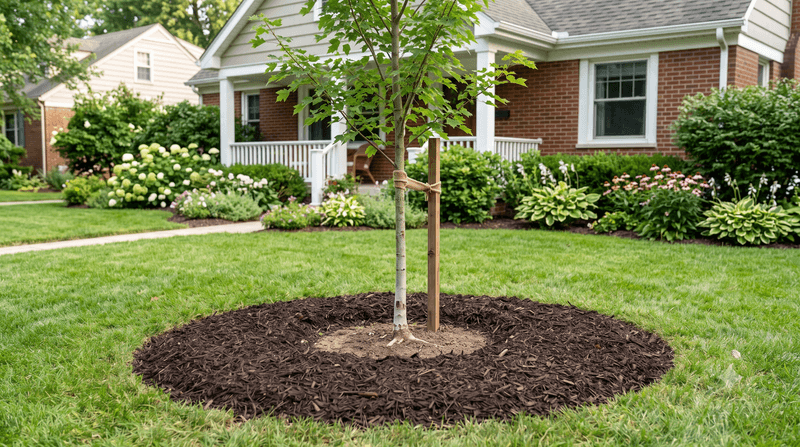
Mulching is one of the simplest jobs you can do this fall. Cover the soil over the roots, but leave the stems clear.
The extension guidance gives slightly different depths. Illinois Extension recommends a layer of 2 to 4 inches, kept 4 to 6 inches away from the stem.
Iowa State suggests 2 to 3 inches for planting and winter protection.
Treat those numbers as recommendations from two regions, not one universal formula. Your local extension office can tell you what fits your climate and soil.
What the sources share is the practice itself. Spread mulch over the root area and keep it from piling against the stems.
A small gap around the base is a handy way to remember it.
Shredded bark, chopped leaves, or similar material you already have can work, so you may not need to buy much. Pull the mulch back if it has crept up against the vine.
Mulch protects the roots and soil. It is not a fix for flower color or size, so keep your expectations modest and enjoy the tidier bed.
A fall fertilizer dose is not a bloom guarantee
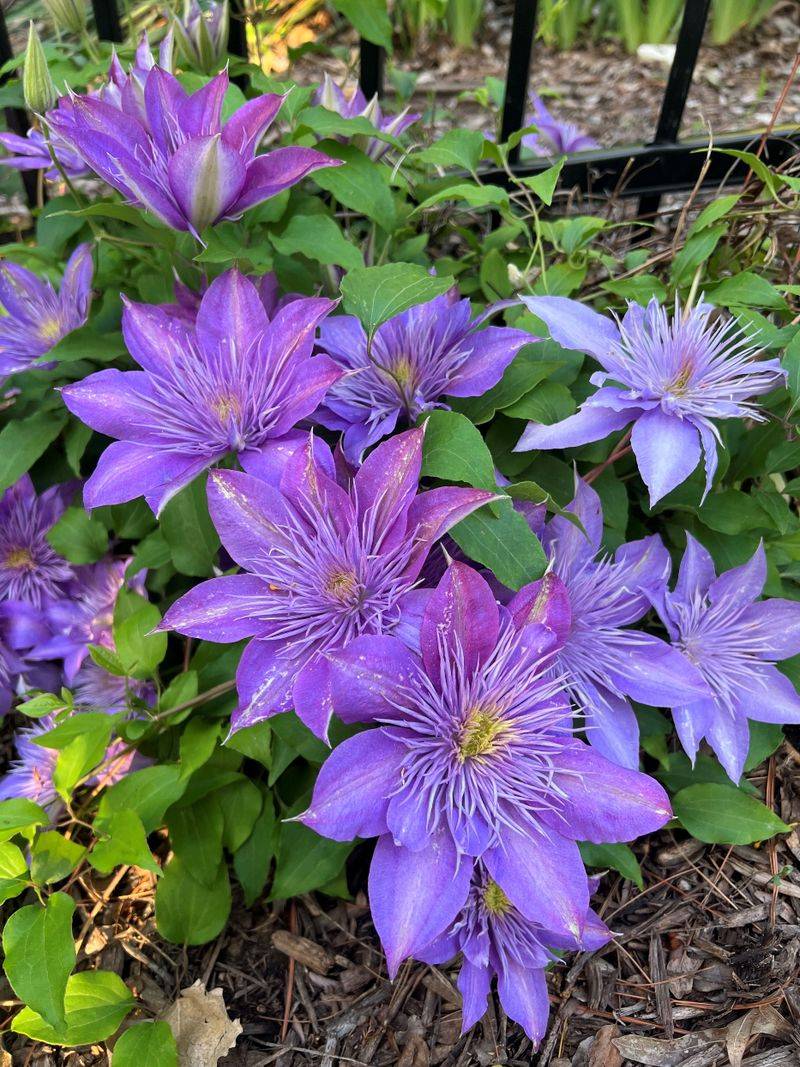
When flowers disappoint, reaching for plant food feels like action. For clematis, though, the advice on timing is not unanimous.
Iowa State recommends feeding established clematis in spring. By contrast, Oregon State’s regional article lists fall among its suggested feeding times.
That gap is useful. It tells you there is no single fall dose that fits every garden, so check with your local extension office and read the product label before you apply anything.
Also remember that a pale or small bloom is not proof of a nutrient shortage. Iowa State even lists too much nitrogen among the reasons a clematis may flower less, so more food is not always better.
Skip fertilizer, lime, and pesticides as a rescue unless you have found a real need. A soil test or a conversation with your extension office can show you what your plant needs, if anything.
A fall feeding cannot promise bigger or richer flowers next year. Making a plan based on local advice is a calmer and safer path.
Let the plant and your winter conditions guide protection
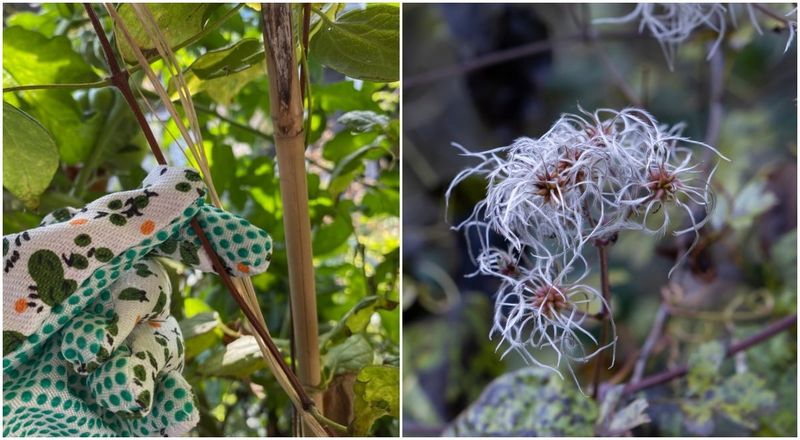
A gardener in a mild climate and one in a harsh winter area should not do the same thing. Winter hardiness varies by cultivar, and some clematis are less hardy than others.
According to Iowa State, cold damage can hit Groups 1 and 2 harder because they depend partly or fully on older stems for early flowers. Group 3 types bloom on new growth, so they are less tied to those stems.
Start by looking up your cultivar and asking a local source what winter care it needs where you live. Your county extension office or a nearby nursery can speak to your zone and typical lows.
Next, take a walk along the vine and inspect it. Look for stems that are clearly broken or dead, and remove only those.
Resist the urge to cut healthy growth just to make the trellis look neat, since those stems may hold next year’s buds.
For protection, the root-zone mulch from the earlier step is the baseline described in the Iowa State clematis publication. Anything beyond that depends on your plant and place.
If you are unsure, do less. A gentle, well-informed approach beats a heavy-handed winter routine.
Leave yourself a simple plan for spring
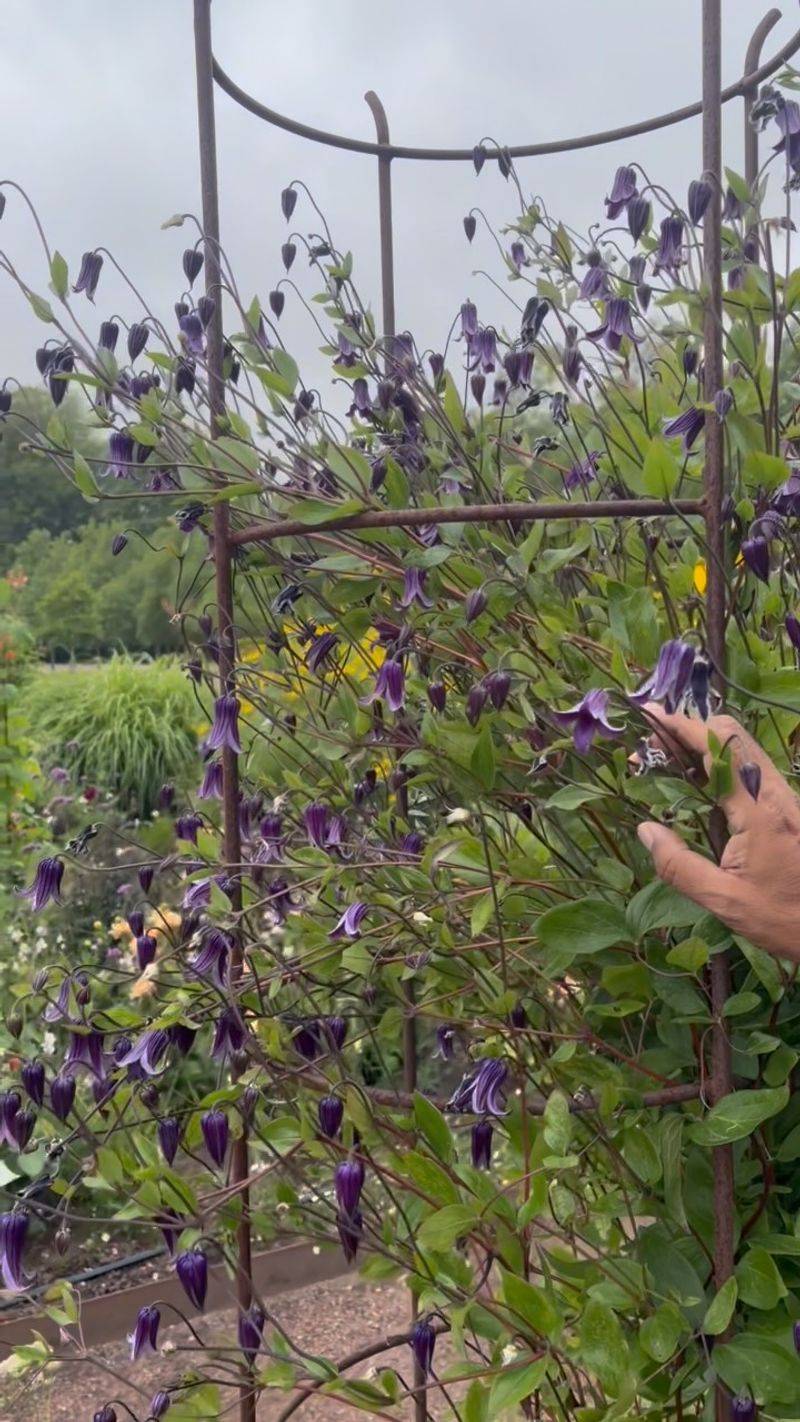
Write down the clematis name and when it bloomed. Hold off on pruning until you know its group, and remove only stems that are clearly dead or broken, as Iowa State advises.
Mulch over the roots, keeping it back from the stems, using the depth your local extension recommends. Illinois Extension offers one example.
Follow local guidance on winter protection and feeding too.
None of this promises bigger flowers. It keeps the plant safe and gives you clearer notes to judge next season.
A clematis is patient, and so can you be.