
The Old-Time North Carolina Native Grandparents Rubbed On Their Skin To Keep Ticks And Mosquitoes Away
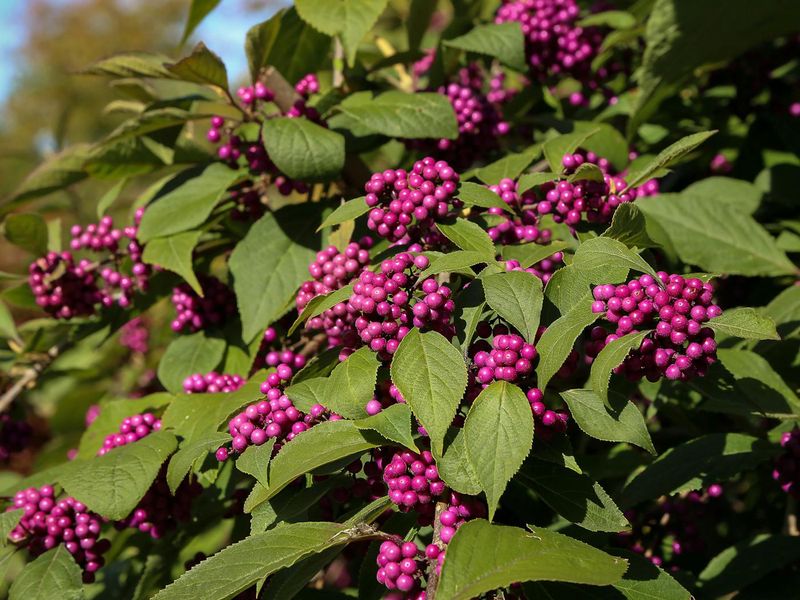
A shrub with bright purple berries grows wild across North Carolina, and a famous old story says its leaves can chase off bugs. The truth is a little different from the popular version, and it matters if you spend time in the yard.
Here is what the folk tale says, what scientists tested, and what actually keeps ticks off gardeners.
Beautyberry is native across North Carolina
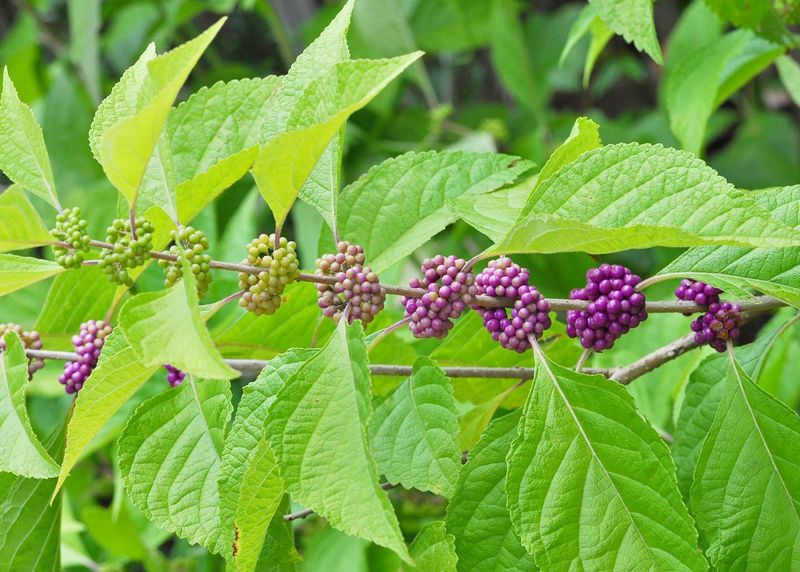
Walk a wooded edge in early fall and you may spot clusters of shiny, bright purple berries wrapped around arching stems. That is American beautyberry (Callicarpa americana), and it belongs here.
North Carolina Extension lists it as native across the Coastal Plain, Piedmont, and Mountains.
That makes it a locally appropriate choice for homeowners who want plants that fit our region. It is also known as a wildlife-food shrub, so planting it can be a friendly gesture toward the birds and other creatures that share your yard.
Here is the key point for the rest of this article. Beautyberry is a good native plant to grow, and that is the reason to plant it.
It is not a tick-control method, and nothing in the research says a shrub in the border will keep ticks out of your yard.
You may have seen the title of this piece suggest that North Carolina grandparents rubbed its leaves on their skin. That part of the story does not hold up, and the next section sets the record straight.
After that, we will look at what scientists actually tested and what gardeners should do instead.
Think of this section as a plant introduction. You can enjoy beautyberry for its late-season color and its place in our state’s natural landscape, while keeping your tick protection plan separate and based on proven steps.
The documented family remedy came from Mississippi
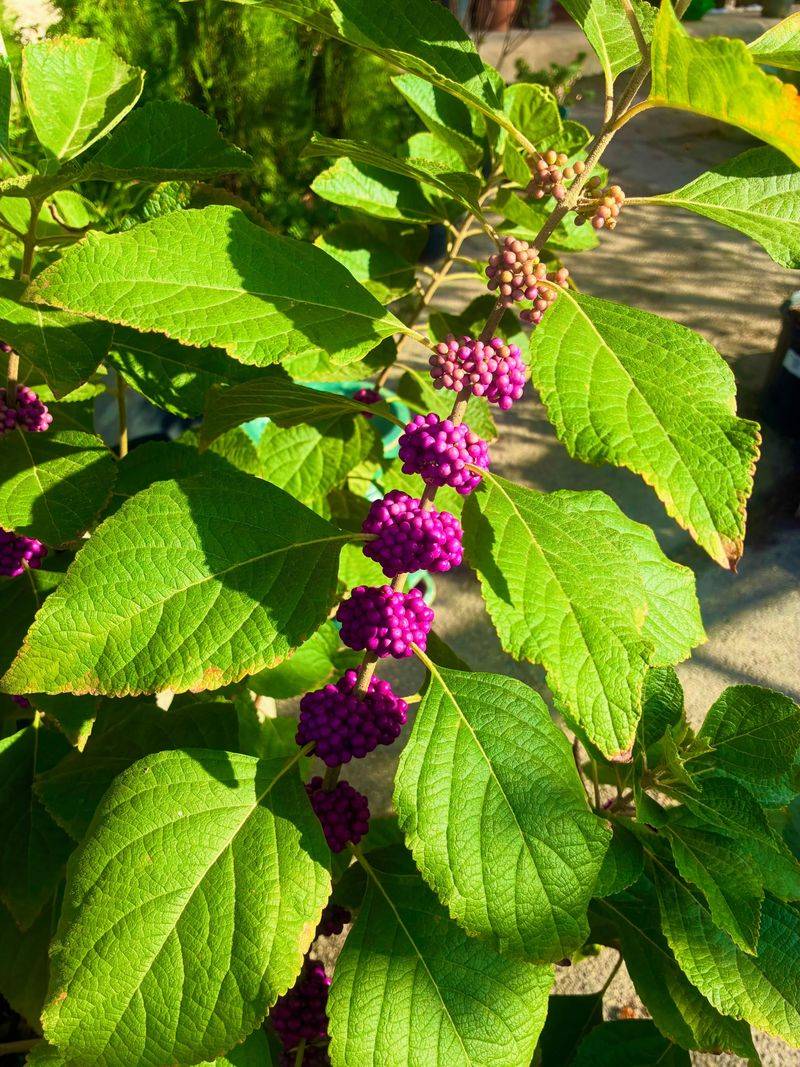
Old stories travel, and this one got attached to the wrong state. The documented account comes from a USDA Agricultural Research Service report about a botanist’s grandfather in northeastern Mississippi.
Nothing in that account points to North Carolina grandparents.
According to the account, farmers crushed beautyberry leaves and tucked them under the harnesses of horses and mules. Some people later rubbed the leftover residue on their own skin.
This was a family and farm practice remembered by one household, not a documented, proven tick remedy.
It helps to keep a second story separate. North Carolina Extension describes Native American medicinal uses of beautyberry roots, leaves, and branches.
Those uses were medicine. They are not evidence that anyone used the plant to repel ticks or mosquitoes.
So the honest version goes like this. A Mississippi family handed down a habit of using crushed leaves on work animals, and a scientist followed up on his grandfather’s advice.
Folk knowledge deserves respect as a clue worth studying, even when it cannot be treated as proof.
Mosquito research tested compounds from the leaves
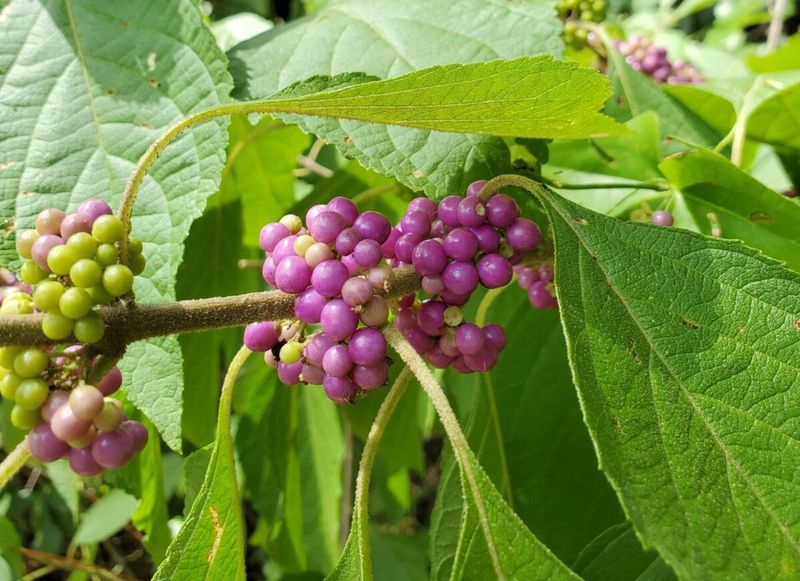
Scientists took the grandfather’s tip seriously and went to the lab. In a 2005 study, researchers isolated compounds from beautyberry leaves, including callicarpenal and intermedeol.
In bioassays, these compounds deterred mosquito bites.
Notice what was tested. The researchers worked with extracts and isolated compounds, purified from the leaves.
Nobody ran a trial with gardeners rubbing crushed leaves on their arms.
That difference matters for your backyard. A purified chemical applied in measured amounts is a very different thing from a handful of crushed leaves, which vary in strength and leave residue of unknown dose.
Results from one do not automatically carry over to the other.
The findings are a good reason for scientific curiosity. They suggest the old family habit may have had a chemical basis worth studying.
They do not show that rubbing leaves on your skin will keep mosquitoes off you while you weed the tomato bed.
If mosquitoes bother you during yard work, the research is best seen as an interesting lead for future repellent development, not a recipe for a do-it-yourself spray.
The tick study tested treated cloth, not leaf rubs
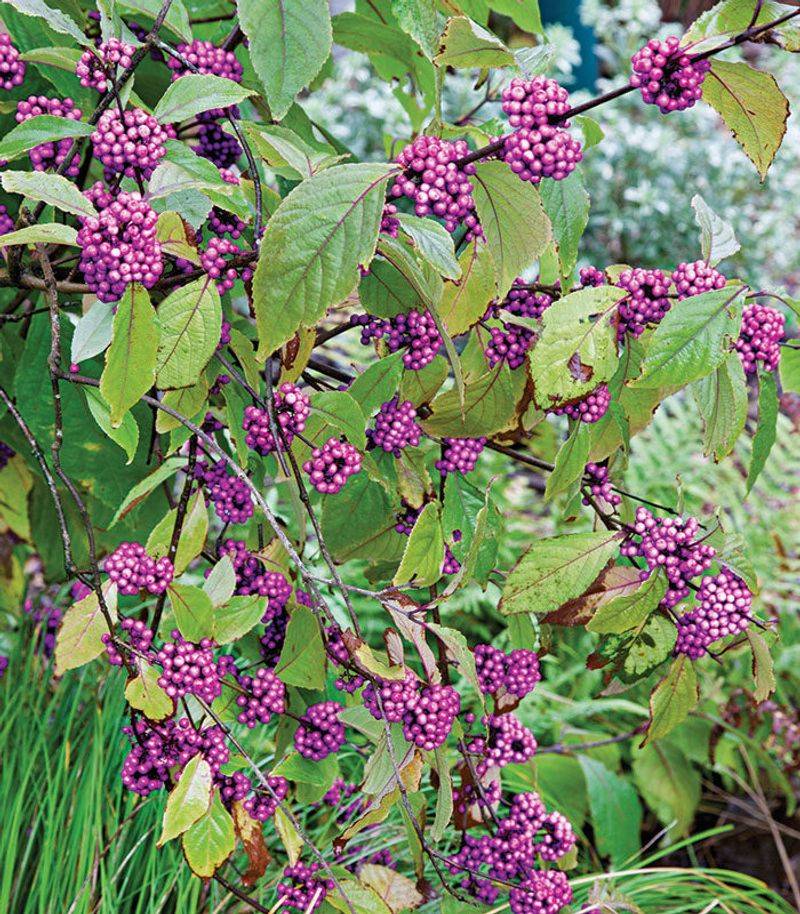
Ticks got their own laboratory test. In a 2007 study, USDA researchers used a treated-cloth finger assay.
Cloth was treated with isolated compounds and placed around a person’s finger, and scientists watched whether ticks would cross it.
The ticks were nymphs of two species, blacklegged ticks and lone star ticks. At one tested dose, callicarpenal and intermedeol repelled 98% and 96% of blacklegged ticks, respectively.
Results were weaker against lone star ticks.
Those numbers sound impressive, so read them carefully. The cloth held purified compounds in a controlled setup, with a known dose and a short test.
A real yard has wind, sweat, brush, and hours of exposure, none of which the assay reproduced.
The study also did not test crushed leaves, homemade mixtures, or leaf rubbing on skin. It tells us the compounds are worth more investigation.
It does not tell us what a bundle of leaves in your pocket will do.
Since lone star ticks are a concern for many North Carolina gardeners, the weaker result against them is a practical reminder not to lean on this plant for protection.
Laboratory promise does not establish personal protection
Picture two situations. In one, a scientist applies a measured dose of a purified compound to cloth.
In the other, you crush leaves from a shrub and smear them on your forearm before pulling weeds. The first was studied, and the second was not.
That gap is the line between interesting and dependable. Nobody has shown how intact leaves, crushed residue, or homemade extracts behave on human skin during yard work.
Results also varied by tick species, and the researchers themselves said the compounds deserved further evaluation.
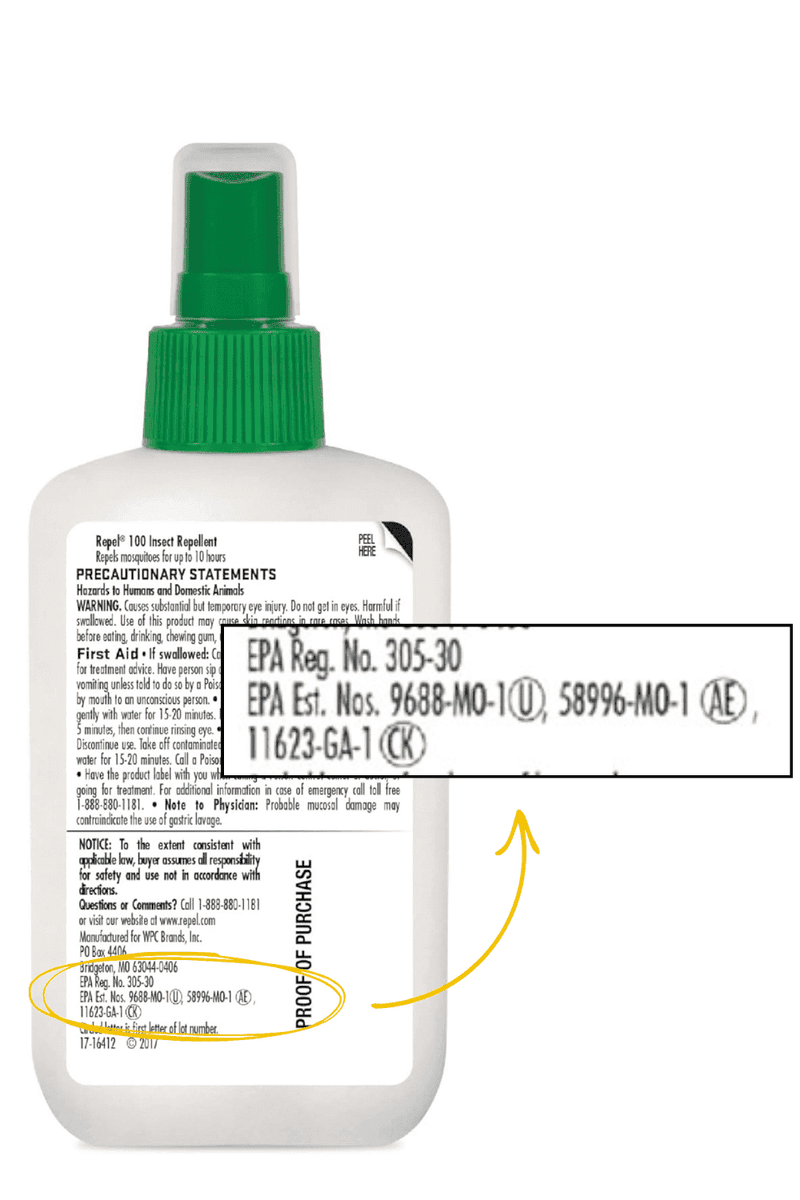
Skin-applied products that have been through a formal check offer something leaf rubbing cannot. The EPA evaluates registered skin-applied repellents for safety and effectiveness when they are used according to label directions.
Some exempt products have not been evaluated for effectiveness, so the registration status on the label is worth a look.
Beautyberry preparations have no such review. Their safety and effectiveness have not been verified by the EPA, and crushed leaves should not stand in for a registered repellent.
A practical test: if a product has no label with directions and an EPA registration number, you have no tested dose and no tested result.
Use established layers of protection during yard work
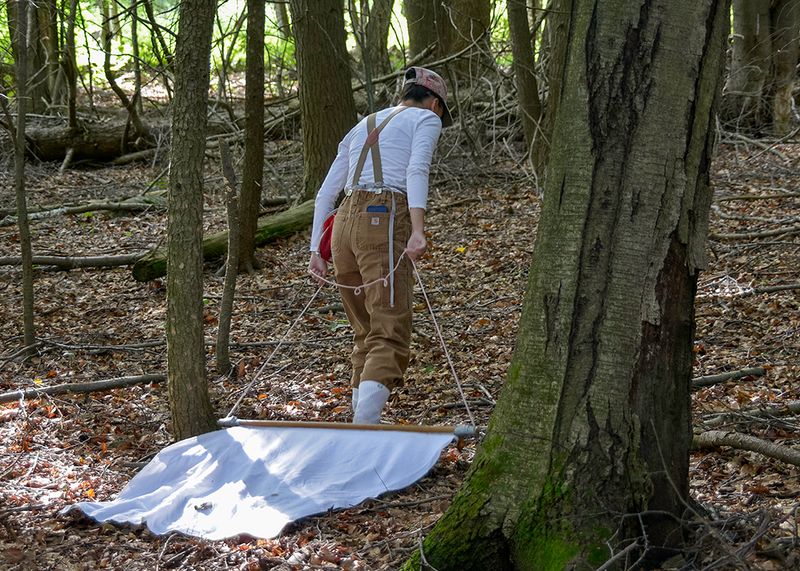
Before you pick up the pruners, start with CDC guidance on preventing tick bites. It recommends an EPA-registered repellent labeled for ticks, applied to exposed skin as the label directs.
Pair it with long sleeves and long pants so fewer ticks can reach your skin.
Tucking pant legs into socks is a simple habit that closes a common gap. Light-colored clothing makes a dark tick easier to spot as well.
Wooded edges, brush piles, and tall grass at the lawn border are the spots to be most careful around.
Permethrin adds another layer. As CDC information on permethrin-treated clothing and gear explains, it is meant for clothing and gear, never for skin.
Follow the product label, whether you treat items yourself or buy pre-treated garments.
Notice that beautyberry has no place on this list. It can sit in the garden as a native shrub, but it is not a stand-in for a registered repellent or treated clothing.
A weekend-ready routine is simple: dress for the job, apply repellent, and keep gloves and boots by the door so the habit is easy to repeat.
Check for ticks after gardening
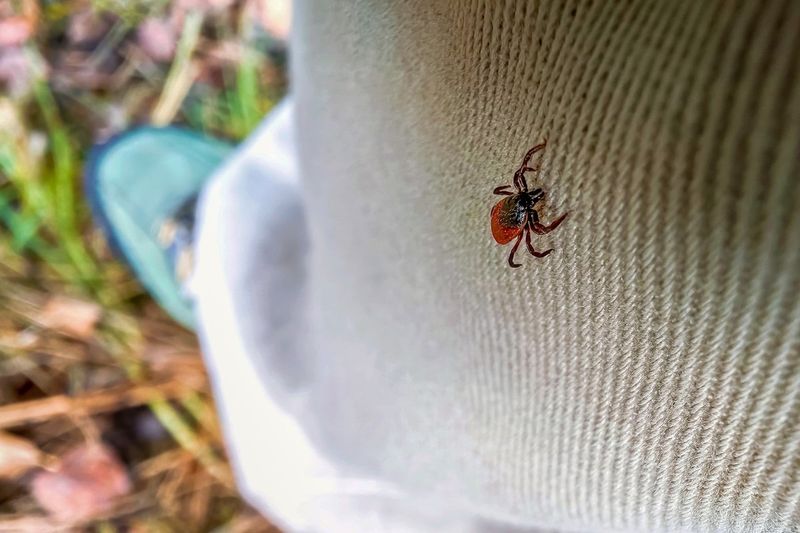
The work is not finished when the tools go back in the shed. CDC advice calls for a tick check of your body, clothing, gear, and pets once you come indoors.
Look at hairlines, behind the knees, under the arms, around the waist, and inside the ears, since ticks like warm, hidden spots.
Showering soon after coming inside helps wash off loose ticks and gives you a good chance to look closely. Then toss dry clothes in a high-heat dryer for 10 minutes to kill any ticks that hitched a ride.
Damp clothes may need more time.
Dogs and cats that roam the yard deserve the same scan, because they can carry ticks into the house. A quick run of your fingers through their fur near the ears, neck, and paws is worth the minute.
You can still enjoy the purple berries on your native beautyberry, and you can still appreciate the old family story that sent scientists to the lab.
Let the shrub feed the birds, and let your repellent, clothes, and tick check do the protecting.