
Catnip and Ticks: What Lab Research Shows About the Herb and What Actually Protects Your Yard

After a walk through the yard, finding a tick on your sock or skin is an unwelcome surprise. Online posts often claim one garden herb can keep ticks away, and the herb is usually catnip.
Lab studies on catnip are interesting, but they do not show that a plant in your garden will protect your family. Here is what the research really tested and what steps do work.
Catnip is the likely herb, but the garden promise is unproven

Gardeners love a simple fix, and a plant that keeps ticks away would be a dream. The herb behind most of these claims is catnip (Nepeta cataria), the same plant cats go wild for.
The pest in question is the tick, especially the blacklegged tick that spreads Lyme disease in many parts of the U.S.
Here is the catch. A 2022 laboratory study found that concentrated catnip extracts repelled ticks in controlled tests.
Those tests used extracts, not living plants growing in a garden bed.
So there are two different things to keep apart. One is a promising research finding about plant chemistry.
The other is a proven way to prevent tick bites in a real yard. Right now, catnip belongs in the first group only, and nobody has shown that growing it keeps ticks off your lawn or off you.
That does not make the research useless. It just means your family needs protection that has been tested on real people and real yards, and the rest of this article covers those steps.
Researchers tested concentrated extracts, not a garden border
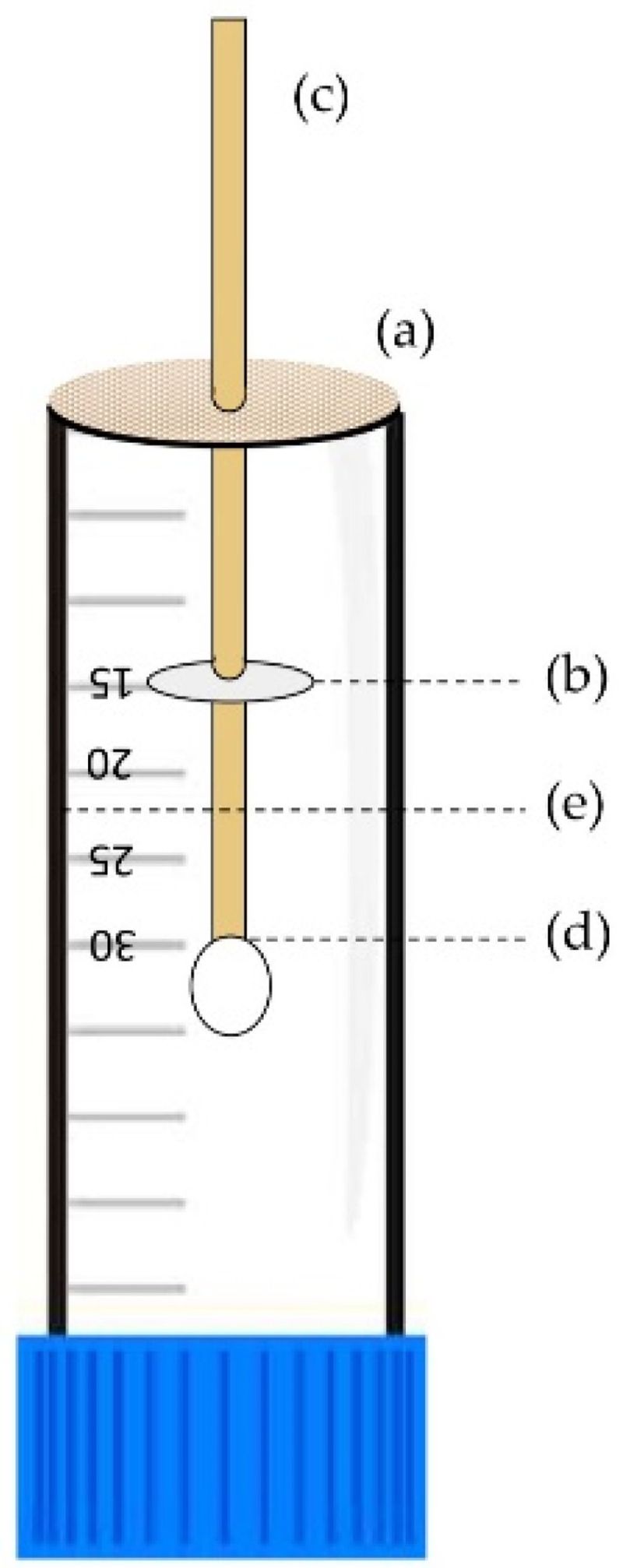
The 2022 study looked at extracts from two catnip cultivars. Researchers tested them against two tick species: the blacklegged tick (Ixodes scapularis) and Haemaphysalis longicornis, often called the Asian longhorned tick.
You can read the details in the published study summary.
In the assay, extracts at 20% strength repelled all of the ticks tested. That is a strong result for those test conditions.
It does not mean every tick in every setting will react the same way.
Think about what a lab assay is. The ticks meet a measured amount of concentrated extract in a controlled setup.
A catnip plant in a flower bed releases far less of its chemistry, and ticks wait on grass and leaves in open air where wind and weather change everything.
Nothing in the study shows that a live plant, a crushed leaf, or a border of catnip offers comparable protection. It also does not show that the extracts are safe and effective on human skin.
The authors said the extracts still need further development and testing. In plain terms, this is an early step on a long road, and it is not a product you can count on today.
The leg-contact explanation has not been established
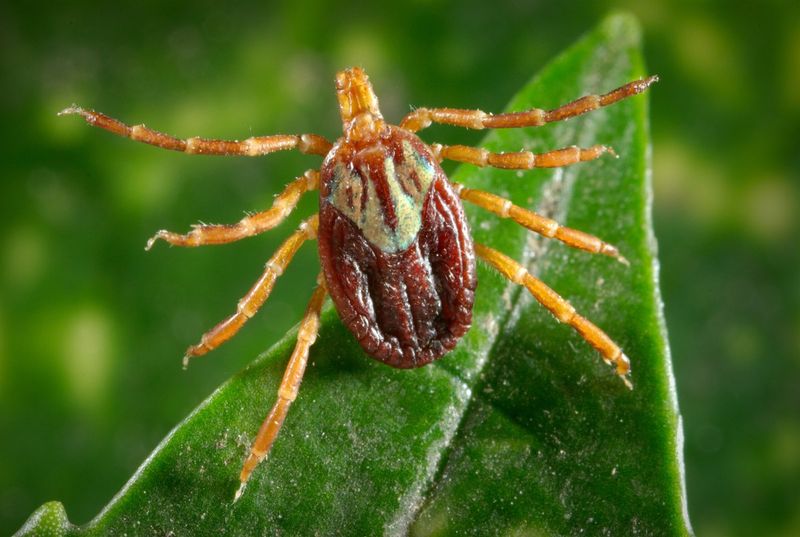
A popular version of this claim says ticks flee because their legs touch the herb and set off an alarm. It sounds neat, but it is a guess.
Nobody has shown that happening with catnip.
Scientists do study how ticks sense the world. Research on blacklegged tick sensory organs looks at how they detect scents from natural products and how they respond.
That work is real, but it is a separate line of research from the catnip test.
The catnip extract study, by contrast, measured behavior. Ticks avoided the treated surface in the assay.
It did not track which body part sensed the chemical or prove a specific alarm response, which you can see in the catnip study itself.
That leaves a simple takeaway. Be wary of any story that explains exactly how a plant tricks a tick.
If the explanation is very specific and the evidence is missing, treat it as a theory. It should not guide how you protect your family.
A botanical label does not prove tick protection
Words like natural, botanical, and plant-based feel safe and effective. They are not proof of either one.
A label tells you what is in the bottle, not whether it works on ticks.
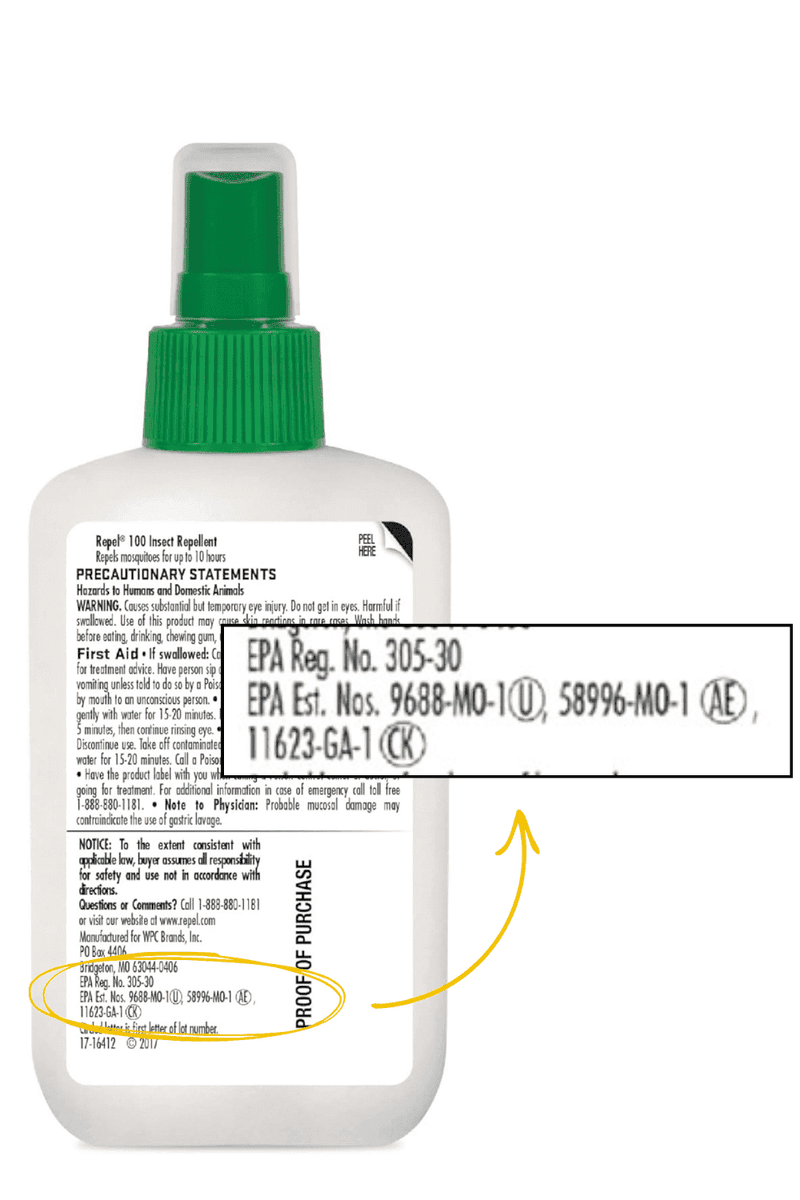
The EPA explains that some minimum-risk repellents are exempt from registration. Under EPA rules for skin-applied repellents, those products have not been evaluated by the agency for effectiveness.
Registered products have gone through that review.
Testing backs up the concern. A CDC review of unregulated minimum risk products found that performance varied quite a bit among botanical tick products.
Some did better than others, so you cannot judge a product by its ingredient name alone.
That does not mean every botanical product is useless. It means you should not assume any of them works.
A handy check at the store: look for an EPA registration number on the label and a statement that the product is meant for ticks. If a bottle lacks both, treat its tick claims with caution.
Use labeled protection when you go outside
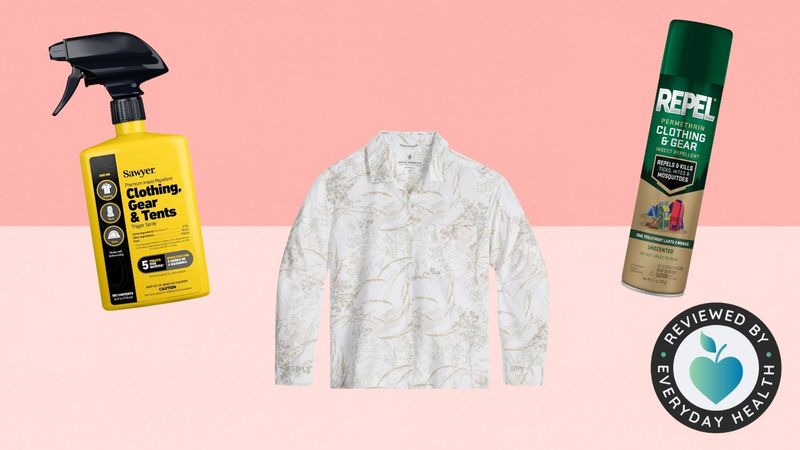
Before you head out to weed the tomatoes or mow, start with CDC tick prevention guidance. It recommends EPA-registered repellents labeled for ticks.
Active ingredients include DEET, picaridin, IR3535, oil of lemon eucalyptus (OLE), PMD, and 2-undecanone.
Read and follow each product label. CDC says not to use OLE or PMD products on children under 3, so pick another option for little ones and check the label for age limits.
Permethrin is different. Use it only on clothing and gear such as boots, socks, and pants, and never on skin.
Follow the directions on the product for how to treat items safely.
Checking for ticks matters just as much as repellent. CDC advises checking yourself, children, and pets after time outdoors, even in your own backyard.
Look in hidden spots like behind the knees, around the waist, in the hair, and under the arms.
Showering within two hours of coming inside gives you a good chance to check and has been shown to reduce Lyme disease risk. Then put your clothes in the dryer on high heat for 10 minutes, which kills ticks on dry clothing.
Make the yard less inviting to ticks
Ticks like shade, moisture, and cover. The good news is that you can change a lot of that with ordinary yard work.
CDC habitat guidance lists several steps that fit easily into your routine.
Remove leaf litter where it piles up, especially along fences and under shrubs. Clear tall grass and brush near the house and at the edge of the lawn.
Mow regularly so the grass stays short and dry in sunlight.
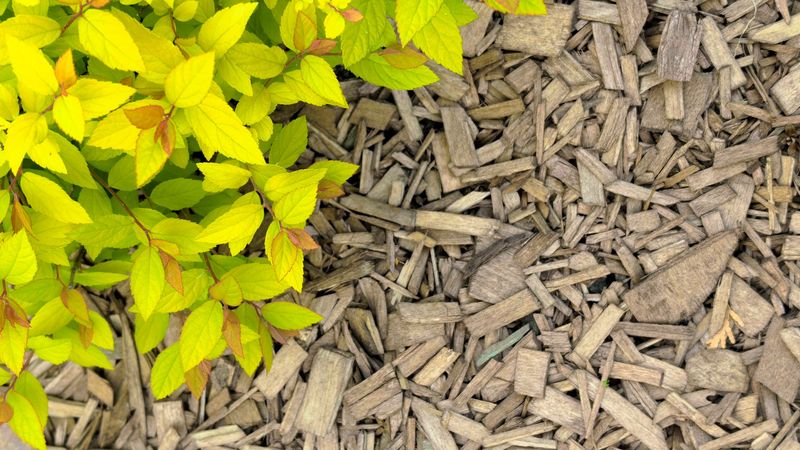
Where your lawn meets the woods, add a 3-foot barrier of wood chips or gravel. It gives ticks a dry, open stretch to cross and reminds family members where the tick zone begins.
Keep play areas and seating spots away from that wooded edge when you can. Even a small move, like placing a swing set in full sun, can cut contact.
None of this guarantees a tick-free yard, so keep using repellent and doing tick checks. CDC also cautions that pesticides should not be relied on by themselves to prevent infection.
Treat catnip as a research lead, not a protection plan

Go ahead and grow catnip if you like its flowers, its pollinators, or your cat’s delight. Just do not count on it to stop ticks, since the lab work tested extracts only.
For real protection, use labeled repellent, check for ticks after outdoor time, and keep up the yard steps in CDC guidance.
A catnip plant is a fine garden resident, but it is a poor bodyguard.