
Watering At The Wrong Hour Stresses Your Garden More Than Skipping It – 11 Fall Watering Rules That Keep Roots Healthy
You might think any water is better than no water, but the clock matters more than most gardeners realize. A splash at noon can boil off before it helps, and a soak after dark can leave your hydrangeas and tomatoes sitting wet all night, inviting rot and mildew.
Fall is when roots do their quiet growing, so getting the timing right now sets your plants up to survive winter. These 11 simple rules show you when, how, and how much to water so your roots stay strong.
1. Water in the Early Morning
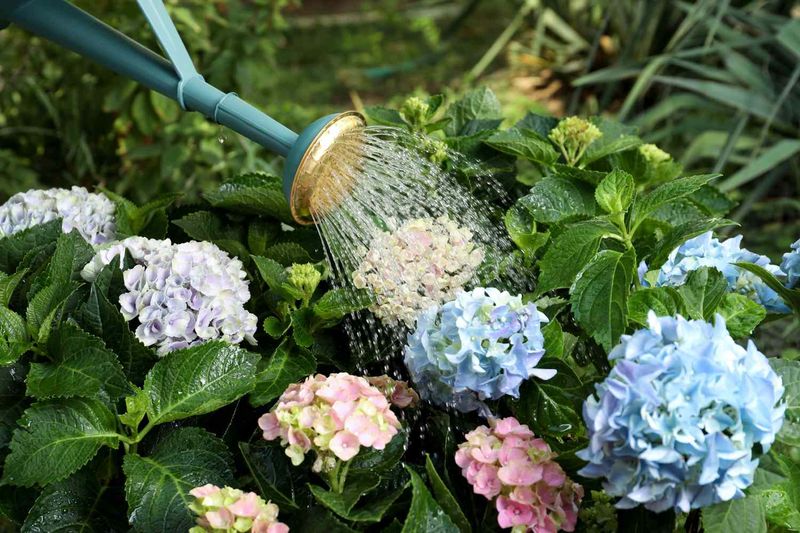
Picture your hydrangea at 7 a.m., cool and calm, roots ready to drink. Morning is the sweet spot for fall watering because the air is still mild and the sun has not started pulling moisture away.
Water given early has hours to sink in before the day warms up. Any drops that land on leaves dry off by lunchtime, which can reduce the chance of fungal problems like powdery mildew.
Aim for somewhere between sunrise and about 10 a.m. If mornings are hectic, set a simple hose timer so the job happens even when you are rushing out the door.
2. Skip the Midday and Late-Day Sprinkle
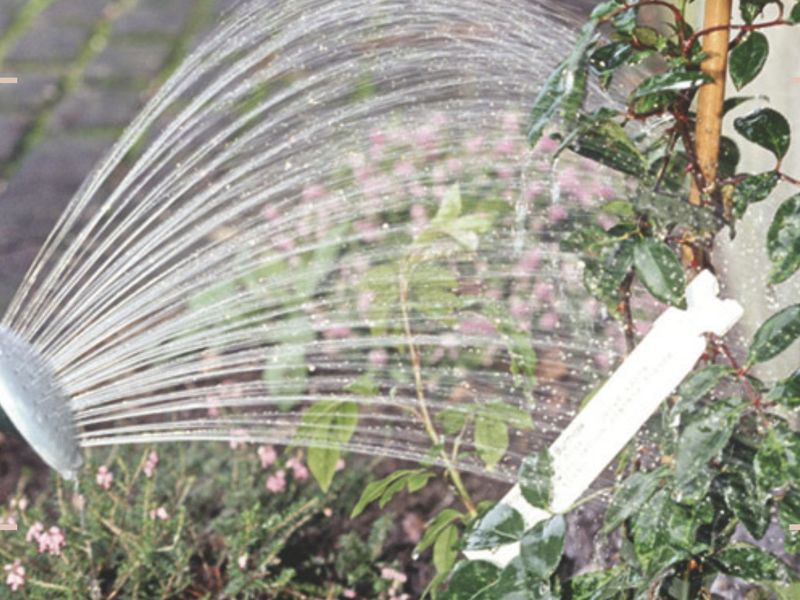
Here is the surprising part: a quick noon sprinkle can do more harm than skipping water entirely. Between roughly noon and 4 p.m., heat and sun can evaporate a big share of that water before it ever reaches the roots.
Wet leaves in harsh light may also develop scorched, brown patches. Your tomatoes and petunias end up stressed instead of refreshed.
Late evening has its own trap. Without sun to dry things out, moisture lingers on leaves and soil all night, creating a cozy home for fungus and root rot.
If your plant looks droopy at 2 p.m., give it shade or wait for morning unless it is truly collapsing.
3. Soak Deeply, Water Less Often
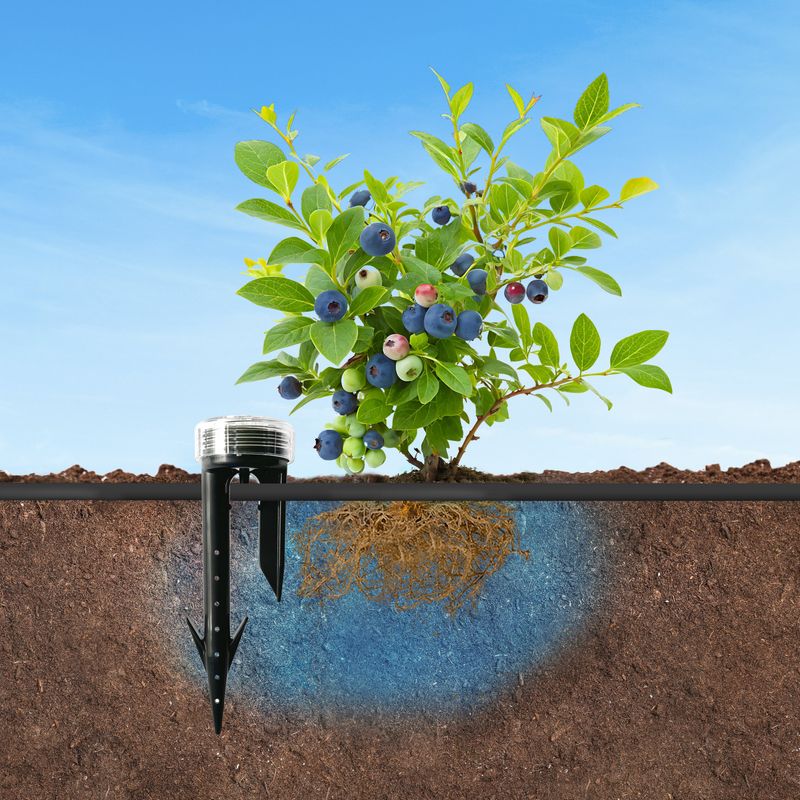
Roots are a little lazy. If you give them a shallow splash every day, they stay near the surface where cold snaps hit hardest.
A slow, thorough soaking pushes moisture several inches down, and roots follow it. Deeper roots are better shielded from early frosts and wild temperature swings.
For most beds, one deep drink a week is plenty in early fall. Let the hose trickle at the base of your clematis or geraniums for a good while instead of flicking a quick spray across the top.
4. Use the Finger Test Before Watering
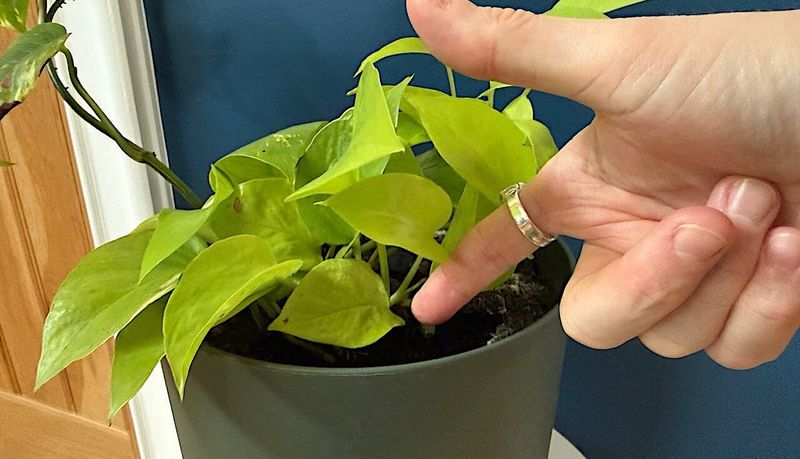
Your finger is the cheapest moisture meter you will ever own. Push it 2 to 3 inches into the soil near your plant.
Dry at that depth? Time to water.
Still cool and damp? Walk away and check again in a day or two.
Fixed schedules often fail in fall because weather changes fast. A cloudy week means wet soil lasts longer, and watering anyway can leave roots soggy.
Checking first takes ten seconds and saves a lot of guesswork.
5. Cut Back Gradually as the Weather Cools
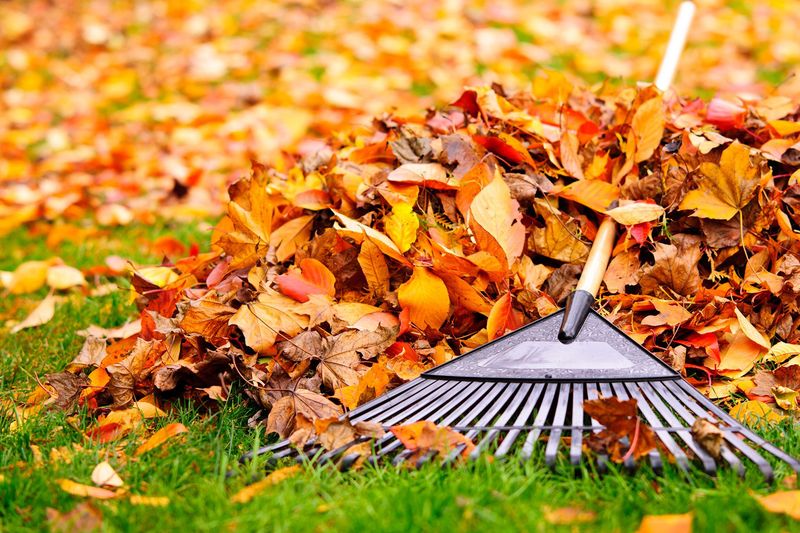
Think of it like winding down for bedtime. As days shorten and temperatures fall, your plants slow their growth and need less to drink.
Shift from weekly watering to every other week, then even monthly as dormancy sets in. Hydrangeas dropping their leaves are a clear signal that thirst is fading.
Easing off slowly helps plants harden up for winter. Sudden overwatering in cool soil may raise the risk of rot, so let the season guide your hand.
6. Keep Watering Until the Ground Freezes
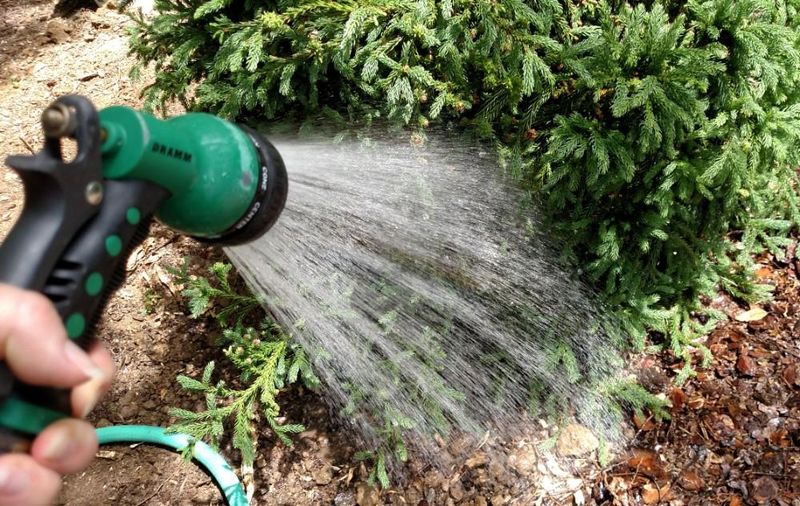
Plenty of gardeners coil up the hose in September. That can be a mistake, because fall is prime root-building time for shrubs and perennials.
Even when leaves look finished, roots keep working underground as long as the soil is not frozen. Dry autumn spells can leave them thirsty right when they want to grow.
Keep watering during dry stretches until the ground stays frozen for good. Then drain your hose and store it so it does not crack.
7. Put New Plantings and Evergreens First
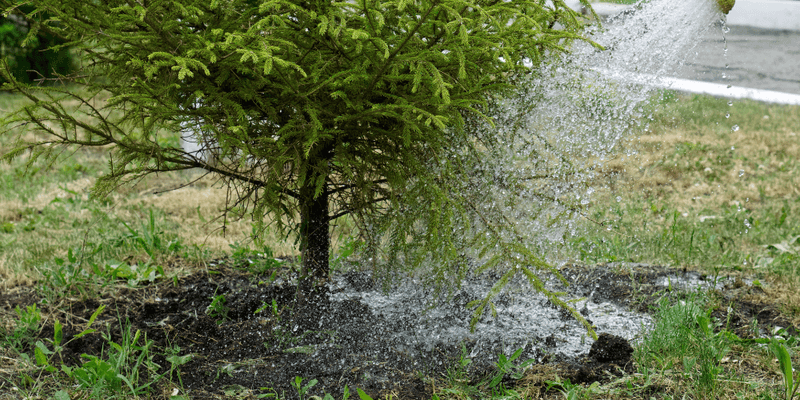
That hydrangea you planted in spring? It does not have the deep roots of an older shrub yet, so a dry fall hits it harder.
Evergreens are the other priority. Their needles keep losing moisture all winter, and a shrub going into cold weather thirsty may show brown, burned tips by spring.
If you only have time to water a few things, start with anything planted this year and your evergreens. Your established plants can usually handle a short dry spell.
8. Wait for Temperatures Above 40 Degrees
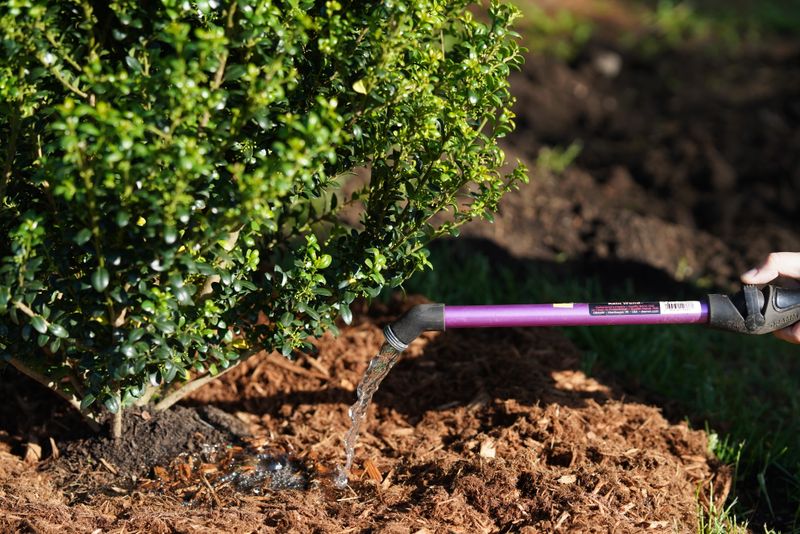
Water and freezing soil are a rough combo. Water that freezes around the root zone can damage tender roots, and ice on leaves may harm plant tissue.
During a mild, dry spell in late fall or winter, watering can still help. Just pick a day when air and soil are above 40 degrees F, ideally around midday so the water soaks in before night.
Fun fact: this is the one time of year a midday watering is actually the smart move, since you are racing the freeze instead of the heat.
9. Aim Straight for the Root Zone
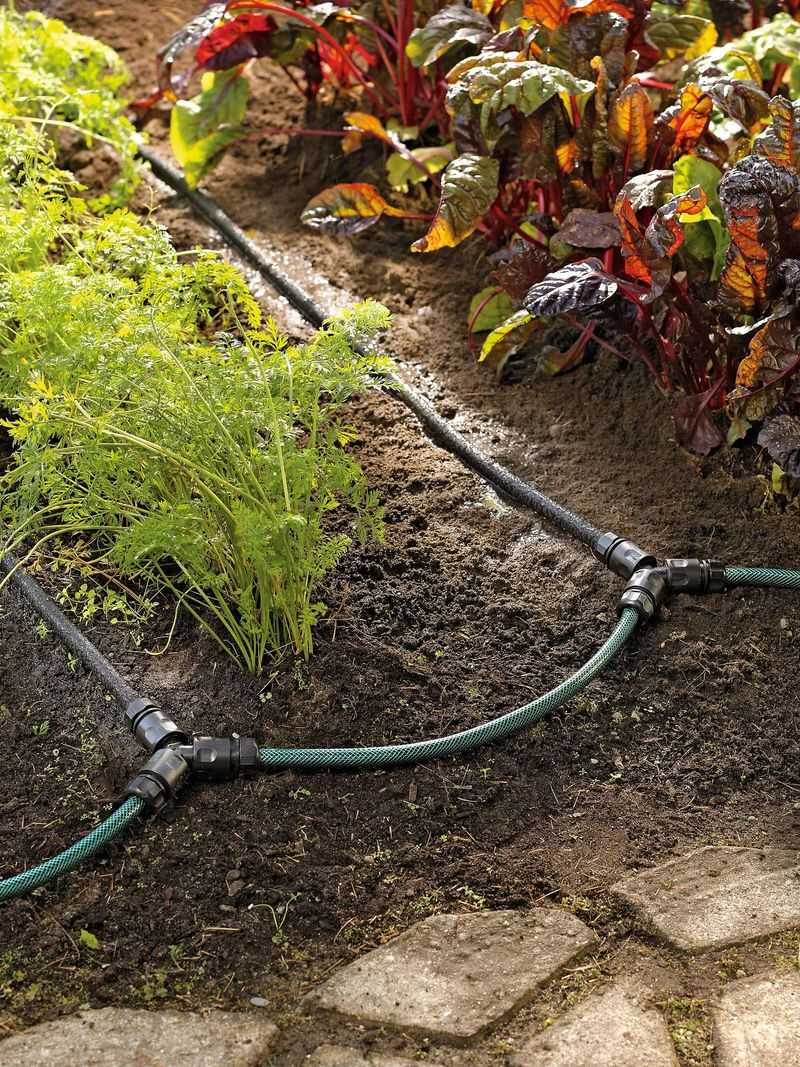
Leaves do not drink much. Roots do.
Spraying water over the top mostly wets foliage and wastes water.
Soaker hoses or drip lines deliver moisture right at the base, cutting evaporation and runoff. Keeping leaves dry also helps reduce blight and mildew, a big deal for tomatoes and phlox.
No drip system? Just hold your watering wand low and point it at the soil around the stem.
Same benefit, zero cost.
10. Mulch to Lock In Moisture
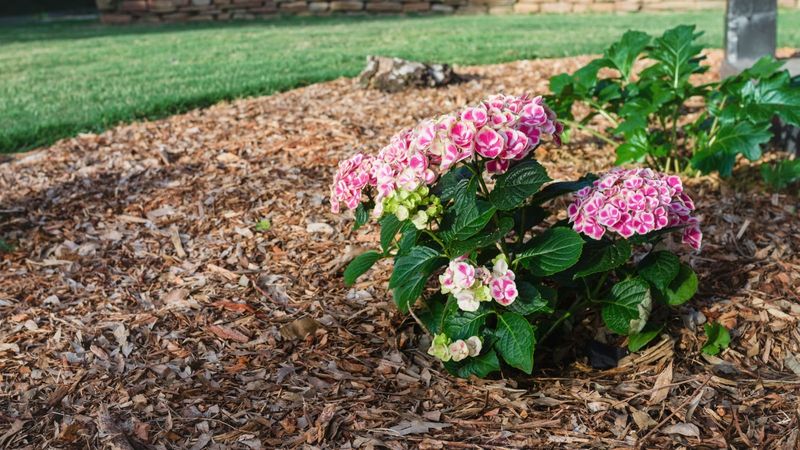
A 2-inch blanket of mulch is like a cozy sweater for your soil. Shredded bark, straw, or chopped leaves all work.
Mulch slows evaporation, so every watering lasts longer. It also evens out soil temperature, softening the shock of sudden cold nights.
Keep it a couple of inches back from stems and trunks to avoid trapping moisture against bark. Raked fall leaves, run over with a mower, make free mulch.
11. Match Watering to Your Soil and Rainfall
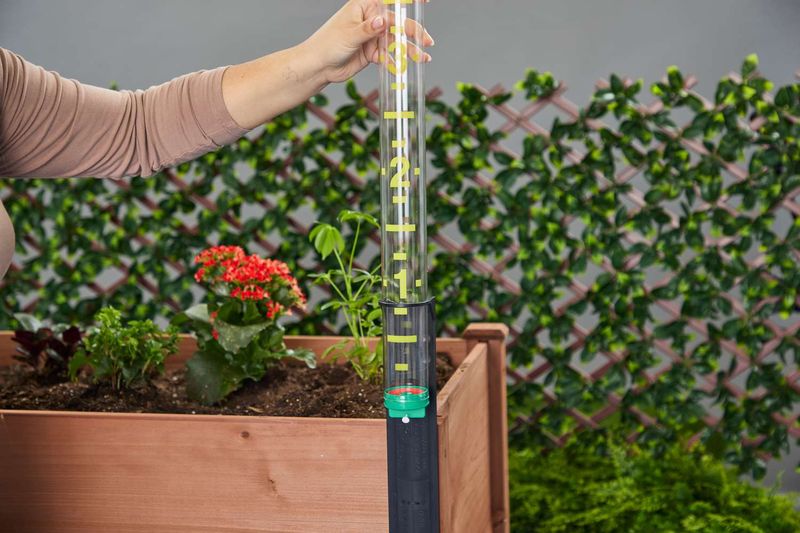
No two yards drink the same way. Sandy soil drains fast and may need water more often, while heavy clay holds moisture for days.
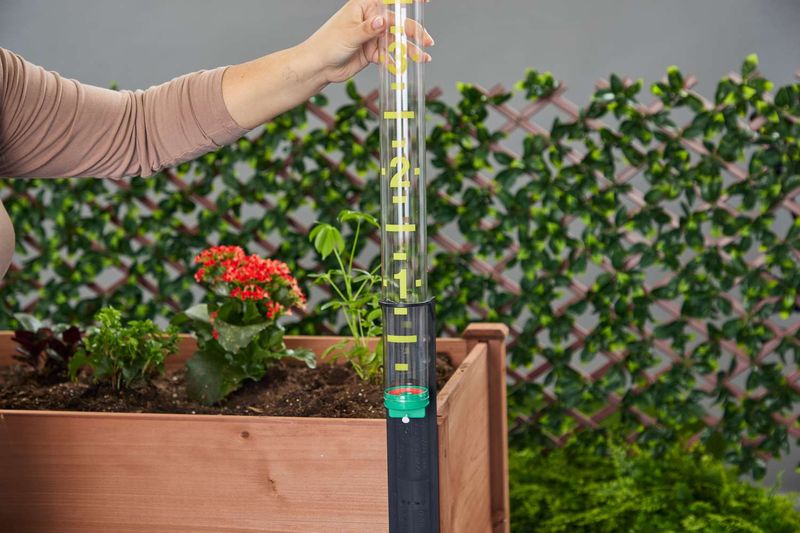
Rain counts too. A simple rain gauge tells you whether nature already did the job, so you are not drowning your geraniums after a stormy week.
One more trick: a deep watering before the first hard freeze can help, since moist soil holds heat better than dry soil. Check the forecast, water a day or two ahead, and let your roots ride out the cold.