
The Winter Yard Chores That Quietly Keep Ticks Alive Around Your North Carolina Home Until Spring

Most of us think a few hard freezes wipe out the ticks in our North Carolina yards. The truth is that blacklegged ticks and lone star ticks simply tuck in and wait, and some of our cozy winter habits give them the perfect place to hide.
A warm January afternoon can wake them right back up, ready to grab a dog, a kid, or you. Here are nine winter chores that may be helping ticks survive, plus simple fixes that keep your yard safe for your family and the wildlife you love.
1. Raking Leaves Into Piles Along the Woods Edge

Picture the classic fall cleanup: you rake the whole lawn, then push every leaf to the tree line and call it done. It feels tidy, but you just built a five-star hotel for ticks.
The woods edge is already the riskiest zone in most yards, and a deep leaf pile makes it even better for them.
Thick leaf litter holds moisture and stays warmer than the open air. Blacklegged ticks burrow down into it when temps drop below about 35 degrees, then crawl back out on mild days.
Doubling the leaves at the edge can double the trouble.
A better plan is to shred leaves with your mower and spread a thin layer on garden beds, or compost them far from paths and play spaces. You still keep some leaf litter for fireflies, native bees, and the box turtles that overwinter in wooded spots.
The goal is thin and spread out, not deep and heaped where people walk.
2. Stacking Firewood Right on the Ground
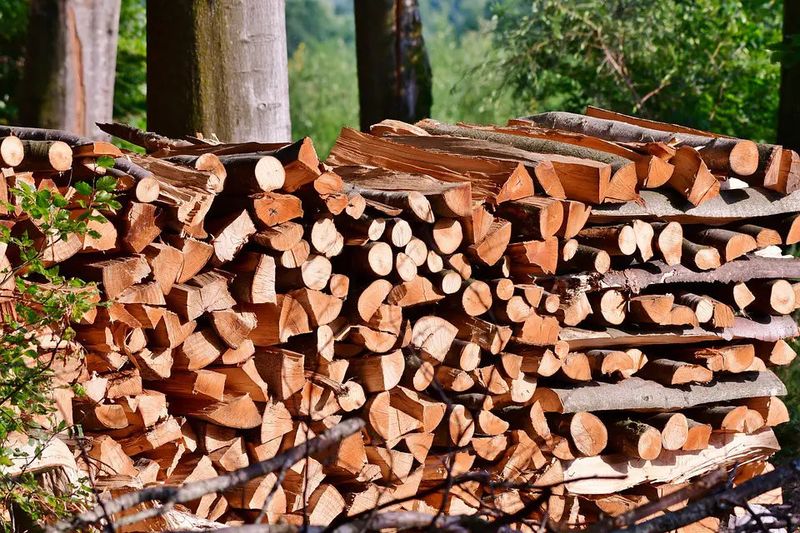
Nothing beats a crackling fire on a cold Asheville night. But that handy woodpile by the back door might be doing more than keeping you warm.
When logs sit right on damp, shady soil, they turn into a winter shelter for mice, chipmunks, and the ticks riding on them.
White-footed mice are a big deal here. They are one of the main hosts that pass Lyme bacteria to young blacklegged ticks.
Give mice a dry home near your house, and you give ticks a free ride straight to your steps.
The fix takes one afternoon. Move your wood onto a metal rack at least a few inches off the ground.
Pick a sunny, dry spot well away from the house, deck, and swing set. Bring in only what you will burn that day, and give it a quick look before carrying it inside.
3. Parking the Mower for the Season Too Early
Raise your hand if your mower goes into the shed the first week of October. Plenty of us do it.
In North Carolina, though, cool-season fescue keeps growing well into late fall, and those tall edges become prime tick real estate.
Long grass blocks sunlight and holds humidity close to the ground. Ticks hate dry, hot conditions, so shaggy turf is exactly what they want.
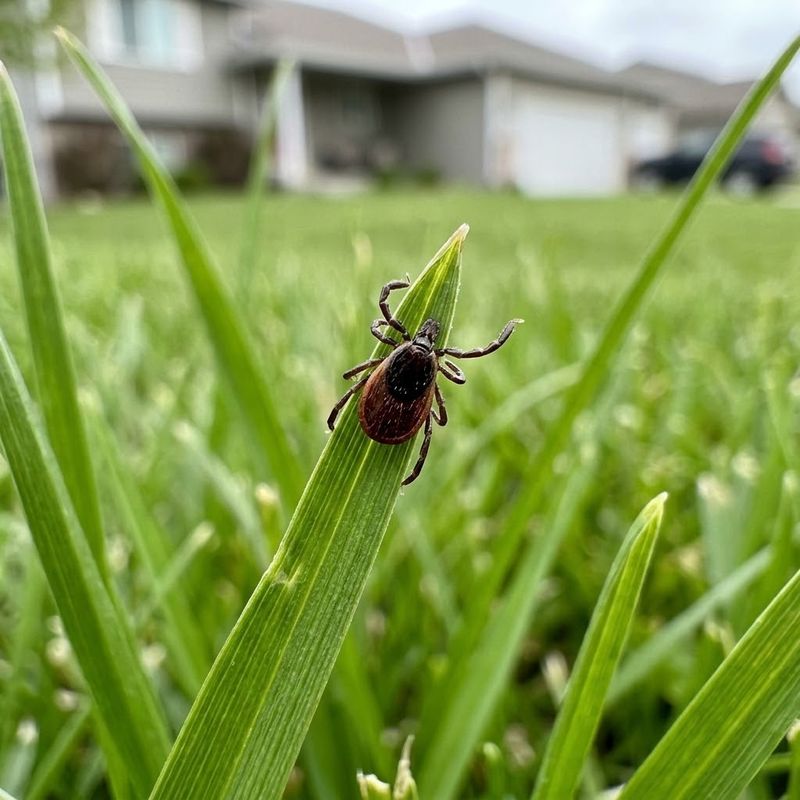
Tall blades also give them a perfect perch for questing, which is when a tick climbs up and waits with its front legs stretched out.
Keep mowing to about three inches until growth truly stops. Pay extra attention to the strip along fences and wood lines.
In tick-heavy spots, bagging clippings instead of leaving them can remove one more hiding place.
4. Letting English Ivy and Privet Run Wild in Winter
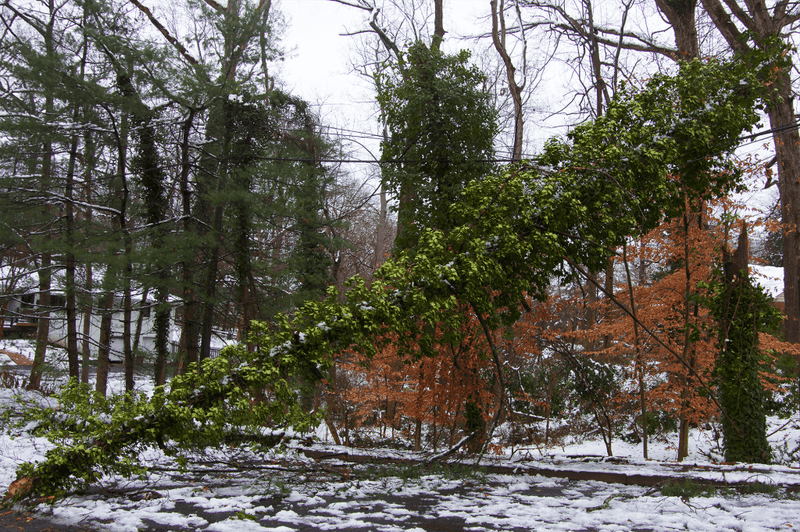
Winter is when invasives show their true colors. With native shrubs bare, English ivy, Chinese privet, multiflora rose, and Japanese honeysuckle stay green and thick.
Those tangles trap moisture and shelter the mice and rabbits that carry ticks.
Here is the good news. Dormant season is one of the best times to pull and cut these plants, since they are easy to spot and native plants are resting.
Wear gloves and long sleeves, and check yourself for ticks when you finish.
Then swap in natives that look great without the downsides. Try inkberry holly or yaupon holly where privet stood, and Virginia sweetspire or oakleaf hydrangea in place of honeysuckle thickets.
Goldfinches, native bees, and songbirds will thank you, and your border will be far less welcoming to ticks.
5. Overfilling Bird Feeders Near the Patio
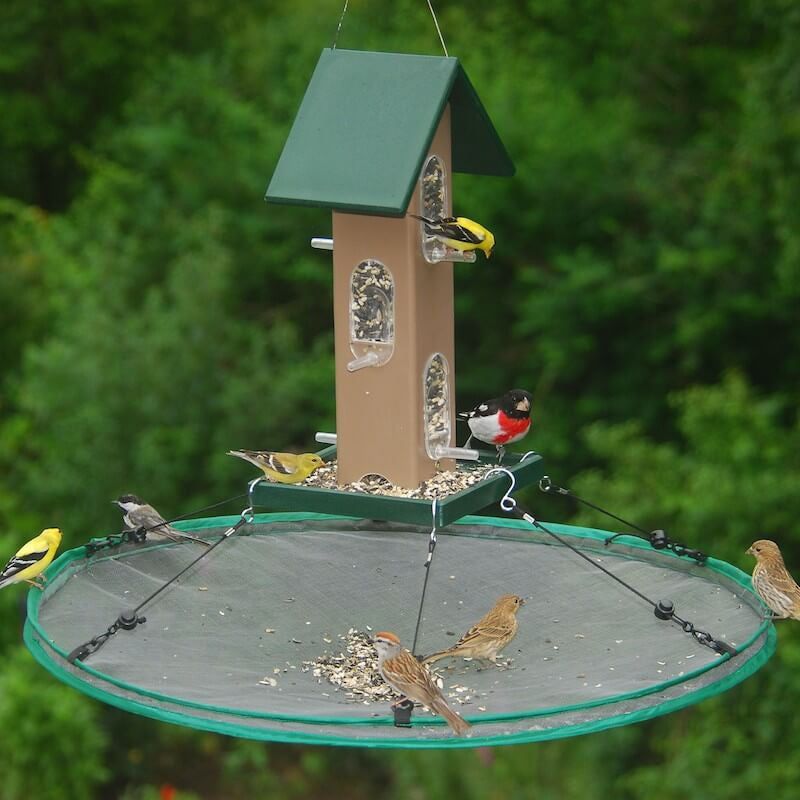
Feeding goldfinches and chickadees through winter is one of the joys of a Carolina yard. Yet the seed that falls to the ground tells a second story.
Spilled sunflower hearts draw mice, squirrels, chipmunks, and sometimes deer, all common tick carriers.
Keep feeding the birds, just do it smarter. Hang feeders away from patios, play areas, and doorways.
Add a seed tray below or use no-mess seed blends so less ends up in the grass.
Rake up hulls every week or two. Fun fact: one deer can carry hundreds of adult ticks, so keeping deer from snacking under your feeder matters more than you might think.
6. Building Brush Piles Close to the House
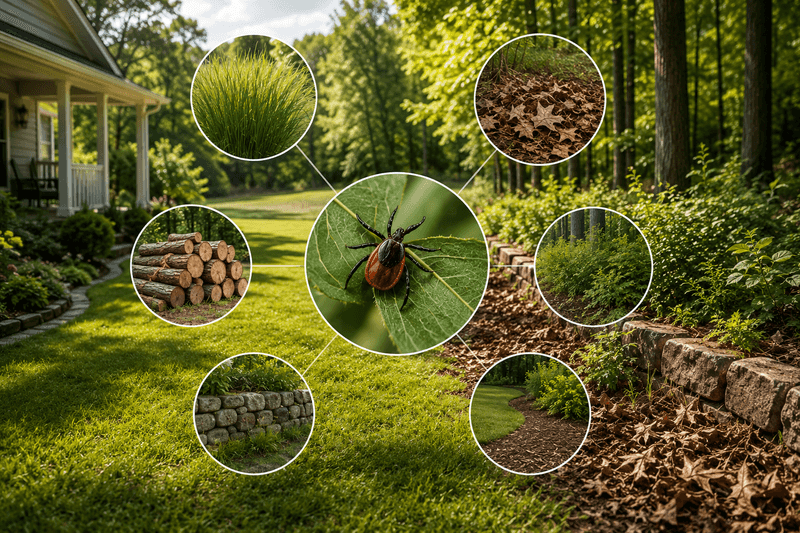
After a winter storm drops limbs across the yard, tossing them into a pile seems like the easy answer. Brush piles do help wildlife, giving wrens and box turtles cover.
The problem is where most of us put them.
A brush pile next to the shed or the kids’ fort draws rodents, and rodents bring ticks. Moving the pile to the far back corner, away from where people walk, keeps the habitat benefit while lowering your risk.
One stewardship note: before shifting an old pile in late winter, move slowly. A box turtle may be tucked underneath, and it should stay right in your yard.
Never relocate a box turtle, since they live their whole lives in a small home range.
7. Skipping the Tick Barrier Between Lawn and Woods

A simple strip of wood chips could be the hardest-working feature in your yard. Researchers have found that ticks are reluctant to cross a dry, open band between lawn and woods.
Most homeowners never build one, and winter is a great time to start.
Lay down a buffer about three feet wide using dry wood chips or gravel. Skip shredded mulch here, since it can stay soggy and comfy for ticks.
Keep the strip clear of leaves through the season.
Behind the barrier, consider planting native shrubs like inkberry holly to define the border. You get a clean edge, a safer lawn, and wildlife cover where it belongs.
8. Leaving the Swing Set in the Shady Corner

Kids love the swing set tucked under the trees because it feels like a secret hideout. Ticks love it too.
Shade, leaves under the slide, and brushy woods just feet away make that corner a hot spot.
Winter is the easiest time to move play equipment, benches, and fire pits. The ground is firm, nothing is blooming, and the yard is quiet.
Shift them toward the sunny middle of the lawn, several feet from any woods or tall plants.
Sun and open grass dry out the ground, which can cut down on ticks waiting for a small leg to brush by. Spring playdates will be a lot less stressful.
9. Forgetting Tick Checks After Winter Yard Work
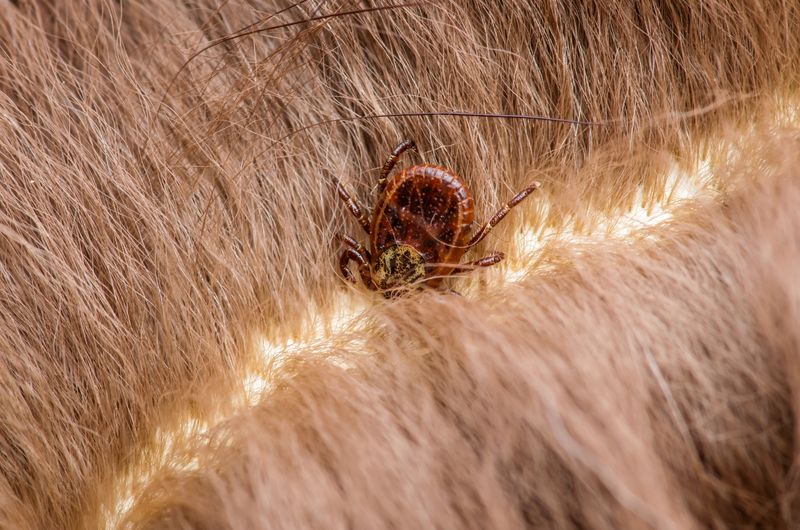
Funny thing about cleaning up tick habitat: it puts you right in the middle of it. Pulling ivy, moving logs, and raking leaves on a 55-degree February day is prime time for a hitchhiker.
Many people skip checks in winter because it does not feel like tick season.
After every outdoor chore, do a full body check, focusing on the waistband, behind knees, armpits, and hairline. Toss work clothes in a hot dryer for at least ten minutes.
Check pets too, especially their ears and between their toes.
Tuck pants into socks and wear light colors so ticks are easier to spot. A few minutes of habit can protect your family all year.