
Your Peonies Are Building Next Spring’s Flowers Underground Right Now – 7 October Jobs That Make Them Bigger
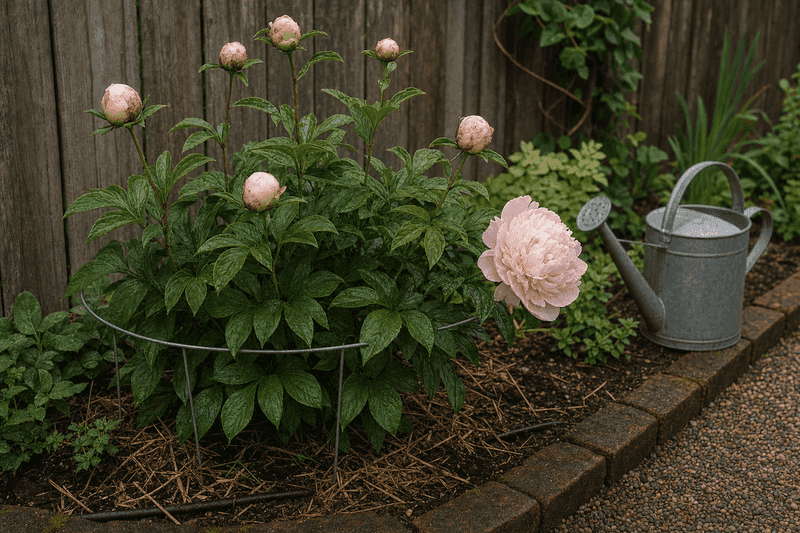
Your peonies may look tired and brown this month, but under the soil they are hard at work. Their thick roots are storing food and forming small pink buds, called eyes, that turn into next spring’s flowers.
What you do in October can decide whether you get a few small blooms or a big, heavy show. Here are seven simple jobs that help your peonies come back bigger.
1. Cut Back Foliage at the Right Moment
Timing is everything with the shears. Many gardeners chop peony leaves the moment they look a little shabby, and that early cut quietly steals flowers from next year.
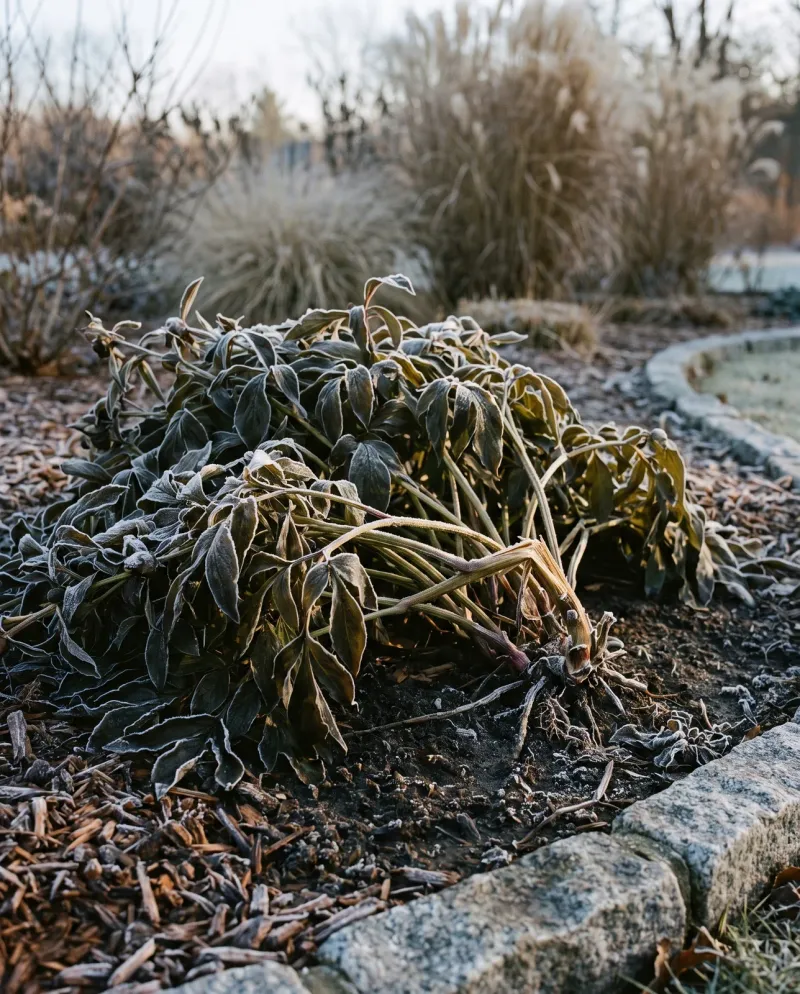
Green leaves are still making food and sending it down to the roots. Wait until a hard frost turns the foliage brown or black and the stems flop over, usually sometime in October or November.
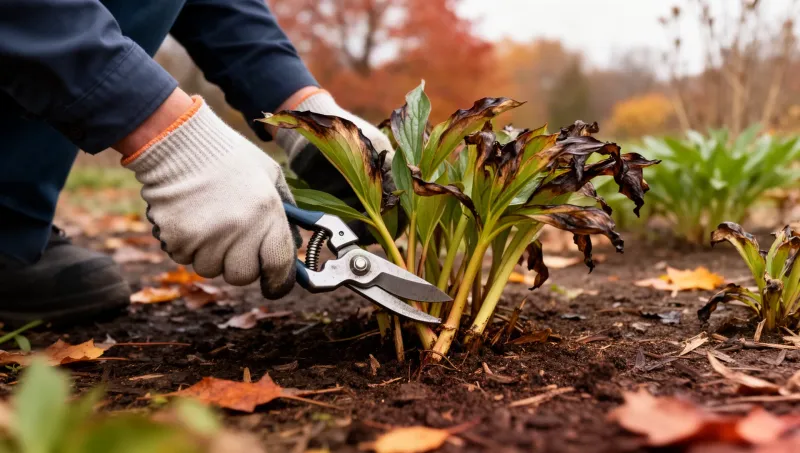
Once that happens, use clean, sharp shears and cut every stem down to about 1 to 3 inches above the soil. Leaving short stubs also marks where your plant lives, so you will not dig into it by mistake next spring.
One big exception: tree peonies. Their woody stems already hold next year’s buds, so leave them alone in fall.
2. Clear Every Scrap of Debris
Think of old peony leaves as a winter hotel for disease. Botrytis blight, the fungus behind blackened stems and buds that rot before opening, can spend the cold months right there in the litter.
After you cut back, rake up all the stems and any spotted, yellowed, or dead leaves around the crown. Get down on your knees if you have to, because the small bits count.
Here is the part most people miss. Put diseased peony material in the trash, not the compost pile, since most backyard piles never get hot enough to kill fungal spores.
A tidy bed now can reduce the chance of those ugly brown buds in May.
3. Divide Crowded Clumps
Peonies can live longer than the people who plant them, sometimes 50 years or more. Still, an old clump that has gotten crowded may start giving you fewer, smaller flowers in the middle.
Fall is the best window to fix it, after the first hard frost and before the ground freezes. That gap gives roots time to settle in before winter.
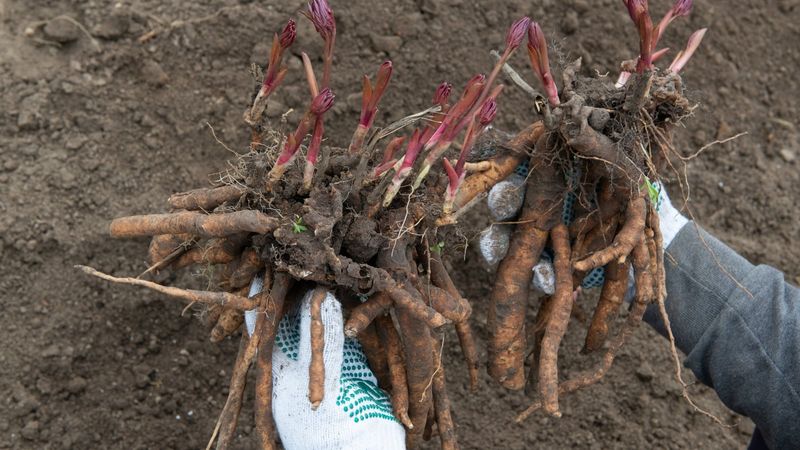
Dig the whole clump, rinse off the soil, and look for the pink eyes. Cut it into pieces with at least 3 to 5 eyes each plus a good chunk of root.
Bigger divisions tend to bounce back faster with bigger blooms. Be patient though, since new divisions may skip flowering for a season or two while they settle.
4. Check Your Planting Depth
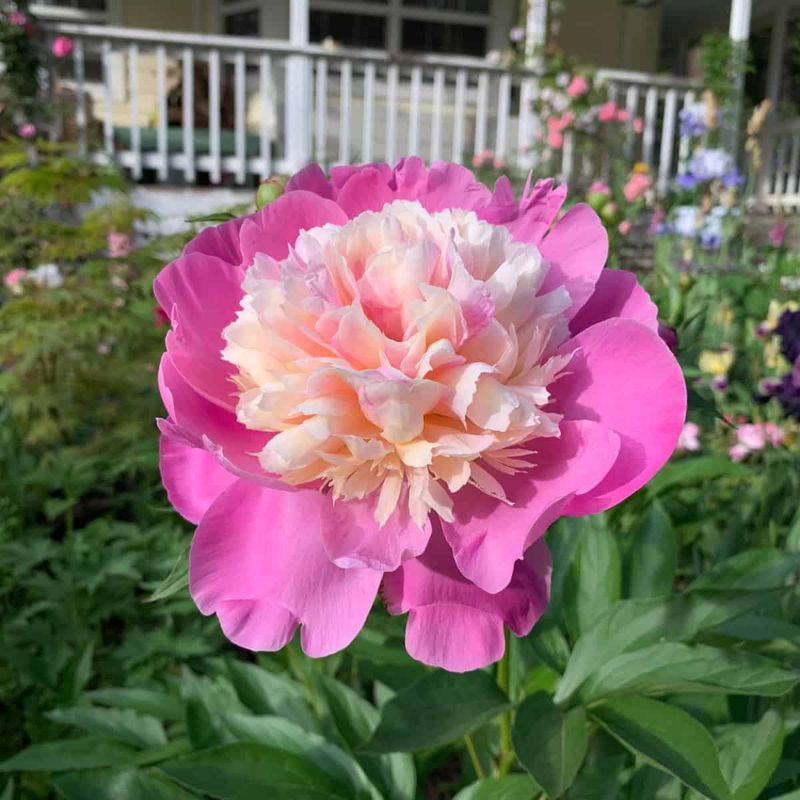
Healthy leaves but zero flowers, year after year? Planting depth is one of the most common culprits, and it is easy to miss because the plant looks perfectly fine.
For herbaceous peonies, the eyes should sit no more than 1 to 2 inches below the soil. Bury them deeper and the plant may grow leaves happily while skipping blooms entirely.
Too shallow causes trouble too, since exposed eyes can dry out or get hurt by freezing. If you are planting bare roots or replanting divisions this month, grab a ruler and check.
If an older plant has never bloomed well, gently brush back the soil at the crown and see how deep those eyes really are.
5. Water Deeply During Dry Spells
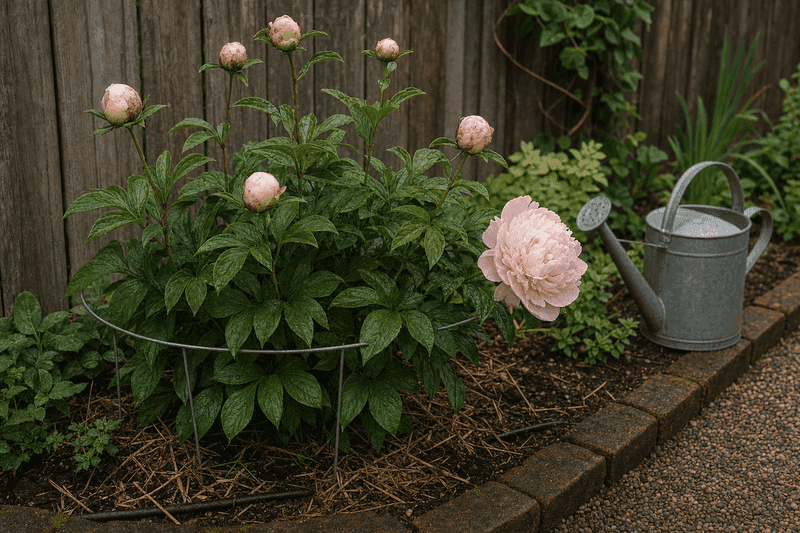
Dry fall weather sneaks up on a lot of us. The hose gets coiled up in September, but peony roots are still busy packing away energy for spring.
When soil is parched, that storage slows down. If your area goes a couple of weeks without real rain, give your peonies a slow, deep soak before the ground freezes.
New divisions need this most, since their roots are still getting established. Aim the water at the base, not the leaves, and let the soil dry a bit between drinks.
Soggy ground can rot those fleshy roots, so deep and occasional beats a daily sprinkle.
6. Feed Lightly, Only If Needed
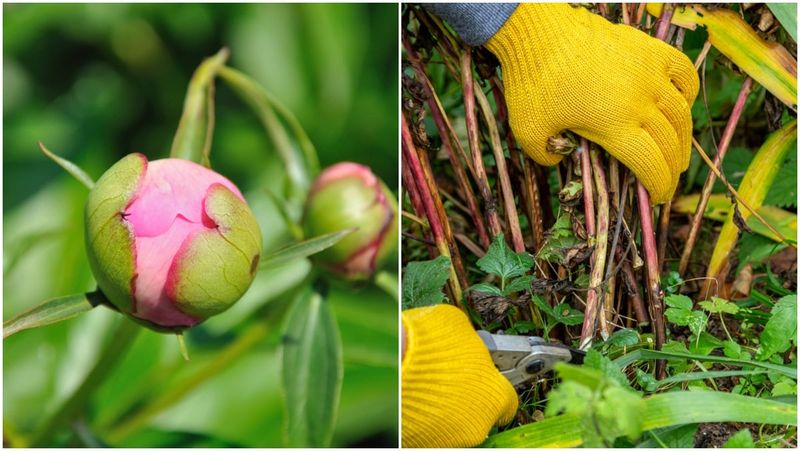
Peonies are surprisingly light eaters. Give them too much nitrogen and you can end up with a big bush of leaves and hardly any flowers.
If your plant blooms well, you can skip fertilizer this year. For new plantings or plants that seem weak, a light dose after cutting back may help root growth.
Pick a low-nitrogen mix like 5-10-10, a bulb food, or something rich in potassium. Scatter it in a ring around where the leaves used to reach, keeping it off the crown itself, then water it in.
A small handful goes a long way.
7. Move Shaded Peonies Into the Sun
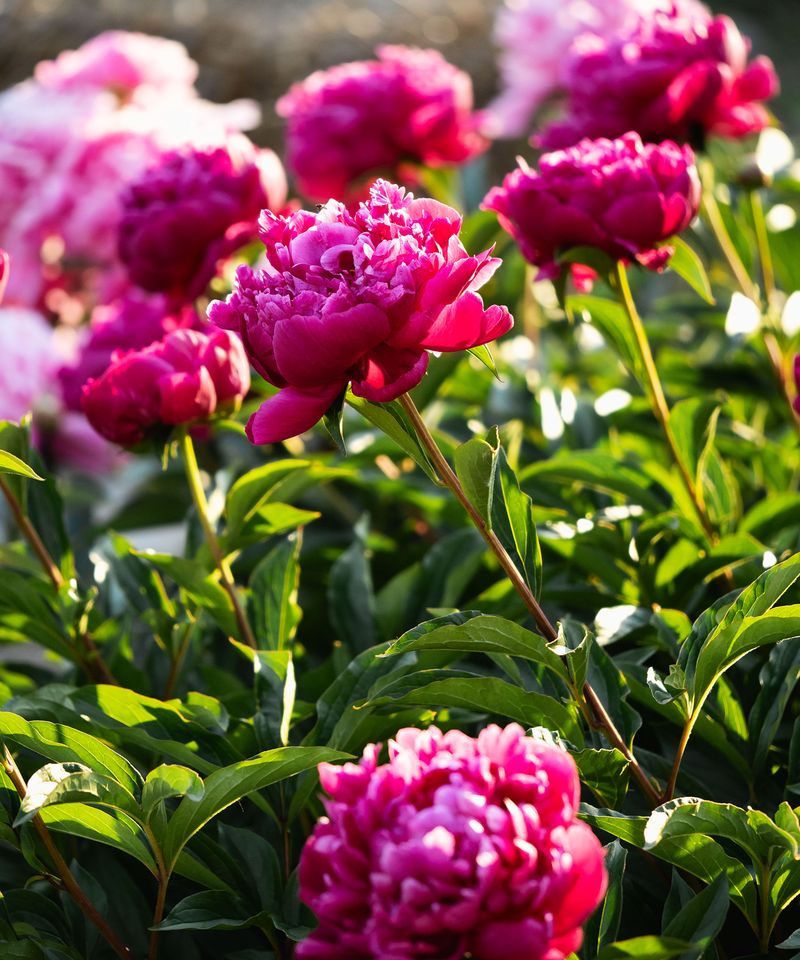
That little maple you planted ten years ago? It might be the reason your peonies have slowly stopped blooming.
Trees grow, sheds go up, and a once-sunny spot can turn shady without anyone noticing.
Peonies want at least 6 to 8 hours of direct sun a day for their best show. Fewer flowers, or buds that stall and never open, are often a sign they are not getting enough light.
October is a fine month to move them. Pick a bright spot with good airflow, which can also cut down on leaf disease, and follow the same depth rules as any new planting.
Expect a quiet year or two, then a much bigger reward.