
15 Plants That Look Even Better After The Flowers Are Gone (Leave Them Standing This Fall)
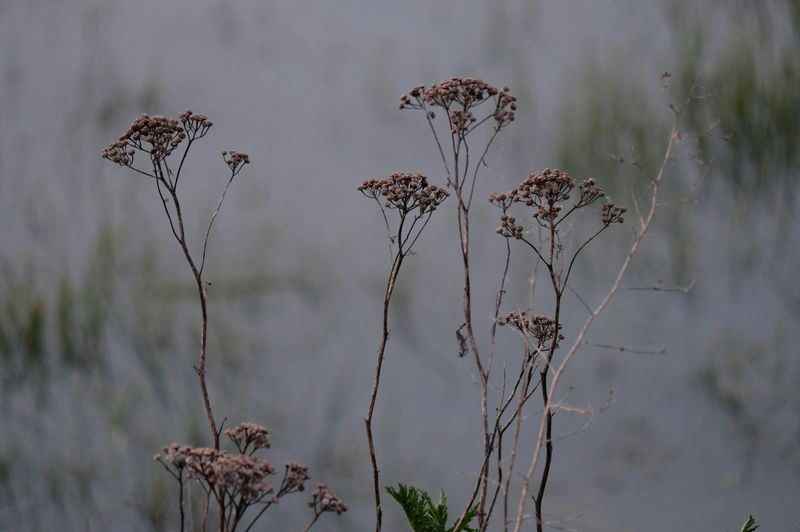
Put down the pruners for a minute, because some of your garden’s best moments happen after the petals drop. Many common perennials, grasses, and shrubs dry into seed heads, plumes, and pods that catch frost and snow beautifully.
Leaving them standing also feeds hungry birds and gives helpful insects a place to spend the winter. Here are 15 plants worth keeping upright this fall, plus simple tips so you know exactly when to finally cut them back.
1. Sedum (Stonecrop)
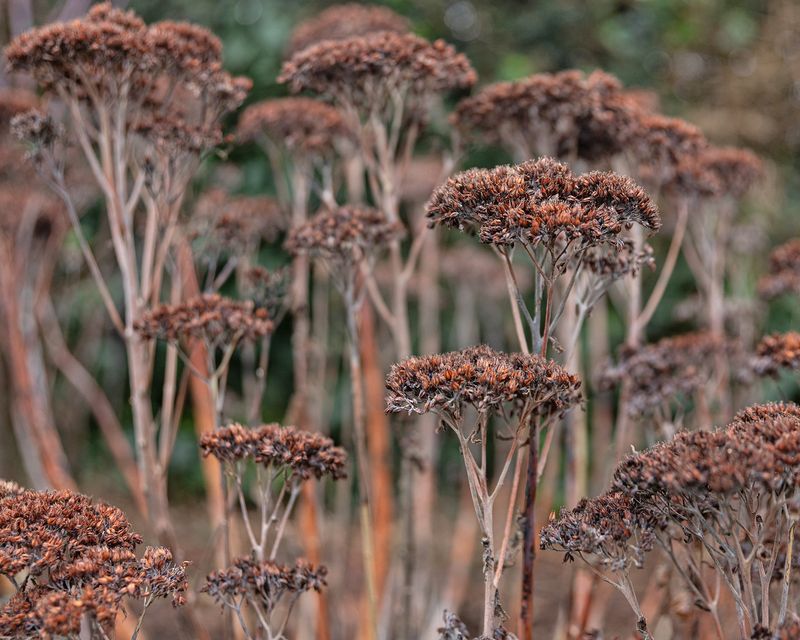
Few plants age as gracefully as upright sedum. Those broccoli-like flower heads go from pale green to pink to deep rust, then dry into sturdy brown domes that hold their shape all winter.
Snow settles on top like frosting on a cupcake, which is why so many gardeners skip cutting them down. The thick stems rarely flop, even after a heavy storm.
Small birds may pick at the seeds, and the hollow stems can shelter overwintering insects. Wait until you see fresh green rosettes at the base in early spring, then snip the old stalks just above them.
2. Echinacea (Coneflower)
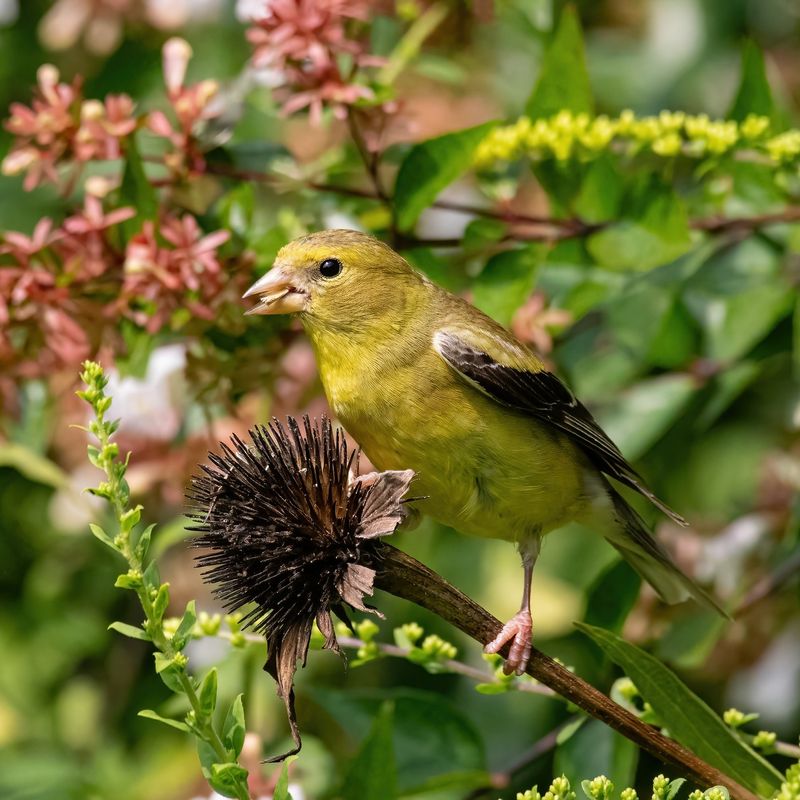
Ask any goldfinch what the best plant in your yard is, and it will point straight at your coneflowers. Once the purple petals fall away, the spiky center cones are packed with seeds those little yellow birds adore.
Deadheading all summer keeps blooms coming, but around September it pays to stop. Let the last flush of flowers dry right on the stem.
Against a dusting of snow, the dark cones look almost like pincushions lined up along the border. You may even get a few free seedlings next spring, which is a pretty nice bonus for doing nothing.
3. Rudbeckia (Black-Eyed Susan)
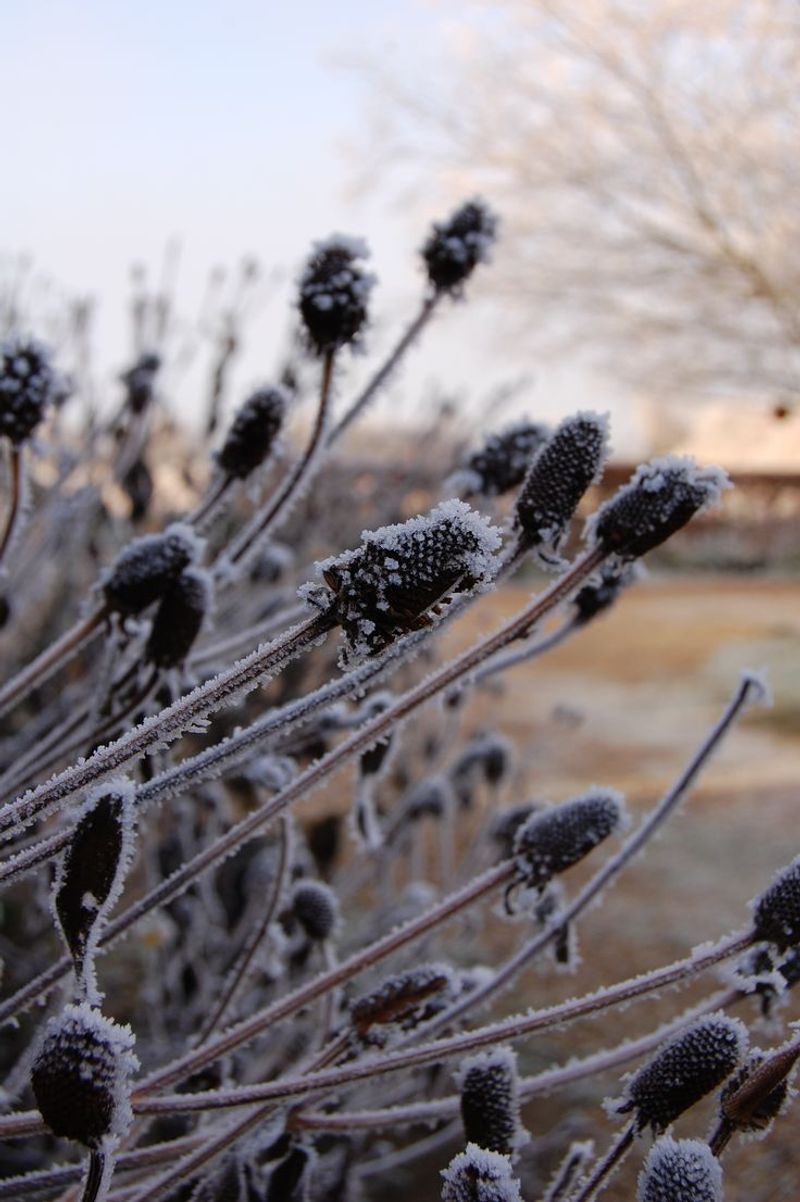
Summer’s cheeriest yellow flower has a second act that’s a little moodier. After the golden petals drop, black-eyed Susans leave behind round, nearly black buttons on wiry stems.
On a frosty morning, every cone gets outlined in white crystals, and the effect is honestly stunning. Sparrows and finches will hop through the patch looking for seeds well into winter.
A quick tip if your clump looked tired by August: leaf spot is common, so pull off spotted leaves but leave the seed stalks standing. Cut everything to the ground in late winter before new growth starts.
4. Miscanthus (Maiden Grass)
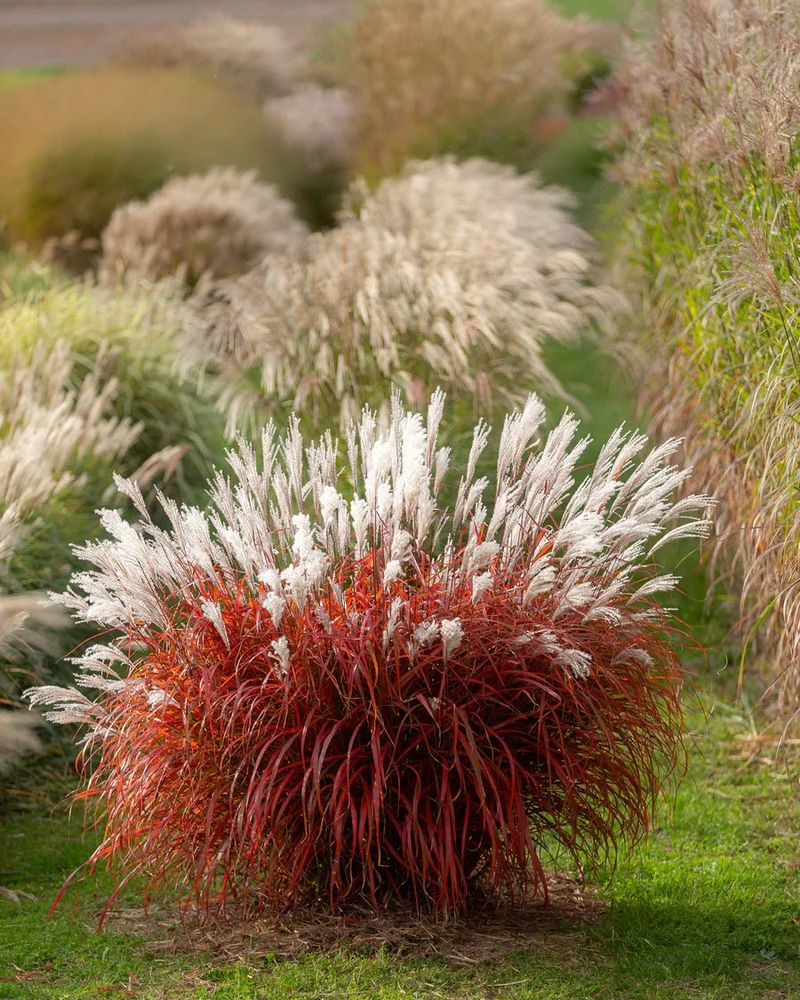
Picture a fountain frozen in time, and you’ve got maiden grass in November. Its silky plumes open in late summer and fade to silver and tan, glowing whenever the low sun hits them from behind.
The arching leaves rustle in every breeze, adding sound and movement when everything else in the yard sits still. Ice-coated plumes in January are worth bundling up to see.
Leave the clump intact through winter, since it also gives birds a windbreak. Cut it down to about 6 inches in early spring, and tie it with twine first so cleanup takes two minutes instead of twenty.
In some regions, certain miscanthus types can self-seed aggressively, so check with your local extension office before planting more.
5. Switchgrass (Panicum virgatum)
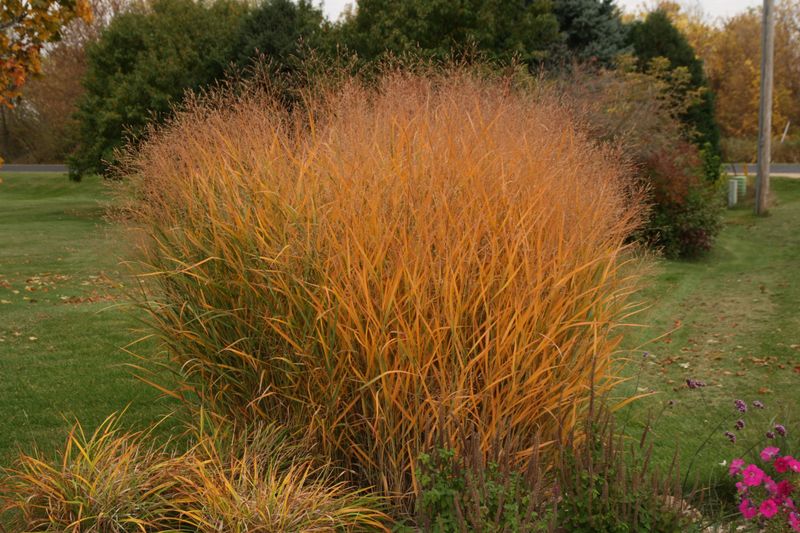
Native prairie toughness meets airy elegance in switchgrass. The flower heads look like a cloud of tiny beads floating above the leaves, and by fall they ripen into seeds that birds and small critters happily eat.
Foliage shifts to bronze, gold, or even burgundy depending on the variety. Shenandoah turns a gorgeous wine red.
Because it stands upright and stiff, switchgrass handles snow better than many grasses. It just shrugs it off and keeps its shape until spring cleanup.
6. Feather Reed Grass (Karl Foerster)
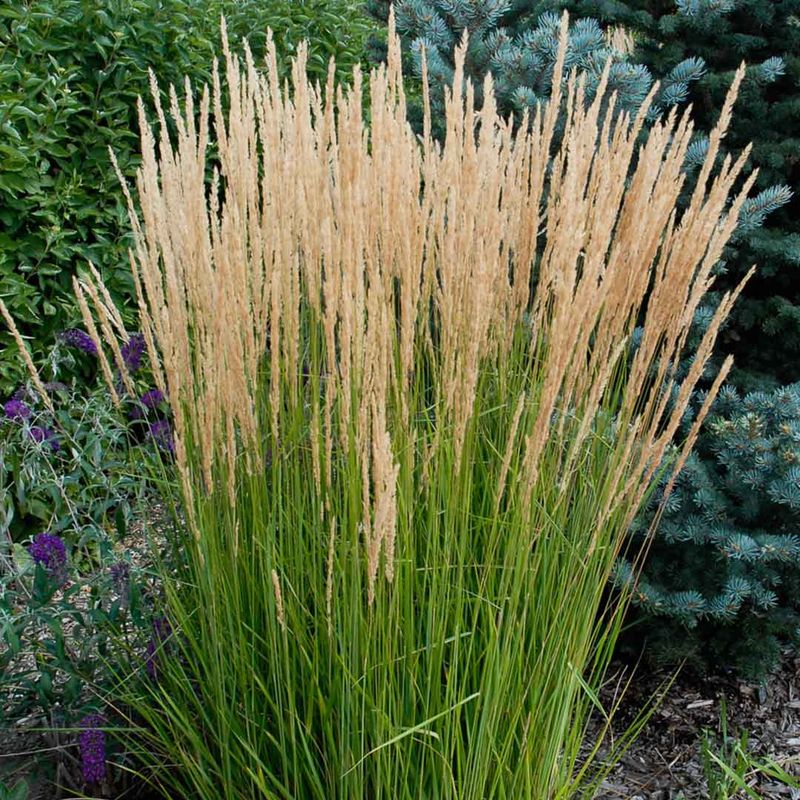
Straight as a row of soldiers, Karl Foerster feather reed grass is the exclamation point of a winter garden. It was even named Perennial Plant of the Year back in 2001.
Its narrow plumes bloom early, often in June, then turn wheat-colored and simply stay put. Most grasses lean or sprawl by midwinter, but this one keeps standing tall.
Plant a short row along a walkway and watch them sway together after a snowfall. Trim to a few inches in late winter, since it starts growing earlier than warm-season grasses.
7. Little Bluestem (Schizachyrium scoparium)
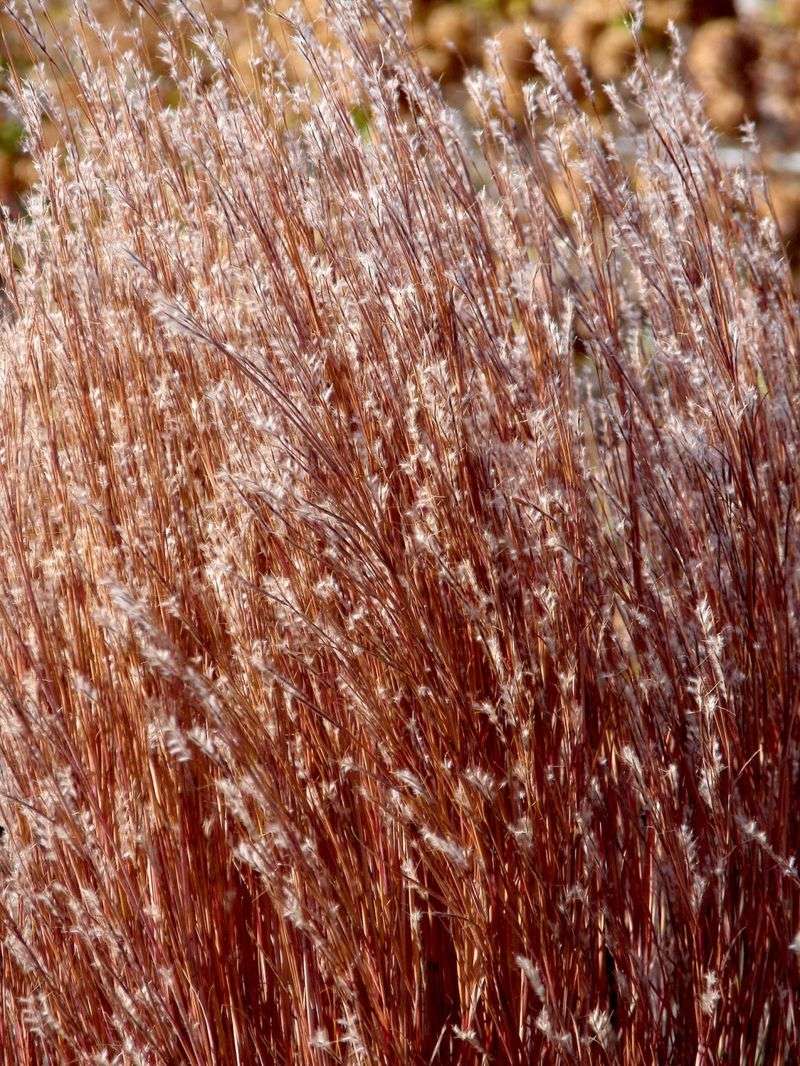
Don’t let the name fool you, because the real show from little bluestem is copper, not blue. Summer’s blue-green blades blaze into orange and rusty red once cool nights arrive.
Tiny fluffy seed tufts sparkle silver in the backlight, especially near sunset. Birds snack on the seeds, and the clumps provide year-round cover for ground-feeding sparrows.
It’s compact, drought-tough, and happy in poor soil where fussier plants struggle. Give it sun, skip the fertilizer, and let it be.
8. Joe Pye Weed (Eutrochium purpureum)
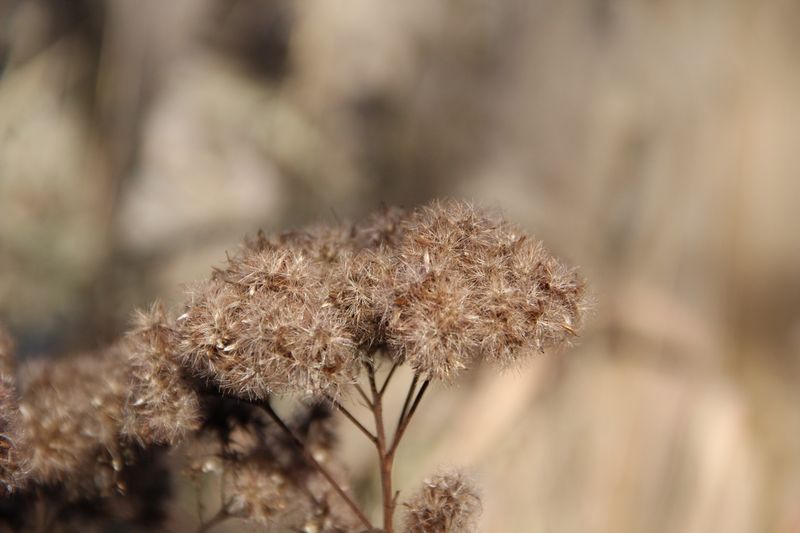
Standing taller than most people, Joe Pye weed is basically the skyscraper of the pollinator garden. Those huge mauve flower domes fade into fluffy, tan seed clusters that look soft as cotton.
Finches pick through them in fall. Meanwhile, the hollow stalks may give native bees a snug spot to wait out winter.
If you cut it down, do it in spring and leave stubs about 12 to 18 inches tall. Those leftover stems keep serving as nesting tubes for bees the following season.
9. Asters (Symphyotrichum)
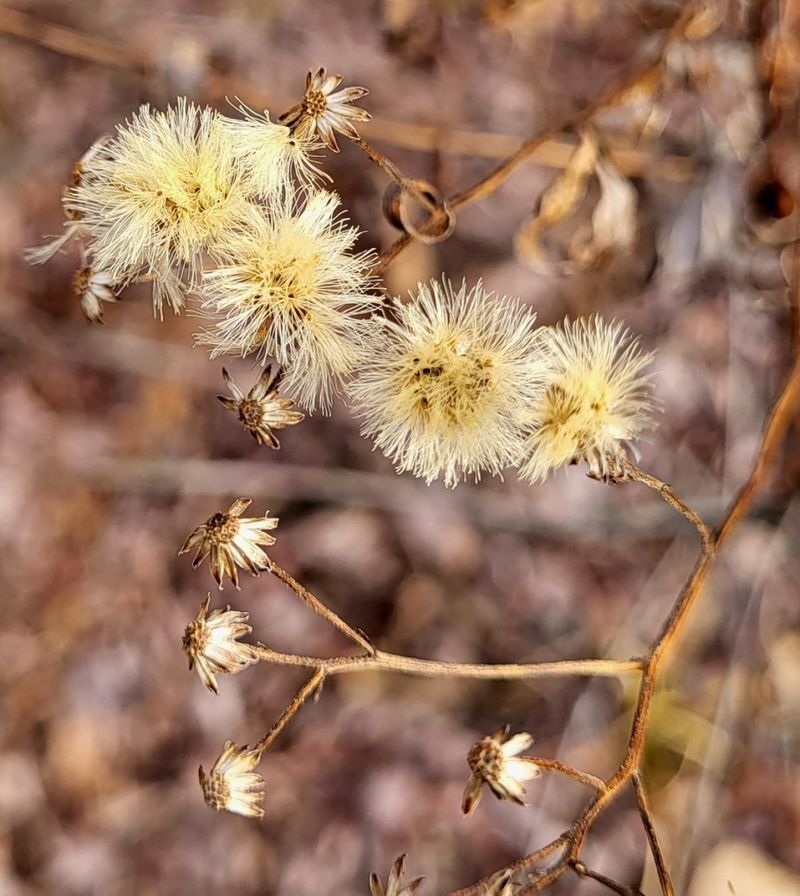
Asters are often the last flowers buzzing with bees before frost, so it feels a little rude to chop them down right after. Good news: you don’t have to.
Once the purple and blue daisies fade, they form little fluffy seed puffs that chickadees and finches gladly gobble. The standing stems and leftover foliage may also help insulate the crown during cold snaps.
If self-seeding worries you, snip off about half the seed heads and leave the rest for the birds. That small compromise keeps the bed tidy without leaving your feathered visitors hungry.
10. Yarrow (Achillea)
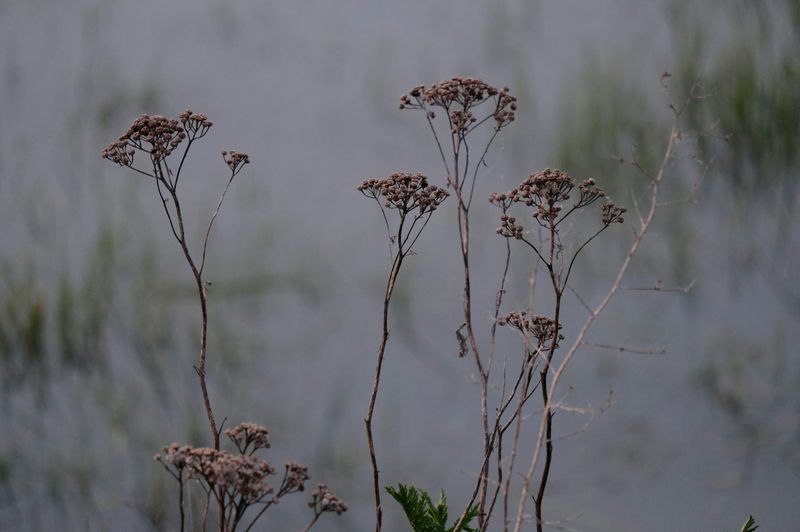
My grandmother used to hang yarrow upside down in her shed every fall, and now I understand why. Those flat flower plates dry beautifully, often keeping a muted version of their summer color.
Left standing, the clusters look like little tabletops perfect for catching snow. Gold varieties tend to hold color best, fading to a warm mustard.
Want some indoors too? Cut a few stems at peak bloom and hang them dry for arrangements, then leave the rest outside for winter texture.
11. Panicle Hydrangea (Hydrangea paniculata)
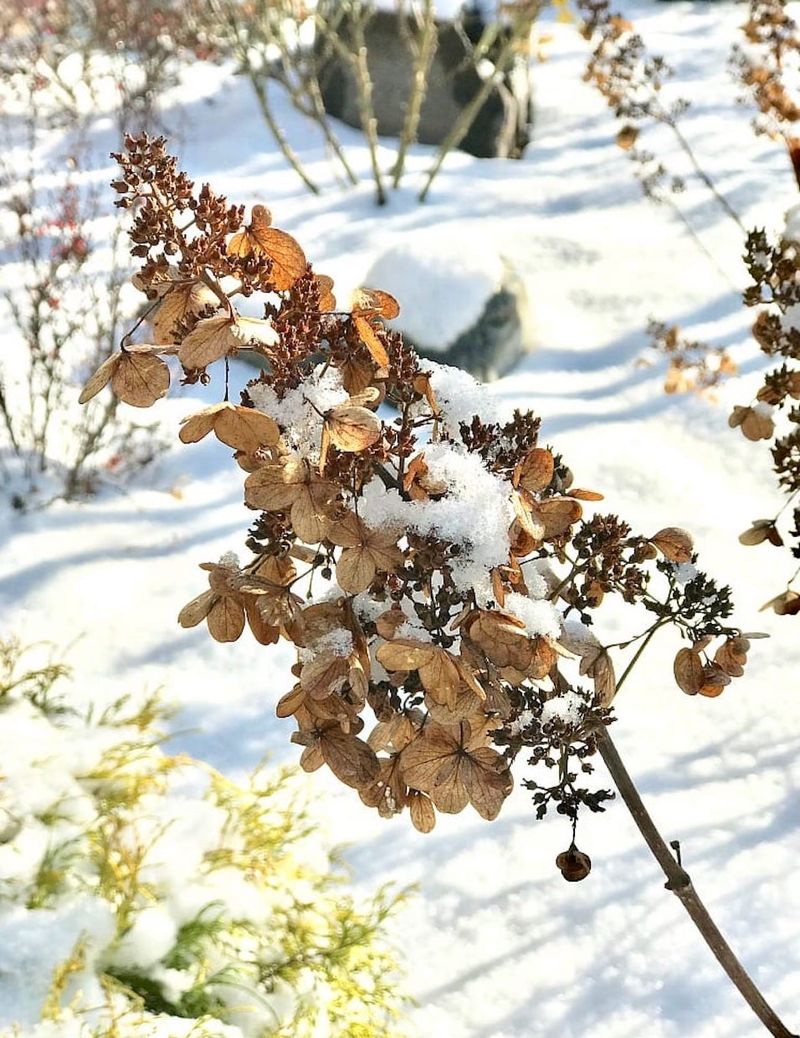
Worried you’ll ruin next year’s hydrangea blooms by pruning wrong? With panicle hydrangeas like Limelight or Quick Fire, the easiest fix is to leave those faded flowers right where they are this fall.
The cone-shaped blooms blush pink, then dry to papery tan and hold up on strong stems. Topped with fresh snow, they look like giant ice cream cones.
Panicle types bloom on new wood, so you can safely prune them in late winter or early spring and still get flowers. Just don’t apply that same timing to bigleaf hydrangeas, which can lose next year’s buds if cut back too hard.
12. Siberian Iris (Iris sibirica)
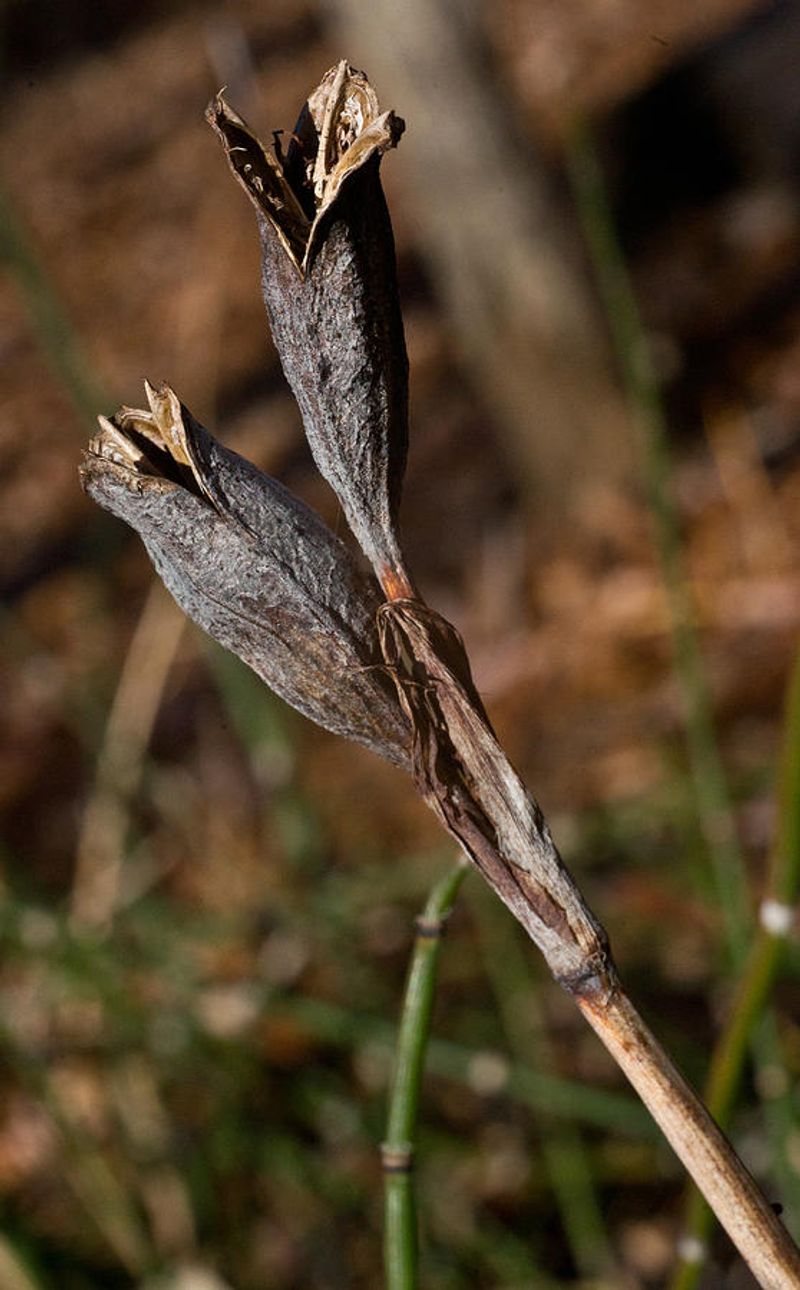
Most folks forget about their Siberian iris by July, since the blooms come and go so fast. Then winter arrives and those plants pull a surprise.
Slim stems hold dark, oval seedpods that split open into little brown cups. Against fresh snow, they look like ink sketches on white paper.
The grassy foliage also turns a pretty golden tan in fall. Cut everything back in early spring before new shoots poke up.
13. Blue False Indigo (Baptisia australis)
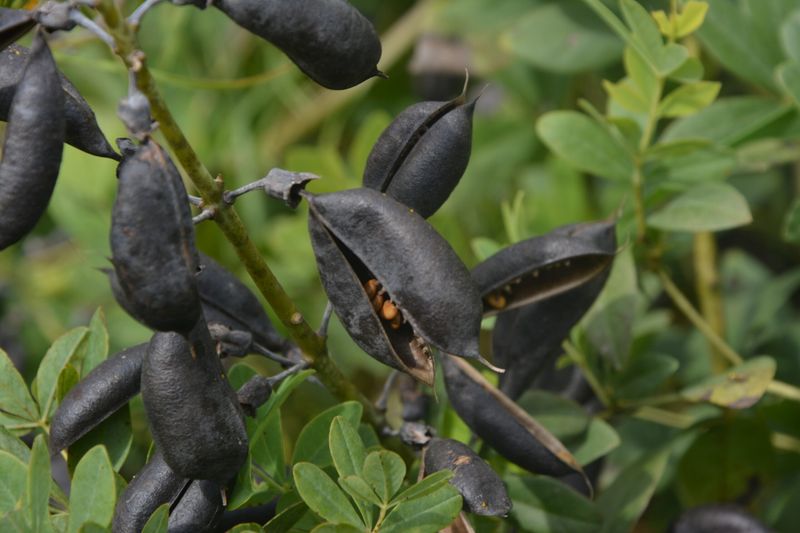
Shake a stem of baptisia in November and you’ll hear it rattle like a maraca. The puffy seed pods turn charcoal black, and loose seeds bounce around inside.
Kids love it, and honestly so do grown-ups. The bushy plant keeps a shrub-like shape that adds real bulk when other perennials have collapsed.
Baptisia has deep roots and hates being moved, so think of it as a long-term resident. Leave the pods all winter, then cut stems back in spring.
14. Globe Thistle (Echinops)
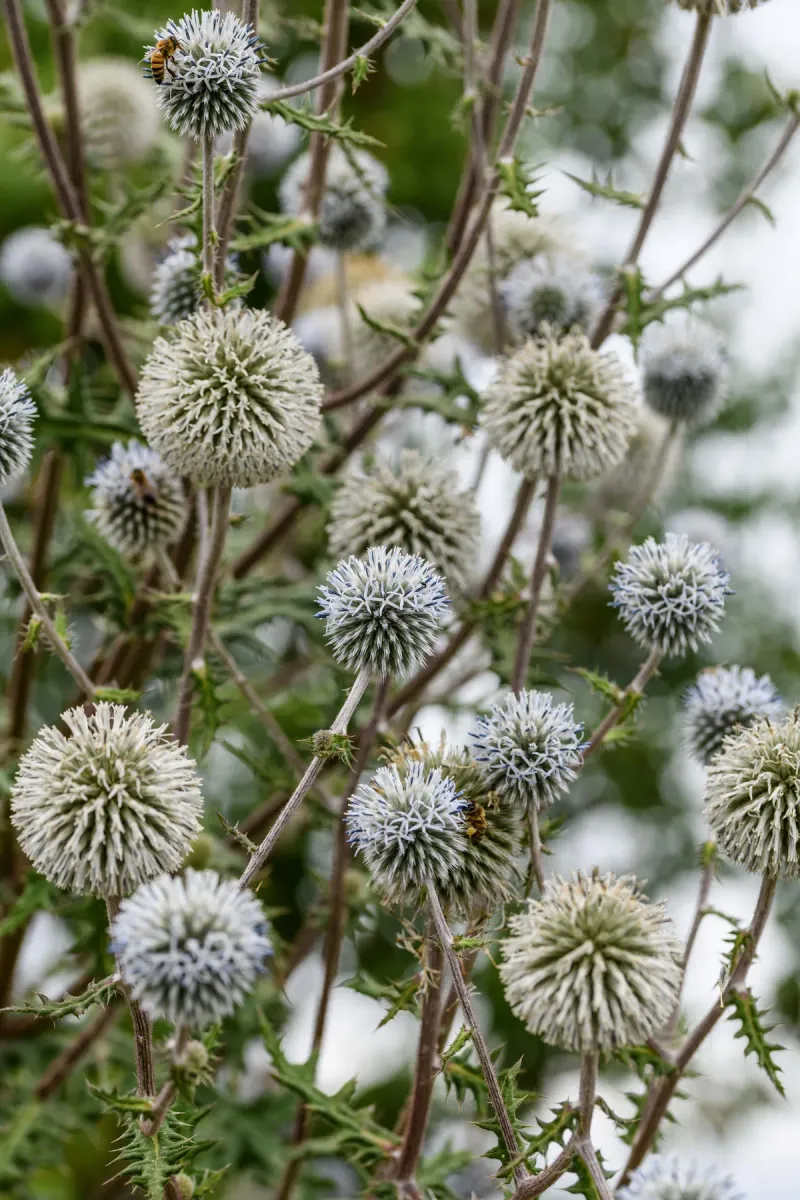
Here’s a plant that looks like it came from another planet. Globe thistle forms perfect spiky balls, steely blue in summer and silvery tan once they dry.
Those spheres hold their shape for months, making a bold focal point among softer grasses. Frost sticks to every spike for a sparkly effect.
Wear gloves when you finally cut them back, because the leaves are prickly. Leave a few heads if you want it to reseed, or snip most to keep it in bounds.
15. Liatris (Gayfeather)
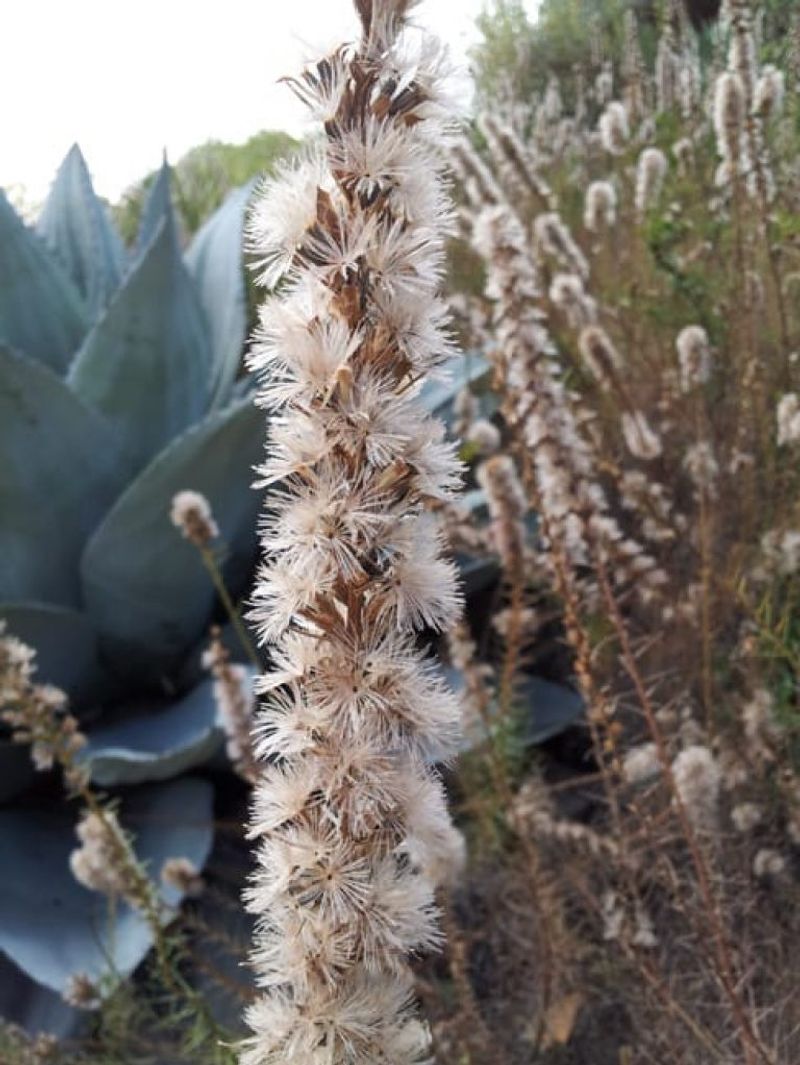
Liatris blooms backwards, opening from the top of the spike down, so it’s already a bit of a rebel. In fall, those purple wands turn into fuzzy brown spikes full of seed.
Finches and sparrows cling to the stems while they feed, which makes for great window watching. The vertical lines add contrast next to rounded seed heads like sedum or coneflower.
Leave the spikes up until spring, then cut them back to the leafy base. Your border gets structure, the birds get dinner, and you get one less fall chore.