
What It Really Means When Dark-Eyed Juncos Show Up In Your North Carolina Yard This Fall
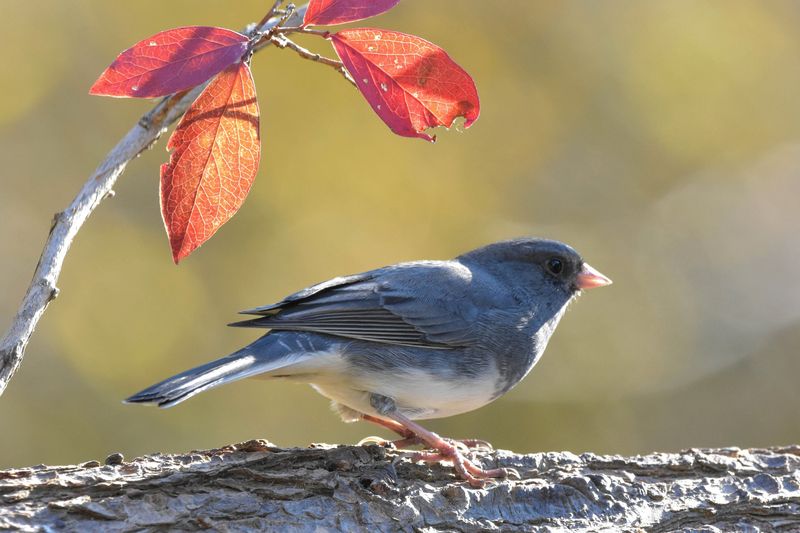
One cold morning, small gray birds with white bellies start hopping under your shrubs, and winter feels official. These are dark-eyed juncos, and many North Carolina yards see them each year.
Their arrival tells you something about the season, but less about your yard than most people think. Here is what the sighting can mean, and how to make your yard more useful to these ground-feeding birds once they show up.
Fall arrivals reflect movement, not a yard score
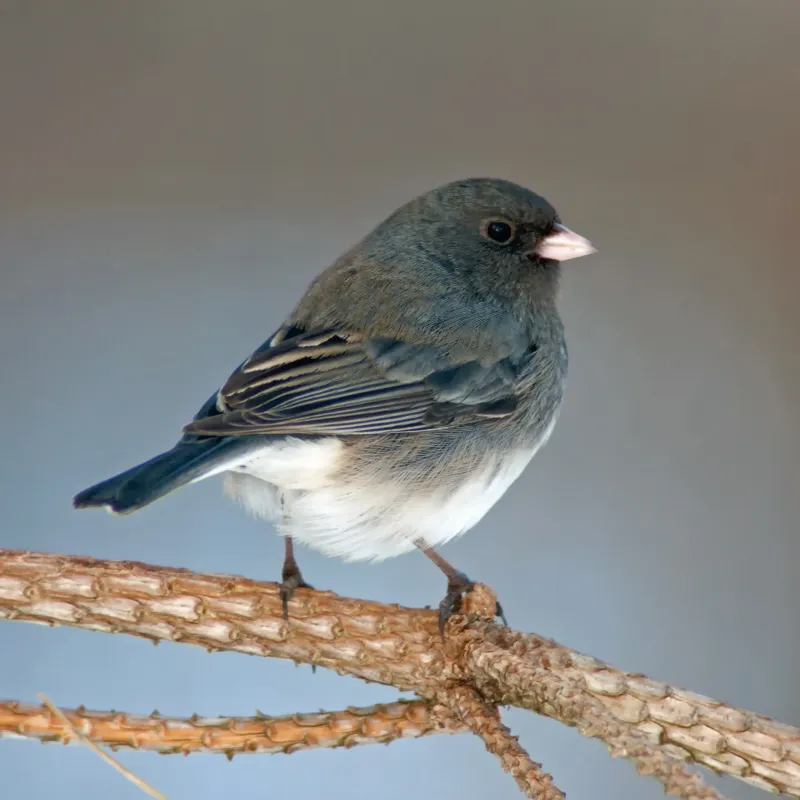
Juncos usually begin showing up in North Carolina in October and November, according to NC State Extension winter wildlife guidance. Treat those months as a typical window, not a deadline.
The Carolina Bird Club account records an earliest arrival of September 20 and a late departure in June, so a junco outside that window is not a mystery.
Not every junco in the state comes from far away. Some are winter visitors from farther north.
Others belong to the Carolina subspecies, which breeds in the southern Appalachians and, as the Carolina Bird Club species account describes, makes shorter trips up and down the mountains in winter. So a junco at your Asheville feeder and one on the Coastal Plain may have very different travel stories.
That is why a sighting is best read as a sign of the season or of local movement. Juncos spend winter in fields, parks, gardens, and open woods, so your yard is one of many places they might stop.
A bird in your yard does not prove your seedheads or leaf litter pulled it in. It also does not mean your yard is healthy or unhealthy.
What the visit does give you is a good reason to look at your yard through a junco’s eyes, which the next sections help you do.
What juncos find at ground level
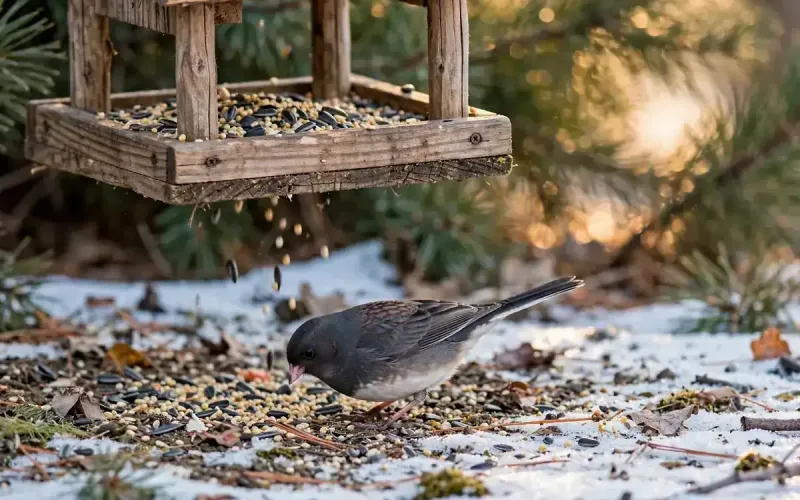
Watch a junco for a few minutes and you will notice it rarely looks up. These birds work the ground, pecking at the soil surface and scratching through leaf litter and low plants.
Cornell Lab of Ornithology estimates that seeds make up about 75 percent of their diet over the year.
That habit explains what a useful junco yard looks like. Seeds that stay on plants or fall to the ground are food.
Bare, open soil, short grass, and low tangles of stems give the birds a place to search for it. A yard that is scrubbed clean of every seed and leaf offers them very little.
Still, caution is wise here. Seeds and open ground are helpful resources, not proof that a particular junco came for a particular plant.
A bird may be passing through, following a flock, or using a neighbor’s yard too.
A practical test is to walk your yard in November and look down. Where could a small, seed-eating bird forage without being exposed?
Where are seeds still hanging on stems or lying under them? Those spots are worth protecting from a final tidy-up, while paths and play areas stay as clean as you like.
Keep native seedheads selectively
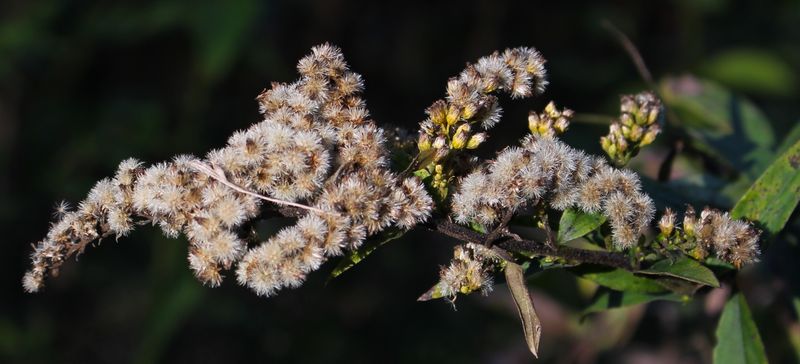
Late summer and fall are when many native plants finish blooming and set seed. NC State Extension in Caldwell County points to goldenrod, tickseed (coreopsis), and bluestem as native plants that produce seed in that season.
Leaving a manageable patch of them standing, instead of cutting everything back, keeps food available into winter.
The word to focus on is patch. You do not need to leave every stem in the yard.
A corner bed, a strip along a back fence, or a section of a meadow-style planting is plenty, and the rest of the yard can stay neat.
Fit matters too. NC State’s native plant guidance for wildlife separates what grows in the mountains, Piedmont, and Coastal Plain, and it recommends matching plants to your light and soil.
A bluestem that thrives in a sunny Piedmont yard may struggle in a shady mountain lot, so check what suits your site before planting.
One firm rule: do not leave invasive plants standing as bird food. Many non-native species in North Carolina produce plenty of seed, and that is exactly how they spread.
If you are unsure about a plant, identify it first and ask your county Extension office. Pull or manage the invasive, then plant a native in its place.
Leaf litter belongs away from busy borders
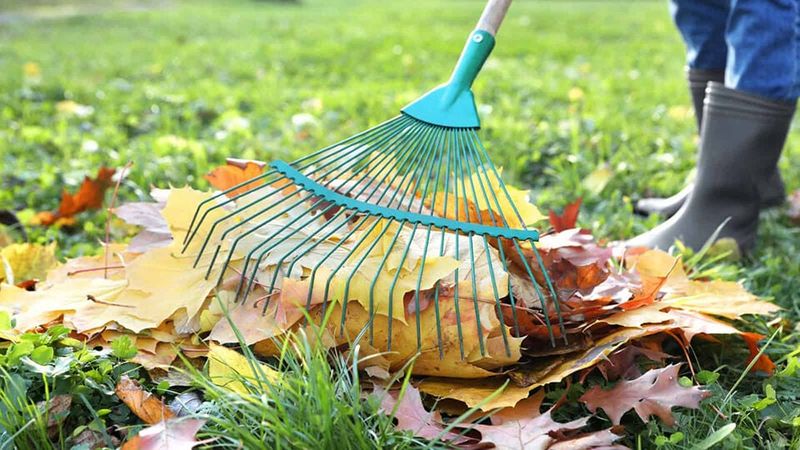
Fallen leaves are free foraging habitat. NC State Extension identifies leaf litter as attractive to ground-feeding birds and notes that juncos feed on seeds that persist on plants or the ground.
Leaving some in a back bed or under shrubs gives them a place to scratch.
But ticks are a real worry for North Carolina families and pets, and the same leaves and brush can shelter them. Tick guidance, such as the University of Minnesota Extension tick advice, favors clearing leaf litter and brush where people walk and play.
The answer is to put your leaves in the right places. Rake and manage them along paths, at lawn edges, around play sets, and near doors.
Keep a naturalized patch farther back, away from where you and your pets spend time.
For the line between lawn and woods, CDC guidance recommends a three-foot barrier of wood chips or gravel as part of a tick-safe zone. It also doubles as a tidy edge.
This way the yard works for both you and the birds. No single rule says leave everything or clear everything.
Matching each spot to how people use it is the better plan.
Cover makes feeding places more useful
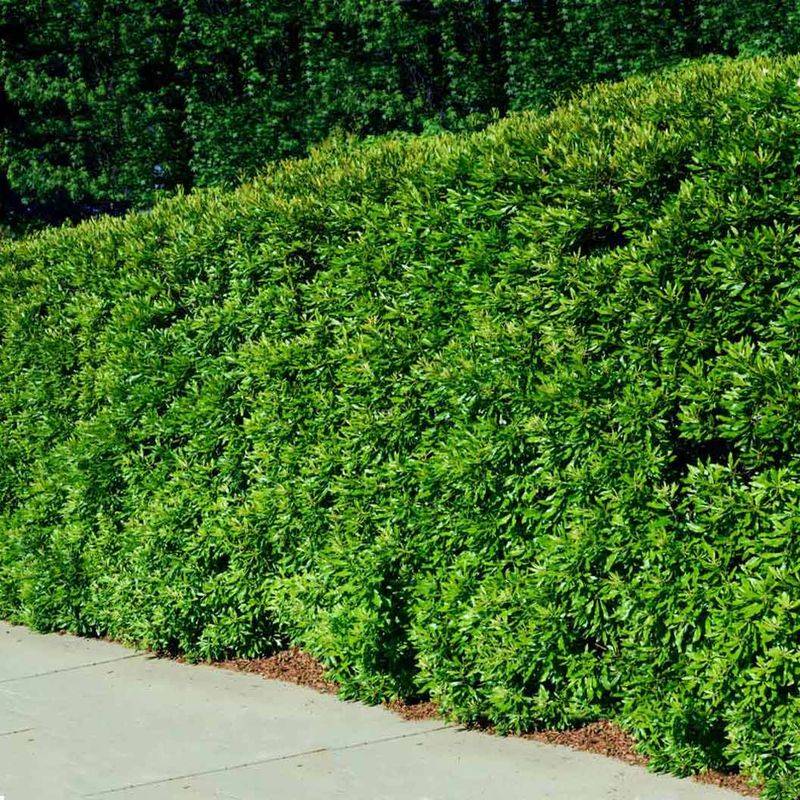
A bird eating on open ground is a bird that is easy to spot, so juncos tend to stay close to shelter. Dense evergreens and shrubs give them a quick place to duck when a hawk or cat appears.
They also break winter wind.
NC State Extension’s winter guidance recommends dense cover near food and water. It lists native pines, American holly, yaupon, wax myrtle, and eastern redcedar as examples.
Not every one fits every yard, though. Yaupon and wax myrtle are common on the coast, while mountain yards may lean toward pines or other plants suited to their elevation, so see NC State’s native plant resource for regional fit.
If you put out a feeder, the same guidance suggests placing it within 10 feet of dense cover. It also advises avoiding spots where cats can stalk birds or where window collisions are likely.
As a quick check, stand where you plan to feed and look around. Is there a thick shrub close by?
Is there a clear approach for a cat, such as a bare fence line or a low porch? Moving a feeder a few feet can matter more than adding anything new.
White millet is an optional backup
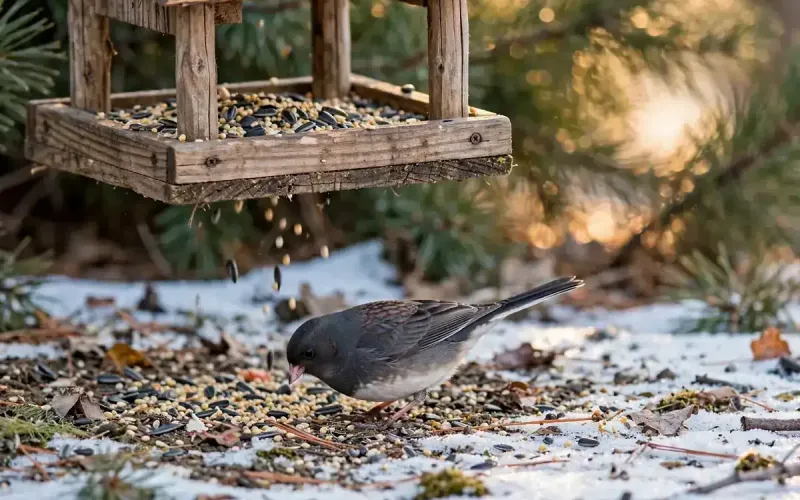
Feeding is a choice, not a requirement. Natural seeds, ground space, and cover are the foundation, and plenty of juncos get by on yards that never see a feeder.
If you want a backup, NC State Extension recommends white millet for juncos and other ground-feeding birds. Scatter it on the ground beneath shrubs, brush, or plant clippings, where the birds can eat with cover overhead.
A small amount at a time works well.
Keeping feeders clean matters as much as what goes in them. The same NC State Extension guidance says to clean feeders every two to three weeks to reduce disease transmission.
A simple reminder on your phone helps.
One more practical tip: put ground feed well away from foot traffic and pet areas. Seed left in the open can also draw rodents, so offer only what the birds will finish in a day or two.
Read the visit as a prompt, not proof
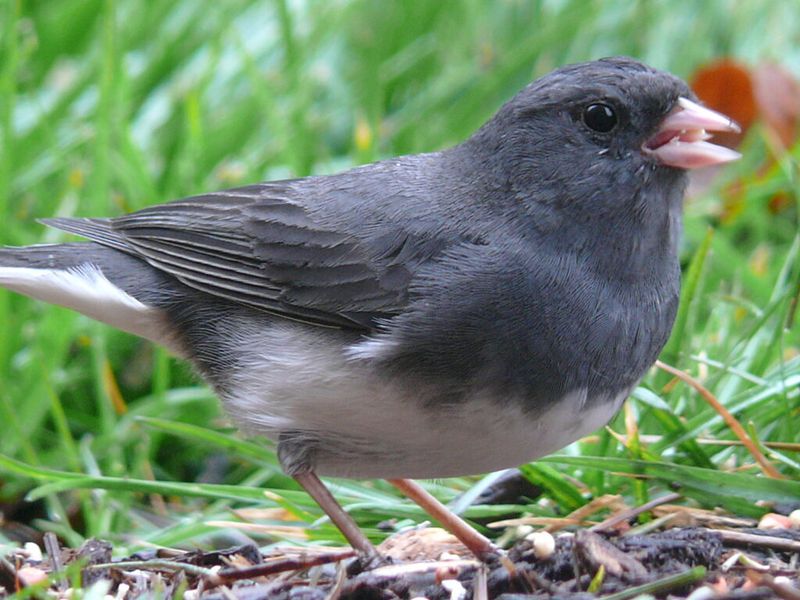
A junco at your door is a nudge to check what your yard offers in winter. Cornell’s life history notes describe a seed eater that works the ground, and NC State’s winter advice adds the need for nearby cover.
Ask yourself if seed, open ground, and shelter are still there, then keep a few native seedheads and a small leaf patch where they suit your region, away from busy borders. None of it guarantees a visit.
Juncos will come and go on their own schedule, and a good yard simply gives them a reason to linger.