
Broad Fall Pruning Can Remove Potential Buds on Some Hydrangeas, So Check Yours First
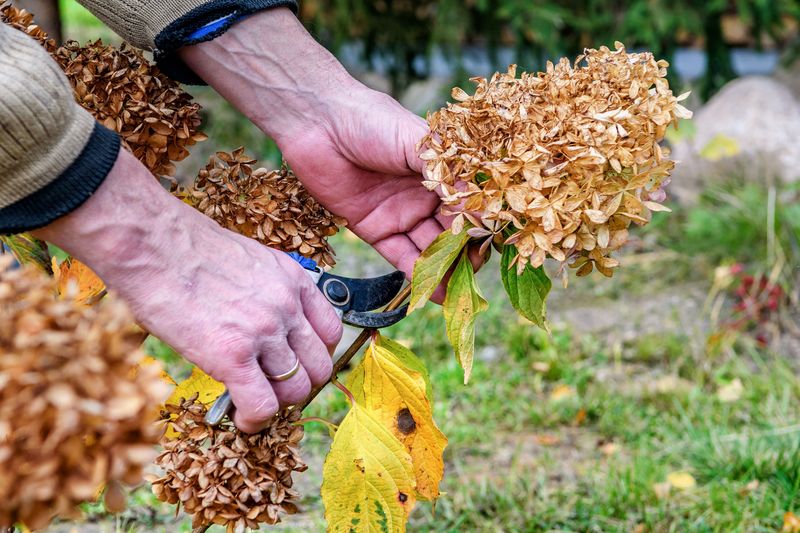
You walk out to tidy the garden on a crisp fall day, shears in hand, and the hydrangea looks a little scraggly. Before you cut, know that some hydrangeas have already packed next summer’s flower buds onto their stems.
Trimming the wrong plant at the wrong time can mean fewer blooms. A quick check of what you are growing tells you whether to prune, protect, or simply wait.
Fall pruning can cost some hydrangeas next summer’s flowers
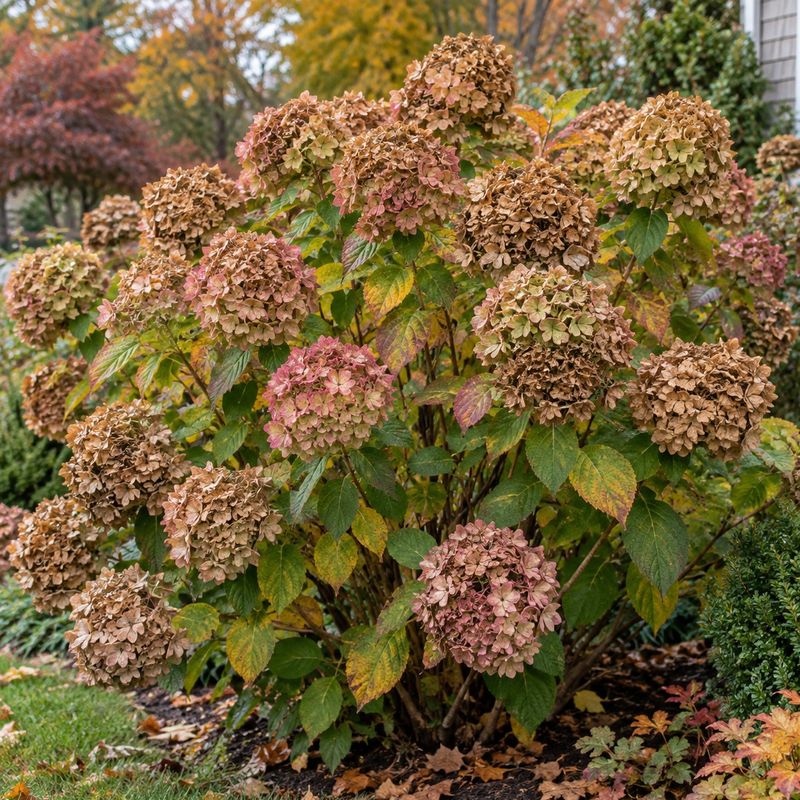
Some hydrangeas plan ahead. Bigleaf, mountain, and oakleaf hydrangeas form next season’s flower buds on older stems during the growing season, so those buds are already sitting on the branches by fall.
That is why a tidy-up with the shears can backfire. According to University of Maryland Extension pruning guidance, these old-wood bloomers are best pruned just after they flower, not in fall.
Cutting stems after buds have formed can mean fewer flowers or none at all.
This warning applies to some hydrangeas, not every type. Other kinds bloom on new growth and follow a different schedule, which the next section covers.
If you cannot say for sure which hydrangea you have, the cautious move is simple: do not broadly cut back or shape it in fall. Leaving the stems alone costs you nothing, and you can decide what to do once spring growth appears.
Pruning is only one piece of the puzzle. Winter weather and growing conditions also shape how well a hydrangea blooms, so skipping the shears reduces one risk without promising a perfect show.
Think of it as protecting your options while you figure out what you are growing.
Which hydrangea do you have?
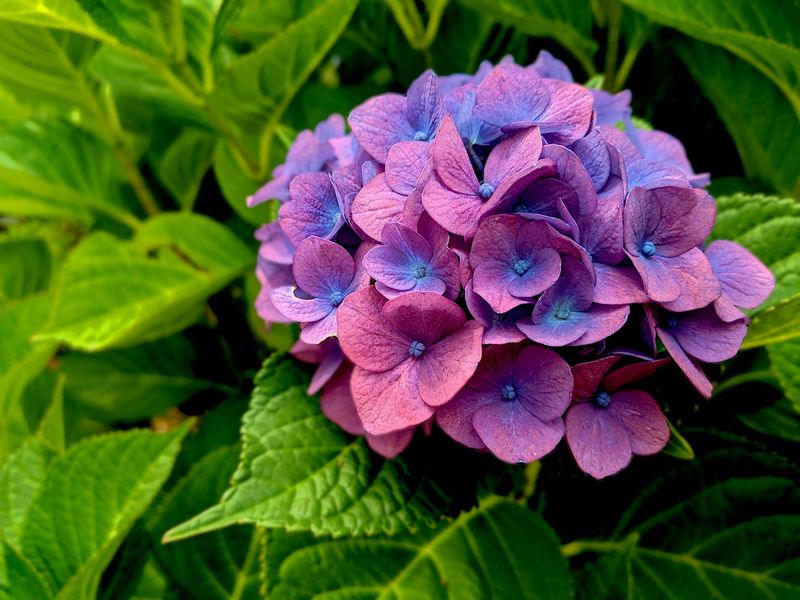
Identifying your plant is the best step before any pruning. Bigleaf, mountain, and oakleaf hydrangeas flower on older stems.
Smooth hydrangeas, such as ‘Annabelle,’ and panicle hydrangeas flower on new growth.
A few visual clues can help. Oakleaf hydrangeas have leaves shaped like oak leaves.
Panicle hydrangeas produce cone-shaped flower clusters. Bigleaf types commonly carry rounded mophead blooms or flatter lacecap blooms, as described in Maryland Extension’s hydrangea pruning page.
Keep in mind that these clues will not pin down every cultivar. Garden centers sell many hybrids, and a plant that came without a tag can be tricky.
The grouping matters because new-wood bloomers do not depend on dormant buds sitting on last year’s stems. Their flowers come from growth made this season, so they can generally be pruned in late winter or early spring.
A handy habit is to take a photo of the leaves and blooms next summer and write the type on a plant label. Next fall, you will know exactly where you stand.
Until then, an unidentified shrub gets the hands-off treatment.
A spent flower is not the same as a cut-back stem
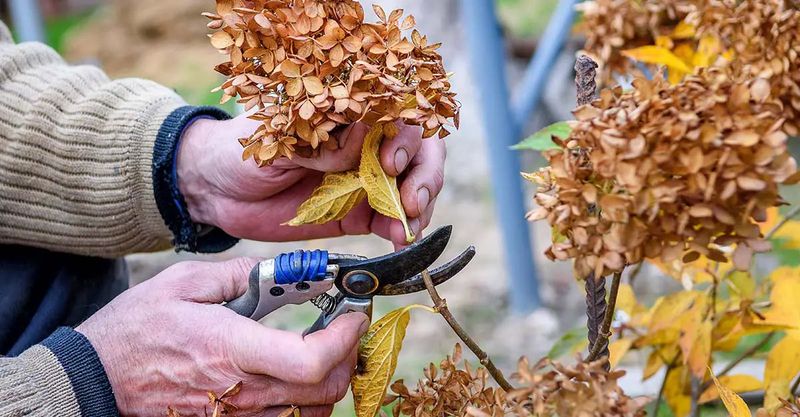
Fall cleanup raises a fair question: what about the faded flowers? Removing a spent bloom is different from cutting a stem back.
Maryland Extension says tip-only deadheading can be done any time after flowers fade, as long as the cut removes only the spent flower at the branch tip. Farther down the stem, dormant buds may be waiting for next season.
A cut there can take potential flowers with it.
So the location of the cut matters more than the act of cutting. Snipping just the flower is a light touch, while shortening the branch is a bigger decision.
If you are not sure where the tip ends and the buds begin, or you cannot identify the plant, leave the stem alone until spring. Waiting rarely hurts, and guessing can.
One more note: leaving dried flowerheads on the plant should not be treated as a reliable way to shield buds. Some gardeners leave them for looks, and that is fine, but do not count on them as protection.
Winter can damage buds even if you did not prune
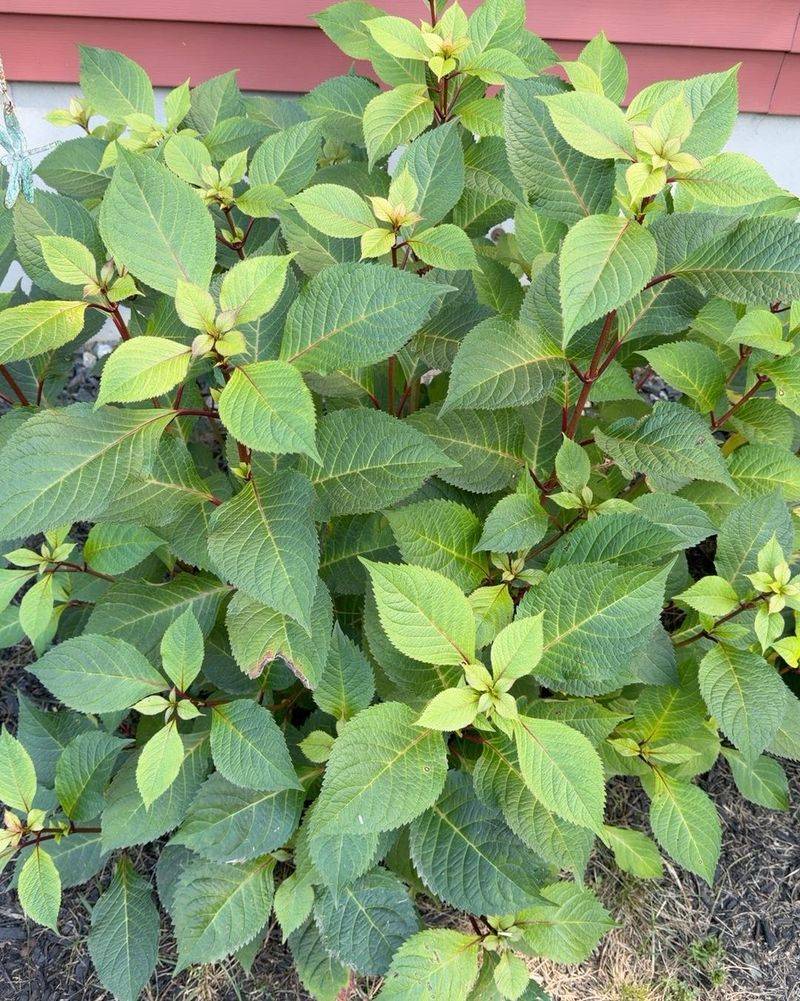
A leafy hydrangea with no flowers is frustrating, and it is tempting to blame your own pruning. The cause is not always that simple.
According to UNH Extension’s bigleaf hydrangea guide, cold and drying winter conditions can kill bigleaf hydrangea buds, leaving a healthy-looking plant with few or no blooms.
Other things can get in the way too. University of Georgia Extension lists winter bud injury, too much shade, excess nitrogen fertilizer, and pruning at the wrong time among the reasons bigleaf hydrangeas fail to flower.
Because several causes look the same, a flowerless plant alone cannot tell you what went wrong. Think about the clues: how much sun it gets, whether you fertilize heavily, how cold the winter was, and when you last pruned.
Reblooming cultivars add another wrinkle. Some may flower on new growth after old-wood buds are lost, but results vary by cultivar and winter conditions.
UNH cautions that even some marketed rebloomers may flower inconsistently after a severe winter.
Protect vulnerable bigleaf buds only where winter calls for it
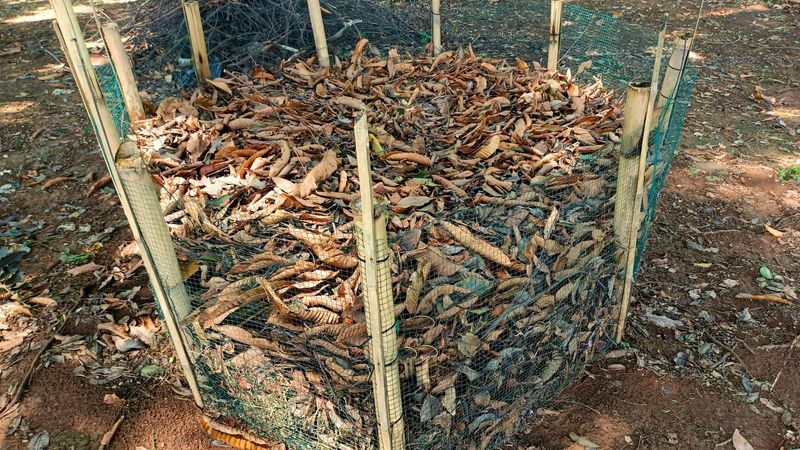
In places with harsh winters, some gardeners shelter their bigleaf hydrangeas. The method is low-tech: build a mesh or chicken-wire cage around the shrub and fill it with fallen leaves.
The leaves may insulate the buds from cold.
UNH Extension describes this as useful for bigleaf hydrangeas in New Hampshire, but notes it may not work every time. A cage cannot guarantee that buds survive.
It is also not a required chore. Plenty of hydrangeas, including new-wood bloomers, do not need it, and milder regions may not need it at all.
Treat it as an option for vulnerable bigleaf plants where winters are challenging.
The timing at the other end matters just as much. UNH advises removing the protection when buds begin to expand in spring, as explained in its Endless Summer hydrangea winter care answer.
If you try it, keep notes on the winter’s temperatures and how the plant responded. That record helps you decide next year whether the effort was worth it for your yard.
Wait for spring growth to show what survived
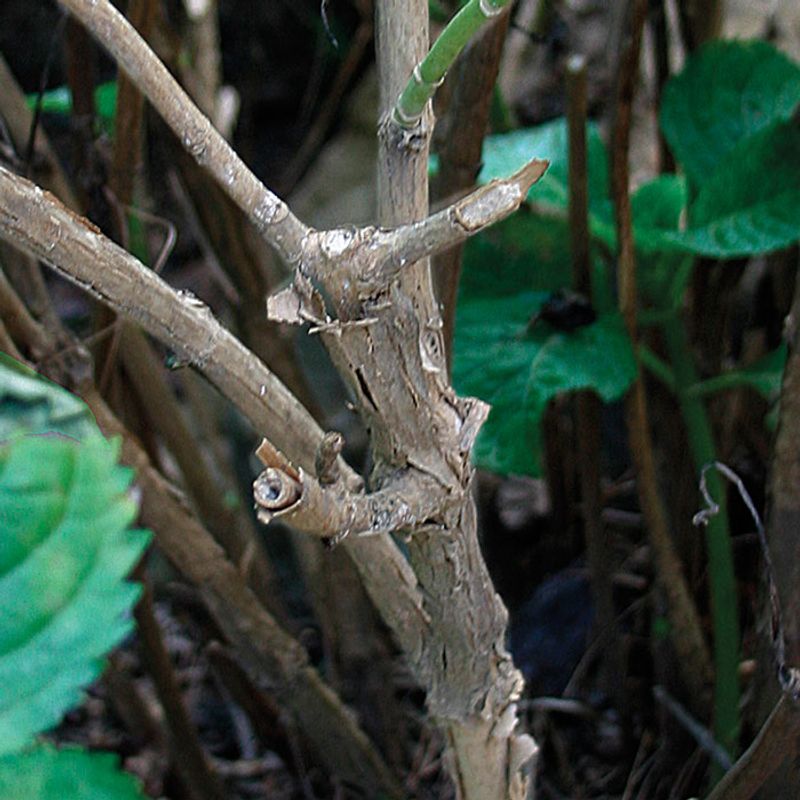
Spring is when a hydrangea tells you what happened over winter. New growth helps reveal which stems and buds made it, so patience pays off here.
Before cutting, look the plant over. Per UNH Extension, you can remove dead stems and cut damaged stems back to live buds.
A simple check works well: live stems are green inside, while dead stems are brown. A fingernail scratch or a small snip near the tip will show you.
Resist the urge to cut early. Some stems that look rough in March may leaf out by May, and removing them too soon could take away flowers that survived.
Work from the top down, make each cut just above a healthy bud, and step back after a few cuts to look at the shape. If a stem is still undecided, give it another week or two.
When in doubt, preserve the stems until you can identify them
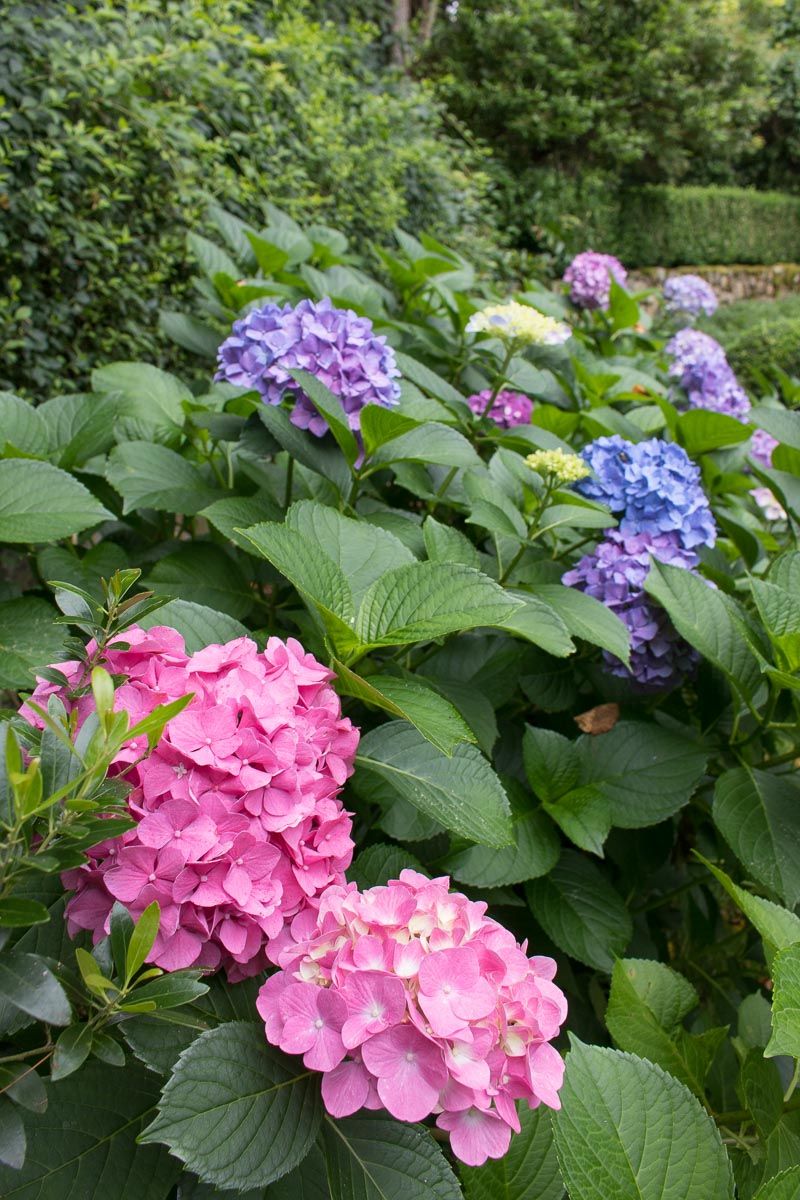
Here is the rule of thumb: identify first, prune second. If your hydrangea may be an old-wood bloomer or is still a mystery, skip broad fall cuts, and recheck after spring growth if winter damage worries you.
This follows the Maryland Extension timing and the UNH stem-check advice.
Flowers still are not guaranteed, since winter injury and growing conditions play a part. A shrub you left alone simply keeps its best chance.