
If Your Potted Geraniums Stopped Blooming, These 16 Feeding Habits Bring The Flowers Back (+2 Tricks Pros Swear By)
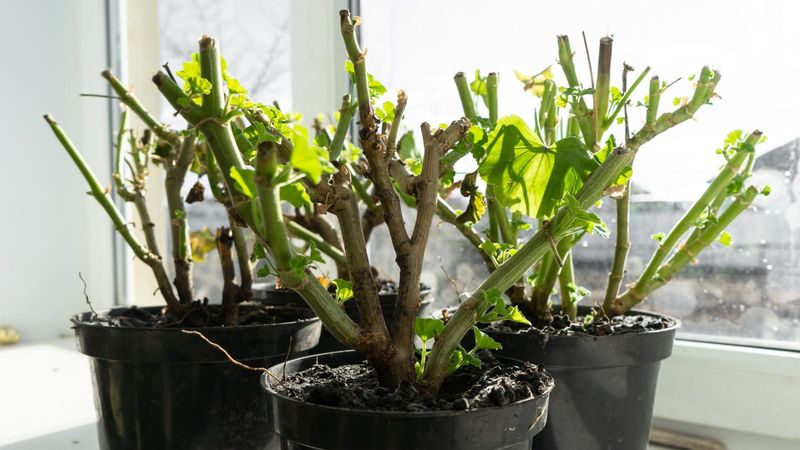
Your potted geraniums look green and healthy, but the flowers just stopped showing up. That is one of the most common worries for container gardeners, and the cause is often hiding in how the plant gets fed.
Geraniums in pots rely on you for every bit of nutrition, so small changes in feeding can make a big difference. The habits below can help wake up a stalled plant, plus two pro tricks that keep the color coming all season.
1. Prioritize Potash-Rich Fertilizers
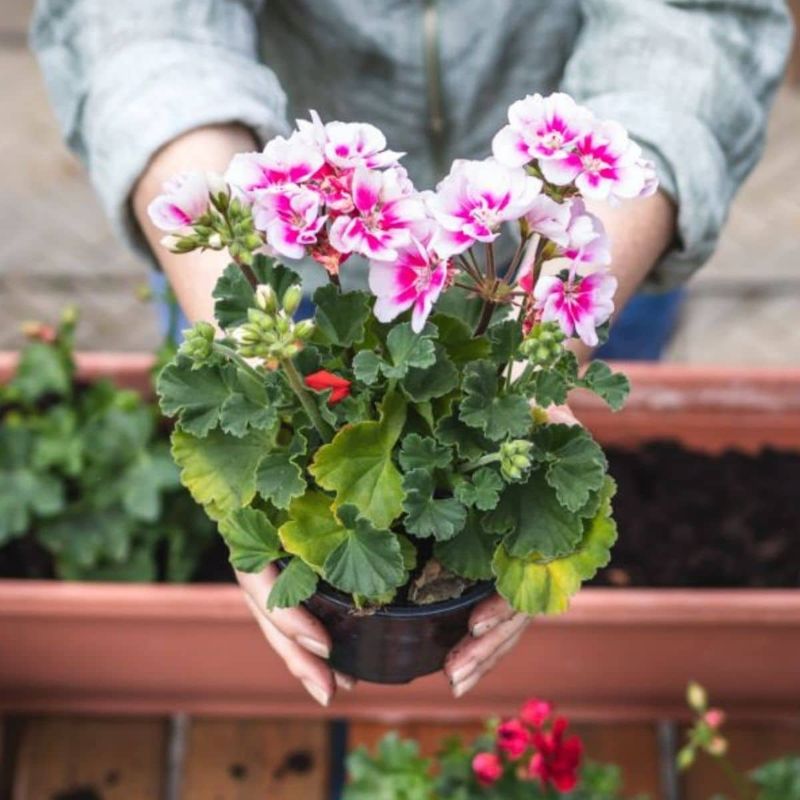
Gardeners who swap to a tomato-style feed often report a burst of buds within a few weeks. The reason is potash, also called potassium, the K in NPK.
Potassium helps geraniums move water through their stems and build the sugars that fuel flower production. Without enough of it, a plant may keep growing leaves while the buds stall out.
Look for a label where the last number is equal to or higher than the first. A feed like 4-6-8 or a liquid tomato fertilizer fits the bill nicely and is easy to find at most garden centers.
2. Avoid High-Nitrogen Formulas
Lush leaves, zero flowers. If that describes your pot, nitrogen may be the culprit.
Nitrogen pushes green growth fast. That is great for a lawn, but a geranium fed too much of it puts its energy into foliage instead of blooms.
Lawn food, all-purpose leafy formulas, and heavy manure can all tip the balance.
Check the first number on your fertilizer bag. If it is much higher than the other two, set it aside for the grass and pick a bloom-friendly blend for your containers instead.
3. Start the Season With a Balanced Fertilizer
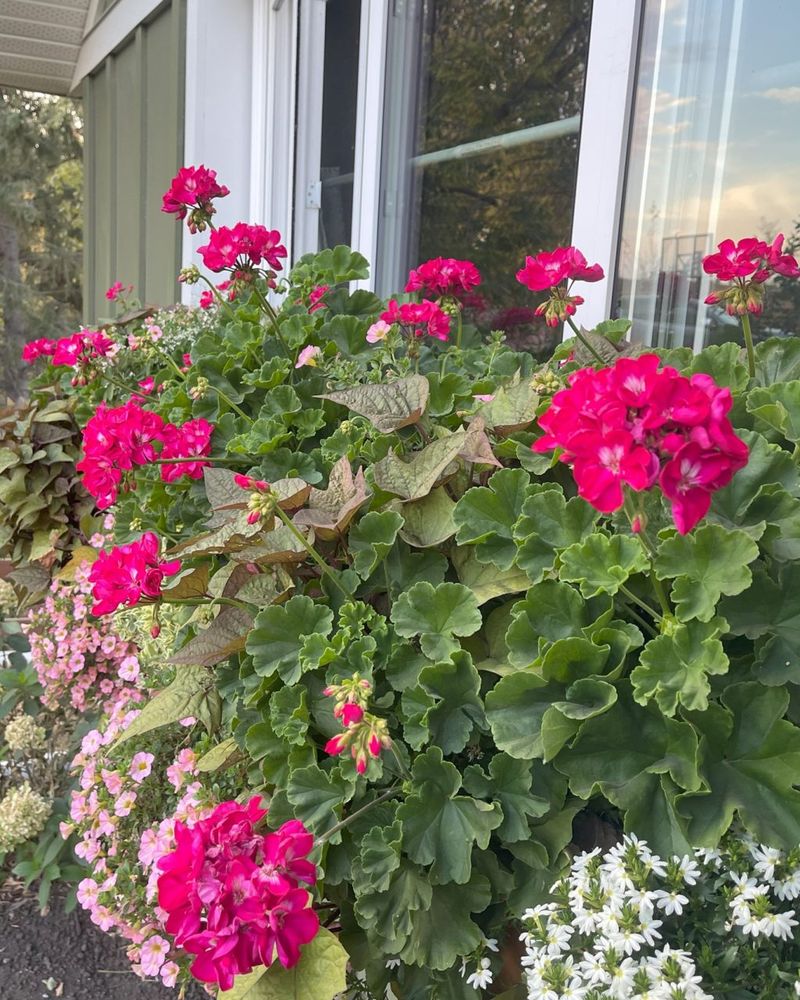
Spring geraniums are a bit like kids heading back to school. They need a solid, well-rounded breakfast before they can do anything impressive.
Early in the season, a balanced water-soluble fertilizer such as 10-10-10 or 20-20-20 supports roots, stems, and leaves all at once. Strong framework now means more places for flowers to form later.
Use it for the first few weeks after planting or bringing plants outdoors. Once you see buds forming, you can shift gears toward bloom-boosting formulas.
4. Switch to High-Phosphorus Once Buds Form
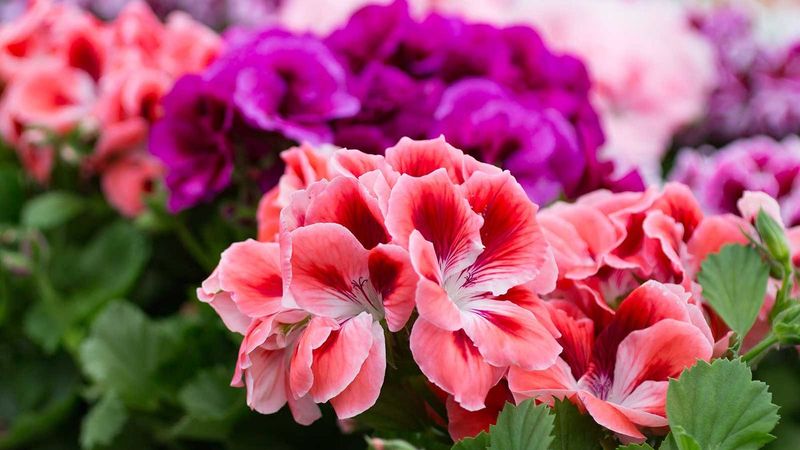
Here is the mid-season pivot many gardeners skip. When your geraniums hit their flowering stride, phosphorus becomes the star.
A bloom booster like 15-30-15 has a bigger middle number, which supports bud development and flower production. Using it during peak season can help a plant set more clusters.
Do not overdo it, though. Follow label rates, and if your plant looks great on a potash-rich feed, there is no need to change what works.
5. Try a Geranium-Specific Liquid Feed
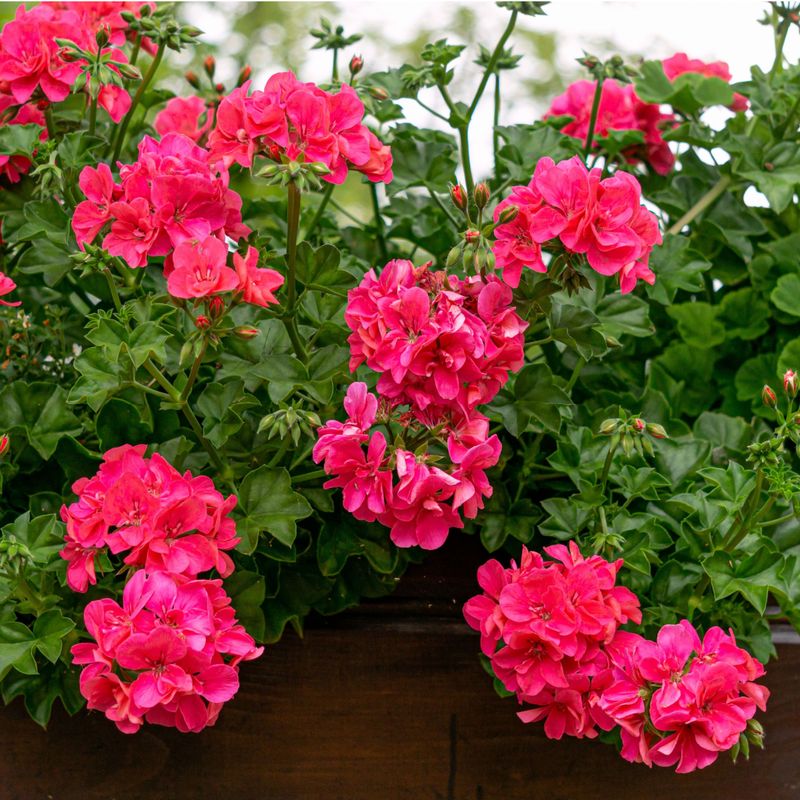
Some products are made with geraniums squarely in mind. Specialty liquids, like geranium and patio plant feeds with a ratio around 4-6-8, are mixed to favor flowers over foliage.
Reviewers often mention fuller flower heads after switching. The appeal is simple: you do not have to guess at ratios because the work is already done.
If you have tried random fertilizers with little luck, a targeted formula is an easy experiment. Just measure carefully, since liquid concentrates are strong.
6. Use Slow-Release Granules for Busy Weeks
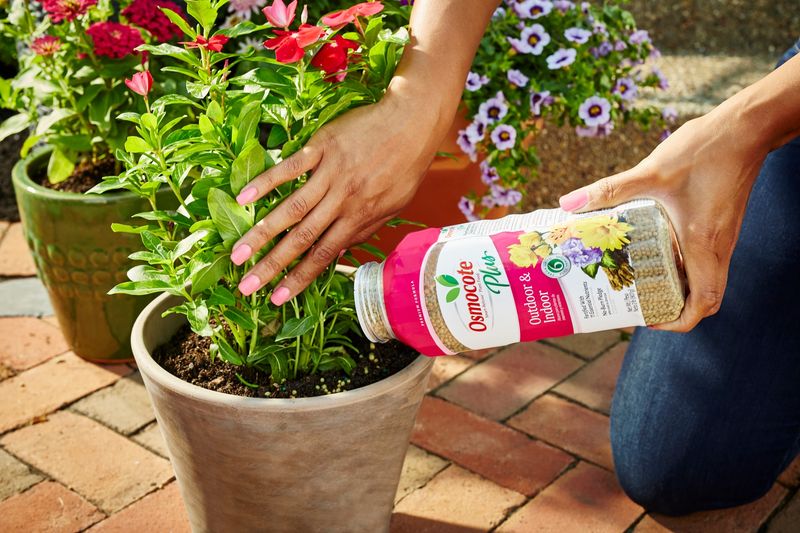
Life gets busy, and feeding schedules slip. Slow-release granules are a safety net for that exact problem.
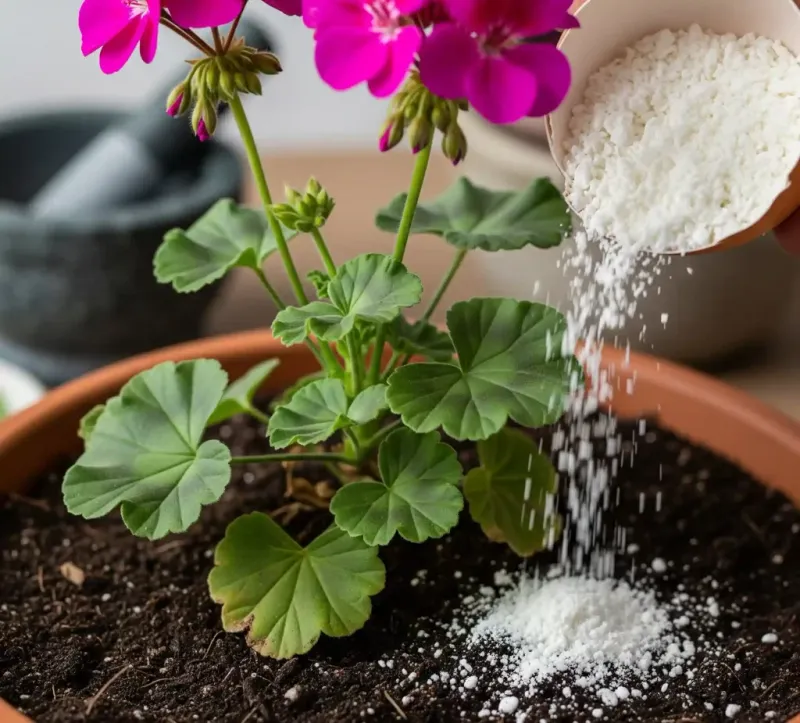
Products such as Osmocote Smart-Release, around 9-6-12, feed a little each time you water. One spring application can cover months of steady nutrition for both annual and perennial geraniums.
Sprinkle the pellets on the soil surface or mix them into the top inch. You can still add an occasional liquid feed in summer if the plant looks tired, but go easy.
7. Feed Consistently From May Through October
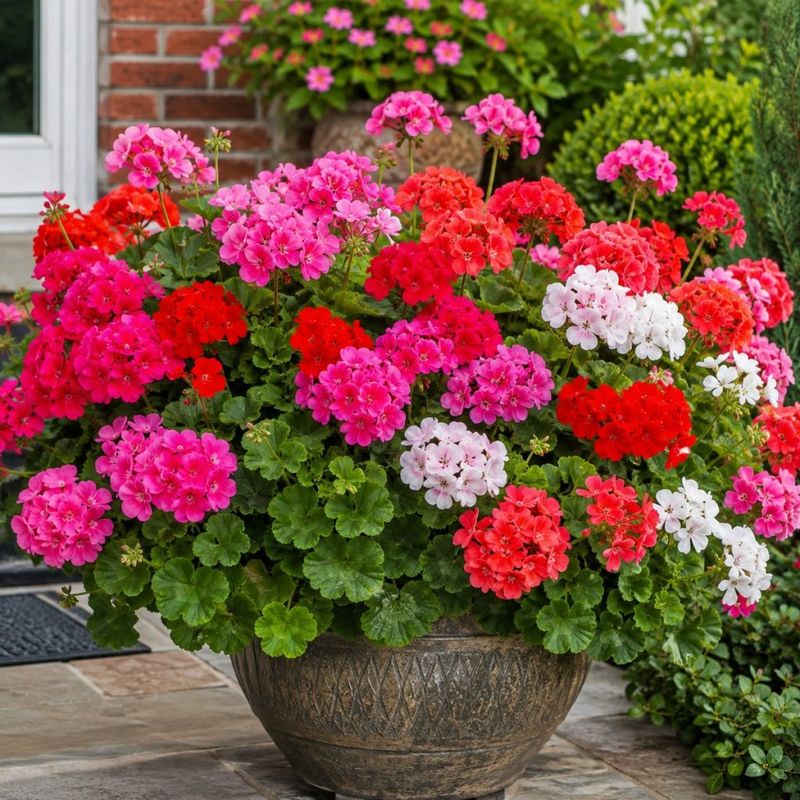
Container soil runs out of food faster than you might think. Every watering washes some nutrients out the drainage holes.
Annual geraniums, or pelargoniums, do best with regular feeding through the entire growing season, roughly May through October in most of the US. Stopping in July is a common reason plants fizzle by August.
A simple trick is to tie feeding to something routine, like the first weekend of the month or trash day. Consistency matters more than perfection.
8. Give Liquid Fertilizer Every 2-4 Weeks
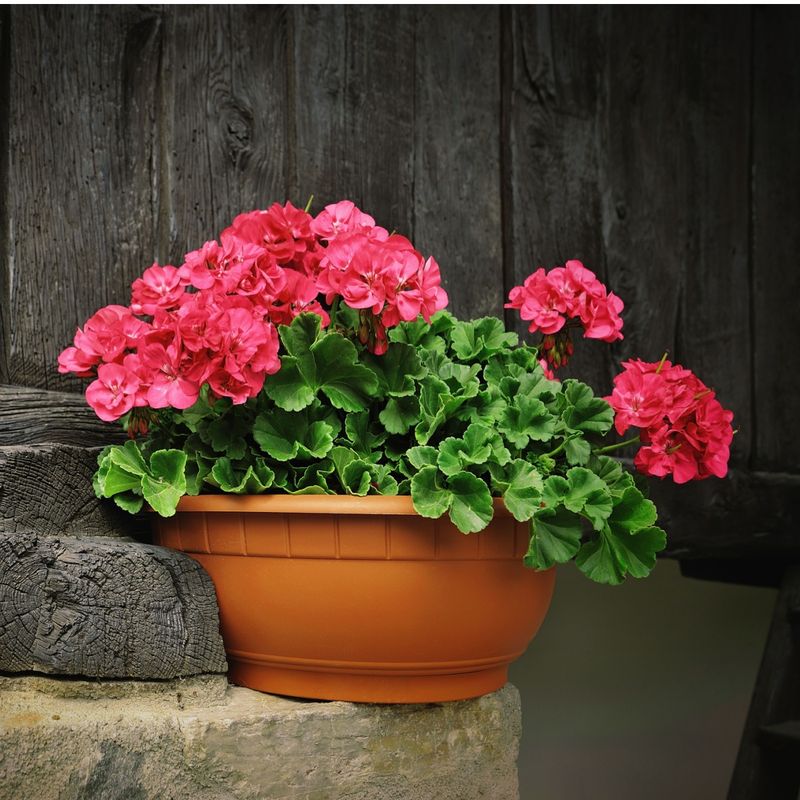
Two to four weeks. That window is the standard rhythm for full-strength liquid fertilizer on potted geraniums.
Hot weather and small pots lean toward the shorter end because they need more frequent watering. Large containers with rich soil can usually wait closer to a month.
Watch your plant as a guide. Pale leaves and slow growth suggest it is hungry, while lots of leaves but few flowers may mean you can stretch the gap.
9. Go Half-Strength Weekly Instead
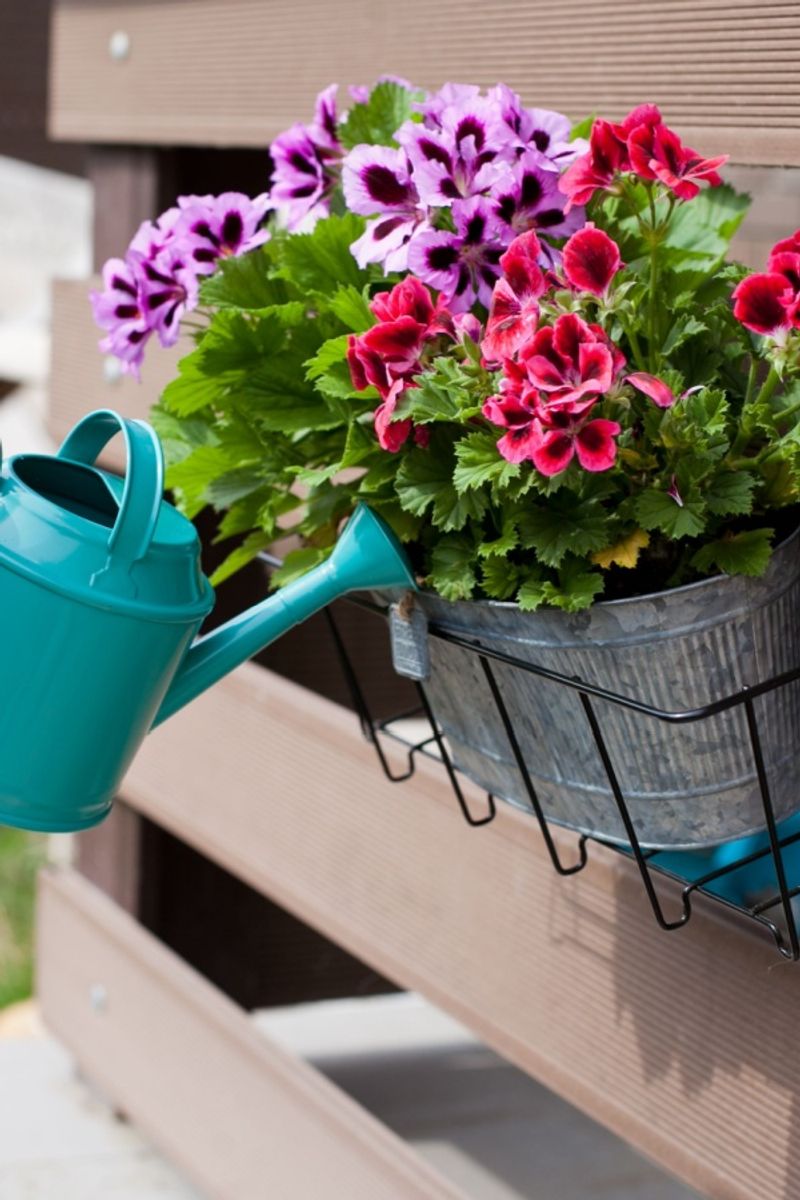
Plenty of seasoned growers swear by a weakly, weekly approach. Instead of one big dose, they use half the label strength every 7 to 10 days.
The benefit is steady nutrition without the spikes that can burn roots or leave salt buildup. Geraniums respond well to this even supply, especially in hanging baskets that dry out fast.
Just mix half the recommended amount into your usual watering can. It is an easy habit that can reduce the risk of overfeeding.
10. Wait for New Growth on Overwintered Plants
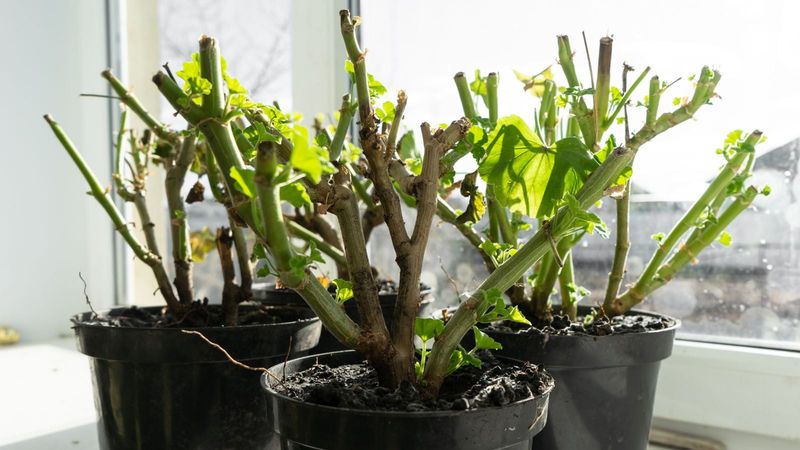
Overwintered geraniums sit in a sleepy, slow state indoors. Feeding them during that rest does more harm than good, since roots cannot use the extra nutrients.
Hold off until you see fresh leaves and new stems in late winter or early spring. That is the plant telling you it is ready to eat again.
Start with a diluted balanced feed, then build up as days lengthen. By the time they move outside, they will be primed to flower.
11. Water Deeply After Granular Feeding
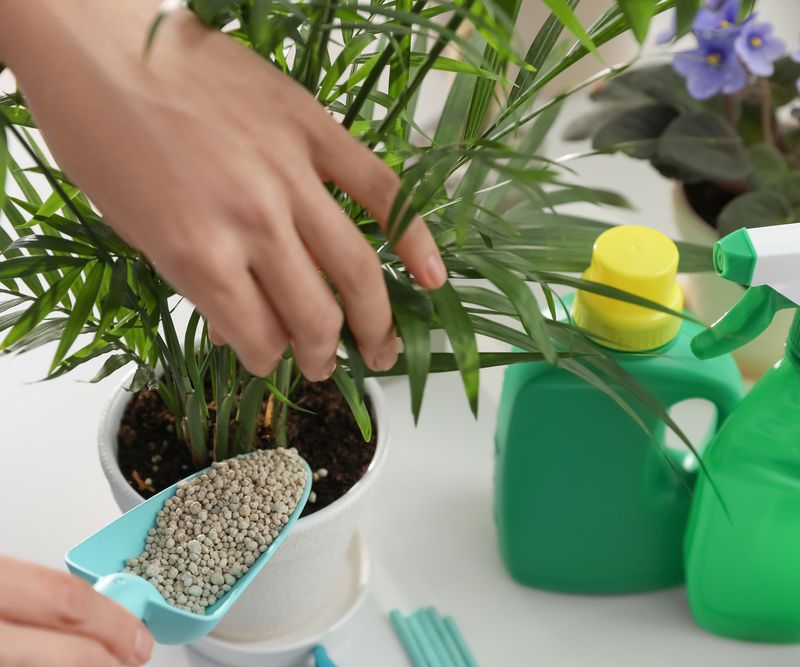
Granules sitting on dry soil are not doing much. Worse, they can scorch roots if they dissolve in concentrated pockets.
After applying granular fertilizer, give the pot a thorough soak until water drains from the bottom. This carries nutrients down to the root zone where they belong.
Make it a two-step habit: sprinkle, then water. It takes thirty extra seconds and protects your investment.
12. Flush Out Fertilizer Salts
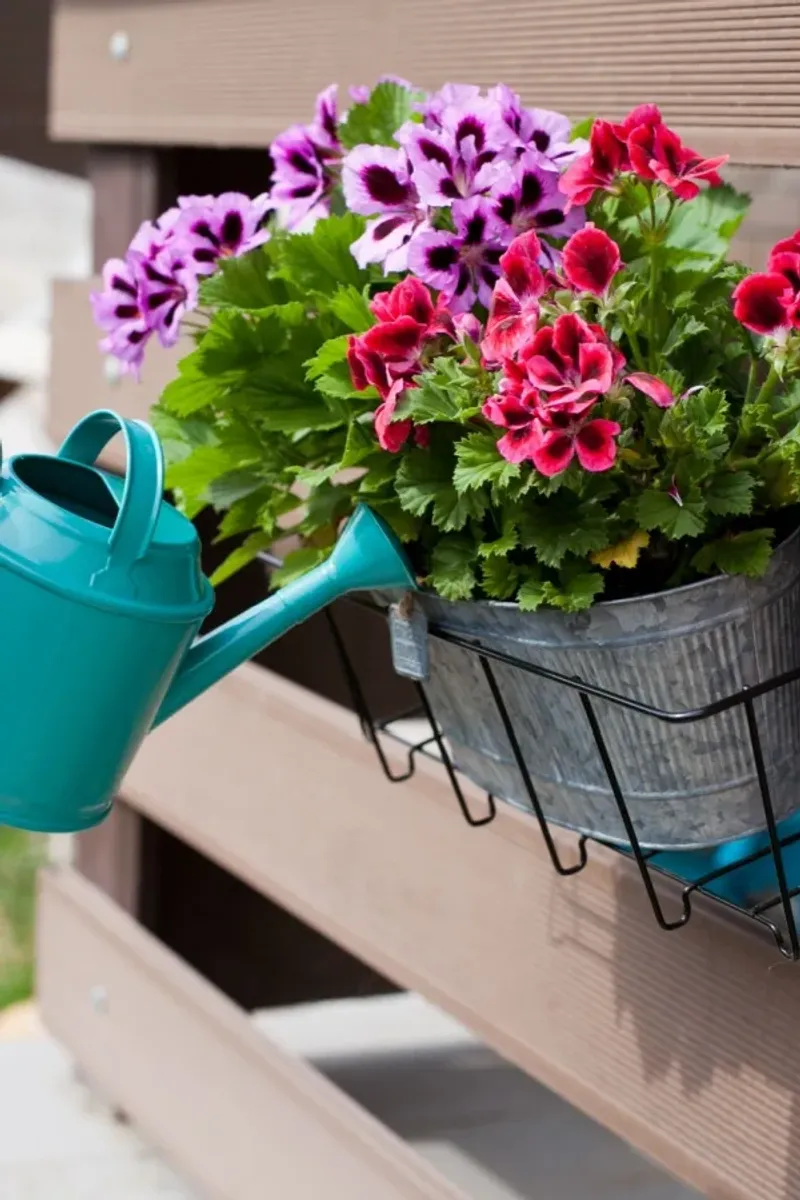
Ever notice a white crust on the rim of a pot? That is fertilizer salt, and it can quietly sabotage blooms.
Salts build up when liquid feeds are used often and water does not drain through. Over time, they can make it harder for roots to take up water, leading to brown leaf edges and fewer flowers.
Every month or so, water slowly and heavily so plenty runs out the bottom. That flush can help reset the soil and give roots a cleaner start.
13. Aim Fertilizer at the Soil, Not the Leaves
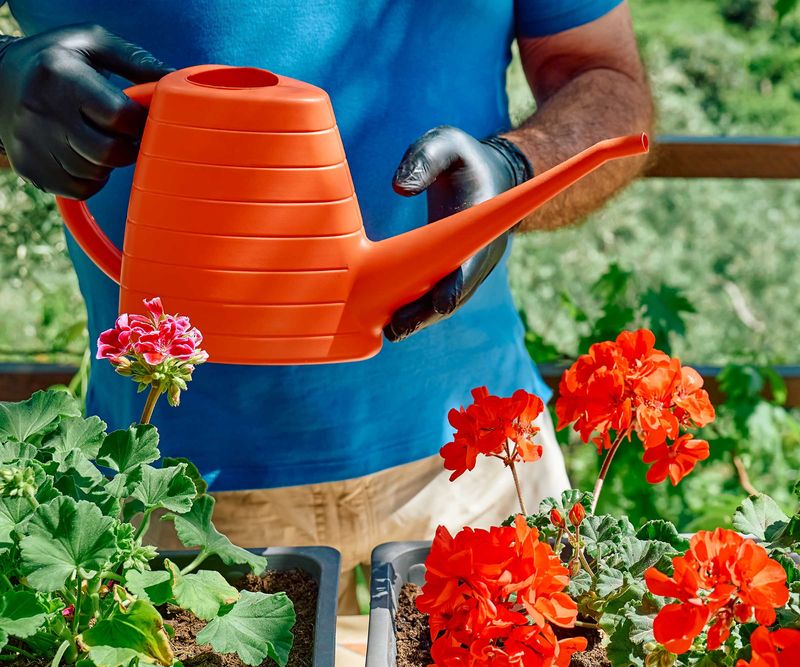
Splashing fertilizer over the whole plant might feel generous. Geraniums, however, prefer their meals delivered to the roots.
Fertilizer on leaves and petals can leave spots or burns, and wet foliage may invite fungal problems. Pour gently at the base, near the soil line, so nutrients go straight where the plant absorbs them.
A watering can with a long spout makes this easy, even in crowded window boxes.
14. Measure Concentrates Carefully
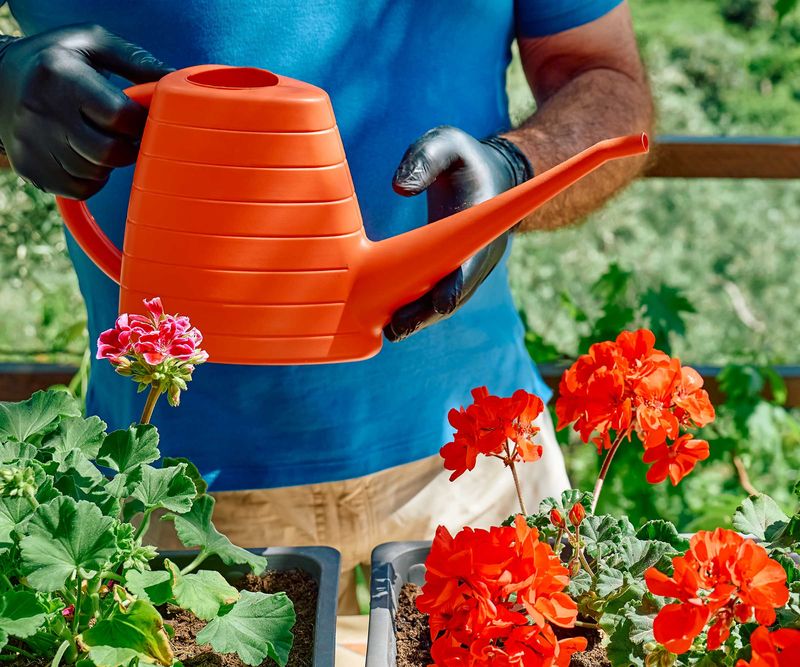
A little extra is not a bonus. With concentrated fertilizer, eyeballing the dose is one of the fastest ways to burn a geranium.
Read the label and use a real measuring spoon or cap. Too much can scorch roots, causing crispy leaf edges and a plant that stops flowering while it recovers.
If you ever accidentally overdose, flush the pot with plenty of plain water right away. That may limit the damage.
15. Top-Dress With Organic Compost
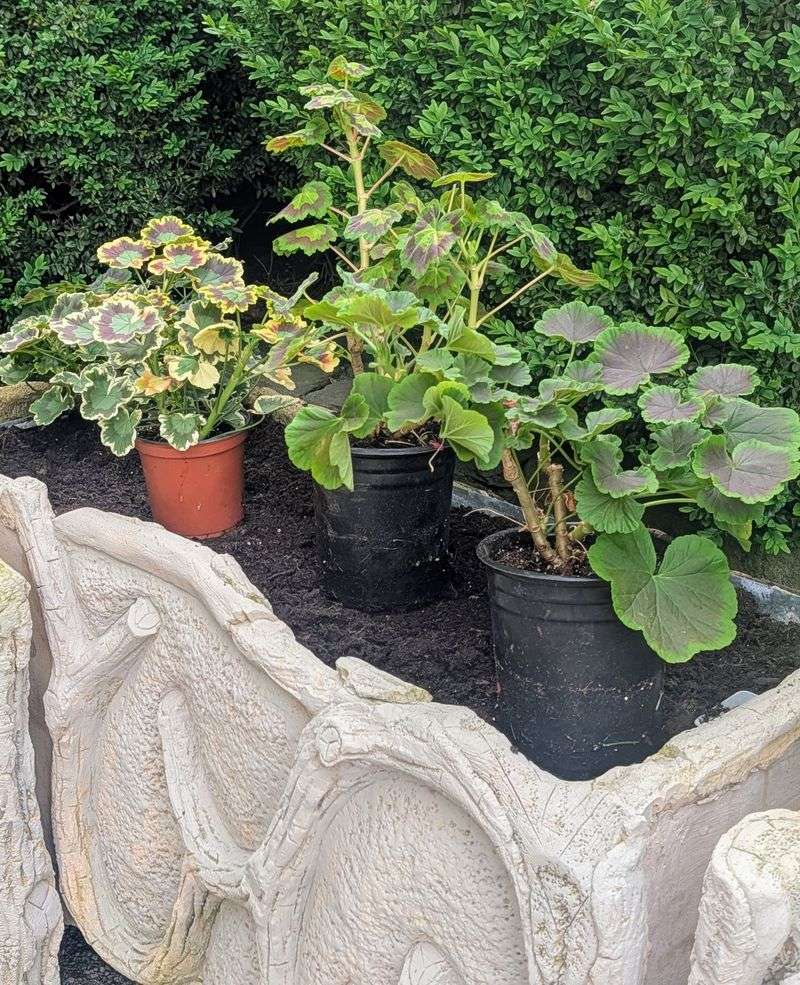
Old-school gardeners have relied on compost forever, and for good reason. A thin layer on top of the potting mix feeds the soil slowly and gently.
In spring, spread about half an inch of quality compost around your geraniums. It releases nutrients over time and can improve how the mix holds moisture.
Compost is not a full replacement for fertilizer in pots, but it makes a nice foundation. Keep it away from the main stem to avoid rot.
16. Read the Leaves for Hunger Clues
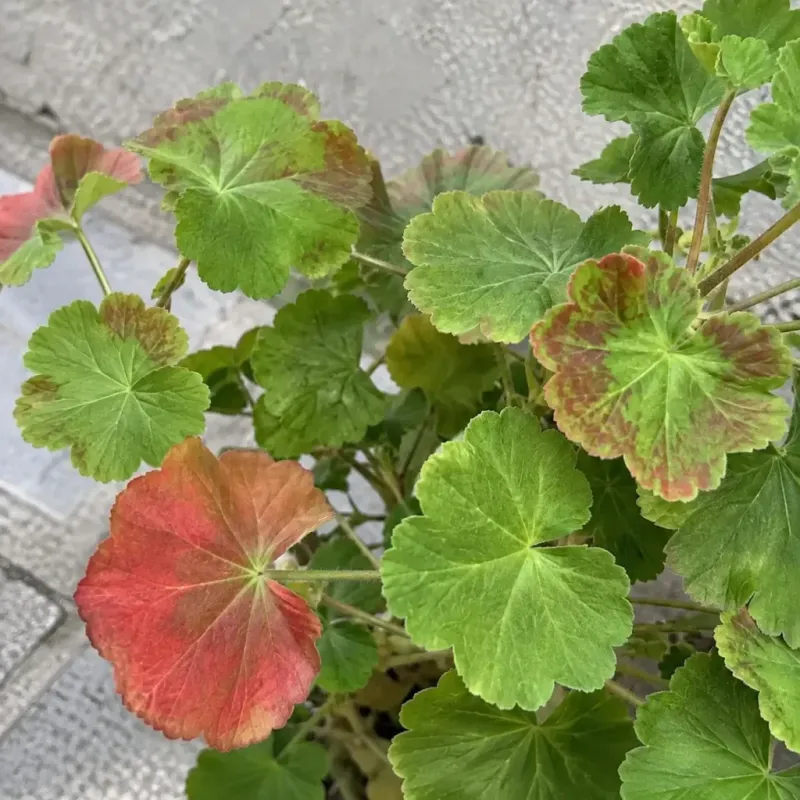
Your geranium is always talking. The leaves are where it speaks the loudest.
Pale yellow or light green leaves and slow growth often point to a nitrogen shortage. Dark green leaves with reddish or purple tints can suggest the plant needs more phosphorus.
Keep in mind that cold nights can also cause reddish leaves, so check the weather first. Adjust feeding gradually and watch how new growth responds.
17. Pro Trick 1: Deadhead Like Clockwork
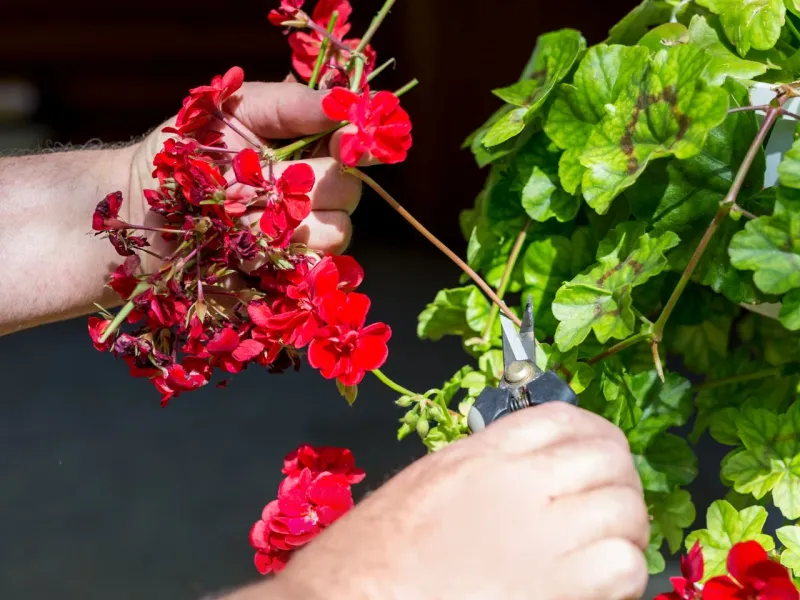
Ask any professional grower their number one bloom secret, and deadheading will come up. Spent flowers signal the plant to make seeds, which steals energy from new buds.
To do it right, follow the faded flower stalk down to where it joins the main stem. Snap or snip it off at that node, not just the petals.
Check your pots every few days, or even daily during peak season. Fed geraniums plus regular deadheading is a combination that can keep flowers coming until frost.
18. Pro Trick 2: Prune for a Bushier Plant
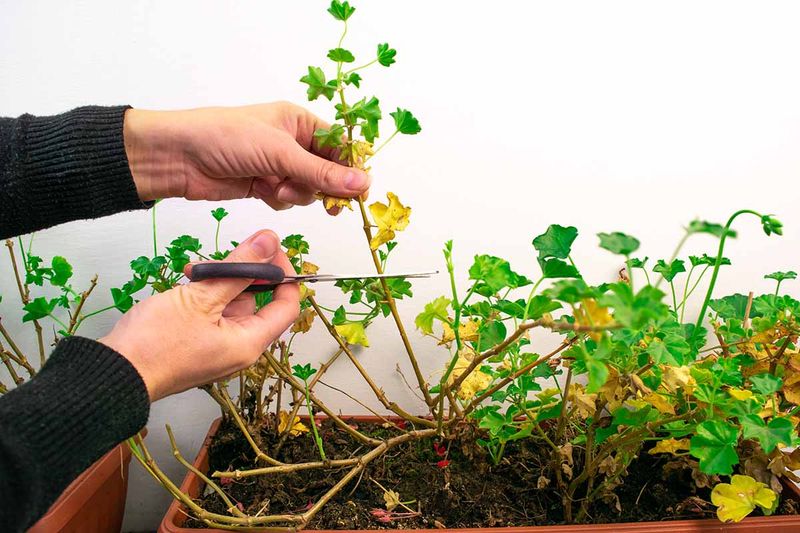
Leggy, stretched-out stems make fewer flowers. Pruning resets the shape and creates more branch tips, and every tip is a chance for a bloom.
Pinch the tips of young plants to encourage branching. For older, gangly geraniums, cut stems back just above a leaf node.
If they are very leggy, you can go down to about 6 inches.
Follow up with a light feed so fresh shoots have fuel. In a few weeks, you should see a fuller plant ready to flower again.