
Take Rosemary Cuttings Before Outdoor Cold Hits to Try Saving Your Plant Indoors
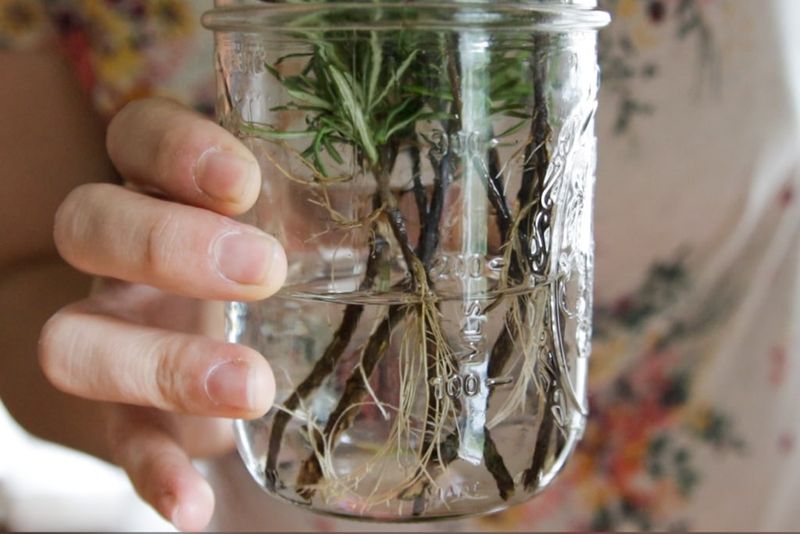
Your rosemary may look tough, but a cold snap can still damage the stems you were counting on for next year. Taking a few cuttings in fall is one way to try keeping a copy of your plant safe indoors.
It takes some patience, and not every cutting will make it. Here is a simple way to give it a fair shot.
Fall is a viable time to take cuttings, not a universal deadline
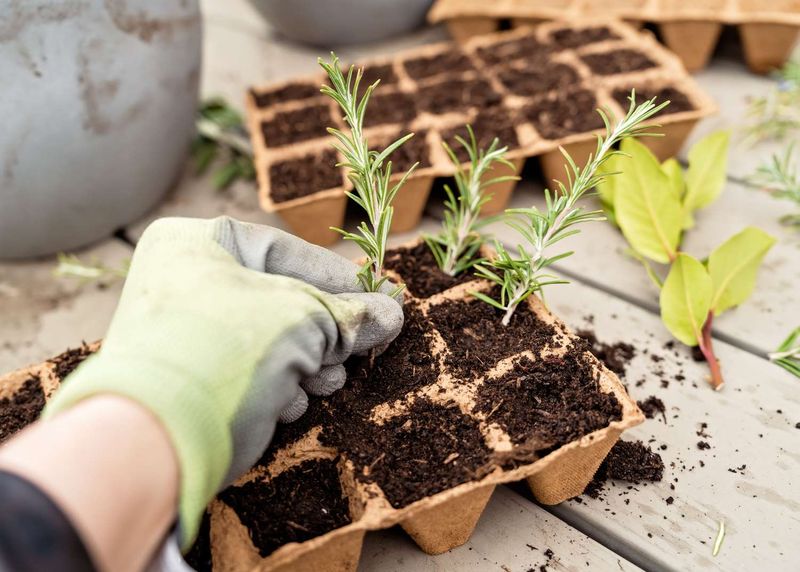
Frost is a handy reminder, not a hard deadline. If your rosemary sits outside and cold weather is coming, fall is a sensible moment to grab healthy stems before the cold has a chance to damage them.
Advice on timing really does vary. University of Georgia Extension lists fall and winter as times for semi-hardwood rosemary cuttings.
Wisconsin Extension instead recommends late spring to early summer for home propagation.
Neither answer cancels the other. Cornell Cooperative Extension also includes rosemary among the herbs you can propagate from cuttings in fall.
So fall is one workable option, and if you miss it, you can try again in another season.
Your own situation matters more than any national date. Rosemary’s cold tolerance depends on the cultivar and your local winters.
A potted plant on a patio faces different exposure than one planted in the ground, and Illinois Extension advises bringing rosemary indoors just before frost.
Check your local forecast and watch your plant. If a cold stretch looks likely, collecting a few healthy stems is cheap insurance.
Select several healthy, flower-free tips
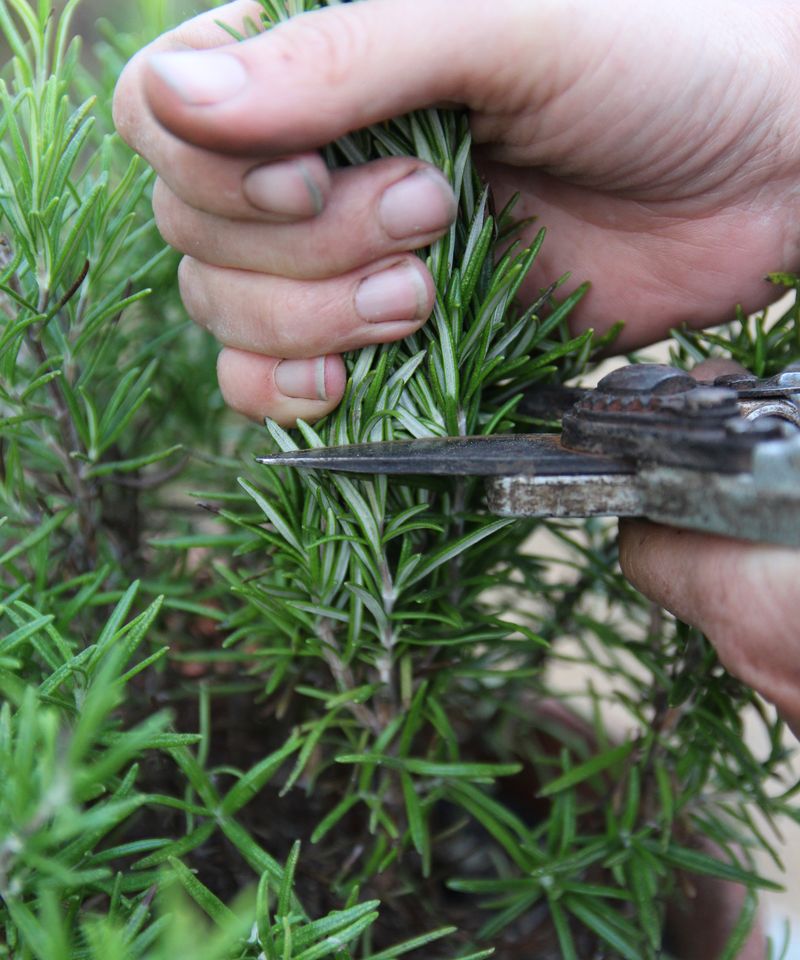
Start by looking over your plant for the best candidates. NC State Extension’s home method calls for healthy, green, straight tips about 3 to 5 inches long.
Skip any stems with flowers, since they tend to be a poorer choice for rooting.
Cut just below a leaf node, the small bump where leaves attach to the stem. Then strip the leaves from the lower part of each piece so you have bare stem to push into the potting mix.
Leaves left under the soil line can rot and cause trouble.
Snip more than you think you need. A handful of cuttings gives you backup if a few turn brown or go limp.
Five or six is a reasonable number for one small pot setup.
None of these sizes or steps guarantees a result. They simply stack the odds a bit more in your favor.
If a stem looks woody, floppy, or stressed, leave it on the plant and choose another.
Keep the cuttings from drying out while you work. Prepare them soon after cutting, and have your pots and mix ready so the stems spend little time sitting around.
Root cuttings in a humid setup without saturating the medium
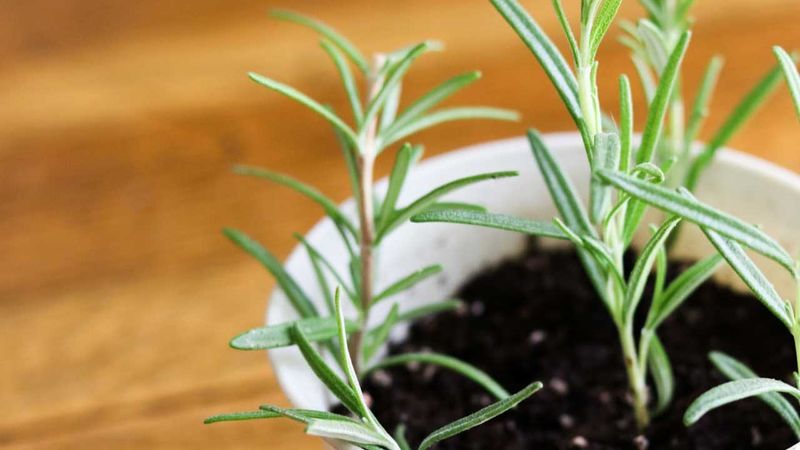
Rooting is where patience pays off. Push each bare stem into moist potting medium, then set the container where light is bright but not full sun.
Direct sun can cook a covered cutting.
A clear bag over the pot helps hold in humidity while roots form. Prop the bag up so it does not press on the leaves, and open it now and then for fresh air.
Moisture is where many people go wrong. Keep the medium damp, like a wrung-out sponge, rather than soggy.
Standing water around the stems invites rot, and rosemary is prone to it.
As for timing, NC State Extension says roots may form in 4 to 6 weeks and estimates that 30 to 50 percent of cuttings root using its described method. Those are estimates tied to that method, not promises.
Your results could be better or worse.
That is exactly why several cuttings help. If half of them fail, you can still end up with a couple of new plants.
Watch for clues. Stems that stay green and firm are good signs, while blackening or mushy bases mean that cutting is likely gone.
Remove failures so rot does not spread to the others.
Pot rooted cuttings individually before tending them indoors
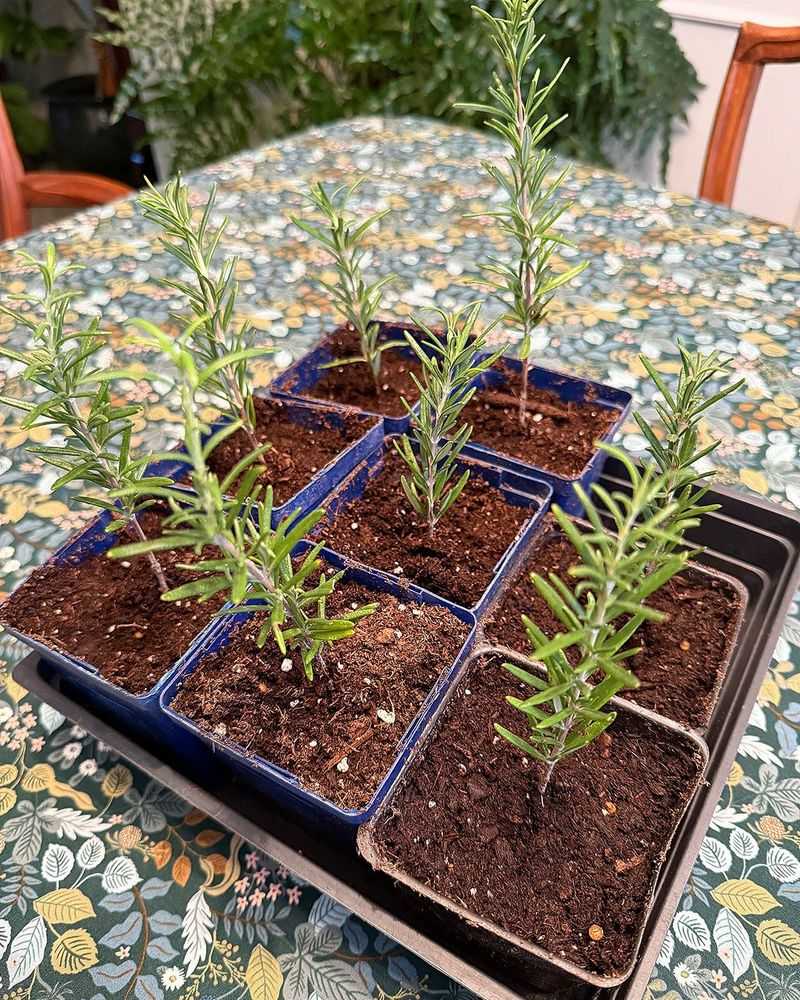
Once roots appear, you are only halfway there. Rooting and growing indoors are two separate stages, and the second one asks for different care.
Hold off on moving anything until the roots look strong. NC State Extension advises potting cuttings individually once they have strong roots.
A gentle tug that meets resistance, or roots visible at the drainage holes, are good signals.
Give each plant its own small pot with drainage holes. Sharing a pot can tangle roots and make it harder to adjust watering for each plant.
The bag comes off for good at this point. The extra humidity helped cuttings form roots, but a rooted plant sitting enclosed for weeks can invite mold and soft growth.
Open the bag gradually over a few days if the plant seems sensitive.
Do not expect to start snipping right away. A young rooted cutting needs time to settle in and build size.
Treat early weeks as recovery, and harvest only once the plant clearly has growth to spare.
Give indoor rosemary enough light and careful watering
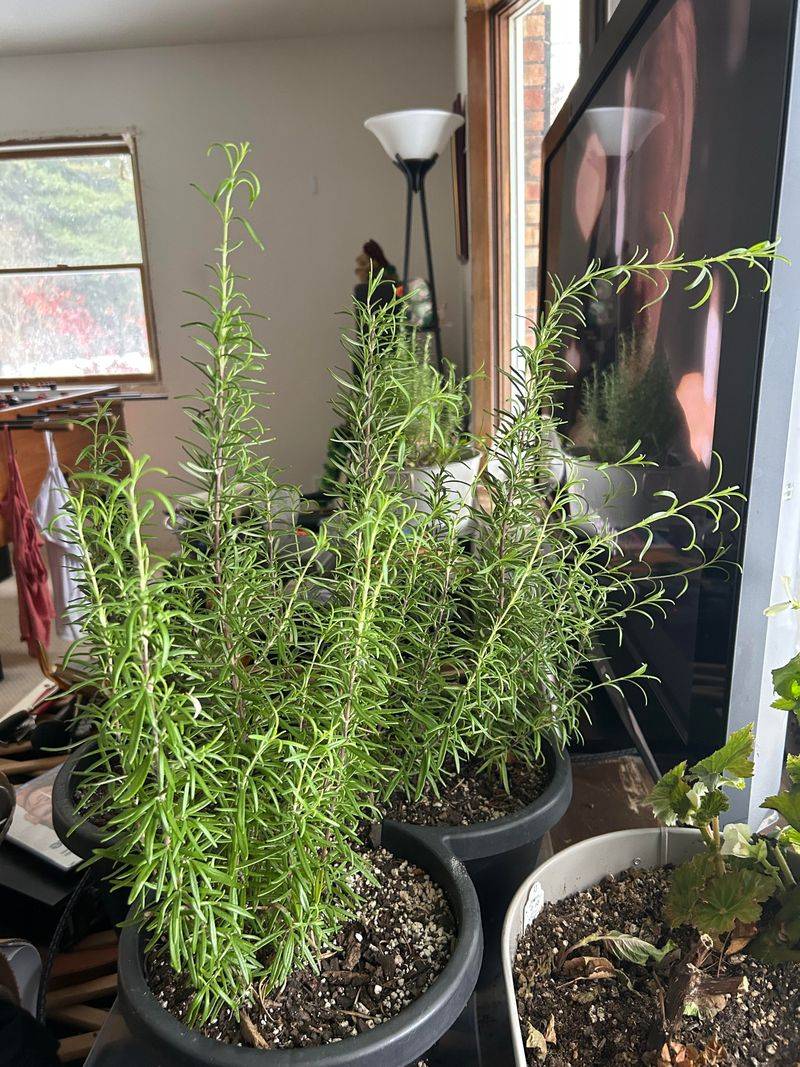
Light is the biggest hurdle indoors. Illinois Extension advises bright light, ideally 6 to 8 hours daily, and suggests supplemental lighting when natural light falls short.
A windowsill does not automatically deliver that in winter, so watch whether your plant stays compact and green or turns leggy and pale.
Expect slower growth too. Indoor herbs usually grow more slowly than they do outdoors in summer, so a little new growth can be a win.
Watering is the other half. Use a pot with drainage and a well-drained mix, and let the surface dry somewhat before watering again.
Wisconsin Extension identifies overwatering as the biggest cause of decline and death in potted rosemary.
Dry indoor air is not a reason to water more. Adding water to make up for heated air usually just soaks the roots.
Yellowing, drooping, or a musty smell from the soil are clues to ease off.
Moving an established outdoor pot inside is a different job from raising a cutting. Minnesota Extension recommends checking returning plants for pests and keeping them away from your other houseplants for a while.
Penn State Extension suggests bringing non-hardy potted rosemary in 2 to 3 weeks before your local first frost date.
Treat propagation as a chance to preserve rosemary, not a promised harvest
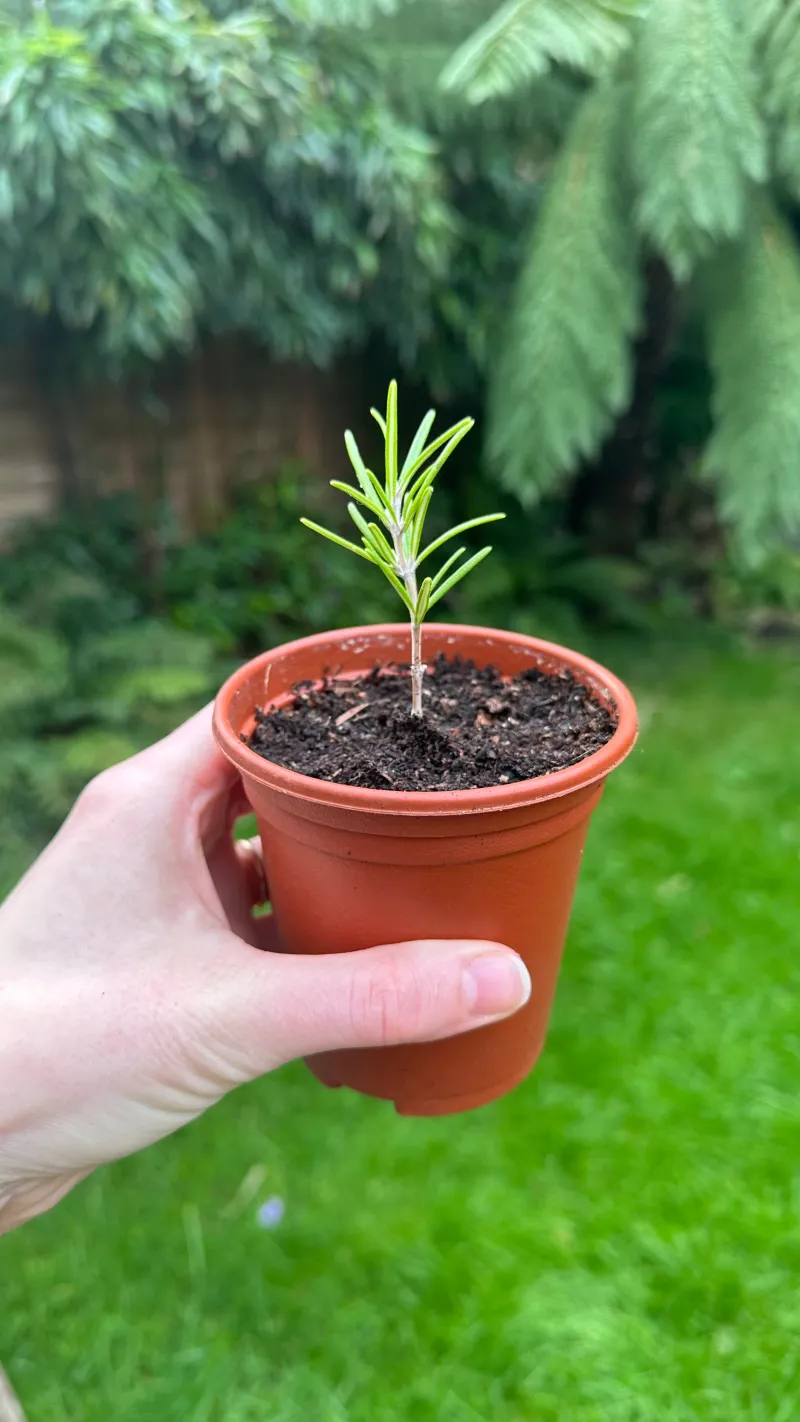
Think of cuttings as a backup plan for a plant you like. When cold threatens your outdoor rosemary, collect healthy stems, root several, and give the survivors bright light and a light hand with water.
Some will fail, and that is normal. NC State’s estimates leave plenty of room for losses, and Illinois Extension notes that indoor herbs grow slowly.
Even one small survivor can restart your rosemary patch come spring.