
What It Really Means When A Raccoon Keeps Visiting Your North Carolina Yard After Dark
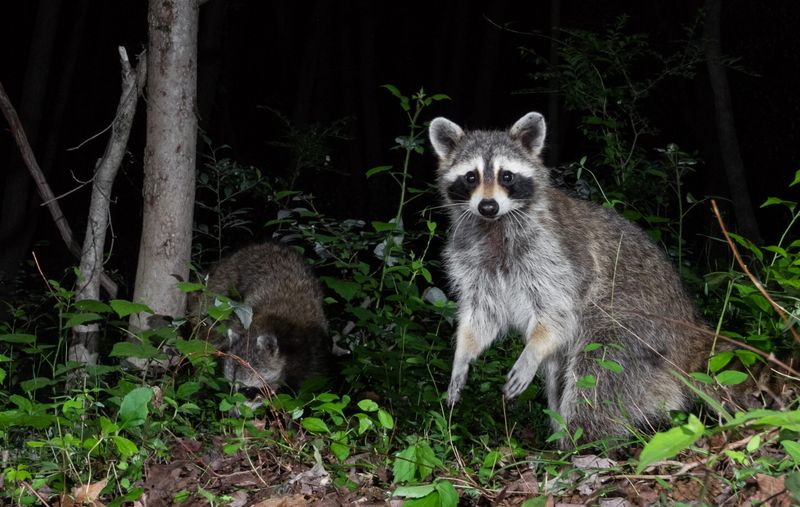
You flip on the porch light and there it is again, a masked face crossing the lawn. Seeing the same raccoon night after night can feel like a warning sign.
Often it is not, but sometimes your yard is offering something that needs fixing. Here is how to tell the difference and what to do about it.
Nighttime activity is normal, but a visit does not explain itself
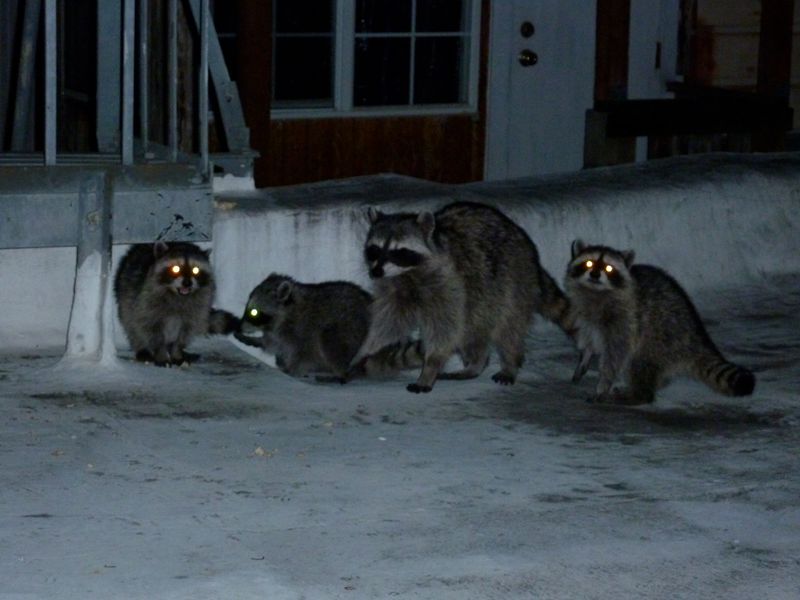
Raccoons are mostly active after dark, so a raccoon in your yard at night is doing what raccoons do. North Carolina State Extension describes them as adaptable, opportunistic omnivores that may keep returning to the same spot while food is available.
A repeat visitor may simply be walking a regular foraging route, and your yard happens to be on it.
That is also where a sighting stops being useful. Seeing the animal cannot tell you what it ate, whether it is denning nearby, or whether it caused any damage.
A raccoon crossing the lawn at 10 p.m. is a fact about the raccoon’s schedule, not a diagnosis of your property.
Repeat visits can mean a yard offers food, water, or shelter, as NC Wildlife guidance on preventing conflicts explains. Any of those could be natural, like a creek, a stand of oaks, or a log pile full of insects.
Others are human-made, like an open trash can.
So the useful question is not whether the raccoon is there, but whether anything it does causes a problem. A passing visitor leaves no trace.
A yard conflict leaves clues, and the next sections show you what to look for. Even University of Maryland Extension stresses watching for concrete signs before drawing conclusions.
What might the raccoon be finding?
Raccoons eat a wide mix of foods, and North Carolina offers plenty. NC State Extension lists wild grapes, blackberries, persimmons, acorns, grasshoppers, earthworms, frogs, and mice among them.
Crayfish, fish, and other small animals can be on the menu too.
Any of these could be pulling a raccoon through your yard. A damp lawn after rain may hold earthworms.
A pond edge may hold frogs. An oak or persimmon tree drops fruit and nuts in fall.
These are normal parts of a healthy NC yard, and they are not problems to fix.
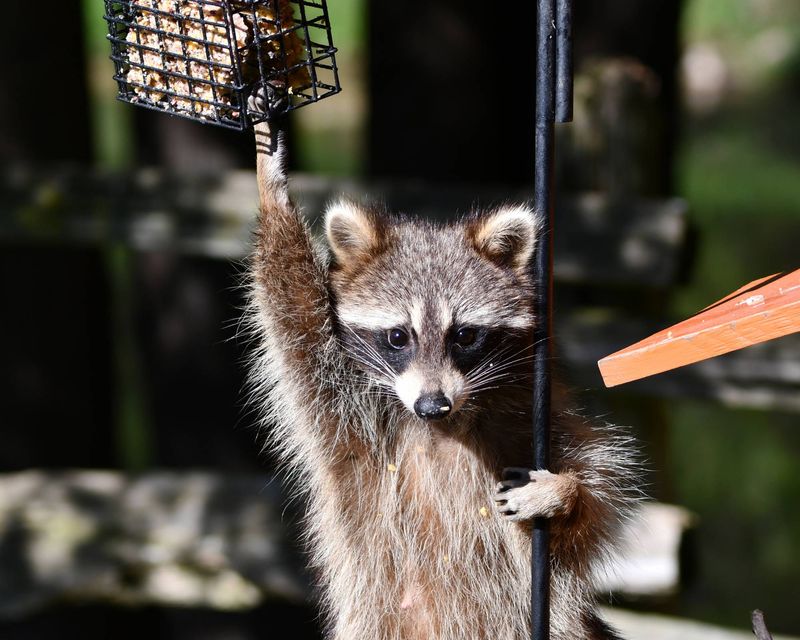
Then there is food that people leave within reach. NC Wildlife points to things like unsecured garbage, outdoor pet food, and feeders as common draws.
Raccoons that find easy meals near homes may keep checking back.
Here is the catch: you cannot tell from a single sighting which food brought this raccoon. Think of the list above as possibilities.
Your job is to look around the yard for the ones that people control, and leave the natural ones alone.
Which yard clues point to an actual conflict?
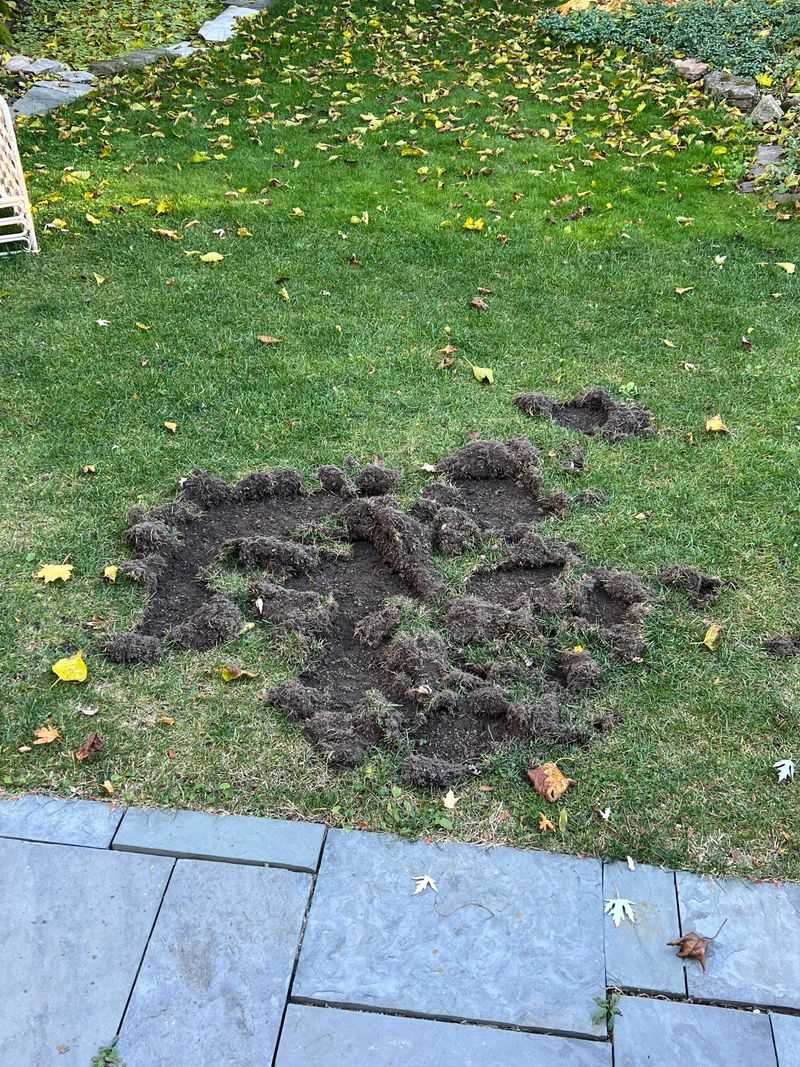
Real conflicts leave evidence. Look for a trash bin that was tipped or opened, garden produce that was torn or partly eaten, patches of lawn that are repeatedly flipped up, or an opening into an attic or crawlspace.
Any one of these is a better guide than the sighting itself.
Lawn damage deserves some care. Raccoons can tear up turf while searching for grubs, but University of Maryland Extension notes that damaged grass alone does not confirm a grub problem.
It advises against insecticide unless grubs are actually confirmed.
If you see torn-up sod, peel back a small piece and look at what is underneath before you buy anything. Insecticide can harm earthworms, beneficial insects, and the food chain that backyard wildlife depends on.
A simple habit helps. Walk the yard in the morning and note what changed overnight.
Was the lid off? Is the bird feeder on the ground?
Are there tracks in soft soil near the vegetable bed? Photos and notes over several days will show whether you have a pattern or a one-time pass-through.
No damage and no access points? Then you probably have a visitor, not a conflict, and no response is needed.
Remove easy human-provided food without stripping away habitat
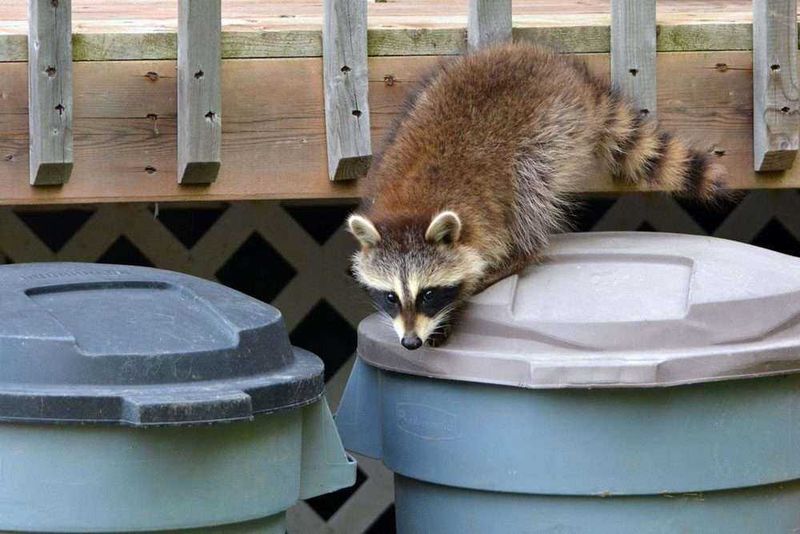
The easiest fixes target food that people provide by accident. Bring pet food indoors at night, and pick up the bowl too.
Secure garbage with tight lids or store bins in a garage or shed until pickup morning. Sweep up spilled birdseed, and cover or enclose compost so scraps are not open to the night shift.
NC Wildlife advises against feeding wildlife and notes that feeders can attract raccoons and other animals. If you keep a bird feeder, consider taking it in overnight and cleaning up the ground beneath it.
Do not feed a raccoon on purpose, even a friendly-looking one. Animals that learn to link homes with food tend to come back more often and lose their natural wariness.
Just as important is what you leave alone. Native plants, fallen persimmons, acorns, and natural prey like insects and frogs are part of a healthy NC yard.
NC Wildlife recommends native plants as natural food and habitat, and its conflict prevention advice centers on removing human food rather than habitat.
The line is simple. Supporting habitat helps box turtles, fireflies, birds, and yes, the occasional raccoon.
Leaving a bag of trash or a bowl of kibble out teaches wildlife to treat your house as a restaurant.
A possible den calls for a different response
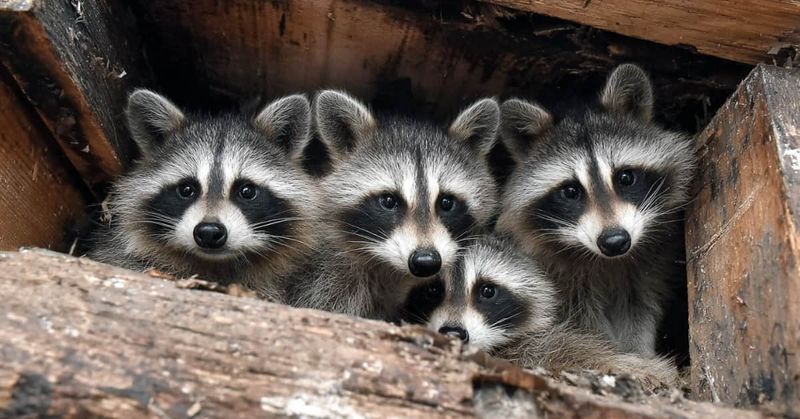
If you have evidence that a raccoon may be entering a building, such as scratching sounds, torn vents, or droppings near an opening, check the likely access points. Look around attics, chimneys, crawlspaces, porches, and decks, and note gaps, loose screens, and damaged trim from the outside.
Here is the rule that matters most: do not seal an opening until you have confirmed that every animal, including young, is out. Closing a hole with a mother or babies inside can trap them and cause suffering, and it often leads to damage as the animals try to escape.
NC Wildlife and Humane World for Animals both stress checking for animals before closing entry points.
If you suspect an occupied den, call a qualified wildlife professional or your local animal control. They can confirm what is inside and recommend a humane approach.
Trapping and relocating is not a casual homeowner fix. Wildlife rules vary by place, and moved animals can struggle in unfamiliar territory.
NC Wildlife or local animal control can give guidance for your situation.
Stay outside, keep pets away from the area, and let the experts handle the animals themselves.
Keep your distance, and take bites or feces seriously
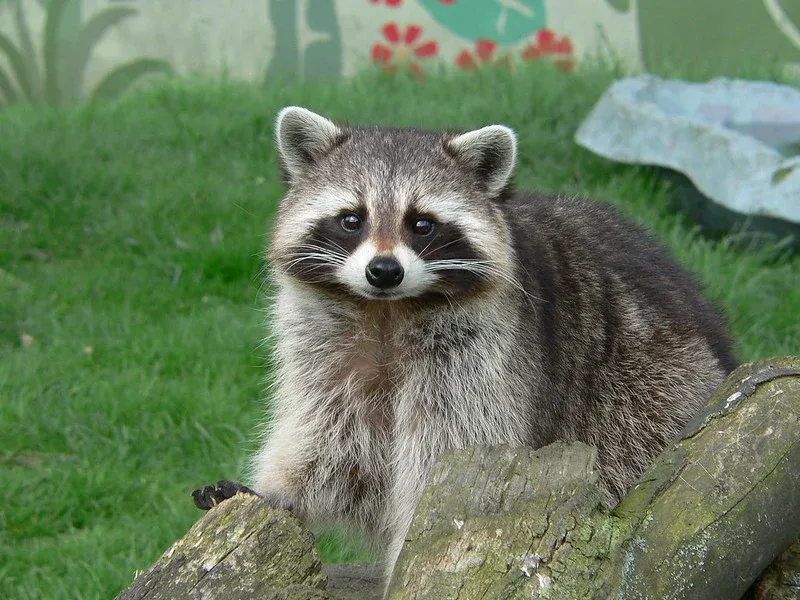
The safest way to watch a raccoon is from a window or doorway. Never approach, corner, feed, or try to handle one.
Keep pets supervised outdoors after dark, and bring them in if a raccoon is nearby.
Nighttime activity is normal. Daytime activity by itself does not mean a raccoon is sick or rabid, since some forage in daylight.
Still, stay away from an animal that seems disoriented, uncoordinated, unusually aggressive, or severely weak, and call animal control, as CDC rabies guidance recommends for seriously abnormal behavior.
If a person is bitten or scratched, wash the wound with soap and water for 15 minutes and promptly contact a health professional or your local health department for exposure advice. The NC Department of Health and Human Services also advises contacting local animal control promptly after a person or pet is bitten or otherwise potentially exposed.
Feces are a separate concern. Raccoon droppings can carry roundworm eggs, so CDC roundworm guidance says to avoid contact with feces and to avoid stirring up dust or debris.
If you find a substantial pile or a latrine indoors, such as in an attic or garage, do not improvise a cleanup. Call animal control or a qualified professional for guidance.
Use evidence, not the visit alone, to decide what to do
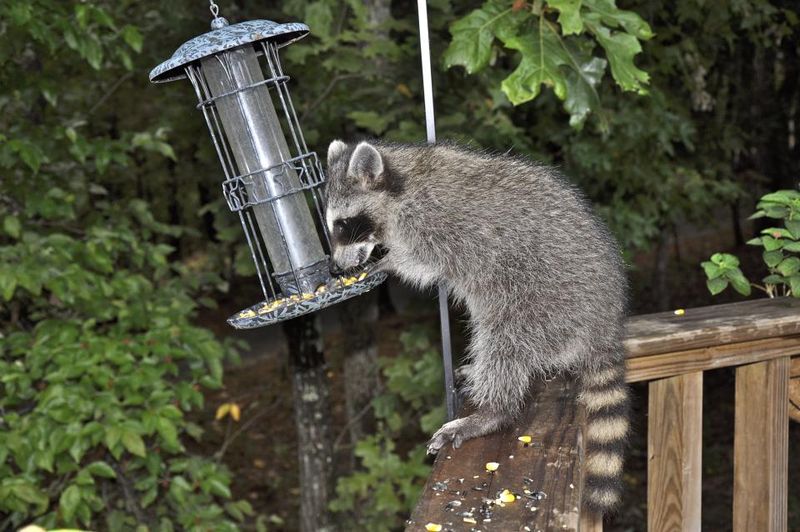
A raccoon at night is not proof of anything. Damaged property, reachable food, a possible entry point, or a safety concern is what calls for action, and each one has its own fix.
Check the yard, secure what people provide, and call a professional when a den or health risk is involved, as NC Wildlife recommends.
Sometimes the best response is a quiet porch light and a closed lid. The masked visitor was probably just passing through.