
15 Flowering Hoyas That Turn Your Windowsill Into A Wall Of Sweet-Scented Blooms
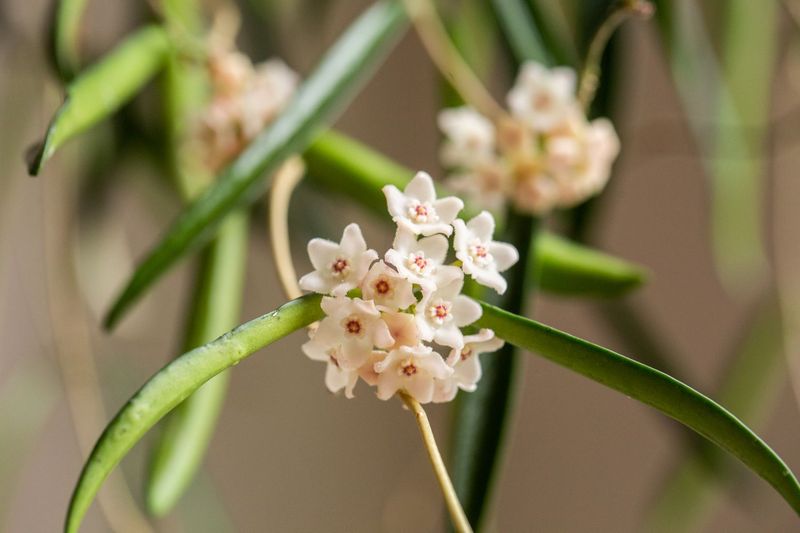
Picture walking past your kitchen window at night and catching a scent like honey, cinnamon, or even chocolate drifting from a plant. That is what a blooming hoya can do, and many people who own one have never seen it flower.
The good news is that a few simple changes in light, watering, and patience can push your hoya to bloom. Here are 15 fragrant hoyas worth growing, plus easy tips to get each one flowering on your windowsill.
1. Hoya carnosa
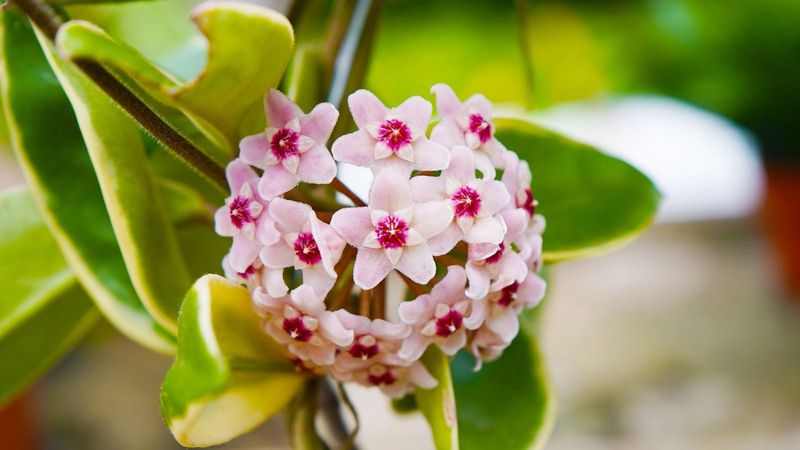
Grandma’s kitchen window probably had one of these, trailing over the curtain rod and blooming every summer like clockwork. Hoya carnosa is the classic wax plant, and for good reason.
Its pale pink, star-shaped flowers smell a lot like jasmine or gardenia, especially in the evening.
If yours has leaves but no flowers, light is usually the culprit. Move it to a bright window with filtered sun, and let it stay a little snug in its pot.
A crowded root ball tells the plant it is time to bloom instead of grow more leaves.
Once it does flower, leave the little stubby stalks alone. Those spurs, called peduncles, will produce new flower clusters again and again for years.
2. Hoya carnosa ‘Tricolor’ (Krimson Queen)
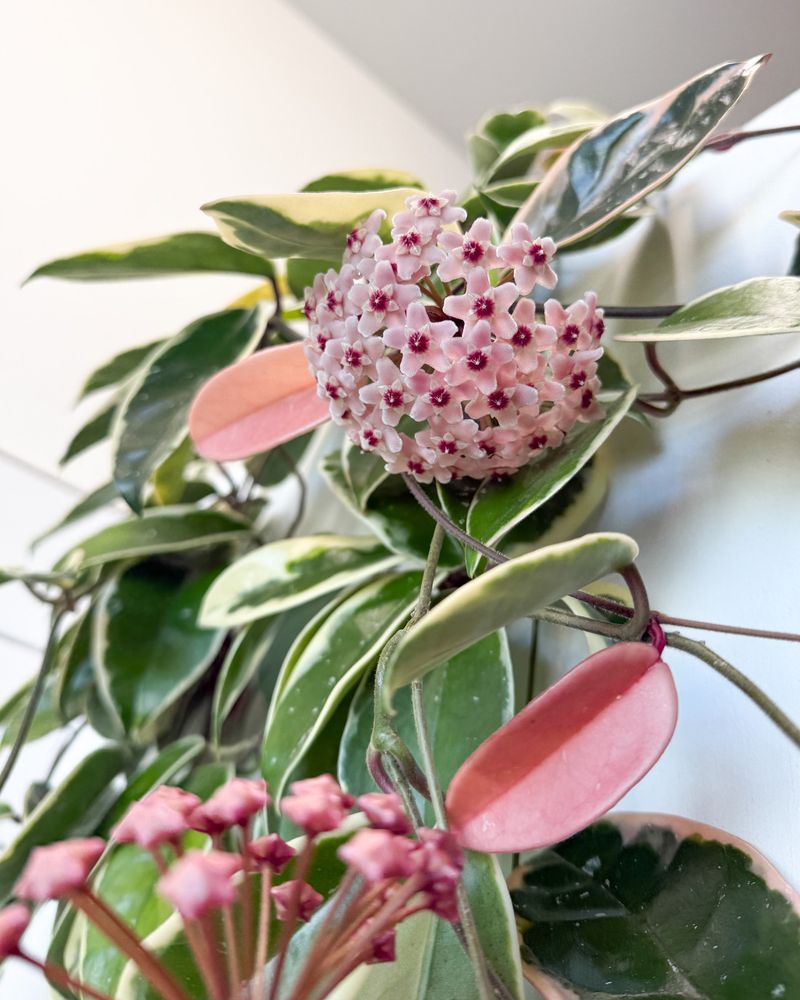
Some plants make you choose between pretty leaves and pretty flowers. Krimson Queen refuses to play that game.
Its leaves have green centers, creamy white edges, and blushing pink new growth, and then it adds sweet-scented blooms on top.
Here is the catch that worries a lot of owners. Variegated leaves have less green to make food, so this plant needs even more light than plain carnosa to bloom well.
A spot near an east or west window is a smart choice.
Bonus tip: the brighter the light, the pinker those new leaves tend to blush. It is like a built-in report card that tells you your plant is happy.
3. Hoya carnosa ‘Krimson Princess’
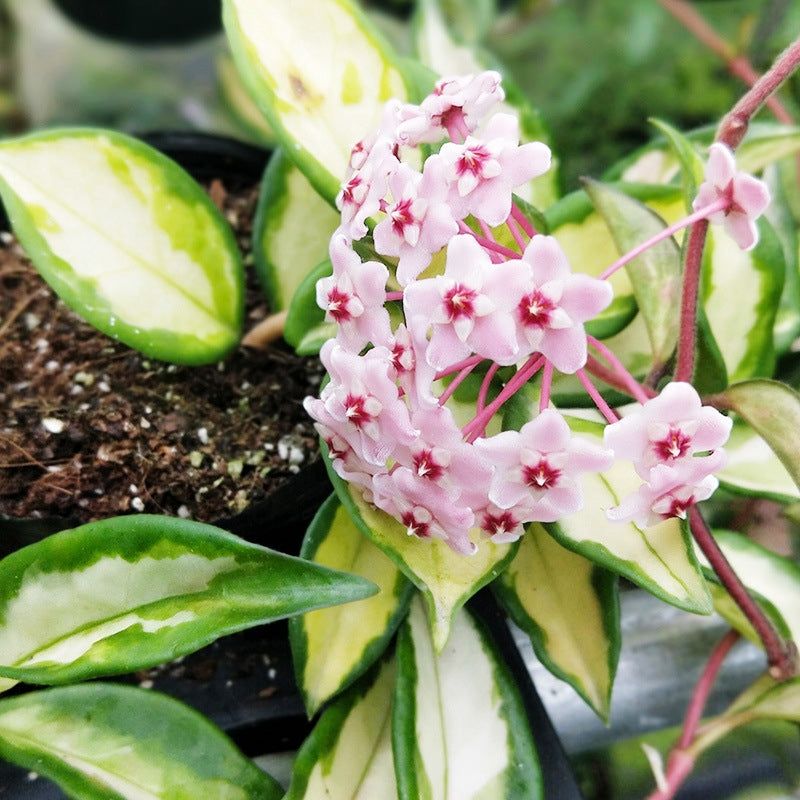
Flip the Krimson Queen inside out and you get the Princess. Her leaves wear creamy centers framed by green edges, with pops of pink on fresh growth.
The flowers carry the same sweet carnosa perfume that fills a room after dark.
Owners often panic when new leaves come in solid green. That usually means the plant wants more light, not less.
Shift it closer to the glass, but keep it out of harsh midday rays that can scorch the pale parts of the leaves.
Water only when the top inch or two of soil feels dry. Those thick leaves hold plenty of moisture, so soggy soil is a much bigger threat than a missed watering.
4. Hoya australis
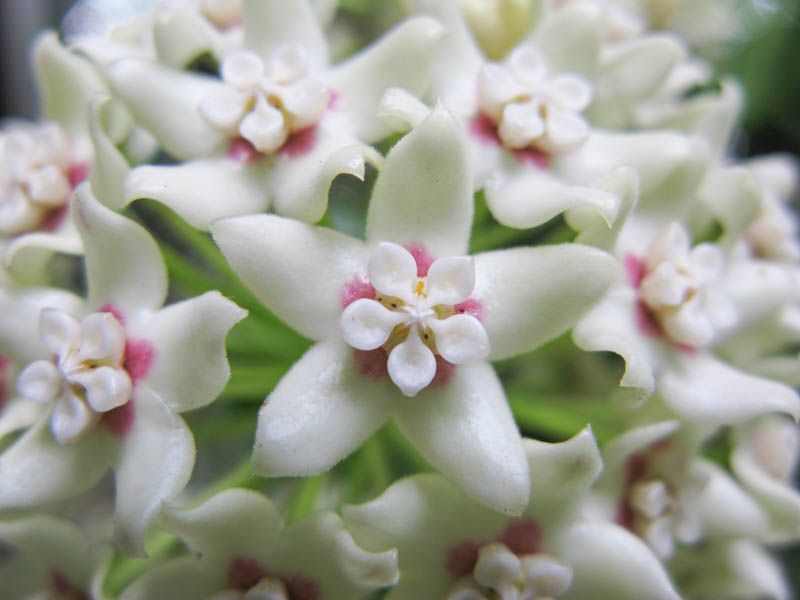
Honey. That is the word nearly everyone uses after sniffing a blooming Hoya australis.
The white flowers, each dotted with deep red centers, release a strong, sweet fragrance that can perfume a whole room.
Native to Australia and nearby islands, this tough vine handles a bit more sun than many cousins. A few hours of morning light can really boost bloom counts.
It also grows quickly, so give it a small trellis or hoop to climb.
Feed it monthly in spring and summer with a bloom-boosting fertilizer that is higher in phosphorus. Stop feeding in winter so it can rest and gear up for next season.
5. Hoya pubicalyx
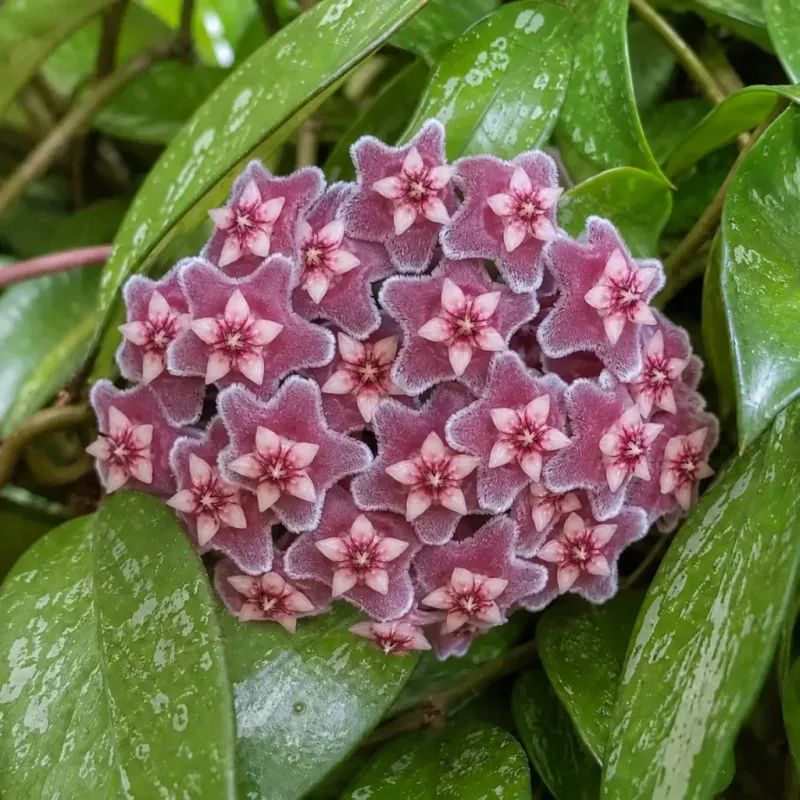
Want speed? Pubicalyx is the hoya for impatient growers.
It puts out long vines fast and often blooms younger than slower species.
Its leaves are long and narrow, frequently splashed with silver freckles. The flower clusters range from pink to deep burgundy, and the scent has a spicy twist, with hints that remind some people of cloves or cinnamon.
Because it grows so fast, it can outgrow its pot quickly. Resist the urge to upsize right away.
A slightly root-bound pubicalyx usually rewards you with more flowers, while a giant pot often means months of leaves only.
6. Hoya lacunosa
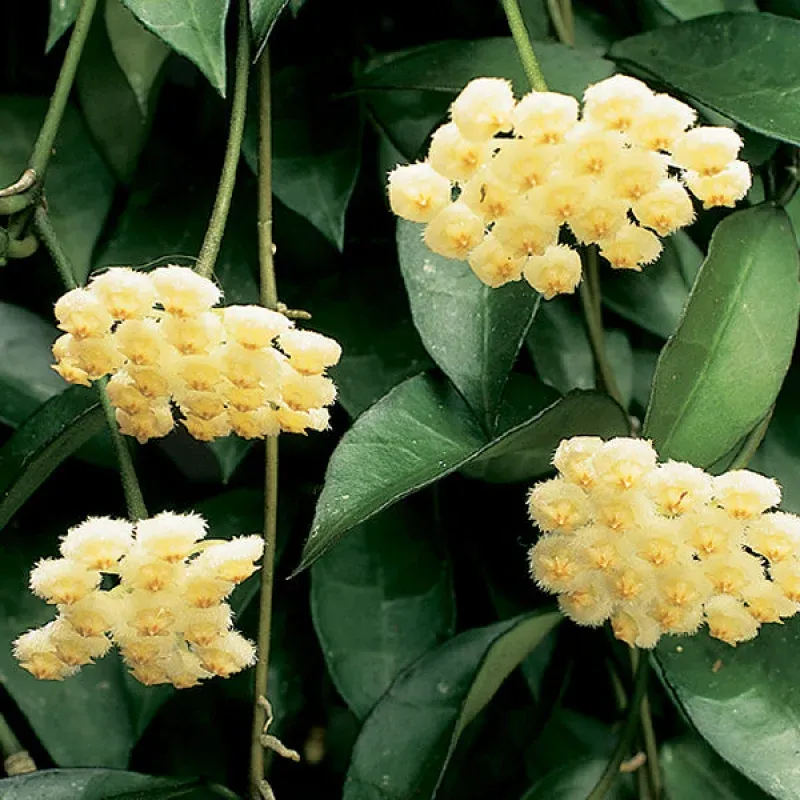
Close your eyes near a blooming lacunosa and you might think someone is baking. Nicknamed the cinnamon-scented wax plant, its tiny fuzzy white flowers smell warm and spicy, sometimes with fruity notes like peach or apricot.
Small, cupped leaves make this one a great pick for narrow windowsills. It handles dry air better than many hoyas, which is a relief in heated winter homes.
Lacunosa often blooms from spring through fall when it gets bright, indirect light. If buds form and then drop, check for drafts or a sudden move.
Hoyas dislike being shuffled around once they start budding.
7. Hoya odorata
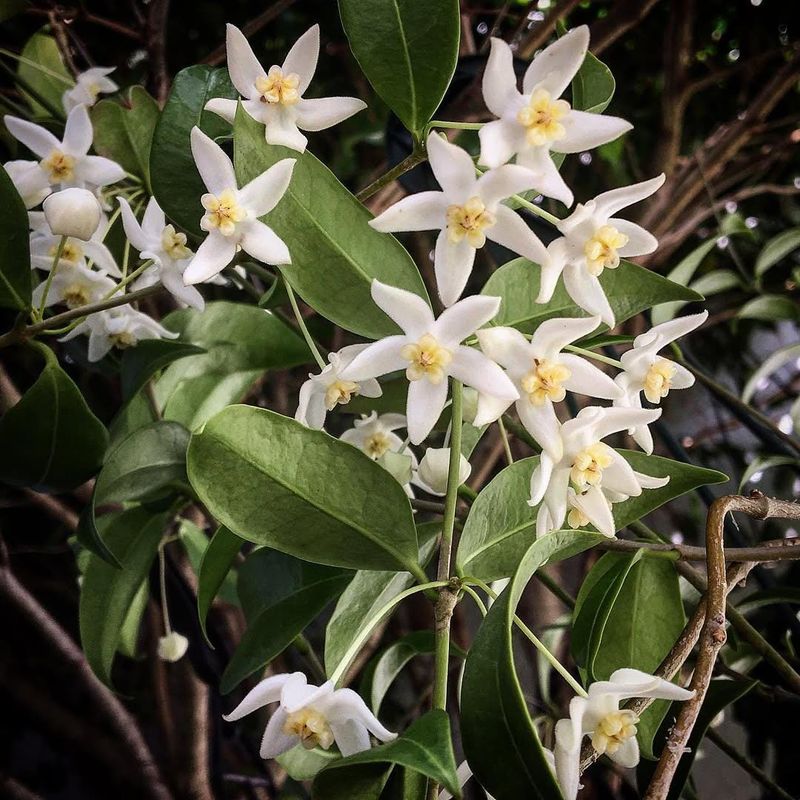
Night owls, this one is for you. Hoya odorata saves its strongest perfume for the evening, filling the house with an intensely sweet scent just as you settle in.
The blooms are pure white with soft yellow centers, delicate and almost glowing in low light. It adapts nicely to container life as long as it gets bright, filtered sun during the day.
Keep temperatures between about 60 and 75 degrees, and move it away from cold glass in winter. A chilly windowsill at night can stall flowering fast.
8. Hoya bella
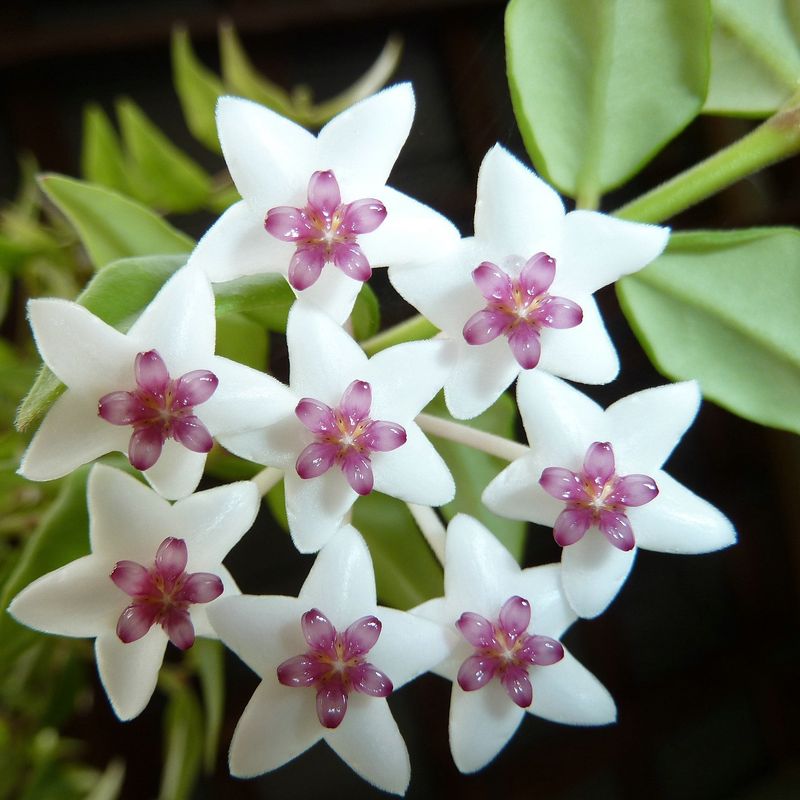
Bella means beautiful, and the name fits. Small pointed leaves line thin, trailing stems, and dangling flower clusters look like tiny white stars with purple crowns.
The sweet scent is lovely, but this hoya is a little fussier than carnosa. It prefers steady moisture and dislikes drying out completely, so check the soil more often.
Overwatering is still a risk, so aim for lightly damp, never soggy.
Hang it at eye level in a bright window so the flowers hang down where you can enjoy them. Higher humidity, around 50 percent, helps a lot.
9. Hoya linearis
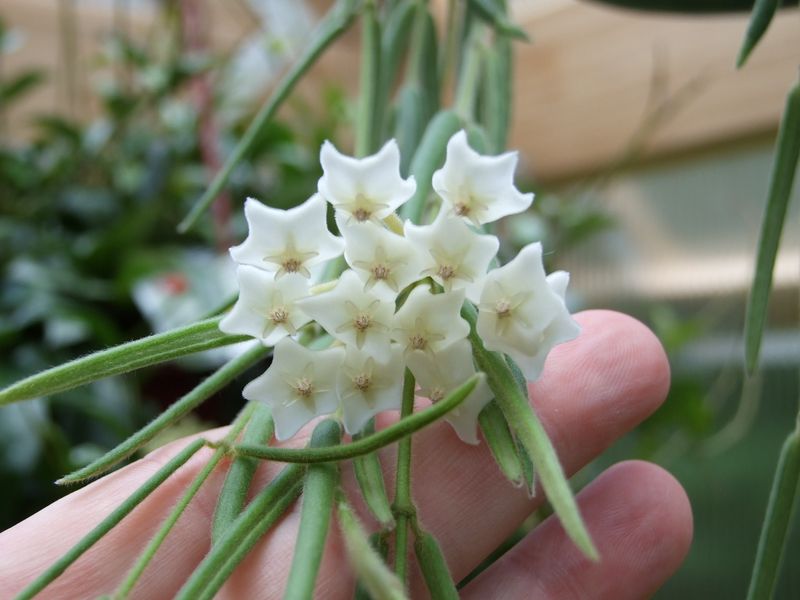
From a distance, linearis looks more like soft green hair than a typical hoya. Long, skinny, slightly fuzzy leaves cascade down in curtains, perfect for a hanging planter.
In late summer, small white flowers appear at the tips, giving off a light lemony scent. Unlike tropical lowland hoyas, this one comes from cooler mountain areas, so it actually appreciates slightly cooler temps.
Hot, stuffy rooms can cause it to shed leaves. Keep it away from heater vents and give it gentle airflow.
Steady moisture works better than letting it go bone dry.
10. Hoya ‘Iris Marie’
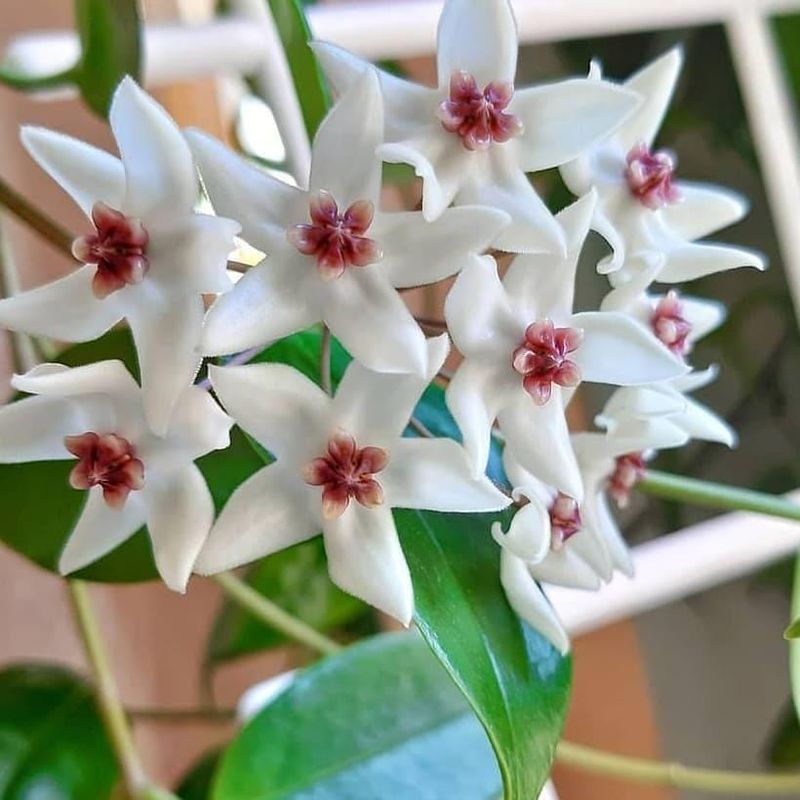
Bred for beginners, Iris Marie is a hybrid that just wants to bloom. Its starry white flowers sport rich purple centers, and they show up periodically throughout the year instead of in one short burst.
The fragrance is lighter than some others on this list, which makes it a nice pick for people sensitive to strong smells. It grows easily and forgives a missed watering or two.
Give it a bright windowsill and a well-draining mix with chunky bark or perlite. That combo protects against root rot, the most common way hoyas die indoors.
11. Hoya retusa
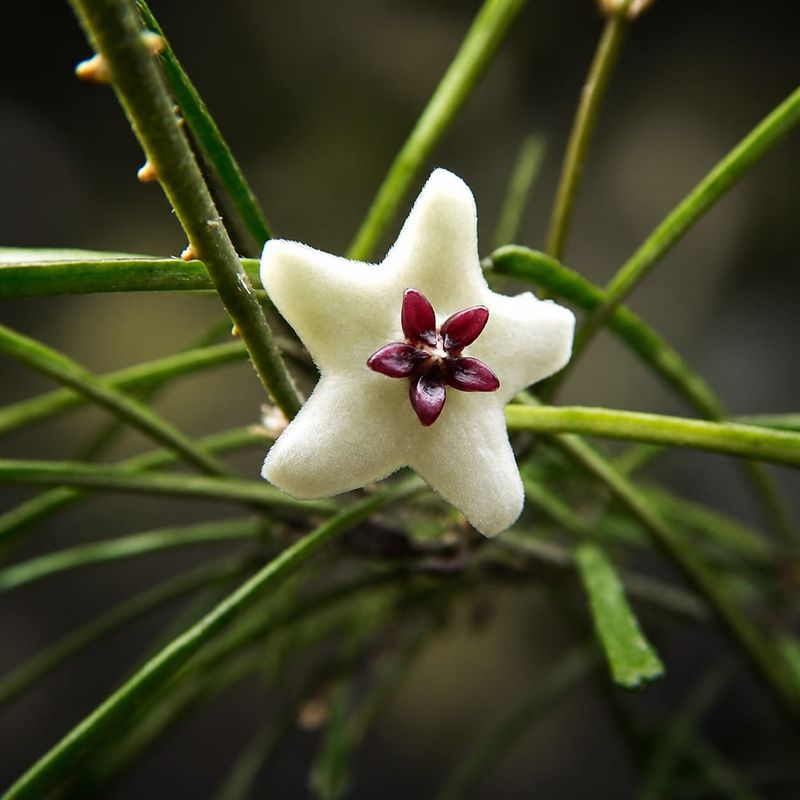
Look closely at the leaf tips. Each skinny leaf ends in a little notch, almost like a tiny heart, which makes retusa easy to spot in any collection.
Instead of big clusters, it produces flat white flowers, often one or two at a time, with a fresh lemony fragrance. They tend to show up in fall, right when most outdoor gardens are winding down.
Retusa likes bright light and steady moisture. If leaves start to wrinkle, it is thirsty, so give it a good soak and let extra water drain away.
12. Hoya shepherdii
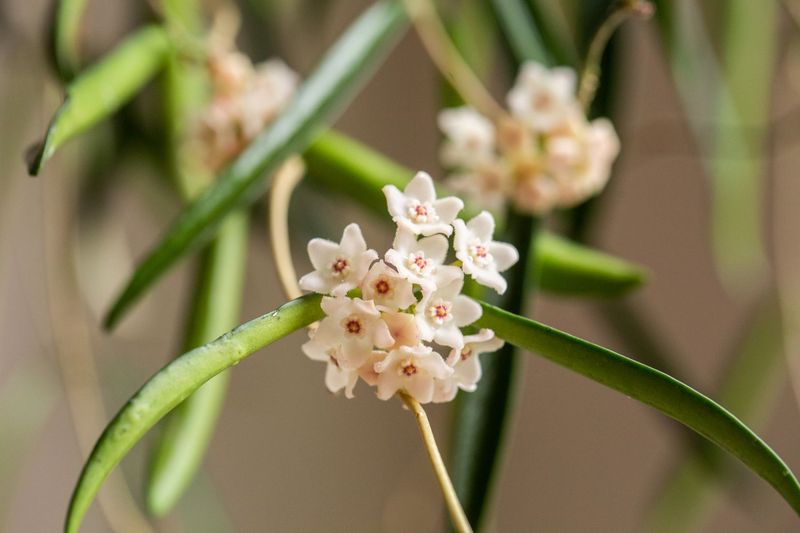
Chocolate-scented flowers? Yes, really.
Hoya shepherdii, nicknamed the string bean plant, can smell faintly of cocoa when it blooms.
Its long, narrow, folded leaves look like green beans hanging from the vine. Once mature, it is known as a heavy bloomer, producing clusters of pale pink flowers.
Patience pays off here, since many hoyas take two to five years to bloom. If your young plant seems stubborn, keep the light bright and the pot snug.
It is usually just not old enough yet.
13. Hoya wayetii
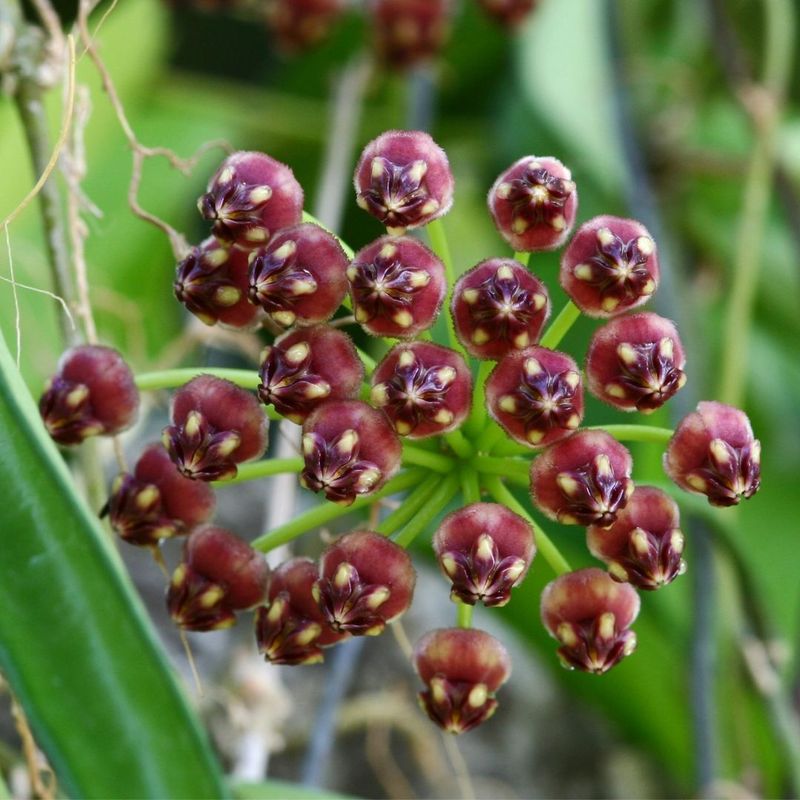
Busy schedule? Wayetii shrugs off neglect better than most.
This low-maintenance vine has slender, lance-shaped leaves that often get dark edges in bright light.
Clusters of small, deep maroon star flowers appear in a healthy plant, giving off a sweet fragrance. It looks great spilling over the edge of a hanging basket.
Let the soil dry partly between waterings. Wayetii prefers a little dryness over wet feet, so a terra cotta pot can help pull extra moisture away from the roots.
14. Hoya ‘Sweet Scent’
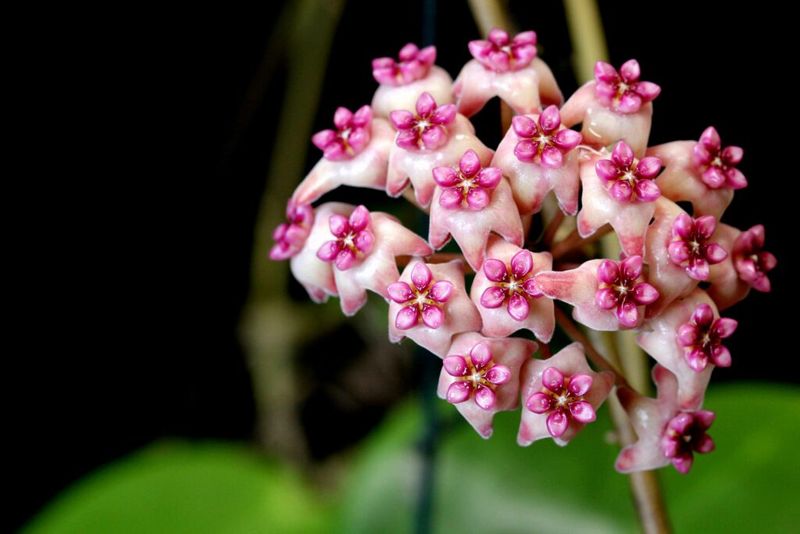
Some plant names oversell. Not this one.
Hoya ‘Sweet Scent’ delivers clusters of pretty pink flowers with a sweet, floral perfume that lives up to the label.
It is considered easy to grow on a windowsill, making it a good first hoya. Bright, indirect light and a light hand with the watering can are really all it asks.
Avoid high-nitrogen fertilizers, which push leafy growth at the cost of flowers. A bloom-focused feed once a month during the growing season is plenty.
15. Hoya sp. aff. burtoniae
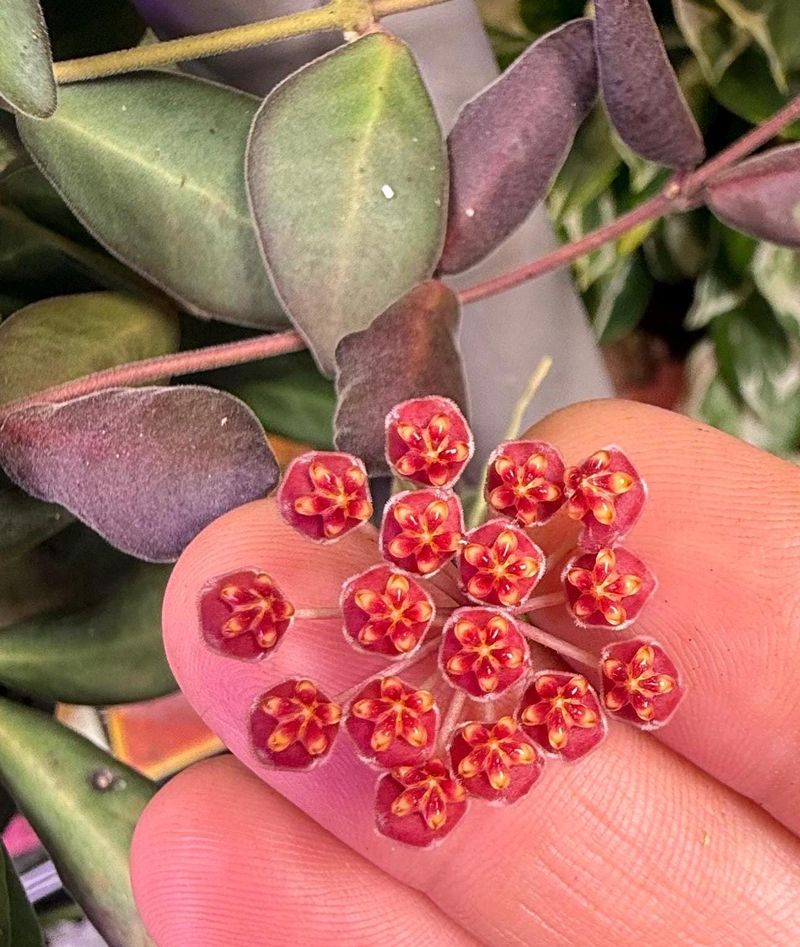
Butterscotch, caramel, or honey? Owners argue about the exact scent, but everyone agrees burtoniae smells delicious.
Its round, berry-like burgundy flowers are as unusual as they are fragrant.
Fuzzy, almond-shaped leaves give it a soft look, and the vines trail nicely from a shelf or sill. Bright light often brings out a reddish tint on the leaves.
Let the soil dry out partway between drinks, and never leave it sitting in a saucer of water. Keep those old flower spurs, too, since new blooms will pop from the same spots.