
These North Carolina Native Wildflowers Get Sown Now So Winter Does The Hard Work For You
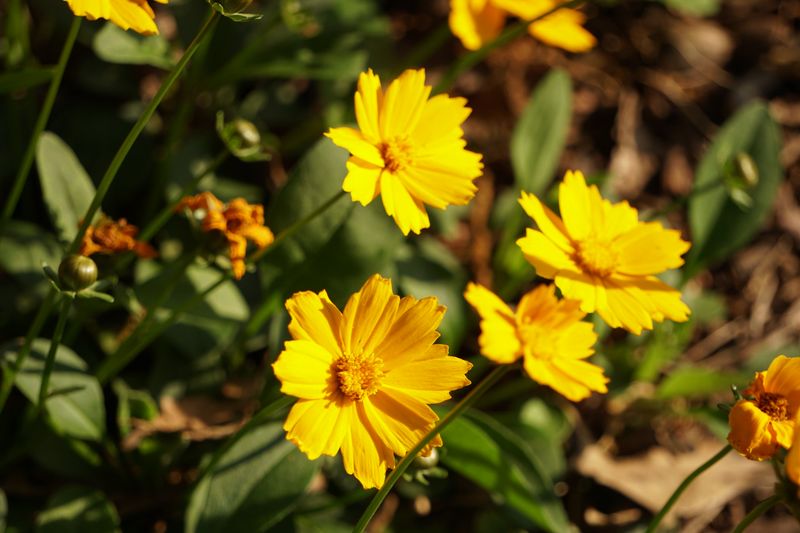
Some of the best flower seeds in North Carolina need a cold, wet winter before they will sprout. If you scatter them now, frost, rain, and thawing soil will wake them up for spring, and you barely lift a finger.
The payoff is a yard full of blooms that feed goldfinches, bats, fireflies, and native bees. Here are ten easy natives to sow this season, plus what each one does for your patch of NC.
1. Purple Coneflower
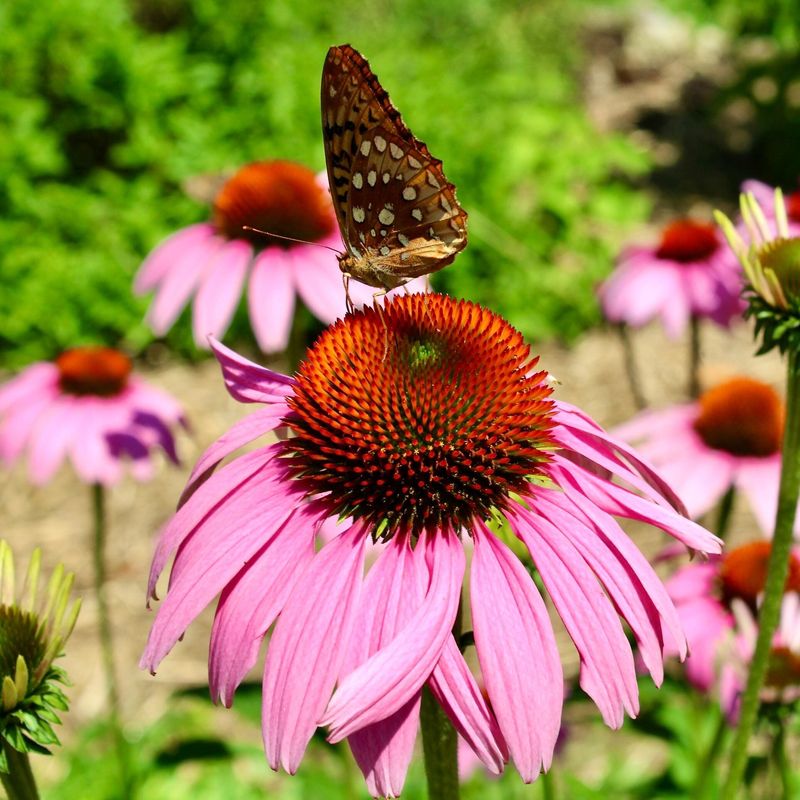
Picture a goldfinch hanging upside down on a dried flower head in January, picking out seeds one by one. That scene starts with a handful of coneflower seed tossed on bare soil this fall.
Purple coneflower is one of the easiest natives to sow before winter.
The seeds need weeks of cold and moisture to break dormancy, a process called cold stratification. North Carolina winters handle that for free.
Rake a sunny spot lightly, scatter the seed, and press it down with your shoe so it touches the soil.
In summer, butterflies and bees crowd the pink-purple blooms. Moths and other insects drawn to the plant also become dinner for bats at dusk.
The real secret is patience in fall: leave the seed heads standing instead of cutting them back, and you have a free bird feeder all winter long.
2. Black-eyed Susan
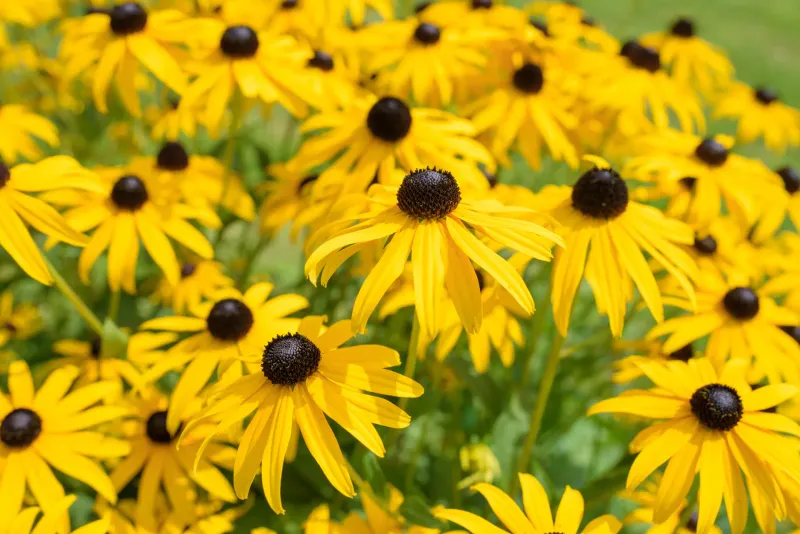
Impatient gardeners, this one is for you. Black-eyed Susan often blooms in its very first summer, which is rare for a fall-sown native.
You get quick color without waiting years.
Sow the seeds on top of the soil before the first hard frost and press them in lightly. Do not bury them, because they need light to sprout.
Freezing nights and soaking rains will do the rest.
From midsummer into fall, the golden flowers serve nectar to bees and butterflies. Later, goldfinches pick at the dark centers for seeds.
These tough plants handle red clay in the Piedmont and sandy soil near the coast with the same cheerful attitude.
3. Wild Bergamot
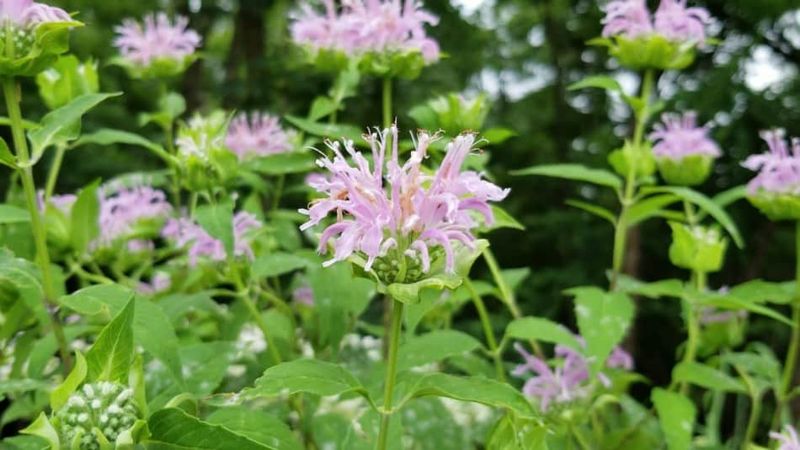
Crush a leaf of wild bergamot and you will smell something close to oregano mixed with mint. Deer hate that scent.
That makes this native a smart pick for the edge of your yard, where tick-carrying deer love to browse.
Planting a border of strongly scented natives may help discourage deer from wandering close to the lawn where kids and pets play. Fewer deer can mean fewer ticks dropping off near your back door.
It is not a cure-all, but it is a helpful layer of defense.
Meanwhile, the shaggy lavender flowers bring in native bees, hummingbirds, and night moths. Scatter the tiny seeds in fall on sunny, well-drained ground.
They grow well in the mountains, Piedmont, and Coastal Plain.
4. Goldenrod
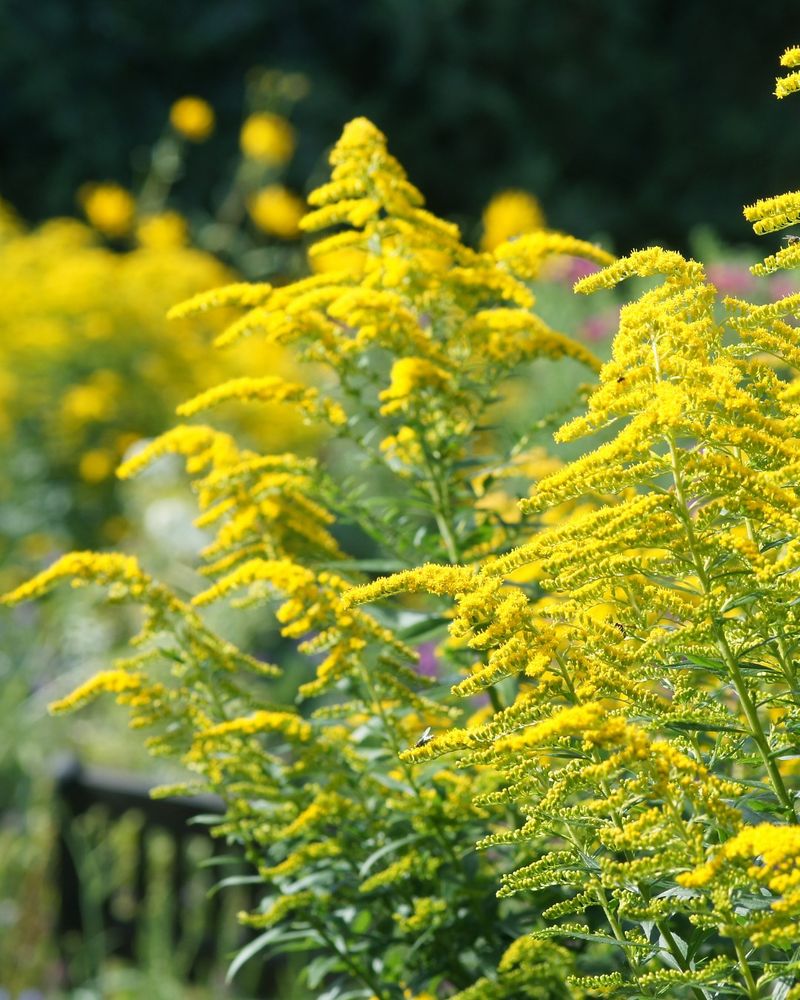
Poor goldenrod gets blamed for fall sneezing, but ragweed is the real culprit. Goldenrod pollen is heavy and sticky, made for insects, not the wind.
Clearing up that myth might just earn it a spot in your yard.
Here is why it matters. When most flowers are done for the year, goldenrod is still loaded with insects, including moths.
Bats hunt those moths to fatten up before winter, so a patch of goldenrod is like a late-season buffet for your neighborhood bats.
Fall-sown seed sprouts well after a cold winter. North Carolina has native goldenrods for every region, from mountain slopes to coastal yards.
Pick a clumping type like Solidago rugosa if you worry about it spreading too fast in a small space.
5. Butterfly Weed
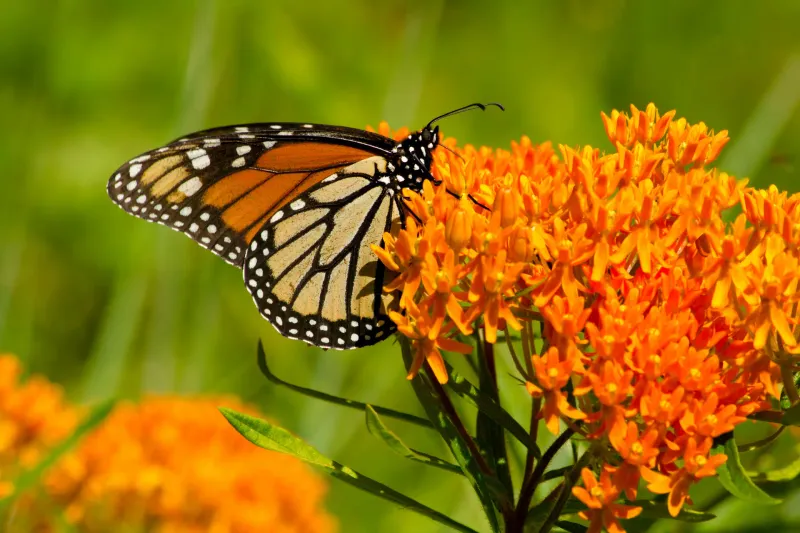
Think of butterfly weed as a nursery. Monarch butterflies lay their eggs on milkweed plants, and the striped caterpillars eat nothing else.
No milkweed means no monarchs.
Choose this native over tropical milkweed, which is sold in many garden centers but is not native here. Tropical milkweed can keep blooming too late in the year and may confuse migrating monarchs.
Butterfly weed is the right, local choice.
The seeds need a cold, damp winter to sprout, so fall is perfect timing. Pick a dry, sunny spot, because soggy soil can rot the roots.
Once settled, the blazing orange flowers will light up hot summer days with almost no watering.
6. Blazing Star
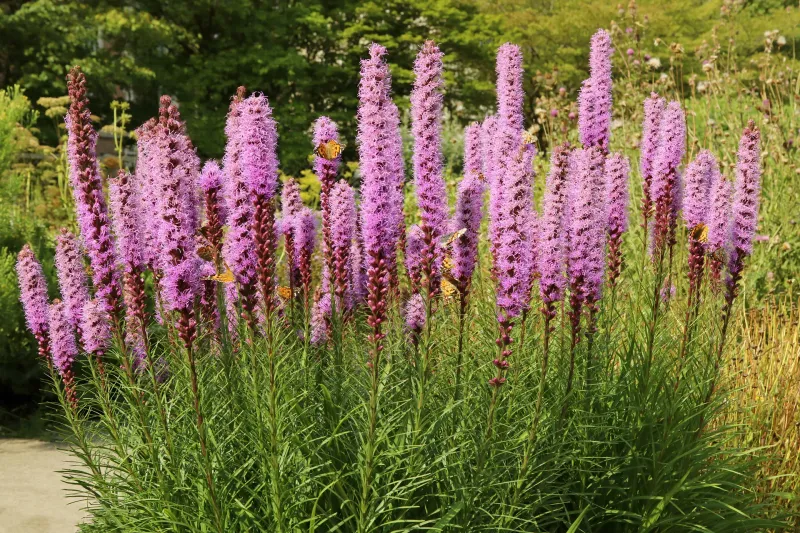
Blazing star blooms from the top down, which is backwards from most spike flowers. Watching the purple fuzz creep down the stem each week is oddly satisfying.
Kids tend to love it.
The tall spikes attract bumblebees, swallowtails, and hummingbirds. It shrugs off heat and dry spells, which helps during a scorching NC August.
Goldfinches sometimes nibble the seeds in fall too.
Sow seed outdoors in late fall or early winter. Germination can be slow and a little uneven, so mark the area and avoid weeding it by mistake in spring.
Many plants take a year or two to bloom, but they come back stronger every season.
7. Lanceleaf Coreopsis
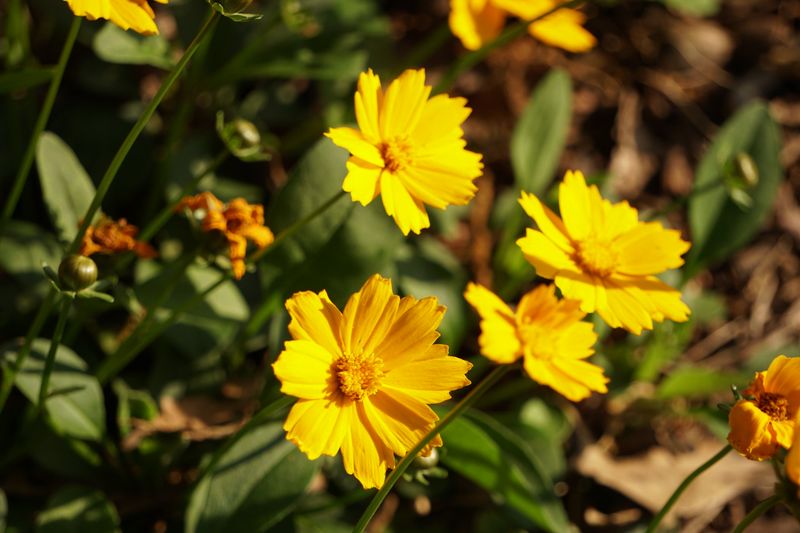
North Carolina drivers already know this flower. The state DOT plants coreopsis along highways because it is tough, bright, and native.
Now you can have that same golden show at home.
Lanceleaf coreopsis is part of the tickseed family, named because the seeds look like tiny ticks. Do not worry, they are harmless.
Goldfinches pick them off happily after the blooms fade.
The plant stays semi-evergreen in mild winters and deer usually leave it alone. Scatter seed in fall on bare soil, and it will often reseed on its own for years.
It is a great native swap for non-native filler flowers in sunny beds.
8. Eastern Columbine
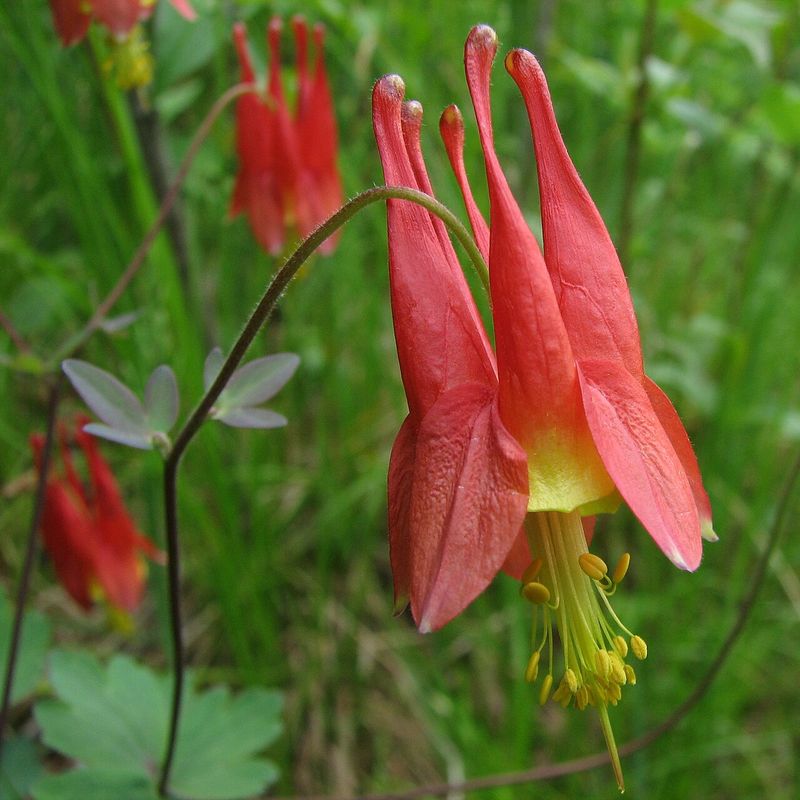
Shady yard? You have not been left out.
Eastern columbine loves dappled light under trees, the kind of spot where sun lovers sulk.
Its red and yellow flowers hang like little lanterns in early spring. They show up right when ruby-throated hummingbirds return from Central America and need early nectar.
That timing makes columbine a real lifesaver.
Seeds need cold stratification, so sowing now fits nature’s schedule. Scatter them on moist, well-drained soil near the woodland edge.
Once established, columbine reseeds gently and pops up in charming spots each year.
9. Evening Primrose
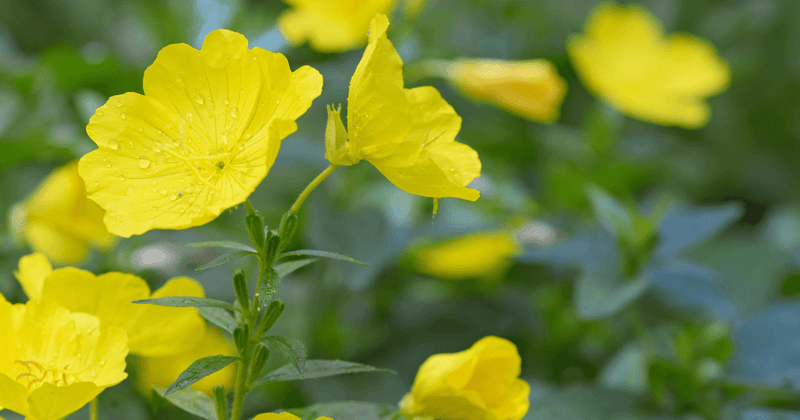
Most flowers close up shop at sunset. Evening primrose does the opposite.
Its pale yellow blooms open at dusk and give off a sweet scent for the night shift.
Moths follow that perfume, and bats follow the moths. A single bat can eat a huge number of night-flying insects, so supporting them is good news for your evening cookouts.
Sit outside on a summer night and you may watch the flowers pop open in real time.
This native grows in poor, dry soil anywhere in the state and reseeds easily. Sow it in fall and it forms a low rosette the first year, then sends up flowering stalks the next.
Leave the seed stalks up through winter for the birds.
10. Swamp Milkweed
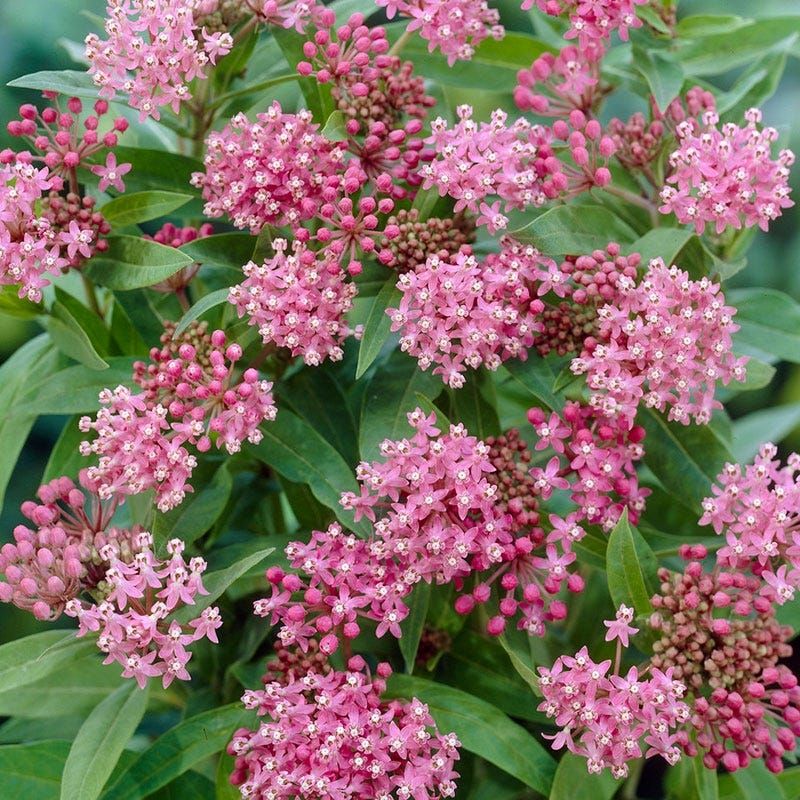
Fireflies spend most of their lives underground as larvae, hiding in damp soil and leaf litter. If your yard is too dry and tidy, they simply cannot survive.
Swamp milkweed helps fix that.
It loves wet spots like rain gardens or low corners where water collects. The dense leaves shade the ground and hold in moisture, and fallen stems add the rotting debris that larvae feed in.
Monarchs use it too, so you get two wildlife wins in one plant.
Sow seed in fall so winter can stratify it. Then do the hardest part: leave the leaves alone.
Skip the leaf blower in your damp corners, and you may see more glowing fireflies next June. Sowing now, and letting winter work, gives your NC yard a head start on a living, buzzing spring.