
Those Pumpkin Seeds You Scoop Out And Toss This Month Are A Tiny Zinc Kit Your Body Runs On
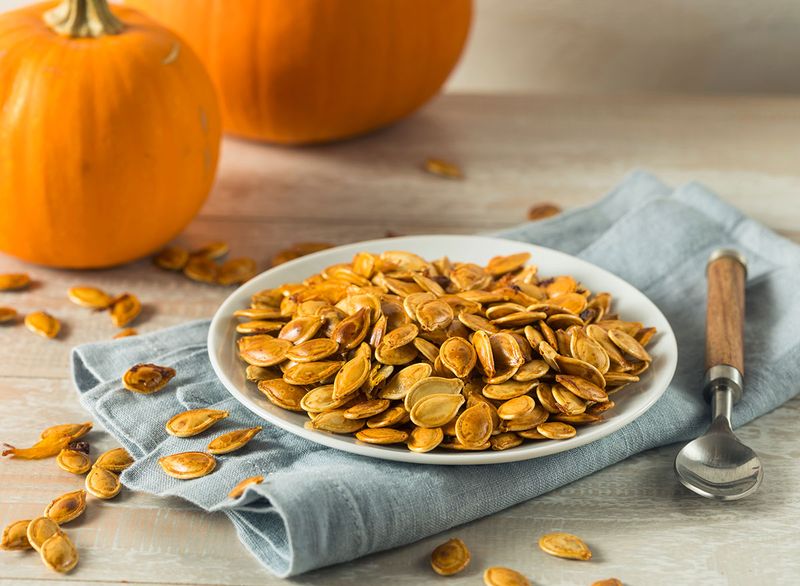
Every October, gardeners scoop out a pumpkin and send a pile of seeds straight to the compost bin. Those seeds carry zinc, a mineral your body uses every day.
Knowing how much they offer, and how to handle them safely, helps you decide whether they belong on your snack tray. A little kitchen know-how turns a carving leftover into a crunchy treat.
A Measured Serving of Roasted Kernels Contributes Zinc
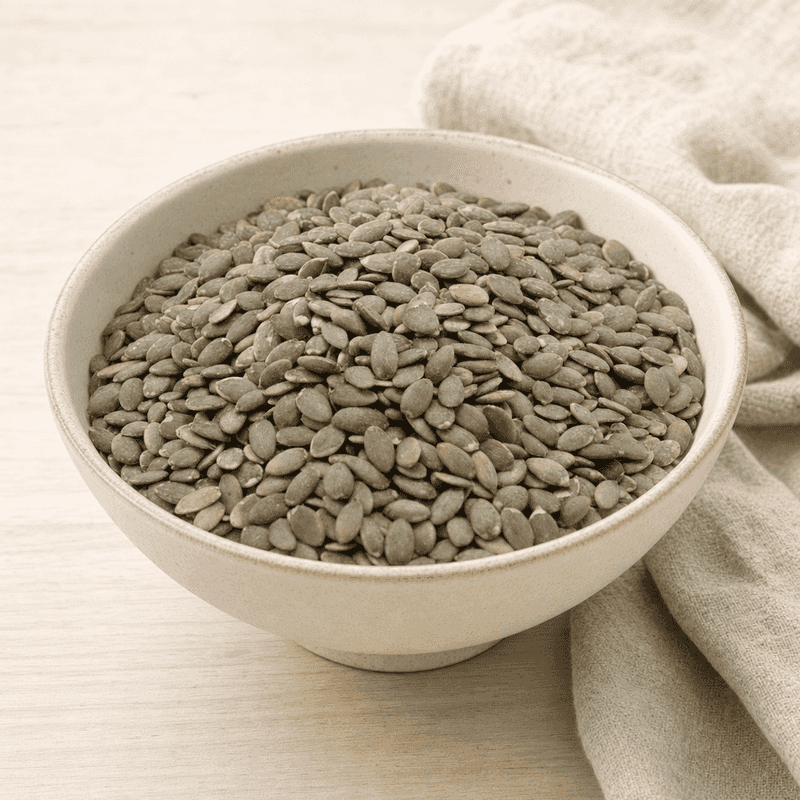
Here is the number worth remembering. According to the NIH Office of Dietary Supplements, a one-ounce serving of roasted pumpkin seeds lists 2.2 mg of zinc, which is 20% of the Daily Value.
That figure belongs to edible kernels, the green inner seeds, measured out at one ounce. If you weigh whole seeds with their white shells still on, part of that weight is shell, so you are not getting the same amount of kernel.
The USDA food table for zinc treats roasted kernels and whole roasted seeds as different entries for this reason.
Think of 2.2 mg as a reference value, not a promise. Your pumpkin variety, the size of the seeds, and the way you roast a batch at home can all shift the real number a bit.
A kitchen scale and a shelled handful will get you closer to the listed serving than a scoop of seeds straight off the baking sheet.
So when you tally what is on your snack plate this fall, count the kernels. A measured serving gives a useful food contribution of zinc, and that is a perfectly good reason to save the seeds.
What Zinc Does—and What Seeds Cannot Promise
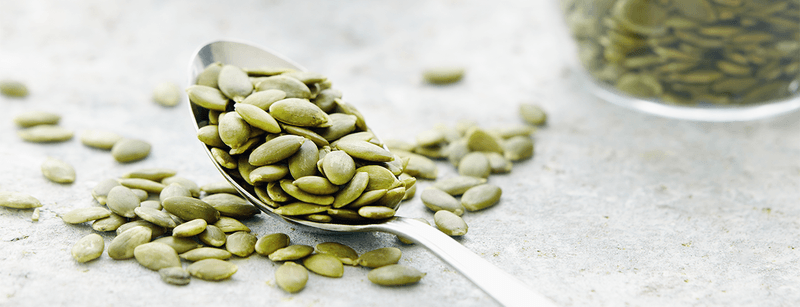
Picture zinc as a pocket repair kit. The NIH fact sheet explains that zinc helps hundreds of enzymes do their jobs, and it plays a part in making proteins and DNA and in wound healing.
Enzymes work a bit like keys that only turn the right locks, and zinc is one of the pieces many of them need.
That picture is a metaphor, and it has limits. Zinc matters in the body.
That is a different statement from saying a handful of pumpkin seeds fixes anything.
Nothing here shows that eating pumpkin seeds speeds up healing, repairs tissue or DNA, prevents illness, or boosts immunity. Seeds give you one source of a mineral your body already uses, alongside the rest of your meals.
If you have a wound that is slow to heal or a worry about your zinc levels, a health professional is the right person to ask. Seeds are a snack, and a decent one, but they are not a treatment plan.
The Listed Zinc Amount Is Not the Amount Everyone Absorbs
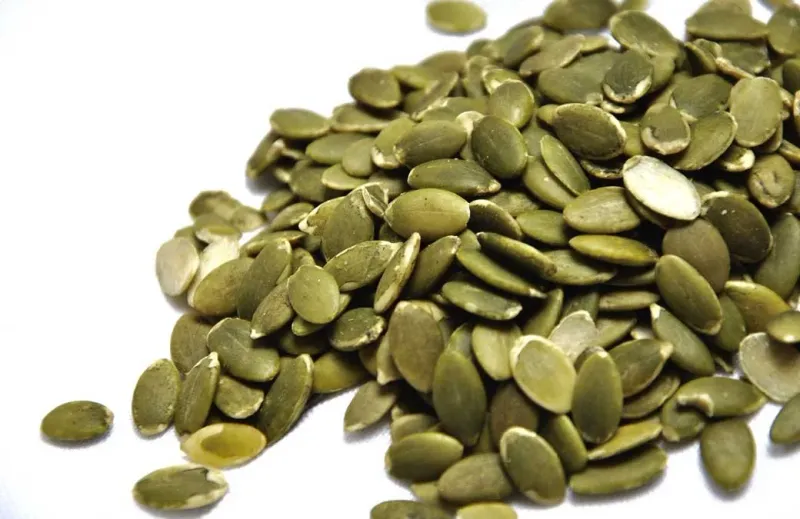
A label number tells you what is in the food, not what ends up in your body. Zinc absorption varies from person to person, and the NIH fact sheet notes that phytates in plant foods can bind zinc and reduce how much you take in.
Seeds, grains, and beans all contain phytates.
So the 2.2 mg in a serving of kernels is a starting point. Some of it may not be absorbed, and you cannot know exactly how much from your own kitchen.
Individual needs differ, too. Adult RDAs are 8 mg per day for women and 11 mg per day for men, and recommendations change with age and life stage, including pregnancy and breastfeeding.
Because of that range, one serving cannot be pinned to a fixed share of every reader’s day.
Treat pumpkin seeds as one contributor in a varied diet. They are not a way to correct a deficiency, and anyone who suspects low zinc should talk with a doctor or dietitian rather than rely on a snack.
Start With a Fresh, Uncarved Pumpkin
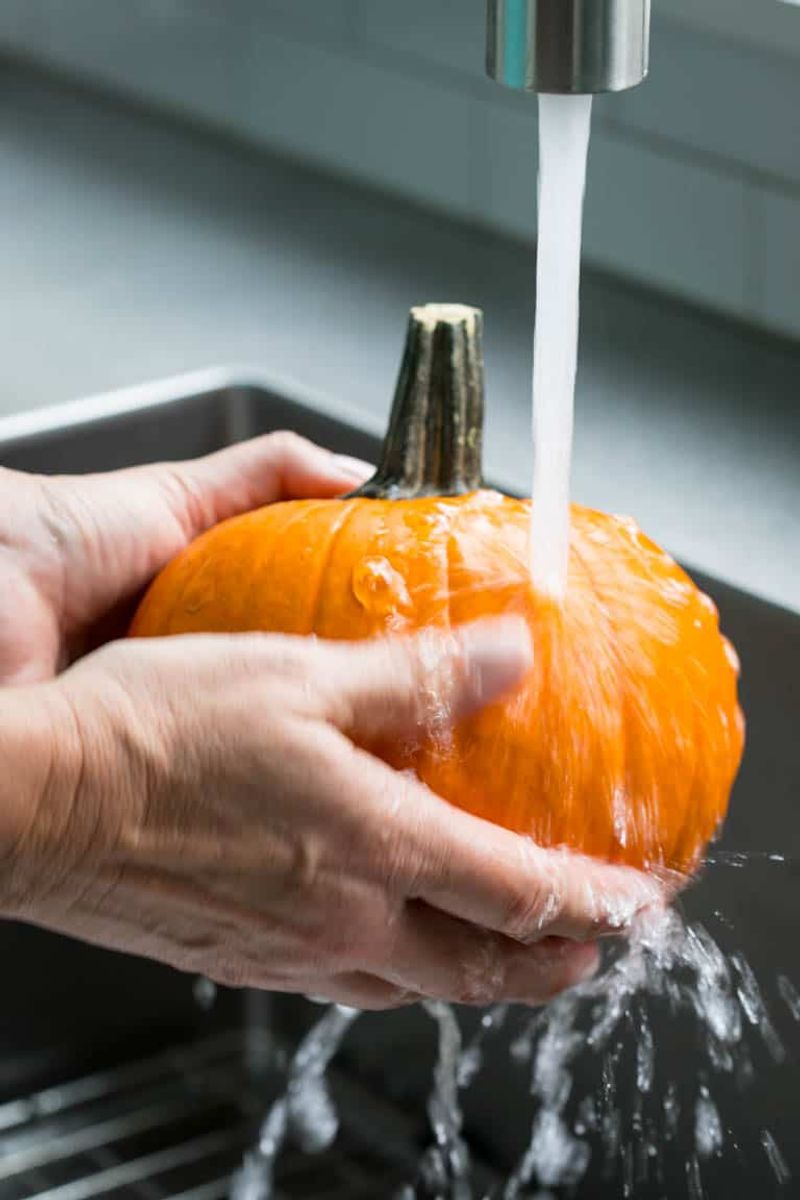
Seed safety starts before the knife comes out. Pick a sound pumpkin with no soft spots, and wash the outside under running water before cutting, as University of Minnesota Extension suggests.
Once you scoop out the seeds, rinse them to clear off the stringy pulp.
Timing matters as much as washing. Save seeds from a pumpkin you cut open fresh, not from your front-porch jack-o’-lantern.
UConn Extension warns that carved pumpkins can support bacterial growth at room temperature, and it recommends composting them after display instead of eating them.
A practical plan: carve one pumpkin for the porch and set aside a second one for seeds. Cut the seed pumpkin the same day you want to roast, and keep the display pumpkin out of the snack plan.
Washing and rinsing are good habits, but they do not make seeds from an old display pumpkin safe. When in doubt, send that pumpkin to the compost pile.
Dry and Roast the Cleaned Seeds
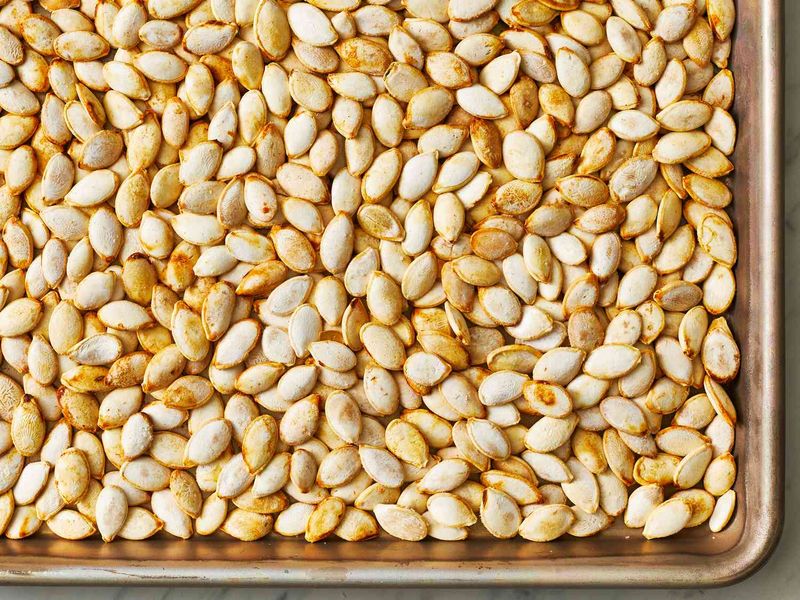
Once the seeds are rinsed, pat them dry with a towel and spread them out. University of Minnesota Extension gives a simple roasting guide: heat the oven to 275°F and roast the cleaned, dried seeds for about 30 to 35 minutes.
A single layer on a baking sheet helps them cook evenly. Give the pan a stir partway through, and watch the last few minutes so they turn golden rather than dark.
Ovens run hot or cool, and seed sizes vary, so your batch may need a little more or less time. Use the guidance as a solid starting point, then judge by color and crunch.
A light pinch of salt or spice after roasting is plenty. Remember that this roasting step applies to seeds from a fresh, uncarved pumpkin.
It is not a fix for seeds taken from a jack-o’-lantern that has been sitting out.
Refrigerate or Freeze Seeds for Storage
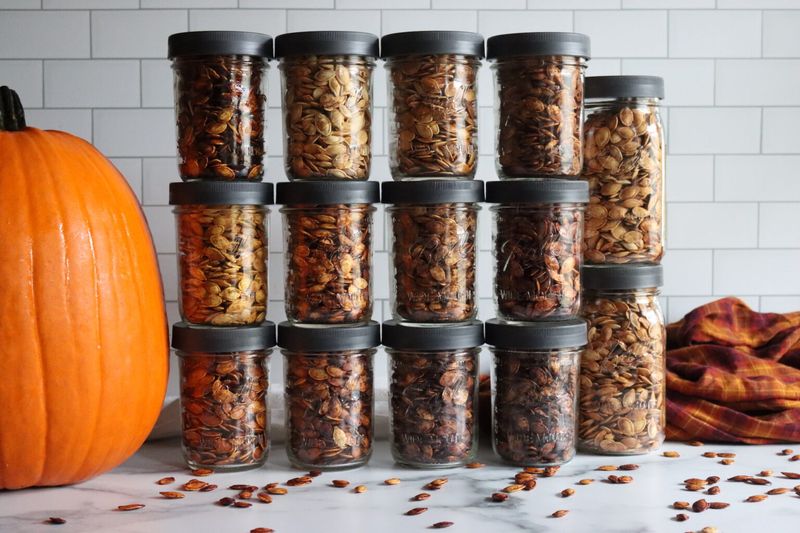
Roasting a big batch is easy, so a storage plan keeps the extras from going to waste. The University of Alaska Fairbanks Cooperative Extension advises keeping dried or roasted seeds in an airtight container in the refrigerator for up to 10 to 14 days.
For a longer stretch, move them to the freezer. A labeled freezer bag with the date written on it saves guessing later.
Let roasted seeds cool fully before sealing them in a jar or bag, so steam does not collect inside. A small jar in the fridge door works well for snacking, while the rest waits in the freezer.
Storage only keeps good seeds in good shape. It does not turn questionable seeds into safe ones, so start from a fresh pumpkin and store the batch promptly.
Treat the “Repair Kit” as a Metaphor
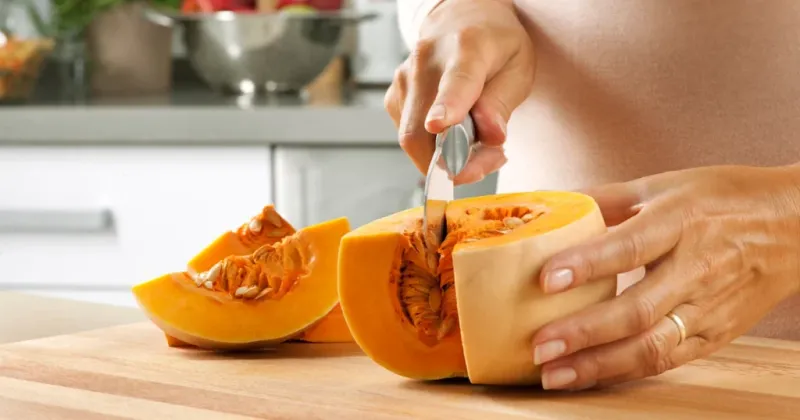
Fresh pumpkin-seed kernels can add zinc to your day, and zinc’s many jobs in the body are real. Those jobs do not add up to a special health effect from the seeds themselves.
Collect seeds before the pumpkin becomes a display, and skip the ones from a jack-o’-lantern left out, since UConn Extension points to bacterial growth at room temperature. The best seeds come from the pumpkin that never got a face.